
Every ingredient a label can name, read against the trials.
5-MTHF (Methylfolate)Provides active folate for methylation, DNA synthesis, and neurotransmitter production.Extensively studiedAdenosylcobalamin (B12)The mitochondrial coenzyme form of B12.Extensively studied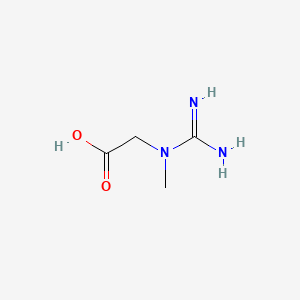 CreatineHelps your muscles produce more energy for short, intense efforts.Extensively studied
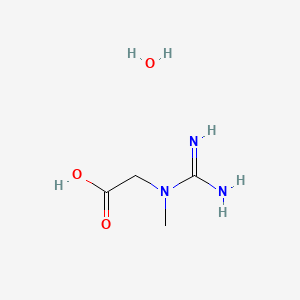 Creatine MonohydrateHelps you lift heavier and think clearer.Extensively studiedDHAIt's a literal building block for your brain and retinas.Extensively studied
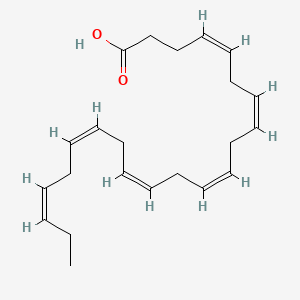 Docosahexaenoic AcidFeeds your brain and eyes.Extensively studied
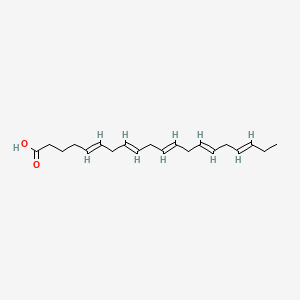 Eicosapentaenoic AcidResearch-backed compound with potential health benefits.Extensively studiedEPAReduces inflammation, supports heart health, and can help stabilize mood.Extensively studiedFatty Acids, Omega-3Supports heart health, brain function, and reduces inflammation.Extensively studiedFish Oil (Triglyceride Form)Delivers EPA and DHA on a glycerol backbone, the same arrangement fat takes in food.Extensively studiedFish OilsSupports heart health, brain function, and reduces systemic inflammation.Extensively studied
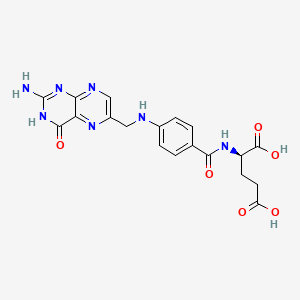 FolateFolate carries the single-carbon units your cells use to build DNA and recycle homocysteine, so it matters most in tissue that divides fast, including during pregnancy.Extensively studiedHydroxocobalamin (B12)A cobalamin form the body converts into both working coenzymes, supporting red blood cell formation, normal nerve signalling and the recycling of homocysteine to methionine.Extensively studiedMagnesiumIt makes ATP usable, which puts it behind several hundred enzymes.Extensively studiedMagnesium Bisglycinate ChelateTops up magnesium, the mineral behind muscle relaxation, nerve signalling and energy transfer.Extensively studiedMagnesium GlycinateTops up magnesium, the mineral behind muscle relaxation, nerve signalling and the ATP chemistry your cells run on.Extensively studiedOmega-3 (Heart)Reduces inflammation, supports heart health by lowering triglycerides, and helps keep your brain running smoothly.Extensively studiedOmega-3 (Triglyceride Form)Natural fish oil form.Extensively studiedOmega-3 Fish Oil (EPA/DHA)Supports heart health, brain function, and reduces inflammation.Extensively studiedQuatrefolic (5-MTHF Glucosamine)This is folate supplied already reduced and methylated, the same form that circulates in your blood, so it joins the cell folate pool without two conversion steps first.Extensively studied
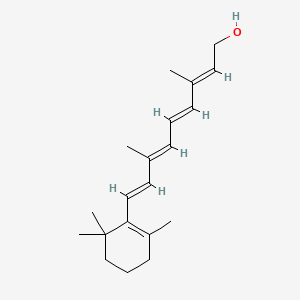 Vitamin AKeeps your vision sharp (especially at night), supports your immune system, and helps with skin cell turnover.Extensively studiedVitamin A (Retinol)Supplies vitamin A in its alcohol form.Extensively studied
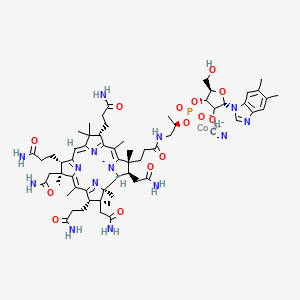 Vitamin B 12Makes red blood cells, supports nerve health, and helps your body create energy from food.Extensively studied
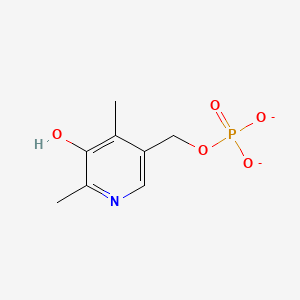 Vitamin B 6Helps your body make mood chemicals like serotonin and dopamine, process energy from food, and support your immune system.Extensively studiedVitamin B12Keeps your nerves and brain healthy, makes red blood cells.Extensively studiedVitamin B12 (Cobalamin)Critical for making red blood cells, protecting nerves, and converting food to energy.Extensively studiedVitamin B9 (Folate)Essential for making DNA and new cells.Extensively studied
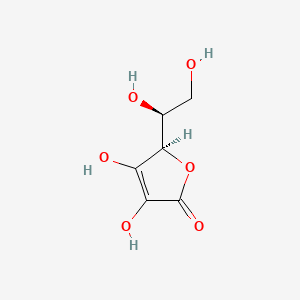 Vitamin CActs as a potent antioxidant, helps your body build collagen for better skin and joints, and can shorten the duration of the common cold.Extensively studiedVitamin DSupports bone health by helping absorb calcium, shores up your immune system, and regulates mood.Extensively studiedVitamin D3Supports your immune system, builds strong bones, and regulates mood.Extensively studiedVitamin D3 (Immune)Supports your immune system, helps build strong bones, and regulates mood.Extensively studiedVitamin D3/K2 ComboPairs vitamin D, which raises how much calcium you absorb, with vitamin K2, the cofactor that carboxylates the proteins putting that calcium into bone.Extensively studied
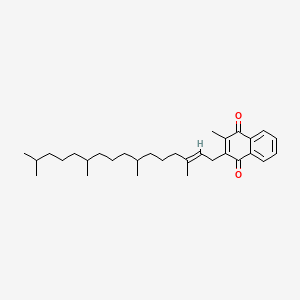 Vitamin KActivates proteins that direct calcium to your bones and teeth.Extensively studiedVitamin K2Directs calcium to your bones and teeth.Extensively studiedVitamin K2 (Bones)Acts like a GPS for calcium.Extensively studied
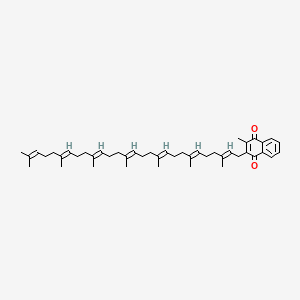 Vitamin K2 (MK-7)Activates the proteins that let calcium bind where it belongs, in bone matrix rather than soft tissue, and supports normal clotting.Extensively studied
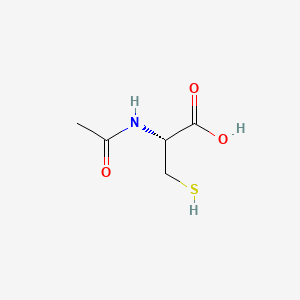 AcetylcysteineBoosts glutathione, your body's main antioxidant.Extensively studiedActivated B-ComplexProvides B vitamins in their active, usable forms for optimal absorption.Extensively studiedAdenosylcobalamin (AdoB12)Supports mitochondrial energy production.Extensively studiedAdenosylcobalamin (Dibencozide)Active form of B12 used in mitochondria.Extensively studiedAged Garlic Extract (Kyolic)Aged form with unique compounds.Extensively studiedAlgae DHADelivers DHA, the omega-3 essential for brain, eyes, and heart.Extensively studiedAlgal DHADelivers DHA, the omega-3 your brain needs most.Extensively studiedAlgal OilSupplies preformed DHA grown in tanks, the same molecule fish carry.Extensively studiedArctic Root (Rhodiola rosea)Modulates stress response, reduces fatigue, and supports mental performance.Extensively studiedAshwagandhaHelps your body manage stress by lowering cortisol.Extensively studiedAshwagandha (KSM-66)Takes the edge off everyday stress.Extensively studiedAshwagandha KSM-66Lowers cortisol, reduces stress and anxiety, improves sleep quality, supports testosterone in men, enhances endurance and recovery.Extensively studiedAshwagandha Root Powder ExtractHelps your body handle stress.Extensively studiedAshwagandha SensorilReduces cortisol and stress, improves sleep quality, supports cardiovascular health markers, provides strong anxiolytic effects.Extensively studiedBenfotiamine (High Dose)A fat-soluble derivative of B1 that raises blood and tissue thiamine further than plain thiamine does, supporting nerve comfort and normal glucose handling.Extensively studiedBerberineLowers blood sugar, improves cholesterol, and can help with weight management.Extensively studiedBerberine HClPlant alkaloid for blood sugar and cholesterol.Extensively studied
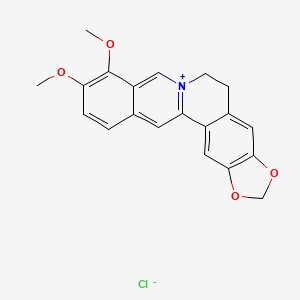 Berberine HydrochlorideHelps your body handle sugar better and can lower LDL cholesterol.Extensively studied
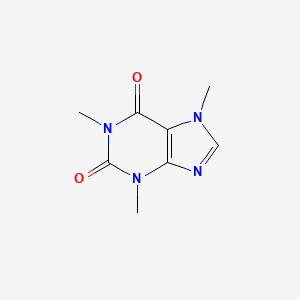 CaffeineBoosts energy, sharpens focus, and improves physical performance.Extensively studiedCaffeine AnhydrousBlocks the adenosine signal that builds the longer you're awake.Extensively studiedCalciumBuilds and maintains bones and teeth.Extensively studiedCalcium + D3Keeps your bones from getting brittle.Extensively studiedCDP-Choline (Citicoline)Combines choline with cytidine.Extensively studiedChelated Zinc (Zinc Bisglycinate)The zinc form that doesnt upset your stomach.Extensively studied
CreatineHelps your muscles produce more energy for short, intense efforts.Extensively studiedCreatine MonohydrateHelps you lift heavier and think clearer.Extensively studiedDHAIt's a literal building block for your brain and retinas.Extensively studiedDocosahexaenoic AcidFeeds your brain and eyes.Extensively studiedEicosapentaenoic AcidResearch-backed compound with potential health benefits.Extensively studiedEPAReduces inflammation, supports heart health, and can help stabilize mood.Extensively studiedFatty Acids, Omega-3Supports heart health, brain function, and reduces inflammation.Extensively studiedFish Oil (Triglyceride Form)Delivers EPA and DHA on a glycerol backbone, the same arrangement fat takes in food.Extensively studiedFish OilsSupports heart health, brain function, and reduces systemic inflammation.Extensively studiedFolateFolate carries the single-carbon units your cells use to build DNA and recycle homocysteine, so it matters most in tissue that divides fast, including during pregnancy.Extensively studiedHydroxocobalamin (B12)A cobalamin form the body converts into both working coenzymes, supporting red blood cell formation, normal nerve signalling and the recycling of homocysteine to methionine.Extensively studiedMagnesiumIt makes ATP usable, which puts it behind several hundred enzymes.Extensively studiedMagnesium Bisglycinate ChelateTops up magnesium, the mineral behind muscle relaxation, nerve signalling and energy transfer.Extensively studiedMagnesium GlycinateTops up magnesium, the mineral behind muscle relaxation, nerve signalling and the ATP chemistry your cells run on.Extensively studiedOmega-3 (Heart)Reduces inflammation, supports heart health by lowering triglycerides, and helps keep your brain running smoothly.Extensively studiedOmega-3 (Triglyceride Form)Natural fish oil form.Extensively studiedOmega-3 Fish Oil (EPA/DHA)Supports heart health, brain function, and reduces inflammation.Extensively studiedQuatrefolic (5-MTHF Glucosamine)This is folate supplied already reduced and methylated, the same form that circulates in your blood, so it joins the cell folate pool without two conversion steps first.Extensively studiedVitamin AKeeps your vision sharp (especially at night), supports your immune system, and helps with skin cell turnover.Extensively studiedVitamin A (Retinol)Supplies vitamin A in its alcohol form.Extensively studiedVitamin B 12Makes red blood cells, supports nerve health, and helps your body create energy from food.Extensively studiedVitamin B 6Helps your body make mood chemicals like serotonin and dopamine, process energy from food, and support your immune system.Extensively studiedVitamin B12Keeps your nerves and brain healthy, makes red blood cells.Extensively studiedVitamin B12 (Cobalamin)Critical for making red blood cells, protecting nerves, and converting food to energy.Extensively studiedVitamin B9 (Folate)Essential for making DNA and new cells.Extensively studiedVitamin CActs as a potent antioxidant, helps your body build collagen for better skin and joints, and can shorten the duration of the common cold.Extensively studiedVitamin DSupports bone health by helping absorb calcium, shores up your immune system, and regulates mood.Extensively studiedVitamin D3Supports your immune system, builds strong bones, and regulates mood.Extensively studiedVitamin D3 (Immune)Supports your immune system, helps build strong bones, and regulates mood.Extensively studiedVitamin D3/K2 ComboPairs vitamin D, which raises how much calcium you absorb, with vitamin K2, the cofactor that carboxylates the proteins putting that calcium into bone.Extensively studiedVitamin KActivates proteins that direct calcium to your bones and teeth.Extensively studiedVitamin K2Directs calcium to your bones and teeth.Extensively studiedVitamin K2 (Bones)Acts like a GPS for calcium.Extensively studiedVitamin K2 (MK-7)Activates the proteins that let calcium bind where it belongs, in bone matrix rather than soft tissue, and supports normal clotting.Extensively studiedAcetylcysteineBoosts glutathione, your body's main antioxidant.Extensively studiedActivated B-ComplexProvides B vitamins in their active, usable forms for optimal absorption.Extensively studiedAdenosylcobalamin (AdoB12)Supports mitochondrial energy production.Extensively studiedAdenosylcobalamin (Dibencozide)Active form of B12 used in mitochondria.Extensively studiedAged Garlic Extract (Kyolic)Aged form with unique compounds.Extensively studiedAlgae DHADelivers DHA, the omega-3 essential for brain, eyes, and heart.Extensively studiedAlgal DHADelivers DHA, the omega-3 your brain needs most.Extensively studiedAlgal OilSupplies preformed DHA grown in tanks, the same molecule fish carry.Extensively studiedArctic Root (Rhodiola rosea)Modulates stress response, reduces fatigue, and supports mental performance.Extensively studiedAshwagandhaHelps your body manage stress by lowering cortisol.Extensively studiedAshwagandha (KSM-66)Takes the edge off everyday stress.Extensively studiedAshwagandha KSM-66Lowers cortisol, reduces stress and anxiety, improves sleep quality, supports testosterone in men, enhances endurance and recovery.Extensively studiedAshwagandha Root Powder ExtractHelps your body handle stress.Extensively studiedAshwagandha SensorilReduces cortisol and stress, improves sleep quality, supports cardiovascular health markers, provides strong anxiolytic effects.Extensively studiedBenfotiamine (High Dose)A fat-soluble derivative of B1 that raises blood and tissue thiamine further than plain thiamine does, supporting nerve comfort and normal glucose handling.Extensively studiedBerberineLowers blood sugar, improves cholesterol, and can help with weight management.Extensively studiedBerberine HClPlant alkaloid for blood sugar and cholesterol.Extensively studiedBerberine HydrochlorideHelps your body handle sugar better and can lower LDL cholesterol.Extensively studiedCaffeineBoosts energy, sharpens focus, and improves physical performance.Extensively studiedCaffeine AnhydrousBlocks the adenosine signal that builds the longer you're awake.Extensively studiedCalciumBuilds and maintains bones and teeth.Extensively studiedCalcium + D3Keeps your bones from getting brittle.Extensively studiedCDP-Choline (Citicoline)Combines choline with cytidine.Extensively studiedChelated Zinc (Zinc Bisglycinate)The zinc form that doesnt upset your stomach.Extensively studied60 of 3,848