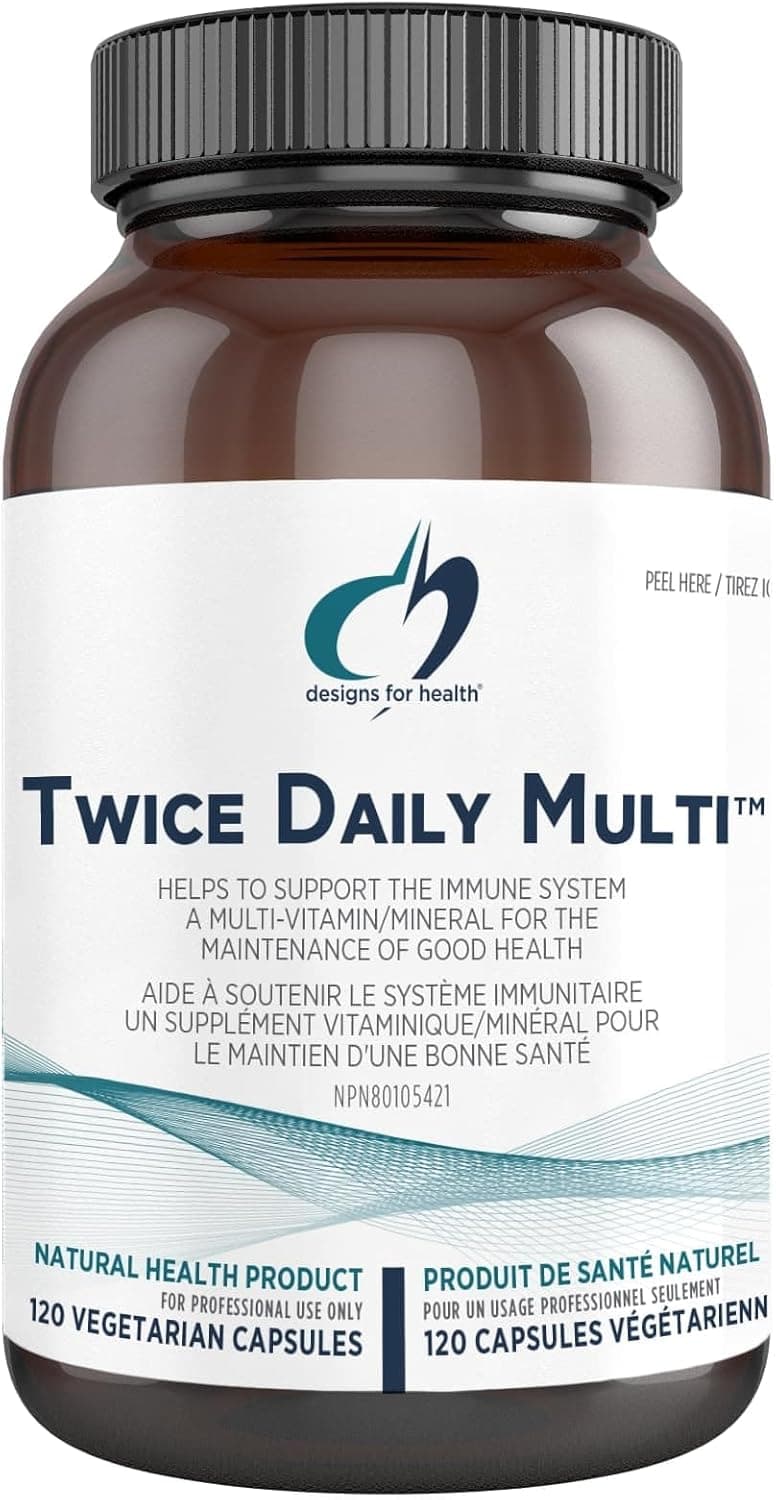
Alpha-Tocopherol Acetate.
Research-backed vitamin with potential health benefits. Acts as an antioxidant, protecting cells from damage. It's important for immune function and skin health.
Reviewed March 2026
- Category
- Vitamin
What Alpha-Tocopherol Acetate is, and what it does.
- Does it work
- Probably not. Deficiency is rare, and high-dose supplements have shown more risk than benefit in large trials. Get it from food.
- How much to take
- The RDA is about 15 mg (22.4 IU) daily. Most multivitamins cover this. High-dose standalone supplements (400 IU+) are not recommended for general health.
- Time to feel it
- Weeks. Plasma vitamin E status typically shifts over about four to eight weeks of daily intake, which is where the change is read.
- The first dose
- Absolutely nothing. This works at a cellular level over a long time.
- With regular use
- For most people, high doses might increase long-term health risks. If you are truly deficient, it corrects that. Otherwise, benefits are questionable.
- How well tolerated
- Well tolerated at doses found in food and multivitamins. High-dose supplements (400 IU+) are a different story and have been linked to serious issues in studies. Don't mega-dose.
- How it feels
- You don't feel it. It's an insurance policy you probably don't need if you eat nuts and seeds.
- The overlooked benefit
- The acetate cap is inert until digestion, so the capsule holds its potency on a warm shelf. Take it with a fat-containing meal so bile and esterases can do the unwrapping.
15 to 200 IU a day is where Alpha-Tocopherol Acetate works.
Source: NIH ODS + Miller 2005 meta-analysis
The proof, claim by claim.
These words describe the research, not the molecule's worth. Research strength is how much work stands behind one claim, and it is never a product score.
Alpha-Tocopherol Acetate is documented in the library. The clinical read is in the queue. Nothing about the strength of the research prints until the read is done.
- vitamin E nutritional statusRandomised trial
- chain-breaking protection of membrane lipids from oxidationNarrative review
- immune cell function in older adultsRandomised trial
- skin barrier and skin antioxidant supportNarrative review
- release of free alpha-tocopherol by intestinal esterasesNarrative review
Questions people ask about Alpha-Tocopherol Acetate.
- Is this the same as Vitamin E from food?
- No. This is a stable, synthetic form. Natural Vitamin E from food (d-alpha-tocopherol) is generally better absorbed and comes with other beneficial compounds.
- Can I take this for skin health?
- It's in many topical creams and might help there. Taking it orally for skin? The evidence is weak. You're better off eating almonds.
- More is better for antioxidants, right?
- Nope. That's not how biology works. Too much can act as a pro-oxidant and has been linked to increased health risks in studies.
- What's the difference between IU and mg?
- It's confusing. For this synthetic form, 1 mg is about 1 IU. The RDA is 15 mg (around 22 IU). Many supplements give you 400-1000 IU.
- Who actually needs to supplement this?
- People with specific fat malabsorption disorders or very rare genetic conditions. Your doctor will tell you if you're one of them.
Why these belong in the same formula. Each row says what the basis is, from settled biochemistry through to a trial that measured the pair.
The acetate ester has to be cleaved by pancreatic and mucosal esterases and then carried in bile salt micelles before free tocopherol can be absorbed. Bile availability is the rate-limiting step for the ester form specifically, more so than for free tocopherol.
Ester hydrolysis and micelle formation both depend on a fat-containing meal triggering bile and pancreatic output. Delivering the acetate in an oil base rather than a dry powder raises the fraction that arrives as free tocopherol.
Once the acetate is cleaved, the free tocopherol enters the standard recycling loop where ascorbate returns the tocopheroxyl radical to active form. The ester itself is not an antioxidant until that cleavage happens.
Tocopherol breaks radical chains within membranes while selenium-dependent glutathione peroxidase removes the resulting peroxides. Low status in either raises the functional requirement for the other.
Glutathione regenerates ascorbate, and ascorbate regenerates tocopherol, so the three form one chain. Tocopherol turnover tracks glutathione supply upstream.
Reduced lipoic acid restores ascorbate and can act directly on the tocopheroxyl radical, so it feeds the recycling loop from two directions. It functions in both lipid and water phases.
Ubiquinol sits in the same bilayer and reduces the tocopheroxyl radical without needing a water-phase donor. Between them the two cover membrane lipid oxidation.
Alpha-tocopherol transfer protein in the liver favours alpha-tocopherol over tocotrienols, so a large alpha dose lowers tocotrienol levels in blood. Separating the doses in time is the standard workaround.
High-dose alpha-tocopherol interferes with vitamin K dependent carboxylation of clotting factors and dampens platelet aggregation. Those effects add to anything else influencing normal clotting.
Polyunsaturated fats oxidise readily, so a higher intake raises the alpha-tocopherol requirement. Tocopherol is also added to the oil during manufacture for the same chemical reason.
Tocopherol limits retinol oxidation in the gut and in tissue, so more vitamin A survives to be used. They also share the micellar absorption route, so very large tocopherol doses can crowd retinol uptake.
The acetate is a storage-stable ester of the same molecule, so doses from both sources add against one intake ceiling. Only the free form is redox active, so the ester contributes after esterase cleavage.
The acetate ester has to be cleaved before the molecule can act as an antioxidant, and pancreatic esterase and lipase activity is what performs that cleavage in the small intestine. Pancreatic enzymes also generate the fatty acid and monoglyceride products that build the mixed micelle a fat-soluble vitamin needs for uptake. Where pancreatic output is low, the ester form is handled less completely than free tocopherol.
Lipase digests dietary triglyceride into the amphipathic products that form mixed micelles, and tocopherol partitions into those micelles to cross the unstirred water layer. Without lipolysis the vitamin stays in the oil phase. This is why vitamin E uptake tracks the fat content of the meal it is taken with.
Phospholipid emulsifiers disperse tocopheryl acetate into fine droplets and increase the surface available to lipase and esterase. Water-dispersible vitamin E preparations are built on exactly this principle. The effect is on delivery and dispersion rather than on the vitamin's own chemistry.
Free tocopherol inserts into phospholipid bilayers with its chromanol head at the membrane surface and its phytyl tail among the acyl chains, which is the geometry that lets it intercept lipid peroxyl radicals. Phosphatidylcholine is both the delivery vehicle and the substrate being protected. The pairing describes where the molecule works, not an added benefit.
Hepatic alpha-tocopherol transfer protein preferentially selects the alpha form for export in VLDL, so a large alpha-tocopherol dose lowers circulating gamma- and delta-tocopherol concentrations. That is a displacement, not a defect in either form. Formulas that want a mixed profile keep the alpha load in proportion for this reason.
Carotenoids and tocopherols compete for space in the same mixed micelles and travel in the same chylomicrons and lipoproteins, so a very large dose of one can reduce the measured uptake of the other. At ordinary dietary and supplemental amounts the competition is modest. Both also participate in the same lipid-phase antioxidant network once in the membrane.
Lycopene is a highly lipophilic carotenoid that occupies the same micellar and lipoprotein compartments as tocopherol. High single doses of one compete for that limited carrier space. Both act as lipid-phase antioxidants, so the interaction runs in two directions depending on dose and timing.
Astaxanthin spans the membrane bilayer rather than sitting only in its core, which places it in a complementary position to tocopherol at the membrane surface. Both quench lipid-phase radical species. Human data on the specific combination is limited, so this sits at Promising.
Every additional double bond in a membrane fatty acid is another site available for peroxidation, so vitamin E requirement rises with polyunsaturated fat intake. Linoleic acid is the dominant dietary polyunsaturate in most diets. This is why oils rich in it naturally carry tocopherols and why formulators add them back when they are stripped during processing.
Long-chain omega-3 oils oxidise readily, and tocopherol is added to the oil as the chain-breaking antioxidant that slows peroxide formation during shelf life. The oil in turn acts as the lipid vehicle that carries the vitamin through digestion. Each protects or delivers the other, which is a genuinely two-way formulation relationship.
Alpha-linolenic acid carries three double bonds and is among the more oxidation-prone dietary fats, so tocopherol is routinely present in flaxseed oil formulations. The oil supplies the fat matrix a fat-soluble vitamin needs for uptake. The relationship is formulation chemistry, not a clinical claim.
Unbound iron catalyses Fenton chemistry and initiates lipid peroxidation, which consumes tocopherol as it does its chain-breaking job. High-dose iron and vitamin E in the same formula therefore pull against each other in the container as well as in the gut. This is why iron is often separated from oil-based antioxidant blends.
Copper ions accelerate lipid peroxidation in vitro and in oil-containing matrices, and tocopherol is consumed in slowing that reaction. Chelators are used in oil formulations for exactly this reason. The interaction is about formulation stability and redox chemistry, not about nutritional antagonism at ordinary intakes.
Once tocopherol donates a hydrogen atom it becomes a tocopheroxyl radical, and the thiol and ascorbate pools are what reduce it back to the active form. N-acetylcysteine supplies cysteine for glutathione synthesis, which sits in that recycling chain. The interaction is on regeneration of the active molecule rather than on absorption.
High-dose alpha-tocopherol can interfere with vitamin K-dependent carboxylation and with normal clotting time, an interaction described in clinical references and relevant to anyone already taking anticoagulant medicine. This is a caution rather than a pairing to encourage. It matters most at doses far above dietary intakes.
Zinc status has been reported to influence circulating vitamin E, plausibly through effects on lipoprotein handling and on the retinol and tocopherol transport proteins. The observations are associational and mostly from depletion work. Stated at Promising and as an association, not a mechanism established at the enzyme level.
Lutein is a xanthophyll carotenoid that shares micellar incorporation and lipoprotein transport with tocopherol, so large doses compete for the same carrier capacity. Both are also lipid-phase antioxidants concentrated in membranes. The interaction is dose-dependent and modest at supplemental amounts.
Nothing specific on file for Alpha-Tocopherol Acetate. Match the label to the daily amount above, and tell your doctor what you take.
Not medical advice. Show the label to your pharmacist.What Alpha-Tocopherol Acetate actually does.
The acetate form of vitamin E has its antioxidant-active part chemically capped, so as supplied it has no antioxidant activity of its own. Gut enzymes remove that cap to release the active form before it's absorbed.
Capping that reactive part is exactly why this ester form exists. The uncapped form oxidizes on the shelf, while the ester version is far more stable to air, light and heat in a tablet, powder or oil.
Once free, vitamin E donates a hydrogen atom to a reactive fat molecule and stops a chain reaction that damages cell membranes. What's left behind is fairly unreactive, which is what makes it an antioxidant rather than something that causes more damage.
The spent form of vitamin E can be recycled back to its active state by vitamin C and another antioxidant working in cell membranes, which means vitamin E gets reused rather than used up each time, as long as those partners are present.
Where Alpha-Tocopherol Acetate comes from.
There are two ways to get here. One builds the molecule from scratch out of two chemical pieces, which produces a mixture of eight mirror-image versions. The other pulls it out of a leftover stream from vegetable oil refining, which gives just one version. Either way the last step is the same: stick an acetate cap on the reactive end so it does not go off in the bottle. The body takes that cap off during digestion.
Chemically synthesised. The molecule is identical to the one a plant or an animal makes, and building it deliberately means a known purity, a fixed dose and no crop contaminants. For several nutrients this is the only route that reaches a usable amount.
The synthetic route builds the chromanol ring from trimethylhydroquinone and the phytyl side chain from isophytol, both produced through petrochemical or increasingly bio-based intermediate chemistry. A separate natural route starts instead from vegetable oil deodoriser distillate, most commonly a soy stream.
Acid-catalysed condensation of the two building blocks forms the chromanol ring system with the phytyl tail attached. This step is not stereoselective, which is why the synthetic product is a mixture of all eight stereoisomers.
For the natural-source material, tocopherols are concentrated from deodoriser distillate by molecular distillation and separated by chromatography, then the alpha fraction may be methylated up from gamma and delta forms.
The crude tocopherol is purified by vacuum distillation and treated to remove colour bodies and residual catalyst.
The phenolic hydroxyl is acetylated. This is the step that converts a shelf-unstable antioxidant into a stable ester and sets the identity of the finished ingredient.
The ester is supplied as a viscous oil, adsorbed onto silica or starch, spray-dried into beadlets for dry blending, or emulsified for aqueous formats. Potency is assayed and declared in IU or mg alpha-tocopherol equivalents.
Getting Alpha-Tocopherol Acetate from food.
The whole-food sources on file. A supplement closes the gap, it does not replace dinner.
A gram-for-gram figure (how much of each you would eat to match a dose) will appear here once it is sourced and reviewed. This page will not print a number it cannot cite.
The forms it comes in.
The essence, in one line each.
- A scoping review concluding that urinary alpha-carboxyethyl hydroxychromanol reflects vitamin E intake and behaves as an intake biomarker. A biomarker of exposure is not an outcome measure.Systematic review. Benchetrit et al., 2026 (The Journal of Nutrition). PMID 41871666 ↗
- Traces a century of vitamin E research from its identification through to biosynthetic and bio-manufacturing routes for tocopherols.Narrative review. Zhang et al., 2026 (Journal of Integrative Plant Biology). PMID 41866783 ↗
- Reviews antioxidant and neuroprotective mechanisms attributed to tocopherol and tocotrienol in ocular tissue and describes the clinical evidence as preliminary.Narrative review. Latib et al., 2025 (Drug Design, Development and Therapy). PMID 41293759 ↗
- In rats given a toxicant challenge, lung retinol fell while alpha-tocopherol rose in lung and liver tissue. These are tissue concentration markers in an animal model, not a human outcome.Animal study. Baybutt et al., 2026 (Journal of Nutritional Science). PMID 41737349 ↗
- Antioxidant supplementation of a neonatal parenteral nutrition solution reduced oxidant generation measured in vitro. The measurement is of the solution chemistry, not of a person.In vitro study. Karthigesu et al., 2026 (Current Developments in Nutrition). PMID 42180653 ↗
- Vitamin E supplementation moderated salt-induced oxidation status in beef, an oxidative stability measure in the tissue rather than a health measure.Animal study. Asido et al., 2026 (Meat Science). PMID 42229083 ↗
- Antioxidants including vitamin E given around parturition altered postpartum oxidative and metabolic measures in lactating buffaloes.Animal study. Frattina et al., 2026 (Tropical Animal Health and Production). PMID 42283949 ↗
- A red palm olein biscuit, which supplies both carotenoids and tocopherols, modulated gut microbiota composition in schoolchildren with low vitamin A status. The reported endpoint is microbiota composition, not a clinical outcome, and the vehicle supplies several nutrients at once.Randomised trial. Tan et al., 2025 (Nature Communications). PMID 41125622 ↗
These are the studies our verdict leans on, chosen from the 8 we read for Alpha-Tocopherol Acetate. The full linked list is below.
Problems people have reported.
Read this carefully. These are 872,099 voluntary, unverified reactions reported to the FDA (openFDA). The number mostly reflects how popular Alpha-Tocopherol Acetate is, not how risky it is. A report is not proof Alpha-Tocopherol Acetate caused anything. It is a signal of what to watch for, nothing more.
Source: openFDA adverse-event reports. Voluntary reporting, not an incidence rate.
FDA Disclaimer: These statements have not been evaluated by the Food and Drug Administration. This information is for educational purposes only and is not intended to diagnose, treat, cure, or prevent any disease. Consult your healthcare provider before starting any supplement regimen.