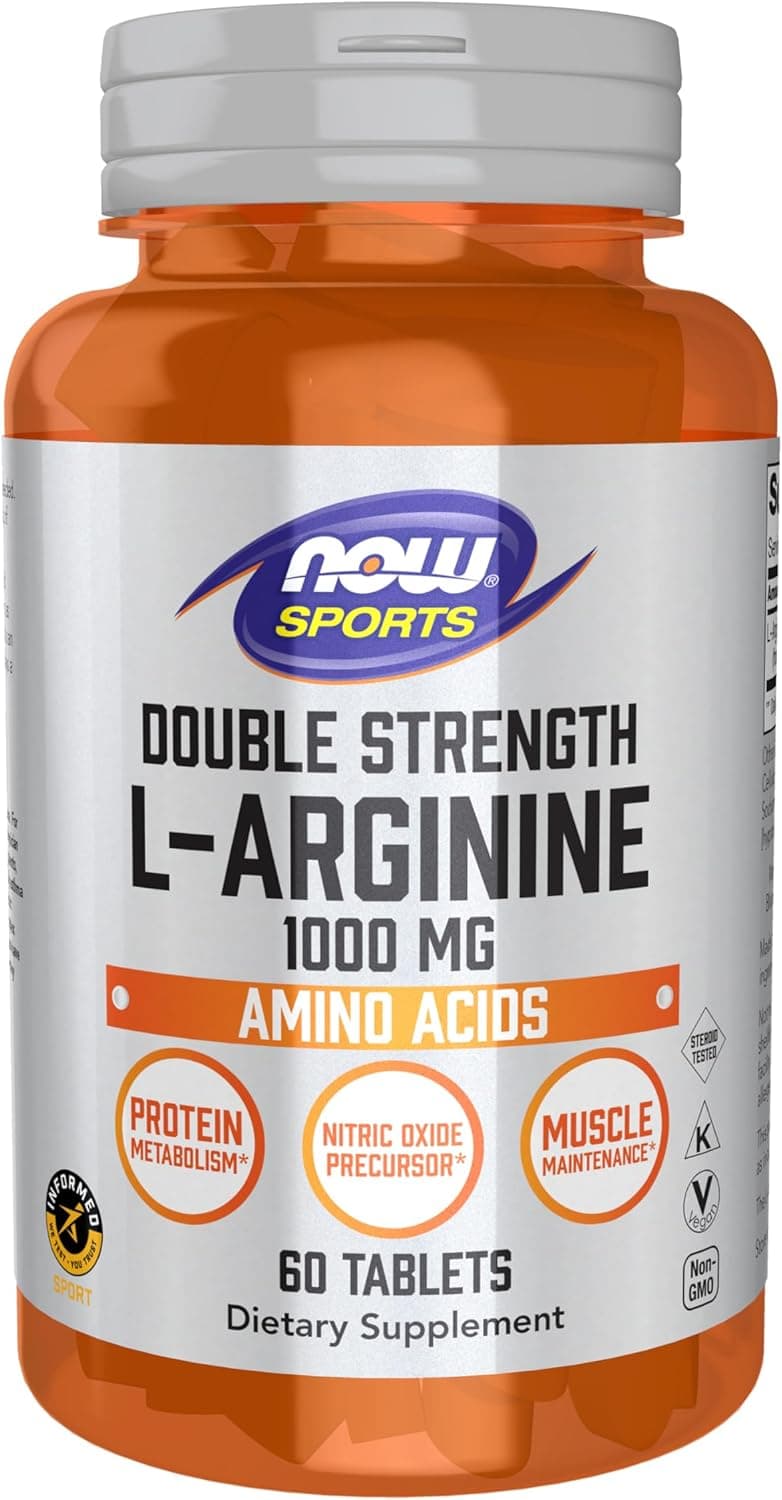
Arginine.
May offer mild blood flow benefits, but often overhyped for muscle growth. Tries to increase nitric oxide for better blood flow. This theoretically helps with muscle pumps and, for some, blood pressure. But it's not very efficient at it.
Reviewed March 2026
- Category
- Amino acid
- Also filed under
- May support cardiovascular health.Potential to improve exercise performance in some individuals.Supports wound healing.
What Arginine is, and what it does.
- Does it work
- No. It's old-school tech with a fatal flaw: poor absorption. Your body breaks it down too fast. L-Citrulline does the same job much more effectively.
- How much to take
- Studies use 3-6 grams, often in divided doses. But honestly, the better dose is zero. Take 6-8 grams of L-Citrulline instead.
- Time to feel it
- About two weeks of daily use.
- The first dose
- Probably nothing. Any potential effect on blood flow or 'pump' is inconsistent and would take time to build up, if it happens at all.
- With regular use
- Inconsistent results. For workouts, any 'pump' effect is temporary and often underwhelming.
- How well tolerated
- Generally well tolerated for healthy people at normal doses. The main issue is that it can trigger cold sores. Avoid if you have kidney issues or are taking blood pressure or ED medication.
- How it feels
- Underwhelming. You might notice a slightly better pump in the gym, but many notice zero difference. This is not a 'feel it' supplement.
- The overlooked benefit
- It does plenty away from the pump it gets sold for: it feeds creatine synthesis with glycine, opens the polyamine pathway, and is the last step of the urea cycle.
3 to 6g a day is where Arginine works.
Source: Bode-Boger et al. Biochem Biophys Res Commun 2003; Examine.com Arginine page
A before and after clinical study gave 5 g per day of oral L-arginine for 14 days to three groups of women, 25 healthy young aged 18 to 30, 25 healthy elderly over 65, and 23 elderly women with type 2 diabetes. Nailfold videocapillaroscopy and venous occlusion plethysmography were run before and after. Peak red blood cell velocity after one minute of ischaemia rose in all three groups and vasoreactivity during reactive hyperaemia increased, while capillary diameters and functional capillary density were unchanged. Systolic, diastolic and mean arterial pressure fell in the elderly groups only. Every participant received arginine, so there is no placebo comparison, and only women were studied.
The proof, claim by claim.
These words describe the research, not the molecule's worth. Research strength is how much work stands behind one claim, and it is never a product score.
While arginine plays a role in nitric oxide production, its effectiveness as a supplement is debated due to bioavailability issues. Some studies show benefits for specific populations (e.g., those with cardiovascular issues), but results are inconsistent for healthy individuals.
- Reduces blood pressure in hypertensive individualsMeta-analysis of 11 RCTs
- Improves mild-to-moderate erectile dysfunctionSystematic review of 10 RCTs
- EarlyEnhances aerobic and anaerobic exercise performanceMeta-analysis15 trials, Viribay et al., 2020 (Nutrients)PMID 32370176
Questions people ask about Arginine.
- Should I take Arginine or Citrulline for a pump?
- Citrulline, every time. It bypasses the gut breakdown issue and raises blood arginine levels more effectively than taking arginine itself. It's what arginine wants to be.
- Is Arginine good for muscle growth?
- Not directly. It's supposed to improve blood flow to muscles, but the effect is weak. Creatine is what you want for actual strength and size.
- Can I take it with Viagra or Cialis?
- No. Talk to your doctor. Combining them can cause a dangerous drop in blood pressure.
- What's the difference between L-Arginine and AAKG?
- AAKG is Arginine Alpha-Ketoglutarate. It's just a different form. It has the same problem: still gets broken down by your gut. No proven advantage.
- Does it give you energy for a workout?
- No. It's not a stimulant like caffeine. It's meant to improve blood flow, not provide a direct energy boost.
Why these belong in the same formula. Each row says what the basis is, from settled biochemistry through to a trial that measured the pair.
The body rebuilds arginine from citrulline through the same enzymes that run the nitric oxide cycle, and oral citrulline slips past the gut and liver arginase that degrades much of ingested arginine. Pairing them raises circulating arginine more than arginine alone, feeding the normal nitric oxide pathway that sets blood vessel tone.
Arginine and glycine are the two amino acids that feed the first committed step of creatine synthesis, where the guanidino group of arginine transfers onto glycine to form guanidinoacetate that the body then methylates into creatine. Supplying both provides the raw materials this normal pathway draws on.
Nitric oxide synthase needs the cofactor tetrahydrobiopterin to convert arginine into nitric oxide, and when that cofactor oxidizes the enzyme uncouples and makes superoxide instead. Vitamin C helps preserve and regenerate tetrahydrobiopterin, keeping the enzyme coupled so arginine feeds normal nitric oxide production.
Arginase splits arginine into ornithine and urea, and ornithine re-enters the cycle toward citrulline and then arginine. The two sit on consecutive steps of one cycle.
Agmatine is formed by decarboxylating arginine, and it in turn modulates nitric oxide synthase and arginase activity. Supplying both puts the substrate and its regulatory metabolite in one formula.
Lysine and arginine both move on the y+ cationic amino acid transporters in gut and kidney, so a large lysine dose competes with arginine for uptake. Separating the doses avoids the competition.
Norvaline inhibits arginase, the enzyme that diverts arginine to ornithine and urea, leaving more arginine available to nitric oxide synthase.
Arginine and glycine combine to form guanidinoacetate, which is methylated into creatine. Supplying creatine directly reduces the draw on arginine for that synthesis.
Turning guanidinoacetate into creatine consumes a methyl group from S-adenosylmethionine. Betaine remethylates homocysteine to restore that pool, so the arginine-fed step is not methyl limited.
Enterocytes convert glutamine through glutamate and ornithine into citrulline, which the kidney turns into arginine. Glutamine feeds the endogenous route to the same amino acid.
Folate supports regeneration of tetrahydrobiopterin, the cofactor nitric oxide synthase needs to use arginine productively. Without it the enzyme uncouples and produces superoxide instead.
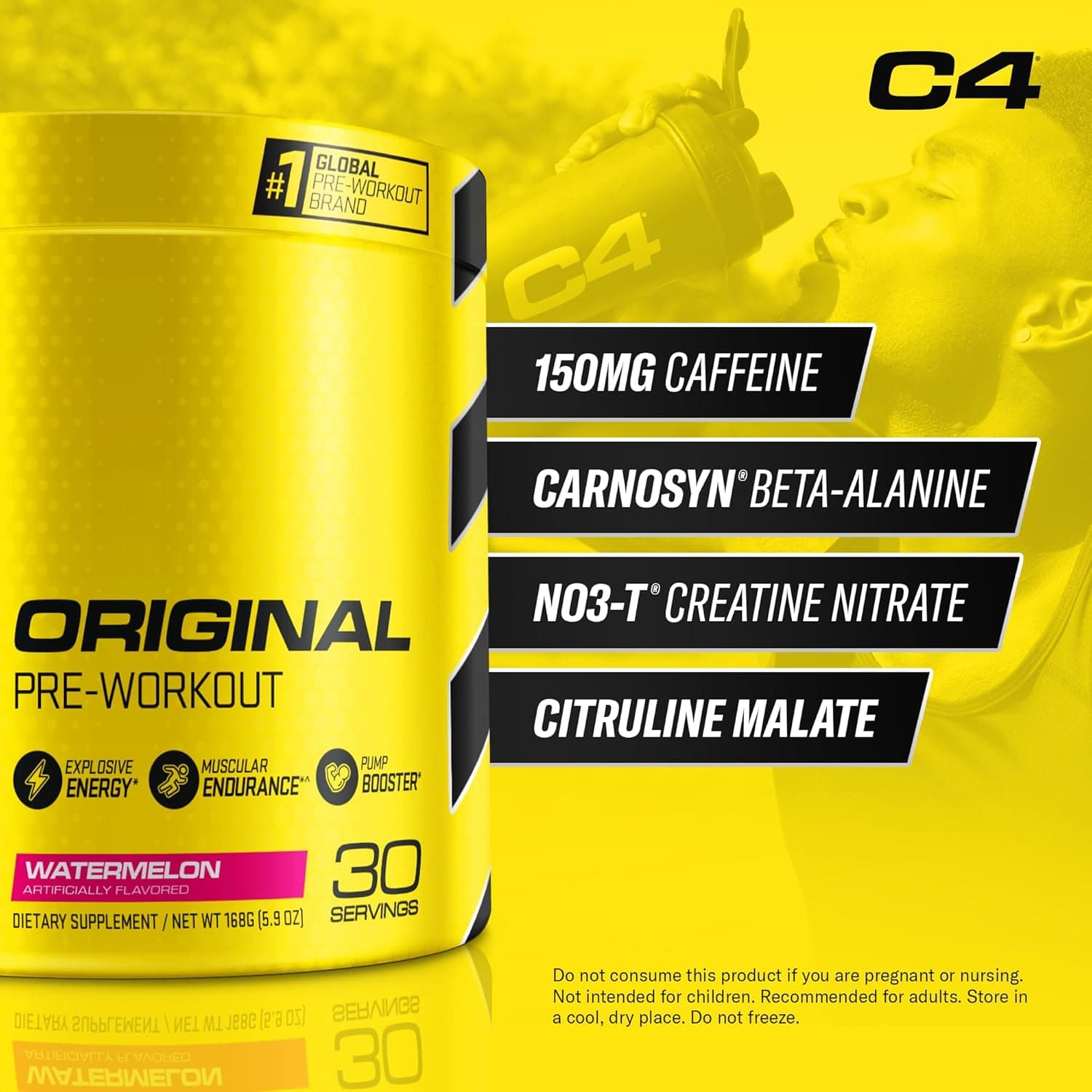
Citrulline is converted to arginine by argininosuccinate synthase and lyase and escapes first-pass arginase, while the malate feeds the citric acid cycle. It raises plasma arginine more reliably than arginine alone.
Dietary nitrate is reduced to nitrite and then nitric oxide without a synthase step, while arginine works through nitric oxide synthase. The two routes are independent.
Pine bark procyanidins are reported to raise endothelial nitric oxide synthase activity and limit oxidative loss of nitric oxide, while arginine supplies the substrate that enzyme uses.
Nitric oxide synthase is a flavoprotein: electrons pass from NADPH through FAD and FMN to the heme centre where arginine is oxidised. Riboflavin status sets the supply of those two flavin cofactors. This is cofactor dependence rather than a tested combination effect.
Converting arginine to nitric oxide and citrulline consumes NADPH, which the cell builds from NAD synthesised out of niacin or its amides. Without an adequate pyridine nucleotide pool the reductase half of the enzyme has nothing to draw from. Cofactor logic, not a combination trial.
Arginase needs two manganese ions per active site to hydrolyse arginine into ornithine and urea, which is the pathway that competes with nitric oxide synthase for the same substrate. So manganese supports the branch that consumes arginine rather than the branch that makes nitric oxide. Direction matters here and the interaction is mechanistic, with no combination trial behind it.
Once arginase releases ornithine, the onward steps to polyamines and to proline run through PLP-dependent enzymes. Vitamin B6 status therefore governs what happens downstream of arginine rather than arginine itself. Cofactor relationship, not an outcome claim.
Arginine sits upstream of proline through the ornithine branch, so the two occupy the same short pathway. Formulators put them together in connective tissue blends because proline is also a direct collagen amino acid. The pathway link is textbook. The formulation rationale is weaker than the biochemistry.
Polyamine synthesis needs both an arginine-derived amine and a methionine-derived aminopropyl group, so the two amino acids feed one pathway from different ends. Methionine-driven methylation of protein arginine residues also produces asymmetric dimethylarginine, an endogenous inhibitor of nitric oxide synthase. The relationship therefore runs both ways and should not be described as simple addition.
Arginine appears in tissue-repair nutrition formulas alongside collagen peptides and vitamin C because it feeds proline synthesis and nitric oxide dependent perfusion. Clinical work in this space uses multi-nutrient products, so the arginine contribution cannot be separated out. Read it as a formulation convention with mechanistic backing, not as an isolated effect.
Lysine, arginine and ornithine compete for the same cationic transporter family at the gut and cell membrane, so a large lysine-rich protein load taken with free arginine can blunt the arginine peak. Whey also supplies arginine itself, which is why the net effect depends on timing more than on totals. Spacing free amino acids away from a big protein dose is the usual practical response.
Superoxide reacts with nitric oxide faster than almost anything else in the vessel wall, so the redox environment decides how much of the nitric oxide made from arginine survives to act. Alpha-lipoic acid participates in regenerating other antioxidants and is studied for endothelial function markers. This is a marker-level rationale, not a measured combination outcome.
Coenzyme Q10 is part of how the vessel wall limits superoxide production, which is one determinant of how long arginine-derived nitric oxide persists. Endothelial function studies of each ingredient exist separately, measured as flow markers rather than clinical events. Combining them is reasonable formulation logic and not a tested pairing.
Nitric oxide reacts with reduced thiols to form S-nitrosothiols, a transport form that extends its signalling reach. N-acetylcysteine feeds the cysteine and glutathione pool those reactions draw on. The chemistry is established. The supplement pairing has not been tested as a combination for any outcome.
Intravenous arginine is used clinically as a stimulus for insulin and growth hormone release, and leucine also triggers insulin secretion from the beta cell. Given together they push on the same acute secretory response. The relevance of an oral supplement dose to that intravenous physiology is uncertain and should be stated as such.
Nitric oxide made from arginine relaxes vascular smooth muscle, while higher potassium intake supports normal vascular tone and sodium excretion. The two therefore act on normal blood pressure regulation through separate routes. Effects in each case are modest and measured as blood pressure readings rather than events.
EPA and DHA incorporate into endothelial membranes and are studied for flow-mediated dilation, the same marker used to study arginine. The mechanisms differ, which is the reason they are combined rather than a reason to expect a multiplier. Both bodies of work sit on vascular markers, not outcomes.
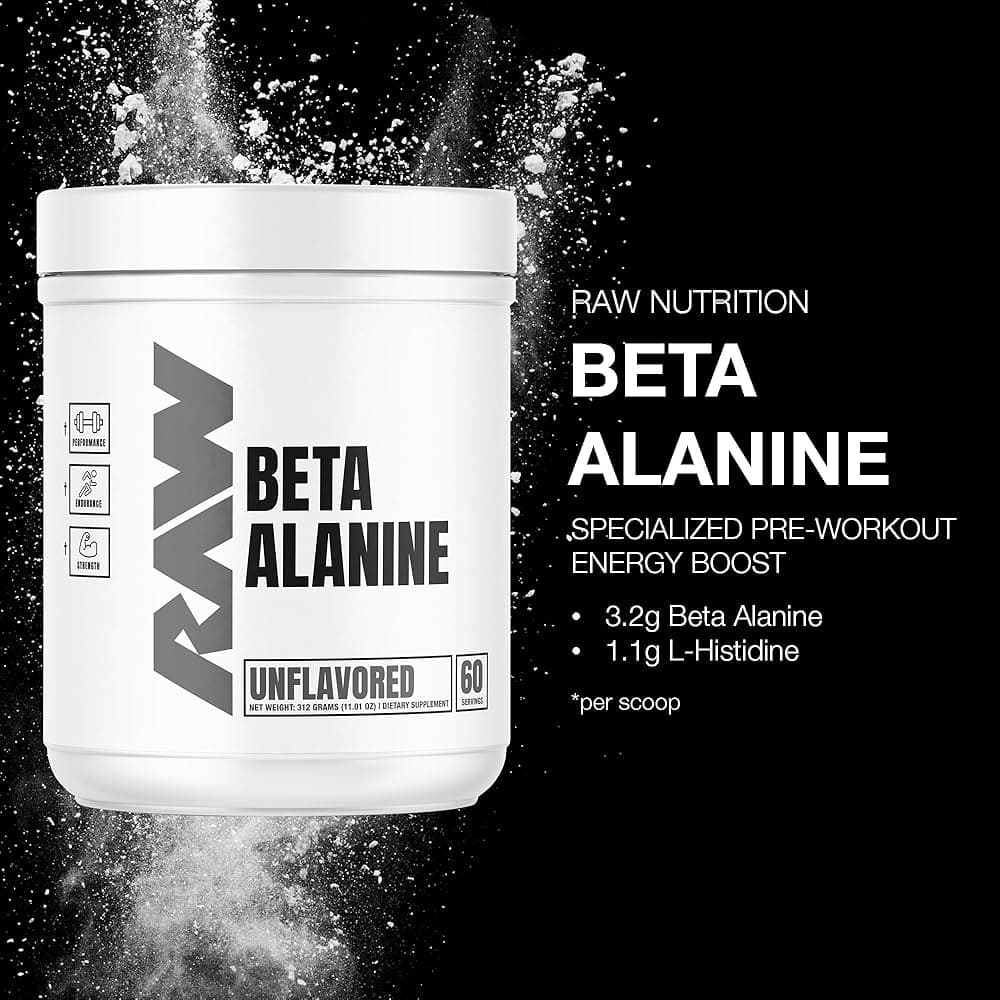
Beta-alanine works by raising muscle carnosine and intracellular buffering over weeks, while arginine acts acutely through nitric oxide and urea cycle chemistry. Nothing links the two pathways, so any combined result is additive at most. They co-occur because of product design, not biochemistry.
Talk to a doctor before taking Arginine if any of these apply to you: Individuals with herpes simplex virus (may trigger outbreaks), Those with kidney or liver problems, People taking medications for blood pressure or erectile dysfunction (potential interactions). These are flags to check first, not effects Arginine is known to cause.
Not medical advice. Show the label to your pharmacist.What Arginine actually does.
Arginine is the raw material nitric oxide synthase works on, turning it into nitric oxide and citrulline. The enzyme needs a whole crew to pull that off: heme, tetrahydrobiopterin, FAD, FMN, calmodulin and NADPH.
Arginine is the last stop in the urea cycle. An enzyme called arginase splits it into ornithine and urea, which is how your body gets rid of leftover nitrogen.
Arginine pairs up with glycine to make guanidinoacetate, which then picks up a methyl group and becomes creatine. So arginine sits upstream of the creatine your body builds itself.
The ornithine that comes off arginine gets converted to putrescine and then built up into spermidine and spermine. That makes arginine the front door to polyamine production.
Where Arginine comes from.
Bacteria grown in a tank on sugar make the arginine and release it into the liquid. The liquid is filtered, the arginine is pulled out on a resin, cleaned up and crystallised. At the end it is either left as plain arginine or paired with an acid to make one of the salts you see on labels.
Built by fermentation, the same way vitamin B12 and many amino acids are made at scale. Controlled conditions, consistent output.
Corn, cassava or sugar cane derived sugar plus an ammonium or urea nitrogen source and mineral salts make up the fermentation medium.
Overproducing strains of Corynebacterium glutamicum or related bacteria, deregulated at the arginine feedback step, excrete L-arginine into the broth over several days under controlled pH, oxygen and temperature.
Cells are removed by filtration or centrifugation and the basic amino acid is captured on a cation exchange resin, then eluted with ammonia or acid.
Activated carbon treatment removes colour bodies, and the arginine is concentrated and crystallised, often through more than one crystallisation to reach assay.
The material is either isolated as the free base or reacted with hydrochloric acid, aspartic acid or alpha-ketoglutaric acid to make the corresponding salt, then assayed for identity, optical rotation and residual solvents.
Dried, milled to a target particle size and either packed as powder or granulated for tablets and capsules.
Labels seldom name the production strain, the sugar crop behind the feedstock, or whether the stated gram figure refers to arginine itself or to a salt that includes counter-ion weight.
Getting Arginine from food.
The whole-food sources on file. A supplement closes the gap, it does not replace dinner.
A gram-for-gram figure (how much of each you would eat to match a dose) will appear here once it is sourced and reviewed. This page will not print a number it cannot cite.
The forms it comes in.
The essence, in one line each.
- Pooling 22 randomized trials, oral L-arginine supported healthy blood pressure, with systolic readings about 6.4 mmHg lower and diastolic about 2.6 mmHg lower than placebo.Meta-analysis. Shiraseb et al., 2022 (Advances in Nutrition). PMID 34967840 ↗
- Across 12 short-term trials, oral L-arginine increased flow-mediated dilation, a measure of how much arteries widen, by about 2 percentage points versus placebo, mostly when starting values were low.Meta-analysis. Bai et al., 2009 (American Journal of Clinical Nutrition). PMID 19056561 ↗
- Pooling 11 randomised trials in healthy people, L-arginine raised maximal oxygen uptake by about 0.11 litres per minute compared with control, with little variation between trials.Meta-analysis. Rezaei et al., 2021 (Physiological Reports). PMID 33587327 ↗
- Across nine studies, neither single-dose nor longer-term arginine produced a detectable change in circulating IGF-1, with standardised mean differences of 0.10 and 0.13 and confidence intervals crossing zero.Meta-analysis. Nejati et al., 2023 (Clinical Nutrition ESPEN). PMID 37202084 ↗
- In 16 recreationally trained men taking 3.2 to 9.6 g of L-arginine a day for four days, repetitions to failure and plasma nitric oxide were no different from placebo, and the only change measured was a slightly wider brachial artery one minute after exercise.Randomised trial. Borges et al., 2026 (International Journal of Sport Nutrition and Exercise Metabolism). PMID 41248623 ↗
- One week of L-arginine supplementation did not produce a detectable change in 200 m freestyle time trial performance in moderately trained male swimmers. A failure to detect a difference, not evidence that none exists.Randomised trial. Esen et al., 2023 (Journal of Dietary Supplements). PMID 36093907 ↗
- L-arginine supplementation did not measurably change the rapid recovery of cardiovascular and autonomic function after exercise in the adults tested. A null finding, which is a failure to detect rather than proof of no effect.Randomised trial. Porto et al., 2024 (Nutrients). PMID 39683461 ↗
- A systematic review that collects the maternal and fetal outcome data reported in L-arginine supplementation trials during pregnancy.Systematic review. Menichini et al., 2023 (The Journal of Maternal-Fetal and Neonatal Medicine). PMID 37258415 ↗
- A systematic review and meta-analysis of oral and enteral tube-fed arginine used within nutrition support for tissue repair. The included products were typically multi-nutrient, so the arginine contribution cannot be isolated.Systematic review. Cheshmeh et al., 2022 (Nursing Open). PMID 34170617 ↗
- High intensity interval training with L-arginine supplementation was associated with lower interleukin-6 levels. Interleukin-6 is an inflammatory marker and not a clinical outcome, and the training was part of the intervention, so the arginine share is not separable.Randomised trial. Irandoust et al., 2022 (La Tunisie Medicale). PMID 36571754 ↗
- Measured expression of BAX, BCL2, BMAL1 and CCAR2 after sleep deprivation and anaerobic exercise with supplementation. Gene expression markers only, with no functional or clinical endpoint.Randomised trial. Norouzi Kamareh et al., 2023 (Gene). PMID 37625565 ↗
- A systematic review of preclinical animal studies of oral L-arginine and bone repair. Preclinical evidence that does not transfer directly to people.Systematic review, in animals. Canintika et al., 2022 (Acta Orthopaedica Belgica). PMID 36791716 ↗
- Reviewed L-arginine supplementation in pregnant and lactating sows and the performance of their piglets. Livestock reproduction data, useful only as mechanistic context.Systematic review, in animals. Cruz et al., 2025 (Journal of Animal Physiology and Animal Nutrition). PMID 39152530 ↗
- A three-level meta-analysis of arginine supplementation and lactational performance in dairy cattle. Animal production data, not human evidence.Meta-analysis, in animals. Li et al., 2026 (Journal of Dairy Science). PMID 41342700 ↗
- Dietary arginine was studied against production performance, serum biochemistry and antioxidant capacity markers in poultry. Markers in birds.Animal study. Chen et al., 2023 (Poultry Science). PMID 37148571 ↗
- Tested arginine supplementation during lactation against piglet survivability. A livestock husbandry endpoint.Animal study. Craig et al., 2026 (Translational Animal Science). PMID 42434528 ↗
These are the studies our verdict leans on, chosen from the 1,908 we read for Arginine. The full linked list is below.
The studies, linked.
12 sources behind our Arginine verdict: peer-reviewed studies and registered clinical trials. Every one links straight to PubMed, the journal, or ClinicalTrials.gov. Read them yourself.
- Clinical trialSupplementation With L-ornithine Increases Representation Density of CD68+ and CD163+ Macrophages in Human Periodontitis Gingiva and Can Modulate Macrophages Phenotypes. Randomized Controlled Pilot TrialClinicalTrials.gov ↗Phase 3, 75 participants, Completed
- Clinical trialVasopressin Receptor Agonists in Septic Shock: Effects on MicrocirculationClinicalTrials.gov ↗Phase 2, 60 participants, Completed
- Clinical trialOpen Randomized Study of the Safety, Tolerability, and Pharmacokinetic Parameters of UNIFUZOL® (Solution for Infusions, 1.4%, Manufactured by "NTFF"POLYSAN " Ltd.,Russia) in Healthy Volunteers at Different Rates of Administration (Phase I)ClinicalTrials.gov ↗Phase 1, 48 participants, Completed
- Clinical trialPhase 2 Study Assessing the Impact of Parenteral Administration of the Immunomodulater Oral IMPACT® for Postoperative Radiochemotherapy in Patients With Carcinoma of the Head and NeckClinicalTrials.gov ↗Phase 2, 46 participants, Completed
- Clinical trialPancreatic Beta-Cell Mass And Function Quantification By Means Of Perfusion ImagingClinicalTrials.gov ↗29 participants, Terminated
- Clinical trialRationale and Design of a Simple Randomized Trial Evaluating Comparative Effects of Perindopril and Zofenopril in Blacks Hypertensive Patients: Short Term Effects on Cardiac and Oxidative Status With Perindopril or Zofenopril (PEZO-HP) TrialClinicalTrials.gov ↗Phase 4, 24 participants, Completed
- Clinical trialThe Effect of Nitric Oxide on Pulmonary Resistances and Blood Pressure in Persons With TetraplegiaClinicalTrials.gov ↗Phase 2, 23 participants, Completed
- Clinical trialProtective Effects of Oral L-Arginine Supplement in Patients With CKD After Intravenous Contrast Media InjectionClinicalTrials.gov ↗Phase 4, 112 participants, Unknown
- Clinical trialThe Effect of Anthocyanin Intake From Purple Sweet Potato on Vasomotor Reactivity of Intracranial Vessels in Cerebral Small Vessel Disease - a Study of Breath-Holding Index, Nitric Oxide, L-Arginine, Adiponectin, Cognitive and GaitClinicalTrials.gov ↗90 participants, Unknown
- Clinical trialDysfunction of Nutritive Blood Flow as a Determinant of Anabolic Resistance in Older People; The Role of Essential Amino Acids in Modulating Muscle Protein Metabolism; Bolus vs. Pulse Feeding Strategies and the Ability of Arginine to Rejuvenate Microvascular Responsiveness.ClinicalTrials.gov ↗40 participants, Unknown
- Clinical trialComparative Evaluation of the Remineralizing Ability of Self-Assembling Peptide P11-4, 2% Arginine Enriched Sodium Fluoride and Functionalized Tri Calcium Phosphate Fluoride Varnishes in Treatment of White Spot Lesions (Randomized Clinical Trial and In Vitro Study)ClinicalTrials.gov ↗39 participants, Unknown
- Clinical trialProspective Open-Label Pilot Study of Arginine Replacement Therapy in Children Hospitalized With COVID-19ClinicalTrials.gov ↗Phase 2, 21 participants, Recruiting
Evidence surfaced via Semantic Scholar (Allen Institute for AI) and ClinicalTrials.gov. Ranked by study type and citation weight, not cherry-picked.
Problems people have reported.
Read this carefully. These are 18,578 voluntary, unverified reactions reported to the FDA (openFDA). The number mostly reflects how popular Arginine is, not how risky it is. A report is not proof Arginine caused anything. It is a signal of what to watch for, nothing more.
Source: openFDA adverse-event reports. Voluntary reporting, not an incidence rate.
FDA Disclaimer: These statements have not been evaluated by the Food and Drug Administration. This information is for educational purposes only and is not intended to diagnose, treat, cure, or prevent any disease. Consult your healthcare provider before starting any supplement regimen.