AdultsNHANES 2005 to 2016
About 46% of US adults
take in less vitamin C than the estimated average requirement.
Reider et al., Nutrients 2020, immune-nutrient intakes in US adults, NHANES 2005 to 2016. ↗The classic form of vitamin C. Supports immunity, collagen production, and iron absorption. Essential for immunity, collagen synthesis (skin, joints, blood vessels), antioxidant defense, and iron absorption.
Reviewed March 2026
Public health figures for this ingredient, reported by the agencies that publish them, cited and dated.
United States
About 46% of US adults
take in less vitamin C than the estimated average requirement.
Reider et al., Nutrients 2020, immune-nutrient intakes in US adults, NHANES 2005 to 2016. ↗About 57% of US men aged 19 to 30
take in less vitamin C from food and drink than the estimated average requirement.
USDA ARS, Usual Nutrient Intake from Food and Beverages, by Gender and Age, WWEIA NHANES 2013-2016, Table A 27 (vitamin C), males 19-30: 57% below EAR (SE 2.9). The EAR used is the non-smoker value regardless of smoking status. ↗About 52% of US men aged 19 and over
take in less vitamin C from food and drink than the estimated average requirement.
USDA ARS, Usual Nutrient Intake from Food and Beverages, by Gender and Age, WWEIA NHANES 2013-2016, Table A 27 (vitamin C), males 19+: 52% below EAR (SE 1.3). The EAR used is the non-smoker value regardless of smoking status. ↗About 44% of US women aged 19 and over
take in less vitamin C from food and drink than the estimated average requirement.
USDA ARS, Usual Nutrient Intake from Food and Beverages, by Gender and Age, WWEIA NHANES 2013-2016, Table A 27 (vitamin C), females 19+: 44% below EAR (SE 1.9). The EAR used is the non-smoker value regardless of smoking status. ↗About 49% of US girls aged 14 to 18
take in less vitamin C from food and drink than the estimated average requirement.
USDA ARS, Usual Nutrient Intake from Food and Beverages, by Gender and Age, WWEIA NHANES 2013-2016, Table A 27 (vitamin C), females 14-18: 49% below EAR (SE 4.8). The EAR used is the non-smoker value regardless of smoking status. ↗Canada
About 35% of Canadian men aged 19 to 30
take in less vitamin C from food than the estimated average requirement.
Health Canada/Statistics Canada, Total Usual Intakes from Food (2015 CCHS, Nutrition), Open Government Portal dataset; Vitamin C (mg/d), Male, 19-30 years ↗About 40% of Canadian men aged 19 and over
take in less vitamin C from food than the estimated average requirement.
Health Canada/Statistics Canada, Total Usual Intakes from Food (2015 CCHS, Nutrition), Open Government Portal dataset; Vitamin C (mg/d), Male, 19 years and over ↗About 29% of Canadian women aged 19 and over
take in less vitamin C from food than the estimated average requirement.
Health Canada/Statistics Canada, Total Usual Intakes from Food (2015 CCHS, Nutrition), Open Government Portal dataset; Vitamin C (mg/d), Female, 19 years and over ↗About 23% of Canadian girls aged 14 to 18
take in less vitamin C from food than the estimated average requirement.
Health Canada/Statistics Canada, Total Usual Intakes from Food (2015 CCHS, Nutrition), Open Government Portal dataset; Vitamin C (mg/d), Female, 14-18 years ↗Australia
Fewer than 1 in 10 Australians
aged 2 and over take in less vitamin C than the estimated average requirement.
ABS, Usual nutrient intakes, 2023, Vitamin C section ↗About 11.6% of Australian men aged 18 to 29
take in less vitamin C from food and drink than the estimated average requirement.
ABS, Usual nutrient intakes, 2023, Vitamin C, Table: Proportion of people with an inadequate vitamin C intake by age and sex ↗About 5.7% of Australian girls aged 12 to 17
take in less vitamin C from food and drink than the estimated average requirement.
ABS, Usual nutrient intakes, 2023, Vitamin C, Table: Proportion of people with an inadequate vitamin C intake by age and sex ↗Population figures from public health data. Context for the category, not a statement about any individual and not a claim about this product.
Source: Carr & Maggini, 2017; Hemila & Chalker, 2013
These words describe the research, not the molecule's worth. Research strength is how much work stands behind one claim, and it is never a product score.
Ascorbic Acid has emerging evidence, with 16 cited human studies on this page.
Outcomes the engine found studied for these actives as a combination, not one at a time. Each is a finding a named trial measured, cited and dated, never written by the brand.
In a controlled radioiron study in 63 men, adding ascorbic acid to a non-heme iron meal increased iron absorption in proportion to the dose, from about 1.6 times the meal alone at 25 mg to about 9 times at 1000 mg.
In a randomized crossover trial, 15 g of vitamin C-enriched gelatin taken an hour before exercise roughly doubled a blood marker of collagen synthesis compared with placebo.
Research strength. Research strength says how much work stands behind the combination. It is never a product score.
Fail closed. Where actives were studied on their own rather than together, each shows on its own evidence, never a combined effect no trial measured.
Independent record. Every finding is cited to a named trial, dated, and never written by the brand.
Findings from trials that studied these actives as a combination. Context for how the actives were tested together, not a statement about any individual and not a claim about this product.
Why these belong in the same formula. Each row says what the basis is, from settled biochemistry through to a trial that measured the pair.
Ascorbic acid reduces dietary ferric iron to the ferrous form and holds it in a soluble complex, the state the small intestine can take up. Eaten alongside iron from plant foods or a supplement, vitamin C raises how much of that iron the body absorbs from the meal.
Vitamin C is the cofactor that prolyl and lysyl hydroxylase enzymes use to add hydroxyl groups to proline and lysine in newly made collagen, and those hydroxyproline groups are what let the three strands settle into a stable triple helix. Taken with collagen peptides it supplies the body the amino acid building blocks and the cofactor for normal collagen formation at the same time.
After vitamin E neutralizes a radical inside a cell membrane it becomes an oxidized tocopheroxyl radical, and ascorbic acid in the watery space beside the membrane can donate an electron that returns it to active vitamin E. This lets the two vitamins work together across the boundary between water and fat, the basis for pairing them to support the body's normal antioxidant defenses.
Glutathione reduces dehydroascorbate back to ascorbate, and ascorbate in turn spares glutathione from being consumed. The two pools rise and fall together, which is why depleting one drains the other.
Dihydrolipoic acid reduces dehydroascorbate directly and also regenerates glutathione, placing lipoic acid upstream of ascorbate in the same recycling chain. It works in both water and lipid phases, which bridges compartments ascorbate cannot reach.
When tocopherol quenches a lipid radical it becomes a tocopheryl radical at the membrane surface, and ascorbate in the adjacent water phase donates the electron that restores it. This handover is the textbook example of antioxidant cooperation.
Both hydroxylation steps in endogenous carnitine synthesis, by trimethyllysine dioxygenase and gamma-butyrobetaine dioxygenase, need ascorbate to keep their iron centre reduced. Low ascorbate slows carnitine formation from lysine and methionine.
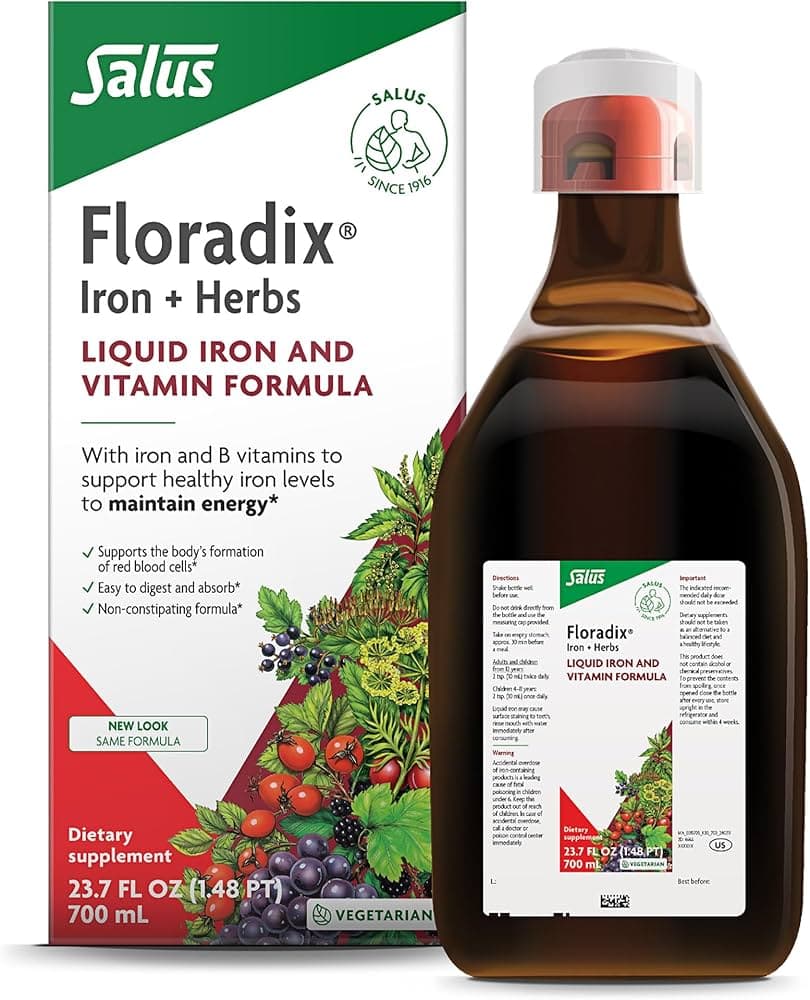
Ascorbate keeps iron in the ferrous state and forms a soluble chelate that survives the alkaline duodenum, which is the form the DMT1 transporter accepts. It also overrides much of the inhibition from phytate and polyphenols in the same meal.
A glycinate chelate is already protected from luminal inhibitors, and ascorbate adds a reducing environment that keeps any released iron ferrous. The pairing is standard in gentle iron formulas.
Ascorbate reduces cupric to cuprous copper and high intakes have been reported to lower ceruloplasmin activity and copper status markers. Where copper repletion is the goal the two are better dosed apart.
Large ascorbate doses can degrade cobalamin in solution through the reduction of its cobalt centre, an effect seen when the two sit in the same liquid or the same gastric bolus. Separating the doses avoids the loss.
Ascorbate reduces the quercetin radical back to the parent flavonol, extending how long each molecule keeps working. Quercetin also stabilises ascorbate against oxidative loss in the same formula.
Oligomeric proanthocyanidins and ascorbate regenerate each other's oxidised forms, which is the long-standing rationale for combining them. Both also feed the collagen hydroxylation environment in connective tissue.
Pine bark procyanidins are recycled by ascorbate in the water phase, and both support the endothelial nitric oxide environment. The pairing has been formulated together since the earliest pine bark products.
Acerola is among the densest natural ascorbate sources and brings anthocyanins and carotenoids with it. Blending isolate with acerola gives the same vitamin plus the companion polyphenols that recycle it.
Camu camu carries very high native ascorbate alongside ellagitannins, so it delivers the vitamin inside a polyphenol matrix. Formulators use it to raise the natural fraction of a vitamin C product.
Reduced folates oxidise readily, and ascorbate holds them in the reduced state in solution and in the stomach. This is why the two are so often co-formulated in a single tablet.
Dopamine beta-hydroxylase is a copper enzyme that needs ascorbate to keep its metal centre reduced through each catalytic turn. Tyrosine supplies the substrate for that pathway and ascorbate keeps the step running.
Ascorbate speeds the reduction of nitrite to nitric oxide in acidic tissue, and it also blocks nitrite from forming nitrosamines in the stomach. Both effects point the same way when dietary nitrate is the input.
Zinc and ascorbate cover separate requirements in normal immune and skin physiology, one structural in enzymes and one redox. They are the standard base pair in seasonal formulas and do not compete for uptake at usual doses.
Prolyl hydroxylase is an iron and 2-oxoglutarate dependent dioxygenase that keeps its iron in the reduced state using ascorbate. Proline residues in procollagen cannot be hydroxylated without that step, and hydroxyproline is what stabilises the collagen triple helix. Supplying proline without adequate ascorbate leaves the substrate present and the modifying enzyme under-supported. This is a cofactor relationship at the enzyme, not a claim about a measured outcome.
Lysyl hydroxylase belongs to the same iron and 2-oxoglutarate dioxygenase family as prolyl hydroxylase and depends on ascorbate to maintain the ferrous iron in its active site. Hydroxylysine residues are the anchor points for the glycosylation and crosslinks that give connective tissue its tensile behaviour. Lysine is the substrate, ascorbate supports the enzyme that modifies it. The pairing is biochemical, not an effect size.
Ascorbate sits in the aqueous phase and can reduce radicals formed at the lipid interface, while ubiquinol works inside the membrane. The two occupy different compartments of the same recycling chain that also involves tocopherol. Pairing them addresses more of that chain than either alone. What is established is the chemistry. A benefit on any clinical endpoint is a separate question.
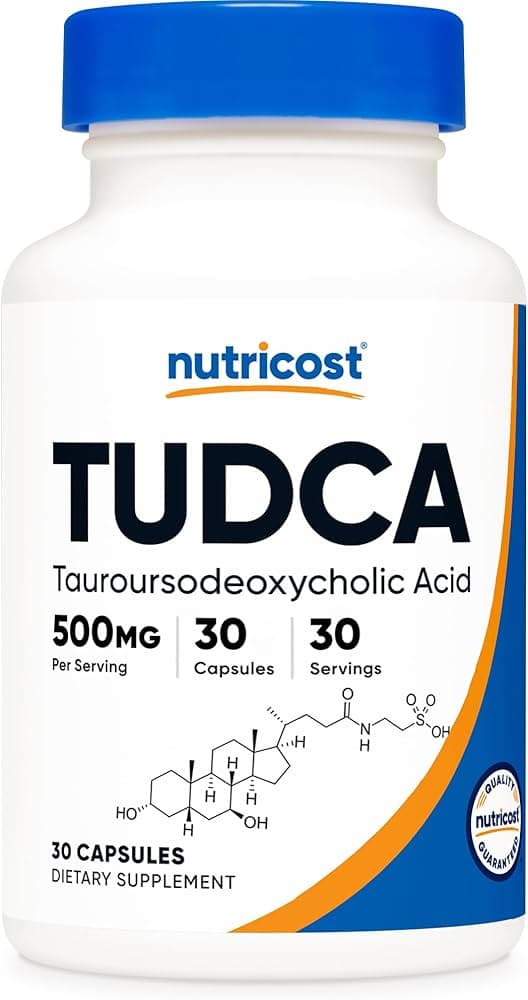
Tannins and related polyphenols bind non-heme iron in the gut lumen and hold it in a poorly absorbed form. Ascorbate reduces ferric iron to ferrous and forms a soluble chelate, which partly counteracts that inhibition when the two are taken in the same meal. Practically, this matters most for tea, coffee and high-tannin plant meals eaten alongside an iron source. The interaction is on absorption, a measurable intermediate, not on iron status by itself.
Ascorbate is catabolised in part to oxalate, and a 2026 systematic review of endogenous oxalate sources counts ascorbic acid among the recognised precursors. Calcium taken with a meal binds dietary and secreted oxalate in the gut, lowering the fraction that reaches the urine. Anyone tracking urinary oxalate has a reason to think about how the two are timed together. This is a handling and excretion interaction reported as a marker, not an outcome.
Nitric oxide synthase requires tetrahydrobiopterin, and ascorbate helps keep that cofactor in its reduced form, which limits uncoupled enzyme activity. Citrulline raises the arginine substrate pool through the urea cycle. One supplies substrate, the other supports cofactor redox state on the same enzyme. Endothelial marker studies exist for each separately. A combined effect in people is not established here.
Myrosinase converts glucoraphanin to sulforaphane, and ascorbate acts as a cofactor that shifts that hydrolysis toward the isothiocyanate rather than side products. Work on adding exogenous mustard-seed myrosinase to a glucoraphanin-rich broccoli preparation sits in the same conversion step. Practical relevance is limited to preparations where conversion happens outside the body or in the gut. The mechanism is enzymatic. The human data here concern how much sulforaphane appears, a bioavailability marker.
A small pilot gave cranberry and ascorbic acid to healthy women and looked at the urinary microbiome. Both are used with urinary acidity and bacterial adherence in mind, which is why they appear together in products. A pilot with microbiome readouts describes composition, not a clinical result. Confidence stays Early on purpose.
Betaine and ascorbic acid were supplemented together in an animal reproductive study that measured gonadotropins, testicular histology and sperm characteristics. Both are used as osmolyte and redox support respectively, so co-formulation is plausible. Nothing here was measured in people. Read it as a mechanistic lead in animals only.
Talk to a doctor before taking Ascorbic Acid if any of these apply to you: Can cause stomach upset at high doses (2g+), Excess is excreted in urine, May affect blood sugar readings. These are flags to check first, not effects Ascorbic Acid is known to cause.
Not medical advice. Show the label to your pharmacist.People cannot make vitamin C, so it has to be eaten or supplemented.
Collagen only holds its shape after two enzymes modify it, and both of those enzymes need vitamin C to keep working.
Vitamin C changes plant iron into the form the gut can absorb and keeps it dissolved long enough to be taken up.
The step that turns dopamine into noradrenaline runs on vitamin C as the electron source.
Vitamin C is built from corn or wheat sugar, using bacteria for one or two of the steps, then finished by chemistry into the same crystal whichever route was used. Buffered versions are that same acid neutralised with sodium, calcium or magnesium.
Built by fermentation, the same way vitamin B12 and many amino acids are made at scale. Controlled conditions, consistent output.
Corn or wheat starch is enzymatically hydrolysed to glucose, which is the carbon source for everything downstream.
Glucose is catalytically hydrogenated to D-sorbitol, then oxidised to L-sorbose by Gluconobacter fermentation.
Two industrial routes exist. The classical Reichstein sequence protects sorbose as diacetone-sorbose and oxidises it chemically. The two-step fermentation route uses a second bacterial oxidation, commonly Ketogulonicigenium with a helper strain, to reach the same intermediate.
2-keto-L-gulonic acid is cyclised under acid or base catalysis to L-ascorbic acid.
The crude acid is recrystallised, dried and milled to the granular or fine powder grades used in supplements, then optionally converted to a mineral ascorbate salt.
The finished material is either the free acid or a salt formed by neutralising it with a sodium, calcium or magnesium base.
Which of the two routes a given lot used, and whether the starch was corn or wheat, is not usually stated on a label.
The whole-food sources on file. A supplement closes the gap, it does not replace dinner.
A gram-for-gram figure (how much of each you would eat to match a dose) will appear here once it is sourced and reviewed. This page will not print a number it cannot cite.
These are the studies our verdict leans on, chosen from the 70,224 we read for Ascorbic Acid. The full linked list is below.
6 sources behind our Ascorbic Acid verdict: peer-reviewed studies and registered clinical trials. Every one links straight to PubMed, the journal, or ClinicalTrials.gov. Read them yourself.
Evidence surfaced via Semantic Scholar (Allen Institute for AI) and ClinicalTrials.gov. Ranked by study type and citation weight, not cherry-picked.
Read this carefully. These are 1,153,658 voluntary, unverified reactions reported to the FDA (openFDA). The number mostly reflects how popular Ascorbic Acid is, not how risky it is. A report is not proof Ascorbic Acid caused anything. It is a signal of what to watch for, nothing more.
Source: openFDA adverse-event reports. Voluntary reporting, not an incidence rate.
FDA Disclaimer: These statements have not been evaluated by the Food and Drug Administration. This information is for educational purposes only and is not intended to diagnose, treat, cure, or prevent any disease. Consult your healthcare provider before starting any supplement regimen.