AdultsNHANES 2005 to 2016
About 45% of US adults
take in less vitamin A than the estimated average requirement.
Reider et al., Nutrients 2020, immune-nutrient intakes in US adults, NHANES 2005 to 2016. ↗Research-backed vitamin with potential health benefits. Your body converts it into Vitamin A, which is essential for vision (especially at night), immune function, and skin health. It also functions as an antioxidant.
Reviewed March 2026
Public health figures for this ingredient, reported by the agencies that publish them, cited and dated.
United States
About 45% of US adults
take in less vitamin A than the estimated average requirement.
Reider et al., Nutrients 2020, immune-nutrient intakes in US adults, NHANES 2005 to 2016. ↗United Kingdom
About 9% of UK adults
take in less vitamin A from food than the lower reference nutrient intake.
National Diet and Nutrition Survey 2019 to 2023: data tables, chapter 5 (nutrient intakes), Table 5.27c 'Micronutrient intakes from food sources only, Vitamin A (mean and median intake as % RNI and % below LRNI)', Adults 19 years and over, Years 12 to 15 (2019 to 2023) ↗NDNS 2019 to 2023 (fieldwork years 12 to 15)Australia
About 1 in 5 Australians
aged 2 and over take in less vitamin A than the estimated average requirement.
ABS, Usual nutrient intakes, 2023, Vitamin A section ↗Population figures from public health data. Context for the category, not a statement about any individual and not a claim about this product.
Source: NIH ODS Vitamin A fact sheet; ATBC and CARET trial data for upper limits
These words describe the research, not the molecule's worth. Research strength is how much work stands behind one claim, and it is never a product score.
Beta Carotene is documented in the library. The clinical read is in the queue. Nothing about the strength of the research prints until the read is done.
Why these belong in the same formula. Each row says what the basis is, from settled biochemistry through to a trial that measured the pair.
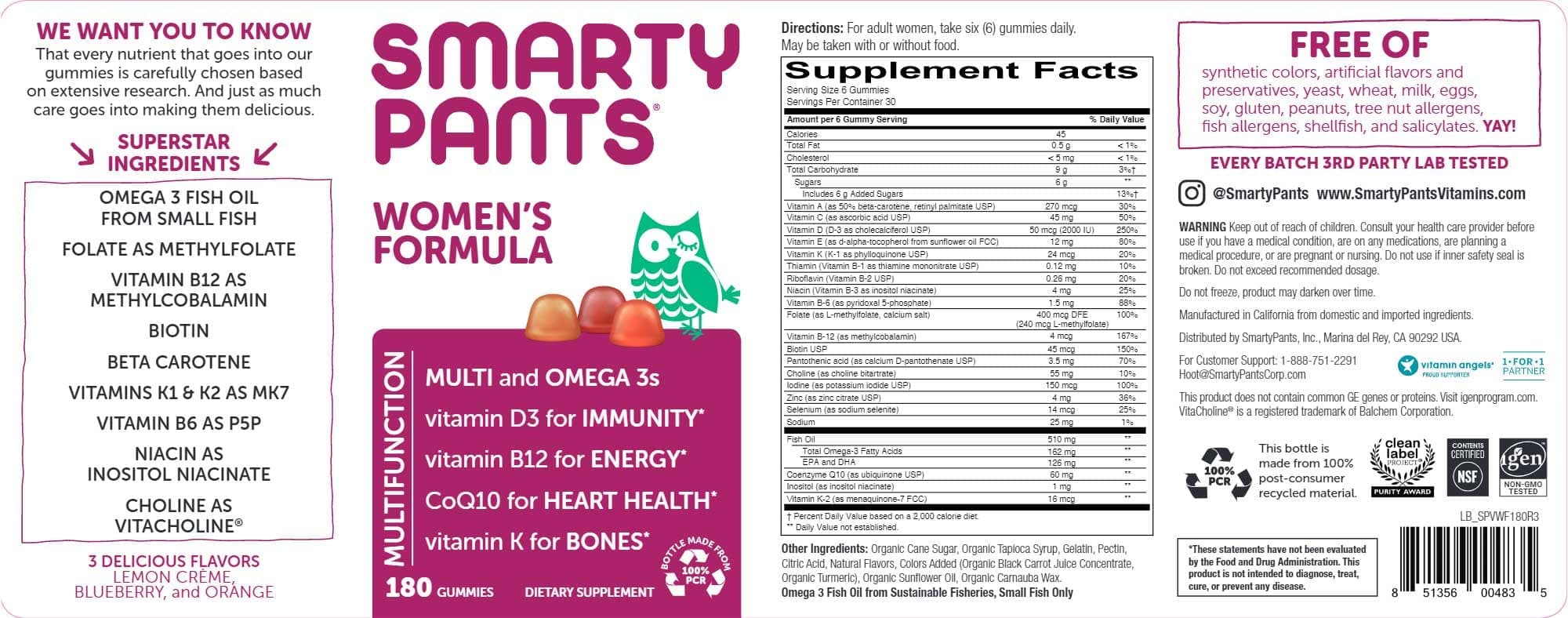
The body cleaves beta-carotene into retinal and then retinol, so beta-carotene is the plant form that supplies vitamin A for normal vision, immune function, and skin. That conversion slows once vitamin A stores are full, so combining the two regulates itself rather than simply adding up.
Beta-carotene and lutein leave the gut by the same route, dissolving into the same fat droplets and riding the same transport particles into the blood, so a large dose of one can crowd out the other and lower how much lutein is absorbed. Keeping the doses moderate or spacing them apart helps both absorb well.
Both sit in cell membranes and lipoproteins, where vitamin E is the primary scavenger of fatty peroxyl radicals while beta-carotene works as a secondary radical scavenger and quencher of singlet oxygen, staying effective even at the low oxygen levels where vitamin E does less. Together they cover different parts of the same antioxidant defense in the fat phase.
Beta-carotene is cleaved by BCO1 to retinal, and that enzyme is downregulated when preformed retinol status is already high. Adding retinol therefore reduces how much beta-carotene gets converted, the built-in brake that keeps carotene intake self-limiting.
Zinc is needed to make retinol binding protein and for the dehydrogenase step that interconverts retinal and retinol. Without adequate zinc, carotene can be cleaved but the resulting retinol is not mobilised well.
Ascorbate regenerates oxidised vitamin E at the membrane surface, and vitamin E in turn spares carotenoids inside the membrane. That sequence is what keeps beta-carotene from acting as a pro-oxidant once oxidised.
Carotenoids share micellar incorporation in the gut and the SR-B1 uptake route at the enterocyte, so a large beta-carotene dose lowers lycopene absorption. Mixed carotenoid formulas balance the ratio deliberately for this reason.
Beta-carotene competes with the xanthophylls for the same micelles and transporters, so high beta-carotene doses reduce zeaxanthin uptake and can shift the ratio reaching eye tissue. Eye formulas keep beta-carotene low or omit it for this reason.
Astaxanthin is a xanthophyll carotenoid that uses the same micellar and transporter route, so absorption is partly competitive. Both also quench singlet oxygen, at different depths of the membrane.
Plant sterols crowd carotenoids out of the mixed micelles that carry fat-soluble compounds across the gut wall, lowering carotenoid levels in circulation. Sterol formulas are routinely accompanied by a carotenoid allowance for this reason.
Soluble viscous fibre traps fat and bile within the gut lumen, and carotenoids depend on both to be absorbed. Taking beta-carotene at the same meal as a pectin dose lowers how much crosses.
Beta-carotene needs dietary long-chain fat to form the mixed micelles that carry it across the intestinal wall, so an oil-containing meal raises uptake substantially over a fat-free one. This is why carotenoid softgels are oil-based.
Medium-chain triglycerides are absorbed directly into portal blood rather than packaged into chylomicrons, so they do not build the micelles carotenoids need. Substituting MCT for long-chain oil in a carotenoid formula lowers absorption.
Selenium is built into glutathione peroxidase, which clears peroxides enzymatically, while beta-carotene quenches singlet oxygen chemically inside the membrane. The two cover different parts of the same load.
Beta-carotene taken with a meal raises non-heme iron absorption, apparently by keeping iron soluble and countering binding by phytate and polyphenols. The effect works in the iron's favour rather than the carotene's.
Beta-carotene only crosses the intestinal wall once it has partitioned into a mixed micelle, and phospholipids are a core component of those micelles. Phosphatidylcholine in a formulation improves how much of the carotenoid disperses into the lipid phase. The endpoint measured in this work is plasma carotenoid concentration, which is an absorption marker.
Lecithin is used as the emulsifier that keeps beta-carotene dispersed in an oil or beverage system rather than settling or crystallising. A finer dispersion presents more surface area for bile salts to work on in the gut. This is a delivery effect on the same molecule, not a second active.
Carotenoid absorption falls sharply when a dose is taken without any fat, because bile release and micelle formation both depend on lipid reaching the duodenum. A modest amount of any long-chain fat, including the linoleic acid in common seed oils, is enough to trigger that response. This is settled absorption physiology.
Beta-carotene rides into micelles alongside the monoglycerides and free fatty acids that pancreatic lipase liberates from dietary triglyceride. Where lipase activity is low, the carotenoid stays trapped in undigested fat droplets. Supplemental lipase is used in formulas on that mechanistic basis.
Bile salts are the surfactant that builds the mixed micelle a carotenoid needs in order to reach the enterocyte membrane. When bile delivery is reduced, fat-soluble compounds including beta-carotene are absorbed less well. Bile salt supplementation is used on that reasoning rather than on carotenoid-specific trials.
Viscous soluble fibre binds bile acids and slows lipid emulsification, and carotenoids follow the fat phase. Taken in the same dose, psyllium can reduce how much beta-carotene is picked up from that meal. Spacing the two apart is the straightforward answer.
Activated charcoal adsorbs lipophilic compounds indiscriminately in the gut lumen, and fat-soluble vitamins and carotenoids are among them. Anything taken in the same window is at risk of being carried through unabsorbed. This is a timing separation issue, not a reason to avoid either.
Cholecalciferol and beta-carotene are both taken up from the same mixed micelles and partly by the same intestinal transporters, including SR-B1. At high single doses one lipophilic compound can crowd another at that step. In ordinary multivitamin amounts the competition is small and both are usually taken with a meal containing fat anyway.
Phylloquinone shares micellar solubilisation and lipoprotein transport with carotenoids, so the two compete for the same limited carrier capacity in a single fatty meal. Both come packaged together in leafy greens, where the amounts are modest. The competition becomes visible mainly at concentrated supplemental doses.
Beta-carotene quenches singlet oxygen in the lipid phase, while glutathione operates in the aqueous phase, and the two compartments are linked through vitamins C and E. A carotenoid radical formed after quenching has to be handled by that network or it can propagate oxidation itself. The measurements here are of oxidation markers rather than clinical outcomes.
Both compounds are carried in circulation inside lipoproteins and both partition into membranes, so their plasma levels move partly with lipid handling rather than with intake alone. Interpreting a plasma carotenoid value without the lipid context can mislead for the same reason it can with ubiquinone. Direct combination work in humans is sparse.
Nothing specific on file for Beta Carotene. Match the label to the daily amount above, and tell your doctor what you take.
Not medical advice. Show the label to your pharmacist.Beta-carotene is a plant pigment your body can convert into vitamin A, using an enzyme that splits it into two active vitamin A pieces.
Your body slows this conversion down when it already has enough vitamin A, which is why beta-carotene doesn't build up the way preformed vitamin A can.
A second enzyme cuts beta-carotene at different spots to make other breakdown products, a separate pathway from the one that makes vitamin A.
Absorbing beta-carotene needs dietary fat and bile, and the gut lining takes it up partly through a specific transporter rather than by simple diffusion.
There are three ways to get it: build the molecule chemically, grow a salt-loving algae that packs itself with it and press the pigment out, or ferment it from a fungus. The chemically built and fermented versions are mostly one shape of the molecule. The algal one is a natural mix of shapes. Whichever route is used, the pigment is then wrapped into a beadlet or an oil so it can actually be put into a product.
The same molecule is reached more than one way. Which route a given product used is a manufacturing choice, and the finished compound is the same either way.
Supplement-grade beta-carotene comes from petrochemical intermediates for the synthetic route, from brine-pond cultivation of Dunaliella salina for the algal route, or from a carbohydrate fermentation feedstock for the Blakeslea trispora route.
The synthetic route builds the C40 chain by Wittig or Grignard condensation of C15 and C10 fragments. The algal and fungal routes rely on the organism's own isoprenoid pathway, which assembles the same skeleton from isopentenyl units.
For the biological routes, algae are harvested from the pond and concentrated, or fungal mycelium is separated from the broth, then the carotene is extracted with an oil or a food-grade solvent.
The extract is concentrated and the carotene crystallised out, with residual solvent stripped and controlled against specification. Antioxidants are added early because the free crystal oxidises readily in air and light.
Material is assayed by spectrophotometry or HPLC for total carotene and, for natural grades, for the all-trans to 9-cis ratio that distinguishes the source.
Because raw crystalline carotene is neither water-soluble nor oil-soluble in any practical sense, essentially all commercial material is finished as a beadlet, an oil suspension or an emulsion before it reaches a formulator.
The whole-food sources on file. A supplement closes the gap, it does not replace dinner.
A gram-for-gram figure (how much of each you would eat to match a dose) will appear here once it is sourced and reviewed. This page will not print a number it cannot cite.
These are the studies our verdict leans on, chosen from the 1,593 we read for Beta Carotene. The full linked list is below.
2 sources behind our Beta Carotene verdict: peer-reviewed studies and registered clinical trials. Every one links straight to PubMed, the journal, or ClinicalTrials.gov. Read them yourself.
Evidence surfaced via Semantic Scholar (Allen Institute for AI) and ClinicalTrials.gov. Ranked by study type and citation weight, not cherry-picked.
Read this carefully. These are 96,166 voluntary, unverified reactions reported to the FDA (openFDA). The number mostly reflects how popular Beta Carotene is, not how risky it is. A report is not proof Beta Carotene caused anything. It is a signal of what to watch for, nothing more.
Source: openFDA adverse-event reports. Voluntary reporting, not an incidence rate.
FDA Disclaimer: These statements have not been evaluated by the Food and Drug Administration. This information is for educational purposes only and is not intended to diagnose, treat, cure, or prevent any disease. Consult your healthcare provider before starting any supplement regimen.