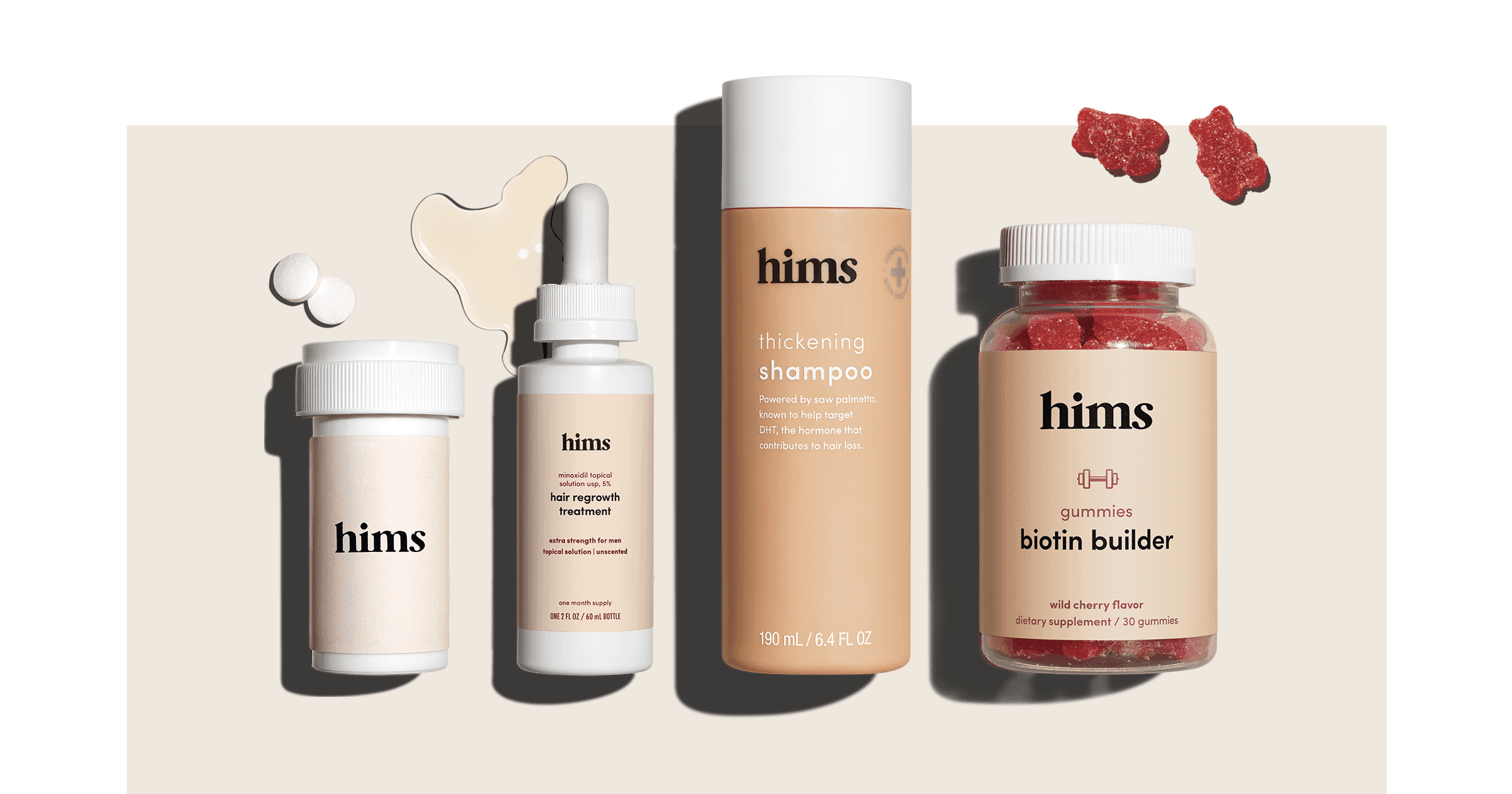
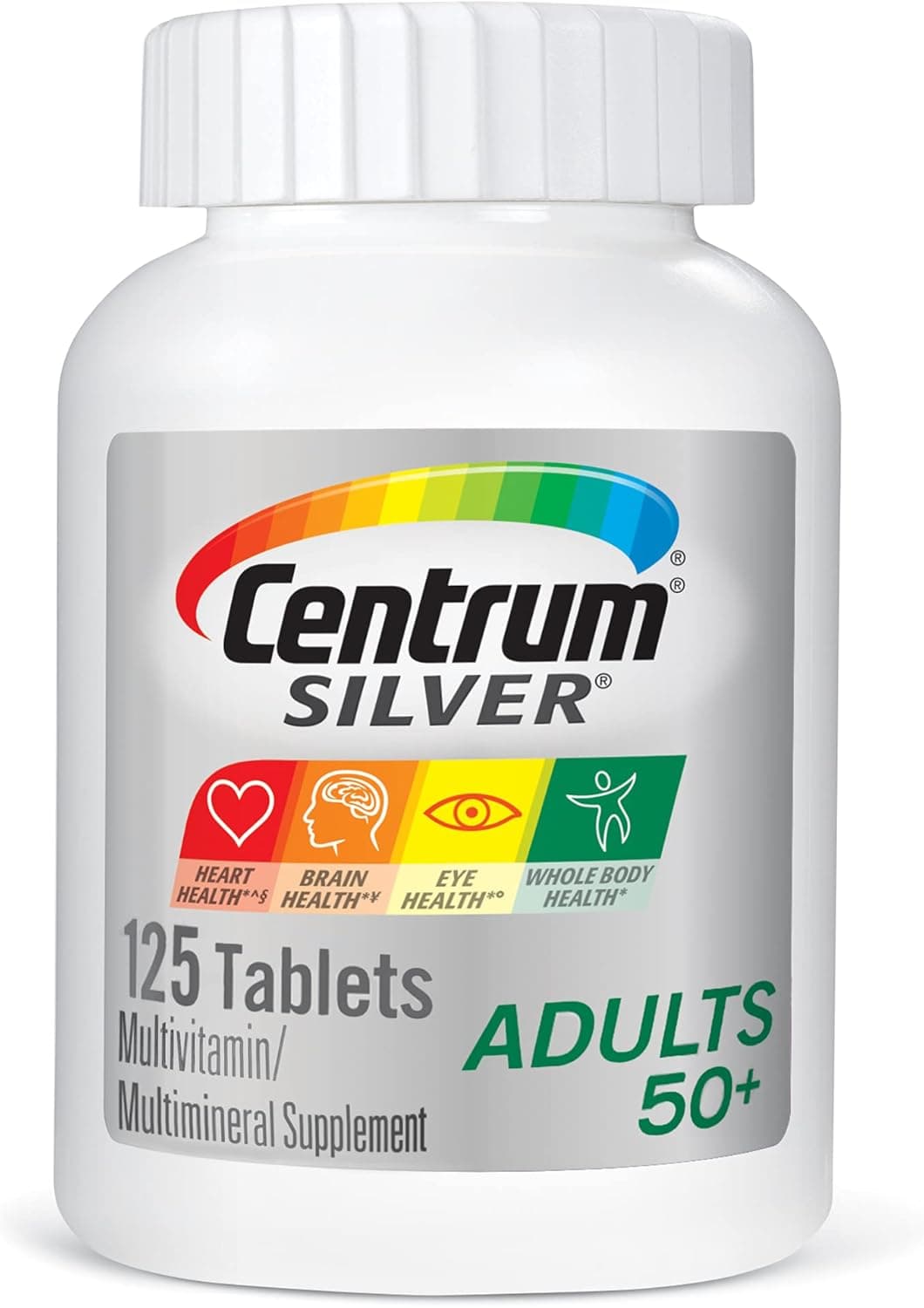
Biotin.
The beauty vitamin. Essential for building keratin, the protein that makes up your hair, skin, and nails. It also helps your body convert food into energy.
Reviewed March 2026
- Category
- Vitamin
- Also filed under
- HairNailsBeautyVitamin
What Biotin is, and what it does.
- Does it work
- Maybe. If you have brittle nails, it's a solid bet based on small studies. For general hair growth without a deficiency, the hype outweighs the science.
- How much to take
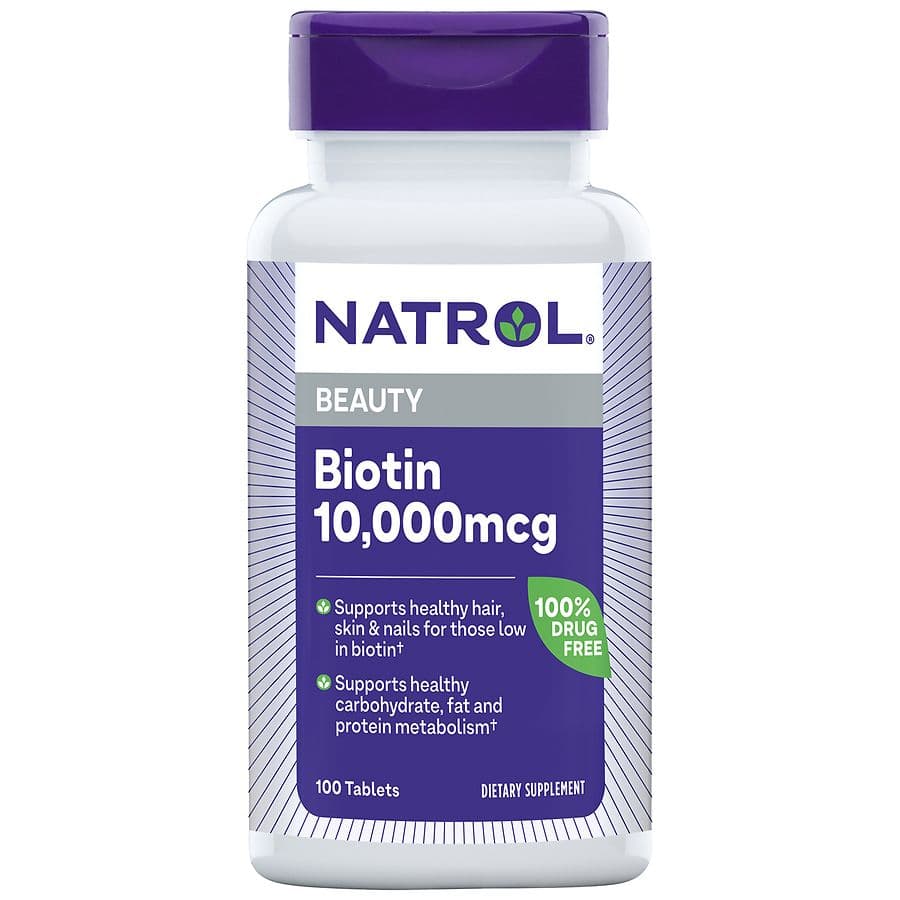
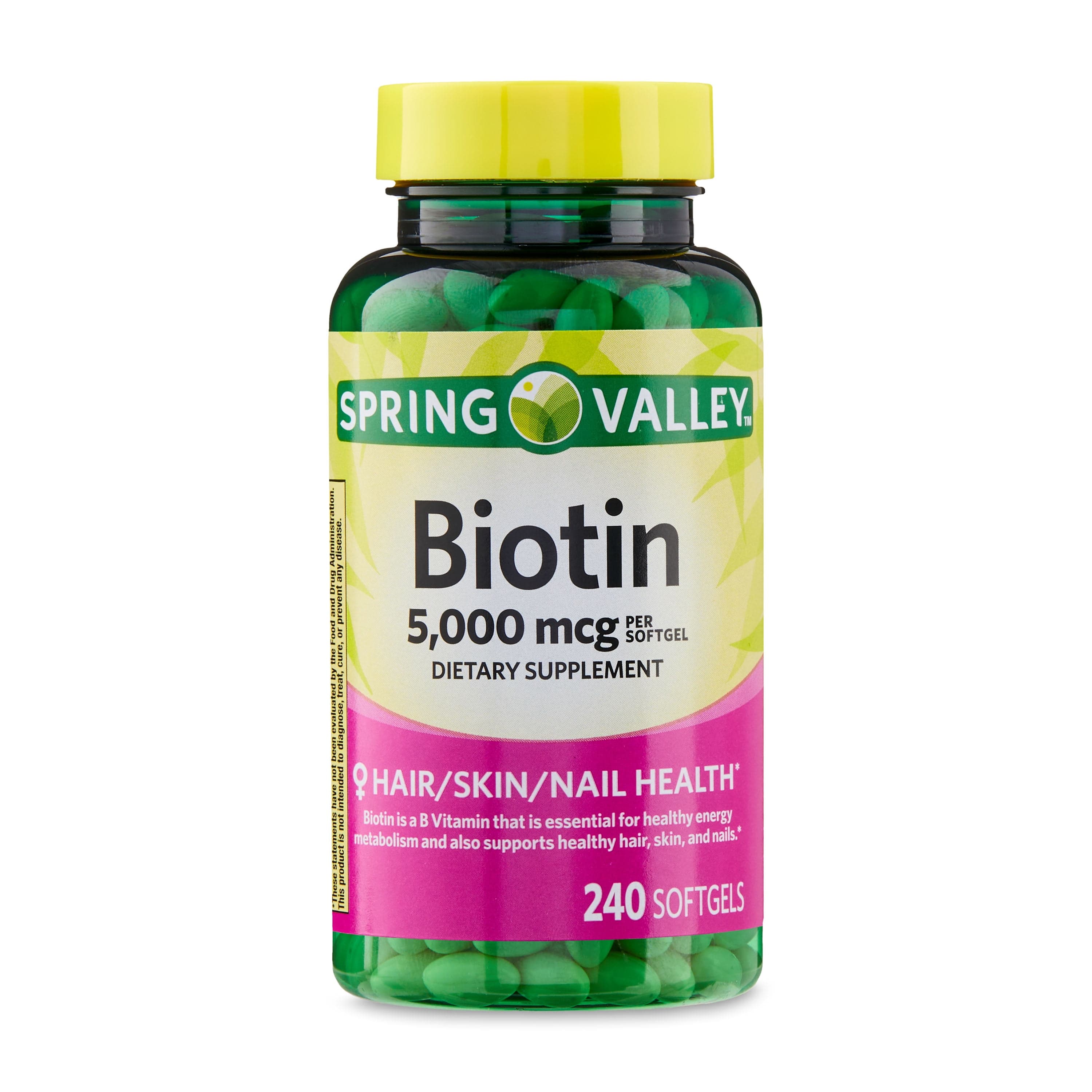
- 2.5-5mg (2,500-5,000mcg) daily. Most 'hair, skin, and nails' formulas contain this much or more.
- Time to feel it
- About 5 to 6 months of daily use.
- The first dose
- Absolutely nothing. Your hair and nails grow slowly. That's just biology.
- With regular use
- After 2-3 months, you might see stronger, less brittle nails. Hair benefits are unlikely unless you were truly deficient to begin with.
- How well tolerated
- Well tolerated. It's water-soluble, so you pee out what you don't use. The main issue is it can skew lab test results, so always tell your doctor.
- How it feels
- You don't feel it. It works slowly in the background. The payoff is seeing physical changes in your nails or hair over several months.
- The overlooked benefit
- Biotin shares one intestinal carrier with pantothenic acid and lipoic acid. Space a large alpha lipoic acid dose a few hours apart and both get through more easily.
2 to 5mg a day is where Biotin works.
Source: NIH ODS + Patel 2017 hair study
In an open trial with no placebo arm, 71 patients with brittle or splitting fingernails took 2.5 mg of biotin a day. Of the 45 cases that could be evaluated, 41 were rated as having firmer and harder nails after an average of 5.5 months of treatment, standard deviation 2.3 months. The rating was clinical judgement rather than an instrument reading, and there was no control group, so the window describes when the raters recorded change, not a placebo adjusted effect.
The proof, claim by claim.
These words describe the research, not the molecule's worth. Research strength is how much work stands behind one claim, and it is never a product score.
Effective for deficiency, mixed for general enhancement.
- Improves brittle nail thickness and reduces splitting3 small clinical trials (n=22 to n=45)
- Reverses hair loss caused by biotin deficiencyMultiple clinical case series
- Accelerates hair growth in healthy individualsSystematic review (insufficient data)
Questions people ask about Biotin.
- Will biotin make my hair grow faster?
- Only if you're actually deficient. For most people, probably not. The evidence for that is pretty weak.
- How long until I see results for my nails?
- Be patient. Nails take 2-3 months of consistent use to show improvement. Hair takes even longer.
- Can I get enough from food?
- Usually, yes. Deficiency is rare. Liver, eggs, and salmon are good sources. Supplementing is for targeted issues like brittle nails.
- Why does it mess up lab tests?
- Many common lab tests use biotin as part of the testing mechanism. High levels in your blood can throw off the results, making them look falsely high or low.
- Is biotin the same as Vitamin B7?
- Yes. Same thing, different name.
- Will this help my skin?
- Unlikely, unless you have a specific skin rash related to biotin deficiency, which is very rare.
Why these belong in the same formula. Each row says what the basis is, from settled biochemistry through to a trial that measured the pair.
Biotin and pantothenic acid cross the gut wall on the same sodium-dependent multivitamin transporter (SLC5A6), which is why B-complex formulas routinely combine them without issue. At the physiological amounts delivered together in a formula neither meaningfully blocks the other, and only very large single-nutrient doses compete for that shared route.
Biotin and zinc act on the same visible tissues through separate routes: biotin supplies fatty acids for normal skin and hair via its carboxylase reactions, while zinc serves as a cofactor for the enzymes and keratin proteins that maintain hair, skin, and nails. Because each works by its own mechanism, the two are a long-standing pairing in hair, skin, and nail formulas.
Biotin and lipoic acid are both carried by the sodium-dependent multivitamin transporter, and lipoic acid competes with biotin at that carrier. Large lipoic acid doses can lower biotin uptake, so spacing them is sensible.
Biotin-dependent propionyl-CoA carboxylase and the B12-dependent methylmalonyl-CoA mutase run one after the other in propionate catabolism. A gap in either cofactor stalls the same route.
Keratin owes its rigidity to cysteine disulfide crosslinks, while biotin-dependent carboxylases supply the fatty acids of follicle and nail-bed tissue. The pair covers the structural protein and the lipid side around it.
Every biotin-dependent carboxylase spends ATP to load bicarbonate onto the biotin arm, and that ATP works as a magnesium complex. Magnesium sits inside the same reaction rather than in a separate story running beside it. This is a mechanistic pairing, not an outcome from a combined trial, and magnesium supply is rarely the step that limits carboxylase activity in people who eat normally.
Biotin does not float free inside the cell. Holocarboxylase synthetase joins it by an amide bond to one lysine residue on each apocarboxylase, and the long lysine side chain plus the biotin tail together form the swinging arm that carries a carboxyl group between two active sites. Lysine is rarely the limiting piece for anyone eating protein, so this explains how biotin works rather than arguing for dosing the two together.
Leucine breakdown passes through 3-methylcrotonyl-CoA carboxylase, one of the five human biotin enzymes. A heavy leucine load raises traffic through that step, and when biotin runs short the intermediate spills into urine as 3-hydroxyisovaleric acid. That compound is a marker of biotin status, not an outcome anyone feels.
Pyruvate has two main exits and each needs a different B vitamin. Thiamine pyrophosphate drives pyruvate dehydrogenase into the citric acid cycle, biotin drives pyruvate carboxylase toward oxaloacetate and glucose synthesis. Products that pair them are working from that shared branch point. The reasoning is mechanistic, and nothing in this record sizes what the combination does.
Chromium and biotin turn up in the same glucose-handling formulas because their routes do not overlap. Biotin connects to blood sugar through pyruvate carboxylase and the gluconeogenic step it opens. Chromium connects through insulin signalling. Pairing them is a formulation argument, not a combined result this record can size.
Pyruvate carboxylase cannot move without its biotin arm, and supplemental pyruvate loads the substrate side of that same reaction. That is the whole of the argument for the pairing. No combined result sits behind it here, so it stays on the mechanism shelf rather than the evidence shelf.
Talk to a doctor before taking Biotin if any of these apply to you: None (Warn doctor before labs). These are flags to check first, not effects Biotin is known to cause.
Not medical advice. Show the label to your pharmacist.What Biotin actually does.
Biotin clips onto five different enzymes and becomes their working part. One enzyme attaches it to a single spot, and another snips it back off when that enzyme is broken down.
Inside those enzymes biotin works like a swinging arm. It picks up a carbon group at one spot and hands it over at another. That needs ATP, magnesium and dissolved bicarbonate.
One of those enzymes turns pyruvate into oxaloacetate. That single step lets your body build new glucose and top up its energy cycle, the clearest link between biotin and normal blood sugar handling.
Another one makes malonyl-CoA, the first committed step of building fat. That same molecule also slows fat burning, so biotin sits right at the switch between the two.
Where Biotin comes from.
The biotin in a supplement is either built up in a chemical plant or grown by bacteria, and both end at the same molecule. Neither route makes a different vitamin. The difference sits in what else has to be cleaned out of the batch afterwards.
The same molecule is reached more than one way. Which route a given product used is a manufacturing choice, and the finished compound is the same either way.
The long-running industrial synthesis builds the ring system from simple achiral feedstocks, with fumarate supplying much of the carbon backbone and a sulfide or thiol reagent supplying the ring sulfur.
Roughly a dozen steps assemble the imidazolidone and tetrahydrothiophene rings with the correct cis fusion, then extend the valeric acid tail. Because only one stereoisomer is active, the route either resolves the mixture or carries the chirality through from an early step.
Bacterial strains carrying an amplified biotin operon build the molecule through dethiobiotin, which biotin synthase closes into the sulfur ring. The output is the same D-biotin and is recovered from broth rather than from a reactor stream.
The vitamin is crystallised to strip process residues and to bring stereochemical purity to specification, with identity and purity checked against a pharmacopoeial reference standard.
Assayed material is usually diluted onto a carrier at one or ten percent so that a microgram dose can be blended with the rest of a formula reproducibly.
It leaves the plant as crystalline free acid, as a diluted premix, or as the sodium salt for liquid formats.
Getting Biotin from food.
The whole-food sources on file. A supplement closes the gap, it does not replace dinner.
A gram-for-gram figure (how much of each you would eat to match a dose) will appear here once it is sourced and reviewed. This page will not print a number it cannot cite.
The forms it comes in.
The essence, in one line each.
- In people with weak, splitting nails, oral biotin increased nail thickness by about 25 percent under scanning electron microscopy and the nail surface became more regular.Clinical trial. Colombo et al., 1990 (Journal of the American Academy of Dermatology). PMID 2273113 ↗
- Across 18 reported cases, all with an underlying deficiency or related condition, hair and nail growth improved after taking biotin, and the review found limited evidence for a hair benefit in people who are not deficient.Systematic review. Patel et al., 2017 (Skin Appendage Disorders). PMID 28879195 ↗
- Across several centres, infant formula supplemented with biotin raised infants' blood biotin levels into the range seen with adequate intake.Randomised trial. Takahashi et al., 2023 (Pediatrics international). PMID 36680523 ↗
- In a network meta-analysis of supplements taken for thinning hair, biotin-containing preparations were among those associated with greater hair density, on a base of small trials.Meta-analysis. Zhou et al., 2025 (Frontiers in nutrition). PMID 41561175 ↗
- An umbrella review of water-soluble vitamins, biotin among them, found only small and inconsistent changes in blood sugar and insulin sensitivity measures in adults with raised glucose.Systematic review. Chai et al., 2025 (Asia Pacific journal of clinical nutrition). PMID 39828265 ↗
- Argues the practical problem with high-dose biotin is distorted laboratory results rather than anything happening to hair and nails.Narrative review. Takamatsu et al., 2023 (The American journal of medicine). PMID 37068576 ↗
- Names supplemental biotin as a cause of hypersensitivity findings and of substantial interference in allergy diagnostics.Narrative review. Lis, 2025 (Nutrients). PMID 40806008 ↗
- The authors report one case in which high-dose biotin coincided with worsening of a long-standing headache condition.Case report. Sanosi et al., 2025 (International medical case reports journal). PMID 41450445 ↗
- Examines biotinidase activity falling secondary to another inherited condition and what supplemental biotin does in that setting.Case series. Himmelreich et al., 2026 (Neuropediatrics). PMID 41052538 ↗
- Pools vitamin supplementation trials in an inflammatory optic nerve condition, with biotin one of the vitamins covered rather than the single subject.Meta-analysis. Gaffney et al., 2025 (Multiple sclerosis and related disorders). PMID 41124782 ↗
- A production study asking whether supplemental biotin changes milk yield in dairy cattle. The direction of the result is not in the record available here.Animal study. Queiroz et al., 2019 (Tropical animal health and production). PMID 30879247 ↗
- Tested oral biotin alongside standard care on gum and tooth-supporting tissue measures in rats.Animal study. Barra et al., 2026 (Archives of oral biology). PMID 42229195 ↗
- Tracks physiological and metabolic responses as dietary biotin is raised step by step in a farmed shrimp species.Animal study. Kim et al., 2026 (Marine biotechnology (New York, N.Y.)). PMID 42033479 ↗
- Looked at biotin with and without exercise on oxidative-stress markers and testicular measures in rats.Animal study. Almasi et al., 2025 (Heliyon). PMID 40034288 ↗
- Reports benefit from biotin given during pregnancy in a rat model of restricted maternal intake.Animal study. Aguilera-Mendez et al., 2024 (International journal of molecular sciences). PMID 39201737 ↗
- A human study of a fibre rather than of biotin, where biotin surfaces only through the gut microbiome readout.Open-label trial. Zhu et al., 2025 (European journal of nutrition). PMID 41117955 ↗
These are the studies our verdict leans on, chosen from the 712 we read for Biotin. The full linked list is below.
The studies, linked.
9 sources behind our Biotin verdict: peer-reviewed studies and registered clinical trials. Every one links straight to PubMed, the journal, or ClinicalTrials.gov. Read them yourself.
- Clinical trialObservational Study to Assess Effect and Safety of High Dose of Biotin (Qizenday®) in Progressive Multiple SclerosisClinicalTrials.gov ↗103 participants, Completed
- Clinical trialBiotin Deficiency and Restless Legs Syndrome: Evidence for a Causal Relationship From Randomized, Double-Blind, Placebo-Controlled TrialClinicalTrials.gov ↗49 participants, Completed
- Clinical trialKinetics of Red Blood Cell Clearance in Chronically Transfused Children With Sickle Cell DiseaseClinicalTrials.gov ↗Phase 1, 22 participants, Completed
- Clinical trialAvidination for Radionuclide THerapy (A.R.THE.) in Nonpalpable Breast CancerClinicalTrials.gov ↗Phase 1, 18 participants, Terminated
- Clinical trialSafety and Tolerability of High Dose Biotin in Patients With Amyotrophic Lateral SclerosisClinicalTrials.gov ↗Phase 2, 12 participants, Completed
- Clinical trialInterference of Biotin Supplementation in Biotin-streptavidin Platforms for Hormone TestingClinicalTrials.gov ↗12 participants, Completed
- Clinical trialThe Possible Efficacy and Safety of L-carnitine and Biotin as Adjunctive Therapies in Children With Moderate Persistent AsthmaClinicalTrials.gov ↗Phase 3, 66 participants, Unknown
- Clinical trialThe Role of KIR-favorably Mismatched Haploidentical Transplantation and KIR-polymorphisms in Determining Outcomes of Children With ALL/AML/MDS Undergoing Allogeneic Hematopoietic Cell TransplantationClinicalTrials.gov ↗Phase 2, 50 participants, Enrolling by invitation
- Clinical trialMulticentric Trial on the Use of Combined Therapy of Thiamine and Biotine in Patients With Huntington´s DiseaseClinicalTrials.gov ↗Phase 2, 24 participants, Recruiting
Evidence surfaced via Semantic Scholar (Allen Institute for AI) and ClinicalTrials.gov. Ranked by study type and citation weight, not cherry-picked.
Problems people have reported.
Read this carefully. These are 205,166 voluntary, unverified reactions reported to the FDA (openFDA). The number mostly reflects how popular Biotin is, not how risky it is. A report is not proof Biotin caused anything. It is a signal of what to watch for, nothing more.
Source: openFDA adverse-event reports. Voluntary reporting, not an incidence rate.
FDA Disclaimer: These statements have not been evaluated by the Food and Drug Administration. This information is for educational purposes only and is not intended to diagnose, treat, cure, or prevent any disease. Consult your healthcare provider before starting any supplement regimen.