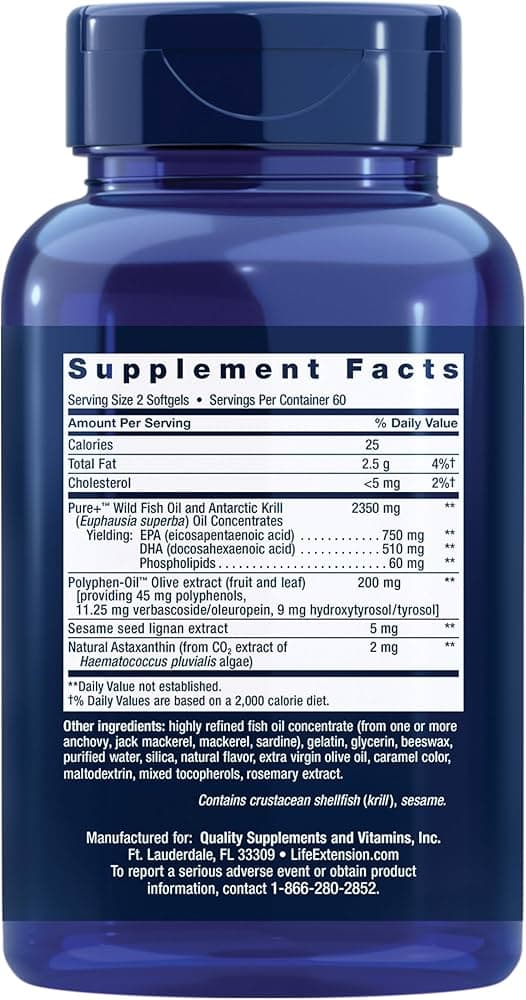
Caramel Color.
A brown food coloring made from heated sugar. Makes your supplement look a certain shade. Gives a tablet, capsule or liquid a set brown shade and holds it batch after batch. It's a colourant, so its work is on the product rather than in your body.
Reviewed March 2026
- Category
- General
- Also filed under
- Visual product appearance
What Caramel Color is, and what it does.
- Does it work
- Matters to anyone who wants a product that looks the same every bottle. People who prefer colour-free formulas can choose one made without it.
- How much to take
- There's no daily amount for a colourant and none is on record. The formulator uses the trace needed for the shade, so it isn't something you dose.
- Time to feel it
- There's nothing to notice from a colourant. What it changes is the shade of the tablet or liquid, and it holds that shade batch after batch.
- The first dose
- Nothing happens in you on day one. The shade is set when the product is made, and holding that shade is the whole of what it contributes.
- With regular use
- It doesn't build up or shift anything over weeks. What holds steady is the appearance of the product, so a normal batch never looks like a spoiled one.
- How well tolerated
- FDA GRAS. The 4-MEI concern relates to Class III/IV at high doses. Supplement amounts are negligible.
- How it feels
- No taste or sensation at the amount used. What you notice is a consistent colour from one bottle to the next rather than anything in your body.
- The overlooked benefit
- Caramel colour comes in four classes made by different processes, and the class a maker picks decides how the colour behaves in an acidic drink versus a neutral capsule.
The proof, claim by claim.
These words describe the research, not the molecule's worth. Research strength is how much work stands behind one claim, and it is never a product score.
- Well tolerated food colorantFDA GRAS
Questions people ask about Caramel Color.
- Is caramel color safe?
- At food/supplement levels, yes. The 4-MEI concern requires extremely high doses to be relevant.
- What's 4-MEI?
- 4-methylimidazole, a byproduct in some caramel color manufacturing processes. Only relevant at very high doses.
- Is it just burnt sugar?
- Essentially, yes. But the industrial process is more controlled, and some methods use ammonia or sulfite catalysts.
- Why put it in supplements?
- Visual appearance. Brown coloring can make products look more 'natural' or match brand expectations.
- Are all caramel colors the same?
- No. Four classes exist (I-IV) based on manufacturing process. Classes I and II don't use ammonia and have no 4-MEI concerns.
- Should I avoid it?
- At supplement levels, not a health concern. But if it bothers you, uncolored products exist.
No pairing data for Caramel Color yet.
Nothing on file for Caramel Color, either from a combination trial or from settled biochemistry. When either lands, it appears here with its source.
Stitching two separate single-ingredient studies into a pairing is the one thing this engine will not do. When a study of the combination itself holds up at source, it lands here with its citation.
No invented synergy. Where actives were studied on their own rather than together, each shows on its own evidence, never a combined effect no trial measured.
Research strength. Research strength says how much work stands behind the combination. It is never a product score.
Independent record. Every finding is cited to a named trial, dated, and never written by the brand.
24 pairings are live across the library today. Checked 25 August 2026.
Talk to a doctor before taking Caramel Color if any of these apply to you: Some types contain 4-MEI (potential carcinogen at very high doses), Purely cosmetic additive. These are flags to check first, not effects Caramel Color is known to cause.
Not medical advice. Show the label to your pharmacist.Getting Caramel Color from food.
The whole-food sources on file. A supplement closes the gap, it does not replace dinner.
A gram-for-gram figure (how much of each you would eat to match a dose) will appear here once it is sourced and reviewed. This page will not print a number it cannot cite.
FDA Disclaimer: These statements have not been evaluated by the Food and Drug Administration. This information is for educational purposes only and is not intended to diagnose, treat, cure, or prevent any disease. Consult your healthcare provider before starting any supplement regimen.