Carnitine.
Research-backed amino acid with potential health benefits. Moves fatty acids into your cells' power plants (mitochondria) to be burned for energy. Different forms target different areas: muscles for recovery, brain for focus.
Reviewed March 2026
- Category
- Amino acid
What Carnitine is, and what it does.
- Does it work
- Maybe. For general fat loss, probably not. For workout recovery (LCLT form) or mental clarity in older adults (ALCAR form), it has decent evidence.
- How much to take
- Depends on the form. For recovery (LCLT): 1-2 grams. For brain support (ALCAR): 600mg - 2 grams. Take it with carbs to improve absorption.
- Time to feel it
- Muscle carnitine fills slowly. Trials needed several weeks of daily use before recovery measures moved, and tissue levels keep rising over months rather than days.
- The first dose
- Nothing. Like creatine, it needs to build up in your tissues over time. This isn't a pre-workout.
- With regular use
- After a few weeks, you might notice less muscle soreness after workouts or slightly better focus, depending on the form you're taking.
- How well tolerated
- Well tolerated in most. High doses can cause gut issues and a weird fishy smell. If that happens, you're taking too much.
- How it feels
- Underwhelming for most. It's not a 'feel it' supplement. Its effects are in recovery and subtle energy metabolism, not a jolt.
- The overlooked benefit
- Your body builds its own carnitine from lysine using vitamin C, iron, B6 and niacin-derived cofactors, so status leans on those nutrients as much as on intake.
500 to 2,000mg a day is where Carnitine works.
Source: Fielding 2018 + Ruggenenti 2009 kidney study
The proof, claim by claim.
These words describe the research, not the molecule's worth. Research strength is how much work stands behind one claim, and it is never a product score.
Carnitine is documented in the library. The clinical read is in the queue. Nothing about the strength of the research prints until the read is done.
- transport of long-chain fatty acids into mitochondriaNarrative review
- muscle soreness and recovery markers after trainingMeta-analysis
- memory and recall measures in older adults, acetyl formMeta-analysis
- sperm quality measures in menMeta-analysis
- exercise performance and fat oxidation during trainingRandomised trial
- free coenzyme A buffering through acylcarnitine formationNarrative review
Questions people ask about Carnitine.
- Will it help me lose weight?
- Unlikely. Studies in healthy people show minimal to no effect. Diet and exercise do 99% of the work.
- What's the difference between ALCAR and LCLT?
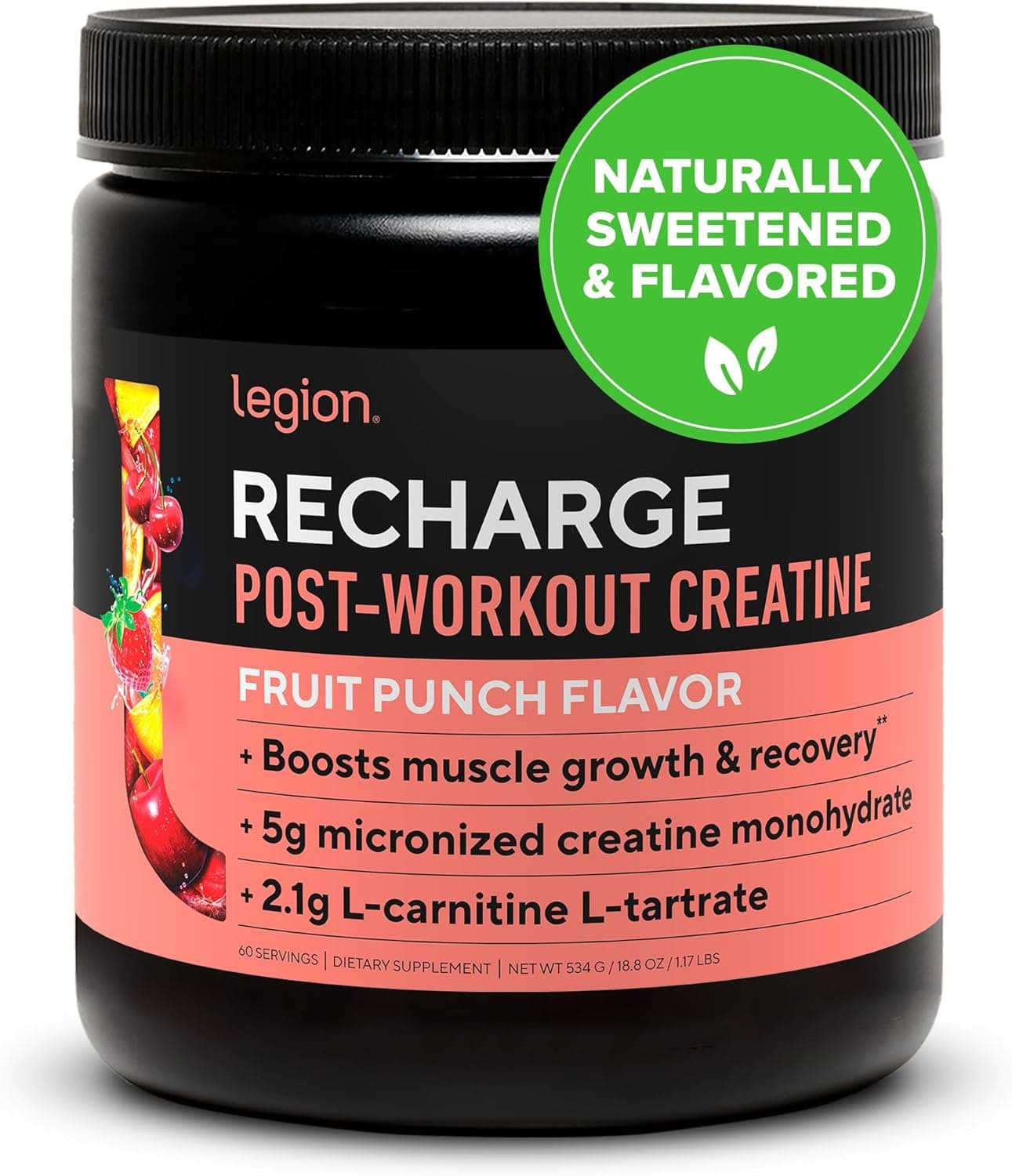
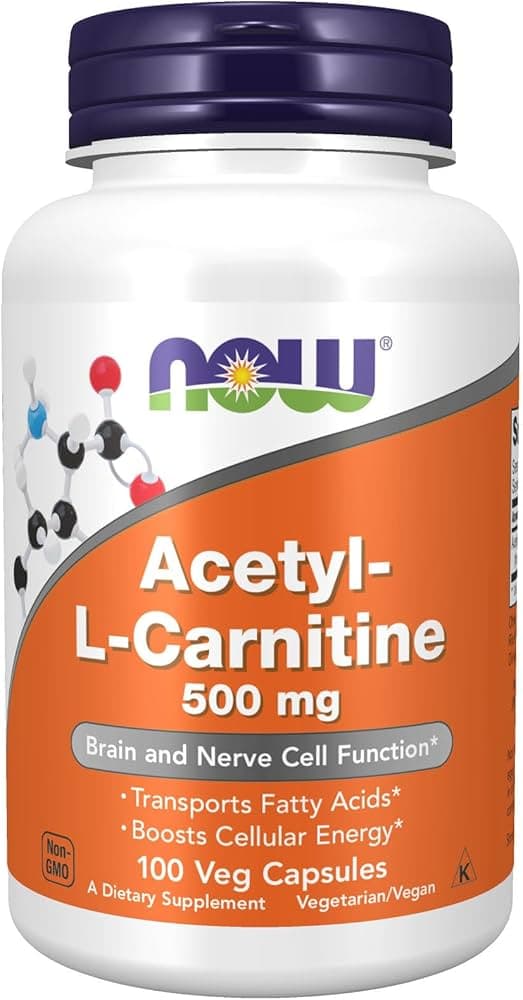
- ALCAR is for your brain (acetyl group helps it cross the blood-brain barrier). LCLT is for your muscles (tartrate helps absorption).
- Why do I smell fishy?
- You're taking too much. It's a byproduct your body creates called TMAO. Cut your dose back.
- Do I need to take it with food?
- Yes, with carbs is best. Insulin helps shuttle it into your muscles more effectively.
- Is it vegan?
- Usually. Most carnitine supplements are made synthetically, not from meat. Check the label to be sure.
- Isn't it in energy drinks?
- Yes, but often in tiny, ineffective amounts. It's mostly marketing fluff.
What the trials show about these together.
Outcomes the engine found studied for these actives as a combination, not one at a time. Each is a finding a named trial measured, cited and dated, never written by the brand.
- EarlyCarnitine + CarbohydrateAbsorption
In two human studies, the first randomized, adding a carbohydrate drink to oral L-carnitine lowered 24-hour urinary carnitine excretion compared with L-carnitine alone, which the authors said suggests more of the dose was retained.
Stephens et al., 2006 (J Appl Physiol)PMID 17138832
Research strength. Research strength says how much work stands behind the combination. It is never a product score.
Fail closed. Where actives were studied on their own rather than together, each shows on its own evidence, never a combined effect no trial measured.
Independent record. Every finding is cited to a named trial, dated, and never written by the brand.
Findings from trials that studied these actives as a combination. Context for how the actives were tested together, not a statement about any individual and not a claim about this product.
Why these belong in the same formula. Each row says what the basis is, from settled biochemistry through to a trial that measured the pair.
Both hydroxylation steps that build carnitine from trimethyllysine depend on ascorbate as the reducing cofactor for the dioxygenase enzymes. Endogenous carnitine production falls when ascorbate runs low, which is the settled biochemical link between the two.
Carnitine carries long-chain fatty acids across the inner mitochondrial membrane so they can enter beta-oxidation, and CoQ10 then ferries the electrons that beta-oxidation yields into the respiratory chain. One delivers the fuel, the other moves what the fuel releases.
Lipoic acid is the covalently bound cofactor of the pyruvate and alpha-ketoglutarate dehydrogenase complexes, so it supports the same matrix machinery that carnitine keeps supplied with fatty acyl groups. Acetyl-carnitine and lipoic acid have been studied together in mitochondrial aging work for two decades.
Higher choline intake lowers urinary excretion of carnitine and its acyl esters, so more of an oral carnitine dose stays in tissue. Human feeding studies report the sparing effect in both directions of choline intake.
Carnitine is built in the body from lysine residues that have been methylated to trimethyllysine. Lysine is the carbon skeleton the whole biosynthesis starts from.
The three methyl groups on trimethyllysine come from S-adenosyl methionine before carnitine synthesis can proceed. Without that methyl supply the precursor is never formed.
Two steps in carnitine biosynthesis run on iron-dependent dioxygenases that need ferrous iron in the active site. Iron status therefore sets how well the body makes its own carnitine.
The aldolase step that converts hydroxytrimethyllysine onward uses pyridoxal phosphate as its cofactor. B6 status is a direct input to endogenous carnitine production.
The dehydrogenase step that oxidises trimethylaminobutyraldehyde is NAD-dependent, and niacin supplies the NAD. That places niacin inside the biosynthesis route rather than beside it.
Carnitine carries fatty acids across the mitochondrial membrane by trading places with coenzyme A, and pantothenic acid is what coenzyme A is made from. Neither carrier does anything without the other.
Once carnitine has delivered a fatty acid into the mitochondrion, the acyl-CoA dehydrogenases that begin beta-oxidation run on FAD. Riboflavin supplies that FAD, so it governs the step immediately after the shuttle.
Acetyl-L-carnitine is carnitine carrying an acetyl group, and the two interconvert freely through carnitine acetyltransferase. It also crosses into the brain more readily, which is the practical reason both forms appear in one formula.
Long-chain fatty acids cannot enter the mitochondrion without the carnitine shuttle, and EPA and DHA are long-chain. Supplying substrate and supplying the carrier act on the same handoff.
Betaine remethylates homocysteine back to methionine, which refills the S-adenosyl methionine pool that carnitine biosynthesis draws methyl groups from. Both compounds also carry trimethylamine groups that gut bacteria can act on, so the loads add there.
Before a fatty acid can be handed to carnitine it must first be activated to its coenzyme A thioester, and that activation consumes ATP complexed with magnesium. Magnesium is therefore upstream of the entire carnitine shuttle rather than a partner to it. This is settled biochemistry and needs no combination trial.
The first step in making carnitine is methylation of protein-bound lysine three times over, each methyl coming from S-adenosylmethionine. Regenerating methionine to keep SAM available runs through B12-dependent methionine synthase. Adequate B12 status is part of what supports normal endogenous carnitine production.
5-methyltetrahydrofolate is the methyl donor for methionine synthase, the same reaction B12 serves as cofactor for, and that cycle keeps SAM available for lysine trimethylation. It sits two steps upstream of carnitine biosynthesis. Textbook one-carbon metabolism, not a tested pairing.
Trimethyllysine, the first committed intermediate in carnitine synthesis, is built by three SAM-dependent methyl transfers, and SAM comes from methionine plus ATP. Dietary methionine is therefore a substrate for the pathway. Supplemental carnitine bypasses this route entirely, which is the point worth making.
Creatine buffers phosphate transfer for short high-intensity work while carnitine handles long-chain fatty acid entry into mitochondria for sustained work. They act on different substrates and different time courses, so they do not compete. Both are also synthesised using SAM-derived methyl groups, which is a shared upstream demand.
Once carnitine has delivered a fatty acyl group into the mitochondrial matrix, each round of beta-oxidation reduces NAD+ to NADH. NAD+ availability is therefore part of what allows delivered substrate to be used. Whether supplemental NAD precursors change that flux in people is an open question.
Taurine and carnitine are among the most concentrated small molecules in muscle tissue and both are taken up against a gradient by sodium-dependent transporters. They serve different roles once inside. The pairing is common in cardiovascular and endurance formulas and has not been isolated in trials.
Caffeine increases release of fatty acids from adipose tissue while carnitine is required for those fatty acids to cross into the mitochondrion. The two act at sequential points of the same route. That the steps line up does not establish that combining them changes fat oxidation measurably in people.
D-ribose feeds the pentose phosphate route toward adenine nucleotide resynthesis while carnitine governs substrate entry for oxidation. They address different limitations in the same energy economy. The pairing rests on mechanism, not on a combination study.
Carnitine is built from a lysine residue that has been methylated using methionine-derived methyl groups, and whey is rich in both amino acids. Adequate protein intake supports normal endogenous production. It does not substitute for supplemental carnitine, which enters by a different route.
Increased fatty acid flux through mitochondria raises electron transport activity and with it the demand on mitochondrial antioxidant systems. Glutathione is the principal one of those. The link is mechanistic and general rather than specific to carnitine supplementation.
Nothing specific on file for Carnitine. Match the label to the daily amount above, and tell your doctor what you take.
Not medical advice. Show the label to your pharmacist.What Carnitine actually does.
Carnitine acts like a shuttle that carries long fatty acids across a membrane inside your cells so they can be broken down for energy.
That shuttle step is the bottleneck for burning long fatty acids, which is why carnitine sits at the center of how your cells use fat for fuel.
Carnitine also soaks up extra acyl groups so your cells keep enough free coenzyme A on hand for other reactions inside the mitochondria.
Your body makes its own carnitine from a modified amino acid, in a process that needs vitamin C, iron, vitamin B6 and a niacin-derived helper.
Where Carnitine comes from.
Carnitine is made either by bacteria in a fermentation tank or by chemical synthesis, and either way the mirror-image version the body cannot use has to be separated out. The purified carnitine is then paired with an acid, usually tartaric, so it stops absorbing water and can be pressed into a tablet. Nothing in the process comes from meat, despite carnitine being a red-meat nutrient in the diet.
The same molecule is reached more than one way. Which route a given product used is a manufacturing choice, and the finished compound is the same either way.
Chemical synthesis routes start from epichlorohydrin and trimethylamine. Fermentation routes start from a sugar feedstock plus a precursor such as crotonobetaine
Chemical routes build the racemic carnitine skeleton. Microbial routes use bacteria carrying carnitine dehydratase and hydratase activity to make the L-form directly
Chemically made racemate is resolved to isolate the L-isomer, since the D-isomer is not usable. Fermentation broth is filtered to remove cells and media
Free-base carnitine is reacted with tartaric or fumaric acid, or acetylated or propionylated, depending on the target form
The salt or ester is crystallised, washed and dried to pharmaceutical-grade powder
Milled for capsules and tablets, or dissolved for liquid shots
Getting Carnitine from food.
The whole-food sources on file. A supplement closes the gap, it does not replace dinner.
A gram-for-gram figure (how much of each you would eat to match a dose) will appear here once it is sourced and reviewed. This page will not print a number it cannot cite.
The forms it comes in.
The essence, in one line each.
- Pooling 37 randomised trials in 2,292 adults, L-carnitine lowered body weight by about 1.2 kg, body mass index by about 0.24 kg/m2 and fat mass by about 2.1 kg, with the dose-response curve flattening around 2,000 mg a day.Meta-analysis. Talenezhad et al., 2020 (Clinical Nutrition ESPEN). PMID 32359762 ↗
- Across seven randomised trials, L-carnitine reduced muscle soreness after hard exercise at every follow-up point out to 96 hours and lowered creatine kinase, myoglobin and lactate dehydrogenase at 24 hours, with no difference detected beyond that point.Meta-analysis. Yarizadh et al., 2020 (Journal of the American College of Nutrition). PMID 32154768 ↗
- Across 21 randomised trials in 2,041 adults with raised blood sugar, each 1 g a day of L-carnitine was associated with about 0.11 mmol/L lower LDL cholesterol, 0.16 percentage points lower HbA1c and 0.37 kg/m2 lower body mass index, with heterogeneity between trials high enough that the authors urge caution.Meta-analysis. Mirrafiei et al., 2024 (Clinical Therapeutics). PMID 38594107 ↗
- Pooling 18 randomised trials in 1,161 adults at 500 to 4,000 mg a day, L-carnitine lowered the liver-produced enzymes ALT by about 8.7 IU/L, AST by about 8.5 IU/L and GGT by about 8.8 IU/L, with larger changes at doses of 2,000 mg a day or more.Meta-analysis. Pirmadah et al., 2020 (European Journal of Nutrition). PMID 31385062 ↗
- In women carrying excess body weight, carnitine supplementation was associated with small reductions in fasting blood sugar and insulin resistance markers.Meta-analysis. Liu et al., 2025 (Diabetes research and clinical practice). PMID 41177307 ↗
- An umbrella review of pooled trials found L-carnitine supplementation associated with small reductions in body weight, body mass index and waist measurements.Meta-analysis. Hamedi-Kalajahi et al., 2025 (International journal for vitamin and nutrition research). PMID 40298161 ↗
- Across randomised trials in adults, L-carnitine supplementation was associated with a small dose-related reduction in blood pressure readings.Meta-analysis. Anaraki et al., 2024 (Clinical therapeutics). PMID 38101999 ↗
- In adults with elevated liver fat, carnitine supplementation was associated with improvements in liver enzyme readings, which are markers rather than outcomes.Meta-analysis. Liu et al., 2023 (Systematic reviews). PMID 37120548 ↗
- A single dose of L-carnitine before high-intensity functional training did not produce a detectable performance improvement over placebo.Randomised trial. Devrim-Lanpir et al., 2025 (Nutrients). PMID 40944177 ↗
- Pooled trials report changes in glucose and lipid laboratory markers with L-carnitine supplementation. These are biochemical markers, not clinical outcomes.Meta-analysis. Li Y et al., 2023 (Food and Function). PMID 36815696 ↗
- A pooled analysis of lipid panel parameters in women with excess body weight taking L-carnitine. The authors report changes in blood lipid markers, with heterogeneity across the included trials.Meta-analysis. Yu Y et al., 2026 (Nutrition and Metabolism). PMID 42332819 ↗
- A systematic review of L-carnitine supplementation and echocardiographic cardiac function measures in adults on maintenance dialysis. The pooled evidence base is small and the measures are imaging markers.Systematic review. Nabi R et al., 2025 (International Urology and Nephrology). PMID 40172612 ↗
- A review of cardiac and metabolic risk markers with L-carnitine in adults on dialysis. The authors report marker-level changes and note variable trial quality.Systematic review. Vajdi M et al., 2026 (BMC Nephrology). PMID 42316068 ↗
- Pooled trials of L-carnitine and blood lipid parameters in adults on dialysis. Lipid panel values are markers, and the reviewed trials differ in dose and route.Meta-analysis. Karimi M et al., 2024 (Frontiers in Medicine). PMID 39687901 ↗
- A systematic review of L-carnitine supplementation and measures of joint comfort and function in age-related joint wear. The authors describe a limited number of trials.Systematic review. Kou H et al., 2024 (Molecular Nutrition and Food Research). PMID 38389158 ↗
- A review of inflammation and oxidative stress markers plus clinical measures in critically ill adults given L-carnitine. The marker findings are reported separately from clinical measures and should not be read as one.Systematic review. Keshani M et al., 2024 (Nutrition Journal). PMID 38444016 ↗
- L-carnitine supplementation was assessed against post-transplant outcomes in liver transplant candidates with low muscle mass. A single-centre study in a narrow population.Randomised trial. El-Razek Salama MA et al., 2025 (Clinical Nutrition ESPEN). PMID 40962224 ↗
- L-carnitine was tested against gastric emptying and bowel function measures in children on ketogenic dietary therapy. A small paediatric study with procedure-based endpoints.Randomised trial. Nassar MF et al., 2024 (Scientific Reports). PMID 39543202 ↗
- Alpha-linolenic acid and L-carnitine were given concurrently, so the design cannot separate what each contributed to the reported symptom and mental-health measures.Randomised trial. Golpour-Hamedani S et al., 2025 (Nutrition Journal). PMID 40082970 ↗
- L-carnitine supplementation was assessed against rate of weight gain and gut biomarkers in young children. Biomarker endpoints, reported alongside growth measures.Randomised trial. Alam J et al., 2024 (The Journal of Nutrition). PMID 38331348 ↗
- A small pilot of L-carnitine in adults with a mild to moderate acute viral illness. Pilot size and design mean the results are hypothesis-generating only.Open-label trial. Talebi SS et al., 2022 (Pharmacological Reports). PMID 35997951 ↗
- Rumen-protected L-carnitine altered metabolic status and reproductive measures in livestock. A farm-animal study with no read-across to human dosing.Animal study. Masoomi M et al., 2024 (Journal of Animal Physiology and Animal Nutrition). PMID 37867377 ↗
- Dietary L-carnitine was associated with differences in ovarian follicular development in ewes under a metabolic challenge. An animal model finding.Animal study. Turgut AO et al., 2026 (Archives Animal Breeding). PMID 42088855 ↗
These are the studies our verdict leans on, chosen from the 23,943 we read for Carnitine. The full linked list is below.
The studies, linked.
12 sources behind our Carnitine verdict: peer-reviewed studies and registered clinical trials. Every one links straight to PubMed, the journal, or ClinicalTrials.gov. Read them yourself.
- Clinical trialEvaluation of Cilostazol in Combination With L-Carnitine in Subjects With Intermittent ClaudicationClinicalTrials.gov ↗Phase 4, 164 participants, Completed
- Clinical trialPhase II, Parallel-group, Placebo Controlled, Double-blind, Randomised, Multicenter Study to Investigate the Efficacy of Two Dosages of Propionyl-L-Carnitine Colon Release Tablets in Patients Affected by Ulcerative Colitis Under Oral Stable TreatmentClinicalTrials.gov ↗Phase 2, 121 participants, Completed
- Clinical trialEffects of Acetyl L-Carnitine Supplementation on Clinical, Metabolic and Inflammatory Symptoms in Obese, Diabetic, Postmenopausal Women With Osteoarthritis: Randomized Controlled TrialClinicalTrials.gov ↗100 participants, Completed
- Clinical trialPhase I/II Trial of Valproic Acid and Carnitine in Infants With Spinal Muscular Atrophy Type I (CARNI-VAL Type I)ClinicalTrials.gov ↗Phase 1, 40 participants, Completed
- Clinical trialPilot Study: Effect of Carnitine Supplementation on Acylcarnitine Profile and Myocardial Function in Children and Young Adults Receiving Continuous Renal Replacement TherapyClinicalTrials.gov ↗29 participants, Completed
- Clinical trialPreservation of Metabolic Flexibility by Acetylcarnitine FormationClinicalTrials.gov ↗24 participants, Completed
- Clinical trialComparison the Effectiveness of L-Carnitine With Atorvastatin in Non-Alcoholic Steatohepatitis (NASH)ClinicalTrials.gov ↗Phase 2, 440 participants, Unknown
- Clinical trialEvaluation of TMAO Production in Human Body From High-carnitine Diet by Fecal Gbu Gene TestingClinicalTrials.gov ↗65 participants, Not yet recruiting
- Clinical trialTHE EFFECT OF DUAL TREATMENT WITH L-CARNITINE AND MAGNESIUM ON Patients With Non Alcoholic Fatty Liver DiseaseClinicalTrials.gov ↗Phase 4, 60 participants, Unknown
- Clinical trialThe Trimethylamine N-oxide (TMAO)-Reducing Effects of a Pomegranate Supplement Simultaneously Administered With L-carnitineClinicalTrials.gov ↗39 participants, Active not recruiting
- Clinical trialIncreasing Skeletal Muscle Carnitine Content to Improve Glycaemic Control in Type 2 Diabetes MellitusClinicalTrials.gov ↗Phase 2, 24 participants, Unknown
- Clinical trialOral L-Carnitine Supplementation in Cardiorenal Heart Failure PatientsClinicalTrials.gov ↗Early phase 1, 20 participants, Recruiting
Evidence surfaced via Semantic Scholar (Allen Institute for AI) and ClinicalTrials.gov. Ranked by study type and citation weight, not cherry-picked.
Problems people have reported.
Read this carefully. These are 4,128 voluntary, unverified reactions reported to the FDA (openFDA). The number mostly reflects how popular Carnitine is, not how risky it is. A report is not proof Carnitine caused anything. It is a signal of what to watch for, nothing more.
Source: openFDA adverse-event reports. Voluntary reporting, not an incidence rate.
FDA Disclaimer: These statements have not been evaluated by the Food and Drug Administration. This information is for educational purposes only and is not intended to diagnose, treat, cure, or prevent any disease. Consult your healthcare provider before starting any supplement regimen.