Pairs well with30 on file
Why these belong in the same formula. Each row says what the basis is, from settled biochemistry through to a trial that measured the pair.
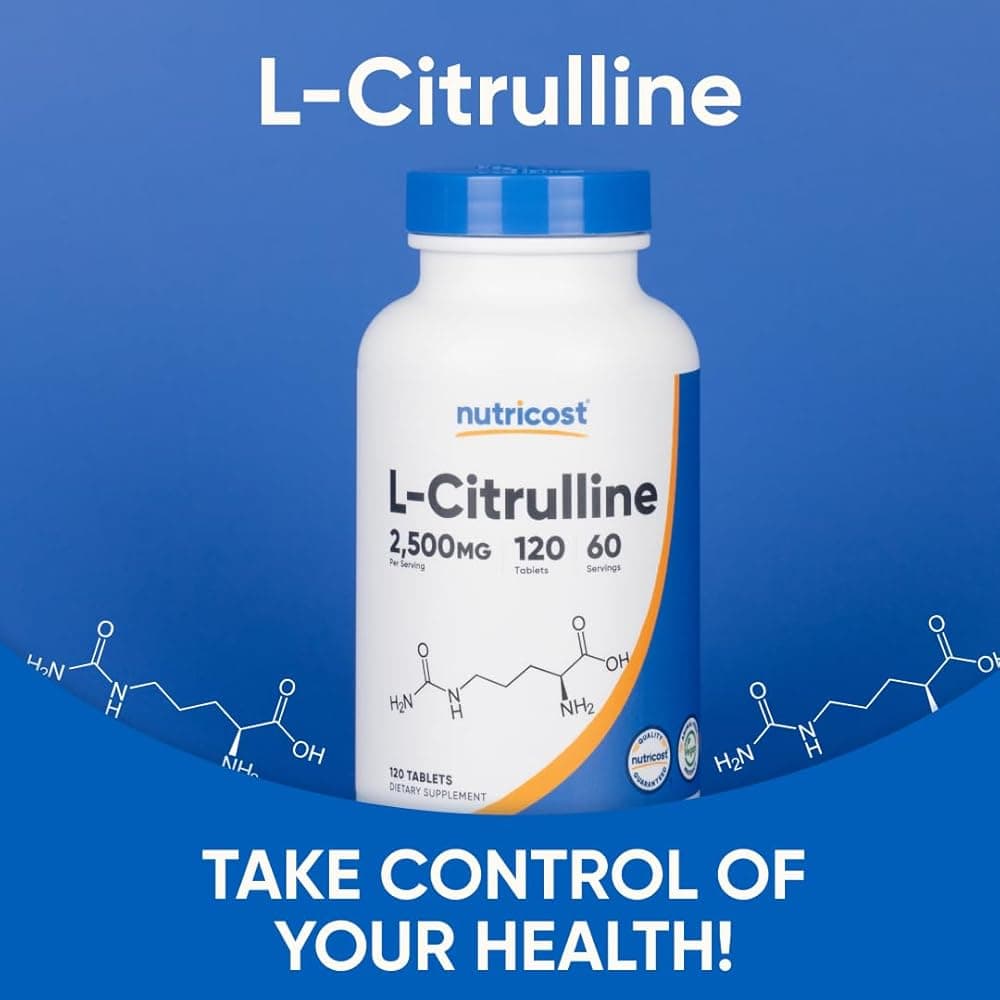
Citrulline is the direct precursor the body converts into arginine, and it bypasses the gut and liver breakdown that limits how much oral arginine reaches the bloodstream. Taken alongside arginine it helps sustain the arginine supply that feeds the nitric oxide pathway behind blood vessel relaxation and blood flow.
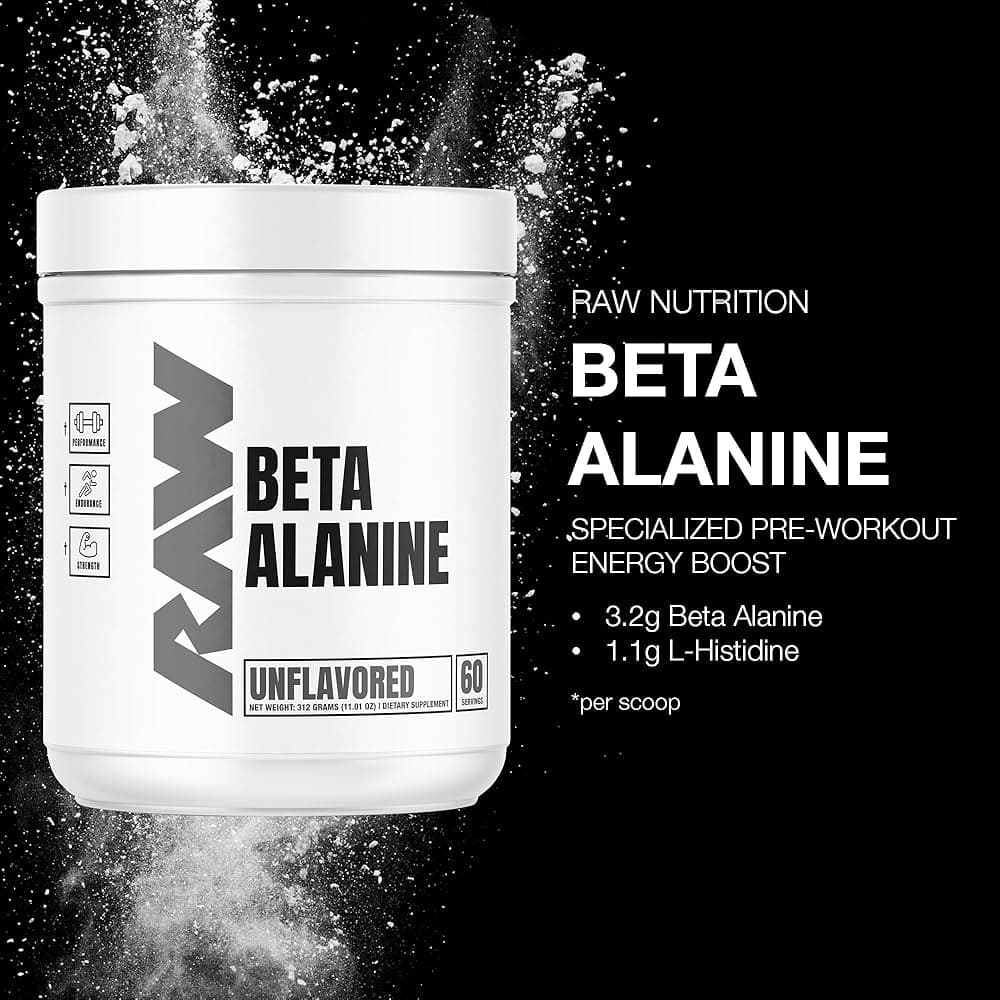
Beta-alanine builds up muscle carnosine, which soaks up the acid that accumulates during hard efforts, while citrulline works on the separate blood flow side through nitric oxide. Because they ease two different limits on muscular endurance, pre-workout formulas have paired them for years.
Creatine refills phosphocreatine, the fast ATP reserve muscles tap for short, powerful contractions, while citrulline supports nitric oxide blood flow on a separate track. They cover different parts of exercise output, which is the long-standing reason the two sit together in the same formulas.
Ornithine plus carbamoyl phosphate forms citrulline inside the urea cycle, so the two are consecutive intermediates on one path. Both feed normal ammonia handling during hard work.
Gut enterocytes make citrulline from glutamine, so glutamine is the physiological precursor of the same molecule and both feed the arginine pool by one route.
Citrulline feeds the oxygen-dependent NOS route through arginine, while dietary nitrate feeds the oxygen-independent nitrate to nitrite route. The two apply under different tissue oxygen conditions.
Nitric oxide synthase needs tetrahydrobiopterin to stay coupled, and 5-methyltetrahydrofolate supports its regeneration. Short of it the enzyme leaks superoxide instead of making nitric oxide from the arginine citrulline supplies.
Ascorbate holds tetrahydrobiopterin in its reduced form so NOS stays coupled, and it limits loss of nitric oxide to superoxide once the molecule is made.
Norvaline inhibits arginase, which otherwise diverts arginine to ornithine and urea, so more of the arginine that citrulline generates stays available to nitric oxide synthase.
Agmatine is arginine with the carboxyl group removed and it modulates the nitric oxide synthases and arginine transport, sitting immediately beside the pathway citrulline feeds.
Pine bark procyanidins raise endothelial nitric oxide synthase expression and activity, while citrulline supplies the arginine that enzyme consumes.
Glutathione holds nitric oxide as S-nitrosoglutathione and limits its loss to superoxide, extending the working life of what the citrulline to arginine route produces.
Lysine and arginine both move on the cationic amino acid transporter, so a large lysine dose in the same window competes with the arginine citrulline generates for uptake into tissue. Separating the doses avoids the competition.
Nitric oxide synthase is a flavoprotein that carries both FAD and FMN in its reductase domain, and riboflavin is the dietary precursor of those flavins. Supplying the substrate side of the pathway does nothing if the enzyme lacks its cofactors. The relationship is cofactor sufficiency, and no trial of the pair is cited.
NADPH donates the electrons that nitric oxide synthase uses to oxidise arginine, and niacin forms are the precursors of the NADP pool. Adequate niacin status is therefore part of the machinery that turns citrulline derived arginine into nitric oxide. This is pathway biochemistry rather than a measured combined effect.
Tetrahydrobiopterin is the nitric oxide synthase cofactor most vulnerable to oxidation, and when it is oxidised the enzyme uncouples and makes superoxide instead of nitric oxide. Thiol antioxidants including lipoic acid help maintain the reduced cofactor pool. The link is mechanistic. Combined human dosing has not been established.
Magnesium acts on vascular smooth muscle calcium handling while citrulline works upstream through arginine and nitric oxide, so the two touch vascular tone by separate routes. Effects on blood pressure readings may therefore add rather than overlap. Blood pressure here is a measurement, and no combination trial is cited.
Potassium influences blood pressure readings through sodium handling and vascular smooth muscle membrane potential, a different route from nitric oxide mediated dilation. Stacking them may move the same measurement by two mechanisms. Anyone managing blood pressure medically should have this checked by their clinician.
Taurine influences endothelial function and calcium handling in vascular tissue and is frequently formulated alongside nitric oxide precursors. The two routes are distinct, so a small additive effect on vascular measures is plausible. Human evidence for the combination is thin, which is why this sits at Early.
Caffeine blocks adenosine receptors and raises sympathetic tone, which tends toward vasoconstriction and a small rise in blood pressure, while citrulline acts toward dilation. Pre workout products routinely contain both, so the net effect on blood flow measures is not simply the sum. Direct head to head data on the combination is limited.
Bicarbonate raises extracellular buffering capacity while citrulline acts on blood flow and ammonia handling, so the two target different limits on repeated high intensity work. That separation is the argument for stacking them. Whether the performance measures actually add has not been established.
Leucine is the amino acid trigger for the mTOR signalling that initiates muscle protein synthesis, and citrulline may increase amino acid delivery by widening blood flow to the tissue. Delivery and signal are separate requirements. This describes a plausible complementarity, not a measured additive gain in people.
A rapidly absorbed protein raises circulating amino acids, and greater perfusion means more of those amino acids reach working muscle. The pairing is common in post exercise formulas for that reason. It supports a normal recovery process and is not a claim about a clinical outcome.
HMB acts on protein breakdown signalling while citrulline acts on blood flow and on ammonia clearance during work. Both appear in the same recovery products, and their routes do not overlap. Evidence for the pair specifically is early.
Ubiquinol limits lipid radical propagation in endothelial membranes, which helps preserve the reduced nitric oxide synthase cofactor pool that citrulline derived arginine depends on. The two therefore act at different points on the same vascular process. Combination data in people is early.
Resveratrol raises endothelial nitric oxide synthase expression in cell and animal work, which is an enzyme level effect, while citrulline supplies the substrate side through arginine. More enzyme with more substrate is a coherent pairing. It rests on preclinical mechanism, not on a human trial of the two.
Oligomeric proanthocyanidins from grape seed influence endothelial nitric oxide handling and vascular measures by a route separate from substrate supply. That makes the pairing with citrulline mechanically sensible. Human evidence for the combination specifically has not been established.
Quercetin influences nitric oxide availability partly by limiting its reaction with superoxide, which is a different lever from raising arginine supply. In principle less nitric oxide is scavenged for the same amount made. The pairing is preclinical in origin.
Garlic organosulfur compounds contribute to vascular relaxation partly through hydrogen sulfide signalling, a pathway distinct from nitric oxide. Two gasotransmitter routes acting on the same vessel wall may complement each other. Reported effects here are on vascular measures, and combination data with citrulline is early.
Long chain omega-3 fatty acids incorporate into endothelial membranes and influence nitric oxide release and membrane fluidity, which is a structural route rather than a substrate one. Citrulline supplies substrate. The two therefore act at different points on normal endothelial function, and no combination trial is cited.