Dandelion Root.
May offer gentle digestive support and act as a mild diuretic. Traditionally used to help digestion and act as a mild diuretic. Think of it as a gentle nudge for your gut and kidneys.
Reviewed March 2026
- Category
- Herb
- Also filed under
- Digestive supportMild diuretic effect
What Dandelion Root is, and what it does.
- Does it work
- Probably not. The evidence is mostly anecdotal or from small, weak studies. You can try it, but don't expect life-changing results.
- How much to take
- Most products offer 500-1000mg per capsule, taken once or twice a day. The evidence isn't strong enough to pinpoint an exact dose.
- Time to feel it
- Bitterness registers at the meal itself. Fermentation of the root's fructans starts inside a day, and steadier digestive comfort builds over one to two weeks of daily use.
- The first dose
- Nothing. You might pee a little more, but that's about it.
- With regular use
- After a few weeks, you might notice slightly better digestion or less water retention. The effect is mild and might not be noticeable for everyone.
- How well tolerated
- Generally well tolerated. Can cause stomach upset for some. Avoid if you have gallbladder problems or allergies to related plants like ragweed.
- How it feels
- Subtle at best. A gentle, 'less puffy' feeling for some. For many, it's unnoticeable.
- The overlooked benefit
- Autumn-dug root carries more fructan than spring root, and roasting caramelises it, so a root coffee and a dried root capsule are not the same material in the cup.
500 to 1,000mg a day is where Dandelion Root works.
Source: Clare BA et al. Int J Mol Sci. 2009;10(5):2348-2361
The proof, claim by claim.
These words describe the research, not the molecule's worth. Research strength is how much work stands behind one claim, and it is never a product score.
The scientific evidence supporting the benefits of dandelion root is limited, with many studies being small or preliminary. More research is needed to confirm its effectiveness.
- digestive comfort before a mealNarrative review
- bile secretionAnimal study
- short-chain fatty acid production from root fructansIn vitro study
- antioxidant activity of root phenolic acidsIn vitro study
- healthy glucose metabolismAnimal study
Questions people ask about Dandelion Root.
- Is this the same as the dandelions in my yard?
- Basically, yes. Taraxacum officinale. But don't just go eat your lawn weeds. They could be treated with pesticides.
- Will it help me lose weight?
- It might help you lose a little water weight, but it's not a fat loss supplement. That's a different biological process.
- Is it a detox supplement?
- That's mostly marketing talk. Your liver and kidneys already 'detox' you 24/7. This might offer them mild support, but it's not a magic cleanse.
- Can I just drink dandelion tea?
- Yes. Tea is a common way to take it. The dose is just harder to control compared to a standardized capsule.
- Does it interact with coffee?
- No known interactions. Both are diuretics, so just make sure you're drinking enough water.
- Is it safe for kidneys?
- Generally, yes for healthy kidneys. But because it's a diuretic, check with your doctor if you have any existing kidney conditions.
Why these belong in the same formula. Each row says what the basis is, from settled biochemistry through to a trial that measured the pair.
Both carry bitter compounds that stimulate bile production and flow, so pairing them reinforces the same choleretic action that supports normal fat digestion. This complementary bile flow mechanism is long standing formulation practice in digestive bitter blends.
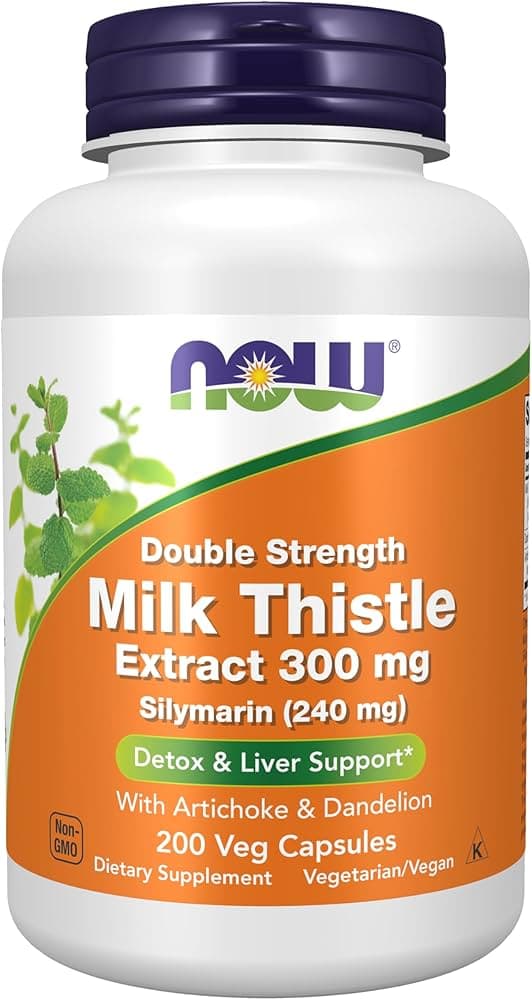
Milk thistle's silymarin supports the antioxidant status of liver cells while dandelion's bitters promote bile secretion and outflow, so the two cover distinct parts of normal liver and bile function. They are combined by long convention because the mechanisms are complementary rather than overlapping.
Dandelion root is rich in inulin, a fermentable fiber that Lactobacillus and related gut bacteria use as a growth substrate in the colon. That feeding relationship between prebiotic fiber and probiotic bacteria is settled biochemistry, making the pair a straightforward synbiotic combination.
Dandelion root is a classic dietary source of inulin-type fructans that reach the colon undigested and ferment to short-chain fatty acids. Added inulin widens the same substrate pool.
Silymarin acts on hepatocyte membranes and glutathione handling while dandelion root bitters raise bile flow. Two different points of one route.
Boldine raises bile secretion, the same functional endpoint dandelion root reaches through bitter-taste receptor signalling.
Barberry root supplies berberine and related alkaloids that raise bile secretion and shift gut microbial balance. Stacked with dandelion root it adds a second bitter route to the same response.
Curcuminoids raise bile output and gallbladder contraction while dandelion root bitters drive secretion through taste-receptor signalling.
Ginger speeds gastric emptying and antral motility while dandelion root acts on bile secretion downstream. Two different points of one digestive sequence.
Anethole from fennel seed relaxes intestinal smooth muscle and eases gas retention, the usual counterweight to a stimulating bitter.
Menthol blocks calcium entry in intestinal smooth muscle and relaxes the sphincter of Oddi, easing passage of the bile dandelion root stimulates.
Schisandra lignans act on hepatic phase I and phase II enzyme expression while dandelion root works on bile secretion. One raises conjugation capacity, the other the exit route.
Phenolic acids and tannin-like polyphenols in the root bind non-heme iron into poorly absorbed complexes. Iron doses are separated from a dandelion root extract for that reason.
Dandelion root and chicory root store carbohydrate as the same class of inulin-type fructans, which is why both have been roasted as coffee substitutes and both act as fermentable substrate in the colon. Pairing them raises total fructan load without introducing a new polymer class. The dose ceiling is set by gas and bloating rather than by any safety limit.
Bifidobacteria carry beta-fructofuranosidase activity that releases fermentable sugars from inulin-type fructans, which is the classic prebiotic relationship. Dandelion root supplies those fructans as part of its natural composition rather than as an added ingredient. Whether a specific extract retains enough fructan to matter depends on how it was made, since ethanolic extracts leave most of the fructan behind.
FOS are the short-chain end of the same fructan family that dandelion root stores, so they ferment earlier and higher in the colon while longer chains carry further along. Combining chain lengths spreads fermentation rather than concentrating it. Rapid fermentation of the short chains is the usual source of gas complaints.
GOS are galactose-based rather than fructose-based, so they are fermented by a partly different set of bacterial enzymes than the fructans in dandelion root. Stacking substrate types broadens which organisms are fed. This is pathway logic from established carbohydrate biochemistry, not a tested combination.
Fermentation of dandelion root fructans yields short-chain fatty acids including butyrate, the preferred fuel of colonocytes. A butyrate supplement supplies the end product directly, while the root feeds its production in place. Same molecule, different route and different site along the bowel.
Dandelion root is a classic bitter in Western herbal practice, used before meals on the argument that bitter taste receptor activation supports normal digestive secretion. Ox bile supplies bile acids directly for fat emulsification. The pairing is long-standing formulation practice and is not supported by a combination trial cited here.
Bitters and an acid source appear together in pre-meal digestive formulas, working on different parts of the same sequence: bitter receptor signalling and gastric acidity. The rationale is mechanistic and traditional rather than trial-based. Betaine HCl is not appropriate for anyone on acid-suppressing medication without clinical advice.
Enzyme blends and bitter herbs are routinely combined so a single pre-meal product covers both the secretory signal and the hydrolytic capacity. The two do genuinely different jobs. No study cited here tests the combination, so this row is formulation reasoning.
A small uncontrolled study of a Taraxacum officinale leaf extract reported increased urinary frequency and volume in healthy volunteers over a single day. That study used leaf, not root, and had no control group. Because the plant is itself a notable dietary source of potassium, any increase in urine output and the mineral content arrive together. Anyone on diuretic or potassium-affecting medication should have the combination reviewed by their clinician.
Licorice is added to bitter formulas partly to soften a harsh taste and partly on its own traditional grounds, and the two roots appear together across several herbal traditions. The combination has no trial support cited here. Licorice carries its own blood pressure and potassium considerations that a formulator has to account for.
Roasted dandelion root and chamomile are combined in digestive and evening tea blends, where the root brings bitterness and body and the flower brings its aromatic profile. The pairing is culinary and traditional. Both plants are in the Asteraceae family, so anyone sensitive to that family should note the doubled exposure.
Taraxacum tissue contains oxalate, which binds calcium into an insoluble salt that is not absorbed. The concentration is much higher in the leaf than in the root, so the interaction is most relevant to leaf-containing products. The direction is established chemistry. How much a given root preparation carries has not been quantified in the sources cited here.
Talk to a doctor before taking Dandelion Root if any of these apply to you: May interact with certain medications (e.g., diuretics, lithium), Possible allergic reactions in sensitive individuals, May cause mild digestive upset in some people. These are flags to check first, not effects Dandelion Root is known to cause.
Not medical advice. Show the label to your pharmacist.What Dandelion Root actually does.
Dandelion root stashes its carbohydrate as inulin-type fructans, the same fructose chains chicory root makes. The amount climbs as the growing season goes on, so root dug in autumn carries more of them than spring root.
Your digestive enzymes can't cut the particular bonds holding inulin-type fructans together, so they arrive in your colon whole. Gut bacteria ferment them there into short-chain fatty acids, plus gas.
That bitter kick comes from sesquiterpene lactones, mainly taraxacin and its eudesmanolide and germacranolide relatives. They switch on the bitter taste receptors on your tongue, and that receptor activation is the usual explanation given for the old habit of taking it before a meal.
The root also carries triterpenes like taraxasterol and taraxerol alongside phenolic acids such as chicoric and chlorogenic acid. Whether the extract was pulled with water or with ethanol shifts the balance between those and the fructans quite a lot.
Where Dandelion Root comes from.
It is the root of the common dandelion, dug up, washed, dried and either ground into a powder or roasted for tea. Whether it is extracted with water or with alcohol changes what ends up in the bottle: water pulls out the fibre-like sugars, alcohol pulls out the bitter compounds. Because roots grow in soil, testing for heavy metals is a real part of making it.
Made from a plant. What ends up in the capsule tracks the harvest, so batch testing and a stated marker matter more here than with a made molecule.
Roots are lifted from cultivated or wild-collected plants, most often in autumn when fructan storage in the root is at its highest.
Soil is washed off, the crown and rootlets are trimmed, and the root is cut or sliced so it dries evenly. Soil residue is the main contamination risk for a root crop.
Root is dried at controlled temperature to stabilise it against mould, and for beverage use it is then roasted until the fructans caramelise and Maillard products develop.
Where an extract rather than a powder is being made, cut root is percolated with water or with an ethanol and water mixture. The solvent choice decides whether fructans or the bitter lipophilic compounds dominate the finished material.
Extract liquor is concentrated under reduced pressure and, for a dry extract, spray-dried onto a carrier such as maltodextrin or acacia gum.
Batches are identity-checked against the correct Taraxacum species, since related composites are common adulterants, and are tested for heavy metals, pesticide residues and microbial counts. Root crops accumulate soil metals, so that testing carries real weight here.
Material is delivered as a milled powder for capsules, a cut or roasted granule for tea, or a liquid tincture.
Getting Dandelion Root from food.
The whole-food sources on file. A supplement closes the gap, it does not replace dinner.
A gram-for-gram figure (how much of each you would eat to match a dose) will appear here once it is sourced and reviewed. This page will not print a number it cannot cite.
The forms it comes in.
The essence, in one line each.
- A small uncontrolled single-day study of a Taraxacum officinale leaf extract reported an increase in urinary frequency and excretion ratio after dosing. The authors present it as a pilot, it used leaf rather than root, and there was no control group.Open-label trial. Clare et al., 2009 (Journal of Alternative and Complementary Medicine). PMID 19678785 ↗
- Dietary Taraxacum mongolicum was associated with changes in growth performance and in the expression of genes coding for intestinal tight junction proteins in the treated animals. These are gene expression markers in a production animal, not a human outcome.Animal study. Mao et al., 2022 (BMC Veterinary Research). PMID 35568942 ↗
- Akebia and dandelion added to the diet of weaned rabbits were associated with differences in growth performance, inflammatory markers and gut microbiota composition. The two herbs were given together, so neither is isolated.Animal study. Sun et al., 2025 (Veterinary Sciences). PMID 41295685 ↗
- Dandelion extract fed to dairy goats on a high-concentrate ration was associated with shifts in ruminal microbiota and metabolome and in circulating inflammatory markers. Ruminant fermentation differs fundamentally from human colonic fermentation, so this grounds mechanism only.Animal study. Mgeni et al., 2025 (Veterinary Sciences). PMID 41600684 ↗
- Dandelion flavonoids given to broilers under an experimental immune challenge were associated with changes in inflammatory signalling markers. This is a challenge model in birds and reports markers rather than outcomes.Animal study. Tian et al., 2026 (Poultry Science). PMID 41349486 ↗
- Adding dandelion to rabbit diets was associated with differences in growth performance, meat quality measures and immune and microbiota markers. The finding is an association within a feeding trial in rabbits.Animal study. Yi et al., 2025 (Microbiology Spectrum). PMID 40503839 ↗
These are the studies our verdict leans on, chosen from the 6 we read for Dandelion Root. The full linked list is below.
Problems people have reported.
Read this carefully. These are 394 voluntary, unverified reactions reported to the FDA (openFDA). The number mostly reflects how popular Dandelion Root is, not how risky it is. A report is not proof Dandelion Root caused anything. It is a signal of what to watch for, nothing more.
Source: openFDA adverse-event reports. Voluntary reporting, not an incidence rate.
FDA Disclaimer: These statements have not been evaluated by the Food and Drug Administration. This information is for educational purposes only and is not intended to diagnose, treat, cure, or prevent any disease. Consult your healthcare provider before starting any supplement regimen.