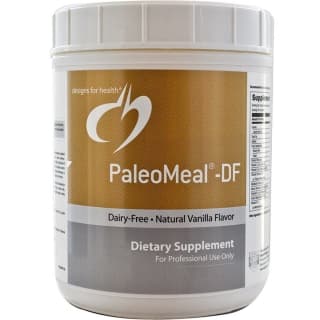
Pea Protein.
A plant-based protein source to help build muscle and support overall protein intake. Helps you build muscle and recover from workouts. A simple way to hit your daily protein target without dairy or soy.
Reviewed March 2026
- Category
- Amino acid
- Also filed under
- Muscle GrowthIncreased Protein IntakeAppetite Control
What Pea Protein is, and what it does.
- Does it work
- Yes. It's a high-quality plant protein that gets the job done. Good science supports it for muscle synthesis. A great alternative to whey.
- How much to take
- One scoop, which is usually 20-30 grams of protein, after a workout or anytime you need a protein boost.
- Time to feel it
- About 12 weeks of daily use alongside training.
- The first dose
- Nothing dramatic. You might feel more full than usual after drinking it. The real effects are cumulative, not immediate.
- With regular use
- After a few weeks of consistent use with training, you'll notice better muscle recovery and strength gains. It's fuel for growth, not a magic pill.
- How well tolerated
- Well tolerated. The main concerns are allergies to peas. Some people report mild gas or bloating, but isolates are generally easy on the gut.
- How it feels
- Like you had a thick, filling shake. It's satiating. You don't 'feel' it working, you see the results in the gym over time.
- The overlooked benefit
- It is rich in lysine and short on the sulphur amino acids, the exact mirror of rice and wheat protein, which is why a pea and rice blend covers more of the amino acid range.
20 to 30g a day is where Pea Protein works.
Source: Babault et al., 2015, J Int Soc Sports Nutr
In an 84-day randomised trial, sedentary adults took pea protein or whey protein daily alongside a weekly resistance training programme. The pea protein group improved whole-body muscle strength by 16.1 percent from baseline, and no significant between-group differences appeared in strength, muscle mass or product perception.
Kept, not banked. The cited trial measured a return toward baseline after the last dose, so the effect holds while it is taken daily, not stored up. That rests on the trial window above.
The proof, claim by claim.
These words describe the research, not the molecule's worth. Research strength is how much work stands behind one claim, and it is never a product score.
Research supports pea protein's ability to aid muscle protein synthesis and support muscle growth, particularly when consumed after resistance exercise. However, some studies suggest it may not be as effective as whey protein for maximizing muscle protein synthesis in all individuals. It is a good alternative for those avoiding dairy or soy.
- Muscle protein synthesis and lean mass alongside resistance trainingMeta-analysis
- Daily protein intake on a plant-based dietNarrative review
- Strength gains through a training blockRandomised trial
- Satiety and appetite after a mealRandomised trial
- Mineral absorption from the same meal, lowered by residual phytateNarrative review
Questions people ask about Pea Protein.
- Is pea protein as good as whey?
- Almost. Whey is slightly better on paper for muscle building, but the real-world difference is tiny for most people. If you're dairy-free, pea is a fantastic choice.
- Will it make me bloated?
- Maybe a little at first, especially if you're not used to it. Look for 'pea protein isolate,' which is easier to digest. It's usually much gentler than whey.
- Can I use it if I'm not vegan?
- Absolutely. It's just a different protein source. Good for varying your intake and giving your gut a break from dairy.
- Is it a 'complete' protein?
- Yes. It has all nine essential amino acids. It's a little lower in methionine, but if you eat a varied diet, you'll cover that easily. Not something to lose sleep over.
- Can I cook with it?
- Yes. It works well in oatmeal, pancakes, or baked goods to boost the protein content without adding dairy.
Why these belong in the same formula. Each row says what the basis is, from settled biochemistry through to a trial that measured the pair.
Pea protein carries less leucine per gram than whey, and leucine is the residue that triggers muscle protein synthesis. Fortifying pea protein with added leucine is standard practice for this reason.
Legume proteins are limiting in the sulfur amino acids methionine and cysteine. Adding a sulfur amino acid source completes the profile the way grain protein traditionally does in a mixed diet.
Pea protein isolates retain phytate, which binds non-heme iron in the gut and lowers its absorption. This is an anti-synergy and the usual answers are added ascorbate or dose separation.
Phytate carried through with plant protein chelates zinc and reduces the fraction absorbed. Plant-based formulas account for this with higher zinc inputs or separate timing.
Ascorbate keeps non-heme iron in the ferrous state and counters phytate binding in the same meal. It is the standard companion where plant protein and iron share a serving.
Phytase cleaves phytate, releasing the minerals it would otherwise hold. It directly removes the main absorption penalty attached to legume protein.
Creatine comes from animal tissue, so people relying on plant protein typically start from lower muscle creatine stores. Pairing the two closes a gap the protein itself cannot.
B12 is absent from plant foods, so a plant protein base is routinely built out with B12. The pairing addresses a gap created by the dietary pattern rather than by the protein itself.
Protease blends break plant protein into absorbable peptides and reduce the fermentable residue that causes bloating with legume isolates.
A large calcium dose in the same serving competes with zinc and iron uptake, compounding the phytate effect already present in a legume protein base.
HMB acts on the breakdown side of protein turnover while dietary protein supplies substrate for the synthesis side, which matters more when leucine content is modest.
Methionine is the limiting amino acid in pea and other legume proteins, meaning it runs out first relative to the pattern the body needs. Adding methionine, or pairing pea with a methionine-rich protein such as rice or an egg-based source, raises the usable fraction of the whole mixture. This is standard protein quality biochemistry rather than a claim from a trial.
Pea protein is unusually rich in lysine, which is the amino acid cereal proteins run short of. That is why pea pairs well with rice, wheat or oat protein in a blend. The complementation runs in the other direction too, since cereals supply the sulphur amino acids pea lacks.
Whey empties and appears in blood quickly with a high leucine density, while pea digests somewhat more slowly and carries less leucine per gram. Blending the two is expected on those kinetics to widen the amino acid profile and spread amino acid delivery over a longer window, though that combined curve is not what the cited work measured. The randomised comparison in the study list compared the two supplements separately after eccentric exercise and did not detect a difference between them on the markers followed.
Casein clots in the stomach and releases amino acids slowly, which is a different release profile from pea. Formulators combine fast, slow and plant proteins to spread amino acid delivery across several hours. A rat study in the candidate list fed casein and pea enriched diets and is animal evidence, not human.
Valine, leucine and isoleucine share the same transaminase and dehydrogenase steps, so they are handled as a group. Pea protein supplies all three, though at a lower leucine density per gram than dairy protein. Adding valine alone without attention to the other two shifts the ratio rather than raising the total.
Glutamine is the most abundant free amino acid in plasma and a preferred fuel for enterocytes, and legume proteins are a reasonable source of glutamine and glutamate residues. Supplementing it alongside a plant protein is a formulation choice about the free amino acid pool rather than about protein quality scoring. The underlying metabolism is settled. The pairing itself is not tested in the cited record.
Pyridoxal 5-phosphate is the cofactor for essentially every transaminase, so the nitrogen shuffling that follows a protein feed depends on adequate B6. A higher protein intake raises the throughput of those reactions. This is textbook cofactor biochemistry and needs no trial.
Vitamin D receptors are expressed in skeletal muscle and vitamin D status is one of the inputs to normal muscle function, while protein supplies the substrate for muscle protein synthesis. Trials of protein in older adults commonly co-administer vitamin D for that reason. The pairing is mechanistic and conventional rather than isolated in a factorial design here.
Beta-alanine is the rate-limiting precursor for muscle carnosine, and histidine, supplied by dietary protein, is the other half of that dipeptide. Pea protein contributes histidine as part of its amino acid profile. The two act on different aspects of training adaptation and are combined in sports formulas for that reason.
Protein that escapes small-intestinal digestion reaches the colon, where the microbial community ferments it and the fermentation products differ by protein source. A study in the candidate list reports that animal and plant protein supplementation shifted microbial community structure and predicted metabolic potential, which is a microbiome measurement rather than a clinical outcome. Whether a co-administered probiotic changes that picture is not established.
Pea protein has a coarse mouthfeel and settles out of suspension, so soluble fibres and hydrocolloids are added to hold it in a beverage. The fibre also ferments in the colon. The pairing is a texture and stability decision with a secondary fermentation effect.
Residual phytate in pea protein preparations binds divalent cations including magnesium, zinc and iron and lowers how much of them dissolves for absorption. Isolates carry less phytate than concentrates because more of it is removed during wet fractionation. The chelation chemistry is established. The size of the effect depends on the specific ingredient lot.
Talk to a doctor before taking Pea Protein if any of these apply to you: Kidney Issues, Allergies (Pea). These are flags to check first, not effects Pea Protein is known to cause.
Not medical advice. Show the label to your pharmacist.What Pea Protein actually does.
Pea protein runs short on the sulphur amino acids methionine and cysteine and comparatively high on lysine. Cereal protein is the mirror image, which is why the two get blended.
Leucine is the amino acid that flips the muscle-building switch, and pea protein carries less per gram than whey, so matching the same leucine means a bigger serving.
Making an isolate by dropping the protein out at its isoelectric point strips most of the starch, fibre and much of the phytate that whole peas and concentrates keep.
Leftover phytate and polyphenols in legume protein grab onto minerals, so less iron, zinc, calcium and magnesium stays soluble and available to absorb from that meal.
Where Pea Protein comes from.
Dried yellow peas are ground into flour, mixed with water so the protein separates from the starch and fibre, then the protein is settled out, washed and dried into powder. A drier air-classified process leaves more of the pea's starch, fibre and phytate with the protein, while the wet process removes most of them.
Made from a plant. What ends up in the capsule tracks the harvest, so batch testing and a stated marker matter more here than with a made molecule.
Pisum sativum grown as a dry pulse crop, harvested at maturity and dried down for storage rather than eaten fresh.
Hulls are removed and the cotyledons are milled to a flour that carries protein, starch and fibre together.
Flour is slurried in water at an alkaline pH so the protein dissolves while starch and insoluble fibre settle out and are drawn off as separate streams.
The pH of the protein-rich liquor is dropped to around the isoelectric point, where the protein loses solubility and drops out as a curd.
The curd is washed to remove residual salts, soluble sugars and much of the phytate, then neutralised.
The slurry is assayed for protein content and adjusted so the finished powder meets a declared protein percentage.
The neutralised slurry is spray dried into a free-flowing powder, sometimes with an added lecithin instantising step for dispersibility.
Getting Pea Protein from food.
The whole-food sources on file. A supplement closes the gap, it does not replace dinner.
A gram-for-gram figure (how much of each you would eat to match a dose) will appear here once it is sourced and reviewed. This page will not print a number it cannot cite.
The forms it comes in.
The essence, in one line each.
- Pea protein supplementation alongside a resistance training programme was assessed for muscle performance measures, with the authors reporting on the combination rather than protein alone.Randomised trial. Singh RG et al., 2024 (Nutrients). PMID 38999765 ↗
- Whey and pea protein were compared after eccentric exercise. The trial did not detect a meaningful separation between the two supplements on the muscle damage markers followed, which is a failure to detect a difference and not a demonstration that none exists.Randomised trial. Nieman DC et al., 2020 (Nutrients). PMID 32784847 ↗
- Across the trials pooled, plant proteins were used for recovery from resistance-exercise-induced muscle damage in healthy young adults, with the authors summarising the range of reported effects rather than a single figure.Systematic review. Govindasamy K et al., 2025 (Nutrients). PMID 40806155 ↗
- The review compared plant against animal protein on muscle mass, strength and physical performance and did not detect a clear separation between the sources in the trials available, which is a failure to detect a difference within the limits of that evidence base rather than a demonstration that the sources are equivalent.Systematic review. Reid-McCann RJ et al., 2025 (Nutrition Reviews). PMID 39813010 ↗
- Long-term plant versus animal protein supplementation was examined for body composition, muscle strength and physical performance, with the authors reporting on duration as a factor in the observed effects.Systematic review. Yimam MA et al., 2026 (Frontiers in Nutrition). PMID 41994089 ↗
- A plant-based protein blend and an animal-based comparator produced similar muscle adaptation results. No difference was detected between them, which is not the same as showing they are identical.Randomised trial. Santini MH et al., 2025 (Journal of the International Society of Sports Nutrition). PMID 41059835 ↗
- The analysis compared combinations of protein source and exercise modality to describe which pairings carried the larger reported effects on the outcomes examined.Systematic review. Lin CL et al., 2026 (Nutrients). PMID 42124009 ↗
- Animal- and plant-derived protein supplementation shifted gut microbial community structure and predicted metabolic potential. These are microbiome measurements, not clinical outcomes.Randomised trial. Kroplewski B et al., 2026 (Nutrients). PMID 41829938 ↗
- Fava bean and pea protein hydrolysates modulated stress-response pathways in a nematode model, with the two hydrolysates acting through different routes.Animal study. Uriz-Martinez M et al., 2026 (Food and Function). PMID 41705452 ↗
- In rats exposed to arsenic, diets enriched with casein or pea protein altered the reproductive tissue and sperm parameters measured relative to the exposed control diet.Animal study. Biswas S et al., 2026 (Biometals). PMID 42474890 ↗
- A bibliometric survey of pea research summarises the nutritional composition of peas and maps where the published attention has concentrated.Narrative review. Akin M et al., 2025 (Frontiers in Nutrition). PMID 40438346 ↗
- The review traces how branched-chain amino acids from plant sources enter metabolic pathways, naming plant protein sources within a broader mechanistic discussion.Narrative review. Wang SN et al., 2026 (Frontiers in Nutrition). PMID 42163964 ↗
These are the studies our verdict leans on, chosen from the 12 we read for Pea Protein. The full linked list is below.
The studies, linked.
3 sources behind our Pea Protein verdict: peer-reviewed studies and registered clinical trials. Every one links straight to PubMed, the journal, or ClinicalTrials.gov. Read them yourself.
- Clinical trialEffect of Yellow Pea Fractions on Short-term Food Intake at 120 Minutes, Subjective Appetite and Glycemic Response in Young Adult MalesClinicalTrials.gov ↗20 participants, Completed
- Clinical trialEnhancing the Benefits of Blueberry Polyphenols With Plant and Whey ProteinsClinicalTrials.gov ↗19 participants, Completed
- Clinical trialThe Impact of Plant-based Protein Blends, With or Without Resistance Exercise, on Skeletal Muscle Protein Synthesis Rates in Older Men and WomenClinicalTrials.gov ↗48 participants, Active not recruiting
Evidence surfaced via Semantic Scholar (Allen Institute for AI) and ClinicalTrials.gov. Ranked by study type and citation weight, not cherry-picked.
Problems people have reported.
Read this carefully. These are 31 voluntary, unverified reactions reported to the FDA (openFDA). The number mostly reflects how popular Pea Protein is, not how risky it is. A report is not proof Pea Protein caused anything. It is a signal of what to watch for, nothing more.
Source: openFDA adverse-event reports. Voluntary reporting, not an incidence rate.
FDA Disclaimer: These statements have not been evaluated by the Food and Drug Administration. This information is for educational purposes only and is not intended to diagnose, treat, cure, or prevent any disease. Consult your healthcare provider before starting any supplement regimen.