Pairs well with15 on file
Why these belong in the same formula. Each row says what the basis is, from settled biochemistry through to a trial that measured the pair.
Magnesium powers the pump that pulls potassium into cells and holds it there, so the body needs enough magnesium to keep potassium where it works. Magnesium also helps the kidneys retain potassium instead of losing it in urine, which is why the two minerals are usually balanced together.
Potassium promotes sodium excretion at the kidney while sodium pulls in the opposite direction on fluid balance and normal blood pressure regulation. The ratio between the two matters more than either amount on its own, so they are a counterbalanced pair.
Glycyrrhizin blocks the enzyme that inactivates cortisol in the kidney, producing mineralocorticoid-like signalling that holds sodium and excretes potassium. Licorice therefore works directly against potassium status and the pairing is a caution.
Dandelion increases urine output, which moves electrolytes including potassium, though the leaf is itself unusually potassium rich. Any ingredient that changes urine volume changes what potassium balance looks like.
Caffeine has a modest diuretic effect that raises urinary electrolyte loss, potassium among them. The interaction is on renal handling rather than on absorption.
Dietary nitrate raises nitric oxide availability and relaxes vessel walls, while potassium works through natriuresis and membrane potential. Both support normal blood pressure regulation by unrelated routes.
Renal potassium retention depends on magnesium, because low intracellular magnesium opens the ROMK channel and potassium is lost in urine. Correcting magnesium is what allows a potassium load to be held.
Taurine acts as an intracellular osmolyte and influences potassium currents in cardiac and skeletal muscle. The overlap is on cell volume and membrane excitability rather than on potassium absorption.
Potassium + CalciumEstablished cation physiology: both minerals act on vascular smooth muscle tone and on excitable membranes, through separate transporters. Potassium sets the resting membrane potential across cell membranes while calcium entry drives the contraction itself, so the two sit on opposite sides of the same contraction and relaxation cycle. Diets and formulas that raise potassium usually raise calcium too, which is why the two are so often reported together in intake work. Nothing here is a shared transporter, and the pairing does not change how much of either is absorbed.
Potassium + SodiumTextbook renal and membrane pharmacology: sodium potassium ATPase, and distal tubule sodium reabsorption coupled to potassium secretion. Every cell in the body runs a sodium potassium pump, and the kidney trades one ion for the other in the distal nephron, so intake of one changes the handling of the other. A higher potassium intake increases urinary sodium loss, which is the physiology behind the widely reported sodium to potassium ratio. This is settled pharmacology rather than a combination trial result, and it describes ion handling, not a clinical outcome.
Raising blood pH pushes potassium into cells in exchange for hydrogen ions, so an alkali load lowers the measured serum potassium without changing total body potassium. Citrate and bicarbonate potassium salts carry both the mineral and the alkali, which is why they behave differently in the body from the chloride salt. The relevant reading here is a laboratory value, not a symptom.
Potassium + Olive leaf extractA randomised trial of the two given together in participants with mildly to moderately elevated blood pressure (PMID 41935461). One randomised trial gave an olive leaf extract with potassium to participants whose blood pressure sat in the mildly to moderately elevated range, so the pairing has been studied as a combination rather than inferred. Because the two arms are not separable in a single trial of this size, the contribution of each part is not established. Read it as one trial of a combination that supports normal blood pressure regulation, not as a settled additive effect.
Potassium + PhosphorusEstablished mineral handling: potassium phosphate salts deliver both ions, and cellular uptake of potassium and phosphate move together during anabolic shifts. Potassium phosphate is a single salt that carries both minerals, so any formula using it changes phosphate intake as well. When cells take up glucose and build ATP they pull potassium and phosphate inward at the same time, which is why both fall together in plasma during a strong anabolic shift. This is ion movement between compartments, described as a marker and not as an effect a person feels.
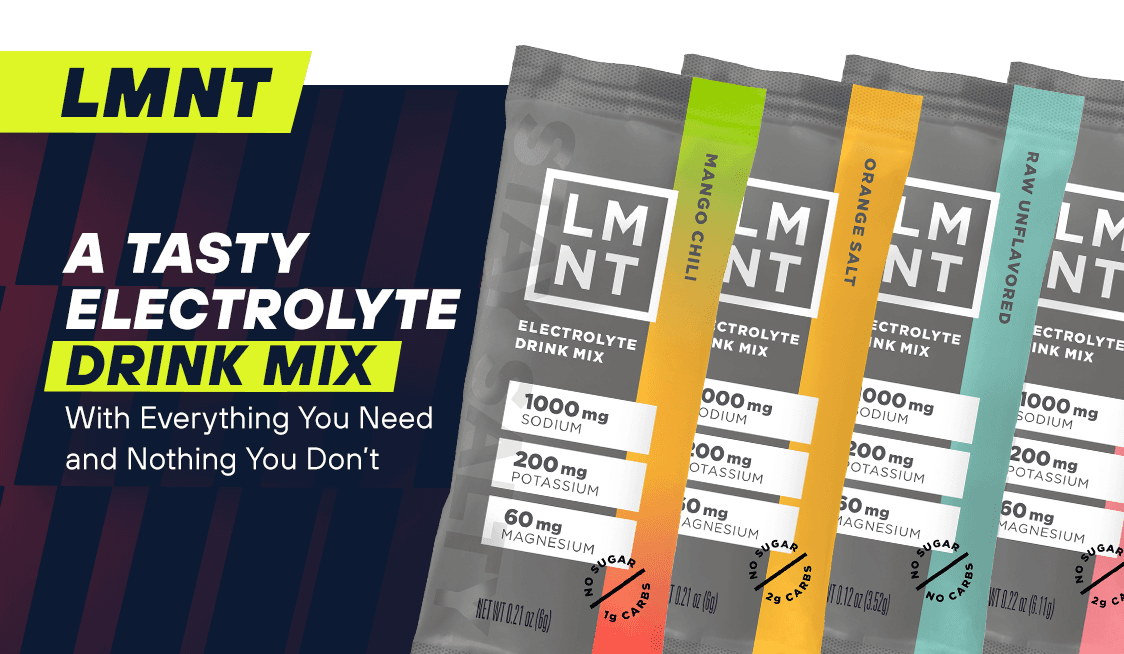
Potassium + Electrolyte complexFormulation practice: potassium is a standard component of multi-mineral electrolyte blends alongside sodium, magnesium and chloride. Sweat carries sodium, chloride, potassium and magnesium, so rehydration blends include potassium to match what is lost rather than to add a separate action. The potassium share of sweat is small compared with sodium, which is why these products are sodium led. The pairing is about matching a loss profile, and it supports normal fluid and electrolyte balance.
Potassium acts mostly through renal sodium handling and vascular smooth muscle repolarisation, while aged garlic preparations are studied through nitric oxide and vascular tone pathways, so the routes differ. Taken together the effects could add, but the candidate literature here holds no trial of the two given as a pair. Anyone tracking blood pressure while using both should know the direction of both inputs is the same.