Quercetin.
May offer mild antioxidant and anti-inflammatory support, but effects are subtle. It's studied for everything from allergies to immune support, but poor absorption limits its power.
Reviewed March 2026
- Category
- Antioxidant
- Also filed under
- Antioxidant supportAnti inflammatory supportImmune system support
- Also called
- Quercetin Dihydrate, Quercetin
What Quercetin is, and what it does.
- Does it work
- Suits people after daily antioxidant support, and those who feel pollen season keenly. The plain powder absorbs modestly, and glucoside and phytosome forms behave differently in blood.
- How much to take
- Studies typically use 500-1000mg daily. If you insist on trying it, look for a 'phytosome' or 'liposomal' version. Standard quercetin is poorly absorbed.
- Time to feel it
- Plan on four to eight weeks of daily use. Changes show up first in blood pressure readings and inflammatory markers rather than in how a day feels.
- The first dose
- Nothing. Zero. This is not that kind of supplement.
- With regular use
- After several weeks, some people report fewer allergy symptoms. The data on blood pressure and inflammation shows very small changes, likely nothing you'd feel.
- How well tolerated
- Generally well tolerated. Might interact with blood thinners. Don't take it if you have kidney problems without talking to your doctor first.
- How it feels
- Like you're not taking anything. Any effects are subtle and work in the background, if they work at all for you.
- The overlooked benefit
- It binds iron, so taken with a plant-based meal it lowers how much non-heme iron you absorb. Space it away from an iron serving and that stops being a concern.
250 to 500mg a day is where Quercetin works.
Source: Edwards 2007 + Javadi 2017 allergy study
The proof, claim by claim.
These words describe the research, not the molecule's worth. Research strength is how much work stands behind one claim, and it is never a product score.
While quercetin has demonstrated antioxidant and anti-inflammatory properties in vitro and in some clinical studies, its poor bioavailability limits its effectiveness at typical supplement doses. More research is needed to confirm its benefits in humans.
- Reduces blood pressure in hypertensive individualsMeta-analysis of 7 RCTs
- Lowers inflammatory markers (CRP)Meta-analysis of 15 RCTs
- Reduces upper respiratory infection rates in athletesSeveral small RCTs (mixed results)
Questions people ask about Quercetin.
- Is quercetin good for allergies?
- It might help a little. It can stabilize mast cells, which release histamine. But the effects are usually mild.
- Should I take it with food?
- Yes. Taking it with a meal, especially one with some fat, may slightly improve absorption.
- Can I get enough from food?
- You get some from apples and onions (maybe 20-30mg a day). Not enough to match the 500mg+ doses used in studies.
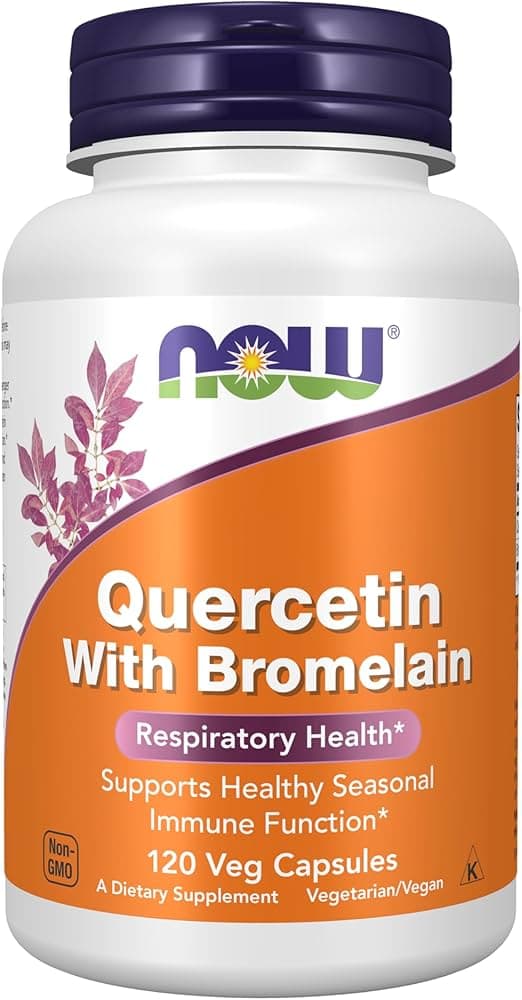
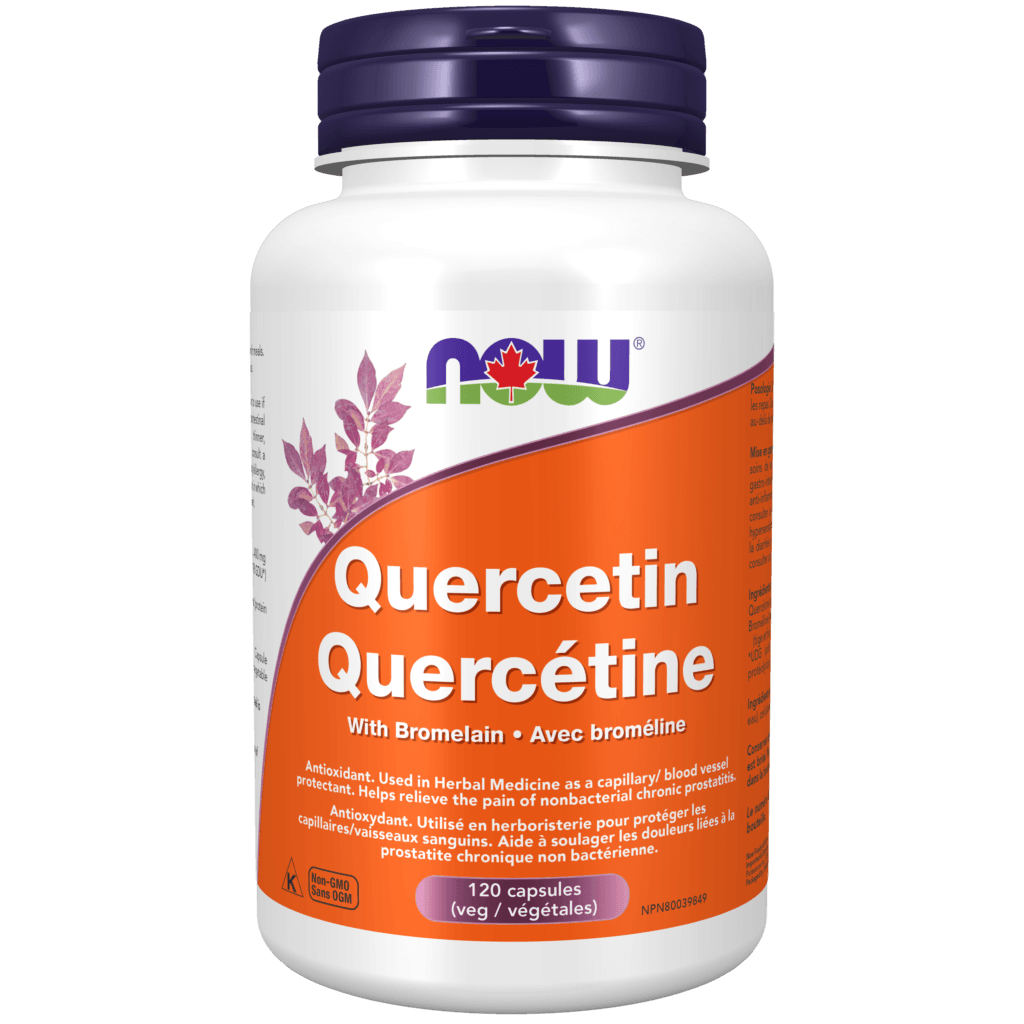
- What about quercetin with bromelain?
- A common combo. Bromelain (from pineapple) is an enzyme with its own anti-inflammatory properties that might also help with absorption.
What the trials show about these together.
Outcomes the engine found studied for these actives as a combination, not one at a time. Each is a finding a named trial measured, cited and dated, never written by the brand.
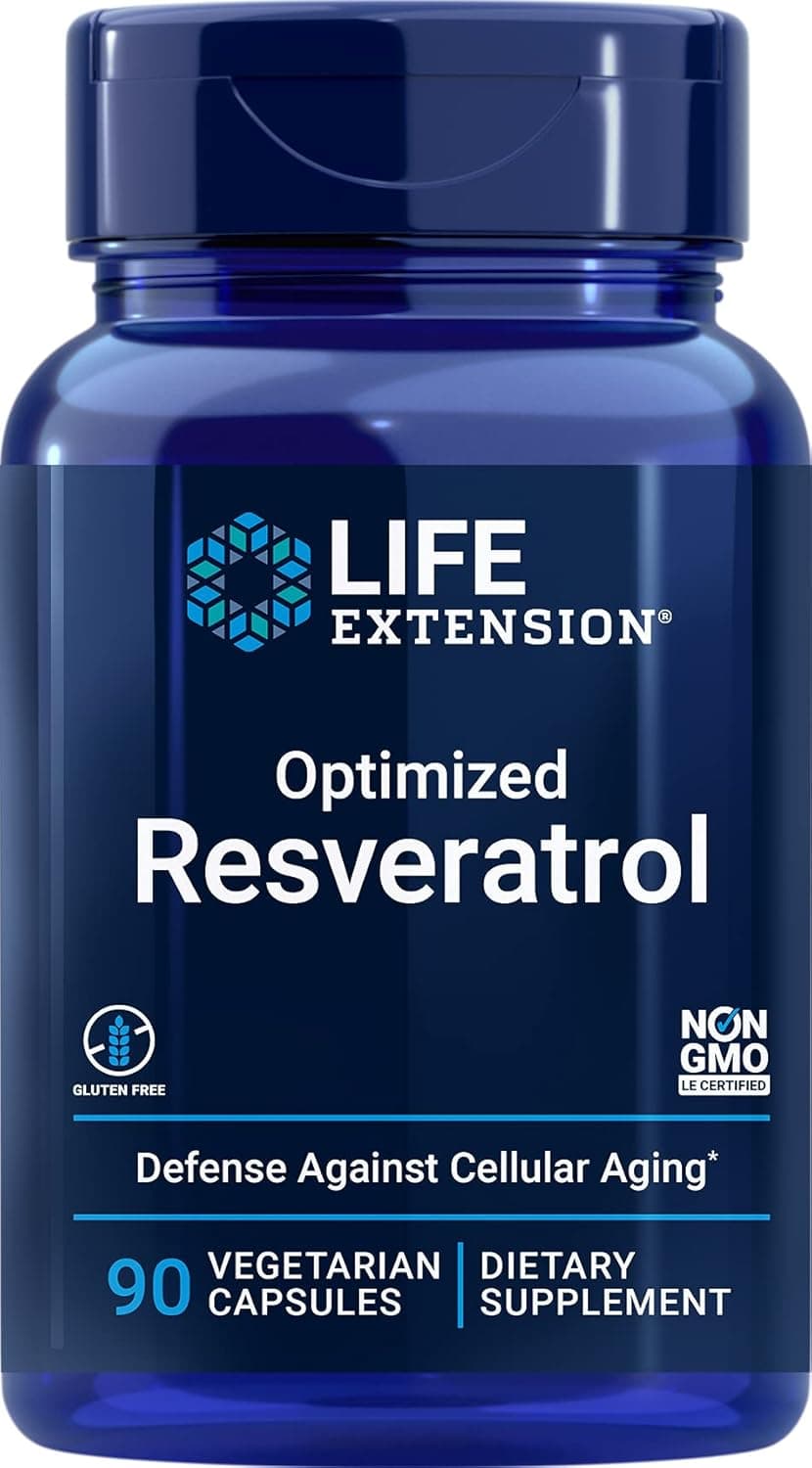
- EarlyQuercetin + ResveratrolRecovery
In a double-blind crossover trial, 14 athletes took resveratrol with quercetin for a week before exhaustive exercise. The post-exercise rise in F2-isoprostanes, a lipid peroxidation marker, was 68% with the combination versus 137% with placebo, while inflammation markers and antioxidant capacity were unchanged.
McAnulty et al., 2013 (Appl Physiol Nutr Metab)PMID 23980734
Research strength. Research strength says how much work stands behind the combination. It is never a product score.
Fail closed. Where actives were studied on their own rather than together, each shows on its own evidence, never a combined effect no trial measured.
Independent record. Every finding is cited to a named trial, dated, and never written by the brand.
Findings from trials that studied these actives as a combination. Context for how the actives were tested together, not a statement about any individual and not a claim about this product.
Why these belong in the same formula. Each row says what the basis is, from settled biochemistry through to a trial that measured the pair.
After quercetin quenches a free radical it is left in a spent, oxidized form, and vitamin C donates an electron that returns it to its active state. The two recycle each other within the body's antioxidant network, so a given amount of each keeps working for longer.
Quercetin acts as a zinc ionophore, a molecule that ferries zinc across the cell membrane and raises the amount of zinc available inside the cell. Taken together, quercetin can help move dietary zinc into cells, where zinc supports normal immune and enzyme activity.
Both polyphenols are cleared by the same sulfotransferase and UDP-glucuronosyltransferase routes, so they compete for conjugation capacity and each shapes the circulating exposure of the other. Both also act on NRF2 signalling that governs normal antioxidant enzyme output.
Quercetin and luteolin both damp mast cell mediator release through the same intracellular calcium and kinase steps, so their effect on normal histamine handling runs through one shared mechanism rather than two.
Both compounds act upstream of NF-kB, which keeps normal inflammatory signalling in range, and both inhibit the intestinal efflux pump P-glycoprotein. Co-dosing therefore raises the exposure of each.
Catechins and quercetin are inactivated by the same COMT methylation and UGT glucuronidation enzymes, so each slows the other's clearance and circulating polyphenol levels hold higher for longer.
The catechol group on quercetin binds ferric iron in the gut lumen and forms a complex the intestine cannot take up, so non-heme iron absorption drops when the two arrive together. Separating the doses by a couple of hours removes the competition.
Quercetin binds copper ions at the same catechol site, which lowers the free copper available for uptake and changes the flavonol's own redox behaviour. Dosing the two apart avoids the binding.
Quercetin can donate an electron that returns the oxidised tocopheroxyl radical to active tocopherol inside membranes, so the flavonol sits in the same redox relay that regenerates vitamin E.
Oxidised quercetin forms a quinone that glutathione conjugates and carries away, which is the normal clearance route for the spent flavonol. Thiol supply therefore shapes how cleanly quercetin turns over.
Piperine slows intestinal glucuronidation and inhibits P-glycoprotein, the two steps that limit how much quercetin reaches circulation. It is added to flavonoid formulas for that reason.
Quercetin is nearly insoluble in water, so it is routinely complexed with lecithin phospholipids into a phytosome that disperses in bile and crosses the enterocyte membrane more readily.
Rutin is quercetin-3-O-rutinoside, the same flavonol carrying a disaccharide. Human small-intestinal enzymes cannot cleave the rutinose, so rutin has to reach the colon and be hydrolysed by gut bacteria before quercetin appears in circulation, which delays and blunts the peak compared with a glucoside or the aglycone. Taking both means two arrival curves from one molecule.
Both compounds are reported to shift Keap1-Nrf2 signalling and raise transcription of phase II enzymes, though by different chemistry: sulforaphane modifies Keap1 cysteines while quercetin acts more indirectly. The overlap is documented in cell and animal work rather than in human combination trials. Any additive effect in people is untested.
Apigenin and quercetin are both extensively glucuronidated and sulfated by the same intestinal and hepatic enzyme families. Taken together at high doses they compete for that finite conjugation capacity, which can raise the free fraction of either. This is a plausible pharmacokinetic interaction rather than a demonstrated benefit.
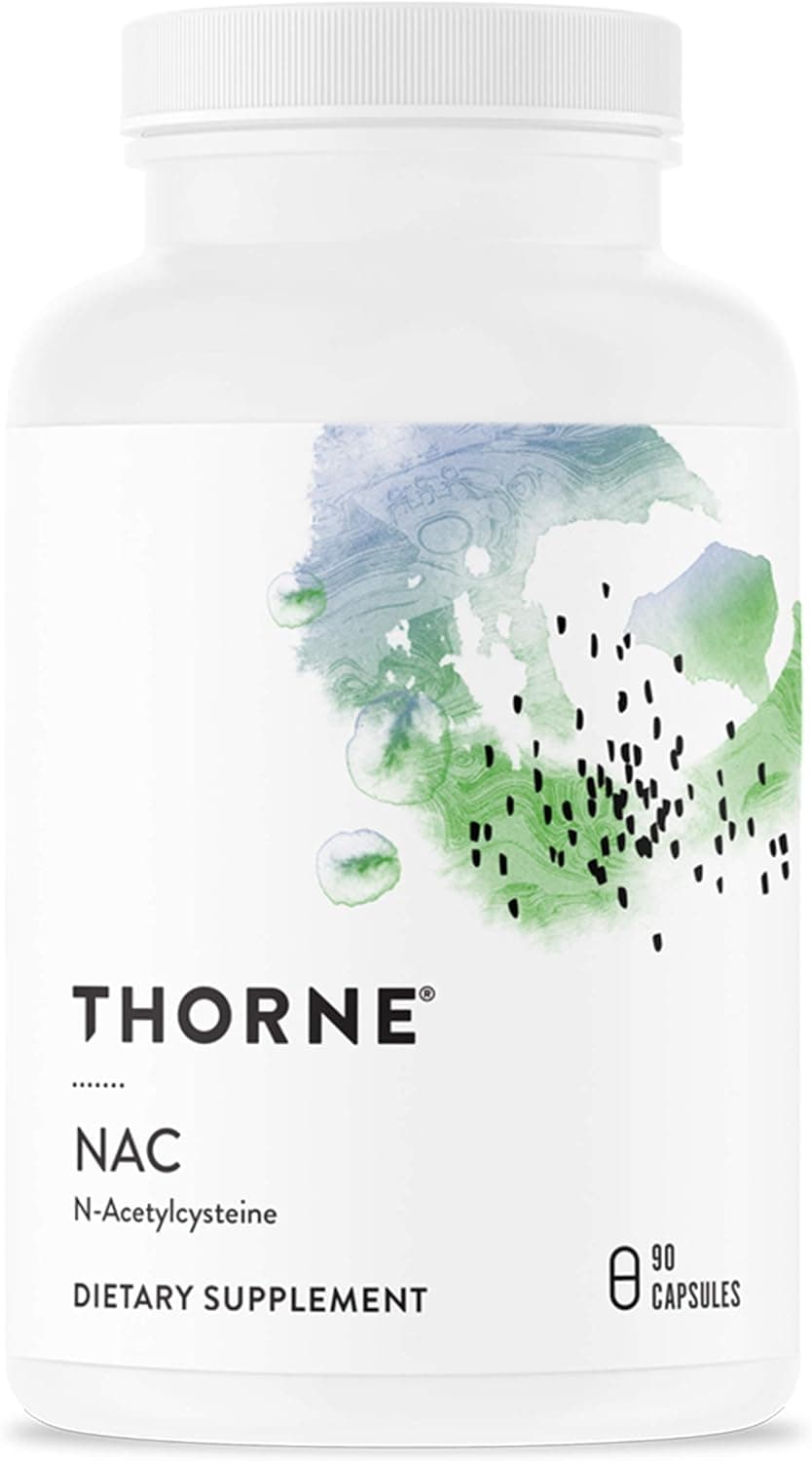
When quercetin scavenges a radical it is oxidised to a quinone or quinone methide that reacts readily with thiols. Cysteine supply, which NAC feeds through glutathione synthesis, is what allows that oxidised intermediate to be conjugated and cleared. The chemistry is established. The clinical consequence of pairing them is not.
Quercetin has a catechol B-ring and is methylated by catechol-O-methyltransferase, a reaction that consumes an S-adenosylmethionine methyl group for each pass. Sustained high flavonol intake therefore draws on methyl-group supply, and betaine is one of the substrates that regenerates methionine for that pool. The link is biochemical. No trial has measured whether combining them changes methylation status.
Flavonoids including quercetin inhibit thyroid peroxidase and sodium-iodide symporter activity in cell and animal models, which is the enzyme step that incorporates iodine. This has not been shown to change thyroid hormone status in people at supplemental flavonol doses, so it is a flagged mechanistic caution rather than an established effect. Anyone tracking iodine status has a reason to know it exists.
Quercetin inhibits platelet aggregation in laboratory preparations, and ginkgo extracts carry their own antiplatelet activity including quercetin-family flavonol glycosides. Stacking two agents with the same direction of effect is a caution to flag, not a benefit to sell. Clinical significance at supplement doses has not been established.
Garlic organosulfur compounds reduce platelet aggregation, and quercetin does the same in laboratory work. Combining them points the same way, which matters most for anyone already managing bleeding risk or approaching a procedure. Flagged as an additive direction rather than a demonstrated interaction.
Quercetin aglycone is close to insoluble in water, so how much reaches the bloodstream depends heavily on the matrix. Lipid dispersion is one of the standard formulation answers and MCT is a common liquid lipid for it. Whether MCT specifically raises quercetin exposure in people has not been measured.
Glycosides such as rutin only release quercetin after colonic bacteria cleave the sugar, so the composition of that community shapes how much aglycone appears. A fermentable fibre changes that community, which is a plausible route to changing flavonol handling. No trial has demonstrated the effect, so it stays early.
Silymarin flavonolignans and quercetin are both heavily glucuronidated and both inhibit UGT and efflux transporters in vitro. Co-dosing can shift the conjugation and efflux of either compound and of unrelated substrates taken at the same time. Direction and size in people are unknown.
Quercetin and bromelain have been co-formulated for decades in the same category of products, with bromelain sometimes described as an absorption aid. That absorption role rests on proteolytic reasoning rather than on pharmacokinetic measurement of quercetin. Recorded here as a long-standing commercial pairing with weak mechanistic backing.
Quercetin has been described as a weak adenosine receptor antagonist, the same broad target class caffeine acts on, and the two appear together in sports supplementation research. The receptor affinity reported for quercetin is far lower than caffeine's, so any additive effect would be small. Not established in human combination trials.
Talk to a doctor before taking Quercetin if any of these apply to you: May interact with certain medications, Possible gastrointestinal discomfort at high doses. These are flags to check first, not effects Quercetin is known to cause.
Not medical advice. Show the label to your pharmacist.What Quercetin actually does.
Its two neighbouring hydroxyl groups hand off hydrogen atoms to reactive molecules, which is the chemistry behind calling it an antioxidant.
After it does its job it needs vitamin C or glutathione to be recycled or cleaned up, so it works as part of a team rather than on its own.
It grips iron and copper. That calms metal-driven damage, and it also means it can cut how much iron a meal delivers if the two are taken together.
In food it comes with a sugar attached. Some sugars come off in the small intestine and some need gut bacteria in the colon, which changes the timing entirely.
Where Quercetin comes from.
It comes from the flower buds of the Japanese pagoda tree, which are loaded with a sugar-attached version called rutin. Manufacturers pull out the rutin and snip the sugar off to get quercetin, then purify it and mill it into powder.
Made from a plant. What ends up in the capsule tracks the harvest, so batch testing and a stated marker matter more here than with a made molecule.
Japanese pagoda tree buds are unusually rich in rutin, which makes them the dominant commercial starting material. Onion skin and some eucalyptus species are used where a different glycoside profile or a food-source claim is wanted.
The buds are extracted with hot water or an ethanol and water mixture to draw out rutin and related flavonol glycosides.
Most quercetin on the market is not extracted as quercetin. Rutin is hydrolysed, either with acid and heat or enzymatically with a glycosidase, to cleave off the rutinose sugar and release quercetin. Products sold as rutin skip this step.
The crude aglycone is recrystallised, commonly from aqueous alcohol, which is where the dihydrate crystal form arises. Washing removes residual sugars, solvent and co-extracted flavonoids.
The dried solid is assayed, usually by HPLC, and adjusted or blended to a stated quercetin content so a dose can be calculated.
The purified solid is milled for capsules and tablets, dispersed onto a phospholipid to make a phytosome, or enzymatically glucosylated for water-soluble formats.
Labels seldom state the plant source, whether the material was made by hydrolysing rutin or extracted directly, or whether the declared milligrams are dihydrate weight or free flavonol weight, a difference that changes the actual flavonol dose.
Getting Quercetin from food.
The whole-food sources on file. A supplement closes the gap, it does not replace dinner.
A gram-for-gram figure (how much of each you would eat to match a dose) will appear here once it is sourced and reviewed. This page will not print a number it cannot cite.
The forms it comes in.
The essence, in one line each.
- Pooling seven randomized trials in 587 people, quercetin supplementation lowered systolic blood pressure by about 3 mmHg and diastolic blood pressure by about 2.6 mmHg, with a larger effect at doses of 500 mg per day or more.Meta-analysis. Serban et al., 2016 (Journal of the American Heart Association). PMID 27405810 ↗
- In a double-blind crossover trial of 22 healthy men with uric acid in the high-normal range, 500 mg of quercetin daily for four weeks lowered plasma uric acid by about 27 micromol per litre versus placebo.Randomised trial. Shi and Williamson, 2016 (British Journal of Nutrition). PMID 26785820 ↗
- Across 11 trials in 254 people, quercetin produced a statistically significant increase in endurance exercise capacity and VO2max that the authors rate as trivial to small, about 2 percent over placebo.Meta-analysis. Kressler et al., 2011 (Medicine and Science in Sports and Exercise). PMID 21606866 ↗
- An umbrella review of five meta-analyses found quercetin lowered systolic blood pressure by about 1.9 mmHg and lowered insulin, with no detectable effect on diastolic pressure, lipids, fasting glucose, inflammation markers or body measurements.Meta-analysis. Arabi et al., 2023 (Phytother Res). PMID 37654199 ↗
- Across 17 randomised trials in 896 adults, quercetin lowered systolic blood pressure by about 3.1 mmHg and diastolic by about 2.9 mmHg, while lipids and glucose did not change significantly overall.Meta-analysis. Huang et al., 2020 (Nutr Rev). PMID 31940027 ↗
- Pooled randomised trials of quercetin supplementation and reported reductions in systolic and diastolic blood pressure readings, most consistently in participants whose starting pressure was elevated.Meta-analysis. Popiolek-Kalisz et al., 2022 (Current Problems in Cardiology). PMID 35948195 ↗
- Supplementation improved recovery of neuromuscular function after a muscle-damaging exercise protocol compared with placebo.Randomised trial. Bazzucchi et al., 2020 (Nutrients). PMID 32957571 ↗
- Combined mangiferin and quercetin supplementation produced no detectable performance benefit in this trial, which is a failure to detect a difference rather than proof that none exists.Randomised trial. Mazza et al., 2025 (Scandinavian Journal of Medicine and Science in Sports). PMID 41078285 ↗
- A double-blind crossover trial of a single mangiferin plus quercetin dose measuring basketball-specific performance tasks.Randomised trial. Bourdas et al., 2024 (Nutrients). PMID 38201999 ↗
- Reviewed resveratrol, curcumin and quercetin against bone turnover markers and reported that the available signal rests largely on preclinical work rather than human endpoints.Systematic review. Inchingolo et al., 2022 (Nutrients). PMID 36079777 ↗
- Measured endothelial function biomarkers and mood questionnaire scores in adults in cardiac follow-up care given supplemental quercetin. Biomarker and questionnaire endpoints, not clinical events.Randomised trial. Dehghani et al., 2023 (Clinical Nutrition ESPEN). PMID 37344086 ↗
- A randomised double-blind placebo-controlled trial giving quercetin before high-altitude ascent and scoring altitude-related symptoms.Randomised trial. Sagi et al., 2026 (European Journal of Nutrition). PMID 42435069 ↗
- A randomised double-blind trial testing whether oral quercetin before mRNA vaccination changed antibody response measures. The endpoints are immune markers.Randomised trial. Takahama et al., 2026 (The Journal of Nutrition). PMID 41759822 ↗
- A randomised triple-blind trial of quercetin using rating-scale measures as its outcomes. The row records the design, not a result.Randomised trial. Rezaeifar et al., 2026 (Human Psychopharmacology). PMID 42438230 ↗
- A dose-escalation tolerability trial in adults with reduced lung function. The study was designed to record adverse events across ascending doses rather than to measure benefit.Open-label trial. Han et al., 2020 (BMJ Open Respiratory Research). PMID 32071149 ↗
- Pooled animal studies reporting changes in uric acid related biochemistry and kidney markers with quercetin. Animal biochemistry, which grounds mechanism and not a human effect.Meta-analysis, in animals. Jingjing et al., 2026 (Journal of Health, Population and Nutrition). PMID 41514376 ↗
- Chronic quercetin altered cardiac function measures and signalling pathway markers in aged rat hearts. A mechanistic animal finding.Animal study. Strapec et al., 2026 (Frontiers in Cardiovascular Medicine). PMID 42131093 ↗
- Reported changes in antioxidant capacity, inflammatory markers and ovarian measures in supplemented animals. Marker-level animal data.Animal study. Jordan-Rodriguez et al., 2026 (Domestic Animal Endocrinology). PMID 42365827 ↗
- Quercetin supplementation in aging mice was assessed against oocyte counts and in vitro fertilisation and embryo development measures. Animal reproductive biology only.Animal study. Wisetmongkolchai et al., 2026 (JBRA Assisted Reproduction). PMID 42330175 ↗
These are the studies our verdict leans on, chosen from the 446 we read for Quercetin. The full linked list is below.
The studies, linked.
12 sources behind our Quercetin verdict: peer-reviewed studies and registered clinical trials. Every one links straight to PubMed, the journal, or ClinicalTrials.gov. Read them yourself.
- ClinicalTrials.gov ↗
- Clinical trialStudy to Investigate the Benefits of Dietary Supplement Quercetin for Early Symptoms of COVID-19ClinicalTrials.gov ↗100 participants, Completed
- Clinical trialTreatment Benefits of Flavonoids Quercetin and Curcumin Supplements for Mild Symptoms of COVID-19ClinicalTrials.gov ↗50 participants, Completed
- Clinical trialQuercetin Chemoprevention for Squamous Cell Carcinoma in Patients With Fanconi AnemiaClinicalTrials.gov ↗Phase 2, 48 participants, Completed
- Clinical trialPharmacokinetic and Pharmacodynamic Study of Oral Quercetin and Isoquercetin in Healthy Adults and Patients With Hypercoagulable States.ClinicalTrials.gov ↗Early phase 1, 38 participants, Completed
- Clinical trialThe Efficacy of Quercetin Supplementation on Bone Turnover Markers, Inflammatory Markers, Body Composition, and Physical Function in Post-Menopausal WomenClinicalTrials.gov ↗33 participants, Completed
- Clinical trialCan Quercetin Increase Claudin-4 and Improve Esophageal Barrier Function in GERD?ClinicalTrials.gov ↗Phase 1, 26 participants, Completed
- Clinical trialFortifying Healthy Behaviors, Optimizing Medical Therapies and Enhancing Cognitive Function in Older Adults-pilot StudyClinicalTrials.gov ↗Phase 2, 23 participants, Completed
- Clinical trialA Double-Blind, Cross-Over, Placebo-Controlled Study Evaluating the Effect of Quercetin 500 mg Tablets on Blood Uric Acid in Healthy MalesClinicalTrials.gov ↗Early phase 1, 22 participants, Completed
- Clinical trialEffect of Quercetin in Prevention and Treatment of Chemotherapy Induced Oral Mucositis in Blood DyscrasiasClinicalTrials.gov ↗Phase 1, 20 participants, Completed
- Clinical trialUse of Quercetin to Increase Resiliency to Palmitic Acid in the Human MicrovasculatureClinicalTrials.gov ↗Phase 2, 40 participants, Not yet recruiting
- Clinical trialSenescence, Frailty, and Mesenchymal Stem Cell Functionality in Chronic Kidney Disease: Effect of Senolytic AgentsClinicalTrials.gov ↗Phase 2, 30 participants, Enrolling by invitation
Evidence surfaced via Semantic Scholar (Allen Institute for AI) and ClinicalTrials.gov. Ranked by study type and citation weight, not cherry-picked.
Problems people have reported.
Read this carefully. These are 4,033 voluntary, unverified reactions reported to the FDA (openFDA). The number mostly reflects how popular Quercetin is, not how risky it is. A report is not proof Quercetin caused anything. It is a signal of what to watch for, nothing more.
Source: openFDA adverse-event reports. Voluntary reporting, not an incidence rate.
FDA Disclaimer: These statements have not been evaluated by the Food and Drug Administration. This information is for educational purposes only and is not intended to diagnose, treat, cure, or prevent any disease. Consult your healthcare provider before starting any supplement regimen.