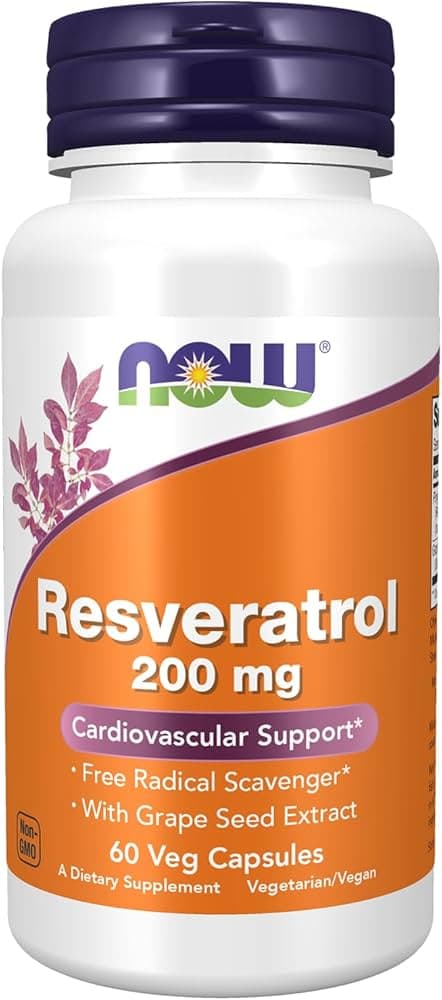
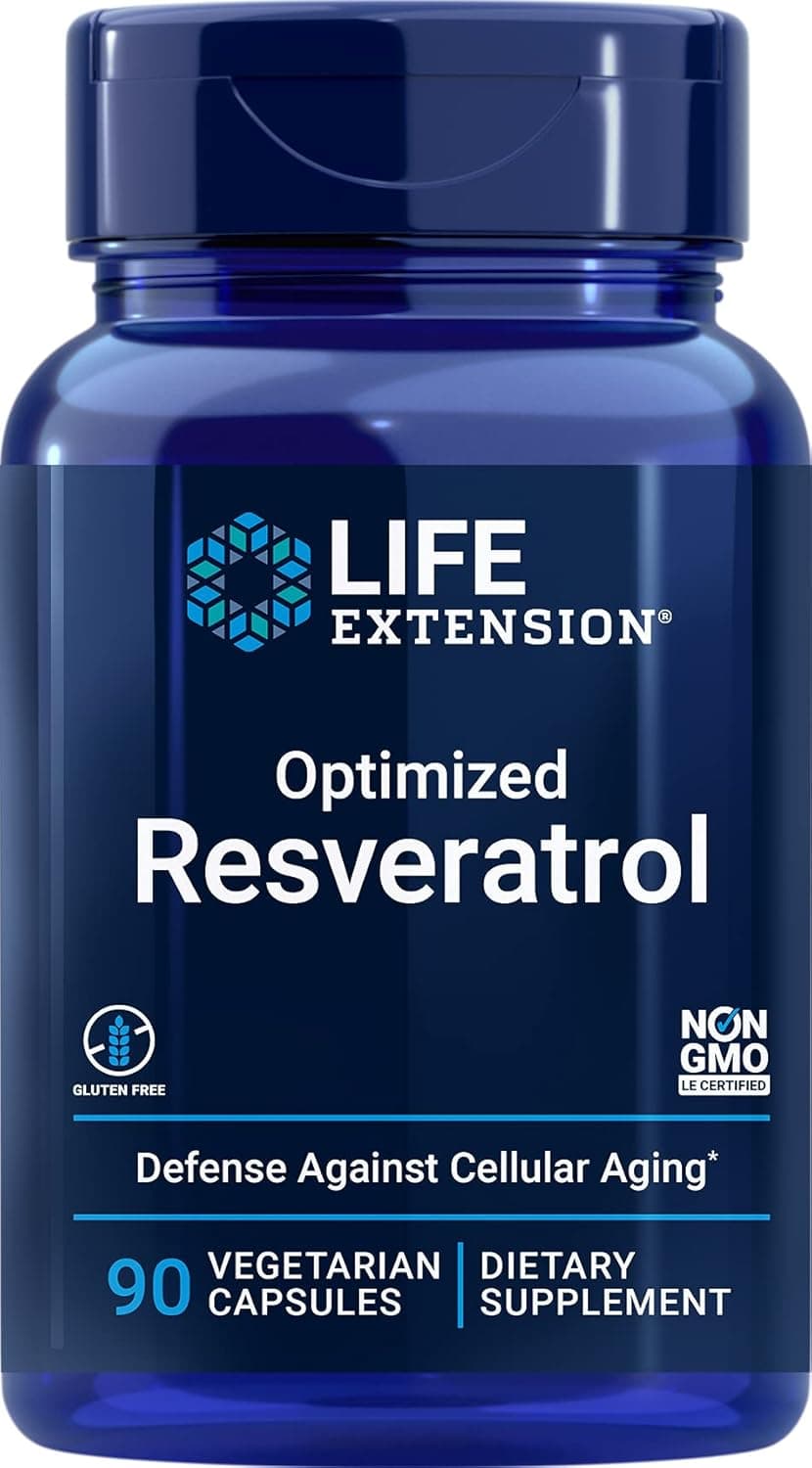
Resveratrol.
May support cardiovascular health and provide antioxidant protection, but effects are subtle at typical doses. It's an antioxidant. In humans, the effects are much less clear because your body breaks it down almost instantly.
Reviewed March 2026
- Category
- Antioxidant
- Also filed under
- Antioxidant supportCardiovascular health supportAnti aging potential (limited evidence)
- Also called
- Trans Resveratrol, Trans-Resveratrol
What Resveratrol is, and what it does.
- Does it work
- Suits people building an ageing-well or antioxidant routine who want the trans form. Worth checking a test report for trans percentage and for knotweed emodin carryover.
- How much to take
- Start with 250 to 500mg a day of the trans form, which is the daily maintenance band. Take it with a meal that has some fat in it and keep the bottle out of the light.
- Time to feel it
- Weeks to months, and it reads on measures like flow-mediated dilation or a lipid panel rather than as a sensation.
- The first dose
- Absolutely nothing. Don't expect to feel different. This isn't a stimulant.
- With regular use
- The billion-dollar question. After months, you *might* have slightly better antioxidant status, but you're unlikely to notice any tangible changes in how you feel.
- How well tolerated
- Generally well tolerated at standard doses. Can cause digestive issues if you take too much. The main concern is its interaction with blood thinners.
- How it feels
- Like taking nothing at all. Any potential benefits are purely theoretical for most people, not something you'd physically feel.
- The overlooked benefit
- Your gut bacteria convert much of it to dihydroresveratrol, so two people on the same capsule circulate different compounds. That is a real reason results differ.
250 to 500mg a day is where Resveratrol works.
Source: Timmers 2011 + Bhatt 2012 metabolic studies
The proof, claim by claim.
These words describe the research, not the molecule's worth. Research strength is how much work stands behind one claim, and it is never a product score.
The scientific community acknowledges resveratrol's potential based on in vitro and animal studies. However, there's significant debate about its efficacy in humans at achievable doses due to poor bioavailability and conflicting clinical trial results. More research is needed to determine its true benefits.
- Improves glycemic control (insulin sensitivity)Meta-analysis of 9 RCTs (Type 2 Diabetes)
- Reduces systolic blood pressureMeta-analysis of 6 RCTs (High dose >150mg)
- Promotes longevity and anti-agingIn-vitro and animal models only
Questions people ask about Resveratrol.
- Is it the same as drinking red wine?
- No. You'd need to drink hundreds of glasses to get the dose in one pill. And you'd have other problems.
- What's 'trans-Resveratrol'?
- It's the active, stable form. If the label just says 'resveratrol', you don't know what you're getting. Look for 'trans-Resveratrol'.
- Will it help me live longer?
- Works in yeast and worms. There is zero evidence it extends human lifespan. That's pure marketing.
- Does it interact with medications?
- Yes. The big one is blood thinners like warfarin. Check with your doctor before starting.
- Should I take it with food?
- Yes. Taking it with a bit of fat can help your body absorb it slightly better. It needs all the help it can get.
- Is micronized better?
- Yes. Micronizing grinds it into tiny particles, which can improve absorption. It's a small edge for a poorly absorbed compound.
What the trials show about these together.
Outcomes the engine found studied for these actives as a combination, not one at a time. Each is a finding a named trial measured, cited and dated, never written by the brand.
- EarlyResveratrol + QuercetinRecovery
In a double-blind crossover trial, 14 athletes took resveratrol with quercetin for a week before exhaustive exercise. The post-exercise rise in F2-isoprostanes, a lipid peroxidation marker, was 68% with the combination versus 137% with placebo, while inflammation markers and antioxidant capacity were unchanged.
McAnulty et al., 2013 (Appl Physiol Nutr Metab)PMID 23980734
Research strength. Research strength says how much work stands behind the combination. It is never a product score.
Fail closed. Where actives were studied on their own rather than together, each shows on its own evidence, never a combined effect no trial measured.
Independent record. Every finding is cited to a named trial, dated, and never written by the brand.
Findings from trials that studied these actives as a combination. Context for how the actives were tested together, not a statement about any individual and not a claim about this product.
Why these belong in the same formula. Each row says what the basis is, from settled biochemistry through to a trial that measured the pair.
Resveratrol and quercetin are both processed by the same sulfotransferase enzymes, and quercetin is a potent inhibitor of resveratrol sulfation in human liver tissue. Because they compete for that same clearance step, quercetin can slow how fast resveratrol is inactivated, leaving more of the free form available.
Pterostilbene is the dimethylated form of the same stilbene skeleton and resists conjugation far better, so it holds a higher blood level for longer. Combining them gives an early peak plus a slower tail.
Sirtuins strip acetyl groups using NAD as the cosubstrate, consuming one NAD per reaction. Resveratrol nudges the enzyme, and NAD availability sets how much work it can actually do.
NR enters the salvage route and raises the intracellular NAD pool that sirtuins draw on. Pairing a precursor with an activator addresses both the fuel and the signal.
NMN is one step from NAD in the salvage pathway and lifts the same cofactor pool sirtuins consume. Formulas pair it with a stilbene activator for that reason.
Resveratrol is almost entirely glucuronidated and sulfated on first pass, and piperine inhibits those conjugating enzymes. Circulating intact stilbene rises as a result.
Curcumin and resveratrol are both cleared mainly by glucuronidation, so each occupies capacity the other would use and both stay around longer. Their downstream targets in inflammatory signalling also differ.
Ascorbate donates an electron to the stilbene radical left after it quenches an oxidant, returning the polyphenol to its active form. The stilbene pool then works through more cycles.
Urolithin A promotes mitophagy while resveratrol pushes biogenesis signalling through PGC-1alpha. Removal and renewal are the two halves of mitochondrial turnover.
Mitochondria built under PGC-1alpha signalling need an electron carrier to run, and CoQ10 fills that slot in the respiratory chain. One supplies the signal, the other the working part.
Polyphenols including stilbenes bind non-heme iron in the gut lumen into complexes the intestine cannot absorb. Spacing the doses keeps iron uptake intact.
Resveratrol reduces platelet aggregation through cyclooxygenase and thromboxane signalling, the same output marine omega-3 lowers from the substrate side. The two effects on normal clotting add up.
A randomised trial gave delta-tocotrienol alongside resveratrol in adults with clustered metabolic risk markers and reported changes in circulating microRNA expression. That makes this a cited combination rather than an inferred one. MicroRNA levels are regulatory markers, several steps upstream of any clinical endpoint. The pairing has a study behind it. The meaning of the marker change does not follow automatically.
Rather than scavenging radicals at meaningful plasma concentrations, most of what resveratrol does to redox balance runs through Nrf2-driven transcription of the enzymes that make and recycle glutathione. That places the two in one pathway, with resveratrol upstream. Oral glutathione's own absorption is a separate and contested question. The mechanism is well described in cells. The human dose-response is not.
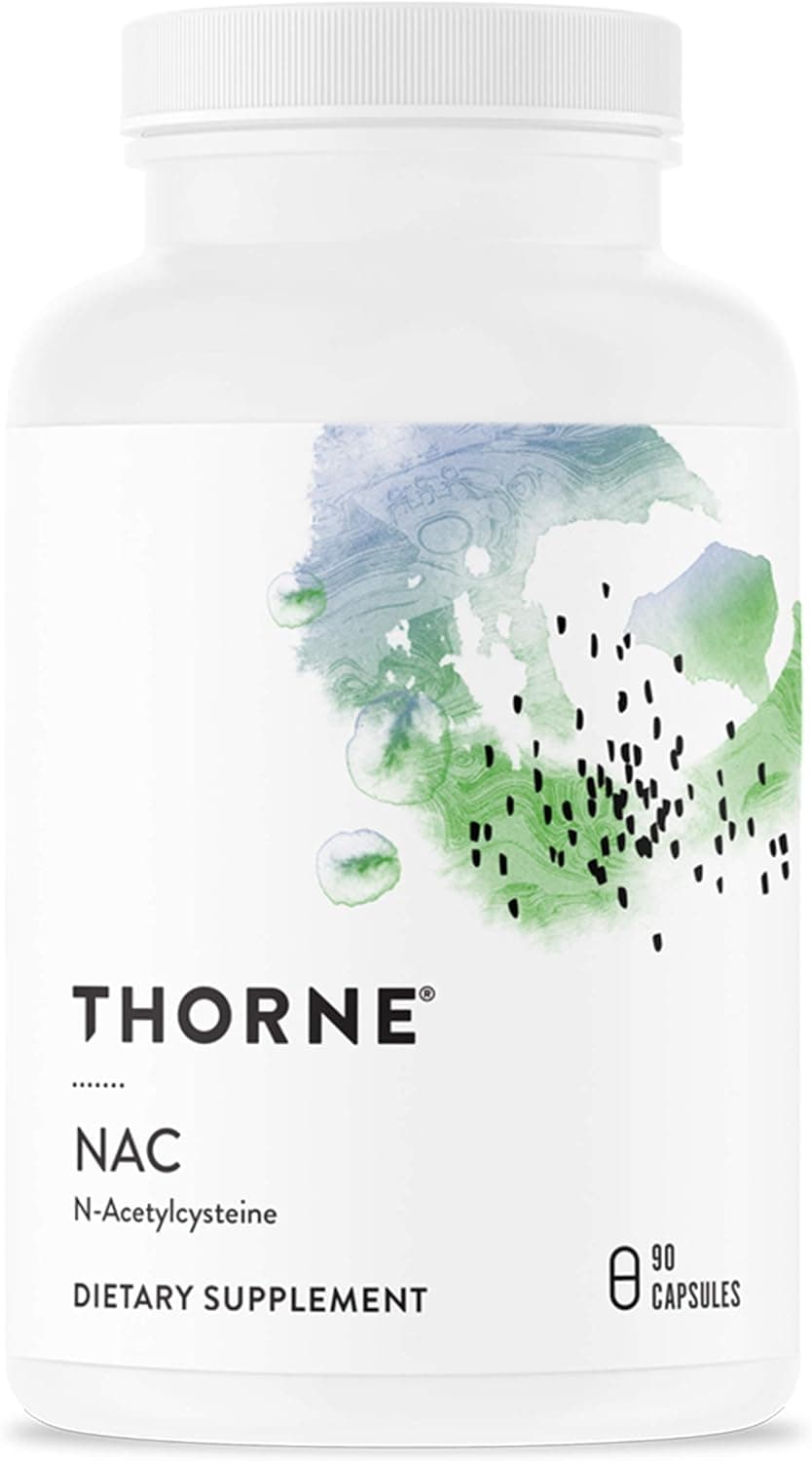
Glutathione synthesis is limited by cysteine availability, and N-acetylcysteine supplies it. Resveratrol acts on the transcription of the enzymes in that same pathway through Nrf2. So one partner raises enzyme expression and the other supplies substrate, which is a coherent pairing on biochemistry alone. Neither part of that argument is a measured clinical outcome.
A substantial share of ingested resveratrol is reduced by colonic bacteria to dihydroresveratrol, and the glucoside polydatin is deglycosylated by bacterial beta-glucosidases before absorption. That means the microbiota partly determine which metabolites a person ends up with. It also means between-person variability in response has a microbial component. Whether adding specific strains shifts that conversion usefully is not established.
Resveratrol is poorly water-soluble, and complexing polyphenols with phosphatidylcholine is a standard way to raise their measured plasma exposure. The endpoint that improves is a pharmacokinetic one, not a clinical one, and rapid conjugation in the gut wall and liver still applies. Higher exposure is worth having but is not itself a benefit. Confidence sits at Promising because the data are formulation-specific.
Lecithin disperses a poorly soluble powder into fine droplets or micelles, which is why it appears in phytosome-style and emulsion formats. For resveratrol the practical measure is dissolution and plasma exposure. Sunflower-derived lecithin is used where a soy-free label is needed. The reasoning is formulation chemistry rather than a physiological pairing.
Dissolving resveratrol into a medium-chain triglyceride carrier avoids the dissolution step that limits a dry powder. Medium-chain triglycerides are hydrolysed quickly and do not need micelle formation to the same extent as long-chain fat. What this changes is the pharmacokinetic profile. It does not alter how much survives first-pass conjugation.
Resveratrol's low free plasma concentration comes almost entirely from fast sulfation and glucuronidation in the gut wall and liver. Catechins are handled by the same enzyme families and can inhibit them, so co-dosing changes the metabolite mix in both directions. That can raise exposure to one compound while lowering it for another. The interaction is real in principle, poorly quantified in people, and belongs in formulation review rather than in a benefit claim.
Resveratrol and proanthocyanidin-rich grape seed extract co-occur in grape-derived material and are routinely formulated together, though the classes are chemically distinct and are absorbed and metabolised differently. Co-formulation is common practice with a compositional rationale. It is not evidence that the two act on the same target. Any joint effect would need its own study.
Berberine lowers fasting glucose in human trials and activates AMPK. Resveratrol also activates AMPK and has reported effects on glycaemic markers. Stacking two ingredients that both push glucose in the same direction is an additive effect to flag, especially for anyone using glucose-lowering medication. The flag is the useful output here, not a promise of a bigger benefit. Neither the size nor the reliability of a combined effect is established.
Cinnamon trials on fasting glucose are mixed and heterogeneous in cultivar, dose and preparation. Where an effect is present it points the same direction as resveratrol's, so the combination is worth noting for anyone monitoring blood sugar. Confidence stays at Early because the cinnamon side is inconsistent. This is a flag rather than a recommendation.
Chromium is presented in supplement formulas as an insulin-signalling cofactor, and the human evidence for supplemental chromium at ordinary intakes is weak and inconsistent. In a formula it sits alongside resveratrol as a second ingredient aimed at the same markers. Anyone tracking blood sugar should know both are in the product. The confidence label reflects the weakness of the chromium side, not the strength of the pairing.
Gymnema is used in formulas aimed at glucose handling, with a human evidence base that is small and variable in extract standardisation. Combined with resveratrol the direction of effect on glucose markers is the same. That makes the pairing an additive-effect flag for anyone on glucose-lowering therapy. It is not a claim that the two work better together.
The two reach nitric oxide by different routes, one enzymatic through eNOS and one through nitrate reduction by oral bacteria. Both have been reported to lower blood pressure modestly in human trials, so the effects can add. That is worth flagging for anyone taking antihypertensive medication. The additive size in people is not quantified.
Citrulline raises plasma arginine more reliably than arginine itself does, which supplies more substrate to nitric oxide synthase, and resveratrol is reported to act on the enzyme side of the same step. Substrate plus enzyme activity is a coherent pairing on biochemistry. Both are also associated with small blood pressure reductions, which makes the combination one to flag rather than stack blindly. No combination trial is being cited.
Arginine is the direct substrate for nitric oxide synthase, and resveratrol has been reported to increase eNOS expression and activity in vascular cells. Pairing substrate with enzyme upregulation is mechanistically sensible. Oral arginine is heavily metabolised by intestinal arginase, which limits how much reaches the circulation. The blood pressure directions add, so flag it.
Resveratrol inhibits platelet aggregation in laboratory work and at high concentrations, and nattokinase has fibrinolytic activity of its own. Two ingredients touching haemostasis in one formula is a combination to flag, particularly with anticoagulant or antiplatelet medication. It is not a selling point. The human magnitude for the resveratrol side is not established.
Ginkgolide B antagonises platelet-activating factor, which is why ginkgo carries a standing bleeding-risk caution around surgery and anticoagulants. Resveratrol has its own reported platelet-inhibiting activity. The two together should be reviewed rather than assumed to be additive in benefit. Flagging the combination is the useful output.
Garlic's organosulfur compounds inhibit platelet aggregation in human studies, and resveratrol points the same way in laboratory work. Both also carry modest blood pressure effects. A formula holding both should note the additive direction, and anyone on antithrombotic medication should raise it with a clinician. Nothing here promises a larger benefit from the pair.
Polyphenol hydroxyl groups bind copper and iron, which is part of why polyphenols behave as antioxidants in some conditions and pro-oxidants in others. Taking a large stilbene dose alongside a trace mineral in the same capsule is worth checking for binding. What is established is the chemistry of the interaction, not a demonstrated reduction in copper status in people. Separating the doses is the ordinary formulation response.
Resveratrol acts largely by increasing transcription of antioxidant enzymes through Nrf2, and several of those enzymes are selenoproteins that need selenocysteine to function. Enzyme expression without the cofactor is not much use. That makes selenium adequacy part of the mechanism rather than a bonus. The connection is biochemical, and no combination trial is cited.
Lipoate and dihydrolipoate cycle in both water and lipid environments and can regenerate other antioxidants. Resveratrol works mostly upstream, on the transcription of antioxidant enzymes. Combining a direct redox cycler with a transcriptional one is coherent on paper. It remains a mechanism statement without a human combination outcome behind it.
Spermidine and resveratrol have both been reported to induce autophagy in cell and animal work, reaching it by different routes, spermidine largely by inhibiting acetyltransferase activity. Autophagic flux is a cellular marker, not an outcome anyone experiences. The human data for either compound on that endpoint are thin. Confidence sits at Early for exactly that reason.
Melatonin scavenges radicals and influences mitochondrial redox in cell and animal work, and it is often co-studied with polyphenols there. Any overlap with resveratrol lives in that preclinical literature. Melatonin also has its own sleep-timing pharmacology which is unrelated to this pairing. Early is the honest label.
Astaxanthin partitions across the lipid bilayer and quenches singlet oxygen there, while resveratrol works mainly through transcriptional upregulation of antioxidant enzymes. Different compartments and different mechanisms is the argument for combining them. It is a plausible complement, not a measured one. Confidence stays at Early.
Talk to a doctor before taking Resveratrol if any of these apply to you: May interact with blood thinners, Possible estrogenic effects in sensitive individuals, Gastrointestinal discomfort at high doses. These are flags to check first, not effects Resveratrol is known to cause.
Not medical advice. Show the label to your pharmacist.What Resveratrol actually does.
Resveratrol shows up in two shapes, trans and cis. The trans form is the one that gets studied, and ultraviolet light flips it over to cis, which is why the raw material and the finished bottle are kept out of the light.
You absorb plenty of resveratrol, but your gut wall and liver tag it almost the moment it arrives. What actually circulates is mostly those tagged glucuronide and sulfate versions rather than resveratrol itself.
Polydatin is resveratrol wearing a sugar, resveratrol 3-beta-D-glucoside. Bacterial and gut enzymes snip that sugar off to free the resveratrol, so it behaves as a precursor with its own dissolving and absorption pattern.
Those phenol groups grab hold of metals like copper and iron. The same chemistry that quenches radicals in one setting can create them when loose reactive metal is around, which is why polyphenols swing antioxidant or pro-oxidant depending on conditions.
Where Resveratrol comes from.
Most of it is pulled out of Japanese knotweed root with alcohol, then processed to strip a sugar off and crystallised until it is mostly the trans form. Some comes from grapes, some is brewed in yeast, some is made synthetically. Two things are worth checking on a test report: how much is still the trans form, and how much of the knotweed's own compounds such as emodin came along.
The same molecule is reached more than one way. Which route a given product used is a manufacturing choice, and the finished compound is the same either way.
Most supplement-grade resveratrol is extracted from the root of Polygonum cuspidatum, where it occurs at far higher concentration than in grapes and largely as the glucoside polydatin. Grape and wine extracts carry much less resveratrol alongside other polyphenols. Yeast fermentation and chemical synthesis are also used and give a material that is not plant-extracted.
Dried, milled root is extracted with ethanol or an ethanol-water mixture, pulling out polydatin, resveratrol and other root constituents including emodin and other anthraquinones.
Where a high trans-resveratrol content is the target, the polydatin in the extract is hydrolysed enzymatically or under acid to remove the glucose and release resveratrol. A polydatin product deliberately skips this step.
Recrystallisation and chromatographic steps raise trans-resveratrol content and reduce co-extracted root anthraquinones such as emodin, which is the constituent a certificate of analysis on a knotweed-derived material should address.
Content is assayed by HPLC with the trans and cis isomers separated and reported, since ultraviolet exposure converts trans to cis during handling.
The purified solid is micronised or complexed with a phospholipid or cyclodextrin, then filled into light-protective packaging.
Getting Resveratrol from food.
The whole-food sources on file. A supplement closes the gap, it does not replace dinner.
A gram-for-gram figure (how much of each you would eat to match a dose) will appear here once it is sourced and reviewed. This page will not print a number it cannot cite.
The forms it comes in.
The essence, in one line each.
- Across 11 trials in 388 adults, resveratrol lowered fasting blood sugar, HbA1c and insulin resistance in those with raised blood sugar, with no measurable change in people whose levels were already normal.Meta-analysis. Liu et al., 2014 (American Journal of Clinical Nutrition). PMID 24695890 ↗
- Pooling 17 trials, resveratrol raised flow-mediated dilation, a measure of how well arteries widen, by about 1.4 percentage points.Meta-analysis. Mohammadipoor et al., 2022 (Phytotherapy Research). PMID 35833325 ↗
- Pooling 35 trials, resveratrol lowered C-reactive protein, a blood marker of inflammation, by roughly 0.3 to 0.4 mg/L.Meta-analysis. Gorabi et al., 2021 (Phytotherapy Research). PMID 34472150 ↗
- In a 24-month trial in 125 postmenopausal women, 75 mg twice daily improved overall cognitive performance by about 33% and raised resting cerebral blood flow.Randomised trial. Thaung Zaw et al., 2020 (Clinical Nutrition). PMID 32900519 ↗
- An umbrella review of 45 systematic reviews rated four findings as high certainty: resveratrol reduced waist circumference by about 0.8 cm, total cholesterol by 0.19 mmol/L in adults with excess weight, and diastolic and systolic blood pressure by about 3.6 and 8.0 mmHg in adults with elevated blood sugar.Meta-analysis. Sun et al., 2026 (Nutr J). PMID 41987155 ↗
- Pooling 18 meta-analyses, resveratrol produced small reductions in body weight (-0.18 kg), body mass index (-0.14 kg/m2) and waist circumference (-0.43 cm), reaching significance mainly above 400 mg a day and beyond 12 weeks.Meta-analysis. Abu-Zaid et al., 2025 (Eat Weight Disord). PMID 41317227 ↗
- Across 23 randomised trials in 1,005 adults with excess body weight, resveratrol did not measurably change body weight, body mass index, fat mass, leptin or adiponectin, but waist circumference fell by about 1.9 cm.Meta-analysis. Setayesh et al., 2026 (Int J Obes). PMID 41455817 ↗
- A systematic review and meta-analysis pooling resveratrol supplementation trials against assisted reproduction outcomes. Readers should take the pooled direction and heterogeneity from the paper itself, since these are procedure-level endpoints in a specific clinical setting.Meta-analysis. Lemos et al., 2026 (European Journal of Obstetrics, Gynecology, and Reproductive Biology). PMID 42150354 ↗
- A systematic review with dose-response meta-analysis of resveratrol supplementation against renal function measures in adults. Creatinine and estimated filtration rate are markers of kidney function, not clinical outcomes.Meta-analysis. Hajhashemy et al., 2025 (Naunyn-Schmiedeberg's Archives of Pharmacology). PMID 40580309 ↗
- A systematic review and meta-analysis of randomised controlled trials of resveratrol supplementation. The retrieved record truncates the pooled outcome, so the direction and size of effect must be read from the paper and are not asserted here.Meta-analysis. Lahouti et al., 2025 (Phytotherapy Research). PMID 40842160 ↗
- A systematic review of resveratrol supplementation in the context of retinal tissue and visual function, drawing largely on preclinical work. Mechanistic and not a demonstration of effect in people.Systematic review. Lv et al., 2025 (Frontiers in Pharmacology). PMID 40717982 ↗
- A randomised trial reported better functional performance scores alongside higher sirtuin 1 expression in adults with age-related joint wear at the knee. Sirtuin 1 is a molecular marker, and the functional score is what was measured in the participants.Randomised trial. Karim et al., 2025 (Inflammopharmacology). PMID 41037125 ↗
- A supplementation trial measuring inflammatory markers, a fatigue scale, fasting blood sugar and lipid profile. The inflammatory and metabolic readouts are markers, the fatigue scale is a reported measure, and the participant group is truncated in the retrieved record.Randomised trial. Keramatzadeh et al., 2025 (Nutritional Neuroscience). PMID 39565038 ↗
- Delta-tocotrienol and resveratrol were given to adults with clustered metabolic risk markers and circulating microRNA expression was measured. MicroRNA levels are regulatory markers several steps removed from any clinical endpoint, and the design tests the combination.Randomised trial. Fatima et al., 2023 (Complementary Therapies in Medicine). PMID 37086927 ↗
- Resveratrol supplementation was assessed against clinical dental parameters and inflammatory markers in adults receiving care for long-standing gum inflammation. The inflammatory readouts are markers and the dental measures are clinician-assessed.Randomised trial. Nikniaz et al., 2023 (BMC Oral Health). PMID 36973728 ↗
- Adipose tissue biopsies from a placebo-controlled resveratrol trial showed lower ACE2 gene expression. Gene expression in a tissue sample is a molecular marker and carries no clinical implication on its own.Randomised trial. de Ligt et al., 2021 (Adipocyte). PMID 34402717 ↗
- A randomised double-blind placebo-controlled crossover trial of resveratrol supplementation in women. The retrieved title truncates the endpoint, so neither the outcome measured nor the direction of effect is stated here.Randomised trial. Dzator et al., 2022 (Nutrients). PMID 35565731 ↗
- A narrative review discussing resveratrol supplementation in the context of excess body weight and its associated metabolic markers. It summarises other people's work and measures nothing itself.Narrative review. Shen et al., 2026 (In Vivo). PMID 41760304 ↗
- Dietary resveratrol was associated with changes in growth performance, immune measures and intestinal barrier markers in broiler chickens. An animal production study, and intestinal barrier markers are markers.Animal study. Zhang et al., 2023 (Poultry Science). PMID 37586190 ↗
- Resveratrol added during cryopreservation of equine semen was assessed against post-thaw sperm measures. This is an in vitro addition to an animal sample during freezing, not oral supplementation of any organism.Animal study. Alves et al., 2026 (Animal Reproduction). PMID 42339479 ↗
These are the studies our verdict leans on, chosen from the 216 we read for Resveratrol. The full linked list is below.
The studies, linked.
12 sources behind our Resveratrol verdict: peer-reviewed studies and registered clinical trials. Every one links straight to PubMed, the journal, or ClinicalTrials.gov. Read them yourself.
- Clinical trialMetabolic Intervention Using Resveratrol in Patients With Huntington DiseaseClinicalTrials.gov ↗102 participants, Completed
- Clinical trialEffects of Combined Resveratrol and Myo-inositol on Altered Metabolic, Endocrine Parameters and Perceived Stress in Patients With Polycystic Ovarian SyndromeClinicalTrials.gov ↗Phase 2, 88 participants, Completed
- Clinical trialEfficacy and Safety of Resveratrol and Lipoic Acid Transdermal Patch for Lipolysis in Overweight VolunteersClinicalTrials.gov ↗66 participants, Completed
- Clinical trialCan SARS-CoV-2 Viral Shedding in COVID-19 Disease be Reduced by Resveratrol-assisted Zinc Ingestion, a Direct Inhibitor of SARS-CoV-2-RNA Polymerase? A Single Blinded Phase II Protocol (Reszinate Trial)ClinicalTrials.gov ↗Phase 2, 45 participants, Terminated
- Clinical trialDouble-blind Cross-over Randomised Controlled Trial on the Anti-inflammatory and Antioxidant Effects of Resveratrol on Healthy Adults.ClinicalTrials.gov ↗Phase 3, 40 participants, Completed
- Clinical trialResveratrol Stimulates Insulin Sensitivity, and Changes Microbiota Taxonomy and Serum Metabolomics in Participants With Obesity and Insulin ResistanceClinicalTrials.gov ↗38 participants, Completed
- Clinical trialCardiovascular Risk and Benefits From Antioxidant Dietary Intervention With Red Wine in Asymptomatic HypercholesterolemicsClinicalTrials.gov ↗Phase 2, 37 participants, Completed
- Clinical trialDietary Inducers of Glyoxalase-1 for Prevention and Early-stage Alleviation of Age Related Health Disorders Through Functional Foods.ClinicalTrials.gov ↗Phase 1, 32 participants, Completed
- Clinical trialAn Open Label Clinical Pilot Study of Resveratrol as Treatment for Friedreich AtaxiaClinicalTrials.gov ↗Phase 1, 27 participants, Completed
- Clinical trialEffect of 6 Weeks Resveratrol Supplementation on Vascular Function in CKDClinicalTrials.gov ↗25 participants, Completed
- Clinical trialA Randomized, Double-Blind Pilot Trial of Resveratrol With or Without Piperine to Enhance Plasma Levels of ResveratrolClinicalTrials.gov ↗24 participants, Completed
- Clinical trialEffect of Administration of Resveratrol on Glycemic Variability in Individuals With Type 2 Diabetes Mellitus Inadequately Controlled With MetforminClinicalTrials.gov ↗Phase 2, 22 participants, Terminated
Evidence surfaced via Semantic Scholar (Allen Institute for AI) and ClinicalTrials.gov. Ranked by study type and citation weight, not cherry-picked.
Problems people have reported.
Read this carefully. These are 3,230 voluntary, unverified reactions reported to the FDA (openFDA). The number mostly reflects how popular Resveratrol is, not how risky it is. A report is not proof Resveratrol caused anything. It is a signal of what to watch for, nothing more.
Source: openFDA adverse-event reports. Voluntary reporting, not an incidence rate.
FDA Disclaimer: These statements have not been evaluated by the Food and Drug Administration. This information is for educational purposes only and is not intended to diagnose, treat, cure, or prevent any disease. Consult your healthcare provider before starting any supplement regimen.