Riboflavin.
Research-backed compound with potential health benefits. Helps your body convert food into energy. Crucial for cell function and growth.
Reviewed March 2026
- Category
- Compound
What Riboflavin is, and what it does.
- Does it work
- For most people, no. Your multivitamin or diet has you covered. Yes. The evidence for high-dose B2 is surprisingly good.
- How much to take
- For general health, the RDA is tiny (1-2mg). Don't mix those up.
- Time to feel it
- About 8 weeks of daily intake.
- The first dose
- Neon yellow pee. That's it. No other noticeable effect.
- With regular use
- For everyone else, nothing, because you're likely not deficient.
- How well tolerated
- Well tolerated. Your body gets rid of any excess. It's one of the safest supplements you can take, with no established upper limit.
- How it feels
- You don't feel it. You just notice the bright yellow pee.
- The overlooked benefit
- B2 quietly gates two other B vitamins. Activating vitamin B6 and running the folate-processing enzyme both need flavin cofactors, so low B2 slows methylation from the side.
1.3 to 25mg a day is where Riboflavin works.
Source: NIH ODS + Schoenen 1998
In an intervention the EFSA reference opinion reviews, adults whose baseline riboflavin intake and status were unknown received 5 mg/day of riboflavin for 8 weeks, and haemoglobin concentration, haematocrit and erythrocyte count all rose significantly over that period.
The proof, claim by claim.
These words describe the research, not the molecule's worth. Research strength is how much work stands behind one claim, and it is never a product score.
Riboflavin is documented in the library. The clinical read is in the queue. Nothing about the strength of the research prints until the read is done.
- Normal energy-yielding metabolism as a flavin coenzyme precursorNarrative review
- Riboflavin status measured by red cell glutathione reductase activityNarrative review
- Support for normal red blood cell formation and iron mobilisationNarrative review
- Maintenance of normal skin and mucous membranesNarrative review
- Homocysteine already in the normal range in people with a slower folate-processing variantRandomised trial
Questions people ask about Riboflavin.
- Why does it make my pee so yellow?
- That's just the color of riboflavin. Your body is peeing out what it doesn't need. It's harmless and a sign it's been absorbed.
- Is it a stimulant like other B vitamins?
- No. It helps with energy production at a cellular level, but it won't give you a jolt like caffeine.
- Will the yellow color stain my toilet?
- Nope. It's water-soluble and flushes away cleanly. The powder itself can stain clothes or counters, so handle it carefully.
Why these belong in the same formula. Each row says what the basis is, from settled biochemistry through to a trial that measured the pair.
Pyridoxine 5-phosphate oxidase uses riboflavin as FMN to turn dietary B6 into pyridoxal 5-phosphate, the form enzymes actually use. Without enough riboflavin, B6 intake stays in a less usable form.
Methylenetetrahydrofolate reductase carries FAD made from riboflavin, and that enzyme produces the methyl folate used in homocysteine remethylation. Riboflavin status is a direct input to how well a folate dose moves through the methylation cycle.
Riboflavin supports the release of iron from ferritin stores and normal turnover of gut lining cells, both of which affect how efficiently iron is absorbed and moved. Low riboflavin status blunts the blood response to iron intake.
Kynurenine mono-oxygenase is an FAD enzyme in the pathway that converts tryptophan to niacin. Riboflavin sufficiency is what lets the body make part of its own niacin rather than relying on intake alone.
The alpha-keto acid dehydrogenase complexes use thiamine pyrophosphate at the first subunit and riboflavin-derived FAD at the third, so both are needed for one reaction to complete. A shortfall in either stalls the same step.
MTHFR, the enzyme that produces the methyl form of folate, is a flavoprotein that holds FAD made from riboflavin. Riboflavin status therefore sets how well the folate cycle turns over.
Methionine synthase reductase, which keeps the B12 cofactor on methionine synthase in its usable state, is FAD-dependent. Riboflavin sits upstream of the B12 and folate handoff.
Glutathione reductase is a flavoprotein that uses FAD to return oxidised glutathione to its reduced form. Without riboflavin the glutathione pool cannot be recharged.
Selenium-dependent glutathione peroxidase spends reduced glutathione, and the FAD-dependent reductase that riboflavin supports regenerates it. The two nutrients run consecutive steps of one cycle.
Carnitine carries fatty acids into the mitochondrion, where the acyl-CoA dehydrogenases and electron transfer flavoprotein that oxidise them all require FAD. Delivering substrate helps only if the flavin-dependent machinery is stocked.
Complex II and electron transfer flavoprotein both pass their electrons from FAD onto coenzyme Q. Riboflavin supplies the donor and CoQ10 is the acceptor in the same handoff.
Riboflavin has to be phosphorylated to FMN and then adenylylated to FAD, and both ATP-using steps require magnesium. Without magnesium the vitamin stays in its inactive form.
Pantothenic acid becomes coenzyme A, which carries the acyl groups that FAD-dependent dehydrogenases then oxidise. The two vitamins serve adjacent roles in the same beta-oxidation sequence.
Xanthine oxidoreductase carries both a molybdenum centre and FAD in the same protein, using the flavin to pass electrons out. Both trace nutrients are needed for that single enzyme to turn over.
Converting pyridoxine or pyridoxamine phosphate to pyridoxal 5'-phosphate is done by PNPO, which carries FMN as its cofactor. FMN comes from riboflavin through riboflavin kinase, so low riboflavin availability limits that activation step. Supplying the already-active P5P form bypasses the FMN-dependent step entirely. The cofactor relationship is textbook and needs no trial to state.
Methylenetetrahydrofolate reductase holds FAD as its cofactor, so folate cycling to the 5-methyl form depends on riboflavin status. The dependence is more pronounced in people carrying the MTHFR 677TT genotype, where the enzyme binds its FAD less tightly. That is a genotype, not a condition, and it explains why riboflavin adequacy shows up in folate and homocysteine work. The biochemistry is settled.
A portion of dietary tryptophan is converted to nicotinamide nucleotides through the kynurenine pathway. Kynurenine 3-monooxygenase in that pathway is a flavin-dependent enzyme, so riboflavin adequacy affects how efficiently the conversion runs. This links riboflavin status to the endogenous supply of niacin equivalents. It is a cofactor relationship, not a dosing claim.
FAD and FMN accept electrons that NADH and NADPH deliver, and the handoff runs through flavoproteins in the respiratory chain and in reductase systems. Neither carrier pool works independently of the other. That interdependence is the reason B-vitamin cofactors are usually formulated together rather than singly. It describes normal energy metabolism, not an added effect from stacking.
The E3 subunit shared by pyruvate dehydrogenase, alpha-ketoglutarate dehydrogenase and the branched-chain keto acid dehydrogenase complex is dihydrolipoamide dehydrogenase, which carries FAD. It regenerates the lipoamide arm on those complexes using NAD as the final acceptor. Riboflavin availability therefore sits directly upstream of lipoate recycling in those complexes. The relationship is standard biochemistry.
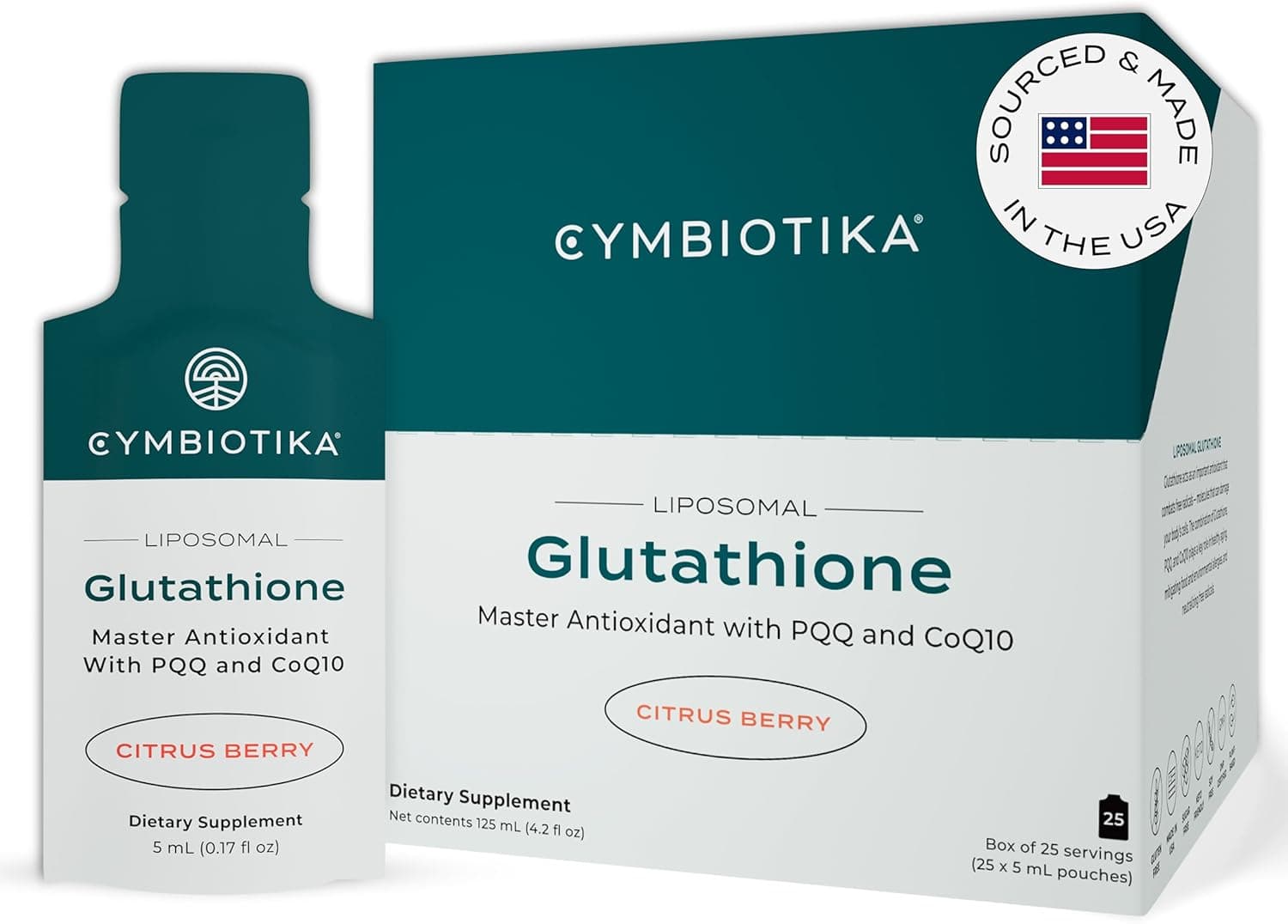
Recycling oxidised glutathione back to its reduced form is done by glutathione reductase, which holds FAD. N-acetylcysteine supplies the rate-limiting cysteine for making glutathione in the first place. One partner supplies the substrate and riboflavin supports the enzyme that keeps it in the useful state. The two act at different points of the same system.
Homocysteine is remethylated either by methionine synthase using 5-methyltetrahydrofolate, which depends on the FAD-requiring MTHFR upstream, or by betaine homocysteine methyltransferase using betaine directly. The betaine arm does not need riboflavin, so it runs in parallel rather than through the same bottleneck. Formulas often carry both to cover either route. The pathway map is established.
Choline dehydrogenase, itself a flavoprotein, oxidises choline toward betaine, which then donates a methyl group to homocysteine. That gives choline two connections to riboflavin, one as substrate for a flavoenzyme and one as an alternative to the FAD-dependent folate route. The relationship is a pathway description, not an effect size. Both nutrients are commonly present in the same B-complex.
Methionine is demethylated to homocysteine during methylation reactions and is regenerated by remethylation, one route of which runs through the FAD-dependent MTHFR step. Adding methionine raises flux into homocysteine, so the capacity of the remethylation arms matters more. Riboflavin adequacy is part of that capacity. This is pathway arithmetic, not a claimed benefit.
Riboflavin absorbs visible light and generates singlet oxygen and superoxide, which is why riboflavin-containing liquids are packed away from light. Ascorbic acid in the same solution is oxidised by those species and lost over shelf life. The interaction is a formulation and packaging matter rather than a physiological one. Solid formats and light-blocking packaging remove it.
Riboflavin is a substrate of the BCRP efflux transporter, and several dietary flavonoids including quercetin interact with that transporter in laboratory systems. That raises a plausible route by which large flavonoid doses could shift riboflavin distribution. It has been shown in transporter models rather than in people taking supplements. Read it as mechanistic.
Nothing specific on file for Riboflavin. Match the label to the daily amount above, and tell your doctor what you take.
Not medical advice. Show the label to your pharmacist.What Riboflavin actually does.
Riboflavin is vitamin B2. Your body converts it into two working forms, FMN and FAD, and those are what enzymes actually pick up and use.
Two enzymes do the converting. The first turns riboflavin into FMN, the second adds a piece from ATP to make FAD. Both steps need magnesium on hand.
The ring at the centre of these forms can take on one electron or two. That flexibility lets flavin enzymes bridge two kinds of chemistry that otherwise wouldn't meet.
One unit of your cells' energy chain, complex II, has FAD locked permanently inside it. So riboflavin sits directly inside the machinery that makes energy.
Where Riboflavin comes from.
Riboflavin is grown, not mined. A fungus or a bacterium is fed sugar or plant oil in a tank and makes far more of the vitamin than it needs, and because riboflavin barely dissolves in water it drops out of the broth as yellow crystals that get washed and re-crystallised. If a product needs a version that dissolves, one extra chemical step turns those crystals into the phosphate salt.
Built by fermentation, the same way vitamin B12 and many amino acids are made at scale. Controlled conditions, consistent output.
Glucose, sucrose, molasses or plant oil is used as the carbon and energy source for the production organism.
Riboflavin-overproducing organisms, classically the fungus Ashbya gossypii and now also engineered Bacillus subtilis strains, secrete riboflavin into the broth over a multi-day fed-batch run.
Because riboflavin is poorly soluble, most of it precipitates as crystals in the broth and is recovered by heating, cell separation and filtration rather than by solvent extraction.
Crude crystals are dissolved and recrystallised to remove cell debris, pigment and fermentation by-products until pharmacopoeial purity is reached.
Identity and content are confirmed by chromatographic and spectrophotometric assay, with limits on lumiflavin and lumichrome degradation products.
Material is milled to a defined particle size for tabletting, or chemically phosphorylated and neutralised to give riboflavin 5'-phosphate sodium for water-soluble formats.
Getting Riboflavin from food.
The whole-food sources on file. A supplement closes the gap, it does not replace dinner.
A gram-for-gram figure (how much of each you would eat to match a dose) will appear here once it is sourced and reviewed. This page will not print a number it cannot cite.
The forms it comes in.
The essence, in one line each.
- In a dose-response meta-analysis of randomised trials, riboflavin was associated with about 1.3 fewer severe recurring headache attacks per month compared with control.Meta-analysis. Talandashti et al., 2024 (Neurological Sciences). PMID 39404918 ↗
- Pooling nine controlled trials in 673 people, vitamin B2 at 400 mg per day for three months lowered the frequency, days, duration and pain score of severe recurring headache attacks.Meta-analysis. Chen et al., 2021 (Nutritional Neuroscience). PMID 33779525 ↗
- In adults with elevated blood pressure carrying the MTHFR 677TT genotype, riboflavin 1.6 mg per day lowered systolic blood pressure by about 5.6 mmHg versus placebo over 16 weeks.Randomised trial. Wilson et al., 2013 (Hypertension). PMID 23608654 ↗
- Two weeks of 50 or 100 mg per day of riboflavin raised measured gut butyrate production and increased microbial network connectivity, without shifting overall gut bacterial composition or Faecalibacterium prausnitzii abundance.Randomised trial. Liu et al., 2023 (Antioxidants and Redox Signaling). PMID 35943883 ↗
- In 99 healthy volunteers, riboflavin at 50 or 100 mg per day did not detectably change serum free thiols, a marker of systemic redox status, although changes in free thiols tracked inversely with changes in CRP.Randomised trial. Bourgonje et al., 2022 (Free Radical Biology and Medicine). PMID 35973668 ↗
- In adults carrying the MTHFR 677TT genotype, 1.6 mg per day of riboflavin for 16 weeks raised plasma S-adenosylmethionine and cystathionine, two one-carbon metabolites, with no change in the others measured.Randomised trial. Rooney et al., 2020 (Biochimie). PMID 32330571 ↗
- The review found that reported responsiveness to riboflavin across inherited disorders of metabolism is uneven and rests largely on small series, so the strength of evidence varies by the specific condition.Systematic review. Jaeger et al., 2026 (Journal of Inherited Metabolic Disease). PMID 42046426 ↗
- In children with a riboflavin transporter deficiency, supplementation did not halt progression over the follow-up reported. A failure to detect a halt is not evidence that supplementation does nothing.Case series. Bertini et al., 2025 (Developmental Medicine and Child Neurology). PMID 39353082 ↗
- The authors propose oral riboflavin combined with sunlight exposure as an accessible route to corneal collagen cross-linking. It is put forward as a hypothesis, with no measured outcome reported.Narrative review. Campêlo et al., 2026 (European Journal of Ophthalmology). PMID 41906339 ↗
- Dietary riboflavin supplementation changed meat quality measures, antioxidant capacity and fatty acid and lipidomic profiles in the animals fed, consistent with riboflavin's role in fatty acid oxidation.Animal study. Tang et al., 2023 (Food Chemistry: X). PMID 37780288 ↗
- Graded dietary riboflavin affected growth performance, body composition and antioxidant capacity measures in the species studied, with responses levelling off above a dietary requirement point.Animal study. Yu et al., 2022 (Animals). PMID 36428445 ↗
- Varying riboflavin supplementation level in organic broiler parent stock affected health, performance and fertility measures, informing where the dietary requirement sits for that stock.Animal study. Leiber et al., 2022 (Animal). PMID 34999564 ↗
- A rapid systematic review of nutritional status in Sierra Leone found gaps across several micronutrients including riboflavin among women and children. These are intake and status figures, not outcome measures.Systematic review. Ezekannagha et al., 2026 (BMC Nutrition). PMID 42185939 ↗
- Pooled dietary assessment data reported lower intakes of several micronutrients including riboflavin among the children assessed. This is an association in intake data and does not establish a cause in either direction.Meta-analysis. Alhrbi et al., 2025 (Journal of Human Nutrition and Dietetics). PMID 40708203 ↗
These are the studies our verdict leans on, chosen from the 23,470 we read for Riboflavin. The full linked list is below.
The studies, linked.
6 sources behind our Riboflavin verdict: peer-reviewed studies and registered clinical trials. Every one links straight to PubMed, the journal, or ClinicalTrials.gov. Read them yourself.
- Clinical trialEffects of Oral Riboflavin Supplementation on the Growth of Faecalibacterium Prausnitzii and the Impact on the Gut Microbiota: A Randomized, Double-blind, Placebo-controlled Human Intervention TrialClinicalTrials.gov ↗Phase 2, 105 participants, Completed
- Clinical trial"Evaluation of Topical Riboflavin Exposed to UVA Radiation and Implantation of Intrastromal Corneal Ring for Treatment of Keratoconus and Others Irregulars Astigmatisms."ClinicalTrials.gov ↗31 participants, Completed
- Clinical trialIntraocular Pressure Measurements Using Ocular Response Analyzer After Accelerated Corneal Collagen Crosslinking With Riboflavin and Ultraviolet A in KeratoconusClinicalTrials.gov ↗20 participants, Completed
- Clinical trialA Randomized, Controlled Study of the Vedera™ KXS Microwave System With Corneal Collagen Cross-Linking Compared With Corneal Collagen Cross-Linking Alone for Eyes With KeratoconusClinicalTrials.gov ↗Phase 3, 3 participants, Completed
- Clinical trialA Randomized Study to Evaluate the Safety and Efficacy of Corneal Collagen Crosslinking Performed With Continuous vs Pulsed UVA Light for Reducing Corneal Curvature in Eyes With Keratoconus and Post-refractive Corneal EctasiaClinicalTrials.gov ↗Phase 3, 170 participants, Unknown
- Clinical trialAdapted Fluence Settings for Corneal Collagen Cross-linking in Progressive Mild to Moderate Keratoconus Aged 18 to 30ClinicalTrials.gov ↗Phase 1, 40 participants, Unknown
Evidence surfaced via Semantic Scholar (Allen Institute for AI) and ClinicalTrials.gov. Ranked by study type and citation weight, not cherry-picked.
Problems people have reported.
Read this carefully. These are 934,892 voluntary, unverified reactions reported to the FDA (openFDA). The number mostly reflects how popular Riboflavin is, not how risky it is. A report is not proof Riboflavin caused anything. It is a signal of what to watch for, nothing more.
Source: openFDA adverse-event reports. Voluntary reporting, not an incidence rate.
FDA Disclaimer: These statements have not been evaluated by the Food and Drug Administration. This information is for educational purposes only and is not intended to diagnose, treat, cure, or prevent any disease. Consult your healthcare provider before starting any supplement regimen.