Sodium Selenite.
Research-backed compound with potential health benefits. Keeps your thyroid running smoothly and acts as a powerful antioxidant. It's a key part of your body's internal rust-proofing system.
Reviewed March 2026
- Category
- Compound
What Sodium Selenite is, and what it does.
- Does it work
- Maybe. Only if you're confirmed deficient. Most people in the US and Europe get plenty from their diet. Eating a Brazil nut is a better bet for most.
- How much to take
- The daily requirement is 55 mcg. Supplements offer 50-200 mcg. Do not exceed 400 mcg total per day from all sources combined.
- Time to feel it
- Glutathione peroxidase activity climbs over roughly three to six weeks of daily intake. It shows up on a blood panel rather than as a sensation.
- The first dose
- Zero. This is a mineral, not a drug. It works over weeks and months.
- With regular use
- Correcting a true deficiency can improve thyroid function and immune response. If you weren't deficient to begin with, you'll likely notice nothing.
- How well tolerated
- The main concern is toxicity (selenosis). Stick to the recommended dose. The line between enough and too much is very thin with selenium.
- How it feels
- Like nothing. It's a behind-the-scenes player. You just feel normal, which is the point.
- The overlooked benefit
- Unlike the selenium in Brazil nuts, selenite isn't parked in body protein in place of methionine. It goes straight into selenoprotein synthesis and clears.
500 to 1,500mg a day is where Sodium Selenite works.
Source: AHA 2020 Guidelines; WHO 2023 sodium intake recommendations
The proof, claim by claim.
These words describe the research, not the molecule's worth. Research strength is how much work stands behind one claim, and it is never a product score.
Sodium Selenite is documented in the library. The clinical read is in the queue. Nothing about the strength of the research prints until the read is done.
- glutathione peroxidase and selenoprotein activityRandomised trial
- normal thyroid hormone conversionRandomised trial
- antioxidant defence and oxidative stress markersMeta-analysis
- raising blood selenium in low intake populationsRandomised trial
- immune cell functionNarrative review
- sperm selenoprotein content and motilityRandomised trial
Questions people ask about Sodium Selenite.
- Can't I just eat Brazil nuts?
- Yes. One or two Brazil nuts a day usually covers your needs. It's the easiest and safest way to get it.
- What are the signs of taking too much?
- Hair loss, brittle nails, garlic breath, fatigue, and irritability. Stop taking it if you notice these symptoms.
- My multivitamin already has selenium. Is that enough?
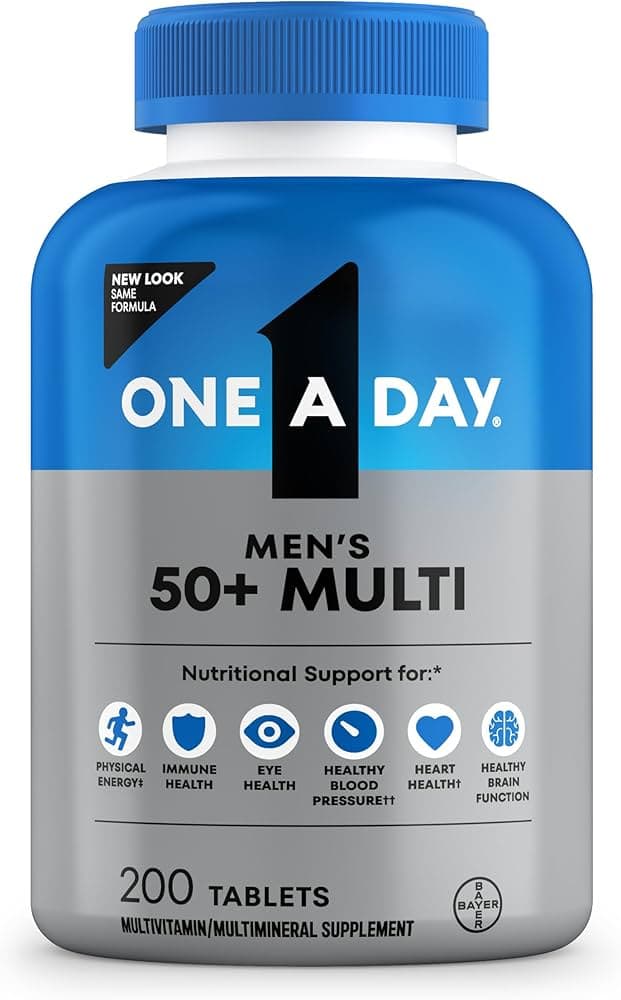
- Almost certainly. Check the label. Most multis have 50-100 mcg, which is plenty for the average person. Don't double up.
- Is it safe to take every day?
- Yes, if the dose is low (50-100 mcg) and you're not eating tons of selenium-rich foods. Consistency is fine, but so is caution.
Why these belong in the same formula. Each row says what the basis is, from settled biochemistry through to a trial that measured the pair.
Glutathione peroxidase, whose active site holds a selenium atom supplied by selenite, reduces lipid hydroperoxides once they have formed. Alpha-tocopherol works earlier, donating a hydrogen atom to a lipid radical and stopping the chain before the hydroperoxide accumulates. The two therefore cover consecutive steps rather than the same one, which is why animal nutrition work has paired them for decades. This is complementary antioxidant chemistry, not an additive clinical effect.
Inorganic selenite has to be reduced before the body can use it, and reduced glutathione does that reduction stepwise through selenotrisulfide intermediates to hydrogen selenide. The selenide then feeds selenophosphate synthetase and ends up as selenocysteine in the selenoproteins. Glutathione is also the electron donor those peroxidases consume in normal turnover. Low glutathione availability constrains both halves of that loop.
Ascorbic acid in gram quantities reduces selenite in the gut lumen to red elemental selenium, a form the intestine takes up poorly. The effect is dose dependent and concerns simultaneous ingestion of large amounts, not ordinary dietary vitamin C. Separating the two by a couple of hours is the usual formulation answer. Selenomethionine and selenate do not share this particular vulnerability.
N-acetylcysteine delivers cysteine, the rate-limiting substrate for glutathione synthesis, and glutathione is what reduces selenite on the way to selenoprotein assembly. Selenite also reacts with free thiols directly to form selenotrisulfides, so a large thiol load in the same solution changes its speciation before absorption. The interaction is real biochemistry and its direction depends on timing and amount. Read it as mechanistic rather than clinical.
Three deiodinase enzymes carry selenocysteine at their active sites and perform the conversion between thyroid hormone forms. Iodine supplies the substrate. Selenium supplies the enzyme chemistry that acts on it. Normal thyroid function therefore depends on adequacy of both rather than either alone. Neither nutrient substitutes for the other.
Zinc is a structural cofactor of copper-zinc superoxide dismutase, which handles superoxide. Selenium sits in glutathione peroxidase, which handles the peroxide that dismutation produces. Khalil and colleagues added zinc chloride and sodium selenite to an in vitro oocyte maturation system and reported changes in oxidative biomarkers. That work is a cell-culture model in animals, so it grounds the mechanism and not a human effect.
Glutathione reductase and thioredoxin reductase are both flavoproteins that need FAD, which the body makes from riboflavin. Thioredoxin reductase is itself a selenoenzyme, so it needs selenium in its active site and riboflavin-derived FAD as its prosthetic group. Without adequate riboflavin the oxidised glutathione that peroxidase generates is recycled more slowly. The dependency is textbook cofactor biochemistry.
Dihydrolipoate is a dithiol and reduces selenite in the same way glutathione does, generating selenide intermediates. It also feeds the thioredoxin system, where the selenoenzyme thioredoxin reductase operates. The pairing is chemically coherent but the human data are not there to say what it does at the whole-body level. Regard it as a mechanistic overlap.
Thioredoxin reductase carries selenocysteine and is one of the enzymes able to reduce ubiquinone back to ubiquinol, the form that quenches lipid radicals in membranes. That gives selenium status a plausible say in how efficiently the coenzyme Q pool is kept reduced. The link is enzymology rather than a measured clinical result. Selenium and coenzyme Q10 have been co-supplemented in older nutrition work.
Du and colleagues fed rumen-protected folic acid together with rumen-protected sodium selenite to lactating cows and reported lactation and blood measures. Both nutrients touch methionine and glutathione metabolism, folate through one-carbon transfer and selenium through the peroxidase step downstream. The study is livestock nutrition, so it supports the pairing mechanically and not as a human outcome.
Selenium, sulfur and copper form insoluble complexes in the rumen and compete for handling, which is why livestock formulators watch the ratio between them. Whether the same competition matters at supplemental doses in people has not been established. The caution comes from animal mineral nutrition and is listed for formulation awareness. Read it as a mineral-balance consideration rather than a demonstrated human interaction.
Selenate and molybdate resemble sulfate closely enough to share anion transport, and selenite shows partial overlap with the same systems. High intakes of one oxyanion can therefore alter the uptake of another. Evidence is largely from plant and animal mineral studies rather than human trials. It is a formulation consideration at high mineral loads only.
Nothing specific on file for Sodium Selenite. Match the label to the daily amount above, and tell your doctor what you take.
Not medical advice. Show the label to your pharmacist.What Sodium Selenite actually does.
Selenite gets chemically converted step by step inside the body into the form your cells use to build selenocysteine, the selenium-containing amino acid.
Selenocysteine gets built directly into selenium-containing proteins during their construction through a specialised genetic signal, rather than by simply swapping in for another amino acid.
It's the selenium-containing building block at the working site of a family of antioxidant enzymes that lets them neutralise hydrogen peroxide and oxidised fats, using glutathione as the fuel.
A family of selenium-dependent enzymes keeps another protein, thioredoxin, in its active form, which in turn supports DNA building blocks and normal redox balance inside the cell.
Where Sodium Selenite comes from.
It is made in a factory, not grown. Selenium left over from copper refining is turned into a simple sodium salt and crystallised. Nothing living is involved, which is the difference between this and selenium yeast.
Chemically synthesised. The molecule is identical to the one a plant or an animal makes, and building it deliberately means a known purity, a fixed dose and no crop contaminants. For several nutrients this is the only route that reaches a usable amount.
Commercial selenium is recovered from the anode slimes of copper electrolytic refining, then burned in air or oxidised to selenium dioxide.
Selenium dioxide dissolved in water gives selenous acid, H2SeO3, the direct precursor of the salt.
The acid is neutralised with a sodium base to the disodium salt, with pH controlled to avoid the acid salt sodium hydrogen selenite.
The solution is concentrated and crystallised. From cool aqueous solution the pentahydrate forms, while drying under heat gives the anhydrous salt.
Batches are assayed for selenium content and screened for heavy metal contaminants carried over from the refinery feedstock.
Because the elemental dose is in micrograms, the salt is usually pre-diluted on a carrier such as maltodextrin or dicalcium phosphate for uniform blending.
Getting Sodium Selenite from food.
The whole-food sources on file. A supplement closes the gap, it does not replace dinner.
A gram-for-gram figure (how much of each you would eat to match a dose) will appear here once it is sourced and reviewed. This page will not print a number it cannot cite.
The forms it comes in.
The essence, in one line each.
- Pooled trials found selenium supplementation lowered thyroid antibody levels in adults with raised antibodies.Meta-analysis. Zhang et al., 2025 (Medicine). PMID 40898469 ↗
- A dose response review found circulating selenium levels are associated with blood pressure, an association rather than a demonstrated cause.Meta-analysis. Khodadadi et al., 2025 (BMC public health). PMID 41250018 ↗
- Compared selenium-enriched yeast with sodium selenite in postpartum women on mood and sleep questionnaire scores. The report frames the two selenium sources against one another rather than against no supplement.Randomised trial. Rahimi et al., 2024 (Journal of Caring Sciences). PMID 39624601 ↗
- Assessed intravenous high-dose selenium in adults undergoing chemotherapy, reporting on nerve-related symptom scores and tolerability.Randomised trial. Yim et al., 2026 (BMC Medicine). PMID 41630017 ↗
- Zinc chloride and sodium selenite added during in vitro oocyte maturation changed oxidative biomarker readings. These are laboratory markers, not outcomes.In vitro study. Khalil et al., 2021 (Zygote). PMID 33769243 ↗
- Compared selenium as selenite with nano-selenium on physiological and antioxidant measures in male goat kids.Animal study. Dhruw et al., 2026 (Journal of Animal Physiology and Animal Nutrition). PMID 42080759 ↗
- Microencapsulated sodium selenite raised selenium status measures in dairy cows relative to the unprotected salt in the same feeding system.Animal study. Grilli et al., 2013 (Animal). PMID 24016452 ↗
- Selenium nanoparticles and sodium selenite were each added to a ram semen cryopreservation medium and sperm quality and oxidative measures were recorded after thawing.Animal study. Kaya et al., 2026 (Animals). PMID 41681437 ↗
- Coated sodium selenite in the ration was followed by changes in milk yield, apparent digestibility and rumen fermentation measures in dairy cattle.Animal study. Tan et al., 2025 (Animals). PMID 41096363 ↗
- Compared albumin-stabilised selenium nanoparticles with sodium selenite on tissue structure and oxidative status measures in a rodent model.Animal study. Manojlovic-Stojanoski et al., 2022 (International Journal of Molecular Sciences). PMID 36361856 ↗
- Rumen-protected folic acid combined with rumen-protected sodium selenite was followed by changes in lactation performance and blood measures in dairy cows.Animal study. Du et al., 2019 (Journal of the Science of Food and Agriculture). PMID 31206694 ↗
- In a rodent model of severe systemic inflammation, sodium selenite was associated with lower cardiac inflammatory and oxidative injury markers and changes in thioredoxin-pathway signalling. Markers, not clinical outcomes.Animal study. Zhang et al., 2026 (Frontiers in Pharmacology). PMID 42460027 ↗
- Pooled comparisons of selenium sources and forms across production-animal studies, describing how inorganic and organic selenium differ in tissue deposition and production measures.Meta-analysis. Yano et al., 2025 (Journal of the Science of Food and Agriculture). PMID 39996306 ↗
- Selenium-enriched yeast shifted gut microbiota and metabolite profiles in broilers, with inorganic selenium as the comparison source.Animal study. Chen et al., 2026 (Journal of Animal Science). PMID 42153328 ↗
- Selenomethionine altered redox status and lipid metabolism measures in broiler breast tissue compared with the inorganic selenium reference.Animal study. Chen et al., 2026 (Poultry Science). PMID 41539236 ↗
- Maternal nano-selenium with glycyrrhiza extract was followed by improved antioxidant status measures in sows and their offspring.Animal study. Li et al., 2026 (Reproductive Biology). PMID 42424652 ↗
These are the studies our verdict leans on, chosen from the 7,945 we read for Sodium Selenite. The full linked list is below.
The studies, linked.
11 sources behind our Sodium Selenite verdict: peer-reviewed studies and registered clinical trials. Every one links straight to PubMed, the journal, or ClinicalTrials.gov. Read them yourself.
- Clinical trialSelenite in the Detoxification of Arsenic and the Prevention of Arsenical Melanosis and Cancers Amongst Bangladeshi Arsenicosis Patients: A 48-week, Randomized, Double-blinded, Placebo-controlled Phase III TrialClinicalTrials.gov ↗Phase 3, 819 participants, Completed
- Clinical trialProspective, Multicenter, Randomized, Double-Blind, Placebo-Controlled Study Evaluating Efficacy and Safety of a Therapeutic Administration of Selenium, as Selenite, in Septic Shock Patients.ClinicalTrials.gov ↗Phase 2, 60 participants, Completed
- ClinicalTrials.gov ↗
- Clinical trialA Randomized Phase II Placebo-controlled Double Blind Study of Using Selenium in the Treatment of Secondary Lymphedema in Breast Cancer PatientsClinicalTrials.gov ↗Phase 2, 34 participants, Completed
- Clinical trialPerioperative High-dose Selenium Supplementation in Patients With Left Ventricular Assist Device - a Double Blinded Randomised Controlled TrialClinicalTrials.gov ↗Phase 3, 21 participants, Completed
- Clinical trialA Phase I Study Evaluating the Efficacy and Safety of Sodium Selenite in Combination With Palliative Radiation Therapy in Patients With Metastatic CancerClinicalTrials.gov ↗Phase 1, 15 participants, Completed
- Clinical trialTherapeutic Effect of Sodium Selenite on Oxidative Stress in Patients With Severe SepsisClinicalTrials.gov ↗4 participants, Completed
- Clinical trialSodiUm SeleniTe Adminstration IN Cardiac Surgery (SUSTAIN CSX®-Trial). A Multicentre Randomized Controlled Trial of High Dose Sodium-selenite Administration in High Risk Cardiac Surgical PatientsClinicalTrials.gov ↗Phase 3, 1,400 participants, Unknown
- Clinical trialSafety and Efficacy of High Dose Inorganic seLenium for Preventing Chemotherapy Induced pEripheral Neuropathy in platINUM Sensitive Recurrent Ovarian, Fallopian, Primary Peritoneal Cancer: Phase III Randomised Controlled TrialClinicalTrials.gov ↗Phase 3, 68 participants, Unknown
- Clinical trialSodium Selenite as a Cytotoxic Agent in Advanced Carcinoma. A Phase I and Phase II Study.ClinicalTrials.gov ↗Phase 1, 32 participants, Unknown
- Clinical trialA Phase 1 Study Evaluating the Efficacy and Safety of Sodium Selenite in Combination With Abiraterone in Patients With Castrate Resistant Prostate Cancer Progressing on AbirateroneClinicalTrials.gov ↗Phase 1, Withdrawn
Evidence surfaced via Semantic Scholar (Allen Institute for AI) and ClinicalTrials.gov. Ranked by study type and citation weight, not cherry-picked.
Problems people have reported.
Read this carefully. These are 418 voluntary, unverified reactions reported to the FDA (openFDA). The number mostly reflects how popular Sodium Selenite is, not how risky it is. A report is not proof Sodium Selenite caused anything. It is a signal of what to watch for, nothing more.
Source: openFDA adverse-event reports. Voluntary reporting, not an incidence rate.
FDA Disclaimer: These statements have not been evaluated by the Food and Drug Administration. This information is for educational purposes only and is not intended to diagnose, treat, cure, or prevent any disease. Consult your healthcare provider before starting any supplement regimen.