Stevia.
A zero-calorie plant sweetener that makes supplements taste decent without spiking blood sugar. Sweetens supplements without adding calories or raising blood sugar. At therapeutic doses (750-1500mg stevioside), may support blood sugar and blood pressure.
Reviewed March 2026
- Category
- Herb
- Also filed under
- Zero calorie sweeteningDoesn't raise blood sugarMay support blood pressure at higher doses
What Stevia is, and what it does.
- Does it work
- As a sweetener, great. As a therapeutic agent, the research is promising but not conclusive. Most supplements use it only as a sweetener.
- How much to take
- As sweetener: 2-4mg/kg body weight. Therapeutic: 750-1500mg stevioside. Big difference in dose.
- Time to feel it
- The sweetness lands on the first sip. Anything beyond taste has only been studied with amounts far larger than a sweetener provides, read over one to two months.
- The first dose
- Clean sweet taste. Nothing else at sweetener doses.
- With regular use
- At therapeutic doses: possible modest blood pressure reduction (4-6 mmHg) and improved insulin sensitivity after 1-2 months.
- How well tolerated
- Well tolerated. FDA GRAS. No blood sugar impact. Well tolerated during pregnancy at normal sweetener doses.
- How it feels
- Clean sweetness, sometimes with a lingering liquorice note. How strongly that note registers depends on the mix of glycosides and on your own bitter receptors.
- The overlooked benefit
- Steviol glycosides pass digestion intact, so the glucose attached to them is released by gut bacteria in the colon and never arrives in your blood as sugar.
2 to 4mg a day is where Stevia works.
Source: Gregersen S et al. Metabolism. 2004; Chan P et al. Clin Ther. 2000
The proof, claim by claim.
These words describe the research, not the molecule's worth. Research strength is how much work stands behind one claim, and it is never a product score.
- Doesn't raise blood sugarMultiple RCTs
- Reduces blood pressure at therapeutic dosesChan P et al. Clin Ther. 2000; systematic reviews show modest effects
- Improves insulin sensitivityGregersen S et al. Metabolism. 2004
Questions people ask about Stevia.
- Is stevia safe during pregnancy?
- Yes, at normal sweetener doses. Highly purified stevia extracts are FDA GRAS. Crude stevia leaf is less studied.
- Why does some stevia taste bitter?
- Different steviol glycosides have different taste profiles. Reb A (the most common) has some bitterness. Reb M and Reb D taste cleaner.
- Is it actually natural?
- The plant is natural. The extraction process is industrial but uses water and standard purification. Not synthetic.
- Does my supplement have enough for health benefits?
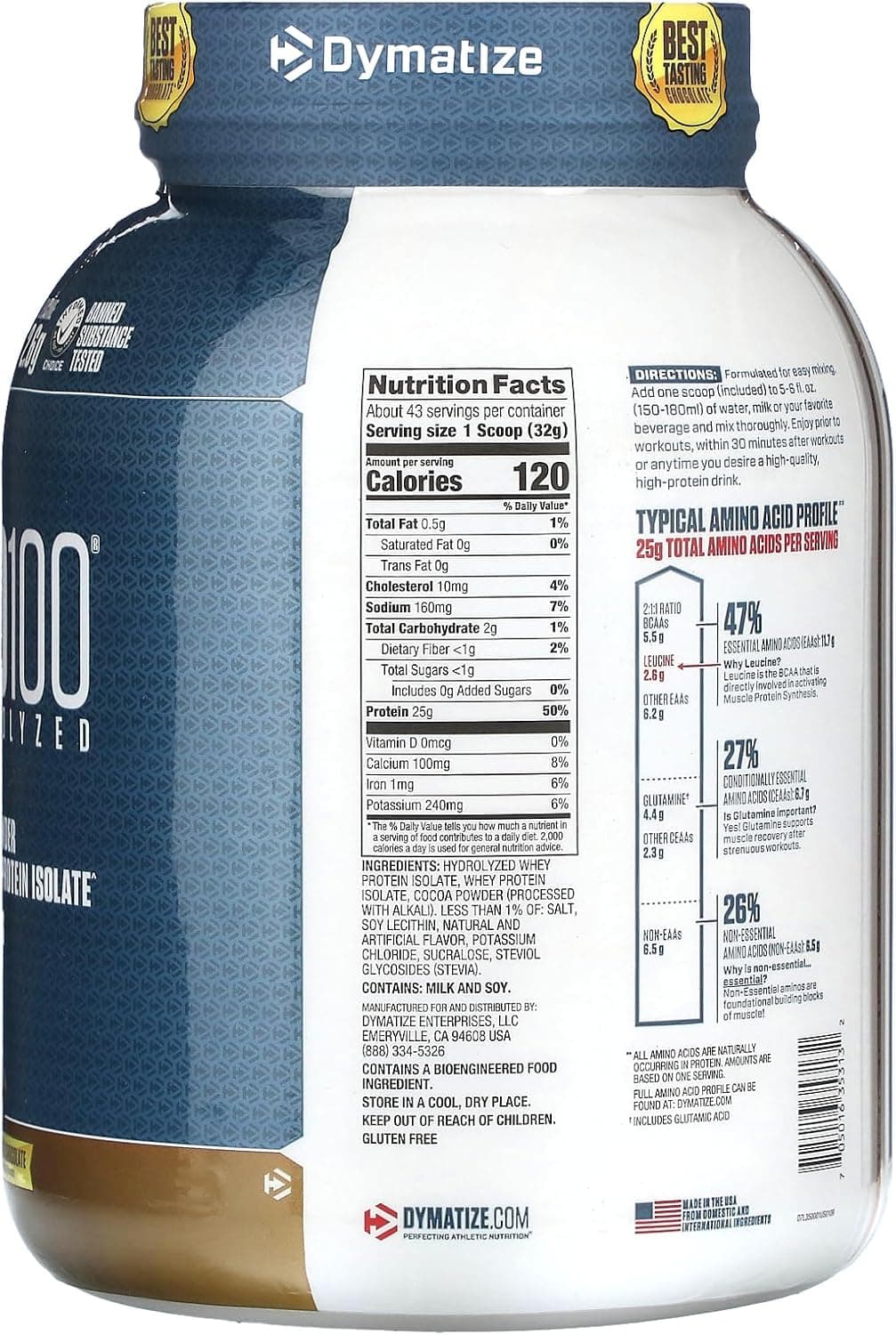
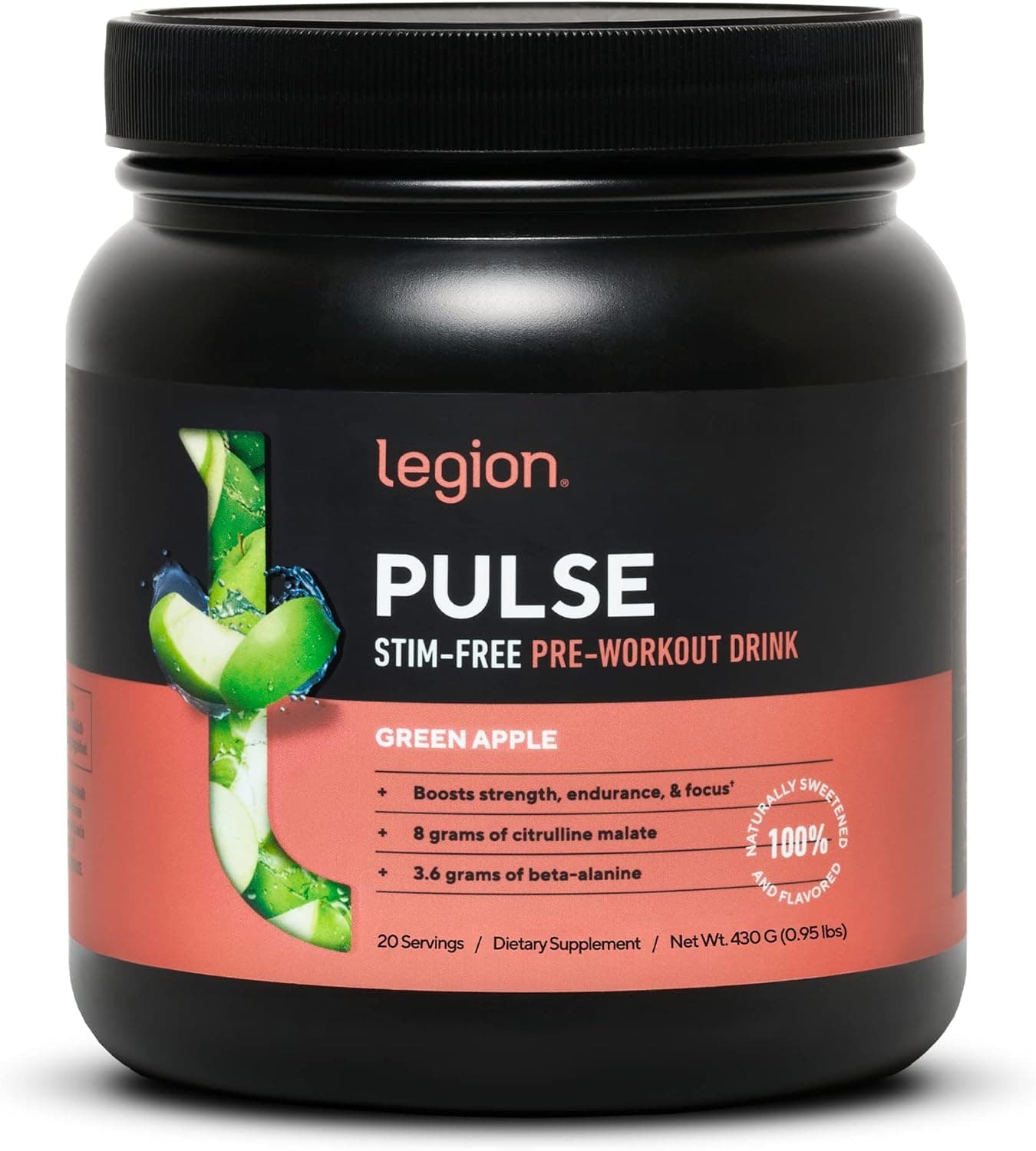
- Almost certainly not. Supplements use stevia as a sweetener (2-10mg). Therapeutic doses are 750-1500mg of stevioside.
- Is stevia better than monk fruit?
- Both are zero-calorie natural sweeteners. Monk fruit tends to have less aftertaste but costs more. Personal preference.
Why these belong in the same formula. Each row says what the basis is, from settled biochemistry through to a trial that measured the pair.
Steviol glycosides carry a slow-building sweetness with a lingering licorice-like tail, while mogrosides from monk fruit hit earlier and fade faster. Blending the two fills the front of the sweetness curve and shortens the aftertaste, which is why the pair is standard in sugar-free formulas.
Stevia sweetens at a few hundred parts per million and contributes no bulk, so a powder loses the body and mouthfeel sugar provides. Inulin is a soluble fiber that restores viscosity and volume at the gram scale without adding the sweetness back.
Gymnemic acids block the T1R2 and T1R3 sweet receptor that steviol glycosides activate, so gymnema taken first blunts the sweetness of the stevia in the same product. This is a settled taste-receptor competition, not a metabolic one.
Glycyrrhizin is a sweet triterpene glycoside that activates the sweet receptor with a slower onset and longer tail than steviol glycosides. Blending the two rounds out the sweetness curve, which is long-standing flavour practice.
Glycine tastes sweet in its own right and is used to soften the bitter and metallic notes some people perceive from steviol glycosides. The effect is at the taste receptor level, not metabolic.
Carob contributes natural sugars and roasted flavour notes that cover the licorice-like aftertaste of steviol glycosides. It is a formulation pairing rather than a physiological one.
Steviol glycosides deliver sweetness at milligram doses and so provide none of the bulk or viscosity sugar contributes. Guar gum is added to rebuild mouthfeel in a sugar-free formula.
Small amounts of sodium chloride reduce perceived bitterness and sharpen sweetness at the taste receptor level. Formulators use a trace of salt to clean up the stevia aftertaste.
Steviol glycosides are sweet at a tiny fraction of the mass of sugar, so a table-top or powder product needs bulk to be measurable and pourable. Erythritol supplies that volume, contributes a cooling mouthfeel and dilutes the licorice-like aftertaste stevia can carry. This is a manufacturing pairing, not a physiological one.
Intact stevioside and rebaudiosides pass the small intestine largely unchanged. Colonic bacteria strip the glucose units to release steviol, which is then absorbed and conjugated in the liver. So the gut community is the step that determines what actually enters circulation, which is established absorption pharmacology for this class.
Protein isolates carry bitter and astringent notes that need masking without added sugar. Steviol glycosides do that at very low inclusion, which keeps the macro profile of the powder intact. The interaction is sensory and formulation-level.
Potassium and magnesium salts taste bitter, and citrate and chloride forms add sourness or salinity. Stevia is used in electrolyte powders to make those concentrations drinkable without adding sugar. Purely a palatability pairing.
Stevia's sweetness builds slowly and lingers, and part of that tail comes from bitter receptor activation. Cooling and mint flavours are one of the standard sensory tools for cutting it. The rationale is flavour engineering, and it is reported at the level of product development rather than controlled sensory trials here.
Warm spice notes read as sweet, which lets a formulator use less high-intensity sweetener for the same perceived sweetness. That is a sensory effect, not a metabolic one. Any claims attached to cinnamon itself belong to cinnamon and do not transfer to the pairing.
Talk to a doctor before taking Stevia if any of these apply to you: Bitter aftertaste in some extracts, Therapeutic doses are much higher than supplement amounts. These are flags to check first, not effects Stevia is known to cause.
Not medical advice. Show the label to your pharmacist.What Stevia actually does.
Stevia's sweetness comes from steviol glycosides, mainly stevioside and the rebaudiosides. They're diterpene glycosides sweet enough that a small fraction of the mass of table sugar does the same job.
Steviol glycosides switch on the same sweet receptor pair sugar hits, T1R2 and T1R3. Several of them also latch onto bitter TAS2R receptors, which is where that lingering licorice-like note comes from.
Your own digestive enzymes can't break steviol glycosides apart, so they arrive in the colon whole. Bacterial enzymes there snip off the glucose units and release steviol.
The steviol that gets released is absorbed, tagged with glucuronic acid in the liver and sent out in urine as steviol glucuronide, with little to no free steviol piling up.
Where Stevia comes from.
The leaves are dried and steeped in water, and the sweet compounds are then cleaned up and separated one from another. The most abundant sweeteners come straight from the leaf. The ones with the least aftertaste barely exist in the plant, so they are made by using enzymes to convert an abundant one into them.
The same molecule is reached more than one way. Which route a given product used is a manufacturing choice, and the finished compound is the same either way.
Leaves are harvested from cultivated plants, most of the world's crop grown in China and Paraguay, then dried soon after cutting to limit glycoside loss.
Dried leaf is steeped in water, which pulls the glycosides along with chlorophyll, phenolics and salts.
The crude extract is decolourised and fractionated, separating individual glycosides from each other and from the leaf's other constituents.
Because rebaudioside M and rebaudioside D occur at very low levels in the leaf, commercial supply generally comes from enzymatic or fermentation-based conversion of a more abundant glycoside.
The target glycoside is crystallised and assayed, and the finished powder is declared either as total steviol glycosides or as a named single glycoside.
For consumer use the concentrate is blended with erythritol or another carrier, or dissolved in water and glycerin for drop products.
Getting Stevia from food.
The whole-food sources on file. A supplement closes the gap, it does not replace dinner.
A gram-for-gram figure (how much of each you would eat to match a dose) will appear here once it is sourced and reviewed. This page will not print a number it cannot cite.
The forms it comes in.
The essence, in one line each.
- Pooling 26 studies in 1,439 adults, stevia intake lowered blood glucose by about 3.8 mg/dL on low-certainty evidence, with no detectable change in insulin or HbA1c.Meta-analysis. Zare et al., 2024 (Diabetes & Metabolic Syndrome). PMID 39098209 ↗
- Across nine randomised trials in 756 adults, steviol glycosides produced small reductions in diastolic blood pressure and fasting blood glucose, while the systolic change of about 3 mmHg was not statistically distinguishable from placebo.Meta-analysis. Onakpoya and Heneghan, 2014 (European Journal of Preventive Cardiology). PMID 25412840 ↗
- In 53 adults with excess body weight, biscuits sweetened with stevia rebaudioside M instead of sucrose lowered the two-hour insulin and glucose responses, and appetite ratings were similar across all three versions.Randomised trial. Gibbons et al., 2024 (EBioMedicine). PMID 38553262 ↗
- In 60 adults with excess body weight, stevia-containing beverage blends drunk before a carbohydrate breakfast cut the two-hour insulin response versus an 8 percent sucrose drink, one stevia blend also lowered the glucose response, and no difference in energy intake over the following 24 hours was detected.Randomised trial. Almiron-Roig et al., 2023 (Appetite). PMID 36849009 ↗
- Stevia residue in feed was associated with changes in gut function measures and egg nutrient composition in laying hens.Animal study. Tang M et al., 2024 (Poultry Science). PMID 38141275 ↗
- Dietary Stevia rebaudiana extract was assessed on performance and physiological measures in yellow-feathered broilers.Animal study. Peng X et al., 2026 (Animals). PMID 41976005 ↗
- Stevia straw in the diet was associated with changes in meat quality measures, nutrient composition and rumen microbiota in sheep.Animal study. Xu C et al., 2025 (Veterinary Sciences). PMID 41150158 ↗
- Stevia-derived chlorogenic acid was reported to reduce markers of intestinal injury and growth impairment in a stressed animal model. The active studied is a phenolic acid from the plant, not a steviol glycoside.Animal study. Wang P et al., 2025 (Ecotoxicology and Environmental Safety). PMID 41172753 ↗
- Stevia extract reduced spleen inflammatory markers in an endotoxin-challenged mouse model, with the authors attributing it to TLR4 and NF-kappaB signalling.Animal study. Wu Q et al., 2026 (Archives of Biochemistry and Biophysics). PMID 42242487 ↗
- Adding stevia to kale juice spheres changed measured quality attributes across refrigerated shelf life. A food-technology experiment.In vitro study. Klug TV et al., 2019 (Journal of the Science of Food and Agriculture). PMID 30357844 ↗
- Natural sweeteners including stevia produced behavioural and morphological differences in a nematode model. A mentions-only invertebrate screen.Animal study. Patel D et al., 2026 (microPublication Biology). PMID 42257180 ↗
These are the studies our verdict leans on, chosen from the 1,866 we read for Stevia. The full linked list is below.
The studies, linked.
8 sources behind our Stevia verdict: peer-reviewed studies and registered clinical trials. Every one links straight to PubMed, the journal, or ClinicalTrials.gov. Read them yourself.
- Clinical trialBrain and Glycemic Responses to Soft Drinks With Different SweetenersClinicalTrials.gov ↗35 participants, Completed
- Clinical trialEffects of Stevia on Glycaemic Profile and Insulin Secretion of Type 2 Diabetic PatientsClinicalTrials.gov ↗22 participants, Completed
- Clinical trialSuper HEROES: Searching How the Extract Rebaudioside Occludes Excess SteatosisClinicalTrials.gov ↗20 participants, Completed
- Clinical trialEffects of Caloric and Non-caloric Sweet Preloads on Neural Correlates of Physiological and Neurocognitive Responses in Healthy ParticipantsClinicalTrials.gov ↗18 participants, Completed
- Clinical trialComparative Analysis of Appetite-satiety, Glycemia, Insulin, Incretin Plasmatic Concentrations GLP-1 After the Intake of Non-nutritive Sweeteners in Diabetic Subjects Type 2ClinicalTrials.gov ↗17 participants, Completed
- Clinical trialEffect of Within-Meal Consumption of Allulose Compared to Sucralose and Stevia on Diet-induced Thermogenesis, Substrate Oxidation, Glycemic Response, and Satiety in Normal Weight AdultsClinicalTrials.gov ↗12 participants, Completed
- Clinical trialEffect of Free Sugar Replacement With Non-nutritive Sweeteners on Metabolic Health of High Sugar Sweetened Beverages Consumers: Potential Role of the Gut MicrobiomeClinicalTrials.gov ↗41 participants, Active not recruiting
- Clinical trialEffect of Stevia Extract on Postprandial Glucose Response and Satiety in Overweight and Obese Adults: A Three-arm Crossover Trial.ClinicalTrials.gov ↗Withdrawn
Evidence surfaced via Semantic Scholar (Allen Institute for AI) and ClinicalTrials.gov. Ranked by study type and citation weight, not cherry-picked.
Problems people have reported.
Read this carefully. These are 142 voluntary, unverified reactions reported to the FDA (openFDA). The number mostly reflects how popular Stevia is, not how risky it is. A report is not proof Stevia caused anything. It is a signal of what to watch for, nothing more.
Source: openFDA adverse-event reports. Voluntary reporting, not an incidence rate.
FDA Disclaimer: These statements have not been evaluated by the Food and Drug Administration. This information is for educational purposes only and is not intended to diagnose, treat, cure, or prevent any disease. Consult your healthcare provider before starting any supplement regimen.