Thiamin.
Thiamin supplementation for targeted health support. Converts carbohydrates into ATP, your cells' energy currency. Also critical for nerve function and cognitive performance.
Reviewed March 2026
- Category
- General
What Thiamin is, and what it does.
- Does it work
- If you're at risk of deficiency (drinkers, elderly, bariatric surgery patients, diabetics). For everyone else, food probably covers it.
- How much to take
- 1.1-1.2mg daily from food is enough. Supplements typically contain 50-100mg. For deficiency, doctors may prescribe higher doses.
- Time to feel it
- About 18 to 30 days of restricted intake.
- The first dose
- Day one is quiet. It is phosphorylated into its active cofactor form within hours and goes to work in carbohydrate metabolism, where the change shows on a blood marker.
- With regular use
- If you were deficient, expect improved energy levels and mental clarity over 2-4 weeks.
- How well tolerated
- Well tolerated. No known toxicity from oral supplements. Well tolerated during pregnancy.
- How it feels
- Subtle. If deficient, you feel less tired and foggy. If not, you feel nothing different.
- The overlooked benefit
- Thiamin needs magnesium to switch on. The enzyme that adds its diphosphate group runs on magnesium and ATP, so low magnesium quietly limits what thiamin can do.
1.2 to 50mg a day is where Thiamin works.
Source: NIH ODS + Lonsdale 2006 review
In the controlled depletion study the EFSA reference opinion reviews, restricting thiamin intake to 0.009 to 0.015 mg/MJ for 30 days brought urinary free thiamin excretion from a mean of 0.283 mg/24 h down to undetectable levels by day 18 of the depletion period.
The proof, claim by claim.
These words describe the research, not the molecule's worth. Research strength is how much work stands behind one claim, and it is never a product score.
Thiamin has emerging evidence, with 11 cited human studies on this page.
- Prevents beriberiMedical consensus
- Helps diabetic neuropathy (as benfotiamine)Multiple RCTs
- Improves energy in non-deficient peopleNo evidence
Questions people ask about Thiamin.
- Who's actually at risk of being low?
- Heavy drinkers, diabetics, elderly, people with gut issues, bariatric surgery patients, and those on certain diuretics.
- Will it give me more energy?
- Only if you're deficient. Otherwise, extra thiamin just gets excreted.
- Can I get it from food?
- Yes. Pork, whole grains, legumes, and fortified cereals. Most people eating a normal diet get enough.
- How do I know if I'm deficient?
- Fatigue, confusion, poor appetite, muscle weakness. Blood test can confirm.
- Well tolerated with alcohol?
- Yes, and actually recommended if you drink regularly. Alcohol depletes thiamin.
Why these belong in the same formula. Each row says what the basis is, from settled biochemistry through to a trial that measured the pair.
Thiamine only becomes active as thiamine pyrophosphate, and the kinase that makes it needs magnesium. The dehydrogenase complexes that then use the cofactor are magnesium dependent too, so thiamine cannot do its job when magnesium is short.
The alpha-ketoacid dehydrogenase complexes carry thiamine pyrophosphate at the first step and riboflavin-derived FAD at the reoxidation step. Both cofactors have to be present for the complex to turn over.
NAD derived from niacin is the final electron acceptor of the pyruvate dehydrogenase complex whose first step needs thiamine pyrophosphate. The two vitamins sit at opposite ends of the same reaction.
Thiamine pyrophosphate strips carbon dioxide from pyruvate and the remaining acetyl group is handed to coenzyme A, which is built from pantothenate. Low coenzyme A stalls the step that thiamine has just enabled.
Lipoamide accepts the acetyl group directly from thiamine pyrophosphate inside the pyruvate and alpha-ketoglutarate dehydrogenase complexes. The two cofactors sit side by side on the same multienzyme assembly.
Benfotiamine is an S-acyl thiamine derivative that crosses membranes without the saturable transporter that limits plain thiamine. It is dephosphorylated and converted to the same active thiamine pyrophosphate.
Allithiamine carries an open thiazole ring and a lipophilic side chain, so it passes membranes by diffusion and is reduced back to thiamine inside the cell. It bypasses the transporter ceiling that caps plain thiamine uptake.
Sulbutiamine is two thiamine molecules joined by a disulfide bridge with esterified side chains, which makes it far more lipophilic than thiamine. It is cleaved back to thiamine after crossing membranes.
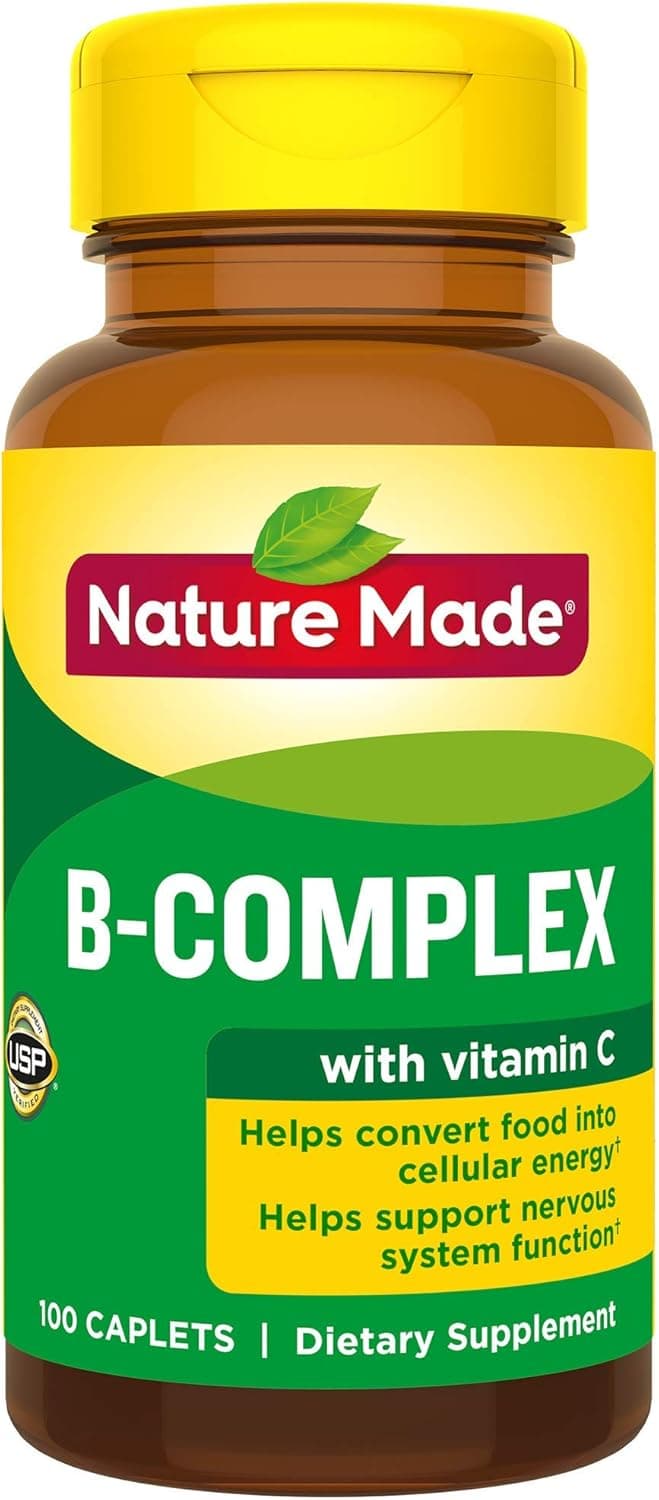
B1, B6 and B12 are combined in the classic neurotropic formula because each supports a different part of normal nerve metabolism. B6 handles amino acid transamination while B1 handles the carbohydrate-derived carbon feeding the same cycle.
B12 is needed for methylmalonyl-CoA handling and methylation, while thiamine covers the decarboxylation steps of energy metabolism in the same tissue. Combining them is standard practice in B complex design.
Tannins oxidise the thiazole ring of thiamine to a form the body cannot use, a well documented antithiamine effect. Taking thiamine with a tannin-rich preparation lowers how much intact vitamin survives to be absorbed.
Black tea polyphenols carry the same antithiamine activity as isolated tannins and degrade thiamine in the gut lumen. Separating the two by an hour or two avoids the loss.
Thiamine is stable in acid and breaks down quickly as pH rises, with the thiazole ring opening under alkaline conditions. Co-formulating it with a strong alkalising agent shortens its shelf life.
A prospective, randomised, double-blind, placebo-controlled multicentre study used thiamin together with folic acid as a single intervention arm. Both are water-soluble B vitamins with separate cofactor roles, so the pairing is a co-administration design rather than a demonstrated chemical interaction. The trial result belongs to the combination, not to thiamin alone.
The thiazolium ring of thiamin opens in the presence of allicin-derived allyl disulfides and recloses as an open-chain disulfide, allithiamine. That derivative crosses membranes without needing the saturable thiamin transporters. This is the chemistry behind allithiamine as an ingredient and it is settled, not speculative.
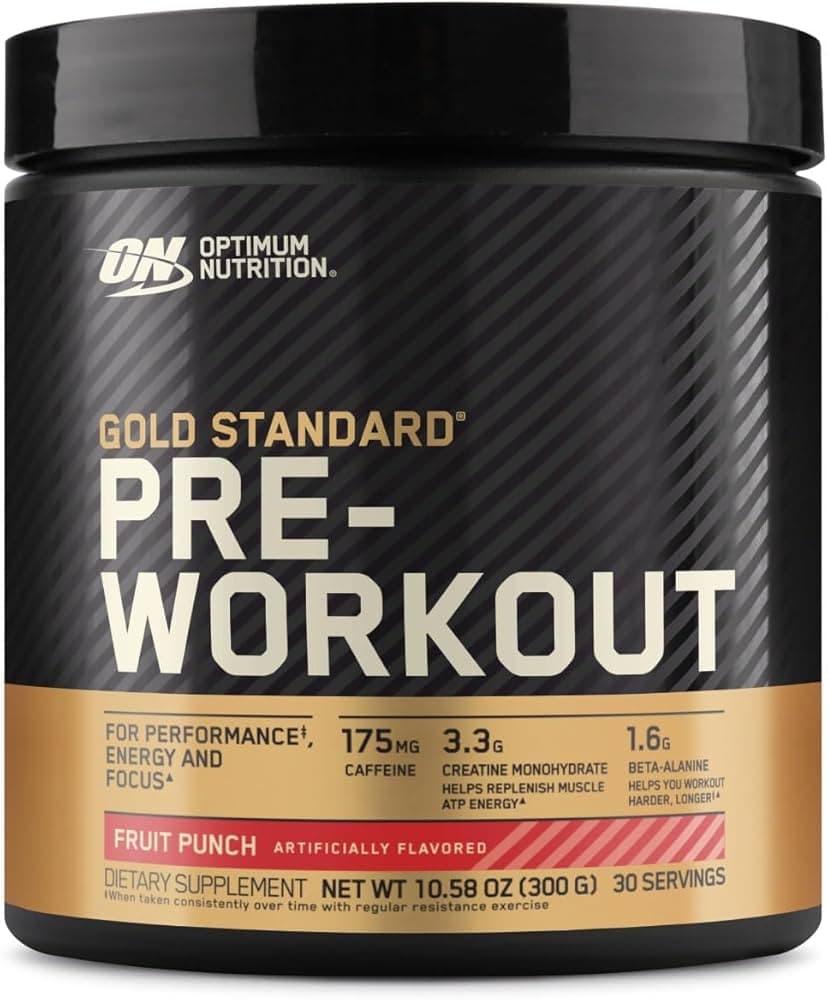
Leucine is transaminated to its ketoacid and then decarboxylated by the branched-chain ketoacid dehydrogenase complex, which uses thiamin pyrophosphate at its E1 subunit. Without adequate thiamin that step stalls and the ketoacids accumulate. Higher branched-chain amino acid intake therefore draws on thiamin-dependent capacity.
All three branched-chain amino acids are decarboxylated by one complex whose E1 subunit is thiamin pyrophosphate dependent. Valine loading adds to the flux through that step. The relationship is textbook cofactor biochemistry.
Transketolase transfers two-carbon units between sugar phosphates and requires thiamin pyrophosphate to do it, which is why erythrocyte transketolase activity is used as a thiamin status marker. The non-oxidative branch it drives generates and consumes ribose-5-phosphate. Thiamin status is therefore upstream of endogenous ribose handling. The transketolase reading is a marker, not an outcome.
Carnitine carries long-chain fatty acids across the inner mitochondrial membrane. Thiamin pyrophosphate lets pyruvate enter the TCA cycle through pyruvate dehydrogenase. The two govern the fat and carbohydrate entry routes to the same cycle. Pathway adjacency is not a measured combined effect.
Pyruvate dehydrogenase produces acetyl-CoA using thiamin pyrophosphate, and acetylcarnitine is the buffered store of that acetyl pool. The two ingredients therefore act on opposite sides of the same node. This describes the biochemistry, not a trial result.
Pyruvate and alpha-ketoglutarate dehydrogenase generate NADH, and CoQ10 carries electrons within the respiratory chain that consumes it. The two sit in sequence along the same energy pathway. Sequence is not synergy in the measured sense, and no combination trial defines this pair.
Pyruvate, alpha-ketoglutarate and branched-chain ketoacid dehydrogenases all reduce NAD+ at their E3 subunits, so NAD availability and thiamin pyrophosphate availability constrain the same reactions. NR raises NAD+ precursor supply. The two are complementary inputs to one complex rather than a tested pair.
Pyruvate can be decarboxylated by the thiamin-dependent dehydrogenase or carboxylated by pyruvate carboxylase, a manganese-activated, biotin-dependent enzyme. Which route dominates depends on the cell's energy state. The relationship is one of branch-point competition rather than mutual enhancement.
Thiamin degrades by oxidation to thiochrome and related products, faster at neutral to alkaline pH and in the presence of oxidants. A reducing agent such as ascorbate in the same liquid limits that loss. This is stability chemistry in the product, not an effect in the body.
Activated charcoal binds a wide range of small organic molecules in the gut lumen and does not distinguish a vitamin from anything else. Taken at the same time it can reduce the amount of thiamin available for absorption. Separating the doses by several hours is the conventional handling.
Thiamin carries a permanent positive charge on its thiazolium ring, which makes it a candidate for binding to a cation-exchanging clay. Taken together, less is left free for transport across the intestinal wall. The direction is mechanistic and the size of the effect is not quantified.
Thiamin salts are stable in acidic solution and break down progressively as pH climbs toward neutral and above. An acidifying co-ingredient keeps the local environment in the range where the molecule holds together. This is a stability and formulation point, not a claim about digestion.
Choline supplies the amine half of acetylcholine and the acetyl half comes from acetyl-CoA, whose main source is the thiamin-dependent pyruvate dehydrogenase reaction. Both inputs are therefore upstream of the same molecule. This is pathway biochemistry, and it does not by itself predict a cognitive effect.
Nothing specific on file for Thiamin. Match the label to the daily amount above, and tell your doctor what you take.
Not medical advice. Show the label to your pharmacist.What Thiamin actually does.
Thiamin isn't active as it arrives. An enzyme uses ATP and magnesium to turn it into thiamin pyrophosphate, and only that form does any cofactor work.
The active form works at four spots: three enzyme complexes that strip carbon off fuel molecules, plus transketolase in the sugar-reshuffling pathway. Essentially all of thiamin's job happens there.
One of those enzymes sits right where carbohydrate gets burned. So carb load and thiamin need move together: more glucose being oxidised means more demand on the same cofactor.
At food-level intakes thiamin comes in on two carriers that can fill up. At high supplement doses only a small extra fraction seeps through passively, so blood levels flatten out rather than scaling with the dose.
Where Thiamin comes from.
It is made in a factory, not pulled out of a plant. Two halves of the molecule are built separately and stuck together, then turned into one of two salts depending on whether the product is a liquid or a dry tablet.
Chemically synthesised. The molecule is identical to the one a plant or an animal makes, and building it deliberately means a known purity, a fixed dose and no crop contaminants. For several nutrients this is the only route that reaches a usable amount.
Commercial thiamin is built from bulk chemical intermediates rather than isolated from a food source. Yeast and rice bran contain thiamin but not at a concentration that makes extraction practical at supplement scale.
The aminopyrimidine half of the molecule is assembled from acetonitrile-type and amidine-type intermediates and finished as a halomethyl pyrimidine ready for coupling.
The thiazole half, carrying the hydroxyethyl side chain, is built separately from sulfur-containing intermediates.
The two halves are joined by alkylating the thiazole nitrogen with the pyrimidine, which creates the permanently charged thiazolium ring that defines thiamin.
The crude product is taken up in acid and crystallised as thiamin hydrochloride, then washed and dried to pharmacopoeial assay.
Where a non-hygroscopic powder is needed, the hydrochloride is converted to the mononitrate, which is the form most food fortification premixes use.
Sold as crystalline powder, granulated for direct compression, or carried forward as the starting material for the lipid-soluble derivatives.
Labels state the salt but not the synthetic route or the manufacturing site, and derivative forms rarely disclose how much plain thiamin each milligram is equivalent to.
Getting Thiamin from food.
The whole-food sources on file. A supplement closes the gap, it does not replace dinner.
A gram-for-gram figure (how much of each you would eat to match a dose) will appear here once it is sourced and reviewed. This page will not print a number it cannot cite.
The forms it comes in.
The essence, in one line each.
- Thiamin supplementation improved the thiamin pyrophosphate effect, a blood marker of thiamin adequacy, in children whose levels were low.Randomised trial. Sumboonnanonda et al., 2026 (Scientific reports). PMID 41872295 ↗
- Thiamin supplementation did not improve left ventricular ejection fraction in the participants studied. This is a failure to detect a difference in an imaging marker, not evidence that no difference exists.Randomised trial. Keith et al., 2019 (The American Journal of Clinical Nutrition). PMID 31504093 ↗
- Pools randomised evidence on thiamin supplementation in critically ill adults, with kidney injury and mortality as the pre-specified endpoints. The pooled estimate is reported in the paper itself.Systematic review. Wang et al., 2026 (Nutrition in Clinical Practice). PMID 41277404 ↗
- A prospective, randomised, double-blind, placebo-controlled multicentre trial testing thiamin together with folic acid. Any result belongs to the combination rather than to thiamin alone.Randomised trial. Xie et al., 2026 (Renal Failure). PMID 42059045 ↗
- Describes one newborn in whom thiamin was given as part of refeeding management. A single case describes what happened to one patient and cannot establish an effect.Case report. Bradley et al., 2023 (JPEN. Journal of Parenteral and Enteral Nutrition). PMID 36632698 ↗
- Reports an association between dietary thiamin, riboflavin and niacin intake and elevated blood pressure and pulse pressure. An association in intake data, not a demonstration of cause.Cohort study. Ma et al., 2026 (Medicine). PMID 42299541 ↗
- Reviews preoperative micronutrient repletion strategies and names thiamin among the micronutrients assessed before metabolic and bariatric surgery. The ingredient is one item within a broader review.Systematic review. Tang et al., 2025 (Journal of the Academy of Nutrition and Dietetics). PMID 39306086 ↗
- A review of dietary strategies and supplements that names thiamin among the micronutrients considered in adults with reduced heart pumping function. Mentions-only, not a thiamin-specific result.Systematic review. Yu et al., 2024 (Frontiers in Nutrition). PMID 39464682 ↗
- A prebiotic supplementation review in which thiamin appears among the nutritional outcomes tracked. The ingredient is a measured variable, not the intervention.Systematic review. Shahzil et al., 2026 (Journal of Gastrointestinal and Liver Diseases). PMID 42365652 ↗
- A nutritional-status meta-analysis in children in which thiamin is one of the micronutrients assessed. Intake and status data, not an intervention result.Meta-analysis. Alhrbi et al., 2025 (Journal of Human Nutrition and Dietetics). PMID 40708203 ↗
- A single case in an adult on dialysis in which thiamin status was central to the clinical picture and to the imaging findings described. One patient, no comparison group.Case report. Liang et al., 2026 (Medicine). PMID 41861210 ↗
These are the studies our verdict leans on, chosen from the 4,402 we read for Thiamin. The full linked list is below.
The studies, linked.
1 source behind our Thiamin verdict: peer-reviewed studies and registered clinical trials. Every one links straight to PubMed, the journal, or ClinicalTrials.gov. Read them yourself.
- Clinical trialMegadose of Hydroxocobalamin (Vitamin B12) for the Treatment of Pernicious AnemiaClinicalTrials.gov ↗Phase 4, 13 participants, Completed
Evidence surfaced via Semantic Scholar (Allen Institute for AI) and ClinicalTrials.gov. Ranked by study type and citation weight, not cherry-picked.
Problems people have reported.
Read this carefully. These are 1,158 voluntary, unverified reactions reported to the FDA (openFDA). The number mostly reflects how popular Thiamin is, not how risky it is. A report is not proof Thiamin caused anything. It is a signal of what to watch for, nothing more.
Source: openFDA adverse-event reports. Voluntary reporting, not an incidence rate.
FDA Disclaimer: These statements have not been evaluated by the Food and Drug Administration. This information is for educational purposes only and is not intended to diagnose, treat, cure, or prevent any disease. Consult your healthcare provider before starting any supplement regimen.