Pairs well with26 on file
Why these belong in the same formula. Each row says what the basis is, from settled biochemistry through to a trial that measured the pair.
Vitamin B6 is not active until the body converts it to pyridoxal 5'-phosphate, and the enzyme that carries out that final activation step runs on a cofactor the body builds from riboflavin (FMN). Adequate riboflavin therefore lets the body turn the B6 it absorbs into its working coenzyme form.
Magnesium and B6 have long been paired in a single formula, and the active form of B6 appears to help magnesium move into and stay within cells, supporting how well the body holds the magnesium it absorbs. The two also serve as cofactors across overlapping steps of energy and amino acid metabolism.
The active form of B6 powers serine hydroxymethyltransferase, the enzyme that builds the one-carbon fragment folate carries through its cycle, so B6 keeps restocking the folate system with the one-carbon units folate shuttles. The two vitamins run the same one-carbon machinery from neighboring steps.
B6, B12, and folate supply the three coenzymes that process homocysteine, an amino acid the body continuously makes and has to keep converting. B12 and folate remethylate it back to methionine while the active form of B6 routes the surplus down the transsulfuration branch to cysteine, so together they keep homocysteine metabolism running normally.
Kynureninase and aromatic amino acid decarboxylase both require pyridoxal 5-phosphate, so B6 governs how tryptophan moves toward serotonin and toward niacin. Low B6 diverts tryptophan into the xanthurenic branch.
Aromatic L-amino acid decarboxylase converts 5-HTP to serotonin using pyridoxal 5-phosphate as its cofactor. B6 availability sets the rate of that single conversion step.
The same PLP-dependent decarboxylase that handles 5-HTP converts L-DOPA formed from tyrosine into dopamine. B6 is the shared cofactor of catecholamine formation.
Glutamate decarboxylase, which forms GABA from glutamate, is a pyridoxal 5-phosphate enzyme. B6 status therefore sets the balance between the two amino acid pools.
Serine hydroxymethyltransferase and the glycine cleavage system are both PLP-dependent, so B6 controls how glycine is made from serine and how it releases one-carbon units. The two sit on the same pathway.
Serine hydroxymethyltransferase moves a carbon from serine to folate using pyridoxal 5-phosphate, producing glycine. Serine supply and B6 supply act on one reaction.
Cysteine sulfinic acid decarboxylase, the committed step toward taurine, requires pyridoxal 5-phosphate. Endogenous taurine formation depends on B6 status.
Delta-aminolevulinate synthase, the first and rate-setting step of heme formation, uses pyridoxal 5-phosphate. Iron cannot be incorporated into heme if the porphyrin ring is not being built.
Cystathionine beta-synthase and cystathionine gamma-lyase are both PLP enzymes that route homocysteine into cysteine. B6 opens the pathway and NAC supplies cysteine directly.
Cysteine is the limiting amino acid for glutathione synthesis and it is produced by PLP-dependent transsulfuration. B6 status feeds the upstream supply.
Betaine remethylates homocysteine back to methionine while B6 sends it down transsulfuration to cysteine. The two cover the outbound and the recycling branch of the same junction.
Melatonin is made from serotonin, and serotonin formation depends on the PLP-requiring decarboxylation step. B6 status influences how much substrate reaches the melatonin route.
Vitamin B6 (Pyridoxine) + ZincEstablished enzymology: pyridoxal kinase activity depends on a divalent metal ion and zinc status influences B6 activation. Pyridoxine has to be phosphorylated by pyridoxal kinase before it can work, and that reaction runs on a metal-ATP complex. Zinc also appears in the delta-6-desaturase step where B6 is separately involved. The two nutrients turn up together in the same conversion chemistry rather than acting on one another.
The body can make part of its niacin from tryptophan, but the kynureninase step in that pathway is pyridoxal-5-phosphate dependent. When B6 is short, kynurenine intermediates such as xanthurenic acid accumulate and the conversion falls. This is the classical basis of the tryptophan load test.
Methionine is converted to homocysteine, which can either be remethylated or committed down the transsulfuration branch. Both transsulfuration enzymes need pyridoxal-5-phosphate. B6 is therefore the cofactor that governs the disposal route, while folate and B12 govern the recycling route.
Cysteine is generated from homocysteine and serine through two pyridoxal-5-phosphate enzymes, and it is then the rate-limiting amino acid for glutathione synthesis. Supplying cysteine directly and supplying the cofactor that makes it are two different levers on the same pool. Cysteine sulfinate decarboxylase, further along toward taurine, is also PLP dependent.
S-adenosylmethionine is the allosteric signal that activates cystathionine beta-synthase, pushing homocysteine toward transsulfuration, and that enzyme runs on pyridoxal-5-phosphate. Supplying SAM-e without adequate B6 loads the branch point without opening the exit. The two act at the same junction from different sides.
Choline oxidised to betaine remethylates homocysteine back to methionine, while B6 lets the transsulfuration branch dispose of it as cysteine. One recycles, the other clears. Formulas aiming at homocysteine as a marker usually cover both routes for that reason, and homocysteine is a marker rather than an outcome.
Conversion of histidine to histamine requires pyridoxal-5-phosphate, as does the histidine ammonia-lyase route toward the urocanate pathway. Anyone supplementing histidine is loading a pathway with a B6 dependency at its first step. This is standard decarboxylase chemistry.
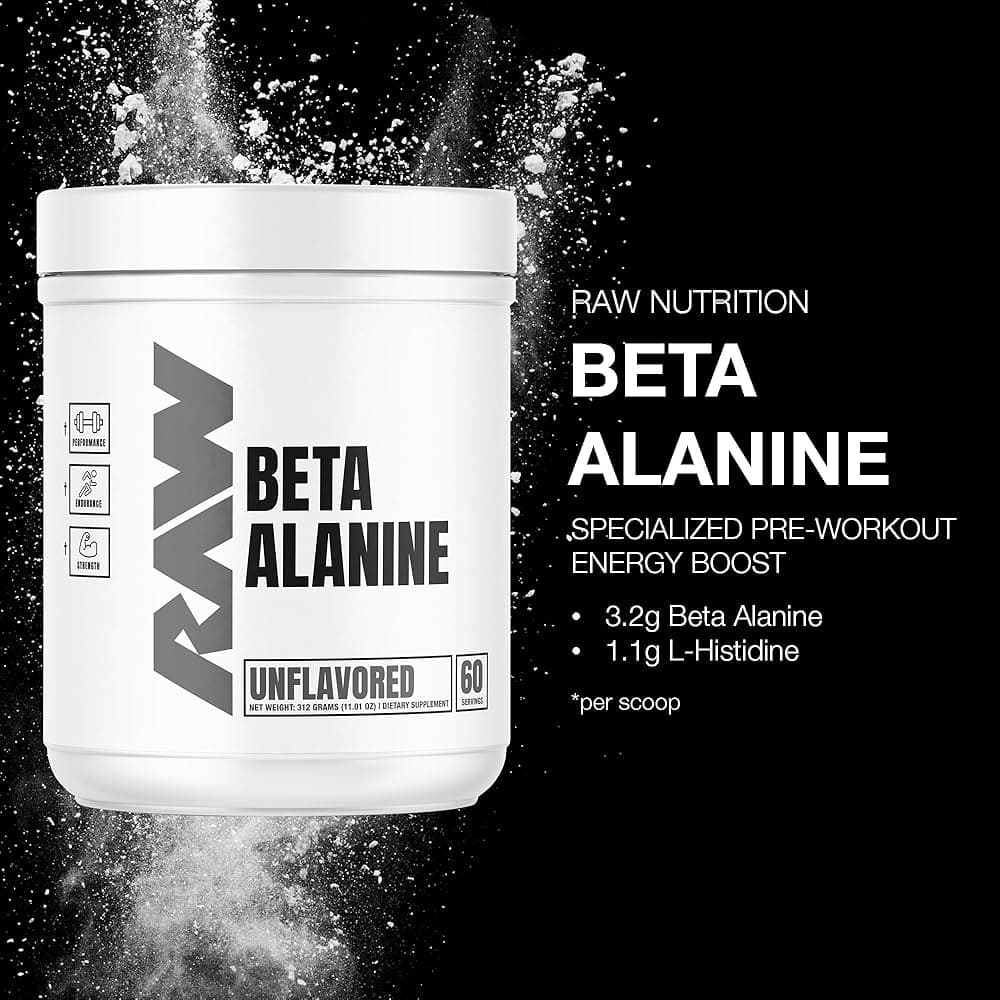
The first step of branched-chain amino acid catabolism is a transamination that runs on pyridoxal-5-phosphate. That applies to leucine, isoleucine and valine alike. High branched-chain intake therefore draws on the same coenzyme pool as the rest of amino acid metabolism.
Once arginase releases ornithine, moving it toward glutamate semialdehyde and proline needs a pyridoxal-5-phosphate transamination. B6 status therefore shapes how arginine is partitioned after the arginase step. It is cofactor chemistry rather than a measured combination.
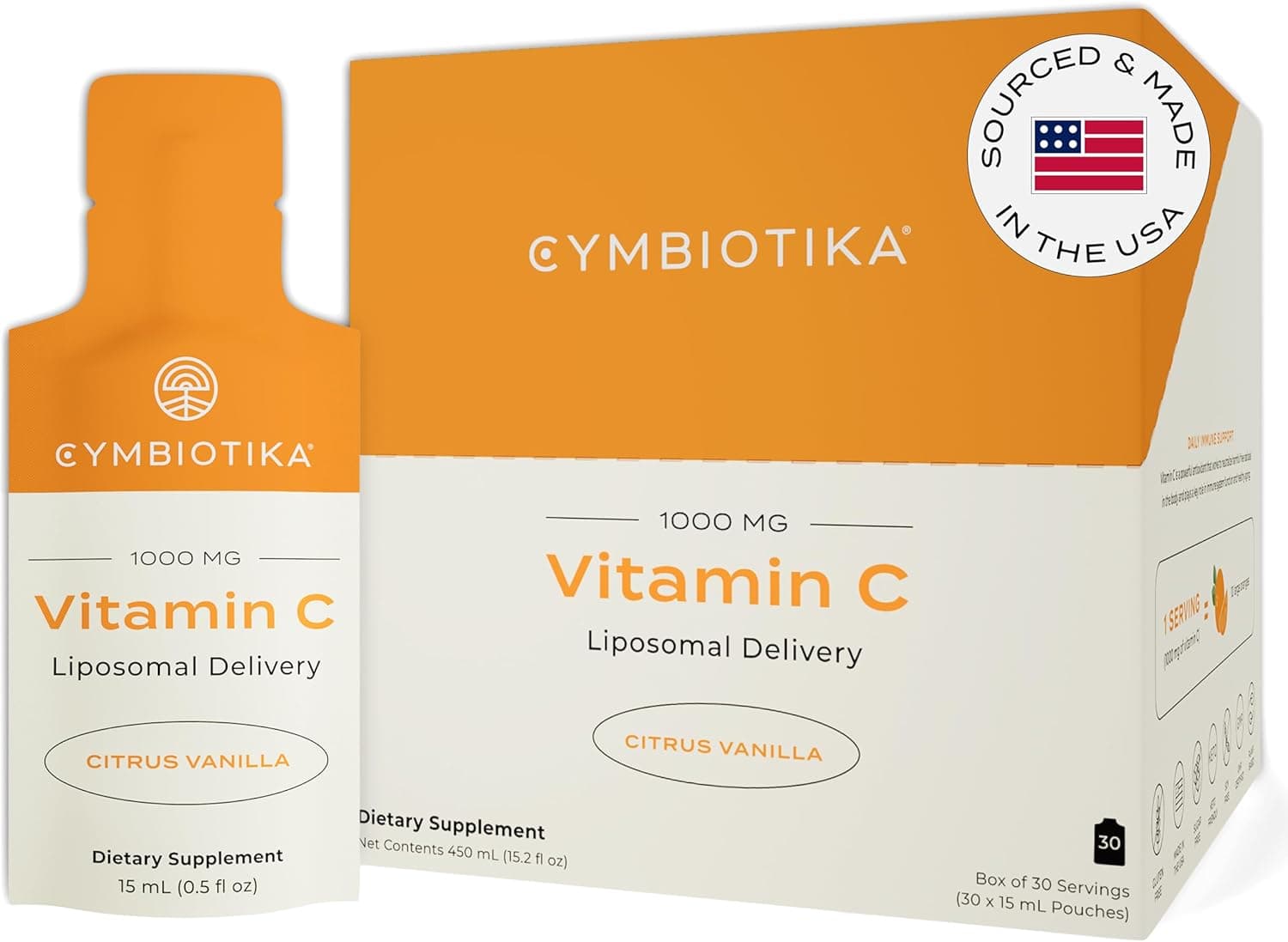
High-dose ascorbate degrades in part to oxalate, and alanine glyoxylate aminotransferase, a pyridoxal-5-phosphate enzyme, converts glyoxylate to glycine instead of letting it oxidise to oxalate. The two therefore push urinary oxalate in opposite directions. This is a mechanistic relationship reported on a urinary marker, not a clinical outcome.