
The people it speaks toFieldwork 2020
24.2% of US adults
aged 18 and over met both the aerobic and muscle strengthening activity guidelines in 2020, in the National Health Interview Survey.
CDC National Center for Health Statistics, 2022BCAAs is the lead active here, studied most for endurance. 7 human studies on BCAAs back this formula, each one cited. Who it fits: for everyone, adults.
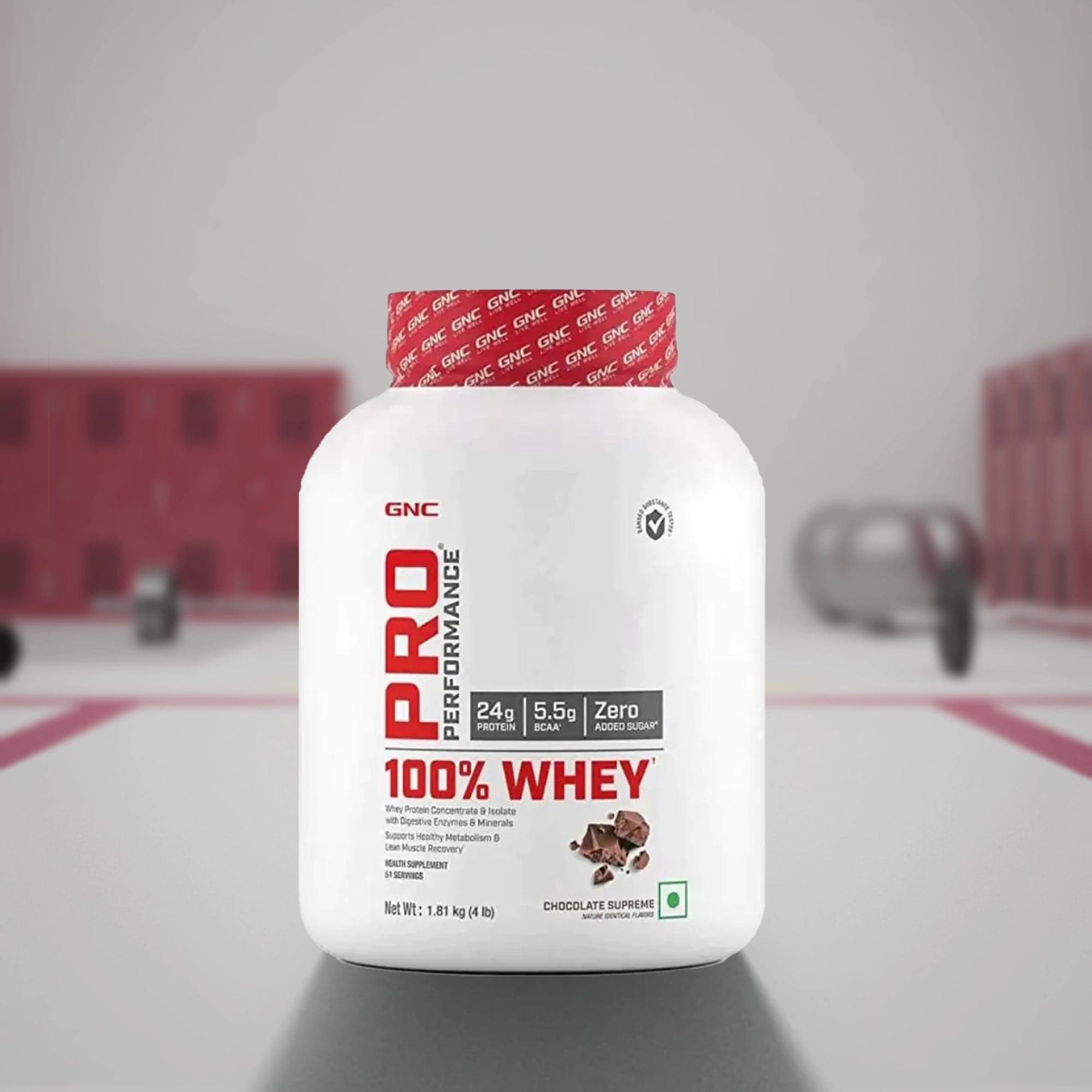 Verified by IngredientMD
The panel on the left is the one we evaluated, line by line.
All 2 actives checked against the clinical evidence: dose, form, and what the research actually shows.
Doses, ratios, and how the ingredients work together. That assessment is the verdict above: "Backed by human trials".
The verdict is public and identical whether or not a brand pays. A formula that does not clear the bar gets nothing.
Read by the engine against 2.1 million data points from clinical trials, PubMed and more than a hundred vetted sources. No individual reviewer is named or implied.
Cross-checked against 8 documented interactions for these actives.
Public health figures the engine matched to this formula's ingredients. Reported by their source, cited and dated, never written by the brand.
24.2% of US adults
aged 18 and over met both the aerobic and muscle strengthening activity guidelines in 2020, in the National Health Interview Survey.
CDC National Center for Health Statistics, 202231% of US adults
said they were taking protein supplements such as powders, drinks, or bars, in a Pew Research Center survey fielded in July 2026.
Pew Research Center, 202621.1% of the US population
aged 15 and over took part in sports, exercise, or recreation on an average day in 2023, in the American Time Use Survey.
US Bureau of Labor Statistics, 202457.6%
During 2017 to 2018, 57.6% of US adults aged 20 and over reported using a dietary supplement in the past 30 days.
CDC National Center for Health Statistics41.3% of US men aged 18 to 34
met both the aerobic and muscle strengthening activity guidelines in 2020, the highest rate of any age and sex group, in the National Health Interview Survey.
CDC National Center for Health Statistics, 202237% of US adults aged 18 to 29
said they were taking protein supplements such as powders, drinks, or bars, roughly double the rate among adults aged 65 and over, in a Pew Research Center survey fielded in July 2026.
Pew Research Center, 202659 to 66 days
was the median time it took adults to make a new daily health habit automatic across the studies a 2024 review pooled, with individuals ranging from 4 to 335 days.
Systematic review and meta-analysis, 202461% to 74%
About 61 to 74 percent of adults refilling a long-term medicine on their own stopped within a year, versus 33 to 44 percent on one set pickup day.
Cohort study, 2015Meta-analysis, 2026
A Bayesian network meta-analysis of protein and amino acid supplements found small improvements in exercise performance and post-exercise recovery markers, with the size of the effect depending on the supplement type.
Journal of the International Society of SportRandomised trial, 2025
In this trial, branched-chain amino acid supplementation shifted substrate use during exercise, improved exercise efficiency and lowered self-reported muscle soreness after training compared with placebo.
NutrientsRandomised trial, 2025
Examined whether the timing of branched-chain amino acid intake around resistance training affects recovery measures in healthy men. The comparison is timing, so it does not address whether supplementation beats no supplementation.
American Journal of Men's HealthRandomised trial, 2025
Dileucine-supplemented essential amino acids supported whole-body anabolism after resistance exercise and stimulated protein synthesis in serum-stimulated cell work. The intervention is a leucine derivative within a full essential amino acid blend, not a 2:1:1 branched-chain product.
Journal of the International Society of Sports NutritionRandomised trial, 2026
High-leucine branched-chain amino acid supplementation was reported to reduce the loss of ultrasound-measured quadriceps thickness in hospitalised adults. Muscle thickness on ultrasound is a structural marker, not a measure of strength or function.
Clinical Nutrition ESPENRandomised trial, 2025
A hospital trial tested branched-chain amino acids given by IV drip as an add-on under clinical supervision, a very different exposure from an oral supplement.
BMC GastroenterologyPopulation figures from public health data. Context for the category, not a statement about any individual and not a claim about this product.
Each line below was derived from this formula's own record at the time of verification. Nothing here was written by the brand, and nothing can be added that the evidence does not carry.
Two ingredients, from each one's own page.
Day one is a protein shake and little more. Glutathione measures in trials moved over roughly four to six weeks of daily servings.
Some people notice effort feeling easier inside the session. Soreness readouts land a day or two later, and muscle-level effects build across weeks of steady training.
How each ingredient usually behaves over time, from its own page on IngredientMD. General timing for the ingredient, not a measurement of this product.
It is a powder, so the serving scales to the amount you want and mixes into something you already drink.
Where two of this brand's products carry actives the literature has read together, the pairing and its basis are below. The evidence word is the corpus row's own confidence, never a score.
Riboflavin supplies the FAD carried by the E3 subunit of the branched-chain ketoacid dehydrogenase complex and by the acyl-CoA dehydrogenases downstream. It sits inside the same enzyme machinery.
FAD cofactor of the dehydrogenase complex. No combination trial has tested this exact pairing.
NAD+ takes the electrons from the branched-chain ketoacid dehydrogenase reaction, and niacin is its precursor. The complex requires thiamine, lipoate, FAD and NAD together.
NAD acceptor for the dehydrogenase step. No combination trial has tested this exact pairing.
3-methylcrotonyl-CoA carboxylase in leucine breakdown is biotin-dependent. Leucine metabolism runs through a biotin enzyme regardless of ratio.
cofactor for a carboxylase in the leucine route. No combination trial has tested this exact pairing.
Put an earned verification on your own product page.
These statements have not been evaluated by the Food and Drug Administration. This product is not intended to diagnose, treat, cure, or prevent any disease. This record is not medical advice. Always consult your healthcare provider before starting any supplement regimen.