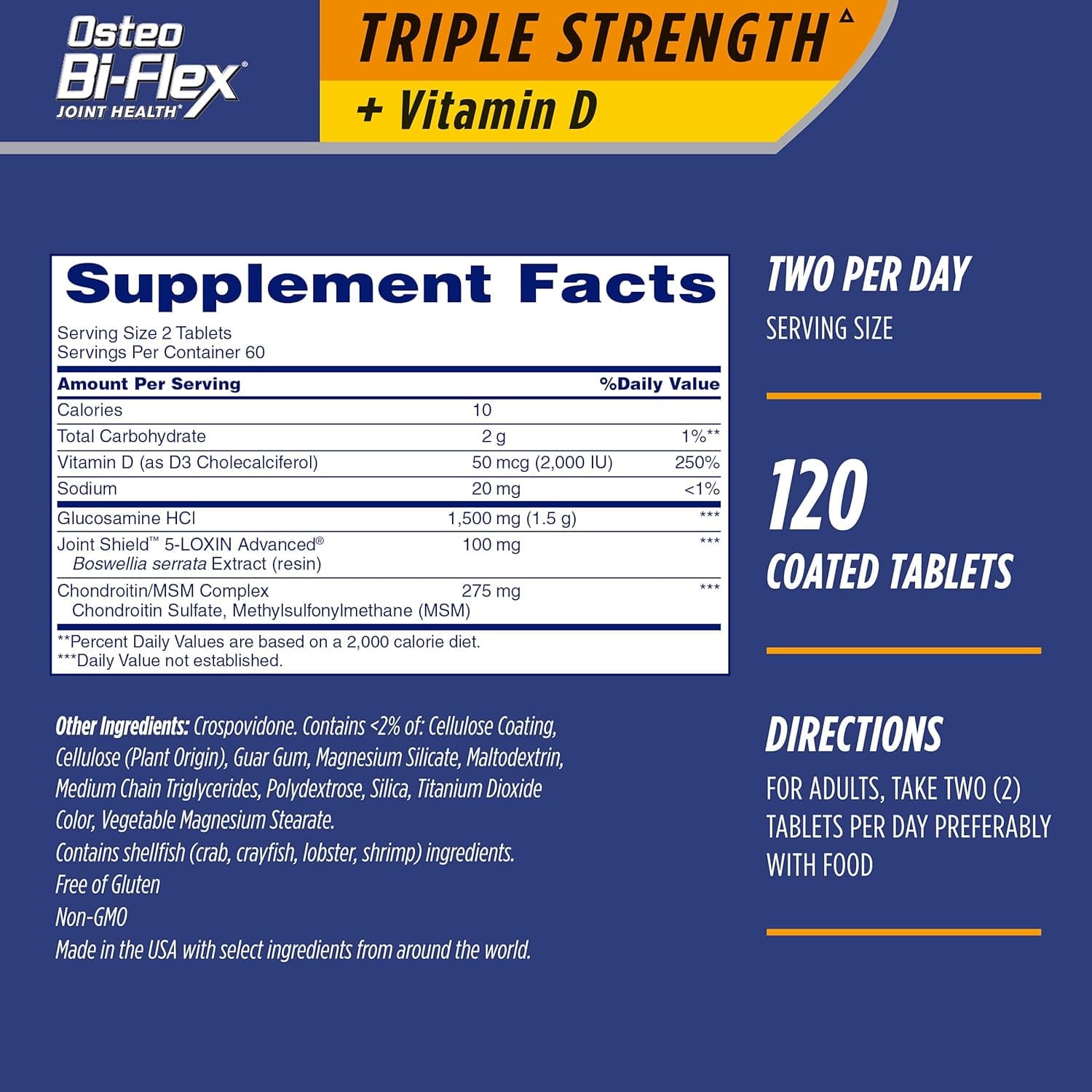
Cellulose (Plant Origin).
Plant-derived cellulose used as a filler and binder in your supplement. The most common excipient in the industry. Holds your tablet together, fills space, and helps powder flow through machines during manufacturing.
Reviewed March 2026
- Category
- General
- Also filed under
- Reliable tablet binder and fillerInert and non reactivePlant based and well tolerated
What Cellulose (Plant Origin) is, and what it does.
- Does it work
- It's not something you buy on purpose. It's just part of the pill.
- How much to take
- Not applicable. It's a manufacturing ingredient, not something you dose.
- Time to feel it
- Nothing to time. Its work happens on the tablet press, holding the dose together so what you actually came for arrives intact in every tablet.
- The first dose
- Day one happens on your side of nothing. It held the dose together through pressing and packing, and the insoluble bulk it adds is small at excipient amounts.
- With regular use
- Passes through you undigested. It's insoluble fiber, technically.
- How well tolerated
- Well tolerated. FDA GRAS status. Used in food and pharmaceuticals for decades.
- How it feels
- No sensation of its own. What you notice is a tablet that stays whole rather than crumbling, and at fibre-sized amounts a little more bulk moving through.
- The overlooked benefit
- It's insoluble fibre in the strict sense. It holds water inside its particle structure and adds faecal mass, which is why powdered cellulose also turns up in fibre foods.
The proof, claim by claim.
These words describe the research, not the molecule's worth. Research strength is how much work stands behind one claim, and it is never a product score.
- Well tolerated in daily consumption
Questions people ask about Cellulose (Plant Origin).
- Is cellulose bad for me?
- Nope. It's plant fiber. Your body can't digest it, so it just passes through. It's been used safely in food and medicine for decades.
- Does it affect absorption of my supplement?
- No. Cellulose is actually designed to break apart in your stomach, releasing the active ingredients.
- Is microcrystalline cellulose different from regular cellulose?
- Same molecule, just processed into smaller, more uniform particles. Makes better tablets.
- Can I be allergic to cellulose?
- Extremely unlikely. It's one of the most hypoallergenic substances known. Even people with severe allergies tolerate it fine.
- Is it vegan?
- Yes. It comes from plants. Always has.
Why these belong in the same formula. Each row says what the basis is, from settled biochemistry through to a trial that measured the pair.
Cellulose is insoluble and holds water inside a rigid particle, adding faecal mass. Psyllium is a gel-forming mucilage that raises luminal viscosity and slows transit of liquid stool. Formulators combine them because the two mechanisms are separate rather than duplicated. Both need adequate fluid intake to behave as described.
Glucomannan swells into a viscous mass that slows gastric emptying. Cellulose contributes bulk without viscosity. A blend gives both effects from one dose, which is why mixed-fibre powders rarely use a single source. Fluid must be taken with either fibre for the swelling to occur in the gut rather than the throat.
In the intact plant, pectin fills the matrix around cellulose microfibrils. A supplement blend recreates the soluble plus insoluble mix found in whole plant food. Pectin is fermented by colonic bacteria while cellulose is largely not, so short-chain fatty acid production comes mainly from the pectin fraction.
Guar gum thickens strongly at low concentration, which makes a powder hard to disperse on its own. Cellulose adds bulk without viscosity and improves the flow of the finished blend. The pairing is a formulation convention rather than a clinical claim.
Colonic bacteria ferment inulin quickly, producing gas and short-chain fatty acids in the proximal colon. Cellulose passes largely intact and carries water to the distal colon. Blending them spreads the fibre load across the length of the bowel instead of concentrating fermentation in one segment.
Resistant starch reaches the colon and is fermented preferentially to butyrate. Cellulose supplies bulk and water-holding without contributing much fermentable substrate. The combination separates the bulking role from the fermentation role.
Oat beta-glucan carries mixed beta-1,3 and beta-1,4 links, which keeps it soluble and viscous. Cellulose is uniformly beta-1,4 linked, which lets the chains pack into insoluble crystalline fibrils. Using both gives a viscous phase and a bulk phase from closely related chemistry.
Partially hydrolysed guar gum dissolves without thickening and is fermented in the colon. Cellulose adds insoluble mass to the same serving. Products aimed at regularity often carry both so the powder mixes clear while still adding bulk.
Microcrystalline cellulose is used as the dry filler that carries a small mass of freeze-dried organisms into a capsule of usable size. It is chemically inert and holds very little water, which matters because moisture shortens the viable life of a probiotic powder. This is a manufacturing role, not a biological one.
Dietary fibre matrices can bind non-heme iron in the gut and lower the fraction available for uptake. Purified cellulose has few charged groups compared with phytate or tannins, so any binding is expected to be modest. Separating an iron dose from a large fibre serving by a couple of hours is common practice. This is a mechanistic caution, not a measured clinical loss.
Bulking fibre shortens the contact time between luminal calcium and the absorptive surface. Cellulose itself lacks the acidic groups that bind divalent cations strongly, so the interaction is weaker than with pectin or phytate. Timing a calcium dose away from a heavy fibre serving is a reasonable precaution rather than an established requirement.
Zinc uptake is sensitive to luminal binders and to transit time, both of which a large insoluble fibre dose can alter. Cellulose is a weak binder relative to phytate. Read this as a mechanistic flag for spacing doses, not as a demonstrated reduction in zinc status.
Human pancreatic and brush-border enzymes cannot cleave beta-1,4 glucose links, so cellulose passes an enzyme blend untouched. It appears in these products as a filler and flow aid. Cellulase, when present in a plant-enzyme blend, acts on plant cell walls in food rather than on the capsule filler.
Butyrate is produced when colonic bacteria ferment soluble and resistant substrates. Cellulose is fermented only slowly and only by a limited part of the microbiota, so it is a poor butyrate source on its own. Supplying butyrate directly or pairing cellulose with a fermentable fibre is how formulators cover that gap.
Nothing specific on file for Cellulose (Plant Origin). Match the label to the daily amount above, and tell your doctor what you take.
Not medical advice. Show the label to your pharmacist.What Cellulose (Plant Origin) actually does.
Cellulose is a straight-chain glucose polymer linked in a way human digestive enzymes can't cut, so it isn't digested in the small intestine and reaches the colon intact.
Its consistent chemical link lets cellulose chains bond tightly into ordered fiber bundles, which is why it doesn't dissolve in water or most solvents.
As an insoluble fiber, cellulose holds water within its particle structure and adds bulk to stool, which supports normal bowel regularity when you're drinking enough fluid.
Colon bacteria ferment cellulose slowly and only partly compared with other fibers like inulin, pectin or resistant starch, so it contributes relatively little to the short-chain fatty acids those bacteria produce.
Where Cellulose (Plant Origin) comes from.
It starts as plant fibre, usually wood pulp or cotton. Everything that is not cellulose is dissolved away, the fibre is washed and bleached, then dried and milled into a white powder. Some grades get an extra acid step that shortens the chains, and some get chemical groups added so they dissolve in water.
Made from a plant. What ends up in the capsule tracks the harvest, so batch testing and a stated marker matter more here than with a made molecule.
Both are plant cell wall material. Cotton linters are already close to pure cellulose. Wood pulp carries lignin and hemicellulose that must come out.
Alkaline or sulphite cooking dissolves lignin and much of the hemicellulose, leaving the insoluble cellulose fraction behind.
Residual lignin and colour bodies are removed and the pulp is washed to a defined alpha-cellulose content.
Dilute mineral acid strips the amorphous regions between crystallites, leaving short crystalline aggregates that are then neutralised and washed.
The wet cake is spray dried or drum dried and milled to a target particle size, which sets flow and compression behaviour.
Getting Cellulose (Plant Origin) from food.
The whole-food sources on file. A supplement closes the gap, it does not replace dinner.
A gram-for-gram figure (how much of each you would eat to match a dose) will appear here once it is sourced and reviewed. This page will not print a number it cannot cite.
The forms it comes in.
The essence, in one line each.
- The slowdown seen during enzymatic cellulose breakdown arises from how cellulase molecules move along the substrate surface rather than from loss of enzyme activity.In vitro study. Eibinger et al., 2026 (ACS Catalysis). PMID 41884406 ↗
- Optimising the microbial inoculum raised biomethane yield from cellulose-rich paper mill residues in laboratory digesters.In vitro study. Bixilia-Sanchez et al., 2026 (Brazilian Journal of Microbiology). PMID 41801533 ↗
These are the studies our verdict leans on, chosen from the 2 we read for Cellulose (Plant Origin). The full linked list is below.
FDA Disclaimer: These statements have not been evaluated by the Food and Drug Administration. This information is for educational purposes only and is not intended to diagnose, treat, cure, or prevent any disease. Consult your healthcare provider before starting any supplement regimen.