Apple.
A familiar fruit packed with polyphenols and fiber. In supplement blends, the dose is usually symbolic. Provides quercetin, pectin fiber, and polyphenols that act as antioxidants, support gut health, and modulate inflammation.
Reviewed March 2026
- Category
- General
- Also filed under
- Source of quercetin and polyphenolsProvides pectin fiberAntioxidant support
What Apple is, and what it does.
- Does it work
- As food, apples are fantastic. As a supplement ingredient, the doses are almost always too small to deliver meaningful benefits. Eat the fruit.
- How much to take
- 500-1500 mg of apple extract would be a meaningful supplement dose. Most blends include a fraction of this. One medium apple weighs about 6 oz.
- Time to feel it
- The fibre side acts on the meal it's taken with, so fullness can shift the same day. Regularity settles over two to three weeks, and lipid markers over about a month.
- The first dose
- At supplement blend doses? Nothing. At real apple consumption levels (1-2 daily), steady energy from natural sugars and fiber.
- With regular use
- Eating 1-2 apples daily has solid evidence for cardiovascular health and gut support. Supplement doses of apple powder don't have this evidence.
- How well tolerated
- Well tolerated. It's an apple. The only caveat is apple seeds contain amygdalin, but no supplement uses seeds.
- How it feels
- At real food doses, satisfying and energizing. At supplement doses, nonexistent.
- The overlooked benefit
- Apple polyphenols bind non-heme iron in the gut. If you take iron, putting a few hours between it and an apple extract keeps more of that iron available to you.
500 to 1,500mg a day is where Apple works.
Source: Hyson, 2011; Boyer & Liu, 2004
The proof, claim by claim.
These words describe the research, not the molecule's worth. Research strength is how much work stands behind one claim, and it is never a product score.
- Reduces cardiovascular risk
- Supports gut microbiome
- Meaningful benefit at supplement doses
Questions people ask about Apple.
- Why is apple in my supplement?
- Usually to pad the ingredient list or add trace polyphenols to a greens blend. Check the dose. If it's under 500 mg, it's basically decorative.
- Should I buy an apple supplement?
- No. Buy an apple. The whole fruit with fiber, water, and full polyphenol content is infinitely better than any apple supplement at any dose.
- Is apple extract different from apple powder?
- Yes. Extract concentrates the polyphenols into a smaller amount. Apple powder is just dried ground apple. Extract is more potent per gram, but still not as good as eating the fruit.
- Does the variety of apple matter?
- For eating, yes. Red-skinned varieties (like Red Delicious, Fuji) tend to have more anthocyanins. Green apples have more malic acid. For supplements, the variety is rarely specified.
- Are the antioxidants in apple powder preserved?
- Mostly yes, if properly dried. Heat destroys some compounds. Freeze-drying preserves more than hot-air drying. But again, the dose in most supplements is the real problem.
- What about apple cider vinegar supplements?
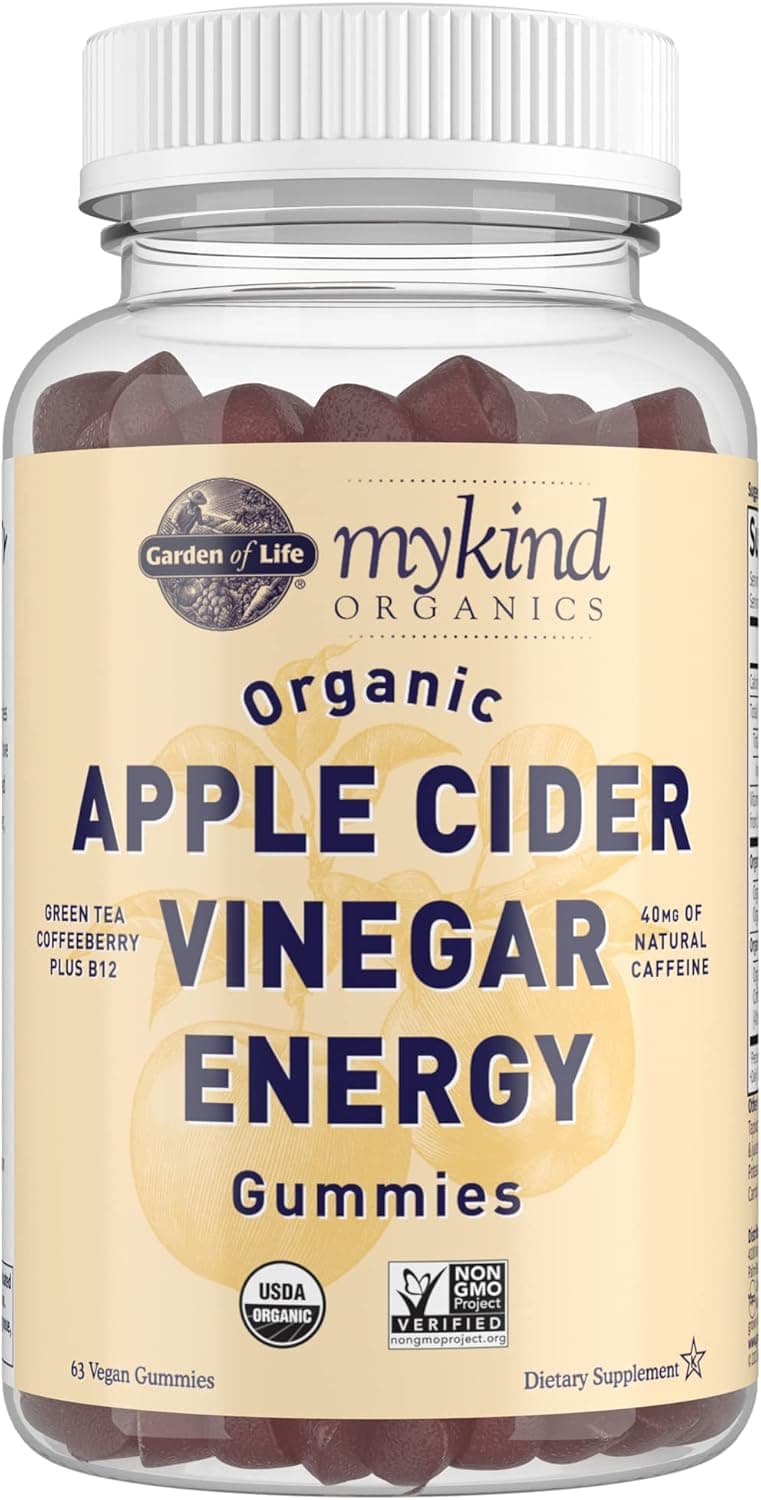
- Different product entirely. ACV supplements contain acetic acid, not apple polyphenols. The evidence for ACV is mixed at best for most claims.
Why these belong in the same formula. Each row says what the basis is, from settled biochemistry through to a trial that measured the pair.
Pectin is the soluble fibre of the apple, concentrated in the peel and the flesh matrix, and is the fraction responsible for its gel-forming behaviour in the gut. The extract is the same polysaccharide at a higher dose.
Apple peel is one of the main dietary sources of quercetin glycosides, which are hydrolysed and absorbed in the small intestine. Adding quercetin raises the same flavonol the fruit contributes.
Colonic bacteria ferment apple pectin into short-chain fatty acids including butyrate, the main fuel of the colonocyte. Supplying butyrate directly gives the same end product the fibre generates downstream.
Pectin and its oligosaccharide breakdown products are fermented by bifidobacteria, so the fruit fibre acts as substrate for the strain. Pairing a fermentable fibre with the organism that uses it is standard synbiotic practice.
Ascorbate reduces the phenoxyl radicals left after a flavonoid quenches an oxidant, returning the polyphenol to its active form. That recycling step is why fruit polyphenols and vitamin C are formulated together.
Apple polyphenols chelate ferric iron and pectin traps cations within its gel, so both reduce how much non-heme iron is taken up from the same meal. Separating an iron dose from a large fibre and polyphenol load avoids the loss.
The carboxyl groups on de-esterified pectin cross-link calcium ions into a gel, the same chemistry that sets fruit preserves. A high pectin load taken with calcium holds part of the mineral in that gel through the small intestine.
Apple pectin and inulin are both fermentable carbohydrates that reach the colon largely intact. They feed overlapping but not identical bacterial groups, pectin favouring pectinolytic species and inulin favouring bifidobacteria, so the pair broadens the substrate pool rather than doubling one. Short chain fatty acid production is the shared endpoint. Gas and bloating rise with total fermentable load, so the amounts add up.
Resistant starch escapes small-intestinal amylase and is fermented distally, while apple pectin is fermented more proximally in the colon. Pairing them spreads fermentation along a longer stretch of bowel. The practical read is a wider substrate mix, not a stronger single effect.
Apple polyphenols arrive in the colon mostly as glycosides that human enzymes handle poorly. Bacterial glycosidases and reductases, well described in Lactobacillus plantarum, cleave the sugar and open the ring to smaller phenolic acids that are absorbable. The bacterium is doing conversion work here, not adding a separate effect of its own.
Bifidobacterium longum carries a broad carbohydrate-active enzyme set and grows on the oligosaccharide fragments released as apple pectin is degraded. Supplying the organism and its substrate together is the standard synbiotic logic. What each person's existing flora does with the substrate still varies widely.
Psyllium forms a viscous gel and is only partly fermented. Apple pectin is viscous and heavily fermented. Taken together they raise luminal viscosity, which slows gastric emptying and the rate at which glucose reaches the brush border. Both need adequate fluid, and stacking two viscous fibres in one sitting is where people report discomfort.
Glucomannan is among the most water-binding of the soluble fibres, and apple pectin adds gel-forming capacity on top of it. The combined viscosity affects the texture and transit of a meal. Total fibre load should be counted across both rather than per ingredient.
Apple contributes quercetin glycosides, chlorogenic acid and procyanidins. Green tea contributes catechins. They pass through the same phase II conjugation and colonic degradation routes, so appearing together they compete for sulfotransferase and UGT capacity while adding to total circulating phenolic metabolites. This is measured as plasma metabolite chemistry, a marker, not as an outcome.
Polyphenols with catechol and galloyl groups, which apple supplies in quantity, bind non-heme iron in the gut lumen and form complexes the enterocyte cannot take up. Taking an apple-derived polyphenol concentrate at the same time as a ferrous salt lowers the fraction of that dose absorbed. Separating the two by a couple of hours is the ordinary way around it.
Uronic acid groups along the pectin backbone carry a negative charge at intestinal pH and bind divalent cations, zinc among them. The effect is smaller than the polyphenol effect on iron and depends on how much pectin is present. Spacing a zinc dose away from a large fibre load is a reasonable precaution rather than a hard rule.
Apple flavonoids act in the aqueous phase and vitamin E in the lipid phase of a membrane, and phenolics can regenerate the tocopheroxyl radical back to tocopherol in vitro. The pairing covers two compartments rather than one. Cell-free and cell-culture work is where most of this sits.
Saccharomyces boulardii is a transient yeast that does not colonise, and apple pectin supplies fermentable carbohydrate during its passage. The pairing is common in formulation practice. Direct evidence that pectin changes what the yeast does is thin.
Talk to a doctor before taking Apple if any of these apply to you: Supplement doses are almost always too low to matter, Just eat the fruit. These are flags to check first, not effects Apple is known to cause.
Not medical advice. Show the label to your pharmacist.What Apple actually does.
Apple pectin is a soluble fibre your own enzymes mostly cannot break down, so it reaches the colon intact and the bacteria living there ferment it into short chain fatty acids: acetate, propionate and butyrate.
Pectin soaks up water and turns into a thick gel in the upper gut. That slows how fast your stomach empties and slows the rate glucose from the same meal arrives at the gut wall.
The main apple polyphenols are quercetin glycosides in the skin, plus chlorogenic acid, phloridzin and oligomeric procyanidins in the flesh. The mix shifts with the variety, how ripe the fruit is, and whether the skin stayed on.
Polyphenols carrying a catechol group latch onto non-heme iron in your gut and form complexes the divalent metal transporter cannot pick up.
Where Apple comes from.
Most apple supplement material starts as the peel and core left over from juicing. That leftover is either dried and milled into a plain fruit powder, cooked with dilute acid to pull out pectin fibre, or washed with water and alcohol to concentrate the polyphenols. Which of the three you have changes what the ingredient does.
Made from a plant. What ends up in the capsule tracks the harvest, so batch testing and a stated marker matter more here than with a made molecule.
Supplement-grade apple material is usually pomace, the peel, core and pulp left after juicing, which is where most of the pectin and polyphenol content sits
Pomace or sliced fruit is dried by hot air, drum or spray drying. Heat and oxygen exposure during this step drive most of the polyphenol loss
Polyphenols are pulled with water and ethanol. Pectin is extracted separately with hot dilute acid, which is a different process on the same feedstock
Polyphenol extracts are concentrated on adsorbent resin. Pectin is precipitated with alcohol, washed and dried
Polyphenol extracts are assayed to total polyphenols or phloridzin. Pectin is graded by degree of esterification and galacturonic acid content
Flow agents and carriers are added, and pectin often doubles as the gelling system in the finished gummy
Getting Apple from food.
The whole-food sources on file. A supplement closes the gap, it does not replace dinner.
A gram-for-gram figure (how much of each you would eat to match a dose) will appear here once it is sourced and reviewed. This page will not print a number it cannot cite.
The forms it comes in.
The essence, in one line each.
- Pooling human trials of apple cider vinegar, the review found small reductions in body weight and waist measures in adults with raised blood sugar or excess body weight, and described the evidence base as limited.Systematic review. Castagna et al., 2025 (Nutrients). PMID 41010525 ↗
- A randomised crossover trial tested apple cider vinegar against control for its effect on urinary mineral chemistry.Randomised trial. Baker B et al., 2026 (International Urology and Nephrology). PMID 41351751 ↗
- Polyphenol-rich apple supplementation was reported to affect body weight gain and glucose handling in mice fed a high-fat diet.Animal study. Yu CHJ et al., 2023 (Scientific Reports). PMID 37821510 ↗
- Apple supplementation was reported to change haemodynamic measures and arterial lipid deposition in a genetically modified mouse model.Animal study. Soleti R et al., 2020 (Biomedicines). PMID 33198144 ↗
- Apple pomace fermented with non-Saccharomyces yeast was characterised as a modulator of gut microbial composition in a laboratory model.In vitro study. Liszkowska-Walisiak W et al., 2026 (International Journal of Molecular Sciences). PMID 41977149 ↗
- Apple pomace fed alongside hempseed cake was reported to lower methane intensity and shift the rumen microbiome in dairy cows.Animal study. Gorji AE et al., 2026 (Journal of Animal Science and Biotechnology). PMID 42337676 ↗
- Cashew apple bagasse and its hydroethanolic extract were reported to reduce elevated liver fat markers in rats. Cashew apple is a different botanical source from Malus domestica.Animal study. Hernandez-Perez S et al., 2026 (Antioxidants). PMID 42193214 ↗
These are the studies our verdict leans on, chosen from the 7,673 we read for Apple. The full linked list is below.
The studies, linked.
7 sources behind our Apple verdict: peer-reviewed studies and registered clinical trials. Every one links straight to PubMed, the journal, or ClinicalTrials.gov. Read them yourself.
- Clinical trialHEARTLINE - A Heart Health Study Using Digital Technology to Investigate if Early AF Diagnosis Reduces the Risk of Thromboembolic Events Like Stroke IN the Real-world EnvironmentClinicalTrials.gov ↗34,244 participants, Completed
- Clinical trialEnhanced Detection and Quickened Diagnosis of Atrial Fibrillation Using the Apple Watch: A Randomised Controlled Trial (EQUAL Study)ClinicalTrials.gov ↗436 participants, Completed
- Clinical trialStudy to Evaluate Botanicals for Mechanisms Related to Appetite and Fat Metabolism in Healthy, Overweight and Obese IndividualsClinicalTrials.gov ↗90 participants, Completed
- Clinical trialDevice Quantification of Scratch and Sleep in Atopic Dermatitis With Accelerometry and Polysomnography (ADAP) StudyClinicalTrials.gov ↗88 participants, Completed
- Clinical trialFungicide Exposure Assessment Among Apple and Peach Farmers in the Agricultural Health StudyClinicalTrials.gov ↗75 participants, Completed
- Clinical trialA Single-arm Clinical Trial to Evaluate the Safety and Efficacy of Digital Cognitive Behavioral Therapy With Wearable Device for InsomniaClinicalTrials.gov ↗30 participants, Completed
- Clinical trialScavenging of Endogenous Reactive Carbonyl Species by Apple Polyphenols in Healthy Human SubjectsClinicalTrials.gov ↗12 participants, Completed
Evidence surfaced via Semantic Scholar (Allen Institute for AI) and ClinicalTrials.gov. Ranked by study type and citation weight, not cherry-picked.
Problems people have reported.
Read this carefully. These are 4,252 voluntary, unverified reactions reported to the FDA (openFDA). The number mostly reflects how popular Apple is, not how risky it is. A report is not proof Apple caused anything. It is a signal of what to watch for, nothing more.
Source: openFDA adverse-event reports. Voluntary reporting, not an incidence rate.
FDA Disclaimer: These statements have not been evaluated by the Food and Drug Administration. This information is for educational purposes only and is not intended to diagnose, treat, cure, or prevent any disease. Consult your healthcare provider before starting any supplement regimen.