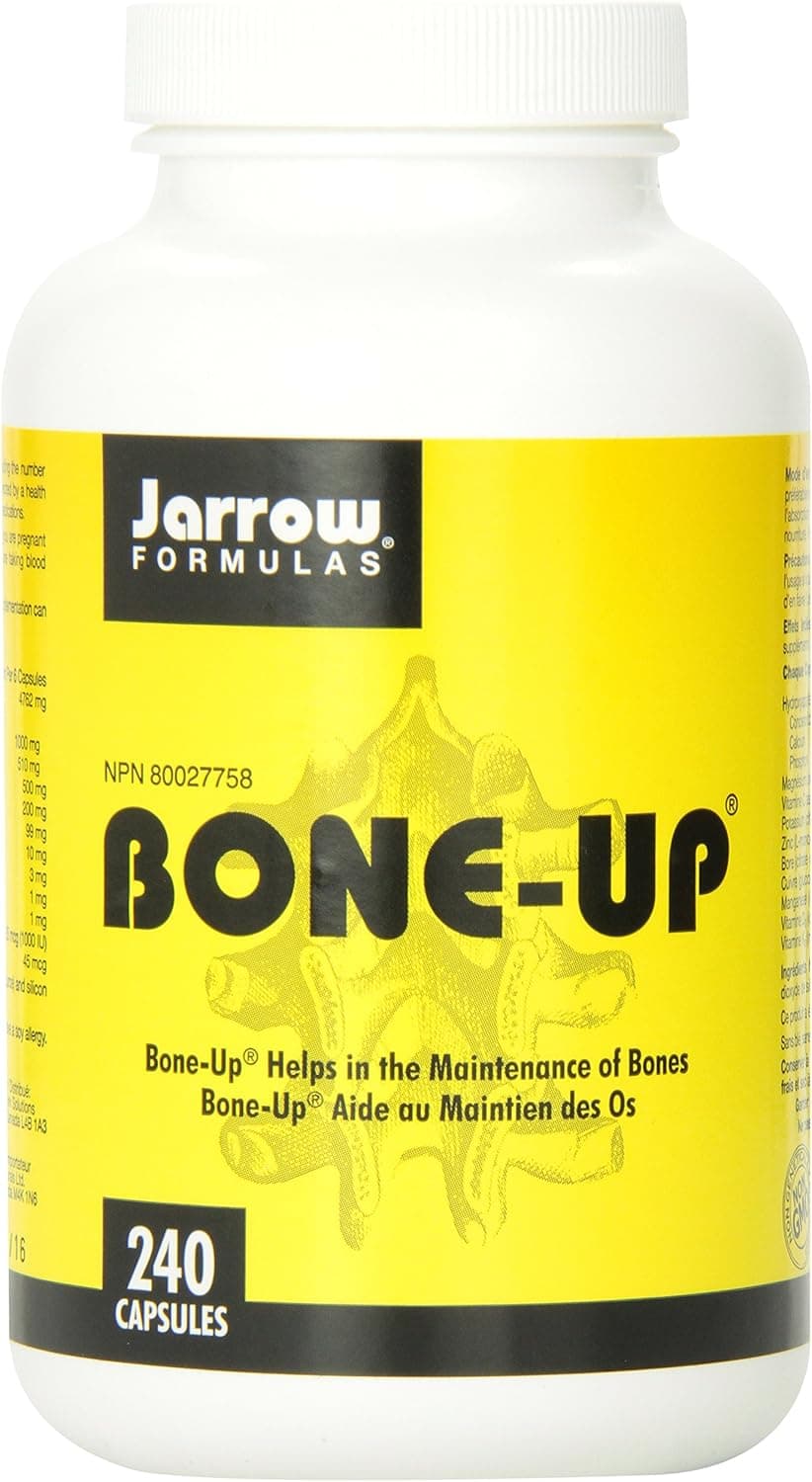
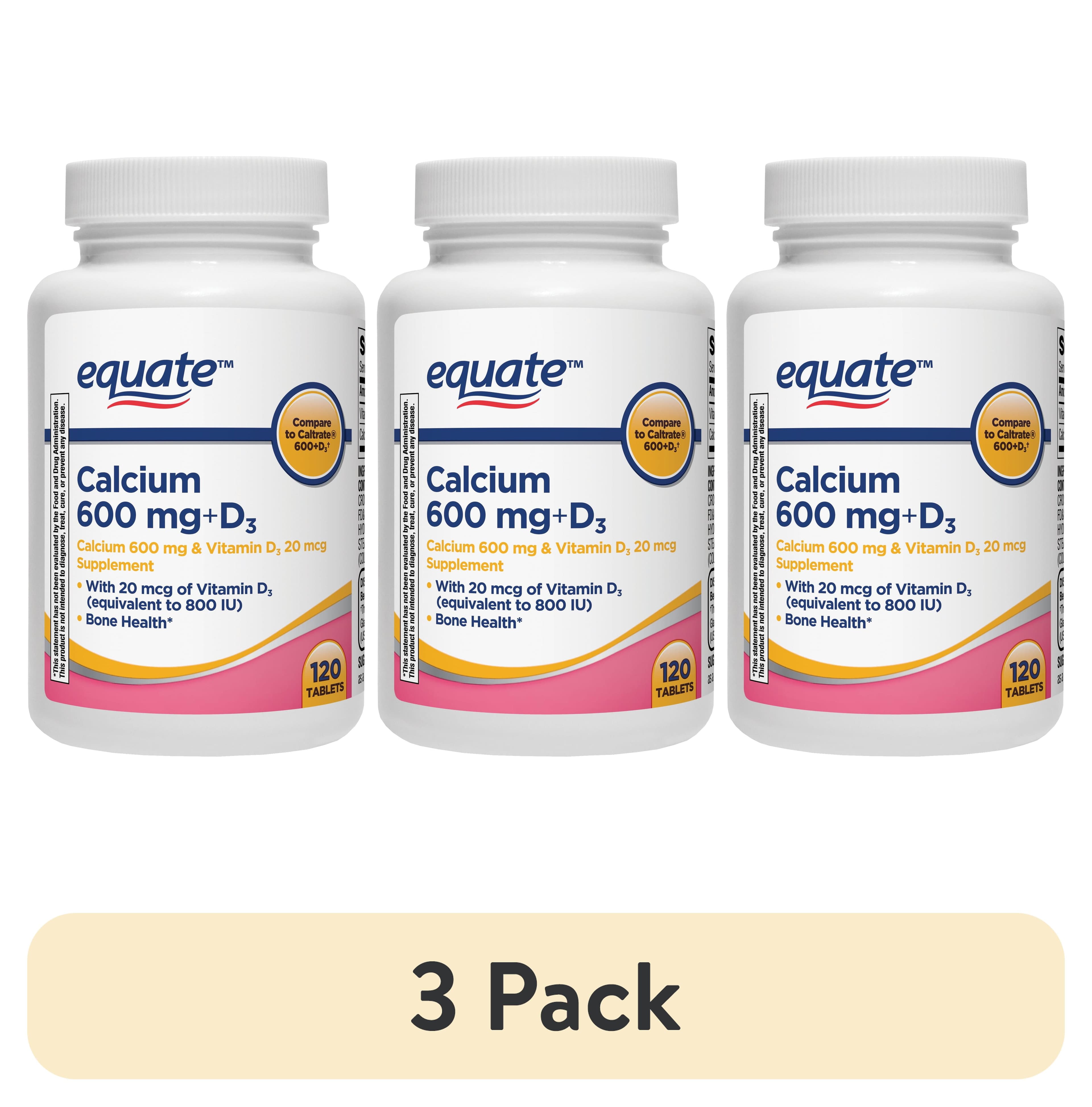
Ingredients/Mineral/Calcium

Calcium.

Concrete for your skeleton. Builds and maintains bones and teeth. It's also critical for muscle contraction, nerve signals, and blood clotting.

StrongResearch strength1,000mgDaily amount450Studies read

Reviewed March 2026

CAMineral
CalciumIngredientMD
Category
Mineral

Also filed under
BoneMuscleMineralHeart

What Calcium is, and what it does.

Does it work
Yes, but only if your diet is low. Crucial for postmenopausal women, vegans, or anyone who avoids dairy. If you eat cheese and yogurt daily, you're probably fine.
How much to take
Aim for 1000-1200mg total per day from food and supplements. Don't take it all at once. Split doses of 500mg or less for better absorption. Pair with Vitamin D.
Time to feel it
Within about one to six hours of a single dose.
The first dose
Nothing. This is a long game. Don't expect to feel different.
With regular use
Slower bone loss and reduced fracture risk, especially in older adults. It's about maintaining what you have, not gaining new superpowers.
How well tolerated
Well tolerated at recommended doses. High doses can cause constipation and may interfere with the absorption of other minerals like iron and zinc.
How it feels
Invisible. It works silently in the background, keeping your structure solid and your systems firing correctly.
The overlooked benefit
Calcium in the gut binds dietary oxalate so it leaves in stool rather than being absorbed, which is why taking it with a meal behaves differently from taking it between meals.

How common this is.

Public health figures for this ingredient, reported by the agencies that publish them, cited and dated.

Population figures from public health data. Context for the category, not a statement about any individual and not a claim about this product.

1,000mg a day is where Calcium works.

How much to take a dayHigh confidence
Up to 1,000mgA supporting role. Common in blends where this is one active among several.
1,000mg
Daily maintenanceThe everyday amount, and where most daily supplements sit. This is the one you take month after month.
1,500mgClinical territory. Trials run high on purpose, for a set number of weeks, against one measured outcome. Impressive to hit, and not what a daily product is for.
Above 2,500mgPast what the research covers. More capsules rather than more effect.
MORE EFFECT ↑01,000mg1,500mg plateauDAILY DOSE →
The shaded band is where the dosing trials landed.

Source: NIH ODS + USPSTF 2018 + WHI calcium trial

How long it takesPromising
WHAT THE TRIALS MEASUREDthe level the trials measuredDay 0TIME ON IT →
Builds over within about one to six hours of a single dose

A randomised cross-over trial in ten women of mean age 69 gave a single 500 mg dose of calcium as citrate fasting, citrate with a meal, fortified juice or a dairy product meal, with blood drawn before and at 1, 2, 4 and 6 hours. Serum ionised and total calcium increased significantly from baseline over six hours, with the rise similar after fortified juice, delayed when citrate was taken with a meal and smaller after the dairy meal. A separate double-blind cross-over trial in 25 postmenopausal women measured parathyroid hormone and a bone resorption marker 12 hours after a single calcium dose. Ten participants is a small sample, and what moved was blood chemistry, not a sensation.

The proof, claim by claim.

These words describe the research, not the molecule's worth. Research strength is how much work stands behind one claim, and it is never a product score.

Extensively studied.

Essential mineral.

3 citations on page
  • Slows bone mineral density (BMD) loss in postmenopausal womenMeta-analysis of 59 RCTs
  • Reduces risk of preeclampsia in pregnant womenCochrane Review of 27 trials (n=18,064)
  • Reduces fracture risk (specifically hip and vertebral)Systematic Review of 53 RCTs
PubMedCochraneClinicalTrials.govNIH ODSSUPP.AI450 studies readLabs test. IngredientMD verifies.PubMedCochraneClinicalTrials.govNIH ODSSUPP.AI450 studies readLabs test. IngredientMD verifies.

Questions people ask about Calcium.

Do I need to take it with Vitamin D?
Yes. They're a team. D helps you absorb the calcium. Taking calcium alone is less effective.
Can I get enough from food?
Easily, if you eat dairy, fortified foods, or leafy greens. Three servings of dairy usually gets you there.
Will it give me kidney stones?
Unlikely from diet. High-dose supplements might slightly increase risk in susceptible people. Stay hydrated.
What's the best time to take it?
With a meal to improve absorption, especially for carbonate. Split your dose; your body only absorbs about 500mg at a time.
Does it cause constipation?
It can. Calcium carbonate is the usual culprit. Try calcium citrate or increase fiber and water if it's an issue.

What the trials show about these together.

Outcomes the engine found studied for these actives as a combination, not one at a time. Each is a finding a named trial measured, cited and dated, never written by the brand.

  • Calcium + MagnesiumStrength

    In a 12-month randomised, double-blind trial, 98 adults aged 50 and over drank a litre a day of either a naturally calcium- and magnesium-rich mineral water or a low-mineral water. The mineral-rich group had fewer falls at the 6-month assessment and higher appendicular muscle mass, with the minerals delivered as drinking water rather than a capsule.

    Promising

Research strength. Research strength says how much work stands behind the combination. It is never a product score.

Fail closed. Where actives were studied on their own rather than together, the record shows each on its own evidence, never a combined effect no trial measured.

Independent record. Every finding is cited to a named trial, dated, and never written by the brand.

Findings from trials that studied these actives as a combination. Context for how the actives were tested together, not a statement about any individual and not a claim about this product.

Pairs well with25 on file

Why these belong in the same formula. Each row says what the basis is, from settled biochemistry through to a trial that measured the pair.

Calcium + Vitamin D3Established biochemistry

Active vitamin D switches on the calcium-binding proteins and channels in the gut lining that carry calcium across the intestinal wall, so the body absorbs far more of the calcium it takes in. With too little vitamin D, much of a calcium dose passes straight through unabsorbed.

Calcium + Vitamin K2Vitamin K-dependent carboxylation

Vitamin K2 is the cofactor that carboxylates the Gla proteins, osteocalcin in bone and matrix Gla protein in soft tissue, and only once carboxylated can these proteins bind calcium and hold it where it belongs. Without vitamin K2 the proteins stay uncarboxylated and inactive, unable to bind the calcium they are built to manage.

Calcium + MagnesiumCofactor and mineral balance

The enzymes that turn vitamin D into its active form need magnesium as a cofactor, and that active vitamin D is what drives calcium absorption, so calcium handling leans on magnesium being present. At high intakes the two minerals also compete for uptake, which is why they tend to be balanced rather than dosed lopsidedly.

Calcium + IronDocumented absorption interaction

Calcium taken in the same dose or meal blunts how much iron the gut takes up, because the two minerals interfere at the point of absorption. Spacing an iron dose a couple of hours away from calcium lets the body take up more of the iron.

Calcium + Zinccompetition for intestinal absorption

Large calcium doses taken with zinc in the same meal lower zinc uptake, since both cross the enterocyte through overlapping divalent routes. Separating the doses by a few hours removes the competition.

Calcium + Strontium Citrateshared bone mineral uptake pathway

Strontium and calcium are close chemical relatives that compete for the same intestinal absorption and the same sites in bone mineral. Usual practice is to take them at separate times.

Calcium + Boronmineral retention and vitamin D handling

Boron influences urinary calcium and magnesium loss and the handling of vitamin D metabolites that govern calcium absorption.

Calcium + Vitamin K2 (MK-7)carboxylation of calcium-binding proteins

MK-7 carboxylates osteocalcin and matrix Gla protein, the proteins that direct where calcium is deposited. It is the long-circulating form used for that purpose.

Calcium + Phytasephytate degradation frees bound minerals

Phytate in grains and legumes chelates calcium and blocks its absorption. Phytase cleaves phytate and releases the mineral for uptake.

Calcium + Inulincolonic fermentation aids mineral uptake

Fermentation of inulin lowers colonic pH and keeps calcium in a soluble ionised form for absorption further down the gut.

Calcium + Psyllium Huskviscous fibre binding in the gut

A viscous fibre gel slows and partly binds mineral cations moving through the small intestine, lowering the calcium available for uptake in that meal. Dosing them apart avoids it.

Calcium + Saltsodium-driven urinary calcium loss

Sodium and calcium are reabsorbed together in the renal tubule, so a high sodium load raises urinary calcium excretion. More calcium leaves the body for the same intake.

Calcium + Caffeinemodest rise in urinary calcium

Caffeine produces a small measurable increase in urinary calcium loss and a slight reduction in intestinal absorption. The effect is modest but well described.

Calcium + Manganesebone matrix enzyme cofactor

Manganese is a cofactor for glycosyltransferases that build the cartilage and bone matrix calcium is deposited into, and at high doses it competes weakly with calcium for divalent uptake.

Calcium + Siliconcollagen matrix formation in bone

Silicon is involved in forming the collagen scaffold that calcium mineralises onto.

Calcium + PotassiumRenal handling of calcium is coupled to sodium and potassium intake; potassium-rich intake lowers urinary calcium loss.

How much calcium a person retains depends on how much leaves in urine, not only on how much goes in. A higher potassium intake reduces urinary calcium excretion, largely by offsetting the calciuric effect of a high sodium load. That makes potassium intake part of the calcium balance picture rather than a separate topic. Urinary calcium is a marker of balance, not a bone outcome on its own.

Calcium + PhosphorusBone mineral is calcium phosphate laid down as hydroxyapatite, and both minerals are regulated by the same hormonal loop.

Hydroxyapatite is built from calcium and phosphate together, so normal bone mineralisation needs an adequate supply of each. Parathyroid hormone, vitamin D metabolites and FGF23 move the two in a linked way, which is why one cannot be considered in isolation. Very high phosphate intake alongside low calcium intake shifts that hormonal signalling. This is established mineral physiology rather than a supplement combination trial.

Calcium + Vitamin B12Ileal uptake of the intrinsic factor and B12 complex by the cubam receptor is calcium dependent.

B12 does not cross the ileal wall on its own. It binds intrinsic factor, and the receptor that takes that complex up requires ionised calcium at the membrane. Adequate calcium status therefore sits upstream of normal B12 absorption. The relationship is textbook transport biochemistry, not a combination product claim.

Calcium + Vitamin K1Vitamin K dependent carboxylation of osteocalcin and matrix Gla protein gives those proteins their calcium-binding sites.

Osteocalcin and matrix Gla protein only bind calcium once vitamin K dependent enzymes carboxylate their glutamate residues. Vitamin K1 is the dietary form that dominates in leafy vegetables and feeds that same carboxylation step. So calcium supply and vitamin K status act on different parts of one process: the mineral and the proteins that position it. Carboxylation status is a biochemical marker, not a bone outcome by itself.

Calcium + Sodium bicarbonateAn alkali load reduces urinary calcium excretion and lowers net acid excretion.

Bicarbonate raises systemic buffering capacity, and one measured consequence is less calcium appearing in urine. Bicarbonate also neutralises gastric acid, which matters for carbonate salts that need acid to dissolve, so timing separates the two effects. Both observations are about markers and dissolution chemistry rather than a bone endpoint.

Calcium + L-lysineLysine has been reported to increase intestinal calcium uptake and reduce its urinary loss in small human studies.

Small feeding studies have described higher fractional calcium absorption and lower urinary calcium when lysine intake rises. The work is limited in size and the endpoints are absorption and excretion markers. It is a plausible mechanistic pairing that has not been carried to a hard outcome.

Calcium + Whey protein isolateProtein intake raises urinary calcium yet also raises intestinal absorption and supplies the matrix bone is built on.

Dietary protein pulls in two directions for calcium: it increases urinary calcium output and it increases fractional absorption. Net balance in controlled feeding work generally holds when calcium intake is adequate, which is the condition that matters for pairing. Whey isolate also carries its own calcium from dairy processing, so label calcium and added calcium can overlap.

Calcium + Tannic acidPolyphenolic tannins form insoluble complexes with divalent cations in the gut lumen.

Tannins bind divalent metals, and that chemistry is why strong tea and tannin-rich foods reduce mineral solubility at the point of absorption. The effect is concentration and pH dependent and is most often measured for iron. Where the concern applies, separating intake by a couple of hours is the ordinary formulation answer.

Calcium + RetinolHigh preformed vitamin A intake has been associated with altered bone remodelling markers in observational work.

Cohort data have linked high intakes of preformed vitamin A with less favourable bone density measures, and retinoic acid signalling opposes some vitamin D dependent transcription in cell work. That is an association plus a mechanism, not a demonstrated cause. Beta-carotene does not carry the same signal because conversion is regulated.

Calcium + PancreatinLuminal fatty acids released by lipolysis can form insoluble calcium soaps.

Free fatty acids in the small intestine bind calcium into poorly soluble soaps, which is why fat malabsorption and calcium handling interact. Enzyme preparations that increase lipolysis change the fatty acid profile in the lumen. The interaction is chemical and dose dependent rather than a fixed rule.

Who should be cautious

Talk to a doctor before taking Calcium if any of these apply to you: Hypercalcemia. These are flags to check first, not effects Calcium is known to cause.

Not medical advice. Show the label to your pharmacist.

What Calcium actually does.

Established

Bone mineral is a calcium and phosphate lattice laid down on a collagen scaffold, so calcium supply is one of the raw materials of normal bone turnover.

Established

Three hormones hold blood calcium in a narrow range by acting on your gut, kidneys and bone. Your skeleton is the reservoir that loop draws on.

Established

Calcium coming in through voltage-gated channels is the trigger for muscle contraction. It releases more calcium from internal stores so the fibres can pull.

Established

At the end of a nerve, incoming calcium is what makes the message-carrying vesicles fuse and release. That's why calcium channel pharmacology reaches so many tissues.

Mineral, 5 steps on record

Where Calcium comes from.

Nearly all supplement calcium starts as rock or shell that is ground and cleaned. It either stays as calcium carbonate or gets combined with a food acid to make citrate and the other forms. Because each form carries a different amount of actual calcium, labels state the elemental amount.

From a mineral source, then refined and usually bound to a carrier so the body can take it up.

Starts as
Mined carbonate rock or shell material

Limestone, marble, dolomite, oyster shell or fossilised algae are the usual starting materials; some grades come from purified brine or from food-grade synthesis.

Purified by
Milling, washing and heavy-metal screening

Rock sources are ground and washed, then screened for lead, cadmium, arsenic and mercury, since natural mineral deposits carry those elements at variable levels.

Converted by
Salt formation

Carbonate is reacted with an organic acid to give citrate, malate, lactate, gluconate or ascorbate salts, or with phosphoric acid for the phosphate salts. Bisglycinate is formed by chelating calcium with two glycine molecules.

Standardised to
Elemental calcium assay

Each salt carries a different percentage of elemental calcium by weight, so the finished powder is assayed and the label states elemental calcium rather than salt weight.

Ends up as
Granulation into tablets, capsules, chewables or liquids

Carbonate's high elemental density suits tablets; the bulkier organic salts more often appear in capsules, powders and liquids.

Getting Calcium from food.

The whole-food sources on file. A supplement closes the gap, it does not replace dinner.

Plain YogurtSardines (canned, with bones)Firm Tofu (calcium-set)

A gram-for-gram figure (how much of each you would eat to match a dose) will appear here once it is sourced and reviewed. This page will not print a number it cannot cite.

The forms it comes in.

Calcium carbonateA crossover trial found carbonate and citrate identical over 24 hours; a pooled analysis measured 20 percent more absorption from citrate.Fits High dose calcium tablets taken with food, where the elemental share keeps the tablet count and the tablet size down. The salt's alkalinity also suits chewable and antacid style formats, and it presses and coats predictably at high loadings.Trade-off Its dissolution depends on stomach acid, and calcium citrate is the form indicated for people with achlorhydria or on proton pump inhibitor therapy. Head to head absorption results conflict: a pooled analysis favoured citrate, a later controlled crossover found the two identical.Heaney 2001, Absorbability and cost effectiveness in calcium supplementation
Calcium citratePooled trials measured 20 percent more absorption than carbonate, and post-bariatric trials agree. One trial in postmenopausal women found no difference.Fits Formulas intended to be taken away from meals, drink mixes and sachets where the calcium has to go into solution, and products aimed at people with achlorhydria or on proton pump inhibitor therapy, the population for which this form is indicated. It is also the form carried through post bariatric protocols.Trade-off Citrate is 21% elemental calcium by weight, so the same calcium dose takes more tablet mass than carbonate. In a fasted study of seven calcium salts in 27 women, citrate was the one salt that lowered non-heme iron bioavailability. One crossover in vitamin D replete postmenopausal women found no absorption difference against carbonate.Sakhaee 1999, Meta-analysis of calcium bioavailability: a comparison of calcium citrate with calcium carbonate
Calcium citrate malateIn fortified juice, 25 women absorbed 148 mg of calcium from this form versus 100 mg from a phosphate lactate blend.Fits Calcium fortified beverages, clear drink mixes, chewables and foods carrying a modest dose per serving, where staying in solution in the matrix matters more than the elemental share or the tablet size.Trade-off Nearly all the human evidence comes from fortified juices and modest per serving doses, so it does not directly describe how the form behaves in a high dose tablet. The bone outcome anchor is a foundational 1993 trial in adolescent girls, a narrow population.Lloyd 1993, Calcium supplementation and bone mineral density in adolescent girls
Calcium lactate gluconateOne trial in women over 62 with low calcium intake saw bone density rise at two hip sites.Fits Effervescent tablets, dissolvable sachets and liquid formats, where the calcium has to be fully in solution before it is swallowed and where tablet swallowing is the barrier the format exists to remove.Trade-off The effects reported are site-specific and time-limited: no significant change at spine or femoral neck in the elderly trial, and the paediatric bone density difference was absent at 12 months. The bulk of the salt also limits how much calcium fits into one serving.Lau 1992, The effects of calcium supplementation and exercise on bone density in elderly Chinese women
Ossein-hydroxyapatite complexA bone-derived calcium with collagen. Pooled trials measured a small 1.02 percent bone density difference across six trials.Fits Bone-support formulas where the accompanying collagen and mineral matrix of the complex is part of the intended composition rather than calcium alone, and positioning built around a whole-bone-matrix ingredient story.Trade-off It is derived from animal bone, so it does not fit vegan or bovine-free formulas. The pooled bone density difference of 1.02% is small in absolute terms, rests on six trials, and several of the supporting trials are open-label and come from a narrow group of investigators.Castelo-Branco 2009, Efficacy of ossein-hydroxyapatite complex compared with calcium carbonate to prevent bone loss: a meta-analysis
Calcium gluconateCalcium paired with two molecules of gluconic acid, a sugar acid produced by fermenting glucose. The gluconate part is heavy, so calcium is only about 9 percent of the compound by weight. It goes into water without grit and carries a mild, close to neutral taste.Fits Liquids, syrups, effervescent tablets and fortified drinks, where a form that dissolves cleanly matters more to the formulator than dose density. Also used as a firming agent in food manufacturing and in hospital preparations, and it suits a label that wants no chalky mouthfeel.Trade-off At roughly 9 percent calcium by weight, 500 mg of elemental calcium would take more than 5 grams of raw material, so it usually appears as a partial contributor or in a liquid rather than as a standalone tablet. No human outcome trial is carried for this form, so this row describes what it is, not what it does.Active and formulation aid
Calcium aspartateCalcium held by aspartic acid, an amino acid that binds the mineral at two points rather than one. That two-point binding is what the trade means by a chelate, and it keeps the mineral tied up in a compound that stays intact in a dry blend. Calcium is a minor share of the total compound weight compared with calcium carbonate.Fits Multi-mineral and amino acid chelate blends, often alongside magnesium aspartate, and capsule products where a neutral tasting powder with no chalk note is wanted. Suits a label positioning itself around chelated minerals rather than commodity mineral salts.Trade-off The low calcium share by weight makes a full daily dose bulky in capsules, and the aspartate carries an amino acid load that some formulators would rather not add. No human outcome trial is carried for this form.
Calcium orotateCalcium paired with orotic acid, a compound involved in pyrimidine synthesis. The form dates to the mineral transporter theories of Hans Nieper and is sold in small capsule doses rather than as a bulk mineral source. Calcium is a minor part of the compound weight.Fits Small dose capsule products and niche mineral lines built around a specific carrier story, where the volume of mineral delivered is not the point of the product. Powder handles well in a capsule fill and does not add a chalk taste.Trade-off Costs far more per gram of calcium than the commodity mineral salts, and human outcome research is essentially absent, so a brand choosing it is buying a positioning story rather than a documented result. No human outcome trial is carried for this form.
Coral calciumGround fossilised coral, harvested from above-ground or seabed deposits, whose mineral core is calcium carbonate with small amounts of magnesium and other trace minerals held in the coral matrix. Chemically the calcium in it is the same carbonate found in limestone-derived calcium carbonate.Fits Products built around a natural marine sourcing story and multi-mineral positioning, where the trace mineral content and the origin are part of what the label is saying. Dense enough in calcium to keep tablet counts sensible.Trade-off The category carries a documented history of marketing overreach, including United States regulatory action against sellers, so a brand using it inherits that context. Sourcing raises ecological questions and mined marine material needs heavy metal testing batch by batch. No human outcome trial separates it from ordinary calcium carbonate.
DolomiteA mined mineral rock, calcium magnesium carbonate, that carries both minerals in one crystal at roughly two parts calcium to one part magnesium by weight. Nothing is chelated or bound to an organic acid; this is ground rock, and the carbonate needs an acid environment to break apart.Fits Low cost of goods products that want calcium and magnesium from a single raw material rather than two, and natural or wholefood positioned lines where a mined mineral fits the story. Its density means fewer tablets for a given mineral load.Trade-off Mined mineral material has historically shown lead and other heavy metal contamination in some sources, so certificate of analysis testing per batch is the price of using it. It is gritty, tablets are large, and the carbonate depends on stomach acid to break down. No human outcome trial is carried for this form.
Oyster shell calciumCleaned and milled oyster shell, which is calcium carbonate laid down by the animal, plus trace minerals from the shell matrix. The calcium chemistry is the same carbonate as the limestone-derived material, arriving from a shellfish source instead of a quarry.Fits Natural sourcing positioning and low cost of goods formulas that need a dense calcium raw material so tablet size stays manageable. Common in bone formulas sold on a wholefood story.Trade-off It is a shellfish allergen and must be declared as one, which rules it out for a large part of the market. Shell material concentrates what the water held, so heavy metal testing per batch matters, and the carbonate depends on stomach acid to break down. No human outcome trial is carried for this form.
Bone meal calciumMilled animal bone, mostly bovine, carrying calcium phosphate along with phosphorus, magnesium and the trace minerals bone holds. It is a less refined relative of microcrystalline hydroxyapatite, processed to a powder rather than to a preserved crystal concentrate.Fits Traditional and wholefood positioned formulas, and low cost of goods products that want a dense calcium and phosphorus source from a single animal-derived raw material.Trade-off Bone concentrates lead over an animal's lifetime, so sourcing and per batch heavy metal testing are the condition of using it, and animal sourcing excludes vegetarian and vegan lines. No human outcome trial is carried for this form.
Calcium lactateCalcium paired with lactic acid, made by fermentation rather than from dairy, so the form contains no milk despite the name. Calcium is about 13 percent of the compound by weight. It dissolves readily in water and stays in solution across a wider pH range than carbonate does.Fits Beverages, powders and chewables where clean dissolution and a mild taste decide the form, plus food manufacturing as a firming agent and calcium fortificant. Suits dairy-free positioning once the naming is explained on pack.Trade-off At about 13 percent calcium, a meaningful elemental dose takes several grams of material, which pushes it toward liquids and blends rather than a compact tablet. The name reads as dairy to shoppers and needs a line of copy to clear up. No human outcome trial is carried for this form.Active and formulation aid
Calcium ascorbateThe calcium salt of ascorbic acid, in which the mineral neutralises the acidity of vitamin C. Calcium is around a tenth of the compound by weight, so roughly a gram of the material carries on the order of a hundred milligrams of elemental calcium. In most products the vitamin C is the reason it is there and the calcium arrives with it.Fits Buffered or non-acidic vitamin C products, chewables and powders where plain ascorbic acid would be too sour or too harsh on tooth enamel, and stacks that want the calcium counted rather than wasted.Trade-off The calcium dose is locked to the vitamin C dose, so it cannot be raised independently, and a high-dose vitamin C serving quietly adds calcium a shopper may already be getting elsewhere. No human outcome trial is carried for this form as a calcium source.Active and formulation aid
Calcium bisglycinateCalcium held between two glycine molecules, the smallest amino acid, each binding the mineral at two points to form a ring. That structure keeps the mineral bound in a compound that stays intact through a dry blend and does not taste chalky or metallic.Fits Chelated multi-mineral formulas, capsule and stick-pack products, and lines that want a gentle mouthfeel with no carbonate grit. Glycine is small enough that the compound stays reasonably dense for a chelate.Trade-off It carries less calcium per gram than carbonate does and costs more per gram of mineral, so a full daily dose means more capsules or a larger tablet. No human outcome trial is carried for this form.
Calcium malateCalcium paired with malic acid, the fruit acid that gives apples their sharpness. The malate binds the mineral at two points and the resulting salt dissolves more readily in water than carbonate does, with a mildly tart rather than chalky character.Fits Flavoured powders and drink mixes where a slight fruit-acid note works with the flavour system, and blends that want an organic acid salt without the amino acid load of a chelate.Trade-off Calcium is a modest share of the compound weight, so dose density is lower than a carbonate at the same tablet size. No human outcome trial is carried for this form on its own.Active and formulation aid
Tricalcium phosphateA calcium phosphate salt that is dense in calcium, around 38 percent by weight, and carries phosphorus with it. It is a fine white powder that flows well, and food manufacturing also uses it as an anticaking agent, which is why it can appear on a panel as an ingredient chosen for handling rather than for the mineral.Fits Fortified foods and plant milks, tablets where dose density has to stay high without the tablet growing, and powder blends that need a free-flowing anticaking agent doing two jobs at once.Trade-off It is close to insoluble in water and depends on an acid environment to break apart, it adds phosphorus to the formula total, and it is gritty in a drink. No human outcome trial is carried for this form.Active and formulation aid
Dicalcium phosphateA calcium phosphate salt that compresses well under tablet pressure, which made it one of the most widely used tablet fillers in the industry. Calcium is roughly a quarter to a third of its weight depending on hydration, so a tablet can carry meaningful calcium from an ingredient that was chosen to hold the tablet together.Fits Tablet manufacturing where a compressible, chemically stable filler is needed, and calcium or bone tablets that want the filler and the mineral to be the same material rather than two.Trade-off Its presence on a panel does not always mean calcium was the intent, since it is frequently there as an excipient, and a shopper reading the panel cannot tell which. It is close to insoluble in water and depends on stomach acid. No human outcome trial is carried for this form.Active and formulation aid
Algae-derived calciumMineralised skeletal remains of red marine algae, chiefly Lithothamnion calcareum, harvested after the algae die and settle. The mineral core is calcium carbonate with magnesium and a spread of trace elements held in a porous honeycomb structure rather than a dense crystal.Fits Vegan and plant-sourced positioning, which the mineral salts and bone-derived forms cannot serve, and multi-mineral bone formulas that want magnesium and trace elements arriving in the same raw material.Trade-off The calcium chemistry underneath is still carbonate and depends on stomach acid, the harvested marine material costs more per gram of calcium than quarried carbonate, and marine sourcing carries its own supply and testing questions. No human outcome trial is carried for this form in this record.
Calcium alpha-ketoglutarateAlpha-ketoglutarate, a Krebs cycle acid, stabilised as its calcium salt because the free acid is hygroscopic and awkward to handle in a powder. The calcium is the counter-ion that makes the raw material workable, not the reason the ingredient was chosen, and it is a small share of the compound weight.Fits Longevity and cellular energy formulas built around AKG itself, in capsules and stick packs where a stable, non-clumping powder is needed.Trade-off A panel can list it under calcium even though calcium was incidental to the choice, so the elemental contribution is small and should not be read as a calcium product. No human outcome trial is carried for this form as a calcium source.Formulation aid
Calcium pyruvatePyruvic acid stabilised as its calcium salt, since the free acid is unstable in a dry product. As with other counter-ion forms, the pyruvate is what the formula is buying and the calcium comes along as the pairing that makes the powder stable.Fits Metabolic and body composition formulas built around pyruvate, in capsules and tablets where the free acid would degrade on the shelf.Trade-off The calcium share is incidental and small, so listing it as a calcium source overstates what it contributes. No human outcome trial is carried for this form as a calcium source.Formulation aid
Calcium chlorideA simple, highly water soluble calcium salt that dissolves fast and releases heat as it does. It tastes sharply salty and slightly bitter, which is why it is dosed in small amounts rather than used to carry a full mineral load.Fits Electrolyte drinks and mineral drops where a small calcium contribution has to stay fully dissolved, brewing and cheesemaking water treatment, and food manufacturing as a firming agent for canned vegetables and tofu.Trade-off The taste puts a hard ceiling on how much can go into a drinkable product, and it is irritating in concentrated form, so it is a small-inclusion ingredient rather than a calcium dose. No human outcome trial is carried for this form as a calcium source.Formulation aid
Calcium sulfateA poorly soluble calcium salt, the same compound as food-grade gypsum, dense in calcium by weight and chemically stable. It is used far more as a processing material than as a supplement mineral: it is the classic tofu coagulant and a tablet diluent that compresses predictably.Fits Tablet manufacturing that needs a stable, low-cost diluent, and food production as a coagulant and dough conditioner, where a calcium contribution to the finished food comes along with the processing function.Trade-off It barely dissolves in water and is chosen for what it does in a process rather than for the mineral, so a panel line naming it says little about how much calcium the product was designed to deliver. No human outcome trial is carried for this form.Formulation aid
Calcium in our library10 forms

Same mineral in different salts. Each is its own molecule with its own page, and absorption and feel differ from one to the next.

See all 10 forms
What the strongest studies found

The essence, in one line each.

  1. In adults aged 50 and older, calcium with or without vitamin D slowed bone mineral density loss by about 0.5% at the hip and 1.2% at the spine, pooled across 23 trials that measured bone density.Meta-analysis. Tang et al., 2007 (The Lancet). PMID 17720017
  2. Taking 1,200 mg of calcium a day reduced overall premenstrual symptom scores by 48% from baseline by the third cycle, compared with a 30% drop on placebo.Randomised trial. Thys-Jacobs et al., 1998 (American Journal of Obstetrics and Gynecology). PMID 9731851
  3. In adults with excess body weight, calcium supplementation produced small reductions in body weight and body fat compared with placebo.Meta-analysis. Systematic review and meta-analysis, 2024. PMID 38721870
  4. Calcium taken around prolonged load carriage lowered blood markers of bone calcium loss compared with placebo; these are markers, not measured bone outcomes.Randomised trial. Randomised controlled trial, 2025. PMID 39804018
  5. For supplementation commenced before pregnancy the evidence base was small and the review's conclusions were correspondingly uncertain.Systematic review. Cluver CA et al., 2025 (The Cochrane database of systematic reviews). PMID 40965861
  6. An umbrella review of existing systematic reviews on calcium supplementation in pregnancy, summarising how consistent the pooled estimates are across reviews.Systematic review. Kumsa H et al., 2025 (Frontiers in medicine). PMID 40109721
  7. A narrative-leaning systematic review of clinical studies of calcium supplementation in pregnancy, mapping doses, timing and reported outcomes.Systematic review. Gerede A et al., 2025 (Medicina). PMID 40731825
  8. Across the pregnancy and infant outcomes it examined, the review found the evidence generally limited and imprecise.Systematic review. Kongwattanakul K et al., 2024 (The Cochrane database of systematic reviews). PMID 39560075
  9. Two randomised trials compared a lower daily calcium dose with the higher standard dose in pregnancy; the lower dose met the prespecified non-inferiority margin for one outcome but not for every outcome tested, which is a statement about margins and not a demonstration of equivalence.Randomised trial. Dwarkanath P et al., 2024 (The New England Journal of Medicine). PMID 38197817
  10. Secondary analyses of two randomised pregnancy trials examined maternal haemoglobin and iron status markers under calcium supplementation; these are biochemical markers rather than clinical endpoints.Randomised trial. Ali NB et al., 2026 (The American Journal of Clinical Nutrition). PMID 42067065
  11. Calcium supplementation was assessed against interleukin markers (IL2, IL4, IL6, IL10) and oxidative stress markers in pregnancy; the outcomes reported are laboratory markers, not clinical events.Randomised trial. de Brito Pitilin E et al., 2024 (BMC Pregnancy and Childbirth). PMID 38245691
  12. A published protocol for a triple-blind randomised trial in pregnancy, so it describes planned methods and reports no results.Randomised trial. Meher S et al., 2026 (Trials). PMID 41845444
  13. A commentary raising trial trustworthiness concerns about studies included in the 2025 Cochrane review, which is a reason to read the pooled pregnancy estimates with caution.Narrative review. Torloni MR et al., 2026 (Reproductive Health). PMID 42374462
  14. Seminal fluid phosphate concentration was linked with semen quality measures but did not track with supplement intake; an association between two measurements, not a cause.Cohort study. Toft FB et al., 2025 (European Journal of Endocrinology). PMID 40690555
  15. Adding calcium to resuscitation fluids changed measured blood calcium in endurance horses; an animal study in a clinical veterinary setting, not human evidence.Animal study. Fielding CL et al., 2023 (Journal of Veterinary Internal Medicine). PMID 37129859

These are the studies our verdict leans on, chosen from the 15,968 we read for Calcium. The full linked list is below.

Primary evidence

The studies, linked.

7 sources behind our Calcium verdict: peer-reviewed studies and registered clinical trials. Every one links straight to PubMed, the journal, or ClinicalTrials.gov. Read them yourself.

  1. ClinicalTrials.gov
  2. ClinicalTrials.gov
  3. ClinicalTrials.gov
  4. ClinicalTrials.gov
  5. ClinicalTrials.gov
  6. ClinicalTrials.gov
  7. ClinicalTrials.gov

Evidence surfaced via Semantic Scholar (Allen Institute for AI) and ClinicalTrials.gov. Ranked by study type and citation weight, not cherry-picked.

Side effects reported to the FDA

Problems people have reported.

Read this carefully. These are 2,475,500 voluntary, unverified reactions reported to the FDA (openFDA). The number mostly reflects how popular Calcium is, not how risky it is. A report is not proof Calcium caused anything. It is a signal of what to watch for, nothing more.

Fatigue
82,590
Nausea
72,383
Drug Ineffective
70,553
Diarrhoea
65,381
Pain
62,840
Off Label Use
59,854

Source: openFDA adverse-event reports. Voluntary reporting, not an incidence rate.

FDA Disclaimer: These statements have not been evaluated by the Food and Drug Administration. This information is for educational purposes only and is not intended to diagnose, treat, cure, or prevent any disease. Consult your healthcare provider before starting any supplement regimen.