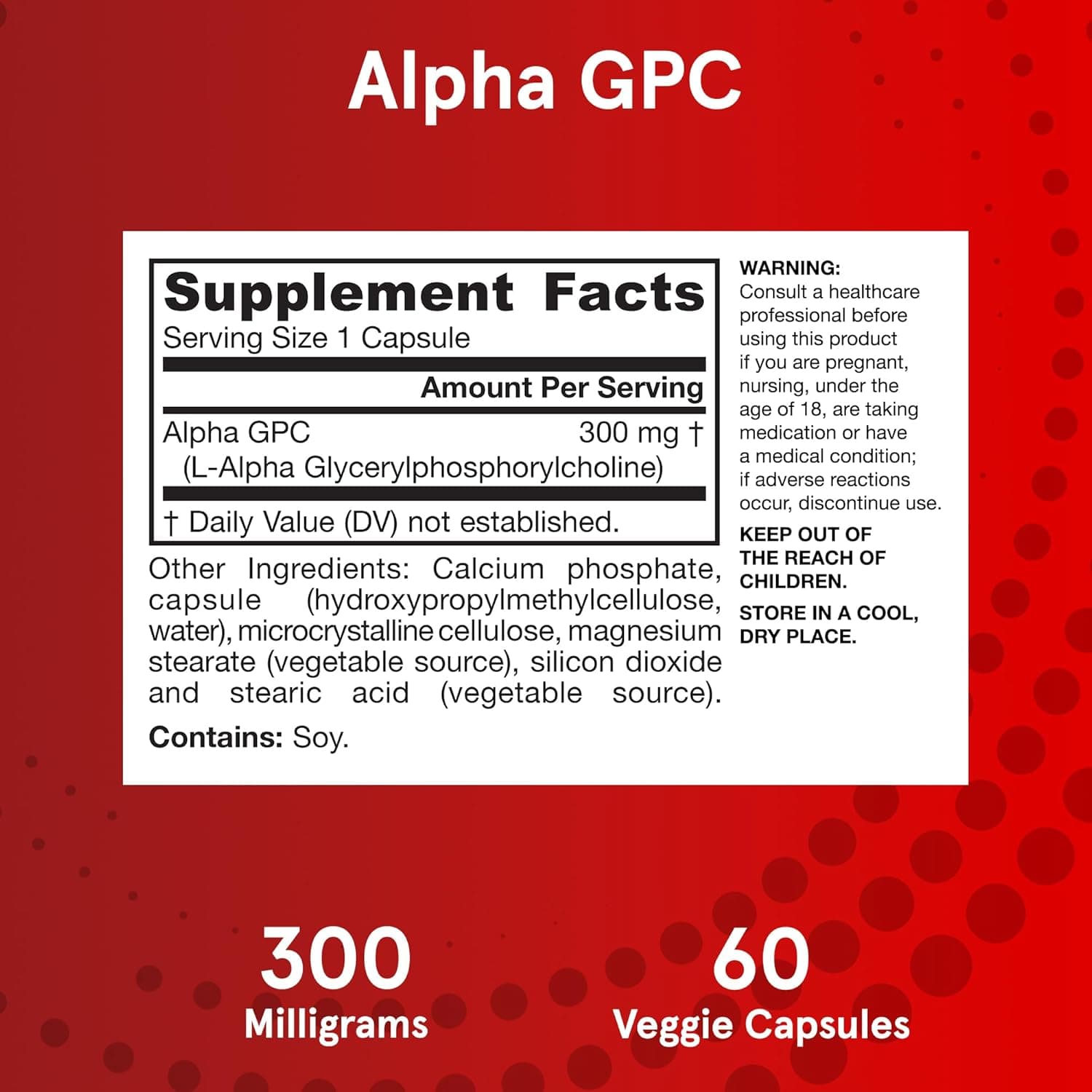
Calcium Phosphate.
A dual-mineral compound providing both calcium and phosphorus for bone health, also used as a tablet filler. Provides elemental calcium and phosphorus, the two primary building blocks of bone tissue.
Reviewed March 2026
- Category
- Mineral
- Also filed under
- Provides calcium and phosphorus togetherSupports bone healthGood tablet excipientWell tolerated
What Calcium Phosphate is, and what it does.
- Does it work
- Legitimate mineral supplement that also serves as a good excipient. Calcium citrate absorbs slightly better, but calcium phosphate is solid and gives you phosphorus too.
- How much to take
- 500-1200 mg calcium phosphate daily (providing 200-480mg elemental calcium). Split into doses of 500mg or less for best absorption.
- Time to feel it
- Not a same-week ingredient. Its contribution registers on a bone density scan over months to years of steady daily intake.
- The first dose
- No immediate sensation. Calcium works over months and years.
- With regular use
- With adequate vitamin D, consistent calcium supplementation supports bone density. Takes months to see measurable effects on bone mineral density tests.
- How well tolerated
- Generally well tolerated. Can cause constipation. May interfere with iron and zinc absorption if taken together. Take with food.
- How it feels
- You don't feel calcium working. The benefit shows up in bone density measurements over years.
- The overlooked benefit
- It brings phosphorus alongside the calcium, and bone mineral is built from both in a calcium to phosphorus molar ratio near 1.67. Neither one is the extra.
500 to 1,200mg a day is where Calcium Phosphate works.
Source: NIH ODS + USPSTF 2018 + WHI calcium trial
The proof, claim by claim.
These words describe the research, not the molecule's worth. Research strength is how much work stands behind one claim, and it is never a product score.
- Supports bone density
- Provides both calcium and phosphorus
- As effective as calcium citrate
Questions people ask about Calcium Phosphate.
- Do I need to take it with food?
- Yes, for best absorption. Stomach acid helps dissolve it. Calcium citrate is better for empty-stomach use.
- Should I split my dose?
- Yes. Your body can only absorb about 500mg of calcium at a time. Split larger doses across meals.
- Do I need vitamin D with it?
- Absolutely. Vitamin D is essential for calcium absorption. Most calcium supplements include it. If yours doesn't, take vitamin D separately.
- Can calcium supplements cause kidney stones?
- Some studies suggest a slight increase in risk from supplements (not dietary calcium). If you're prone to kidney stones, discuss with your doctor.
- Is the phosphorus in calcium phosphate a concern?
- No. Most people get adequate phosphorus from diet, and the amount from supplements is modest. Only a concern in advanced kidney disease.
Why these belong in the same formula. Each row says what the basis is, from settled biochemistry through to a trial that measured the pair.
Active vitamin D raises intestinal absorption of calcium and of phosphate together, which is exactly the pair this salt delivers. Vitamin D status therefore sets the yield of the whole dose.
Bone mineral is calcium phosphate laid onto a protein matrix, and K2-carboxylated osteocalcin is what binds that mineral in place.
Magnesium activates vitamin D and supports normal parathyroid signalling, the controls over calcium and phosphate balance. Phosphate also binds magnesium in the lumen, so large simultaneous doses lower magnesium uptake.
Both the calcium and the phosphate in this salt lower non-heme iron uptake, calcium at the enterocyte and phosphate by binding iron in the lumen. Separate iron from a calcium phosphate dose.
Calcium at supplemental doses lowers zinc absorption from the same meal, and phosphate can bind zinc in the lumen as well. Both work against the same dose.
Bone is collagen matrix mineralised with calcium phosphate, so the two supply opposite halves of the same tissue. Collagen peptides feed the protein side of that structure.
Ascorbate is the cofactor for the hydroxylases that crosslink collagen, the scaffold on which calcium phosphate mineral deposits. Mineral without matrix has nothing to attach to.
Boron affects calcium and magnesium handling in bone metabolism and lowers urinary calcium loss. It is a long-established companion in bone mineral formulas.
Strontium substitutes for calcium in the same intestinal transport and in the same bone mineral lattice, so co-dosing lowers uptake of both. Standard practice separates them.
Manganese is the cofactor for the glycosyltransferases that build cartilage and bone matrix glycosaminoglycans, the ground substance that mineral binds to.
Calcium taken at the same time as nonheme iron reduces iron absorption, an interaction consistent enough that separating the two doses is standard practice. The phosphate half compounds it, since phosphate also forms poorly soluble complexes with iron in the gut lumen. This is established pharmacology and does not depend on a combination trial to state.
Amino acid chelated iron keeps the metal coordinated to glycine through the gut lumen, which reduces how much it is affected by calcium and phosphate binding compared with an unchelated iron salt. The interaction is smaller rather than absent, and this is a statement about how each chemistry behaves rather than a recommendation to buy one. Dose separation remains the simpler answer.
Phytate binds calcium tightly in plant-based matrices, and phytase hydrolyses the phosphate esters that do the binding, releasing both the mineral and inorganic phosphate. Laboratory work on plant protein ingredients measured how phytase changes the kinetics of mineral ion release. That is an in vitro release measurement, not an absorption outcome in a person.
Calcium phosphate salts are poorly soluble at neutral pH and dissolve much better in acid, and citrate additionally forms a soluble complex with calcium that keeps it in solution as pH rises in the small intestine. That is why citric acid appears in calcium-containing drink powders. It changes what is dissolved and available for uptake, not what the body does with it afterwards.
Dissolution of calcium phosphate depends on gastric acid, which is why the salt is usually recommended with food. A supplemental acid source addresses the same variable in people whose gastric acid output is low. The dependence is established. Whether a supplemental acid meaningfully changes absorption in a given person has not been measured in the papers available here.
Caffeine produces a small, reproducible increase in urinary calcium loss, an effect on renal handling rather than on absorption. At habitual intakes the loss is modest and is usually framed against total calcium intake rather than as a reason to avoid one or the other. Named here because it is a real term in the calcium balance equation.
Sodium and calcium share reabsorption handling in the renal tubule, so a higher sodium load carries more calcium into the urine. This is one of the better characterised dietary influences on calcium balance. It is about excretion, not about the salt in the capsule dissolving.
Potassium salts of organic acids reduce urinary calcium loss by shifting acid-base handling, which is the opposite direction from a sodium load. A multicentre cohort described how calcium, magnesium, phosphate and potassium are supplemented together in critically ill adults, which shows the four are managed as one electrolyte picture rather than in isolation. That is observational description in a hospital setting, not a cause-and-effect finding for a supplement user.
Casein phosphopeptides released during casein digestion keep calcium and phosphate soluble as the gut contents become less acidic, which is well described in dairy chemistry and is part of why calcium in milk stays available. Adding a casein source to a calcium phosphate formula addresses the same solubility problem the salt has on its own. The mechanism is established in the chemistry. The size of the absorption difference varies with the matrix.
Lysine has been described as increasing intestinal calcium uptake and reducing urinary loss in small studies and laboratory work. The evidence is thin and old, and no paper in this candidate set measures it. Early, and included as a lead rather than a finding.
Fermentable fibres are metabolised to short-chain fatty acids in the colon, which lowers luminal pH and keeps more calcium in soluble form for paracellular uptake in the large bowel. Calcium absorption is usually thought of as a small-intestine event, so this adds a second site rather than replacing the first. Mechanism is established. The added absorption is modest where it has been measured.
Galactooligosaccharides ferment to short-chain fatty acids in the colon, lowering pH and increasing the fraction of calcium that stays soluble there. The mechanism is the same one described for inulin-type fructans. Stated as mechanism plus a modest measured effect on absorption, not as a bone outcome.
Resistant starch reaches the colon intact and is fermented to short-chain fatty acids, which is the same acidification route that increases luminal calcium solubility. Compared with inulin-type fructans the mineral-specific work is thinner. Early.
Bifidobacteria ferment oligosaccharides to short-chain fatty acids and lactate, the acids that increase calcium solubility in the colon. Whether adding the organism itself changes calcium absorption, rather than adding its substrate, is not established. Early.
Calcium phosphate already supplies both minerals at a fixed ratio, so additional phosphorus shifts that ratio and changes the hormonal response, including parathyroid hormone and FGF23 signalling. Excess luminal phosphate also binds calcium and reduces the absorption of both. Adding phosphorus to a calcium phosphate product is therefore a decision about ratio, not a straightforward addition.
Silicon is found in the organic matrix of bone and has been studied for its association with bone mineral density measures in observational work. Associations of that kind do not establish that supplemental silicon changes mineral handling. Early, and additive at most alongside a calcium and phosphate source.
Vitamin K is the cofactor for gamma-carboxylation of osteocalcin and matrix Gla protein, the proteins that bind calcium in bone matrix and restrain its deposition in soft tissue. Phylloquinone is the dietary form with the shortest circulating half-life, which is why menaquinones dominate supplement formulas. The cofactor role is established biochemistry. Carboxylation status is a marker, not an outcome.
Viscous soluble fibres slow gastric emptying and can bind divalent minerals in the gel phase, which is why mineral supplements are usually taken apart from a fibre dose. The size of the effect on calcium at ordinary psyllium intakes is small and inconsistently measured. Early, and flagged for timing rather than avoidance.
High luminal calcium and phosphate have been reported to reduce copper uptake, though the interaction is much less consistent than the calcium and iron one. Practically it matters mainly at high supplemental calcium intakes taken with a small copper dose. Early.
Talk to a doctor before taking Calcium Phosphate if any of these apply to you: Lower bioavailability than calcium citrate, May interfere with iron and zinc absorption, Take with food for better absorption. These are flags to check first, not effects Calcium Phosphate is known to cause.
Not medical advice. Show the label to your pharmacist.What Calcium Phosphate actually does.
Calcium phosphate salts don't dissolve well at neutral pH but dissolve much better in acid, which is why they're conventionally taken with food, when stomach acid is highest.
Calcium gets absorbed two ways: an active route that needs vitamin D and dominates at low intakes, and a passive route between cells that takes over at high intakes.
Because the active absorption route maxes out, the percentage of a single dose you actually absorb drops as the dose gets bigger, which is the biochemical reason large calcium doses are conventionally split up.
Phosphate gets absorbed mostly through a sodium-linked transporter plus a passive route between cells, and that transporter is itself controlled by vitamin D's active form.
Where Calcium Phosphate comes from.
Either mined phosphate rock or phosphoric acid reacted with a purified calcium source. How acidic the reaction is left decides which of the three calcium phosphates comes out. Because rock-based minerals carry heavy metals, the washing and testing steps are where the quality actually sits, and the final powder is milled to a size that controls how fast it dissolves.
From a mineral source, then refined and usually bound to a carrier so the body can take it up.
Two routes are in commercial use: mined phosphate rock as the phosphate source, or food-grade phosphoric acid reacted with a purified calcium carbonate or hydroxide source.
Calcium carbonate or hydroxide is reacted with phosphoric acid, and the pH endpoint of the reaction is what decides whether the product precipitates as the monobasic, dibasic or tribasic salt.
The precipitate is filtered and washed. Because phosphate rock naturally carries cadmium, lead, arsenic and fluoride, purification and incoming-lot testing for those elements is the controlling quality step.
The dried solid is assayed for elemental calcium and phosphorus and for water content, since anhydrous and hydrated forms carry different calcium percentages.
Material is dried, milled to a target particle size and often granulated, because particle size governs both dissolution rate and tablet compression behaviour.
Getting Calcium Phosphate from food.
The whole-food sources on file. A supplement closes the gap, it does not replace dinner.
A gram-for-gram figure (how much of each you would eat to match a dose) will appear here once it is sourced and reviewed. This page will not print a number it cannot cite.
Calcium Phosphate is a form of Calcium.
Calcium Phosphate is the phosphate form of Calcium. Same mineral, bound to a different partner, so absorption and feel differ from form to form.
See the other 9 forms
The essence, in one line each.
- A multicentre cohort describing how calcium, magnesium, phosphate and potassium supplementation is actually given in critically ill adults, reporting practice patterns rather than a cause-and-effect result.Cohort study. Yarnell et al., 2026 (PLoS One). PMID 42391217 ↗
- Phytase changed the release kinetics of amino acids and mineral ions from plant protein ingredients, with the size of the change depending on the specific ingredient.In vitro study. Waheed et al., 2026 (Current Research in Food Science). PMID 42359049 ↗
- A systematic review of vitamin D supplementation and bone metabolism markers in adults after kidney transplant, in which calcium and phosphate handling are the measured variables.Systematic review. Cai et al., 2025 (Systematic Reviews). PMID 40993781 ↗
- An indirect-comparison analysis of different vitamin D supplementation regimens, in which calcium co-supplementation appears among the compared regimens.Meta-analysis. Cao et al., 2026 (Frontiers in Nutrition). PMID 42027572 ↗
- A systematic review of nutritional approaches to bone mineral accretion in preterm infants, in which calcium and phosphate intake and the ratio between them are central variables.Systematic review. Alghawas et al., 2026 (Journal of Perinatology). PMID 42374148 ↗
- Vitamin D status was measured in captive bonnet macaques, providing context for calcium and phosphate handling under controlled diets.Animal study. Shastry et al., 2026 (Journal of Medical Primatology). PMID 42316424 ↗
These are the studies our verdict leans on, chosen from the 6 we read for Calcium Phosphate. The full linked list is below.
The studies, linked.
3 sources behind our Calcium Phosphate verdict: peer-reviewed studies and registered clinical trials. Every one links straight to PubMed, the journal, or ClinicalTrials.gov. Read them yourself.
- Clinical trialStudy to Measure the Absorption of Iron From Ferrous Gluconate Incorporated Into Alginate Beads.ClinicalTrials.gov ↗16 participants, Completed
- Clinical trialInfluence of a Calcium Phosphate Supplementation on the Secretion of Incretins in Humans.ClinicalTrials.gov ↗10 participants, Completed
- Clinical trialComparative Evaluation of the Remineralizing Ability of Self-Assembling Peptide P11-4, 2% Arginine Enriched Sodium Fluoride and Functionalized Tri Calcium Phosphate Fluoride Varnishes in Treatment of White Spot Lesions (Randomized Clinical Trial and In Vitro Study)ClinicalTrials.gov ↗39 participants, Unknown
Evidence surfaced via Semantic Scholar (Allen Institute for AI) and ClinicalTrials.gov. Ranked by study type and citation weight, not cherry-picked.
Problems people have reported.
Read this carefully. These are 23,387 voluntary, unverified reactions reported to the FDA (openFDA). The number mostly reflects how popular Calcium Phosphate is, not how risky it is. A report is not proof Calcium Phosphate caused anything. It is a signal of what to watch for, nothing more.
Source: openFDA adverse-event reports. Voluntary reporting, not an incidence rate.
FDA Disclaimer: These statements have not been evaluated by the Food and Drug Administration. This information is for educational purposes only and is not intended to diagnose, treat, cure, or prevent any disease. Consult your healthcare provider before starting any supplement regimen.