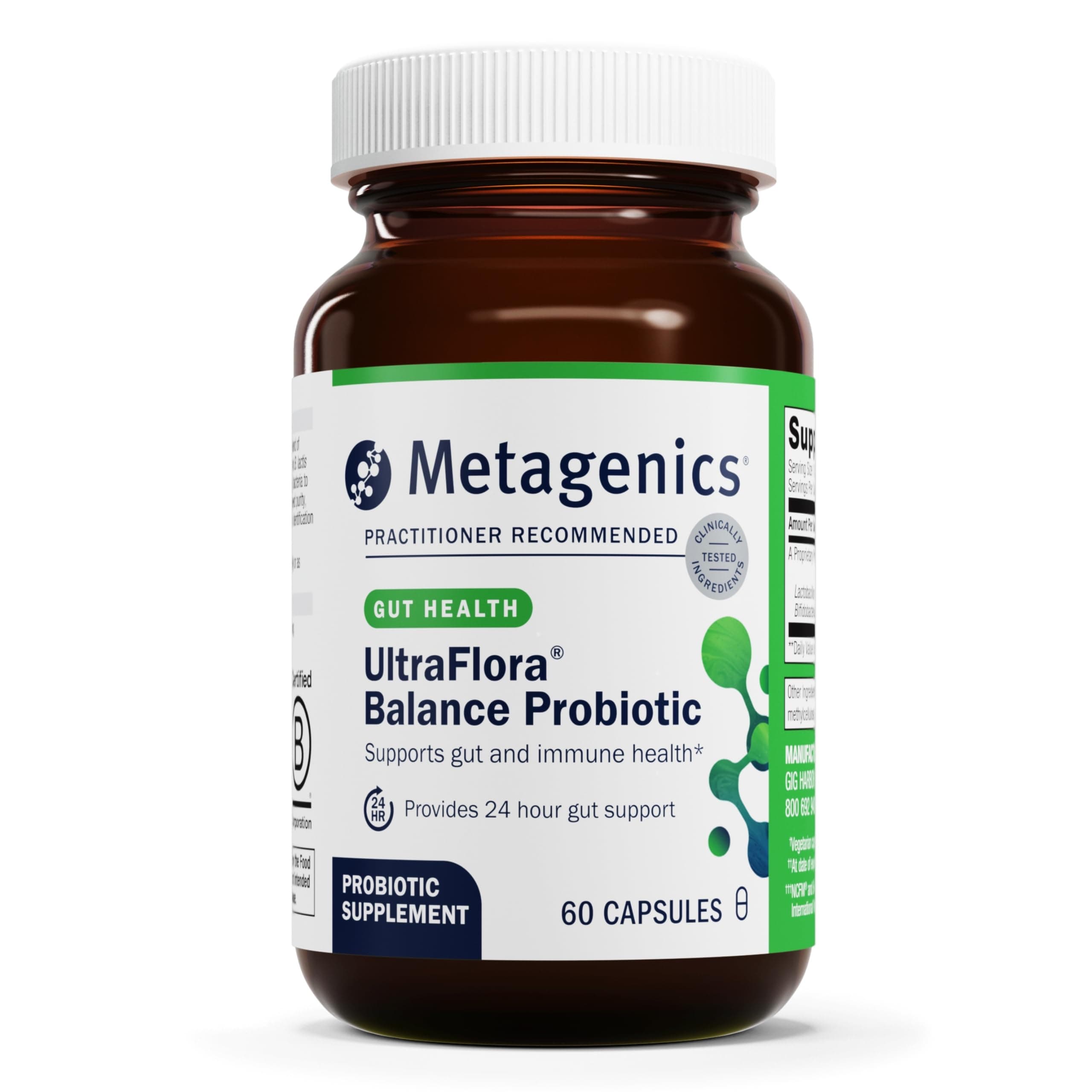
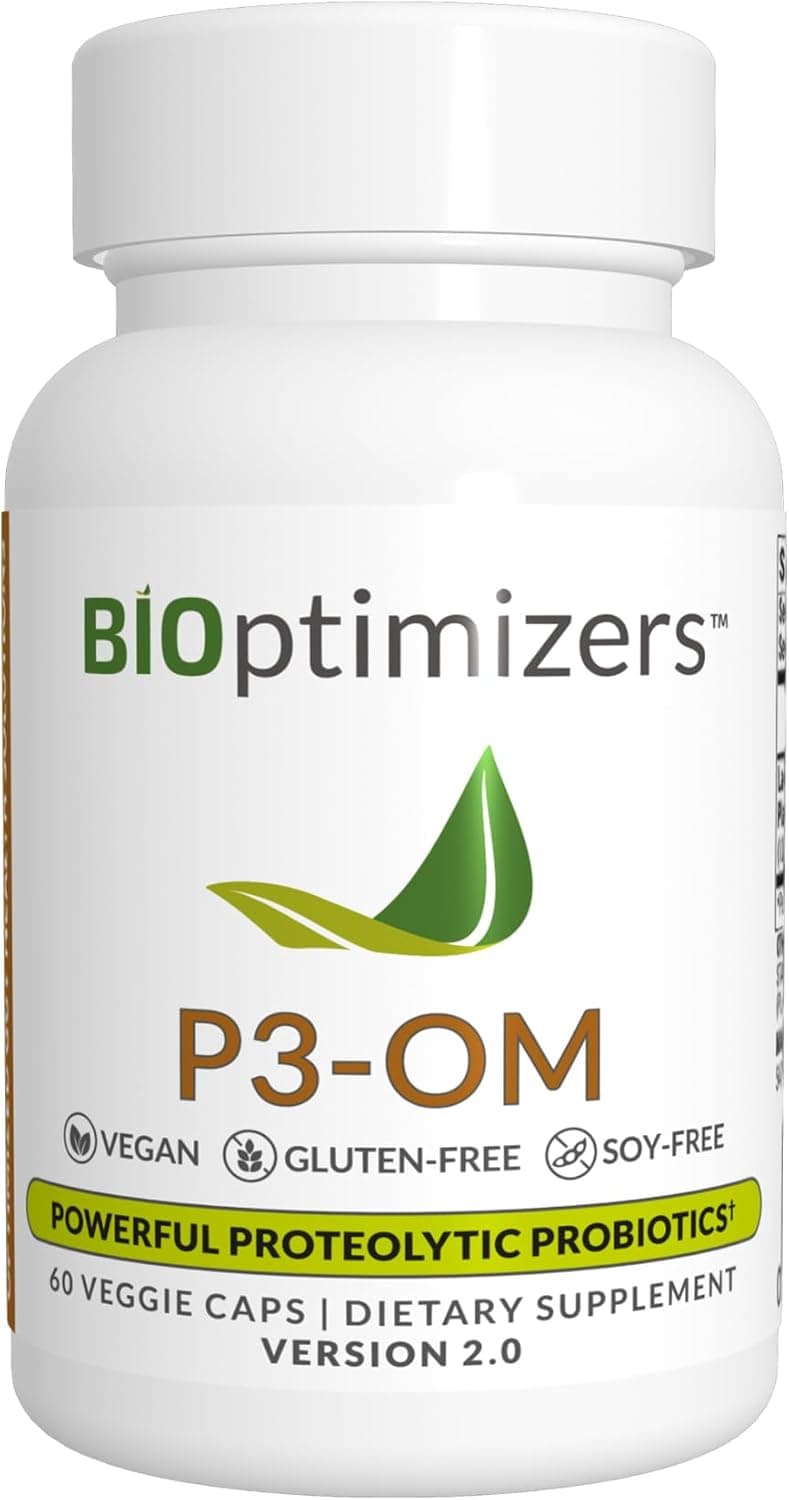
Bifidobacterium Lactis.
May support gut health and immune function. Helps balance your gut bacteria. This can mean less bloating, better digestion, and a calmer immune system.
Reviewed March 2026
- Category
- Probiotic
- Also filed under
- Supports gut healthPromotes immune functionMay alleviate occasional digestive discomfort
What Bifidobacterium Lactis is, and what it does.
- Does it work
- Yes. This one actually has decent research behind it. A solid, foundational probiotic for general gut health.
- How much to take
- Aim for 1-10 billion CFUs daily. Most products are in this range. More isn't always better.
- Time to feel it
- About 8 weeks of daily use.
- The first dose
- Nothing. Probiotics need time to colonize. Don't expect instant relief.
- With regular use
- After a few weeks, digestion can feel smoother. Less random bloating. Some people report getting sick less often.
- How well tolerated
- Well tolerated for most people. If you have a severely compromised immune system, check with a doctor first.
- How it feels
- Subtle. It's about what you *don't* feel: less bloating, less gas. A quiet, happy gut.
- The overlooked benefit
- It doesn't make butyrate itself. It releases acetate and lactate, and the butyrate-making bacteria feed on those, so it lifts butyrate through cross-feeding.
1 to 10 CFU a day is where Bifidobacterium Lactis works.
Source: ISAPP consensus statement 2019 + Ford 2014 meta-analysis
In a randomised preliminary trial, sixteen healthy national-level cross-country skiers took Bifidobacterium lactis BL-99 daily for 8 weeks. Over the supplementation period, gut abundance of Bifidobacterium animalis rose about forty-fold and blood triglyceride levels shifted.
The proof, claim by claim.
These words describe the research, not the molecule's worth. Research strength is how much work stands behind one claim, and it is never a product score.
There's a good body of evidence supporting the benefits of Bifidobacterium lactis for gut health and immune function. The strain is well-studied, and its mechanisms of action are relatively well understood. Research supports its efficacy in promoting a balanced gut microbiota. It is often used in common yogurt products.
- Bowel regularity and stool frequencyMeta-analysis
- Digestive comfort and occasional bloatingRandomised trial
- Faecal bifidobacteria levelsMeta-analysis
- Whole gut transit timeRandomised trial
- Immune cell activity markersRandomised trial
- Stool consistency during and after a course of antibioticsRandomised trial
- Colonic short-chain fatty acid production through cross-feedingIn vitro study
Questions people ask about Bifidobacterium Lactis.
- Do I need to keep it in the fridge?
- Depends. Check the label. Many are freeze-dried and shelf-stable now, but refrigeration never hurts.
- Can I take it with antibiotics?
- Yes, but separate them by at least 2 hours. The antibiotic will kill the probiotic if you take them together.
- Should I take it with food?
- Doesn't really matter. Consistency is more important than timing. Just take it daily.
- What's a CFU?
- Colony-Forming Unit. It's a measure of how many live, viable bacteria are in a dose.
- Is it dairy-free even though it's called 'Lactis'?
- Usually, yes. It's grown in a lab, not from dairy. 'Lactis' refers to its historical origin, not its current source. Always check the label if you have a severe allergy.
- Does it help with constipation?
- It can help with overall regularity for some people, but it's not a laxative. Don't expect immediate results.
Why these belong in the same formula. Each row says what the basis is, from settled biochemistry through to a trial that measured the pair.
Bifidobacteria carry the fructofuranosidase enzymes that split inulin-type fructans, which is why inulin is described as bifidogenic. Pairing the strain with the fibre it ferments is the original synbiotic design.
PHGG is a low-viscosity galactomannan fermented gradually along the whole colon, giving bifidobacteria carbohydrate further downstream than short fructans reach.
Pectin is degraded by colonic bacteria to galacturonic acid fragments and short-chain fatty acids, and the acidified lumen favours bifidobacterial growth over acid-sensitive competitors.
Oat beta-glucan is fermented in the colon to short-chain fatty acids, lowering luminal pH in a way that suits bifidobacteria.
Bifidobacterium lactis expresses its own beta-galactosidase and hydrolyses lactose in the gut lumen, the same reaction supplemental lactase performs. The two add to one activity.
Bifidobacteria ferment carbohydrate to acetate and lactate, which butyrate producers such as Faecalibacterium take up and convert to butyrate. Supplemental butyrate delivers the end product of that chain directly.
Lactobacilli sit mainly in the small intestine while bifidobacteria dominate the colon, so combining them covers both segments. This split is why almost every multi-strain formula carries both genera.
Bifidobacteria carry the full folate biosynthesis operon and release folate into the colonic lumen, adding to what the diet supplies.
Some bifidobacterial strains synthesise riboflavin and export it, contributing to the flavin pool the colon absorbs.
Fermentation by bifidobacteria lowers colonic pH, and calcium stays soluble and available for uptake at lower pH. This is the settled explanation for why fermentable fibre raises calcium absorption.
Gut bacteria cleave and ring-fission tea catechins into smaller absorbable phenolic metabolites, and the same catechins suppress some competing genera while bifidobacteria tolerate them.
Carvacrol and thymol permeabilise bacterial membranes without distinguishing strains, lowering viable bifidobacteria in a co-formulated product or a co-timed dose.
Charcoal adsorbs fermentable carbohydrate and organic acids across the lumen, removing both the substrate and the metabolites the strain works through.
Bentonite binds bacterial cells onto its layered surfaces as it transits, which can carry a co-dosed strain out before it establishes.
Bifidobacteria carry the transporters and glycoside hydrolases needed to ferment galactooligosaccharides, which is why GOS is the archetypal bifidogenic substrate and appears in most synbiotic designs. Supplying the substrate alongside the strain is the standard formulation logic. Whether that raises any clinical endpoint depends on the specific product and has to be shown, not assumed.
Short-chain fructans are fermented by bifidobacteria to lactate and acetate, which cross-feed butyrate producers downstream. FOS is used with Bifidobacterium strains for exactly that reason. The substrate relationship is established. The downstream clinical consequence is product-specific.
Psyllium is only partly fermented, which is why it retains its gel-forming bulk in the colon while still feeding some microbial metabolism. Pairing it with a Bifidobacterium strain combines a bulking fibre with a live culture rather than supplying a highly selective substrate. The two are commonly co-formulated for that complementary reason.
Resistant starch escapes small-intestinal digestion and is fermented in the colon, and a 2026 dairy science study combined Bifidobacterium animalis subsp. lactis IU100 with resistant starch type III in a fermented milk. That study measured texture and flavour of the product, which are food-technology outcomes and not health endpoints. The fermentation relationship itself is established biochemistry.
Bovine colostrum supplies oligosaccharides and glycoproteins that bifidobacteria can use, which is the basis for pairing dairy-derived fractions with Bifidobacterium strains. The oligosaccharide profile of bovine material differs from human milk, so read-across from infant research is partial. No combination trial is cited here.
Lactoferrin promotes growth of bifidobacteria in culture while sequestering free iron away from competing organisms, a dual action that is why it appears in infant and gut formulations with Bifidobacterium. The in vitro growth promotion is well characterised. What that does to a person's microbiota after supplementation is a separate question.
A 2026 European Journal of Nutrition report gave Bifidobacterium animalis subsp. lactis XLTG11 together with a Lactobacillus plantarum strain and tracked gut microbiota composition. Microbiota composition is a measured community readout, not a clinical outcome. Multi-strain pairing of these two genera is also long-standing formulation practice.
Bifidobacterium and Lactobacillus species colonise different regions of the gut, the former weighted to the colon and the latter to the small intestine, which is the rationale behind almost every multi-strain product on the market. The pairing is a design convention with decades of use. Results from any one multi-strain product do not transfer to another with different strains.
Different Bifidobacterium species carry different carbohydrate-utilisation gene sets, so combining them broadens the range of substrates a product can ferment. Multi-species Bifidobacterium blends are standard practice for that reason. Effects remain strain-specific and are not additive by default.
S. boulardii is a yeast and is unaffected by antibacterial agents that would reduce a bacterial strain, which is why the two are combined in products intended to hold up under varied conditions. They occupy separate niches and do not compete for the same substrates directly. No combination trial is cited here.
Berberine has broad antibacterial activity and measurably shifts gut microbial composition, so taking it in the same window as a live Bifidobacterium dose can reduce the number of viable cells that survive to the colon. The size of that loss has not been quantified for this species. Separating the doses is the usual practical response.
Allicin and related garlic thiosulfinates inhibit a broad range of bacteria in culture, including lactic acid bacteria. Whether ordinary dietary or supplemental garlic reduces the viability of an ingested Bifidobacterium dose in the gut has not been measured. The row flags a plausible antagonism rather than a demonstrated one.
A 2026 review catalogues gut bacteria with glutamate decarboxylase activity, including bifidobacteria, as candidate GABA producers in the gut-brain literature. That is a review of microbial capability, not evidence that a supplemented strain changes GABA levels or anything a person would feel. Pairing supplemental GABA with such a strain is speculative and is labelled that way.
Talk to a doctor before taking Bifidobacterium Lactis if any of these apply to you: Individuals with severely compromised immune systems, Those with a history of SIBO (Small Intestinal Bacterial Overgrowth). These are flags to check first, not effects Bifidobacterium Lactis is known to cause.
Not medical advice. Show the label to your pharmacist.What Bifidobacterium Lactis actually does.
Most products labelled Bifidobacterium lactis are really Bifidobacterium animalis subsp. lactis, an oxygen-avoiding rod that forms no spores. What's shown for one strain like BB-12, HN019 or BLa80 doesn't carry over to another.
Bifidobacteria ferment carbs through their own route, the bifid shunt, making acetate and lactate rather than butyrate directly. Other bugs then feed on those and make butyrate.
The acetate and lactate they make lower pH in the gut. That's one established way they hold back acid-sensitive organisms and change how available some minerals are in the colon.
This species carries the enzymes and transporters to use galactooligosaccharides and short fructans, which is the chemistry behind calling those fibres bifidogenic.
Where Bifidobacterium Lactis comes from.
The bacteria are grown in big sealed tanks, without oxygen because that is how they live, then spun out of the liquid, mixed with sugars that protect them from freezing damage and freeze-dried into a powder. The powder is counted, blended to hit the number on the label with some spare, and filled into capsules. Heat and damp are what kill it, so how the product is stored matters as much as the number printed on the bottle, and the specific strain code on the label is the part that ties a product to any research.
Built by fermentation, the same way vitamin B12 and many amino acids are made at scale. Controlled conditions, consistent output.
Culture medium supplies a carbohydrate source such as glucose or lactose, a nitrogen source that is often a dairy or yeast protein hydrolysate, minerals and growth factors. Dairy-derived nitrogen sources are common, which is why some products cannot claim to be dairy free even when no milk appears in the finished blend.
The strain is grown from a working seed culture through progressively larger vessels under controlled pH, temperature and oxygen exclusion, since the organism is anaerobic. Fermentation conditions influence cell robustness as well as yield.
Cells are separated from spent medium by centrifugation or membrane filtration and washed to remove residual medium components. This step sets how much medium residue carries into the finished powder.
The concentrated cell paste is mixed with cryoprotectants such as sucrose, trehalose or maltodextrin before drying. Without them, ice crystal formation kills a large share of the cells during freezing.
Lyophilisation removes water under vacuum from the frozen paste and leaves a stable powder of live cells. A postbiotic preparation instead applies a controlled heat step that inactivates the cells while retaining cell structures.
Viable counts are determined by plate assay and the concentrate is blended with a carrier to a declared CFU per dose, usually with an overage so the label figure still holds at the end of shelf life. Strain identity is confirmed genetically, which is what makes a designation such as BB-12 or BLa80 meaningful.
The blend is filled into capsules or sachets, sometimes with an acid-resistant coating or a microencapsulation step, and packed with a desiccant. Moisture and heat during storage are the main determinants of how many cells are still viable at the point of use.
Labels frequently omit the strain designation without which no research applies, whether the declared CFU is at manufacture or at end of shelf life, whether the growth medium was dairy-derived, and which cryoprotectant and carrier make up most of the powder.
Getting Bifidobacterium Lactis from food.
The whole-food sources on file. A supplement closes the gap, it does not replace dinner.
A gram-for-gram figure (how much of each you would eat to match a dose) will appear here once it is sourced and reviewed. This page will not print a number it cannot cite.
The forms it comes in.
The essence, in one line each.
- Infants given Bifidobacterium lactis XLTG11 had fewer reported episodes of skin irritation and of respiratory and digestive tract symptoms than controls over the study period. Results are specific to that strain and dose and were reported as counted, caregiver-reported episodes.Randomised trial. Yuan et al., 2026 (QJM). PMID 42308545 ↗
- Bifidobacterium lactis BLa80 supplementation in early childhood was compared with control for reported skin irritation and respiratory episode rates, with the authors reporting fewer episodes in the supplemented group. Strain-specific and based on reported events.Randomised trial. Chen et al., 2026 (Frontiers in Nutrition). PMID 42293186 ↗
- Probiotic supplementation across a marathon altered inflammation parameters and self-reported sleep measures compared with placebo. Inflammation parameters are markers and sleep was self-reported, and the product was a multi-strain formulation naming this species among others.Randomised trial. Aquino-Lemos et al., 2025 (Nutrients). PMID 41374052 ↗
- A synbiotic combining strains including this species with fibre was compared against control for abdominal visceral fat measures and gut microbiota in adults carrying excess body weight. The intervention was a multi-component synbiotic, so nothing is attributable to one strain.Randomised trial. Li et al., 2026 (Clinical Nutrition). PMID 41512635 ↗
- Bifidobacterium animalis subsp. lactis XLTG11 given with a Lactobacillus plantarum strain shifted gut microbiota composition relative to control. Community composition is a measured microbial readout and not a health endpoint.Randomised trial. Chen et al., 2026 (European Journal of Nutrition). PMID 42090020 ↗
- A systematic review of human interventional studies of kefir as a microbiota modulator, in which this species is named among the organisms present in fermented dairy. The ingredient is mentioned inside a broader review of a food, not isolated.Systematic review. Hamsho et al., 2026 (MicrobiologyOpen). PMID 42036973 ↗
- Bifidobacterium animalis subsp. lactis strain 832 reduced gut inflammation markers and tissue damage scores in a chemically induced mouse model of colonic inflammation. A rodent model, so it grounds mechanism and is not human evidence.Animal study. Chen et al., 2026 (Microorganisms). PMID 42197475 ↗
- Heat-treated postbiotic preparations of Bifidobacterium animalis subsp. lactis BB-12 delivered in milk produced measurable effects in an animal model, indicating that some activity does not require live cells. Preclinical and specific to that preparation.Animal study. Akan et al., 2026 (Food and Function). PMID 42494331 ↗
- Fermenting milk with Bifidobacterium animalis subsp. lactis IU100 together with resistant starch type III changed the texture and flavour profile of the product. These are food-technology measurements in a dairy matrix, with no participants and no health endpoint.In vitro study. Li et al., 2026 (Journal of Dairy Science). PMID 42379360 ↗
- A review of GABA-producing gut bacteria as candidate psychobiotics that names bifidobacteria among organisms with glutamate decarboxylase activity. It reports microbial capability, not a measured effect of supplementation.Narrative review. Zielińska et al., 2026 (International Journal of Molecular Sciences). PMID 42278495 ↗
These are the studies our verdict leans on, chosen from the 10 we read for Bifidobacterium Lactis. The full linked list is below.
The studies, linked.
2 sources behind our Bifidobacterium Lactis verdict: peer-reviewed studies and registered clinical trials. Every one links straight to PubMed, the journal, or ClinicalTrials.gov. Read them yourself.
- Clinical trialProbiotics and Effects on Illness-Related Symptoms for Pre-School Age ChildrenClinicalTrials.gov ↗326 participants, Completed
- ClinicalTrials.gov ↗
Evidence surfaced via Semantic Scholar (Allen Institute for AI) and ClinicalTrials.gov. Ranked by study type and citation weight, not cherry-picked.
Problems people have reported.
Read this carefully. These are 3,054 voluntary, unverified reactions reported to the FDA (openFDA). The number mostly reflects how popular Bifidobacterium Lactis is, not how risky it is. A report is not proof Bifidobacterium Lactis caused anything. It is a signal of what to watch for, nothing more.
Source: openFDA adverse-event reports. Voluntary reporting, not an incidence rate.
FDA Disclaimer: These statements have not been evaluated by the Food and Drug Administration. This information is for educational purposes only and is not intended to diagnose, treat, cure, or prevent any disease. Consult your healthcare provider before starting any supplement regimen.