Ingredients/Probiotic/Vitamin B12

Vitamin B12.

The energy grid's foreman. Keeps your nerves and brain healthy, makes red blood cells. Think of it as essential for your body's electrical wiring and oxygen delivery.

StrongResearch strength2.4mcgDaily amount14,266Studies read25Trials, plasma homocysteine

Reviewed March 2026

VBProbiotic
Vitamin B12IngredientMD
Category
Probiotic

Studied for
Plasma homocysteine

Also filed under
EnergyBrainNervesVitaminEssential

Also called
Methylcobalamin, Cyanocobalamin, B12, Adenosylcobalamin

What Vitamin B12 is, and what it does.

Does it work
Worth it if you eat little or no animal food, are past fifty, or take long term acid lowering medicine. Eating meat, fish, eggs or dairy daily usually covers it.
How much to take
1,000mcg
Time to feel it
About 16 weeks of daily oral use.
The first dose
Nothing. It needs to build up in your system. Don't expect an immediate jolt.
With regular use
After a few weeks to a month, you'll feel the difference if you were low. Clearer thinking, more stable energy, better mood. It's about restoring your baseline, not creating a high.
How well tolerated
One of the safest supplements out there. It's water-soluble. Your body takes what it needs and excretes the rest. No documented toxicity in humans.
How it feels
Subtle. Not a stimulant. It's the absence of fatigue and brain fog. You just feel... normal. Like you're supposed to.
The overlooked benefit
A small fraction of any oral dose crosses the gut wall by simple diffusion, with no intrinsic factor involved, which is why large oral amounts still get some through.

How common this is.

Public health figures for this ingredient, reported by the agencies that publish them, cited and dated.

Population figures from public health data. Context for the category, not a statement about any individual and not a claim about this product.

2.4mcg a day is where Vitamin B12 works.

How much to take a dayHigh confidence
2.4mcg
Daily maintenanceThe everyday amount, and where most daily supplements sit. This is the one you take month after month.
2,000mcgClinical territory. Trials run high on purpose, for a set number of weeks, against one measured outcome. Impressive to hit, and not what a daily product is for.
MORE EFFECT ↑01,000mcg2,000mcg plateauDAILY DOSE →
The shaded band is where the dosing trials landed.

Source: NIH ODS + Allen 2009 B12 review

How long it takesPromising
WHAT THE TRIALS MEASUREDthe level the trials measuredDay 0about 16 weeks of daily oral useTIME ON IT →
Builds over about 16 weeks of daily oral use

A randomised, double-blind, parallel-group dose-finding trial in 120 older people with mild vitamin B12 deficiency, defined as serum B12 of 100 to 300 pmol/L with methylmalonic acid at or above 0.26 umol/L, gave daily oral cyanocobalamin at 2.5, 100, 250, 500 or 1000 ug for 16 weeks. Mean plasma methylmalonic acid fell 16%, 16%, 23%, 33% and 33% across those doses. Daily doses of 647 to 1032 ug accounted for 80% to 90% of the estimated maximum reduction. The window was measured on a blood marker of B12 status, not on a symptom.

The size of the effect, in plain numbers.

Where a trial measured an actual number, we show it next to the claim. It is the average across the trials, never a promise about one person.

Read at the source. The magnitude sits beside the same trial the claim already cites. It describes what the trials measured, never what any one person will feel.

1 meta-analysis, 25 pooled trials

The proof, claim by claim.

These words describe the research, not the molecule's worth. Research strength is how much work stands behind one claim, and it is never a product score.

Extensively studied.

Critical for life. Deficiency causes permanent damage.

25 trials, plasma homocysteine2 citations on page
Who the trials studied
Plasma homocysteine
Adults already taking folic acid, with vitamin B12 at about 0.4 mg daily. Homocysteine Lowering Trialists' Collaboration, 2005 (Am J Clin Nutr).
  • Corrects megaloblastic anemia and reverses deficiency symptomsStandard of Care / Multiple Systematic Reviews
  • Reduces plasma homocysteine levelsMeta-analysis

    A further 7 percent reduction in plasma homocysteine on top of what folic acid achieves.

    Adults already taking folic acid, with vitamin B12 at about 0.4 mg daily. Confidence interval 95% CI 4 to 9 percent.

    Strong
  • Prevents cognitive decline in deficient populationsCochrane Systematic Review
PubMedCochraneClinicalTrials.govNIH ODSSUPP.AI14,266 studies readLabs test. IngredientMD verifies.PubMedCochraneClinicalTrials.govNIH ODSSUPP.AI14,266 studies readLabs test. IngredientMD verifies.

Questions people ask about Vitamin B12.

Who needs B12 the most?
Vegans, vegetarians, people over 50, and anyone on long-term acid reflux medication. Their absorption is often impaired.
What are the signs of B12 deficiency?
Fatigue, brain fog, tingling hands/feet, memory problems. It can look like a lot of other things, so testing is key.
Do I need a shot?
Usually not. High-dose oral supplements (1000mcg) work just as well as injections for most people, according to studies.
Can I get enough from food?
If you eat meat, fish, and dairy, probably. But if you're vegan, it's nearly impossible. Fortified foods and supplements are your only options.
Does it give you energy like coffee?
No. It doesn't create energy out of thin air. It helps your body access energy properly. If you're deficient, restoring levels feels like a huge energy boost.
Pairs well with22 on file

Why these belong in the same formula. Each row says what the basis is, from settled biochemistry through to a trial that measured the pair.

Vitamin B12 + FolateMethionine synthase cofactor pairing

Vitamin B12 is the cofactor for methionine synthase, the enzyme that moves a methyl group from folate onto homocysteine to rebuild methionine. When B12 runs low that step stalls and folate stays stuck in its methyl form, so the two nutrients have to move together to keep methylation and DNA synthesis running.

Vitamin B12 + Vitamin B6 (Pyridoxine)Shared homocysteine metabolism

B12 and folate rebuild methionine from homocysteine, while vitamin B6 is the cofactor for the other exit, the transsulfuration step that routes homocysteine toward cysteine. Because they cover complementary arms of the same pathway, the two are routinely formulated together to keep homocysteine within its normal range.

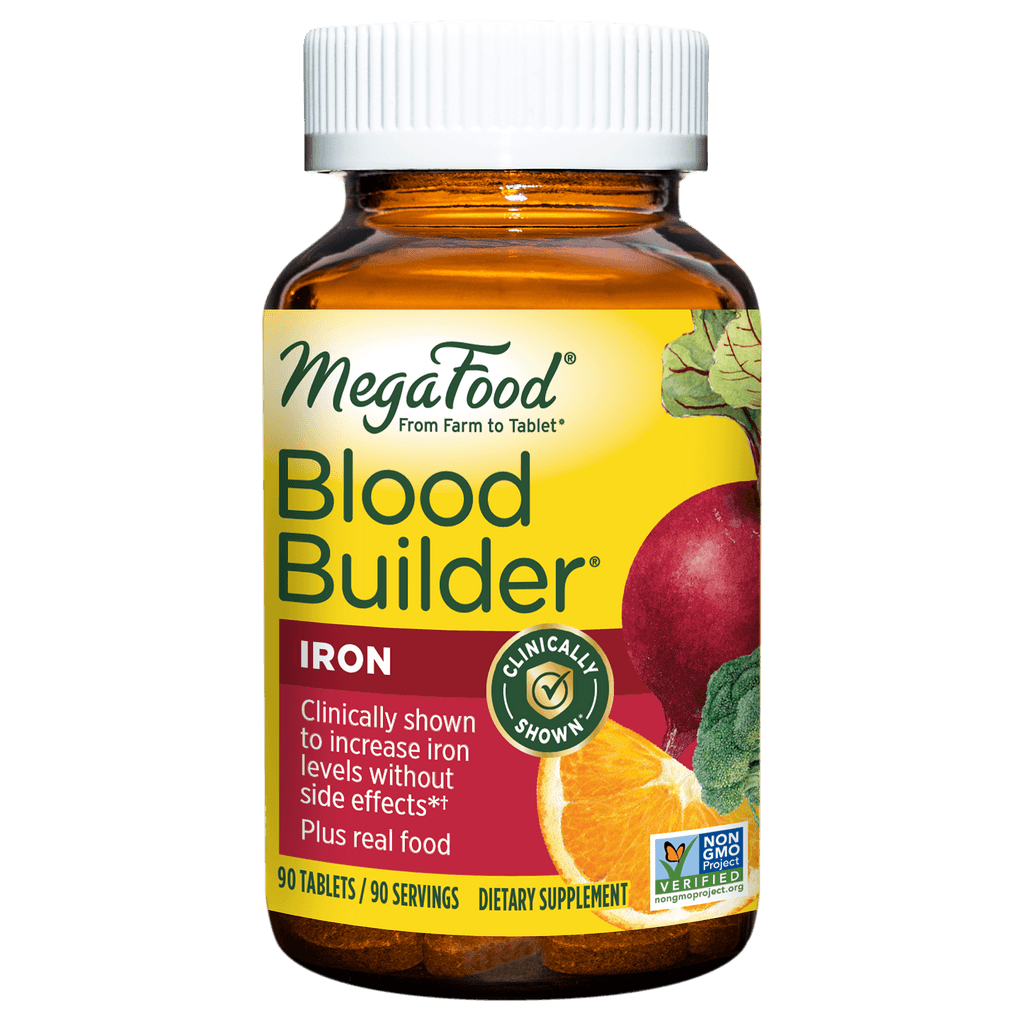
Vitamin B12 + IronCo-requirement for red blood cell formation

Making a red blood cell draws on both nutrients at different steps, with B12 and folate driving the DNA synthesis that lets precursor cells divide and iron building the hemoglobin that fills them. Because each carries a step the other cannot, supplying both supports normal red blood cell formation.

Vitamin B12 + Vitamin B2 (Riboflavin)FAD cofactor for cobalamin reactivation

Methionine synthase reductase is an FAD enzyme that re-reduces the cobalamin cofactor after it oxidises, so riboflavin status sets how well the B12 enzyme keeps running. Riboflavin is a required partner rather than an optional extra.

Vitamin B12 + Methylfolatepaired substrates of methionine synthase

Methionine synthase takes the methyl group from 5-methyltetrahydrofolate and passes it via cobalamin to homocysteine. Without enough B12 the folate pool stalls in the methyl form, which is why the two are dosed together.

Vitamin B12 + TMG (Trimethylglycine)parallel remethylation route

Betaine homocysteine methyltransferase remethylates homocysteine using betaine instead of the folate and B12 route, so the two pathways share one substrate. Formulations combine them to support normal homocysteine handling from both directions.

Vitamin B12 + SAM-e (S-Adenosyl Methionine)precursor to product in the methionine cycle

The methionine that B12-dependent methionine synthase produces is adenylated to SAM, the cell's main methyl donor. SAM in turn regulates the cycle, so supply and demand for methyl groups are linked.

Vitamin B12 + Cholineshared methyl donor pool

Choline is oxidised to betaine, feeding the same methyl group pool that the folate and cobalamin route supplies. When one route is short the other carries more of the load.

Vitamin B12 + Adenosylcobalamin (Dibencozide)the mitochondrial coenzyme form

Adenosylcobalamin is the form that methylmalonyl-CoA mutase uses inside mitochondria, while methylcobalamin serves the cytosolic methylation route. Supplying both covers the two distinct cobalamin-dependent enzymes.

Vitamin B12 + Calciumcalcium-dependent ileal uptake

The cubam receptor that internalises the intrinsic factor and cobalamin complex in the ileum needs calcium ions to bind it. Calcium availability is part of the absorption step itself.

Vitamin B12 + L-Carnitineshared propionate and odd-chain fat handling

Adenosylcobalamin-dependent mutase clears propionyl-CoA from odd-chain fatty acids, and carnitine carries those acyl groups into mitochondria and buffers the excess as acylcarnitines. The two act on the same acyl-CoA pool.

Vitamin B12 + Vitamin Cascorbate degradation of cobalamin

Large ascorbate concentrations reduce and destroy cobalamin in solution, forming inactive analogues. Separating a high-dose ascorbate product from the cobalamin dose keeps the vitamin intact.

Vitamin B12 + PotassiumEstablished clinical physiology of rapid repletion

When a marked B12 shortfall is corrected, blood cell production restarts quickly and the new cells draw potassium out of the plasma. Serum potassium can fall during the first days of aggressive repletion, which is why it is monitored in that setting rather than assumed stable. This is a handling consideration during correction, not a reason to co-dose potassium routinely.

Vitamin B12 + L-methionineEstablished one-carbon biochemistry

Methionine synthase uses methylcobalamin to move a methyl group from 5-methyltetrahydrofolate onto homocysteine, regenerating methionine. B12 status therefore sets how much dietary homocysteine is recycled back to methionine rather than lost. Supplemental methionine loads the same cycle from the other end.

Vitamin B12 + BiotinEstablished propionate pathway biochemistry

Biotin is the cofactor for propionyl-CoA carboxylase, which makes methylmalonyl-CoA, and adenosylcobalamin is the cofactor for the mutase that converts methylmalonyl-CoA onward to succinyl-CoA. The two vitamins run consecutive steps of the same route out of odd-chain fatty acid and branched-chain amino acid catabolism. A shortfall in either raises pathway intermediates, which is why methylmalonic acid is read as a functional B12 marker rather than an outcome.

Vitamin B12 + ZincEstablished metalloenzyme biochemistry

Betaine-homocysteine methyltransferase, the B12-independent route that remethylates homocysteine using betaine, is a zinc metalloenzyme. Zinc status therefore influences the backup pathway that operates alongside the B12-dependent one. The relationship is enzymatic rather than an absorption interaction.

Vitamin B12 + L-serineEstablished folate one-carbon biochemistry

Serine hydroxymethyltransferase transfers a carbon from serine onto tetrahydrofolate, which is the main entry point for the one-carbon units that eventually become the methyl group B12 hands to homocysteine. Serine availability feeds the pool that methionine synthase draws on. Established biochemistry, not a tested supplement combination.

Vitamin B12 + GlycineEstablished one-carbon biochemistry

The glycine cleavage system releases one-carbon units onto tetrahydrofolate and is a second feed into the same folate pool that methionine synthase uses with cobalamin. Glycine also accepts methyl groups through glycine N-methyltransferase, which is how surplus methylation capacity is disposed of. Both connections are biochemical rather than clinically tested as a pairing.

Vitamin B12 + L-cysteineEstablished transsulfuration biochemistry

Homocysteine has two fates: remethylation to methionine, which needs B12 and folate, or transsulfuration to cysteine, which needs vitamin B6. Improving B12 status pushes more homocysteine down the remethylation branch, leaving relatively less substrate for cysteine and downstream glutathione synthesis. This is a flux shift between branches, not a shortage.

Vitamin B12 + Creatine monohydrateEstablished methyl-group economy

Endogenous creatine synthesis consumes a large share of the body's S-adenosylmethionine methyl groups. Supplying creatine from outside reduces that demand, which lowers the methylation load carried by the folate and B12 dependent remethylation cycle. The mechanism is well described; the size of any homocysteine effect from combining them is not established.

Vitamin B12 + ProbioticsEstablished microbial biochemistry with an unresolved bioavailability question

Cobalamin is made only by bacteria and archaea, and certain strains including some propionibacteria and lactobacilli synthesise it. Absorption of B12 in humans happens in the distal ileum through the intrinsic factor and cubam route, so colonic bacterial output is largely past the site of uptake. Whether a probiotic can meaningfully contribute to human B12 status has not been settled.

Vitamin B12 + SpirulinaEstablished corrinoid chemistry

Most of the cobalamin-like material in spirulina is pseudovitamin B12, a corrinoid that human enzymes cannot use. These analogues can occupy binding proteins without carrying out the cofactor role, so a label figure for B12 from spirulina does not translate into functional B12. Anyone relying on spirulina as the B12 source is reading a number that overstates the active fraction.

Who should be cautious

Nothing specific on file for Vitamin B12. Match the label to the daily amount above, and tell your doctor what you take.

Not medical advice. Show the label to your pharmacist.

What Vitamin B12 actually does.

Established

B12 is a cobalt-containing molecule, and the body uses it in exactly two jobs: one in the cell fluid and one in the mitochondria.

Established

B12 is the handoff point where a methyl group moves from folate onto homocysteine, turning it back into methionine.

Established

Without enough B12, folate gets stuck in one form. Adding folate can tidy up the blood picture while the underlying B12 gap keeps going, which is why the two are assessed together.

Established

A second B12 job clears a compound called methylmalonic acid. When B12 runs low that compound builds up, so labs measure it to judge B12 status.

Fermented, 7 steps on record

Where Vitamin B12 comes from.

Bacteria in large tanks make it, much like the way fermented foods are produced, and the tank is fed cobalt because cobalt sits at the centre of the molecule. The vitamin is then extracted, cleaned up, and mixed with a filler because the actual dose is only micrograms.

Built by fermentation, the same way vitamin B12 and many amino acids are made at scale. Controlled conditions, consistent output.

Starts as
Sugar or beet molasses medium with added cobalt

The fermentation medium supplies carbon and nitrogen plus a cobalt salt, because cobalt is the metal at the centre of the finished molecule and the bacteria cannot make it.

Converted by
Bacterial biosynthesis

Industrial production uses cobalamin-producing bacteria, commonly Pseudomonas denitrificans or Propionibacterium freudenreichii, grown in large aerated or anaerobic tanks. No plant or animal makes B12; every dietary source traces back to bacterial synthesis.

Extracted by
Cell harvest and lysis

Cells are collected and broken open, and the intracellular corrinoid is released into solution, typically with heat and a chemical release step.

Converted by
Ligand exchange to the shelf form

The crude corrinoid is converted to a stable single species: treatment in the presence of cyanide gives cyanocobalamin, while a hydroxide route gives hydroxocobalamin. Methyl and adenosyl forms are produced by their own ligand-exchange chemistry.

Purified by
Adsorption, solvent partition and crystallisation

The cobalamin is purified through resin or solvent steps and crystallised to a deep red powder of defined potency.

Standardised to
Trituration onto a carrier

Because the active is potent at microgram doses, the crystal is usually diluted onto mannitol or a similar carrier to a low percentage so it can be blended and weighed accurately in a tablet or capsule.

Ends up as
Tablet, capsule, sublingual, liquid or injectable

The trituration is pressed, encapsulated, dissolved or prepared as a sterile solution, which is where the route rather than the molecule differs.

Labels rarely state the producing organism, whether the cyanide-route or hydroxide-route conversion was used, or the trituration percentage, all of which are ordinary manufacturing details rather than quality signals.

Getting Vitamin B12 from food.

The whole-food sources on file. A supplement closes the gap, it does not replace dinner.

Beef liverClamsSalmon

A gram-for-gram figure (how much of each you would eat to match a dose) will appear here once it is sourced and reviewed. This page will not print a number it cannot cite.

The forms it comes in.

CyanocobalaminMilligram oral doses kept up with injections on blood and nerve response in the short term, though the one year result was less clean.Fits Suits tablets, capsules, gummies and fortified powders that need a long retail shelf life without cold chain or opaque packaging, and multivitamin blends where a cobalamin has to sit alongside minerals and acids for two years. Reference standards and contract-lab assays for it are widely available, so label-claim testing is straightforward, and it is the cobalamin most brands can source in food grade at commercial volumes.Trade-off It is not a coenzyme form and has to be converted inside the cell before use. In the crossover study below, absorptive capacity was reached only by doses above 3 micrograms, so the marker response does not scale linearly with the amount on the label.Greibe 2017, European Journal of Nutrition
HydroxocobalaminThe standard injected form in recent deficiency trials. Its oral data at small doses come from one short study.Fits Suits injectable and clinician-administered products, and oral or spray formulas that are specified around a naturally occurring cobalamin rather than a synthetic one. Its position as the standard injected comparator in modern deficiency trials means a brand building an oral product around it is describing the same molecule clinicians use, which is a straightforward story to tell on a label.Trade-off The oral evidence at microgram doses rests on a single crossover study, where the two-day holotranscobalamin rise measured for this form was smaller than the rise measured for the comparator cobalamin in the same study. The longer-retention properties often attributed to this form come from parenteral dosing and animal work, not from oral human trials.Schijns 2018, American Journal of Clinical Nutrition
Sublingual routeA 2025 pooled analysis did not find a difference between sublingual, swallowed and injected B12, though the studies varied widely.Fits Suits people who cannot or will not swallow tablets, senior and paediatric formats, and routines where no water is available. It gives a brand a flavour-led format with a visible ritual, and it is the usual non-invasive option in ranges aimed at shoppers who decline injections. Small tablet mass and low excipient load also make it workable for vegan and allergen-restricted lines.Trade-off The pooled route comparison behind this format carries heterogeneity above 80 percent in most analyses, signs of publication bias, and no dose-response effect. It is a failure to detect a difference between routes, not a demonstration that they are equivalent, and the authors call for further high-quality randomised trials.Mazur 2025, Frontiers in PharmacologyFormulation aid
AdenosylcobalaminA cobalamin carrying a 5'-deoxyadenosyl group on the cobalt atom. It is one of the two cobalamins that act as cofactors inside human cells, the one that partners with methylmalonyl-CoA mutase in the mitochondrion, while methylcobalamin partners with methionine synthase in the cytosol. It is a deep red crystalline powder, sensitive to light and to heat, and it is dosed in micrograms, so it almost always arrives at a factory pre-diluted onto a carrier rather than as a pure powder.Fits Suits formulas that want a coenzyme cobalamin named on the panel rather than cyanocobalamin, and it pairs naturally with methylcobalamin in B-complex and methylation-themed stacks. The microgram dose fits a sublingual tablet or a lozenge that dissolves without a flavour problem, which is why it is the common choice in the sports category under the name dibencozide. Amber glass, foil blisters and dark packing rooms are the standard handling answer.Trade-off It costs more per microgram than cyanocobalamin and it degrades faster in light and heat, so it needs opaque packaging and often a manufacturing overage to hold label claim to end of shelf life. Human outcome trials on this form on its own are scarce, so what can honestly be said about it rests on its chemistry and its role as a cofactor, not on measured results.
Hydroxocobalamin acetateA cobalamin with a hydroxyl group on the cobalt in place of the cyanide group, supplied as the acetate salt because that is the crystalline, weighable version of the molecule. It is the cobalamin that comes out of bacterial fermentation before any cyanide is attached, and it is the cobalamin behind most injectable B12 in Europe. Deep red, water soluble, and dosed in micrograms.Fits Suits brands that want a cobalamin with no cyanide group on the panel without paying coenzyme prices, and it holds up well enough in water to work in drops, sprays and sublingual liquids where a coenzyme form would need heavier light protection. The colour is intense, so a few hundred micrograms visibly tints a clear liquid, which some brands use as a house look and others counter with an opaque bottle.Trade-off It is uncommon on US panels next to cyanocobalamin, so a contract manufacturer may have to source it specially and minimum order quantities can be awkward for a small run. In solution it is light sensitive. It is far better known as a prescription injection than as an oral supplement, and human outcome trials at supplement doses are limited.
Hydroxocobalamin hydrochlorideThe same hydroxyl-on-cobalt cobalamin, supplied as the hydrochloride salt. This is the salt with a pharmaceutical lineage: it is the form compounded into injectable ampoules and, at gram doses far above any supplement, into the hospital cyanide antidote. On a supplement panel it appears where a formulator has bought pharmaceutical-grade raw material rather than a nutraceutical-grade one.Fits Suits liquid and sublingual formats and any brand whose sourcing story leans on pharmaceutical-grade raw material with a full monograph behind it. The hydrochloride salt dissolves cleanly in water, which makes it straightforward to dose a batch by solution rather than by weighing micrograms of powder, a real advantage when a run is small and a balance cannot resolve the amount reliably.Trade-off Pharmaceutical-grade sourcing carries pharmaceutical-grade paperwork and price, and the salt is rare enough on supplement panels that a shopper is unlikely to recognise the name. Like every hydroxocobalamin it needs protection from light in solution. Oral outcome trials at supplement doses are limited, so the honest case for it is sourcing and handling, not a measured result.
Cyanocobalamin triturate (0.1% or 1%)Not a different molecule. It is cyanocobalamin pre-blended onto a carrier such as mannitol, dicalcium phosphate or maltodextrin, usually at 0.1 or 1 percent cobalamin by weight. The reason is arithmetic: a 500 microgram dose of pure B12 is a speck too small to distribute evenly through a batch, and the triturate turns that speck into a few hundred milligrams that a ribbon blender and a tablet press can handle consistently.Fits This is the form nearly every manufacturer actually buys, and the carrier is a genuine formulation lever. Mannitol gives a sweet, cool-tasting base for a chewable or a sublingual. Dicalcium phosphate compresses well in a tablet. Maltodextrin disperses in a drink powder. It suits any capsule, tablet or powder where content uniformity from the first unit to the last is the thing that has to hold.Trade-off The panel prints only cyanocobalamin, so the carrier lands in the other ingredients line instead of next to the vitamin, and a shopper avoiding sugar alcohols or a specific filler has to read further down. The potency on a raw material spec is stated as cobalamin activity, so the milligram figure on the drum is not the dose in the capsule, which is a common source of confusion in a first formulation.Active and formulation aid
Adenosylcobalamin and methylcobalamin blendA blend of the two cobalamins that serve as cofactors in human cells: methylcobalamin, which works with methionine synthase in the cytosol, and adenosylcobalamin, which works with methylmalonyl-CoA mutase in the mitochondrion. Neither turns into the other in the bottle. The blend simply puts both molecules in the same capsule, usually at a ratio the brand chooses rather than one set by any standard.Fits Suits a B-complex or a methylation-themed formula that wants to name both cofactors on the panel, and it sits comfortably alongside folate as 5-MTHF so a brand can keep one consistent coenzyme story across the whole label. Both actives are microgram-dosed, so the pair fits a sublingual tablet, a dissolvable powder or a small capsule without crowding anything else out.Trade-off Two light sensitive actives instead of one means two overages, two stability risks and a higher cost of goods than a single-form B12. There is no head to head human trial of the blend against either cobalamin on its own, so the case for pairing them is a chemistry argument about two cofactors, not a measured one.
Vitamin B12 from cultured Saccharomyces cerevisiaeCyanocobalamin fed into a growing culture of baker's yeast, which is then dried and milled so the panel can list the vitamin as coming from the cultured yeast. The cobalamin molecule is the same one that went into the culture. Saccharomyces cerevisiae does not synthesise B12 of its own, so what the process supplies is a food matrix around a vitamin that was added, not a vitamin the yeast made.Fits Suits whole-food and raw-category brands whose positioning needs a food name on the panel instead of a chemical one, and the yeast solids double as the carrier that solves the microgram dosing problem, the same job a mannitol triturate does elsewhere. It presses into tablets and fills capsules without extra excipients, which keeps a short other-ingredients line, itself a selling point in that category.Trade-off The food framing describes the carrier, not a different vitamin, and a brand that lets a shopper infer otherwise is overstating what the process does. The yeast base is also a line item for anyone avoiding yeast. It costs more per microgram than plain cyanocobalamin, and no human trial compares the cultured version with the cyanocobalamin that was added to it.Active and formulation aid
Methylcobalamin, methyl B12Cobalamin carrying a methyl group at the upper axial position, which is the coenzyme form used directly by cytosolic methionine synthase.Fits Fits products that want the coenzyme form on the label and formulas built around one-carbon and homocysteine support alongside methylfolate.Trade-off Less stable to light and heat than cyanocobalamin, so it needs tighter packaging, and the body still interconverts forms, so arriving as the coenzyme does not remove the need for the adenosyl form to be made in the mitochondria.
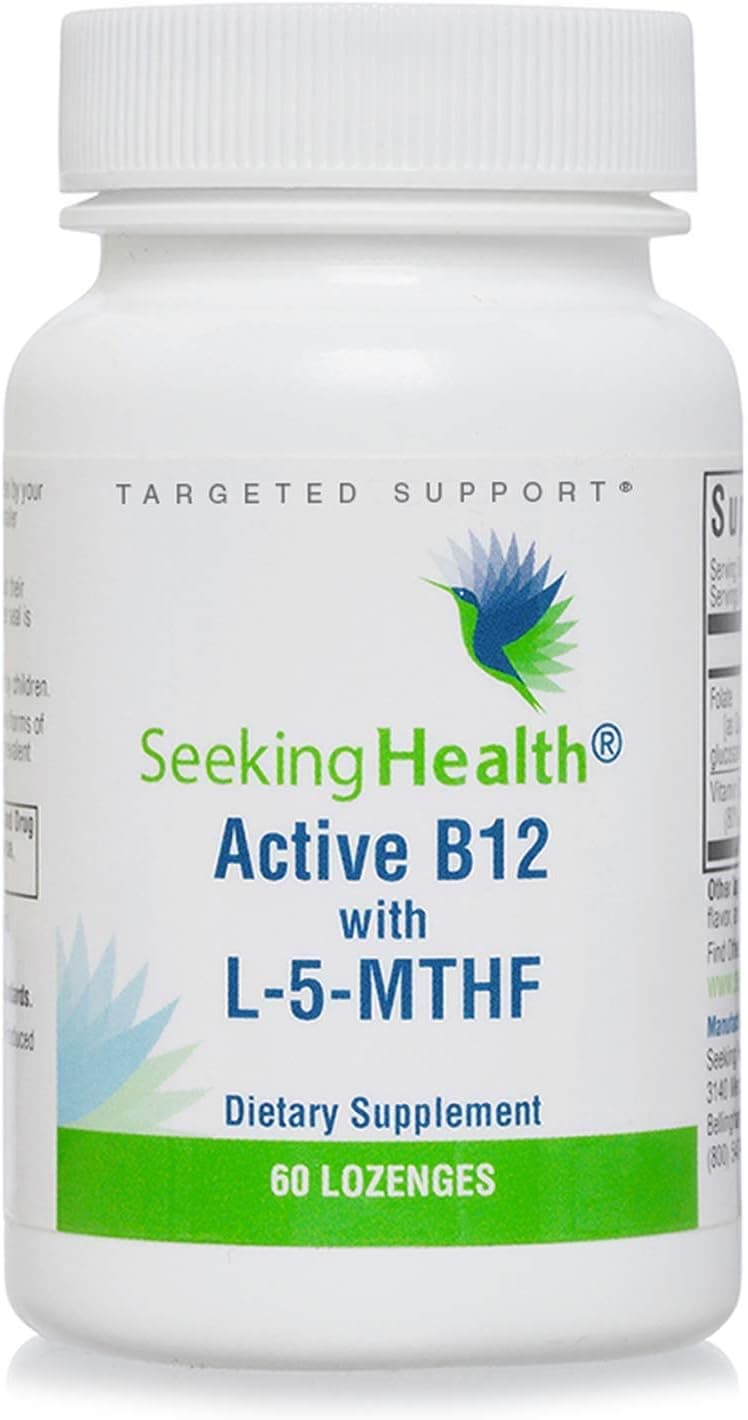
Vitamin B12 in our library1 form

Same mineral in different salts. Each is its own molecule with its own page, and absorption and feel differ from one to the next.

See all 1 form
What the strongest studies found

The essence, in one line each.

  1. Pooling 12 randomized trials in 1,114 people, adding about 0.5 mg of vitamin B12 daily lowered blood homocysteine by a further 7% on top of the roughly 25% reduction from folic acid.Meta-analysis. Homocysteine Lowering Trialists' Collaboration, 1998 (BMJ). PMID 9569395
  2. Across 16 studies in 6,098 people, vitamin B12 supplementation raised serum B12 by about 403 pg/mL, and oral or sublingual doses raised it about as much as intramuscular injections.Systematic review and meta-analysis. Mazur et al., 2025 (Frontiers in Pharmacology). PMID 41487531
  3. Across trials in adults who were not deficient, B12 supplementation showed no detectable improvement in cognitive test scores, mood scores or tiredness.Meta-analysis. Systematic review and meta-analysis, 2021. PMID 33809274
  4. In children, B12 supplementation raised blood B12 levels, with little to no detectable effect on growth or developmental scores.Meta-analysis. Systematic review and meta-analysis, 2026. PMID 42227307
  5. In adults with low B12 status, oral and injected B12 were both reported to raise blood B12, to a broadly similar degree across the included studies.Systematic review. Comparative systematic review, 2025. PMID 39964959
  6. B12 taken during pregnancy raised maternal and infant B12 status, with no clear difference detected in birth weight or infant growth.Systematic review. Systematic review, 2024. PMID 38189492
  7. A Cochrane review pooling supplementation trials against blood indices, B12 status markers and health outcomes; status markers respond consistently while the clinical outcome evidence is thinner.Systematic review. Sley et al., 2026 (Cochrane Database of Systematic Reviews). PMID 42100907
  8. Pooled trials comparing routes of administration; oral and injected routes both raised serum B12, and the analysis did not detect a difference between them, which is a failure to detect a difference and not proof that the routes are interchangeable.Systematic review. Abdelwahab et al., 2024 (Irish Journal of Medical Science). PMID 38231320
  9. A meta-analysis with meta-regression pooling randomised trials of B12 supplementation and examining dose and duration as moderators of the pooled effect.Meta-analysis. Sohouli et al., 2024 (Nutrition Reviews). PMID 37495210
  10. Reviews whether intakes above what repletion requires add anything, and argues that more is not automatically better once status markers are normal.Narrative review. Yepes-Calderon et al., 2026 (Nutrients). PMID 42197057
  11. A community-based placebo-controlled trial of daily B12 through pregnancy with infant growth and development as the prespecified outcomes.Randomised trial. Chandyo et al., 2023 (The Lancet). PMID 37031691
  12. Measured blood indices and body measurements in children with severe acute malnutrition given supplemental B12; the endpoints are laboratory and anthropometric markers.Randomised trial. Pathak et al., 2026 (Clinical Pediatrics). PMID 41566649
  13. A double-blind placebo-controlled trial of folic acid with or without B12 tracking urinary arsenic methylation patterns, which are biochemical markers of methylation capacity rather than clinical outcomes.Randomised trial. Martinez-Morata et al., 2024 (Environment International). PMID 38728816
  14. Measured blood lipid and glycaemic markers in adults with elevated liver fat given supplemental B12; marker-level endpoints only.Randomised trial. Talari et al., 2022 (Scientific Reports). PMID 35982162
  15. A randomised controlled trial using wrist actigraphy to record sleep pattern under B12 supplementation versus control.Randomised trial. Hysing et al., 2022 (Clinical Nutrition). PMID 34999324
  16. Tracked glycaemic markers, urinary albumin and nerve conduction measures in adults with high blood sugar receiving supplemental B12; all three endpoints are measured markers.Randomised trial. Kumar et al., 2026 (Hormone Molecular Biology and Clinical Investigation). PMID 42333392
  17. A 24-week randomised trial of combined folate and B12 in adults with low serum folate under psychiatric care, with blood status markers among the outcomes.Randomised trial. Chen et al., 2026 (Journal of the Formosan Medical Association). PMID 39645464
  18. A published comment on the 24-week folate and B12 trial, raising methodological points about how its results should be read.Narrative review. Jaiswal et al., 2026 (Journal of the Formosan Medical Association). PMID 41866279
  19. Reports that adipose tissue DNA methylation patterns differed by nutritional status including B12; an association between status and a molecular marker, not evidence that supplementation causes the change.Cohort study. da Mota et al., 2026 (Clinical Epigenetics). PMID 41484640
  20. Phosphorus with B12 in feed altered chilled semen quality measures in native chickens; an animal husbandry finding that can only ground mechanism.Animal study. Suwimonteerabutr et al., 2024 (Poultry Science). PMID 38007902

These are the studies our verdict leans on, chosen from the 645 we read for Vitamin B12. The full linked list is below.

Primary evidence

The studies, linked.

6 sources behind our Vitamin B12 verdict: peer-reviewed studies and registered clinical trials. Every one links straight to PubMed, the journal, or ClinicalTrials.gov. Read them yourself.

  1. ClinicalTrials.gov
  2. ClinicalTrials.gov
  3. ClinicalTrials.gov
  4. ClinicalTrials.gov
  5. ClinicalTrials.gov
  6. ClinicalTrials.gov

Evidence surfaced via Semantic Scholar (Allen Institute for AI) and ClinicalTrials.gov. Ranked by study type and citation weight, not cherry-picked.

Side effects reported to the FDA

Problems people have reported.

Read this carefully. These are 274,942 voluntary, unverified reactions reported to the FDA (openFDA). The number mostly reflects how popular Vitamin B12 is, not how risky it is. A report is not proof Vitamin B12 caused anything. It is a signal of what to watch for, nothing more.

Fatigue
12,325
Diarrhoea
8,821
Nausea
8,482
Headache
7,283
Drug Ineffective
7,236
Off Label Use
6,823

Source: openFDA adverse-event reports. Voluntary reporting, not an incidence rate.

Every figure on this page, at source

Labs test. IngredientMD verifies.

Homocysteine Lowering Trialists' Collaboration, 2005 (Am J Clin Nutr)Meta-analysis. 25 trials. Plasma homocysteine.PMID 16210710
Eussen 2005, Archives of Internal MedicineRandomised controlled trial. Time to effect, about 16 weeks of daily oral use.PMID 15911731
Sources checked 21 July 2026. A strength word says how much research stands behind a claim. It is never a product score.Educational information about an ingredient, not medical advice and not a claim about any specific product. Statements about ingredients have not been evaluated by the Food and Drug Administration. Bring the label to your pharmacist.

FDA Disclaimer: These statements have not been evaluated by the Food and Drug Administration. This information is for educational purposes only and is not intended to diagnose, treat, cure, or prevent any disease. Consult your healthcare provider before starting any supplement regimen.