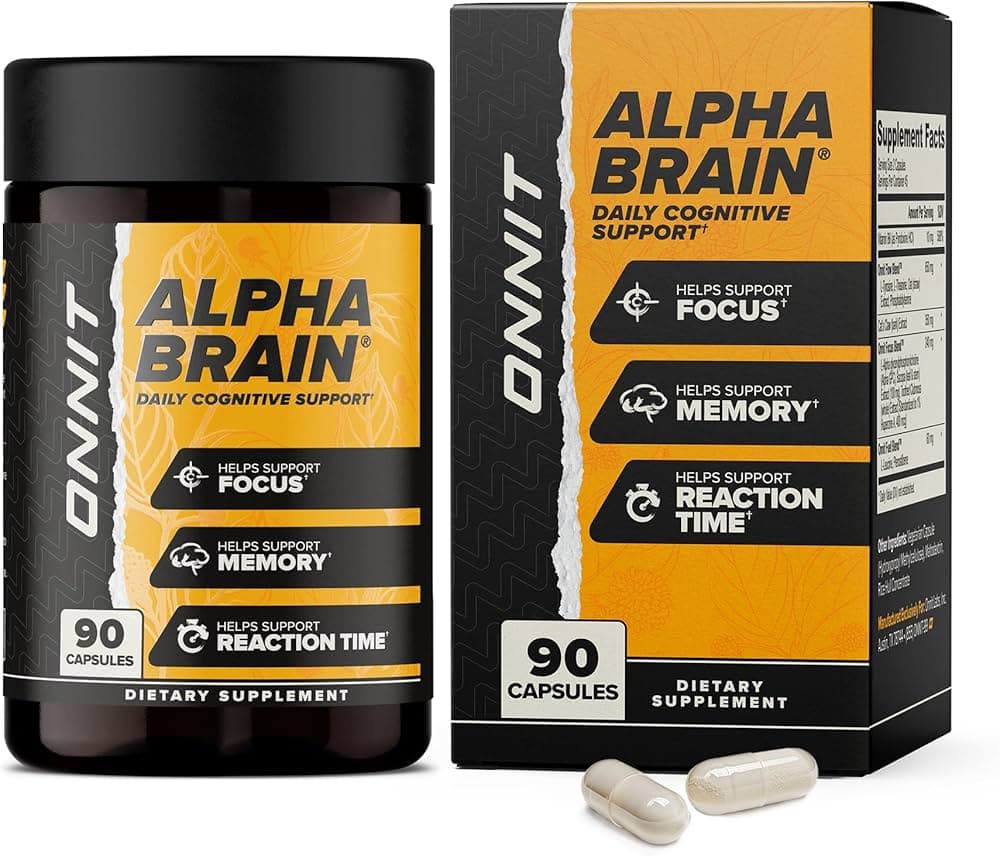
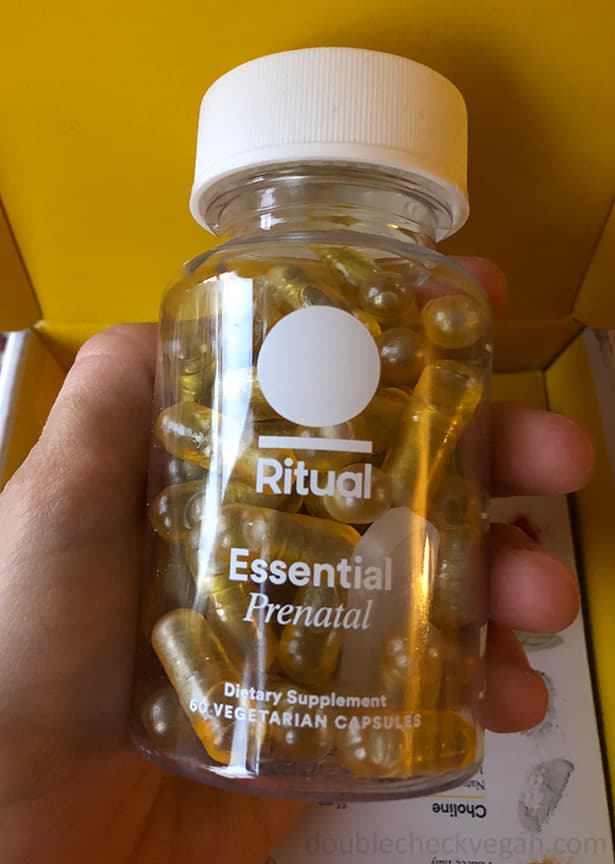
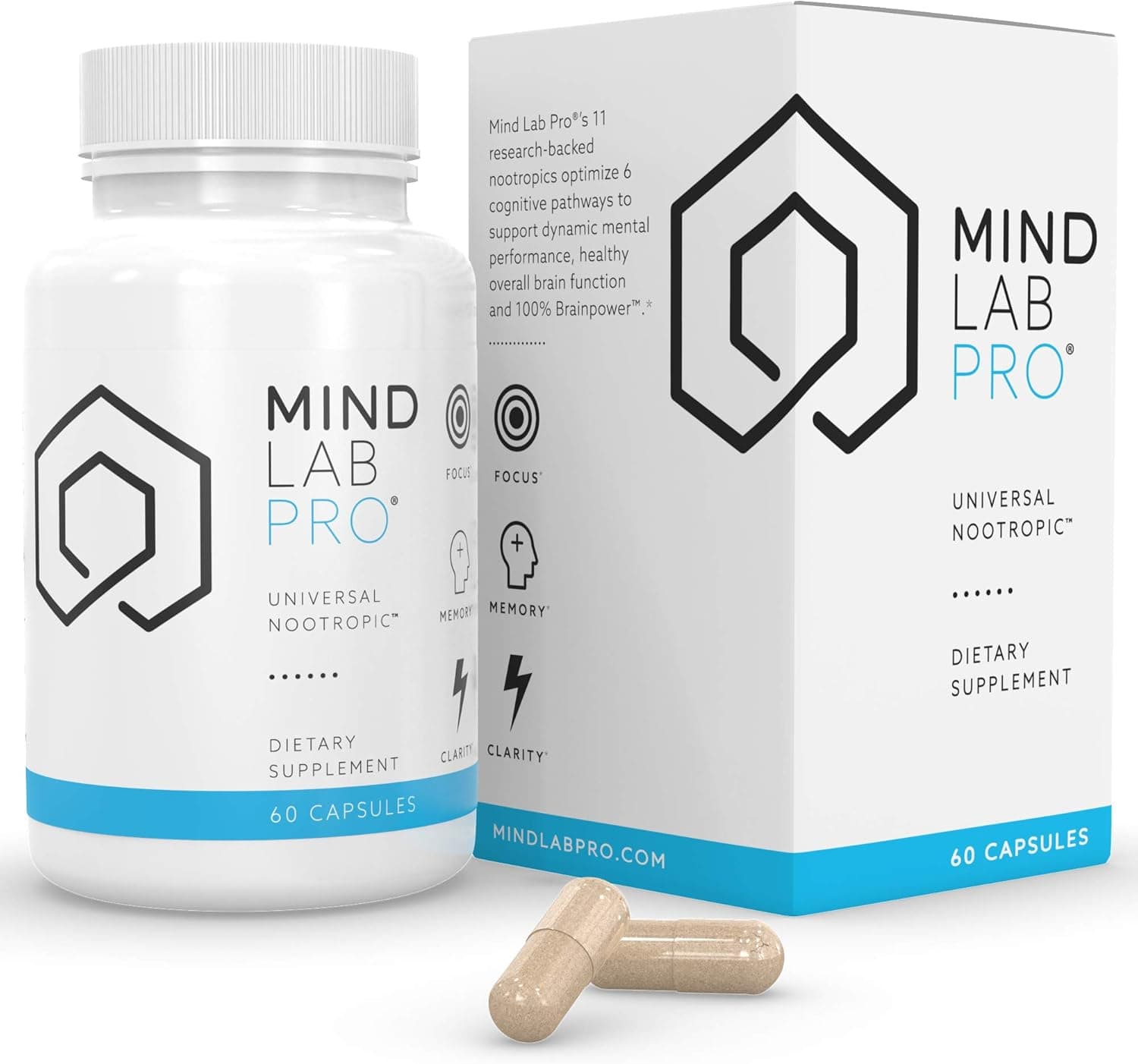
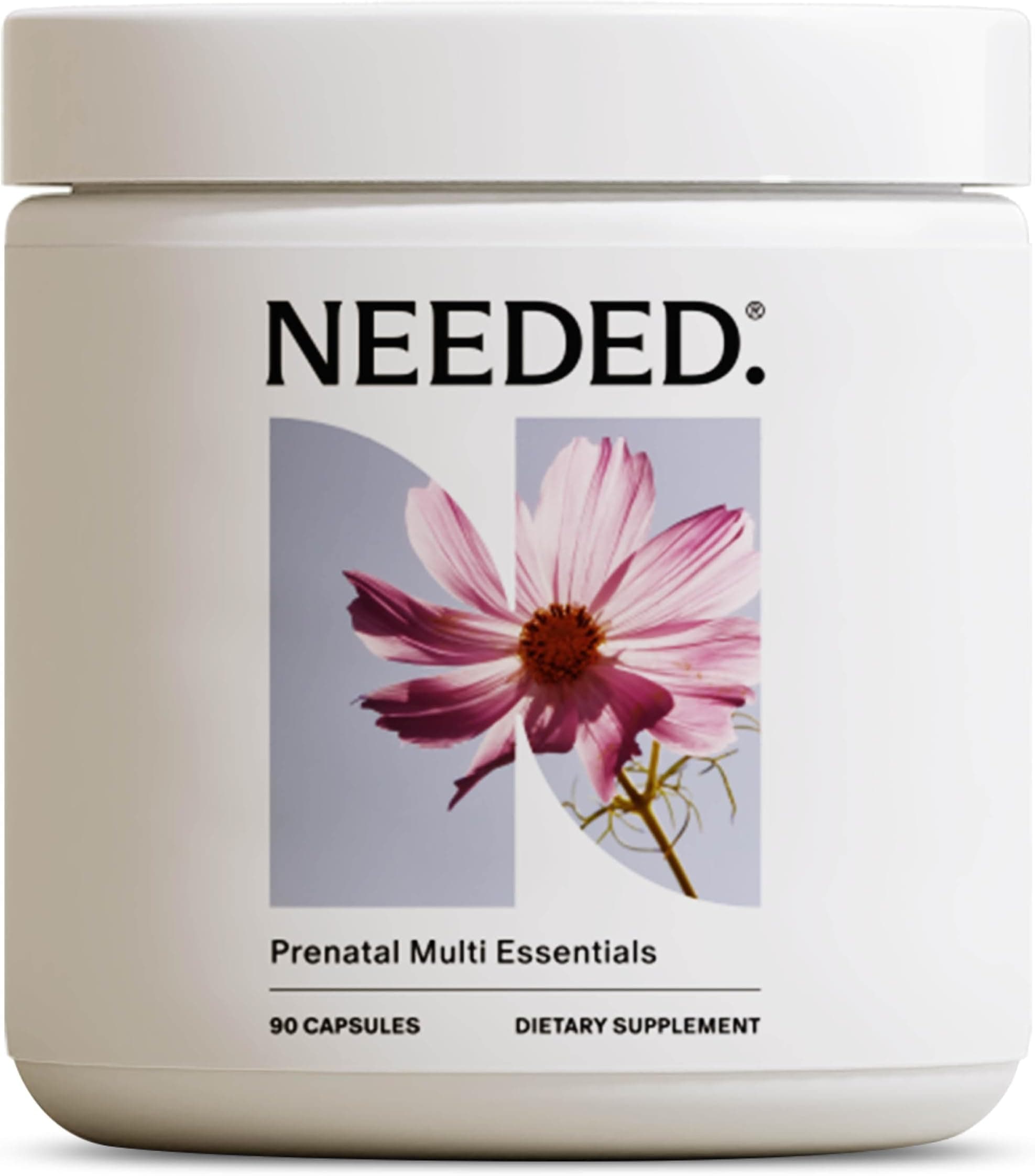
AdultsNHANES 2009 to 2012
Fewer than 1 in 10 Americans
take in enough choline to meet the adequate intake.
Wallace and Fulgoni, Journal of the American College of Nutrition 2016, NHANES 2009 to 2012 (cited by NIH ODS). ↗Supports liver health and cognitive function. It's a precursor to acetylcholine, a key neurotransmitter for memory, focus, and muscle control. Also helps the liver process fat.
Reviewed March 2026
Public health figures for this ingredient, reported by the agencies that publish them, cited and dated.
Fewer than 1 in 10 Americans
take in enough choline to meet the adequate intake.
Wallace and Fulgoni, Journal of the American College of Nutrition 2016, NHANES 2009 to 2012 (cited by NIH ODS). ↗Population figures from public health data. Context for the category, not a statement about any individual and not a claim about this product.
Source: NIH ODS + Zeisel 2006 + IOM 1998
In a controlled feeding study, lactating women randomised to 480 or 930 mg choline per day for 10 to 12 weeks showed that the higher intake increased breast milk choline content by raising output of endogenously synthesised choline metabolites.
These words describe the research, not the molecule's worth. Research strength is how much work stands behind one claim, and it is never a product score.
Choline is an essential nutrient recognized by major health organizations. Its role in various physiological processes is well-established, leading to a strong scientific consensus on its importance.
Why these belong in the same formula. Each row says what the basis is, from settled biochemistry through to a trial that measured the pair.
The body oxidizes some of its choline into betaine, so the two sit on the same short pathway. Betaine then donates a methyl group that converts homocysteine back into methionine, feeding the body's everyday methylation reactions.
Choline, by way of betaine, and folate run two separate routes that both remethylate homocysteine into methionine, so each can carry more of the load when the other runs low. Having both available keeps the body's methyl-group supply steady.
Pantothenic acid is built into coenzyme A, the carrier that delivers the acetyl group choline needs to become acetylcholine. Nerve cells draw on both raw materials to assemble this signaling molecule.
Choline forms the head group of phosphatidylcholine, the main phospholipid in cell membranes, while DHA is a fatty acid slotted into that same phospholipid. Providing both gives cells the two components they use to build and renew membrane structure.
Methionine synthase uses B12 to remethylate homocysteine from folate, which spares the alternative route that oxidises choline to betaine. Low B12 pushes the body to burn choline for methyl groups instead of keeping it for phospholipid synthesis.
Choline's oxidation route ends in sarcosine and glycine, and the serine hydroxymethyltransferase and transsulfuration steps that handle glycine are pyridoxal phosphate dependent. Without B6 those intermediates clear more slowly.
Dimethylglycine dehydrogenase and sarcosine dehydrogenase are flavoproteins that carry choline's oxidation products forward, and MTHFR is flavin-dependent too. Riboflavin status therefore sets how efficiently choline-derived methyl groups are used.
Choline is incorporated into phosphatidylcholine by the CDP-choline pathway, and phosphatidylcholine hydrolysis releases choline back. Supplementing either raises the same pool from a different entry point.
Lecithin is the commercial phospholipid mixture that carries phosphatidylcholine, so it is a slower-release route to the same choline pool. Blending it with free choline salts spreads intake across water-soluble and lipid-bound forms.
Alpha-GPC is a choline-bearing phospholipid metabolite that feeds the same free choline and acetylcholine pools. Combining it with choline salts raises the total choline load, which is what the label needs to reflect.
Choline supplies the substrate that choline acetyltransferase turns into acetylcholine, while huperzine A slows acetylcholinesterase so the transmitter that is made lasts longer at the synapse. Supply and turnover are the two ends of one pathway.
DMAE is choline lacking one methyl group and uses the same high-affinity choline transporter, so the two compete for entry into the neuron. That competition is why they are usually dosed as alternatives rather than stacked freely.
Phosphatidylserine is made from phosphatidylcholine and phosphatidylethanolamine by base exchange, so choline supply feeds into the serine phospholipid pool. The two are combined in membrane-phospholipid formulas for that reason.
Choline feeds phosphatidylcholine and inositol feeds phosphatidylinositol, the two head groups used together in classic lipotropic formulas. Both belong to the normal export of lipid from the liver as very low density lipoprotein.
Choline and carnitine both carry a trimethylamine group that gut bacteria can cleave, so they draw on the same microbial pathway and the same hepatic FMO3 handling. Carnitine excretion also falls when choline intake is generous.
Once choline has donated its methyl groups, the dimethylglycine that remains is stripped to sarcosine and then to glycine. Choline intake therefore feeds the glycine pool at the end of the oxidation route.
Homocysteine can be remethylated by two routes: the folate-dependent methionine synthase route and the choline-derived betaine route through BHMT. When one input runs low the other carries more of the load, which is why choline requirement rises when folate intake falls. This is settled biochemistry, not a combination trial result.
Methionine is converted to S-adenosylmethionine, the universal methyl donor, and the PEMT pathway spends three of those methyl groups to build phosphatidylcholine from phosphatidylethanolamine. Choline supplied in the diet spares that expenditure. The two sit on opposite ends of the same methyl budget.
S-adenosylmethionine donates the methyl groups that PEMT uses to make phosphatidylcholine endogenously. Adequate dietary choline reduces how much SAM must be spent that way, leaving more for other methylation reactions. The relationship runs in both directions.
Endogenous creatine synthesis consumes a large share of the body's available methyl groups at the guanidinoacetate methyltransferase step. Supplemental creatine reduces that demand, which eases pressure on the same SAM pool that choline and betaine feed. This is a methyl-economy interaction rather than a performance one.
Cytidine diphosphate choline is the activated intermediate in the Kennedy pathway that free choline must be converted into before phosphatidylcholine can be assembled. Supplying it directly skips the phosphorylation and cytidylylation steps. Taking both is redundant on paper, which is worth knowing when reading a stacked label.
Long-chain omega-3 fatty acids are incorporated into membrane phospholipids, and the PEMT pathway preferentially produces the docosahexaenoic-acid-containing species of phosphatidylcholine. Choline availability therefore affects how those fatty acids are packaged and exported from the liver. The two are structural partners in the same molecule.
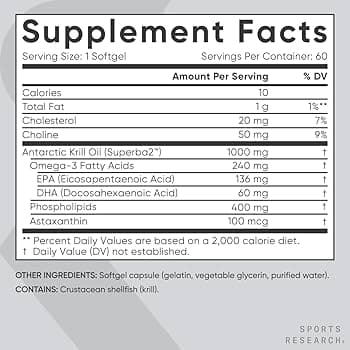
Krill oil delivers its omega-3 fatty acids largely as phospholipids, which means it carries phosphatidylcholine and therefore choline in the same capsule. The choline contribution is real but modest relative to a dedicated choline dose. It is a composition fact worth reading off the panel.
Lecithin is a phospholipid mixture in which phosphatidylcholine is the main choline-bearing species, so it functions as both an emulsifier and a choline source. Sunflower-derived material is used where a soy-free label is wanted. The choline density per gram is low compared with a bitartrate or alpha-GPC dose.
Gut bacteria carrying choline TMA-lyase convert dietary choline to trimethylamine before it can be absorbed, and the host then oxidises that to trimethylamine N-oxide. Shifting the community composition changes how much choline is lost to this route. Which direction a given probiotic pushes it is strain specific and not settled.
Bacopa is used in cognition formulas and has been described as influencing cholinergic signalling in preclinical work. Choline supplies the acetylcholine precursor on a different part of the same system. The combination is common in commercial nootropics and thinly studied as a combination.
Betaine-homocysteine methyltransferase, the enzyme that lets choline-derived betaine donate a methyl group to homocysteine, is a zinc-dependent enzyme. Adequate zinc status is a precondition for that step running normally. This supports normal homocysteine metabolism rather than being an additive effect.
Choline oxidation to betaine runs through choline dehydrogenase and betaine aldehyde dehydrogenase, both of which depend on NAD as the electron acceptor. Niacin is the dietary precursor for that NAD pool. Without it the choline-to-betaine conversion has no cofactor to work with.
Thiamine and choline both feed processes in liver energy and lipid handling, and animal nutrition literature has looked at them together. The interaction is not characterised in humans at supplemental doses. Listed as a direction to check, not a claim.
Talk to a doctor before taking Choline if any of these apply to you: Kidney issues, Trimethylaminuria (TMAU), Excessive doses can cause fishy body odor, May interact with certain medications. Consult a healthcare professional. These are flags to check first, not effects Choline is known to cause.
Not medical advice. Show the label to your pharmacist.Your body uses choline to build acetylcholine, one of the messenger chemicals nerve cells signal with. That is the link between this nutrient and normal nerve signalling.
Choline gets switched on in a few steps and stuck onto a fat molecule to make phosphatidylcholine, the main fat-like building block in the wall of every cell you have.
Your liver can also build phosphatidylcholine without any choline from food, but that route spends methyl groups. So how much choline you need is tied to your methyl supply.
Some choline is converted one way inside mitochondria into betaine, which hands a methyl group to homocysteine. That supports normal homocysteine handling alongside the folate route.
Some choline supplements are made in a chemical plant and paired with an acid to make a stable powder. Others start from lecithin out of soybeans or sunflower seeds, which is separated and cleaned up until only the choline-carrying part is left. Which route was used changes how much actual choline is in each milligram.
The same molecule is reached more than one way. Which route a given product used is a manufacturing choice, and the finished compound is the same either way.
The simple choline salts start from synthetic choline base, made industrially by reacting trimethylamine with ethylene oxide. The phospholipid forms start instead from de-oiled soy or sunflower lecithin.
Choline base is neutralised with tartaric, citric or hydrochloric acid to give the bitartrate, citrate or chloride. Alpha-GPC is instead obtained by deacylating phosphatidylcholine, chemically or enzymatically, to strip the two fatty acid chains.
Citicoline is produced either by chemical synthesis or by enzymatic and fermentative coupling of cytidine monophosphate with phosphocholine, which is why manufacturing route varies by supplier.
Where phosphatidylcholine is the target, crude lecithin is fractionated with alcohol to concentrate the phosphatidylcholine fraction away from other phospholipids.
Alpha-GPC and citicoline are purified chromatographically and are strongly hygroscopic, so they are usually supplied adsorbed onto silica or as a 50 percent blend rather than as free powder.
Material is assayed for choline content, since the same milligram figure on two labels can mean very different amounts of the choline moiety depending on the salt or phospholipid used.
Salts go into tablets and capsules. The hygroscopic forms usually go into softgels or moisture-protected granulates.
The whole-food sources on file. A supplement closes the gap, it does not replace dinner.
A gram-for-gram figure (how much of each you would eat to match a dose) will appear here once it is sourced and reviewed. This page will not print a number it cannot cite.
These are the studies our verdict leans on, chosen from the 1,863 we read for Choline. The full linked list is below.
10 sources behind our Choline verdict: peer-reviewed studies and registered clinical trials. Every one links straight to PubMed, the journal, or ClinicalTrials.gov. Read them yourself.
Evidence surfaced via Semantic Scholar (Allen Institute for AI) and ClinicalTrials.gov. Ranked by study type and citation weight, not cherry-picked.
Read this carefully. These are 97,078 voluntary, unverified reactions reported to the FDA (openFDA). The number mostly reflects how popular Choline is, not how risky it is. A report is not proof Choline caused anything. It is a signal of what to watch for, nothing more.
Source: openFDA adverse-event reports. Voluntary reporting, not an incidence rate.
FDA Disclaimer: These statements have not been evaluated by the Food and Drug Administration. This information is for educational purposes only and is not intended to diagnose, treat, cure, or prevent any disease. Consult your healthcare provider before starting any supplement regimen.