AdultsNHANES 2009 to 2012
Fewer than 1 in 10 Americans
take in enough choline to meet the adequate intake.
Wallace and Fulgoni, Journal of the American College of Nutrition 2016, NHANES 2009 to 2012 (cited by NIH ODS). ↗The RAM upgrade. Boosts brain levels of acetylcholine, a key neurotransmitter for focus, learning, and muscle contraction. Think of it as premium fuel for your neurons and muscles.
Reviewed March 2026
Public health figures for this ingredient, reported by the agencies that publish them, cited and dated.
Fewer than 1 in 10 Americans
take in enough choline to meet the adequate intake.
Wallace and Fulgoni, Journal of the American College of Nutrition 2016, NHANES 2009 to 2012 (cited by NIH ODS). ↗Population figures from public health data. Context for the category, not a statement about any individual and not a claim about this product.
Source: Parker 2015 + Bellar 2015 power output study
These words describe the research, not the molecule's worth. Research strength is how much work stands behind one claim, and it is never a product score.
Strong data for cognitive decline and power output.
Why these belong in the same formula. Each row says what the basis is, from settled biochemistry through to a trial that measured the pair.
The body builds acetylcholine by joining choline to an acetyl group delivered by acetyl coenzyme A, and it assembles coenzyme A itself from pantothenic acid. Alpha-GPC supplies the choline half while vitamin B5 supplies the coenzyme A behind the acetyl half, so the two feed opposite ends of the same reaction.
Phosphatidylcholine, a main phospholipid in neuronal membranes, is assembled from a choline head group and fatty acid tails, and DHA is the omega-3 that brain membranes preferentially incorporate into that structure. Alpha-GPC contributes the choline while DHA contributes the acyl chain, giving the cell complementary building blocks for making and maintaining membranes.
The body oxidizes part of its choline into betaine, which then hands off a methyl group to regenerate methionine from homocysteine during normal one-carbon metabolism. Alpha-GPC feeds the choline pool that betaine draws from, and supplemental betaine spares choline so more stays available for its acetylcholine and membrane roles.
Acetylcholine synthesis needs a choline and an acetyl group. Alpha-GPC delivers the choline while ALCAR feeds the acetyl pool through acetyl-CoA.
Alpha-GPC raises the choline available for acetylcholine synthesis and huperzine A slows the esterase that breaks acetylcholine down, so one fills the pool and the other holds it.
Alpha-GPC is a deacylated phosphatidylcholine and phosphatidylserine carries the other main head group, so together they supply both principal phospholipid classes of neuronal membranes.
Alpha-GPC is a choline carrier, so its choline counts toward the same daily pool as free choline and the two overlap rather than add independently.
Both molecules release choline for membrane and acetylcholine synthesis, so they feed one pool. Alpha-GPC arrives faster while phosphatidylcholine releases more slowly.
Lecithin is a dilute phosphatidylcholine source feeding the same choline pool Alpha-GPC feeds, which matters when totalling choline across a formula.
Choline oxidised to betaine donates a methyl group to homocysteine, and B12-dependent methionine synthase runs the parallel route, so adequate B12 spares choline for phospholipid and acetylcholine use.
Folate feeds the methylfolate arm of homocysteine remethylation, which reduces the demand on choline-derived betaine and leaves more choline for membrane and neurotransmitter synthesis.
B6 drives the transsulfuration route that clears homocysteine, which lowers the load on the choline-betaine methylation arm that Alpha-GPC otherwise contributes to.
Caffeine works by blocking adenosine receptors, which raises central arousal, while alpha-GPC supplies choline for acetylcholine synthesis. The mechanisms do not overlap, which is exactly why the two are stacked so often in pre-workout and focus formulas. Their combined effect on any performance measure has not been separated out in a trial reported here.
A randomised sports-nutrition trial gave l-citrulline together with branched-chain amino acids and alpha-glycerylphosphorylcholine and reported on exercise performance measures. Because all three were given as one blend, the trial supports the combination and cannot attribute any part of the result to alpha-GPC alone. Citrulline acts on nitric-oxide substrate supply, alpha-GPC on choline supply, so the pairing is mechanistically non-overlapping.
The same randomised trial included branched-chain amino acids, of which leucine is the principal one, alongside alpha-GPC in a single exercise-performance blend. Leucine signals to muscle protein synthesis. Alpha-GPC feeds the cholinergic side of neuromuscular signalling. The evidence is for the blend, not for either component isolated.
Citicoline delivers cytidine plus choline and enters phosphatidylcholine synthesis at the CDP-choline step, while alpha-GPC delivers the glycerophosphocholine backbone that yields free choline. Both raise the choline available for acetylcholine and membrane phospholipid synthesis. Taken together they stack the same choline load, which is worth knowing when totalling choline across a stack.
The portion of choline that is oxidised rather than acetylated goes through choline dehydrogenase, a flavin-dependent enzyme built on FAD derived from riboflavin, and then betaine aldehyde dehydrogenase. Riboflavin status therefore sits on the oxidative branch of choline handling. This is cofactor chemistry, not a tested combination.
Tyrosine is the precursor for dopamine and noradrenaline. Alpha-GPC supplies choline for acetylcholine. Stacking them supplies two different transmitter precursors rather than reinforcing one pathway, which is the usual rationale in cognitive formulas. No trial reported here has tested the pair.
L-theanine is used for its calming influence on the arousal side of a formula, often against caffeine, while alpha-GPC contributes choline. The pairing is a formulation choice with no combination data behind it. Described here so a formulator sees the rationale and its limits.
Creatine supports phosphate transfer for short high-output efforts, alpha-GPC supports choline supply to the neuromuscular junction. They appear together in power-focused formulas, and the stored power-output claim for alpha-GPC comes from studies of alpha-GPC itself, not of the pair. No combination measurement exists in this candidate set.
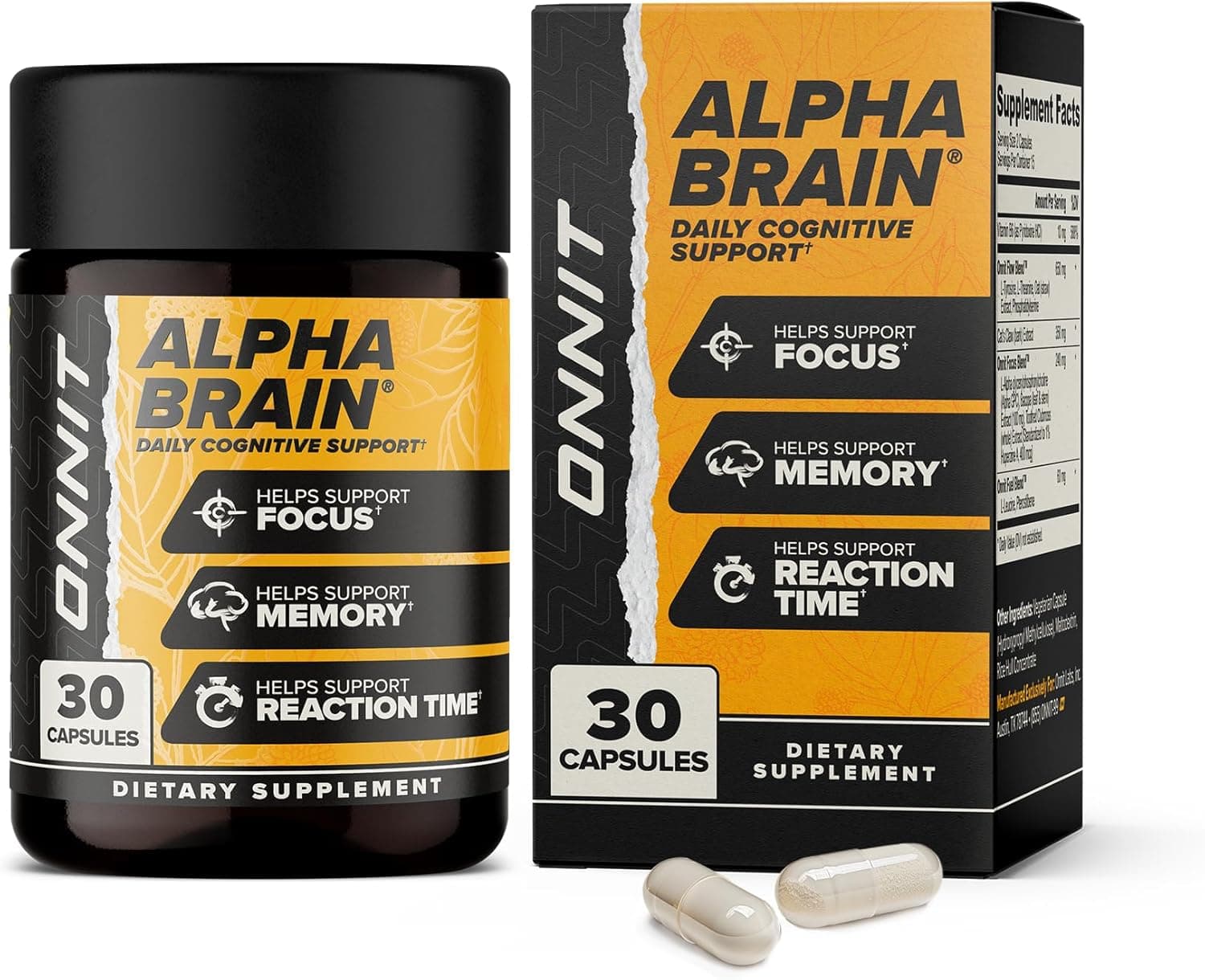
Bacopa is used in cognitive formulas on its own evidence base, and alpha-GPC is added as a choline donor. The two are combined by convention rather than by a study of the combination. Anyone reading a blend label should count the alpha-GPC dose separately from the bacopa extract.
Ginkgo extract is used for its own reasons in cognitive products and shares shelf space with alpha-GPC. There is no combination trial here, and neither ingredient changes the other's absorption in any way established at this point. The row exists so the pairing is documented rather than implied.
Lion's mane mycelium and fruiting body extracts are stacked with alpha-GPC in nootropic blends. The rationale offered is usually complementary rather than mechanistic, and no combination data supports it. Treated here as a formulation observation.
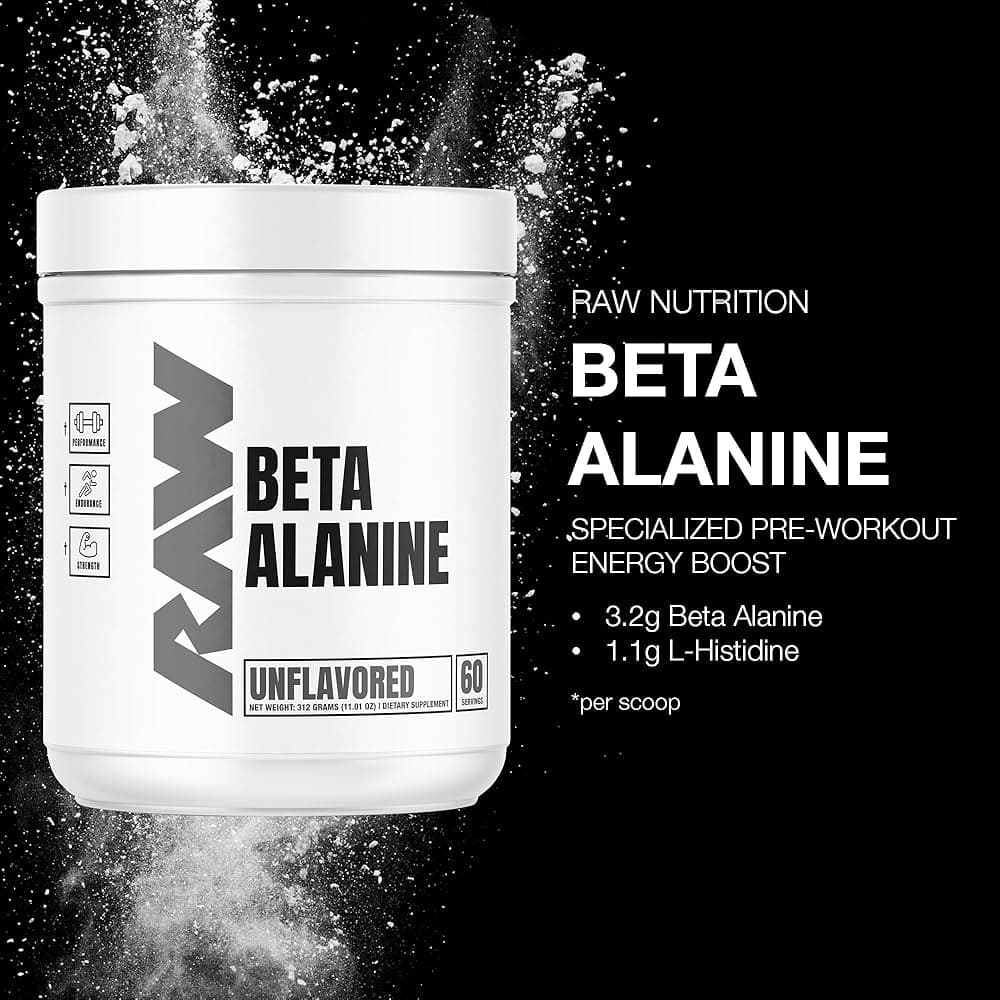
Beta-alanine raises muscle carnosine over weeks of loading, which is a buffering mechanism with nothing in common with choline supply. The two sit in the same pre-workout matrix because the categories overlap commercially. No study reported here measured them together.
Nothing specific on file for Alpha-GPC. Match the label to the daily amount above, and tell your doctor what you take.
Not medical advice. Show the label to your pharmacist.Alpha-GPC is the phosphatidylcholine backbone with both fatty acids stripped off: glycerophosphate joined to choline. Losing the fats makes it water soluble rather than fat soluble.
Enzymes cut free choline off the glycerophosphocholine. Another enzyme then attaches an acetyl group to that choline, using acetyl-CoA, to make acetylcholine.
Choline also goes back into building membrane fats through the CDP-choline pathway, also called the Kennedy pathway. That's how your body makes phosphatidylcholine for cell membranes.
Some choline gets turned into betaine, which hands methyl groups into homocysteine recycling. Choline and folate status are linked through that shared methyl pool.
Most of it starts as lecithin from soy or sunflower. The two fatty tails are cut off the phosphatidylcholine molecule, leaving the water-loving part, which is then cleaned up and either dried or spread onto a fine powder carrier so it does not turn into a sticky lump.
The same molecule is reached more than one way. Which route a given product used is a manufacturing choice, and the finished compound is the same either way.
The semi-synthetic route starts from soy or sunflower lecithin, which is rich in phosphatidylcholine. The fully synthetic route starts from glycerophosphoric acid derivatives and a choline salt.
In the lecithin route the two fatty acids are cleaved from phosphatidylcholine by enzymatic (phospholipase) or alkaline hydrolysis, leaving the glycerophosphocholine backbone. In the synthetic route the choline head group is coupled to a protected glycerophosphate and then deprotected.
Freed fatty acids, soaps and residual neutral lipids are removed by solvent partition, since the target compound is water soluble and the by-products are not.
Column or ion-exchange steps separate glycerophosphocholine from close relatives such as glycerophosphoethanolamine, free choline and phosphate salts. The eluate is concentrated under vacuum at low temperature.
Content is fixed by chromatographic assay and the concentrate is either dried to high purity or sprayed onto silicon dioxide to a declared percentage. Identity by nuclear magnetic resonance and residual solvent testing are usual.
The standardised material is blended and encapsulated, tabletted, or dispersed into glycerin or oil for liquid and softgel formats, all under controlled humidity.
The whole-food sources on file. A supplement closes the gap, it does not replace dinner.
A gram-for-gram figure (how much of each you would eat to match a dose) will appear here once it is sourced and reviewed. This page will not print a number it cannot cite.
These are the studies our verdict leans on, chosen from the 1,139 we read for Alpha-GPC. The full linked list is below.
4 sources behind our Alpha-GPC verdict: peer-reviewed studies and registered clinical trials. Every one links straight to PubMed, the journal, or ClinicalTrials.gov. Read them yourself.
Evidence surfaced via Semantic Scholar (Allen Institute for AI) and ClinicalTrials.gov. Ranked by study type and citation weight, not cherry-picked.
Read this carefully. These are 215 voluntary, unverified reactions reported to the FDA (openFDA). The number mostly reflects how popular Alpha-GPC is, not how risky it is. A report is not proof Alpha-GPC caused anything. It is a signal of what to watch for, nothing more.
Source: openFDA adverse-event reports. Voluntary reporting, not an incidence rate.
FDA Disclaimer: These statements have not been evaluated by the Food and Drug Administration. This information is for educational purposes only and is not intended to diagnose, treat, cure, or prevent any disease. Consult your healthcare provider before starting any supplement regimen.