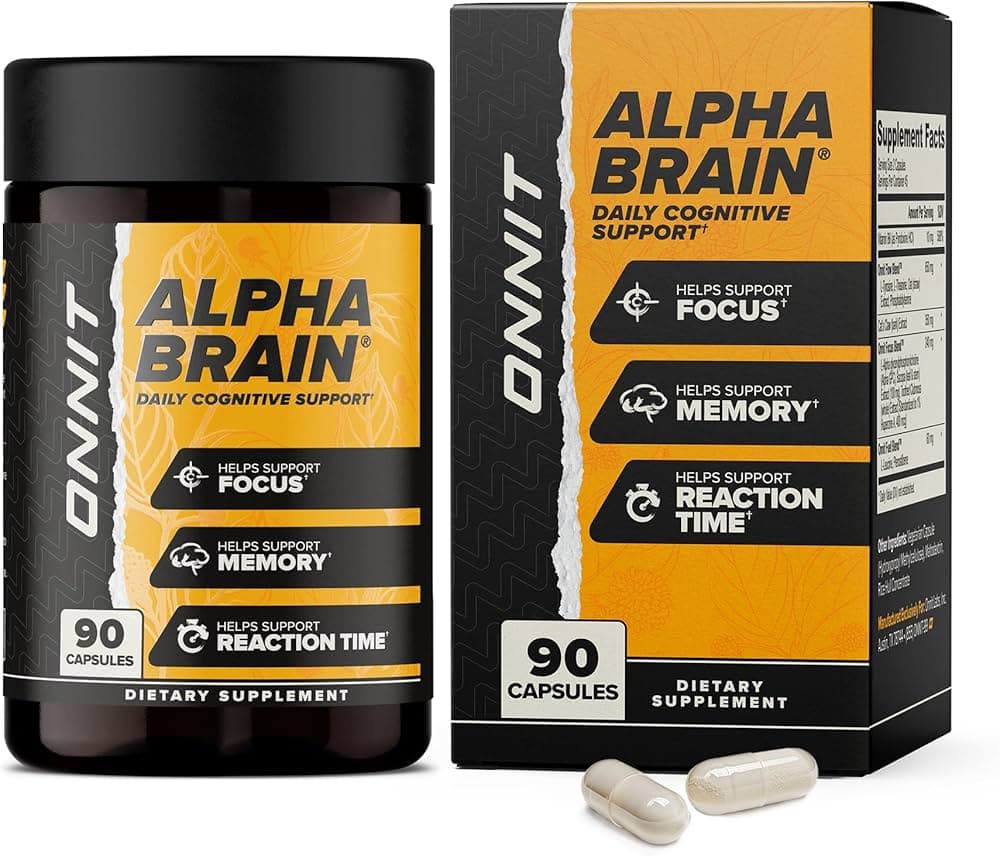
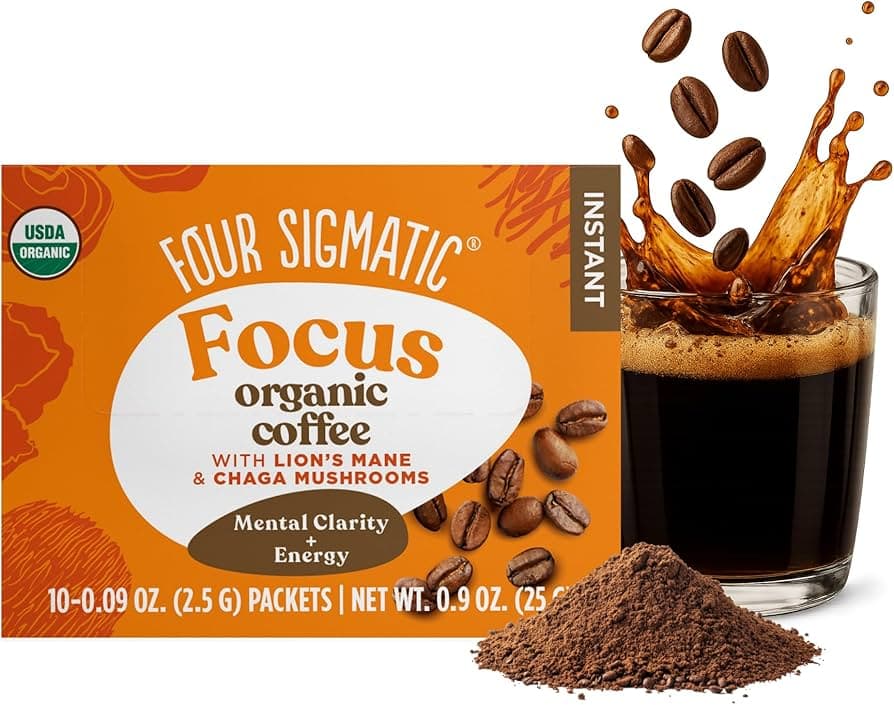
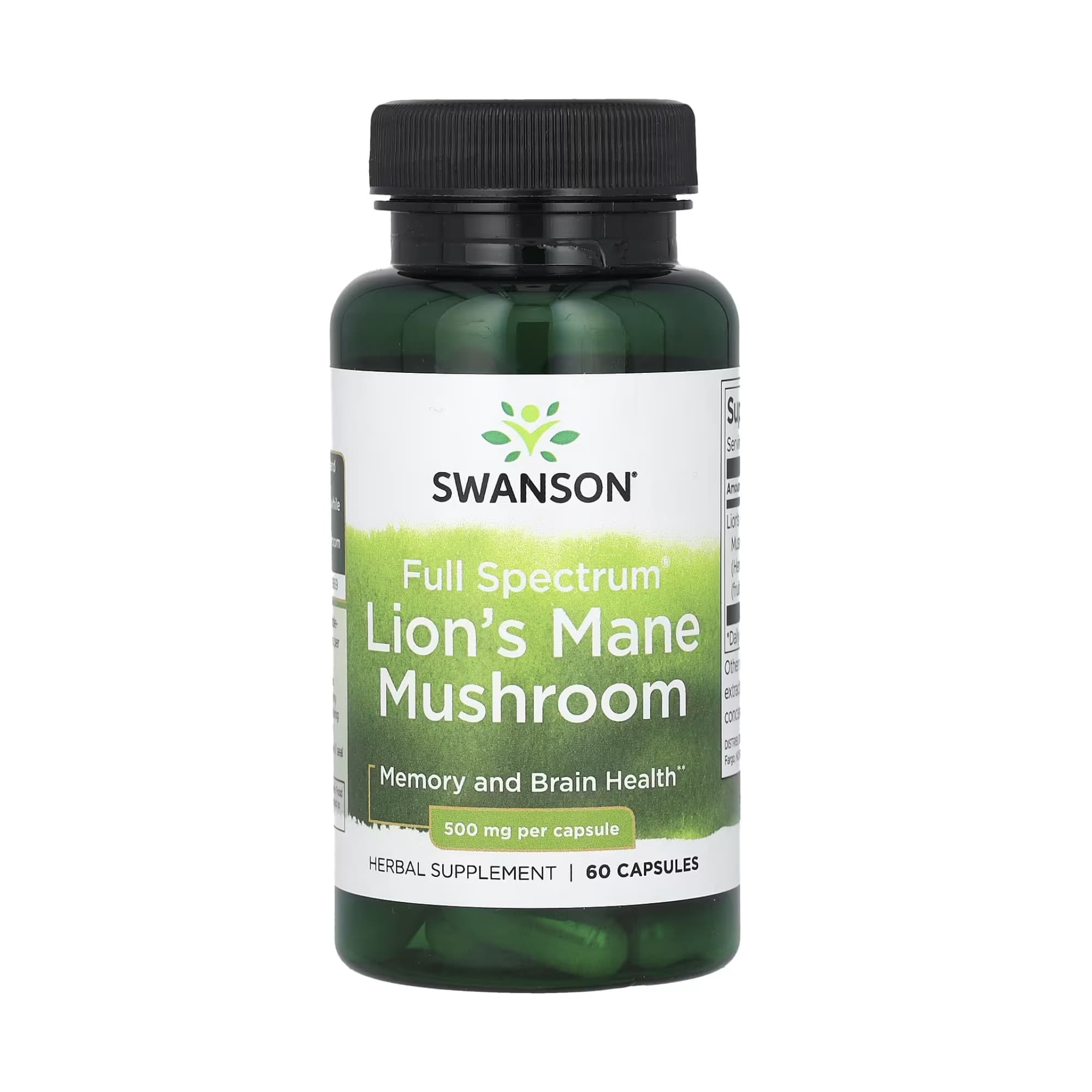
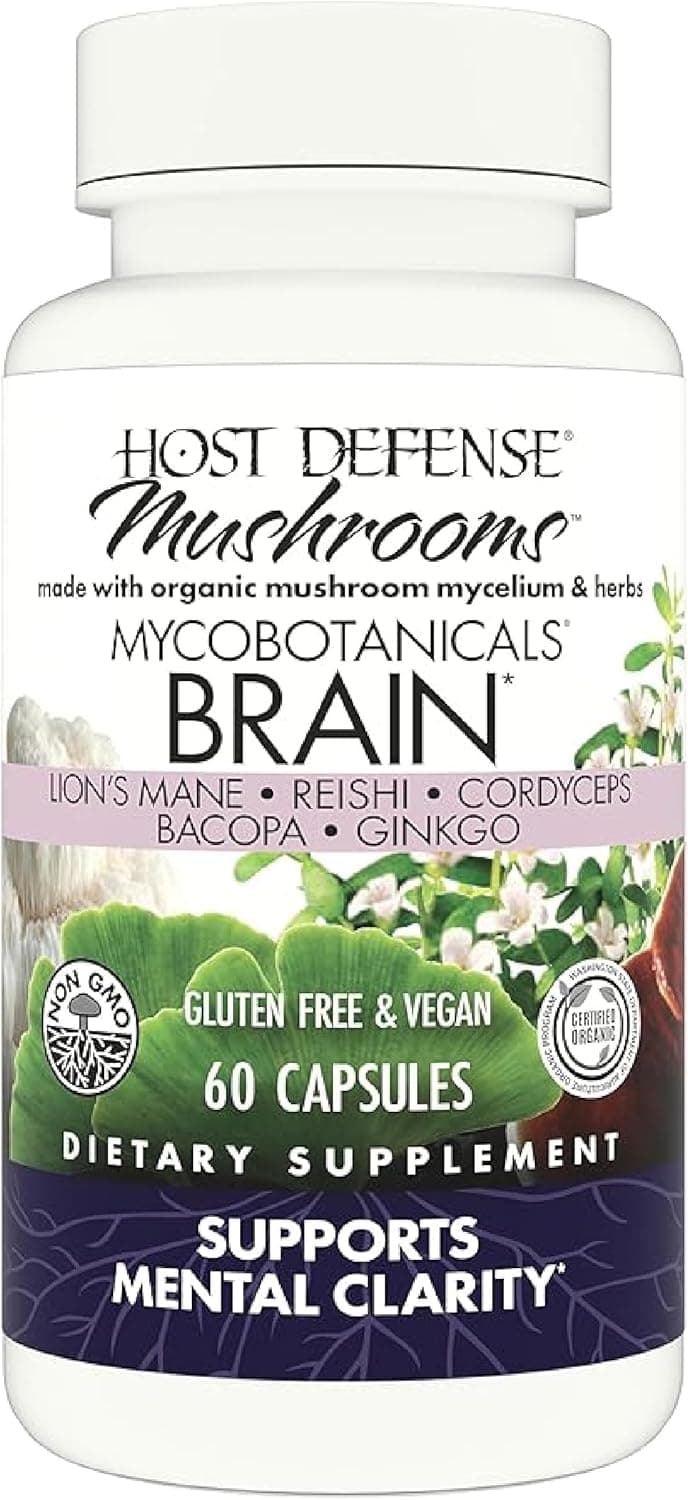
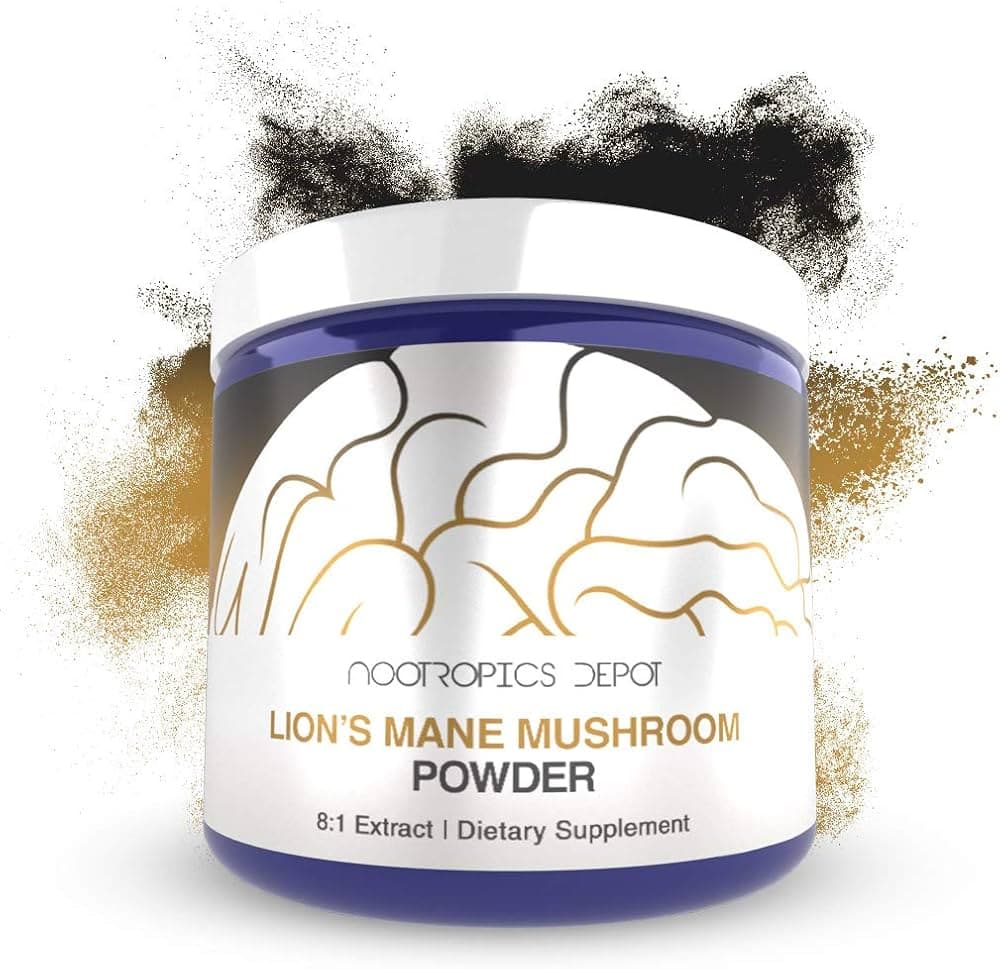
Lion's Mane (Hericium erinaceus).
Brain mushroom. Nerve growth factor stimulator. A culinary mushroom taken for focus, recall and everyday nerve signalling. The compounds behind that sit in two different parts of its life cycle.
Reviewed March 2026
- Category
- Mushroom
- Also filed under
- CognitionNerve healthNeuroprotection
- Also called
- Lions Mane Extract, Lions Mane Extract Hericenones, Hericium Erinaceus, Lion's Mane Extract
What Lion's Mane (Hericium erinaceus) is, and what it does.
- Does it work
- Suits people doing long thinking sessions and anyone building a routine around food-form ingredients. Read the label for fruiting body, mycelium, or both, because they differ.
- How much to take
- Start with 500mg to 3,000mg a day of extract, the daily maintenance band. Check whether the label counts fruiting body, mycelium or both, since they carry different compounds.
- Time to feel it
- Within about one to two hours of a single dose.
- The first dose
- Quiet. Some people describe feeling a little settled, but day one is mostly the beta-glucans reaching your colon and the terpenoids entering circulation.
- With regular use
- Weeks of daily use is where people describe steadier focus and fewer word-finding stumbles. The beta-glucans keep feeding colon bacteria for as long as you take it.
- How well tolerated
- Well tolerated in trials, with occasional stomach upset or itchy skin reported. If you react to mushrooms, check with your clinician before starting.
- How it feels
- Described as quiet rather than sharp: fewer word-finding stumbles, an easier time staying on one task. No buzz, and nothing to come down from.
- The overlooked benefit
- A mushroom takes its minerals from whatever it grows on, and ultraviolet light turns its ergosterol into vitamin D2. Cultivation changes what is in the powder, not just how much.
500 to 3,000mg a day is where Lion's Mane (Hericium erinaceus) works.
Source: Mori 2009 + Saitsu 2019 cognitive studies
Two small studies measured a same-day effect. In a randomised, double-blind, placebo-controlled parallel-groups pilot in 41 healthy adults aged 18 to 45, a single 1.8 g dose of lion's mane was followed by quicker Stroop task performance at 60 minutes after dosing (p = 0.005). In a separate randomised, double-blind, placebo-controlled crossover study, a single 1 g dose of Nordic-grown lion's mane was followed by changes in working memory, complex attention and reaction time measures two hours after ingestion. Both samples are small. A third acute crossover in 18 adults using a 3 g dose of a 10:1 fruiting body extract found no effect on composite cognition or mood at 90 minutes, with a change only on an individual pegboard test.
The proof, claim by claim.
These words describe the research, not the molecule's worth. Research strength is how much work stands behind one claim, and it is never a product score.
Based on 15 human trials with 65% consistency.
- Focus and clear thinkingRandomised trial
- Memory and recall as you ageRandomised trial
- Calm and steady moodRandomised trial
- Nerve growth factor signallingIn vitro study
- Short chain fatty acid production from fungal beta-glucansNarrative review
Questions people ask about Lion's Mane (Hericium erinaceus).
- When should I take it?
- Morning for energy-related benefits, evening for calming ones. Take with food to reduce any stomach upset.
- How long until I notice something?
- Most people notice something within 2-4 weeks. Full effects usually take 6-8 weeks. Be patient.
- Should I cycle it?
- Not strictly necessary for most herbs, but a 1-week break every 2-3 months isn't a bad idea. Keeps your body responsive.
- Any drug interactions I should know about?
- Always check with your pharmacist before combining with prescription meds. Herbs can affect how your liver processes drugs, sometimes in surprising ways.
- Can I take it with other supplements?
- Usually fine. The main thing to watch is not doubling up on the same ingredient from different products. If you're on prescription meds, check with your pharmacist first.
- Who benefits most from this?
- People with a specific, evidence-backed need. Lions Mane has strong research. If your situation matches the studied use case, it's one of the more reliable supplements you can take.
Why these belong in the same formula. Each row says what the basis is, from settled biochemistry through to a trial that measured the pair.
Lion's mane supports the nerve growth factor signaling neurons rely on to maintain and extend their connections, while alpha-GPC supplies choline the body converts into acetylcholine, a core messenger for normal focus and memory. Because they act on different arms of cognition, formulators have long paired a neurotrophic mushroom with a choline donor.
DHA is the main omega-3 fatty acid built into neuronal membranes, so it provides the structural lipid a neuron needs to form and extend new membrane. That supplies the raw material on the structural side while lion's mane supports the growth-factor signaling that drives neurite outgrowth, two complementary halves of the same process.
Phosphatidylserine is a phospholipid concentrated in neuronal membranes, where it supports normal membrane function and the activity of membrane-bound signaling proteins. It sits alongside lion's mane's neurotrophic support, since the healthy signaling lion's mane encourages depends on the membrane environment phosphatidylserine helps maintain.
Choline is the substrate acetylcholine is built from. It supplies the transmitter side while hericenones and erinacines act on nerve growth factor expression.
Huperzine A inhibits acetylcholinesterase so released acetylcholine lingers at the synapse. That is a separate lever from lion's mane effects on neurotrophic signalling.
Acetyl-L-carnitine feeds acetyl groups toward acetylcholine synthesis and supports mitochondrial energy in neurons, and it has been described as raising nerve growth factor receptor sensitivity. Lion's mane acts on the growth factor side of the same axis.
Ginkgo flavone glycosides and terpene lactones support cerebral microcirculation and oxygen delivery. Lion's mane acts on growth factor signalling, so the two cover supply and structure.
B12 is required for methylmalonyl-CoA mutase and methionine synthase, both needed for normal myelin turnover. Growth factor signalling only builds usable nerve structure when that machinery has its cofactor.
Methylfolate donates methyl groups into the cycle that keeps homocysteine in its normal range and supplies methylation for membrane phospholipid synthesis. That supports the same neuronal membranes lion's mane signalling acts on.
Magnesium sits in the NMDA receptor channel and shapes synaptic signalling and density. That structural side pairs with neurotrophic signalling rather than overlapping it.
Theanine raises alpha-band activity and moderates the edge of stimulation. Formulators pair it with lion's mane to give an immediate felt effect beside a slow neurotrophic one.
Caffeine antagonises adenosine receptors for an immediate effect while lion's mane works over weeks. The pairing is the basis of the mushroom-coffee category.
Both fruiting bodies supply beta-1,3/1,6-glucans that engage the same innate receptors such as dectin-1. Blending them raises total glucan intake while adding reishi's own triterpenes.
Cordyceps contributes beta-glucans plus nucleoside constituents alongside lion's mane glucans. The classic mushroom blend layers different secondary metabolites on one polysaccharide base.
Hericenones and the terpenoid fraction are lipophilic and disperse poorly in water. A medium-chain oil base wets and carries them, which is why extracts are so often delivered in MCT.
Lion's mane fruiting body is itself a beta-glucan source, so dosing an isolated glucan adds more of the same polysaccharide. The pairing stacks one constituent rather than introducing a second mechanism.
Bacopa is one of the most-studied botanicals for normal memory and learning in adults, and it is routinely blended with lion's mane in cognitive formulas. The two have different chemistry: bacosides from a plant versus fungal diterpenoids and aromatic compounds. No trial has tested the combination, so this is co-formulation with separate rationales rather than a demonstrated interaction.
Rhodiola is used for normal mental performance under fatigue and works on a shorter timescale than lion's mane, which is typically taken over weeks. Pairing a fast-acting and a slow-building ingredient is a deliberate formulation pattern. Their mechanisms do not overlap and the pairing has not been tested together.
Both are basidiomycete fungi whose cell walls are built on beta-glucans, and mushroom blends stack them for total beta-glucan content. Those glucans are not digested by human enzymes and reach the colon for microbial fermentation. Stacking raises the glucan dose. The constituents specific to each species, erinacines in one case and protein-bound polysaccharides in the other, do not substitute for each other.
Maitake contributes beta-1,3 and beta-1,6-glucans from the same structural class as those in lion's mane. In a blend the two add to the same fermentable glucan pool. Species-specific small molecules differ entirely, so a blend is additive on glucan and not on anything else.
Fungal beta-glucan and plant fructan are both non-digestible carbohydrates fermented by colonic bacteria to short-chain fatty acids, but they are used by different members of the community. Combining them widens the substrate range reaching the colon. Fermentation is a measured property of these carbohydrates. Downstream effects are a separate question.
Fermentation of fungal beta-glucans yields short-chain fatty acids including butyrate, so a glucan-rich mushroom extract raises butyrate indirectly through the microbiota. Supplying butyrate directly delivers the metabolite without needing the fermentation. The two routes are complementary and are not equivalent doses of the same thing.
Live cultures need fermentable substrate to establish any metabolic activity, and mushroom beta-glucans are one such substrate that survives the upper gut. Which strains use fungal glucans efficiently varies, so the pairing is reasoned rather than measured. Presented as a substrate-and-organism combination.
Citicoline supplies choline for acetylcholine synthesis and cytidine for membrane phospholipid turnover, an entirely different point of entry from the fungal compounds in lion's mane. Nootropic formulas stack the two because the rationales do not overlap. The combination has not been tested as a unit.
Phosphatidylcholine is both a structural membrane phospholipid and a choline source, supporting normal membrane composition. That is a substrate contribution rather than a signalling one. Its pairing with lion's mane is complementary positioning inside a formula.
Magnesium is a cofactor for hundreds of enzymes including every ATP-dependent step and it gates the NMDA receptor channel, so it supports normal nerve function at a level completely different from a fungal extract. Formulas commonly place the two together. No interaction between them is described.
Alpha-lipoic acid is both a mitochondrial cofactor for the pyruvate and alpha-ketoglutarate dehydrogenase complexes and a redox-cycling antioxidant that regenerates other antioxidants. Reviews of lion's mane emphasise antioxidant constituents, so the two are often placed together on that logic. The overlap is thematic. Nothing in the literature measures them jointly.
Nicotinamide riboside is an NAD precursor entering through nicotinamide riboside kinase, which is settled biochemistry and unrelated to any fungal constituent. The pairing is a formulation choice in cognitive and longevity products. Confidence is low on purpose because there is no shared mechanism to point to.
Apigenin is a dietary flavone with documented benzodiazepine-site binding affinity in vitro and appears in evening-oriented formulas. Lion's mane is often taken through the day, so the two occupy different slots in a daily routine rather than acting together. Included as a formulation pairing at the lowest confidence.
Melatonin's role is signalling biological night through MT1 and MT2 receptors, which has no overlap with fungal beta-glucans or erinacines. Products pair them on a day-and-night structure. There is no mechanistic interaction and no combination data.
Piperine inhibits intestinal and hepatic UGT and CYP enzymes and can raise systemic exposure to compounds cleared by those routes. Whether the lipophilic hericenones or erinacines are handled that way has not been characterised, so any benefit here is theoretical. Piperine also raises exposure to co-dosed compounds generally, which is a reason to be careful rather than a benefit by itself.
A 2026 cultivation study fed different ionic forms of iron to Hericium erinaceus and compared uptake efficiency into the fungus, showing the mushroom accumulates mineral from its substrate. That is a growing-side finding about mineral content in the raw material, not an absorption interaction in a person. It does mean the mineral profile of a mushroom product is a function of what it was grown on.
Fungal cell membranes contain ergosterol, which ultraviolet light converts to vitamin D2, so UV-exposed mushrooms carry D2 rather than the D3 found in animal sources. The two forms are handled differently once absorbed and are not interchangeable units. A lion's mane product supplies meaningful D2 only if it was deliberately UV treated, which is a processing decision.
Both appear in formulas framed around normal antioxidant defence, and reviews of lion's mane group it with other antioxidant-rich natural products. Curcuminoid chemistry and fungal chemistry are unrelated and neither depends on the other. Filed as formulation co-occurrence at low confidence.
Nothing specific on file for Lion's Mane (Hericium erinaceus). Match the label to the daily amount above, and tell your doctor what you take.
Not medical advice. Show the label to your pharmacist.What Lion's Mane (Hericium erinaceus) actually does.
Lion's mane makes two different compound families at two life stages: hericenones in the fruiting body, and erinacines in the mycelium. A mycelium product and a fruiting-body product do not contain the same compounds, and that is the main thing to check when you read a label.
Fungal cell walls are beta-glucans cross-linked with chitin, a chain of N-acetylglucosamine. You make no enzyme that cuts either one, so both pass the small intestine intact and land in the colon.
Chitin makes the wall tough, so hot water is used to release the water-soluble beta-glucans, while hericenones and erinacines need an alcohol solvent. A single-solvent extract by definition carries only what that solvent dissolved.
Ergosterol is the main sterol in a fungal membrane, and UV light converts it to vitamin D2. That is why UV-treated mushrooms carry D2 and untreated ones carry very little.
Where Lion's Mane (Hericium erinaceus) comes from.
The mushroom can be grown three ways, and the way matters. Grown on sawdust it forms the white shaggy mushroom, which carries one set of compounds. Grown through grain or in a liquid tank you get the root-like mycelium instead, which carries a different set. Hot water pulls out the cell-wall sugars. Alcohol pulls out the oilier compounds, so an extract made with only one of them is missing part of the mushroom. Testing then confirms the cell-wall sugar is fungal and not grain starch.
The same molecule is reached more than one way. Which route a given product used is a manufacturing choice, and the finished compound is the same either way.
Fruiting-body production uses supplemented hardwood sawdust in sterilised blocks or bags. Mycelium production uses either sterilised grain or a liquid medium of a sugar with a nitrogen source. Substrate choice also sets the mineral content of the finished material, since the fungus takes minerals up from what it grows on.
Solid substrate fruiting produces mushrooms carrying hericenones. Grain spawn colonisation produces mycelium on grain, which cannot be separated from its carrier. Submerged liquid fermentation produces grain-free mycelial biomass and is the route associated with erinacines. Which route was used determines which compounds exist in the product.
Hot water pulls out the beta-glucans. Ethanol pulls out the less polar hericenones and erinacines. Extracting with only one solvent means the other fraction is largely left behind. Some products skip extraction entirely and simply dry and mill the biomass.
Insoluble cell-wall residue is filtered off and the extract is concentrated under reduced pressure, then spray dried or freeze dried, sometimes onto a carrier.
Beta-glucan is measured by an enzymatic method that distinguishes the beta-1,3 and beta-1,6 linkages from grain alpha-glucan. Erinacine or hericenone content is measured chromatographically where it is declared. Starch is measured as an indicator of residual grain in mycelial material.
The dried powder is milled to a set particle size, blended with any carrier or flow agent, and filled into capsules or a drink powder. Optional UV exposure before this step converts ergosterol to vitamin D2.
Whether a product is fruiting body or mycelium, the substrate it grew on, which solvents were used, and how much residual grain starch is in the powder are routinely not stated on a label even though each one changes what is in the capsule.
Getting Lion's Mane (Hericium erinaceus) from food.
The whole-food sources on file. A supplement closes the gap, it does not replace dinner.
A gram-for-gram figure (how much of each you would eat to match a dose) will appear here once it is sourced and reviewed. This page will not print a number it cannot cite.
The forms it comes in.
The essence, in one line each.
- Pooling the controlled trials, participants taking lion's mane showed a combined weighted mean rise of 1.17 points on the Mini-Mental State cognitive scale versus placebo.Systematic review. Menon et al., 2025 (Frontiers in Nutrition). PMID 40959699 ↗
- Adults aged 50 to 80 taking 3 g of lion's mane daily scored significantly higher on a cognitive function scale from week 8 through week 16, and scores fell again 4 weeks after they stopped.Randomised trial. Mori et al., 2009 (Phytotherapy Research). PMID 18844328 ↗
- In 41 healthy adults aged 18 to 45, a single 1.8 g dose of lion's mane sped up Stroop task performance at 60 minutes (p = 0.005), and 28 days of use showed a trend toward lower self-reported stress that did not reach significance (p = 0.051).Randomised trial. Docherty et al., 2023 (Nutrients). PMID 38004235 ↗
- In 18 healthy adults aged 18 to 35, a single 3 g dose of a 10:1 lion's mane fruiting body extract produced no detectable change in overall cognition or mood scores at 90 minutes, with improvement limited to the pegboard dexterity task.Randomised trial. Surendran et al., 2025 (Frontiers in Nutrition). PMID 40276537 ↗
- In a small crossover trial in healthy adults, a single 1 g dose of Nordic-grown lion's mane quickened reaction time on an N-back working memory task and on Go stimulus responses within 2 hours. This is one acute dose, not a long-term result.Randomised trial. La Monica et al., 2023 (Nutrients). PMID 38140277 ↗
- A review of Hericium erinaceus describing its antioxidant and anti-inflammatory constituents and their reported activity in nerve tissue models, with the authors noting the evidence base is largely preclinical.Narrative review. Contato et al., 2025 (Nutrients). PMID 40284172 ↗
- A systematic review of erinacines concluding that these mycelium-derived diterpenoids account for much of the nerve-tissue activity reported for Hericium erinaceus in laboratory models.Systematic review. Spangenberg et al., 2025 (Frontiers in Pharmacology). PMID 40626304 ↗
- Different ionic forms of iron were compared for uptake efficiency during cultivation of Hericium erinaceus, showing the mushroom takes up and accumulates mineral from its growing substrate.In vitro study. Slyszyk et al., 2026 (Food Chemistry). PMID 41308223 ↗
- Mycelial growth parameters were optimised in culture, identifying the medium and conditions under which the fungus grows fastest.In vitro study. Diskit et al., 2024 (International Journal of Medicinal Mushrooms). PMID 39241162 ↗
These are the studies our verdict leans on, chosen from the 196 we read for Lion's Mane (Hericium erinaceus). The full linked list is below.
FDA Disclaimer: These statements have not been evaluated by the Food and Drug Administration. This information is for educational purposes only and is not intended to diagnose, treat, cure, or prevent any disease. Consult your healthcare provider before starting any supplement regimen.