Pairs well with30 on file
Why these belong in the same formula. Each row says what the basis is, from settled biochemistry through to a trial that measured the pair.
Long-chain fats need the carnitine shuttle to cross into the mitochondria where they are burned for energy, while the medium-chain fatty acids in MCT oil diffuse in and are activated without carnitine. Carnitine and MCT feed two separate fatty acid streams into the same fat oxidation pathway, so pairing them covers both routes rather than one speeding up the other.
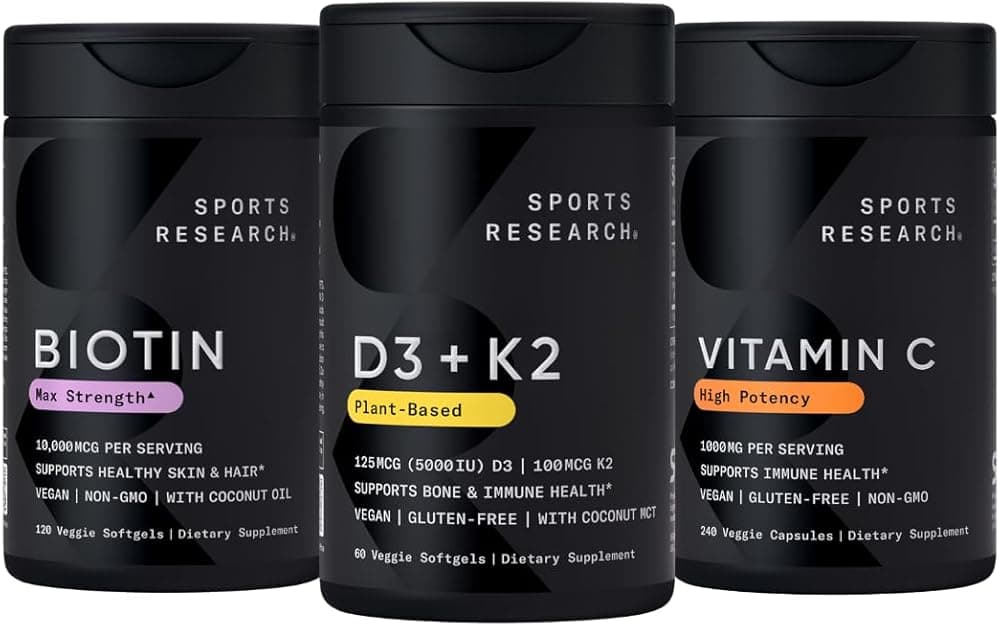
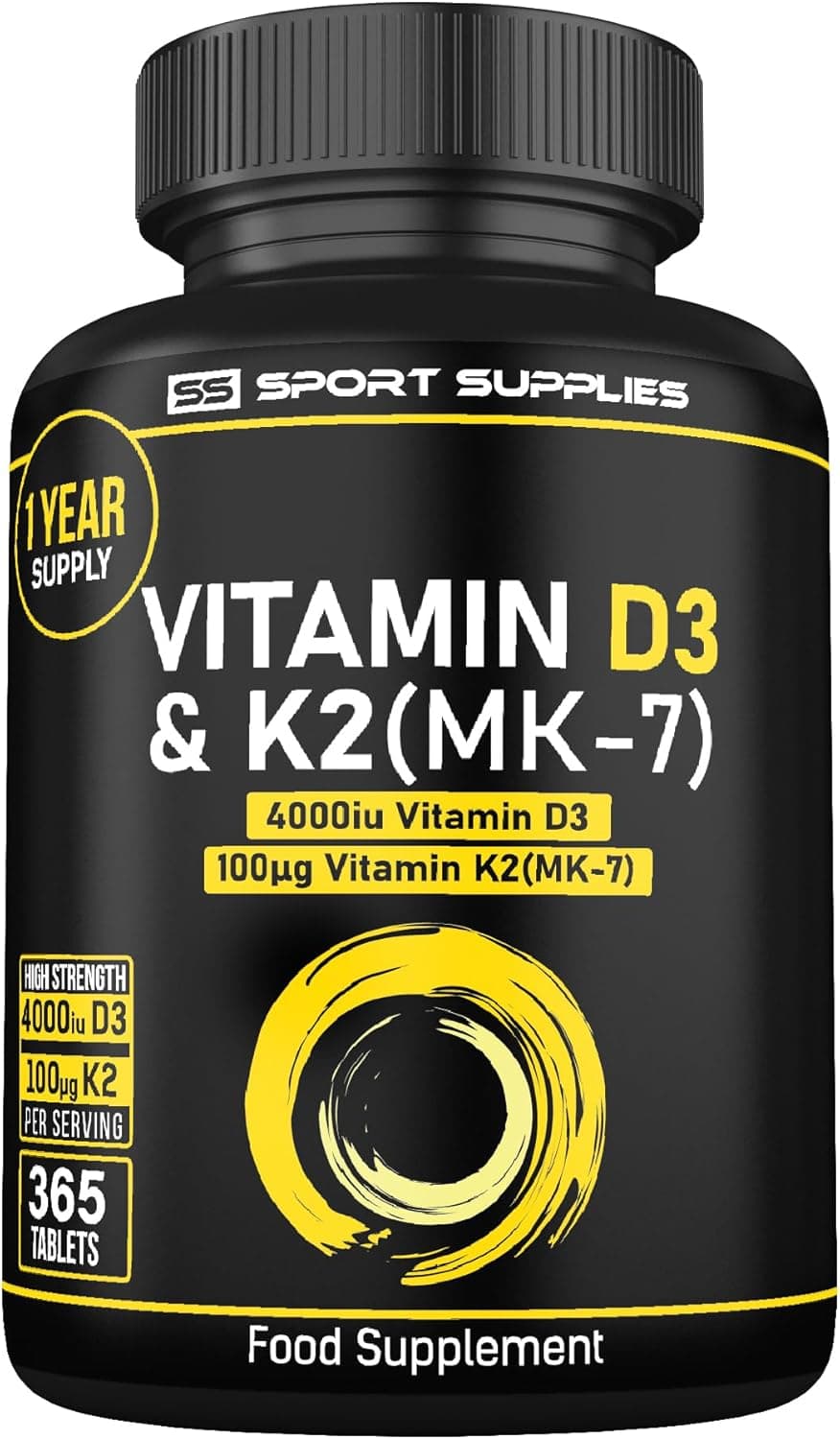
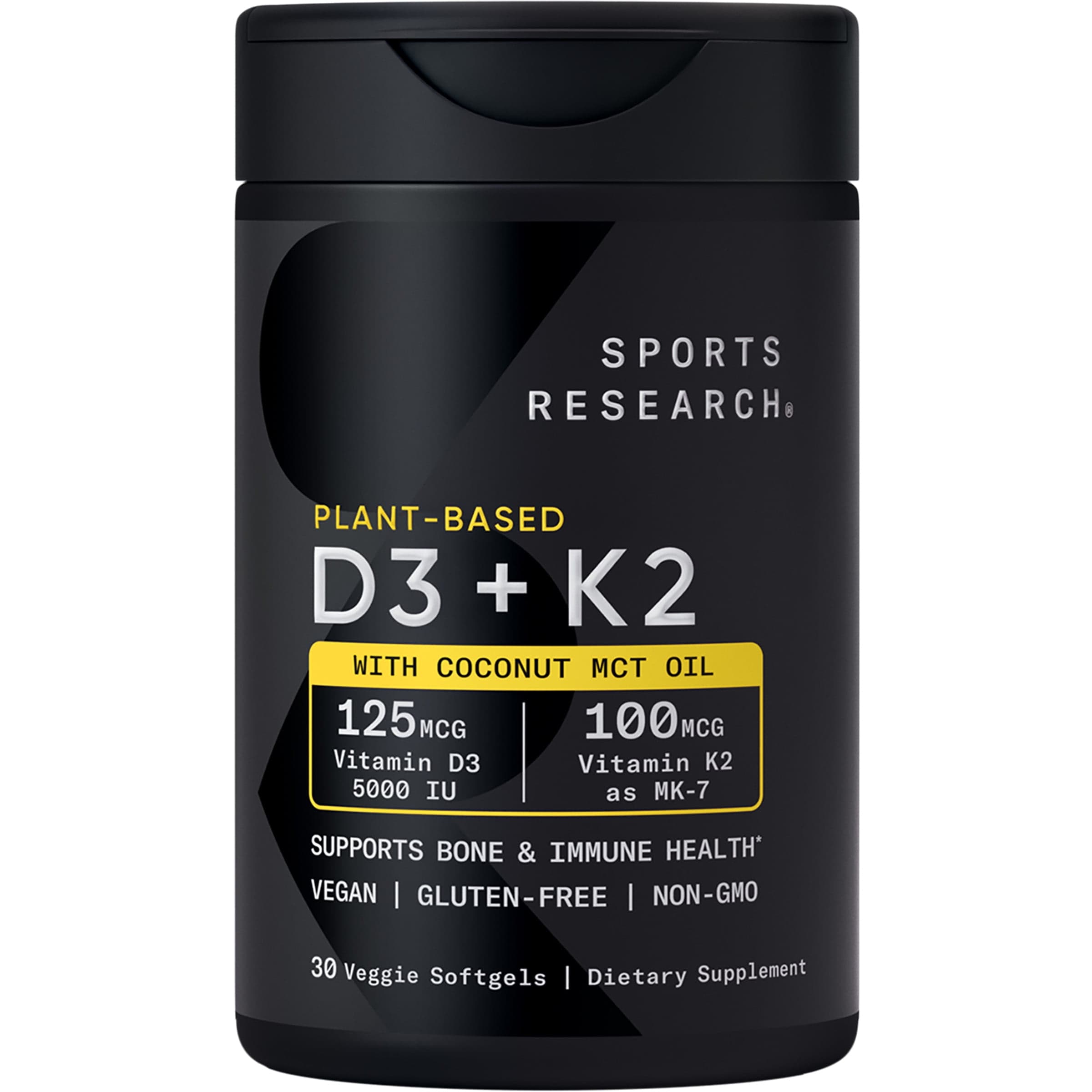
Cholecalciferol is absorbed only after micellisation with dietary lipid. MCT is the standard carrier oil in D3 softgels and drops for that reason.
MK-7 is a lipophilic quinone with fat-dependent uptake. Dissolved in medium-chain oil it enters the same micelles consistently.
Retinyl esters are hydrolysed at the brush border and absorbed with dietary lipid. The oil supplies that lipid.
Tocopherol needs fat to be absorbed and protects the oil phase from peroxidation in return. The pairing helps in both directions.
Lutein is absorbed only when micellised with dietary fat. An oil base lifts the absorbed fraction.
Astaxanthin is a lipophilic xanthophyll absorbed poorly from a dry matrix. Suspended in MCT it partitions into micelles far better.
CoQ10 is a large lipophilic quinone with poor uptake from powder. Dissolving it in medium-chain oil is the standard way to raise absorption, which is why most softgels use this base.
Curcuminoids are almost insoluble in water and absorb better from a lipid phase that carries them into micelles. MCT is a common carrier in curcumin softgels and emulsions.
Piperine slows glucuronidation of co-dosed polyphenols while the oil handles their lipid solubility. Different points in the same absorption problem.
Lecithin emulsifies medium-chain oil into fine droplets and allows spray-drying into a powder. Standard in MCT powders and creamers.
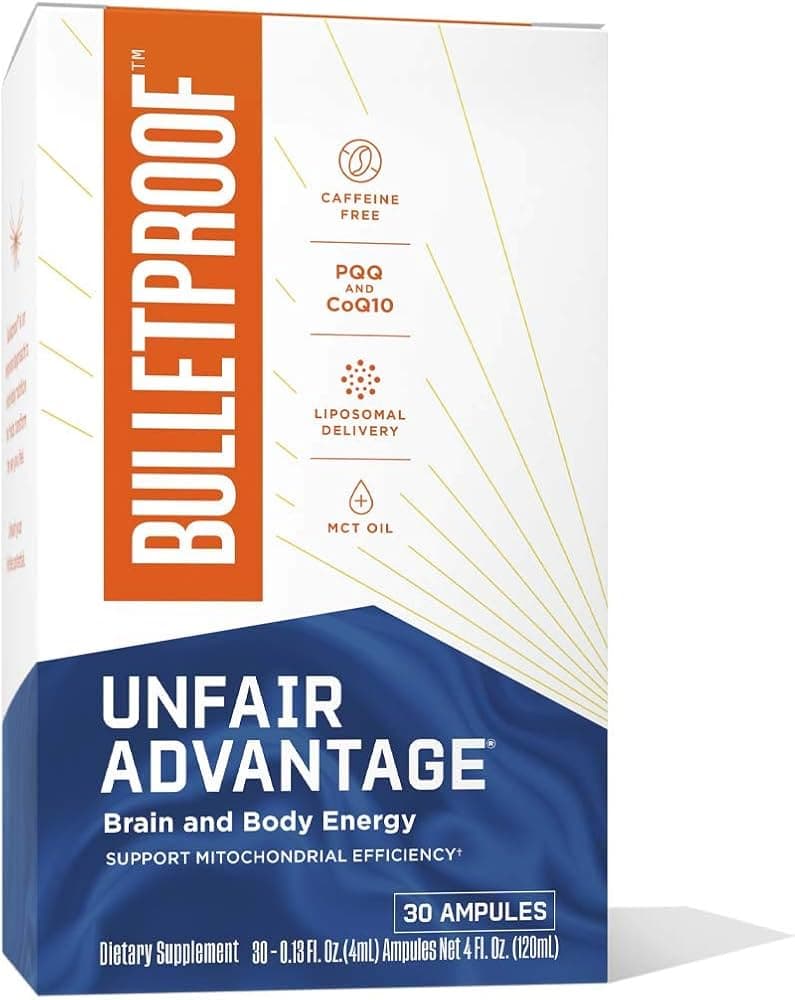
Medium-chain fats are oxidised quickly in the liver to ketone bodies while caffeine acts on adenosine receptors. Unrelated mechanisms, which is why the pairing became routine in coffee.
Hericenones and terpenoids are lipophilic and disperse poorly in water. A medium-chain oil base wets and carries them in liquid formats.
Medium-chain triglycerides above a modest dose pull water into the lumen and quicken transit, and poorly absorbed magnesium oxide does the same osmotically. Combined, loose stools show up at a lower dose of either.
Medium-chain fatty acids are absorbed largely by the portal route with little need for bile micelles. Ox bile in the same product serves long-chain oils rather than the MCT.
Medium-chain fatty acids enter mitochondria largely without the carnitine shuttle while long-chain fats require carnitine. The pair covers two distinct entry routes for fat oxidation.
Caprylic acid is the C8 chain that makes up much of a standard MCT oil. Dosing both raises the same fatty acid rather than adding a second one.
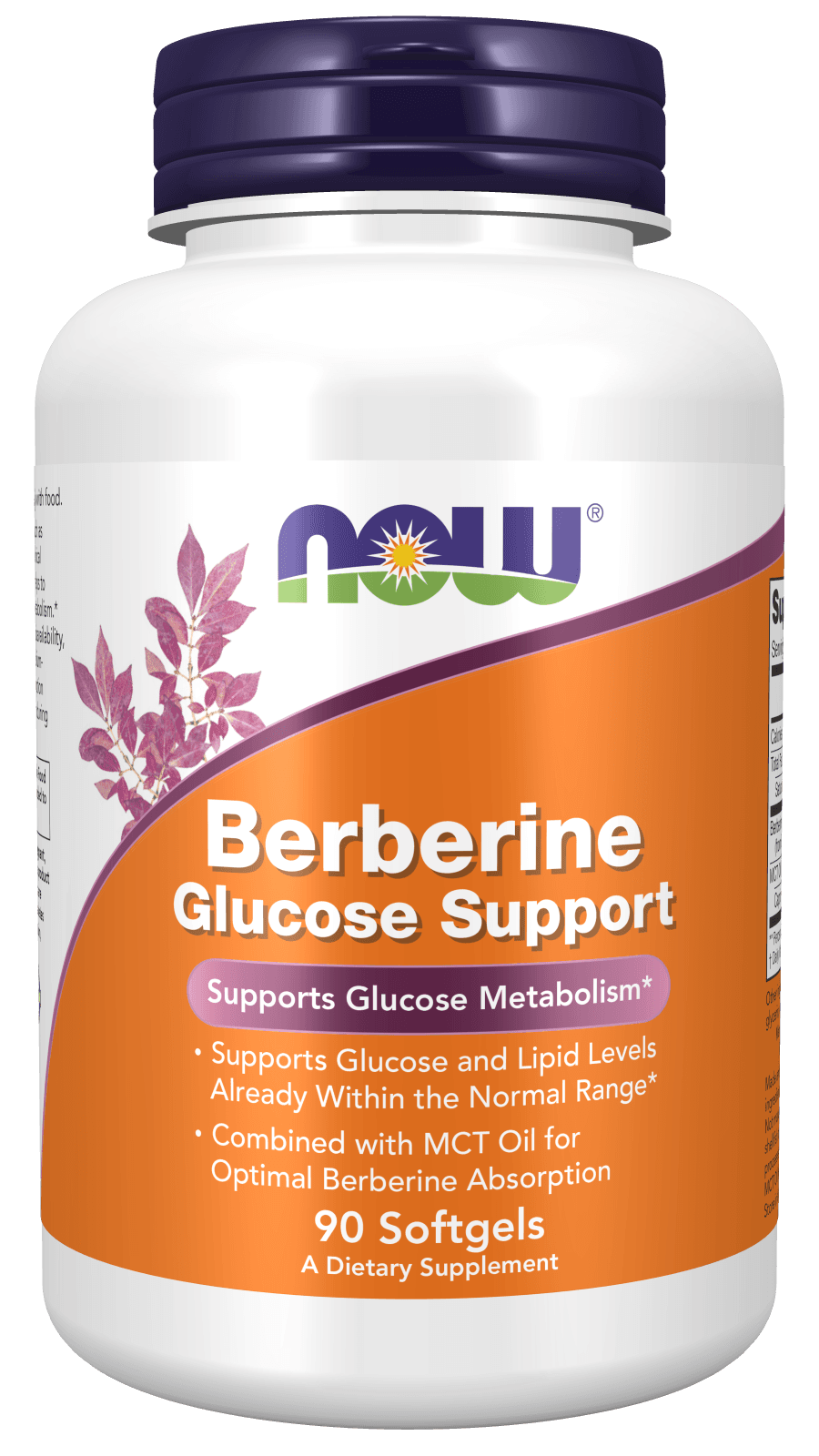
MCT Oil + Vitamin K1Established absorption physiology of medium-chain versus long-chain triglycerides Medium-chain fatty acids are hydrolysed quickly and move into the portal vein bound to albumin, largely skipping chylomicron packaging. Fat-soluble vitamins such as K1 depend on that chylomicron route, so MCT oil contributes less to their transport than a long-chain fat like olive or soybean oil does. A formula that relies on MCT alone as its fat carrier is not adding much transport help for K1.
Carotenoid uptake needs bile salts, mixed micelles and chylomicron assembly to reach the lymphatics. Medium-chain triglycerides bypass most of that path, so they do less for beta-carotene transport than long-chain fats do. Worth knowing when MCT is the only lipid in a softgel carrying carotenoids.
Zeaxanthin absorption tracks with the presence of long-chain fat in the same meal. MCT oil supplies energy without contributing much to the chylomicron pool that carries xanthophylls. The pairing is neutral rather than enhancing.
Lycopene is highly lipophilic and its uptake rises with dietary long-chain fat. Because medium-chain fatty acids take the portal route, MCT oil contributes less to that transport step. State the trade-off rather than claiming enhancement.
Tocotrienol uptake depends on micelle formation and lymphatic transport. MCT oil is often used as the fill oil in tocotrienol capsules for stability and handling reasons, not because it improves that transport. The two coexist in a capsule without one helping the other absorb.
Medium-chain triglycerides are hydrolysed by gastric and pancreatic lipases faster than long-chain triglycerides and need far less bile salt help. That makes them less dependent on supplemental lipase than long-chain oils are. A lipase blend therefore adds less to an MCT dose than it would to a fish or flaxseed oil dose.
MCT oil is a common carrier and diluent in omega-3 softgels and emulsions because it resists oxidation better than a polyunsaturated oil. It contributes calories and ketogenic substrate but no EPA or DHA, so grams of oil on a label are not grams of omega-3. One trial compared omega-3 supplementation against MCT supplementation on iron-related blood indices in adults on dialysis, which is a marker comparison in one clinical group and not a general ranking.
Leucine is a ketogenic amino acid and medium-chain fatty acids are a ketogenic fat, so both can feed hepatic acetyl-CoA and ketone body output. Whether taking them together raises circulating ketones more than either alone has not been established in human trials. Mechanistic overlap only.
Resveratrol dissolves poorly in water and is often dispersed in a lipid to keep it in solution through the gut. MCT oil is a stable, low-viscosity liquid used for that job in soft capsules. The benefit is formulation handling and dispersion, not a demonstrated increase in blood levels.
Boswellic acid uptake rises when the dose is taken with fat rather than on an empty stomach. Any lipid, including MCT oil, provides that co-ingested fat. The size of the shift with MCT specifically has not been isolated.
Withanolides are lipophilic steroidal lactones, so a lipid carrier keeps them dispersed. MCT oil serves that role in oil-based and emulsified products. No human pharmacokinetic comparison grounds a stronger statement.
Quercetin aglycone is close to insoluble in water and its absorption depends heavily on the matrix it arrives in. Lipid dispersion, including in MCT, is one of the formulation strategies used. Whether MCT specifically raises quercetin exposure in people has not been tested.
Plant sterols need to be solubilised in a lipid or micellar phase to interact with intestinal cholesterol handling. MCT oil is one liquid lipid used to disperse them in capsules. The pairing is a delivery choice, not a demonstrated additive effect.