Astaxanthin.
Enhances skin health and reduces exercise fatigue. A red algal pigment that sits across cell membranes and helps steady oxidative stress. Studied for skin hydration, eye comfort after screens, and muscle fatigue in training.
Reviewed March 2026
- Category
- Antioxidant
- Also filed under
- Antioxidant supportSkin health improvementEye health supportExercise recovery enhancementCardiovascular health
What Astaxanthin is, and what it does.
- Does it work
- It suits people on screens all day, outdoor athletes and anyone building a skin routine from the inside. Take it with a meal containing fat, since absorption depends on that.
- How much to take
- Start with 4mg a day. 4mg to 12mg daily is the maintenance band the skin and eye measures sit in, and 24mg shows up in trials as a research condition.
- Time to feel it
- About nine weeks of daily use.
- The first dose
- Day one is quiet. What is happening is absorption: it rides out of your meal's fat into micelles and chylomicrons before it ever reaches a membrane.
- With regular use
- Weeks of daily use load it into membranes across the body. Trials read skin hydration, eye comfort and oxidation markers across roughly four to twelve weeks.
- How well tolerated
- Well tolerated in trials at these amounts. Higher intakes can lend skin a faint orange tone, and anyone on blood thinners should check with a clinician first.
- How it feels
- There is no sensation attached to it. What people describe after a few weeks is less eye tiredness by evening, while the oxidation side shows up on a blood panel.
- The overlooked benefit
- It has no unsubstituted ionone ring, so the body never converts it to vitamin A. You can pair it with a multivitamin without adding to your vitamin A load.
4 to 12mg a day is where Astaxanthin works.
Source: Tominaga 2012 skin study + Kidd 2011 review
A 10-week randomised double-blind placebo-controlled trial enrolled 23 healthy Japanese adults on 4 mg algal astaxanthin daily or placebo, with measurements at baseline and after nine weeks of supplementation. The astaxanthin group showed a higher minimal erythema dose, the ultraviolet dose needed to redden skin, and less loss of skin moisture in the irradiated area than placebo. This is one small trial, and all three authors were employed by FUJIFILM Corporation.
The proof, claim by claim.
These words describe the research, not the molecule's worth. Research strength is how much work stands behind one claim, and it is never a product score.
There's a good body of evidence supporting astaxanthin's antioxidant and anti-inflammatory properties, but more research is needed to fully understand its long-term effects and optimal dosages for specific conditions.
- Improves skin elasticity and reduces UV damageSystematic review of 9 RCTs
- Reduces eye fatigue (asthenopia) and improves accommodationMultiple RCTs (n=20-40 participants)
- Reduces markers of exercise-induced oxidative stressMeta-analysis of 11 RCTs
Questions people ask about Astaxanthin.
- When should I take it?
- Timing matters less than consistency. Pick a time that works for you and take it daily.
- Can I take it with other supplements?
- Usually fine. The main thing to watch is not doubling up on the same ingredient from different products. If you're on prescription meds, check with your pharmacist first.
- Any side effects to watch for?
- Most people tolerate it well at recommended doses. GI upset is the most common complaint with any supplement. Start with a lower dose and work up. If something feels off, stop and reassess.
- Who benefits most from this?
- People with a specific, evidence-backed need. Astaxanthin has strong research. If your situation matches the studied use case, it's one of the more reliable supplements you can take.
Why these belong in the same formula. Each row says what the basis is, from settled biochemistry through to a trial that measured the pair.
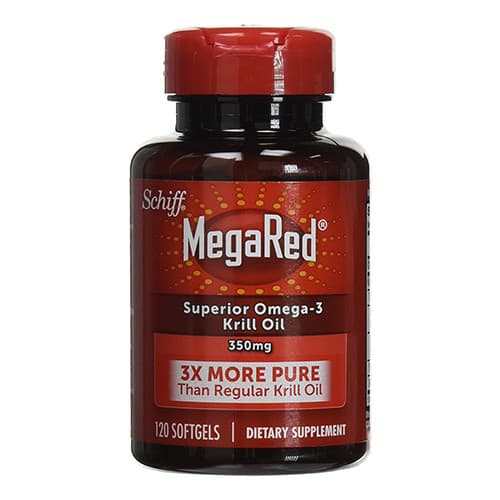
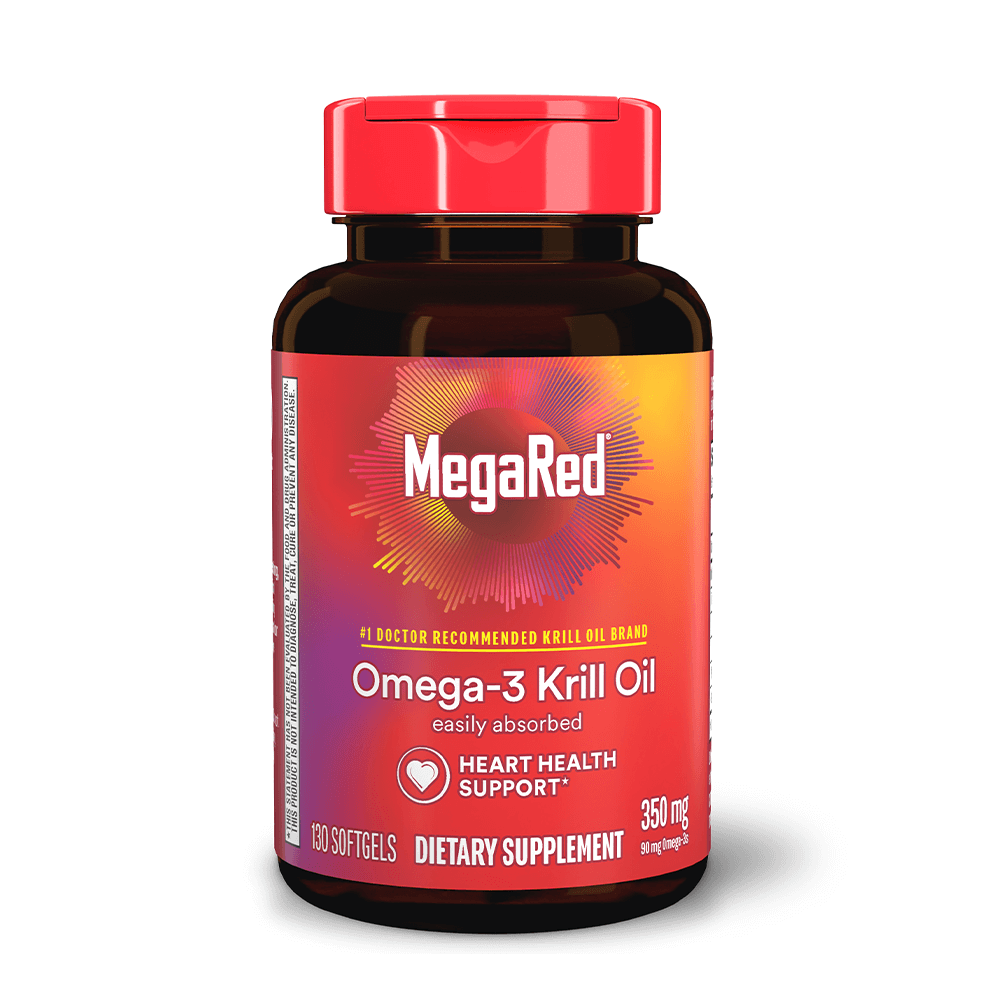
Astaxanthin is a fat-soluble antioxidant that settles into the same oil phase as the long-chain fats EPA and DHA, where it helps shield those readily oxidized polyunsaturated fats from breaking down. The oil in turn supplies the dietary fat astaxanthin needs for absorption, the pairing krill oil carries naturally.
Both are fat-soluble antioxidants that concentrate in cell membranes and circulating lipoproteins, where they help defend polyunsaturated lipids against oxidation. Astaxanthin spans the membrane with a polar group at each surface while vitamin E embeds within it, so the two cover complementary positions in the same lipid layer.
Astaxanthin is a lipophilic ketocarotenoid and needs dietary lipid to form mixed micelles for absorption. Delivering it in a medium chain triglyceride base is standard for this reason.
Carotenoids compete for space in mixed micelles and for the SR-B1 transporter at the enterocyte surface. A large beta carotene dose taken at the same meal lowers how much astaxanthin is absorbed.
Plant sterols crowd cholesterol and carotenoids out of mixed micelles, the same mechanism behind their effect on cholesterol uptake. Taken together with astaxanthin they lower its absorption.
Krill oil supplies phospholipids that emulsify readily and improve uptake of fat-soluble compounds, and it naturally carries esterified astaxanthin itself. The oil is both a carrier and a partial source.
Viscous psyllium gel traps lipids and bile acids in the lumen, and fat-soluble carotenoids travel with them. Taking astaxanthin at the same time as a fibre dose reduces its uptake.
Ascorbate works in the water phase and can reduce radicals formed at the membrane surface, where the polar ends of astaxanthin sit. That division of phases is the standard antioxidant network arrangement.
Reduced CoQ10 works inside the hydrophobic core of the bilayer while astaxanthin bridges the core and both polar surfaces. They cover different depths of the same membrane.
Selenium is the catalytic centre of glutathione peroxidase, which removes lipid hydroperoxides once they form. Astaxanthin acts earlier in the same chain, so the two sit in sequence.
Both are lipophilic and depend on dietary fat and mixed micelle formation for uptake, so a shared oil base serves both. This is why they are commonly delivered in the same softgel.
Astaxanthin and lutein are both xanthophylls absorbed through the same micellar and chylomicron route, and carotenoids given together compete for that shared capacity, so co-ingestion can lower the measured plasma rise of one or both. In tissue they distribute differently: lutein concentrates in the macula, astaxanthin spans the membrane bilayer more generally. Competition at absorption and complementarity in tissue are both true at once, which is why formulators separate doses across the day.
Zeaxanthin shares the xanthophyll absorption pathway with astaxanthin, so the same competition for micellar transport applies. Zeaxanthin also occupies specific binding sites in retinal tissue that astaxanthin does not. The interaction is worth stating in both directions rather than framed as a benefit.
Lycopene is a hydrocarbon carotene and astaxanthin an oxygenated xanthophyll, and the two differ in how deep in the membrane they sit. What they share is the fat-dependent absorption route, where carotenoids compete. Plasma carotenoid concentrations are markers of exposure and not outcomes.
Tocotrienols terminate lipid peroxidation chains by donating hydrogen and are then left as a radical needing regeneration, while astaxanthin quenches singlet oxygen and can accept radical character without fragmenting. The two work at different points in the same membrane chemistry. This describes chemistry, and the endpoints measured in such work are oxidation markers.
Alpha lipoic acid cycles between its dithiol and disulfide forms and participates in regenerating other antioxidants, and it is active in both aqueous and lipid environments. Astaxanthin sits fixed across the bilayer. Pairing a mobile amphipathic reductant with a membrane-anchored quencher covers two compartments rather than one, on chemical grounds rather than trial evidence.
Glutathione is the main intracellular thiol buffer and the substrate glutathione peroxidase uses to reduce lipid hydroperoxides once they have formed. Astaxanthin acts earlier, interrupting the chain that generates them. Sequence, not overlap, is what makes the pairing sensible. Oral glutathione's own bioavailability remains a separate question.
N-acetylcysteine supplies cysteine, the rate-limiting amino acid for glutathione synthesis, so it acts upstream of the thiol pool rather than as a direct radical scavenger. Astaxanthin does not contribute to that pool at all. The two occupy separate positions in cellular redox handling.
Quercetin is a polyphenol that chelates transition metals and scavenges aqueous-phase radicals, both upstream of the membrane chain reaction astaxanthin interrupts. Its oral bioavailability is low and highly variable. The pairing is chemically coherent and has not been tested together.
Resveratrol is a lipophilic stilbene that partitions into membranes and, like astaxanthin, has been described as influencing Nrf2-mediated antioxidant enzyme expression rather than acting only by direct scavenging. Where two agents converge on the same transcriptional pathway the combined effect is not necessarily additive. Reported endpoints in this area are enzyme and marker levels.
Pine bark procyanidins act mainly in the aqueous and interfacial phase and have been reported to participate in regenerating oxidised ascorbate. Astaxanthin holds the lipid interior. A water-phase and lipid-phase pair covers the two compartments a peroxidation chain crosses.
Grape seed proanthocyanidins scavenge in the aqueous phase and bind transition metals that would otherwise initiate lipid peroxidation. Astaxanthin acts once the chain is running inside the membrane. Initiation and propagation are different steps, which is the basis for combining them.
Astaxanthin is strongly lipophilic and its absorption depends on incorporation into mixed micelles, so phospholipid emulsifiers raise the fraction that gets across. This is why oleoresin is delivered in lipid or phospholipid systems rather than as dry powder alone. The effect is on a plasma concentration, which is a marker of delivery.
Lecithin disperses a carotenoid oleoresin into fine droplets, increasing the interfacial area available to bile salts and lipase. Formulated astaxanthin beadlets and emulsions use exactly this principle. It changes delivery, not the molecule.
Collagen peptides supply the glycine and proline rich fragments used as substrate and signal for dermal matrix turnover, while astaxanthin is a lipid-phase antioxidant distributed to skin. The two touch skin structure from unrelated directions. Combination products are common, and the additive assumption comes from that separation of mechanism rather than from a trial of the pair.
Hyaluronic acid contributes to dermal water binding, a physical property, and astaxanthin acts on lipid oxidation chemistry. Neither depends on the other. Pairing them addresses hydration and oxidative chemistry separately, without evidence for the combination itself.
Zinc is the catalytic metal in copper-zinc superoxide dismutase, so adequate zinc status underwrites the enzymatic side of superoxide handling. Astaxanthin works non-enzymatically. Enzymatic and non-enzymatic defence sit alongside each other. High-dose zinc also competes with copper absorption, which is worth respecting in any long-running formula.
Astaxanthin oleoresin is delivered in a polyunsaturated oil that oxidises, and rosemary phenolic diterpenes are a standard retardant in such oils. Protecting the carrier protects the carotenoid dissolved in it. This is a stability pairing rather than a physiological one.
Carnitine shuttles long chain fatty acids across the inner mitochondrial membrane for beta-oxidation, and astaxanthin partitions into that same membrane where it interrupts lipid peroxidation. Substrate delivery and membrane protection are different jobs in the same organelle. Substrate-level exercise measures, such as respiratory exchange ratio, are physiological markers rather than performance outcomes.
Talk to a doctor before taking Astaxanthin if any of these apply to you: May interact with certain medications (consult a doctor), Possible mild gastrointestinal discomfort in some individuals, May lower blood pressure. These are flags to check first, not effects Astaxanthin is known to cause.
Not medical advice. Show the label to your pharmacist.What Astaxanthin actually does.
Its shape lets it sit right across a cell membrane, with a water-friendly end poking out on each side.
It is not turned into vitamin A, so it neither adds to nor competes with your vitamin A intake.
You need to take it with fat. Without any, much less of it gets into the blood.
Algae astaxanthin comes attached to fats that your gut clips off first, and its mirror-image form differs from the synthetic version.
Where Astaxanthin comes from.
A green microalga is grown and then deliberately stressed with light and nutrient shortage until it turns deep red with pigment. The tough cells are cracked, the pigment is extracted with pressurised carbon dioxide, then measured and sealed in oil-filled capsules. Synthetic and fermented versions exist too, and they differ in the exact mirror-image form of the molecule.
The same molecule is reached more than one way. Which route a given product used is a manufacturing choice, and the finished compound is the same either way.
The algal route grows green motile cells in closed photobioreactors or open ponds. The synthetic route builds the molecule from petrochemical intermediates. The fermentation route uses Paracoccus bacteria or Phaffia yeast on a sugar substrate.
In the algal route, high light, nitrogen limitation and salinity stress drive the cells into red aplanospore cysts that accumulate astaxanthin esters as a photoprotective pigment. In fermentation the accumulation is driven by strain and feed regime instead.
The aplanospore wall is highly resistant, so bead milling or high-pressure homogenisation precedes extraction. Carbon dioxide extraction leaves no solvent residue. Solvent extraction requires removal and testing.
The oleoresin is concentrated and antioxidants such as tocopherols are added, since the isolated pigment degrades with light, heat and oxygen.
Declared as a percentage astaxanthin in oleoresin, with total astaxanthin per unit stated on the label. Fuller specifications also report ester versus free form and stereoisomer profile.
Oleoresin is filled into opaque softgels in a carrier oil, or emulsified and spray dried into water-dispersible beadlets for dry and liquid formats.
Labels rarely state the production route, the stereoisomer profile, or whether the astaxanthin is esterified or free, and those are the three differences that separate the algal material used in most human trials from feed-grade material.
Getting Astaxanthin from food.
The whole-food sources on file. A supplement closes the gap, it does not replace dinner.
A gram-for-gram figure (how much of each you would eat to match a dose) will appear here once it is sourced and reviewed. This page will not print a number it cannot cite.
The forms it comes in.
The essence, in one line each.
- In pooled randomised trials, astaxanthin lowered blood triglycerides by about 0.46 mmol/L and raised HDL cholesterol by about 0.13 mmol/L compared with placebo.Meta-analysis. Wan et al., 2024 (Nutrients). PMID 39064656 ↗
- Pooling nine randomised trials, oral astaxanthin improved skin elasticity and moisture content versus placebo (elasticity SMD 0.77, moisture SMD 0.53), with no significant change in wrinkle depth.Meta-analysis. Zhou et al., 2021 (Nutrients). PMID 34578794 ↗
- Across twelve randomised trials, astaxanthin produced a modest drop in the blood oxidative-stress marker malondialdehyde (SMD -0.95).Meta-analysis. Ma et al., 2021 (Nutrition Research). PMID 35091276 ↗
- Pooling twenty-four randomised trials, astaxanthin lowered the post-exercise muscle-damage marker creatine kinase (SMD -0.45), with no significant change in VO2max or time-trial performance.Meta-analysis. Liu et al., 2026 (Nutrients). PMID 42197030 ↗
- Pooling 11 randomised trials in 346 healthy participants, astaxanthin taken alongside regular training raised fat oxidation (standardised mean difference 2.56) and physical performance (0.62), with the clearest effect at doses of 20 mg or more, while cognitive accuracy was only marginal (0.12) and reaction time showed no detectable change.Meta-analysis. Liu et al., 2024 (Biological Research for Nursing). PMID 38243785 ↗
- In 42 adults aged 65 to 82 doing three months of endurance training, ankle muscle endurance rose within the astaxanthin group only, from 353 to 472 contractions, and the increase in fat use at lower exercise intensity was larger than with placebo.Randomised trial. Liu et al., 2021 (Physiological Reports). PMID 34110707 ↗
- In 14 active young men, 6 mg of astaxanthin daily for four weeks raised whole blood glutathione, a blood marker, by about 7 percent, while fat oxidation during exercise and the other oxidative stress markers showed no detectable change.Randomised trial. McAllister et al., 2022 (International Journal of Sport Nutrition and Exercise Metabolism). PMID 34611051 ↗
- Across five trials in 196 adults taking 6 to 12 mg a day, the liver enzyme ALT rose slightly, by 1.92 U/L compared with placebo, with no detectable change in AST, GGT or alkaline phosphatase.Meta-analysis. Arefpour et al., 2024 (International Journal for Vitamin and Nutrition Research). PMID 38407143 ↗
- Pooled trials of astaxanthin supplementation and reported effects on female fertility and reproductive measures, with the authors noting few and small included studies.Systematic review. Maleki-Hajiagha A et al., 2024 (Journal of Ovarian Research). PMID 39127677 ↗
- Pooled work on astaxanthin and human sperm quality measures across freeze-thaw processing. Most of the included data comes from samples handled in the laboratory rather than from supplemented men.Systematic review, in cells. Babaei Hoolari B et al., 2026 (Scientific Reports). PMID 41714661 ↗
- Reviews reported changes in expression of microRNAs relevant to cardiovascular biology after astaxanthin. MicroRNA expression is a molecular marker and no clinical outcome is claimed.Systematic review. Chaboksafar M et al., 2022 (International Journal of Food Sciences and Nutrition). PMID 36117431 ↗
- Examined astaxanthin against cardiometabolic markers and tactical performance measures in firefighters, reporting effects on some markers and not on others.Randomised trial. Gonzalez DE et al., 2024 (Journal of the International Society of Sports Nutrition). PMID 39568140 ↗
- Reports selected biochemical and body composition measures over a 12-week CrossFit training programme with astaxanthin supplementation. The training itself moves most of these measures, which limits how much can be assigned to the supplement.Randomised trial. Moqaddam MA et al., 2024 (Nutrients). PMID 39275173 ↗
- Did not detect an effect of astaxanthin on markers of muscle damage or inflammation after an exercise-induced muscle damage protocol. A failure to detect a difference in this design, which is not evidence that no difference exists.Randomised trial. Waldman HS et al., 2023 (Journal of Strength and Conditioning Research). PMID 36727984 ↗
- Reports psychological fatigue ratings and biochemical markers after 28 days of astaxanthin in taekwondo athletes. Fatigue ratings are self-reported and the biochemical endpoints are markers.Randomised trial. Shu MY et al., 2026 (Nutrition Journal). PMID 42426781 ↗
- A randomised double-blind trial reporting a lower respiratory exchange ratio during submaximal cycling in females after astaxanthin, which indicates a shift in substrate use and is a physiological marker rather than a performance outcome.Randomised trial. Barker GA et al., 2026 (Journal of Dietary Supplements). PMID 42467594 ↗
- Reports changes in insulin resistance indices, lipid measures, blood pressure and oxidative stress markers with astaxanthin in women with a reproductive-endocrine condition. All reported endpoints are markers measured over a short intervention.Randomised trial. Jabarpour M et al., 2024 (Phytotherapy Research). PMID 37874168 ↗
- Reports inflammatory markers, lipid profile and anthropometric indices after astaxanthin supplementation in an adult patient group.Randomised trial. Ghotboddin Mohammadi S et al., 2026 (Scientific Reports). PMID 42303733 ↗
- A registered trial description covering planned measurement of inflammatory markers, oxidative stress indices, lipid profile and uric acid. A protocol paper, so it reports design rather than results.Randomised trial. Mohammadi SG et al., 2024 (Trials). PMID 39090754 ↗
- An exploratory pilot trial in women undergoing assisted reproduction, examining RAGE and NF-kappa-B pathway markers with astaxanthin. Exploratory, small, and reporting pathway markers only.Randomised trial. Maleki-Hajiagha A et al., 2026 (Scientific Reports). PMID 41673418 ↗
- Reports improved semen quality and systemic physiological measures in pubertal male Nile tilapia fed dietary astaxanthin. A fish feeding study, usable for mechanism and not for human effect.Animal study. Avelino PG et al., 2026 (Fish Physiology and Biochemistry). PMID 41973266 ↗
- Examined astaxanthin supplementation in Holstein cows during summer heat load with in vitro embryo production endpoints. Livestock reproductive data, not human evidence.Animal study. da Costa RA et al., 2026 (Theriogenology). PMID 41621193 ↗
These are the studies our verdict leans on, chosen from the 935 we read for Astaxanthin. The full linked list is below.
The studies, linked.
12 sources behind our Astaxanthin verdict: peer-reviewed studies and registered clinical trials. Every one links straight to PubMed, the journal, or ClinicalTrials.gov. Read them yourself.
- Clinical trialEffect of Oral Administration of Astaxanthin on Semen Quality, Fertilization and Embryo Development in Assisted Reproduction Techniques ProceduresClinicalTrials.gov ↗80 participants, Completed
- Clinical trialRandomized, Double-blind, Placebo-controlled, Parallel-group Design, Monocentric Study on Lipid-lowering Effects of an Astaxanthin Supplement in Volunteers With Mild DyslipidemiaClinicalTrials.gov ↗68 participants, Completed
- Clinical trialA Prospective, Randomized, Double-blind, Placebo-controlled Study to Evaluate the Effect of Supplemental Astaxanthin in Healthy Female Adult ParticipantsClinicalTrials.gov ↗60 participants, Completed
- Clinical trialROAR-DIGAP: A Widely Inclusive, Largely Virtual Pilot Trial Utilizing DIGAP (Deep Integrated Genomics Analysis Platform) To Personalize TreatmentsClinicalTrials.gov ↗Phase 2, 50 participants, Completed
- Clinical trialProtocol for a Randomized, Double-Blind, Placebo-Controlled Trial to Evaluate the Impact of a Daily Dose of an Astaxanthin Formulation Alone and With Exercise Training on Skeletal Muscle Function in the ElderlyClinicalTrials.gov ↗41 participants, Completed
- Clinical trialAstaxanthin Supplementation Preserves Cognitive Markers of Executive Function Following Mental Fatigue in FemalesClinicalTrials.gov ↗Phase 4, 26 participants, Completed
- Clinical trialAstaxanthin Reduces Exercising Heart Rate by 7% in Overweight Individuals.ClinicalTrials.gov ↗19 participants, Completed
- Clinical trialEffect of Astaxanthin for Pain, Function, and Inflammation in Patients With Advanced Osteoarthritis Awaiting Total Knee Replacement SurgeryClinicalTrials.gov ↗Phase 2, 16 participants, Terminated
- Clinical trialA Randomized, Double-blinded, Cross-over Study on the Use of Ritmonutra, a Nutraceutical Product Composed of Omega 3 Fatty Acids, Astaxanthin, Vitamin E and Hawthorn in Subjects Affected by Supraventricular Ectopic Beats Without Structural Heart DiseaseClinicalTrials.gov ↗12 participants, Terminated
- ClinicalTrials.gov ↗
- Clinical trialEfficacy and Safety of Astaxanthin in Volunteer With Refraction ErrorsClinicalTrials.gov ↗180 participants, Unknown
- Clinical trialAn Examination Into the Effects of a Nutraceutical Supplement on Cognition, Stress, and Eye and Skin Health in Adults With Self-reported Cognitive Complaints: a Randomised, Double-blind, Placebo-controlled TrialClinicalTrials.gov ↗110 participants, Unknown
Evidence surfaced via Semantic Scholar (Allen Institute for AI) and ClinicalTrials.gov. Ranked by study type and citation weight, not cherry-picked.
Problems people have reported.
Read this carefully. These are 1,211 voluntary, unverified reactions reported to the FDA (openFDA). The number mostly reflects how popular Astaxanthin is, not how risky it is. A report is not proof Astaxanthin caused anything. It is a signal of what to watch for, nothing more.
Source: openFDA adverse-event reports. Voluntary reporting, not an incidence rate.
FDA Disclaimer: These statements have not been evaluated by the Food and Drug Administration. This information is for educational purposes only and is not intended to diagnose, treat, cure, or prevent any disease. Consult your healthcare provider before starting any supplement regimen.