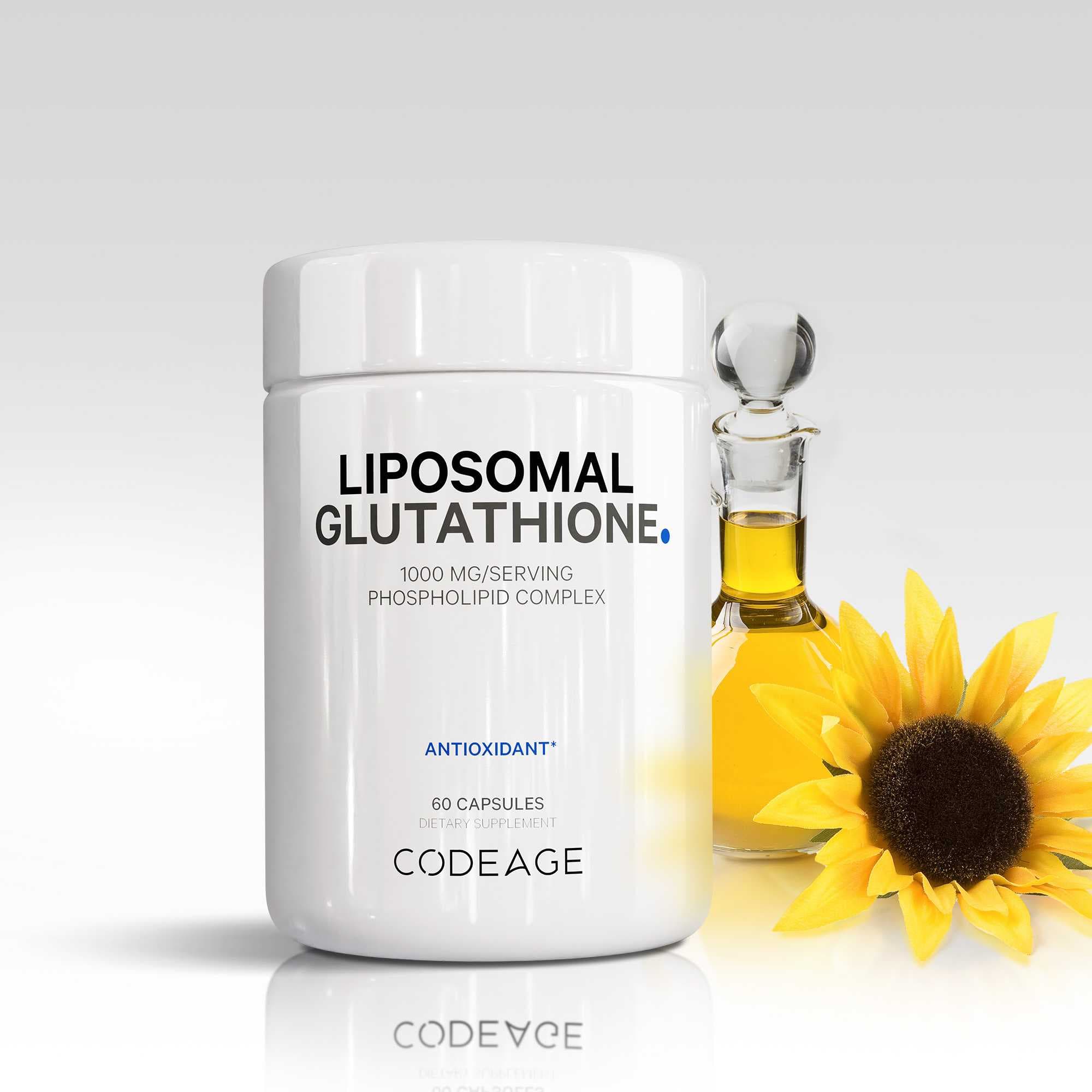
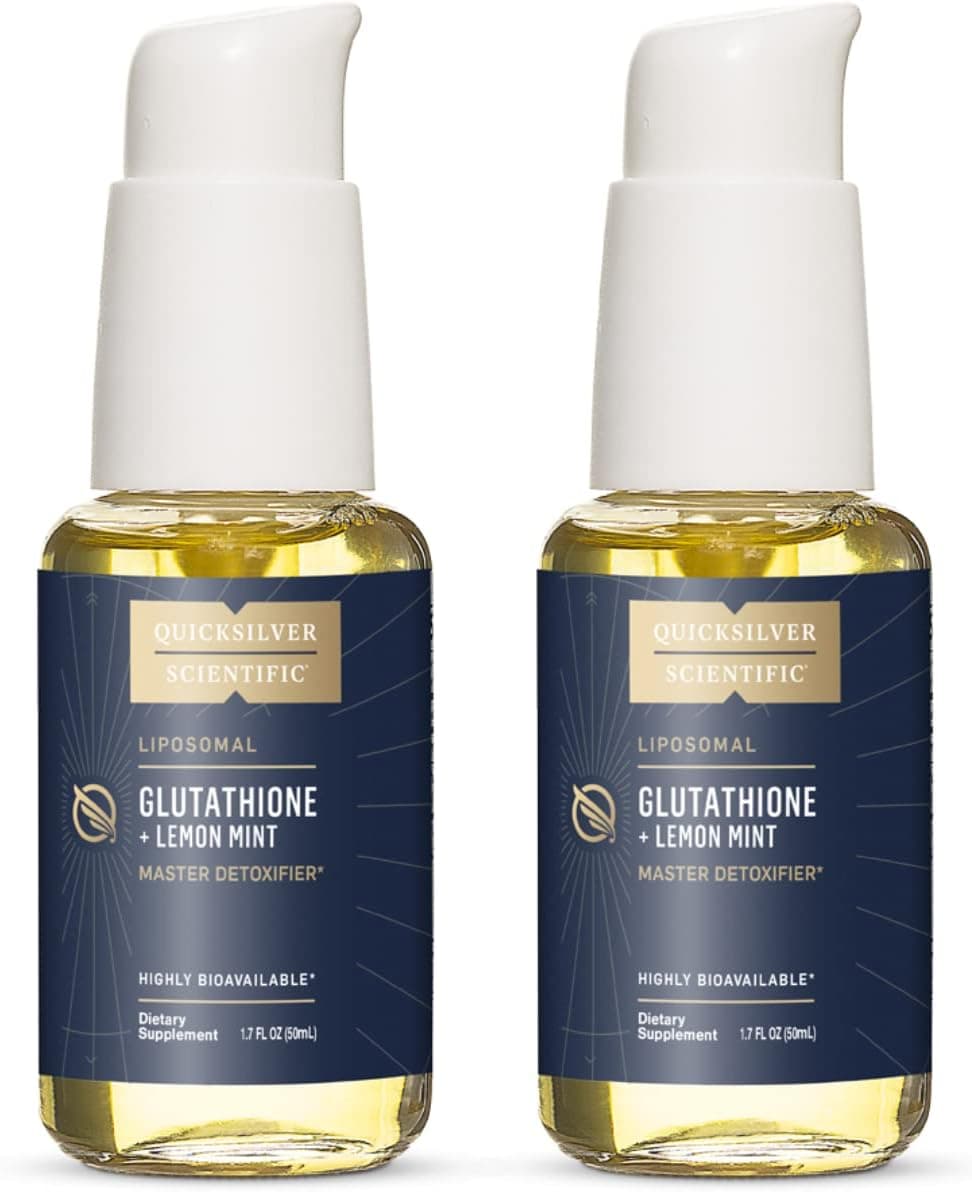
Glutathione.
Supports antioxidant defenses and detoxification. Tops up the body's main antioxidant and conjugation molecule, the one that clears peroxides and tags unwanted compounds so the liver can move them out.
Reviewed March 2026
- Category
- Antioxidant
- Also filed under
- Antioxidant supportDetoxificationImmune system support
What Glutathione is, and what it does.
- Does it work
- Suits people focused on antioxidant and liver pathway support, or eating light on sulfur-rich protein. Cysteine donors move the same pool, which is why they're often paired.
- How much to take
- Start with 100mg to 500mg a day, the daily maintenance band, ideally on an empty stomach. The 1,000mg seen in trials is a research condition rather than a daily target.
- Time to feel it
- About 4 weeks of daily use.
- The first dose
- A quiet start. Oral glutathione is largely split into its three amino acids in the gut and rebuilt inside cells, so day one is chemistry rather than sensation.
- With regular use
- Across two to four weeks, blood glutathione markers climb. Trials tracking skin measures ran for months, so this one reads on a panel rather than as a daily sensation.
- How well tolerated
- Well tolerated in trials at everyday amounts, with occasional loose stools. If you take medicines regularly, run it past your pharmacist first.
- How it feels
- No particular sensation. People who track it see movement on oxidative stress and glutathione markers, or in slow skin tone changes across months.
- The overlooked benefit
- It regenerates vitamin C, which then regenerates vitamin E, so it props up two other antioxidants rather than working alone in your cells.
100 to 500mg a day is where Glutathione works.
Source: Richie et al. 2015 Eur J Nutr RCT; Sinha et al. 2018 Clin Pharmacol Ther
In a randomised open-label crossover programme, healthy adults took 300 mg single doses of glutathione as an orally dissolving film or a conventional tablet, then 100 mg daily of either for 4 weeks. Plasma glutathione ran higher with the film in the hours after a dose, and circulating glutathione rose over the 4 weeks with both formulations.
Kept, not banked. The cited trial measured a return toward baseline after the last dose, so the effect holds while it is taken daily, not stored up. That rests on the trial window above.
The proof, claim by claim.
These words describe the research, not the molecule's worth. Research strength is how much work stands behind one claim, and it is never a product score.
While glutathione's role in the body is well-established, the effectiveness of oral supplementation is debated. Liposomal forms may improve absorption, but more research is needed.
- Blood glutathione statusRandomised trial
- Oxidative stress markersRandomised trial
- Skin tone and elasticityRandomised trial
- Conjugation capacity for everyday clearanceNarrative review
- Oral absorption of intact glutathioneRandomised trial
Questions people ask about Glutathione.
- When should I take it?
- Timing matters less than consistency. Pick a time that works for you and take it daily.
- Can I take it with other supplements?
- Usually fine. The main thing to watch is not doubling up on the same ingredient from different products. If you're on prescription meds, check with your pharmacist first.
- Any side effects to watch for?
- Most people tolerate it well at recommended doses. GI upset is the most common complaint with any supplement. Start with a lower dose and work up. If something feels off, stop and reassess.
- Who benefits most from this?
- People with a specific, evidence-backed need. Glutathione has strong research. If your situation matches the studied use case, it's one of the more reliable supplements you can take.
Why these belong in the same formula. Each row says what the basis is, from settled biochemistry through to a trial that measured the pair.
Cysteine is the rate-limiting amino acid for glutathione synthesis, and NAC delivers cysteine in a stable form the cell can use. Pairing them supplies both the finished tripeptide and the raw material the body uses to make its own.
Vitamin C and glutathione sit on the same antioxidant recycling loop, where glutathione regenerates oxidized vitamin C and adequate vitamin C spares glutathione from being consumed. Each one keeps the other in its reduced, working form.
Glutathione peroxidase is a selenoenzyme, so it needs a selenocysteine residue built from dietary selenium to act on glutathione at all. Without enough selenium the glutathione pool cannot be used efficiently for peroxide handling.
Dihydrolipoic acid, the reduced form of alpha lipoic acid, can reduce oxidized glutathione back to its active form. That keeps a larger share of the glutathione pool in the reduced state that does the work.
Glutathione is the tripeptide of glutamate, cysteine and glycine, so glycine is one of the three residues the ligase has to join. Glycine availability becomes limiting for synthesis in older adults even when cysteine is plentiful.
Cysteine supply sets the pace of glutathione synthesis, because glutamate cysteine ligase runs below saturation at normal intracellular cysteine. Feeding cysteine raises the substrate for that first committed step.
Glutathione reductase is a flavoprotein carrying FAD, made from riboflavin, and it is the enzyme that returns oxidised glutathione to its reduced form. Without riboflavin the recycling arm slows no matter how much total glutathione is present.
Glutathione reductase spends NADPH to reduce each molecule of oxidised glutathione, and the NADP pool is built from niacin. Niacin status sits one step behind the whole recycling cycle.
Cystathionine beta-synthase and cystathionine gamma-lyase both need pyridoxal phosphate to route homocysteine into cysteine. That route supplies much of the cysteine used for glutathione.
Sulforaphane releases Nrf2, which raises transcription of glutamate cysteine ligase and glutathione synthetase, the two enzymes that assemble the tripeptide. It raises the machinery while precursors supply the parts.
Broccoli sprout extract carries glucoraphanin, converted by myrosinase or gut bacteria to sulforaphane, which upregulates the glutathione synthesis enzymes. It is the whole-food route to the same transcriptional step.
Tocopherol stops lipid chain reactions in membranes and is regenerated by ascorbate, which is itself regenerated at the expense of glutathione. Glutathione sits at the end of the chain that keeps vitamin E working.
Silymarin is used to support the liver's own glutathione content, and the liver is where most whole-body glutathione is made and exported. Support at the site of synthesis complements substrate given by mouth.
Betaine hands a methyl group to homocysteine through betaine homocysteine methyltransferase, which shapes how much homocysteine stays available for the transsulfuration route to cysteine. It is an upstream lever on cysteine supply rather than a direct precursor.
S-acetyl glutathione is the same tripeptide with an acetyl group on the cysteine thiol, added to survive the gut and be cleaved inside cells. A formula carrying both is stacking one molecule in two delivery forms.
Sulfite oxidase is a molybdenum enzyme that finishes the breakdown of cysteine-derived sulfite to sulfate. Pushing more sulfur amino acid into the system leans harder on that molybdenum-dependent step.
Cysteine availability sets the pace of glutathione synthesis in most tissues, and whey protein is unusually rich in cystine-containing fractions that survive digestion. Pairing the two supplies substrate rather than adding a second antioxidant. A systematic review of milk protein supplementation reports changes in oxidative stress markers alongside lipid and liver enzyme measures, which are markers rather than clinical outcomes.
Methionine passes through S-adenosylmethionine and homocysteine into cystathionine, and cystathionine gamma-lyase releases the cysteine used to build glutathione. That route is settled biochemistry and does not depend on a combination trial. It matters most when dietary sulfur amino acid intake is low.
Glutamate cysteine ligase joins glutamate to cysteine, and glutamine is the main circulating carrier that regenerates intracellular glutamate. Gut enterocytes in particular draw on glutamine for both fuel and glutathione building blocks. The relationship is a substrate one, not an additive antioxidant effect.
S-adenosylmethionine sits directly upstream of homocysteine and allosterically pushes cystathionine beta-synthase, the committed step toward cysteine. More flux down that branch means more raw material for glutathione. The connection is mechanistic and is described in standard one-carbon metabolism references.
Cystathionine beta-synthase needs serine as its second substrate, so serine supply gates the conversion of homocysteine into cysteine. Serine also feeds the folate cycle that keeps the methionine cycle turning. Both roles sit upstream of glutathione rather than beside it.
Methylcobalamin drives methionine synthase, which decides whether homocysteine is remethylated or handed to the transsulfuration branch that ends in cysteine and glutathione. Low B12 status backs the cycle up. This is a cofactor relationship described in every biochemistry text.
5-methyltetrahydrofolate hands its methyl group to homocysteine through methionine synthase, keeping the cycle that feeds transsulfuration turning. Folate status therefore sits two steps upstream of cysteine availability. The pathway is established, and no combination trial is needed to state it.
Both enzymes that build glutathione, glutamate cysteine ligase and glutathione synthetase, hydrolyse ATP and act on the magnesium-ATP complex. Magnesium is a permissive cofactor rather than an additive antioxidant. The requirement is standard enzymology.
Cysteine can be oxidised toward taurine through cysteine dioxygenase or drawn into glutathione synthesis, and the two routes draw on one pool. Supplying taurine directly can spare cysteine for glutathione, while conditions that push taurine synthesis pull the other way. Worth flagging as a shared-substrate relationship rather than a simple pairing.
Free copper cycles between its two oxidation states and oxidises thiols, so unbound copper drains reduced glutathione while glutathione in turn buffers copper by binding it. In practice glutathione acts as a copper chaperone and a sink at the same time. The interaction is chemistry, not a claim about any outcome.
Loosely bound iron generates hydroxyl radicals from peroxide, and the resulting oxidative load is met by reduced glutathione, lowering the reduced to oxidised ratio. Glutathione also participates in intracellular iron trafficking as a low molecular weight ligand. The two are chemically entangled rather than simply additive.
Zinc induces metallothionein, a cysteine-rich protein that buffers reactive metals and electrophiles in parallel with glutathione. Zinc is redox-inert itself, so it adds capacity without adding redox cycling. The overlap is mechanistic and the human data on the pairing is thin.
Quercetin oxidation products are electrophilic quinones that glutathione conjugates and clears, and quercetin also shows up alongside glutathione in Nrf2-driven phase II induction. The relationship runs both ways: glutathione handles quercetin metabolites, and quercetin can raise the enzymes that make glutathione. Most of this sits in cell and animal work.
Curcumin is a Michael acceptor that reacts with cysteine thiols and, in doing so, induces the Nrf2 programme that raises glutathione synthesis enzymes. A systematic review of curcumin in adults with high blood sugar reports movement in inflammation and oxidative stress markers, which are markers rather than clinical outcomes. Curcumin is also cleared in part as a glutathione conjugate.
Resveratrol raises glutamate cysteine ligase expression in cell and animal models through the Nrf2 pathway. That is an induction effect on the machinery rather than a direct radical-scavenging partnership. Human data on the combination is limited.
Melatonin crosses membranes readily and reaches mitochondria, where glutathione concentrations are maintained by a separate transport pool. The two are among the most frequently co-studied antioxidants in the oxidative stress literature. Most of that co-study is preclinical.
Astaxanthin spans the membrane bilayer and quenches lipid-phase radicals, a compartment reduced glutathione cannot reach directly. Glutathione instead maintains the aqueous thiol pool and regenerates other reductants. Pairing them covers two different physical spaces rather than doubling one effect.
Ubiquinol is the membrane-resident reductant that regenerates tocopheroxyl radicals, while glutathione supports the aqueous side of the same network. The recycling chain from glutathione through ascorbate to tocopherol is textbook, and coenzyme Q10 feeds the lipid end of it. The pairing is mechanistic rather than trial-backed.
EGCG auto-oxidises to quinones that glutathione conjugates through glutathione S-transferases, which is part of how catechins are handled. EGCG also induces phase II enzymes in preclinical models. High catechin exposure can consume thiol capacity, so the direction depends on dose.
An umbrella review of meta-analyses of vitamin D supplementation reports movement in inflammatory biomarkers, a marker-level finding and not an outcome. Glutathione-linked redox markers appear among the measures tracked in that literature. The link is co-reporting, not a demonstrated combination effect.
Talk to a doctor before taking Glutathione if any of these apply to you: Individuals with sulfur sensitivity, Those undergoing chemotherapy, People with kidney problems. These are flags to check first, not effects Glutathione is known to cause.
Not medical advice. Show the label to your pharmacist.What Glutathione actually does.
Glutathione is a small three-part molecule built from glutamate, cysteine and glycine, put together in two ATP-dependent steps by two enzymes.
Cysteine is the input that limits glutathione synthesis in most tissues, which is why cysteine donors shift the pool more reliably than glutamate or glycine on their own.
The glutathione peroxidase enzymes carry a selenocysteine residue at the active site, so your selenium status governs how fast reduced glutathione gets spent on handling peroxides.
Glutathione reductase turns the oxidised, disulfide form back into the reduced form, using NADPH from the pentose phosphate pathway plus an FAD cofactor that comes from riboflavin.
Where Glutathione comes from.
Yeast makes it. The yeast is grown on sugar, the cells are broken open, and the glutathione is cleaned up and dried into a powder, with care taken to keep air away because it changes form on contact with oxygen.
Built by fermentation, the same way vitamin B12 and many amino acids are made at scale. Controlled conditions, consistent output.
Glucose or molasses feeds a selected Saccharomyces cerevisiae or Candida strain chosen for high intracellular glutathione content.
The strain builds glutathione from glutamate, cysteine and glycine inside the cell during a controlled aerobic fed-batch run, often with added cysteine precursor.
Biomass is separated and the cells are broken thermally or enzymatically to release the intracellular tripeptide into an aqueous stream.
Ion exchange or adsorption chromatography removes peptides, nucleotides and pigment, then the reduced form is crystallised under conditions that limit air oxidation.
Purity and the reduced fraction are checked by HPLC, since the disulfide forms readily on exposure to air and moisture.
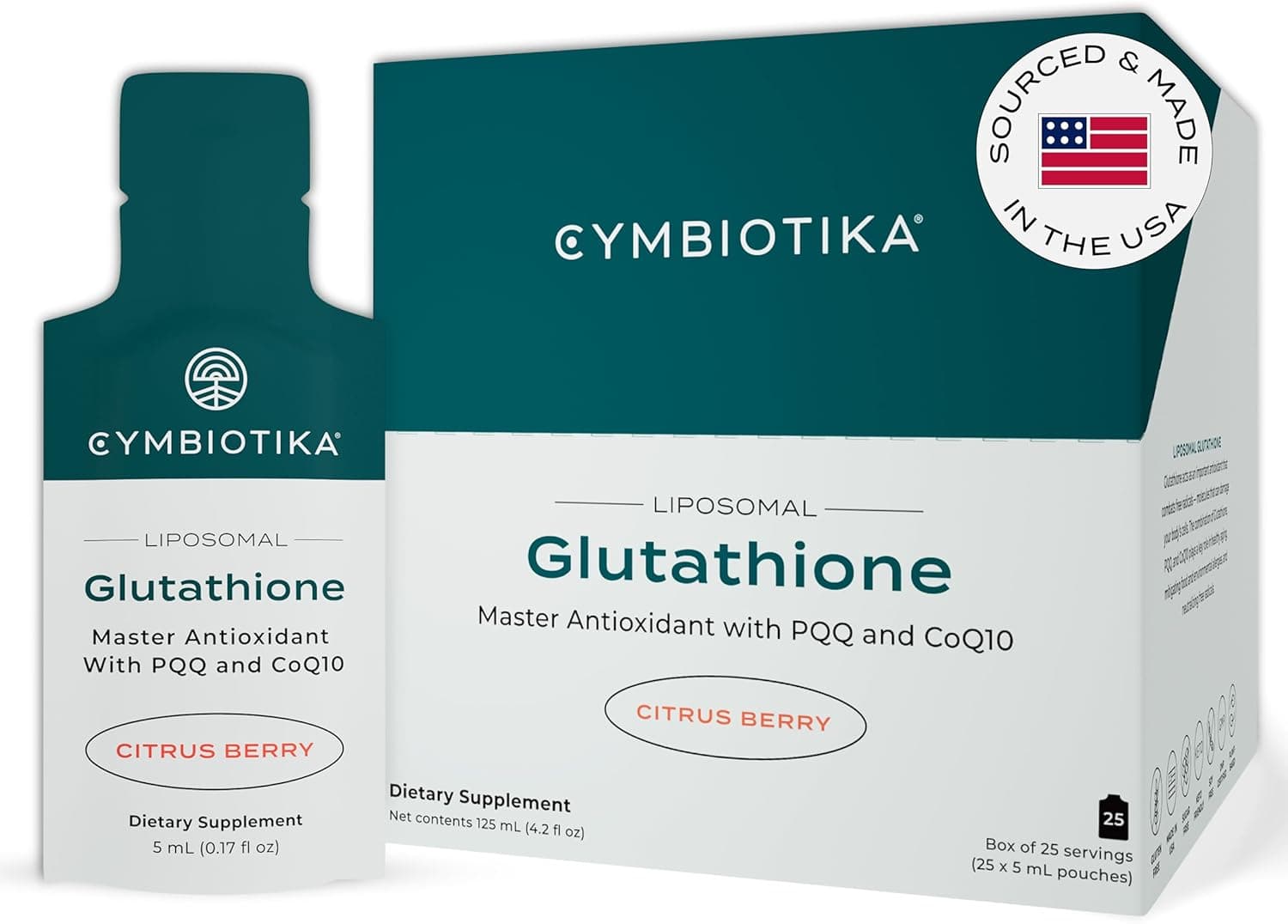
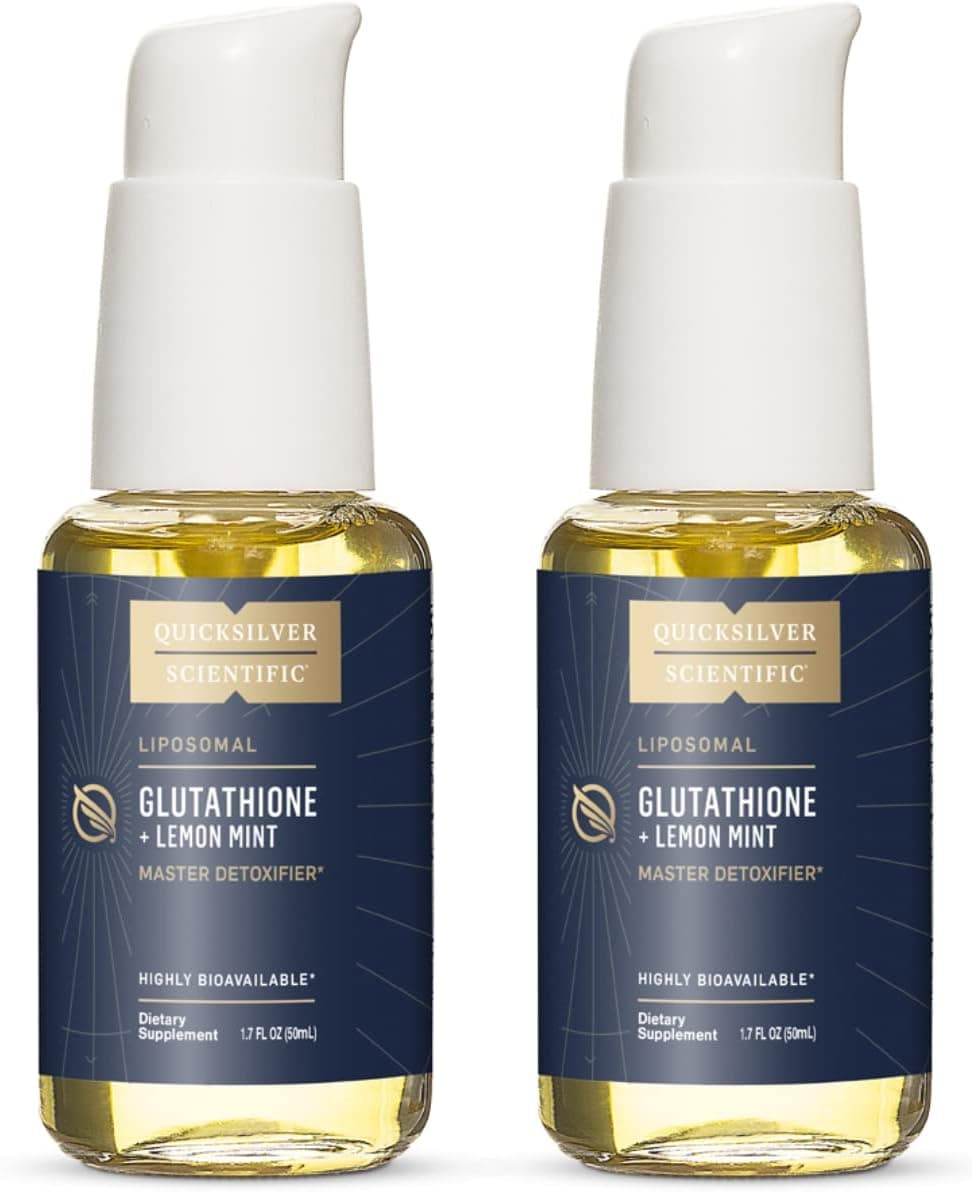
Material is packed as powder or capsule under low moisture, or dispersed with phospholipids for a liposomal presentation.
Getting Glutathione from food.
The whole-food sources on file. A supplement closes the gap, it does not replace dinner.
A gram-for-gram figure (how much of each you would eat to match a dose) will appear here once it is sourced and reviewed. This page will not print a number it cannot cite.
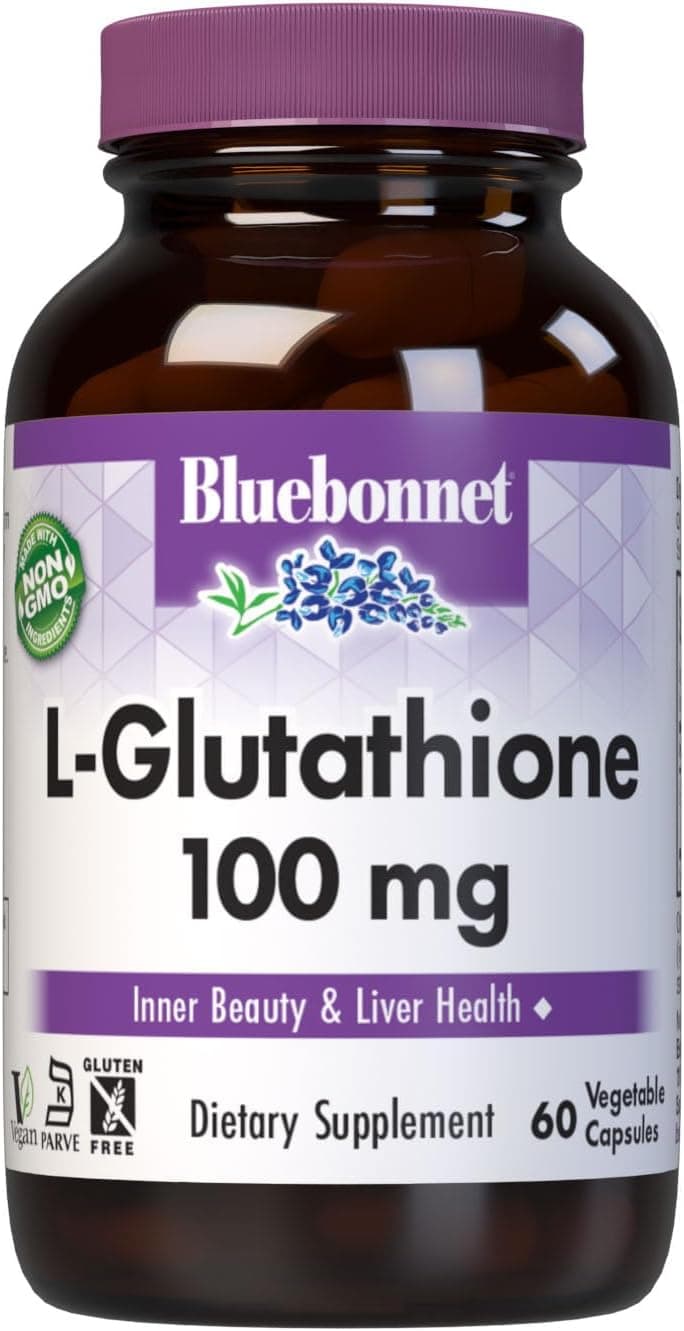
The forms it comes in.
The essence, in one line each.
- Across five randomized trials, oral glutathione at 250 to 500 mg a day significantly lowered the skin melanin index compared with placebo.Systematic review. Sarkar et al., 2024 (International Journal of Dermatology). PMID 39444151 ↗
- Taking 1,000 mg of oral glutathione daily for six months raised glutathione in red cells, plasma and lymphocytes by about 30 to 35 percent and lowered the oxidized-to-reduced glutathione ratio in blood.Randomised trial. Richie et al., 2014 (European Journal of Nutrition). PMID 24791752 ↗
- Three months of oral liposomal glutathione maintained blood glutathione levels and raised the T-helper-1 cytokines IFN-gamma, TNF-alpha and IL-2 in adults with high blood sugar.Randomised trial. To et al., 2021 (Frontiers in Cellular and Infection Microbiology). PMID 34150674 ↗
- In 44 older women, four weeks of 2 g citrulline combined with 200 mg glutathione improved brachial artery flow-mediated dilation and blunted the systolic blood pressure rise during a cold pressor test, while citrulline alone did not improve dilation.Randomised trial. Figueroa et al., 2023 (Nutrients). PMID 37049398 ↗
- In healthy adults, a 300 mg orally dissolving glutathione film gave higher plasma glutathione than a tablet at 4 and 6 hours, and four weeks of either form raised circulating glutathione with no detected change in oxidative stress markers.Randomised trial. Jung et al., 2026 (European Journal of Pharmaceutics and Biopharmaceutics). PMID 42392376 ↗
- In adults with elevated blood sugar, 500 mg per day of oral glutathione for six months shifted gut bacterial makeup, enriching Megasphaera, Bacteroides and Megamonas and depleting Escherichia and Shigella.Randomised trial. Gaike et al., 2023 (FEMS Microbiology Letters). PMID 37935462 ↗
- Three weeks of oral glutathione did not produce a detectable change in whole body insulin sensitivity, which is a failure to detect a difference rather than evidence that none exists.Randomised trial. Søndergård et al., 2021 (Applied Physiology, Nutrition, and Metabolism). PMID 33740389 ↗
- The review sets out what oral glutathione can and cannot be expected to do, giving weight to first-pass hydrolysis as a limit on systemic delivery.Narrative review. Fathizadeh et al., 2026 (Inflammopharmacology). PMID 42446814 ↗
- The authors pool glutathione supplementation trials in adults with high blood sugar and report marker-level effects with heterogeneous methods across the included studies.Systematic review. Au et al., 2026 (Nutrients). PMID 42451135 ↗
- Reviews the rationale for adding glutathione to parenteral nutrition as a way of limiting oxidative load in very young infants, and notes the evidence base is small.Narrative review. Lavoie et al., 2026 (Nutrients). PMID 42451095 ↗
- Summarises the skin lightening literature on oral and topical glutathione and describes the human trials as small and short in duration.Narrative review. Alzahrani et al., 2025 (Cureus). PMID 40013212 ↗
- Adding glutathione during vitrification was associated with better preserved ovarian tissue after transplantation in mice, an animal model result.Animal study. Jia et al., 2026 (Reproductive Sciences). PMID 41286389 ↗
- Dietary glutathione lowered oxidative stress markers and improved intestinal barrier measures in piglets given an oxidative challenge.Animal study. Liang et al., 2023 (Archives of Animal Nutrition). PMID 37133420 ↗
- Dietary glutathione was associated with changes in growth performance, nutrient digestibility and antioxidant measures in a production animal feeding study.Animal study. Zhang et al., 2026 (PLoS ONE). PMID 41706691 ↗
- Pooled milk protein supplementation trials report movement in oxidative stress markers alongside lipid, blood pressure and liver enzyme measures, all of which are markers rather than clinical outcomes.Systematic review. Mohammadi et al., 2026 (Nutrition Reviews). PMID 40471664 ↗
These are the studies our verdict leans on, chosen from the 10,520 we read for Glutathione. The full linked list is below.
The studies, linked.
9 sources behind our Glutathione verdict: peer-reviewed studies and registered clinical trials. Every one links straight to PubMed, the journal, or ClinicalTrials.gov. Read them yourself.
- Clinical trialEffects of GSH and N-Acetylcysteine on Inflammatory Markers Among Adults With CVD RiskClinicalTrials.gov ↗78 participants, Completed
- Clinical trialPhase IIb Study of Intranasal Glutathione in Parkinson's DiseaseClinicalTrials.gov ↗Phase 2, 45 participants, Completed
- Clinical trialThe Efficacy of Topical Serum X Containing Arbutin and Glutathione for Skin BrighteningClinicalTrials.gov ↗34 participants, Completed
- Clinical trialPILOT: The Effects of Short Term Administration of a Novel Glutathione Precursor (FT061452), on Serum and Intracellular Glutathione LevelsClinicalTrials.gov ↗Phase 1, 24 participants, Completed
- Clinical trialPhase 2 Trial of NOV-002 With Carboplatin in Women With Recurrent and Platinum Resistant Tumors of Mullerian OriginClinicalTrials.gov ↗Phase 2, 15 participants, Completed
- Clinical trialEfficacy and Safety of Glucocorticoids for Acute Drug Induced Liver Injury With Hyperbilirubinemia: A Multicenter Randomized Controlled TrialClinicalTrials.gov ↗232 participants, Recruiting
- Clinical trialIdentification of Glutathione Peroxidase 4 in Detecting Ferroptosis in Ankylosing Spondylitis and Axial Psoriatic Arthritis Patients .ClinicalTrials.gov ↗85 participants, Not yet recruiting
- Clinical trialComparison of Effectiveness of Tranexamic Acid Mesotherapy Versus Glutathione Mesotherapy in Post Burn Facial HyperpigmentationClinicalTrials.gov ↗Phase 2, 60 participants, Active not recruiting
- Clinical trialA Randomized, Controlled, Phase I Clinical Trial to Assess the Safety of Whole Blood Treated With Amustaline (S-303) and Glutathione (GSH), a Pathogen Reduction System in Anemic Patients.ClinicalTrials.gov ↗Withdrawn
Evidence surfaced via Semantic Scholar (Allen Institute for AI) and ClinicalTrials.gov. Ranked by study type and citation weight, not cherry-picked.
Problems people have reported.
Read this carefully. These are 5,201 voluntary, unverified reactions reported to the FDA (openFDA). The number mostly reflects how popular Glutathione is, not how risky it is. A report is not proof Glutathione caused anything. It is a signal of what to watch for, nothing more.
Source: openFDA adverse-event reports. Voluntary reporting, not an incidence rate.
FDA Disclaimer: These statements have not been evaluated by the Food and Drug Administration. This information is for educational purposes only and is not intended to diagnose, treat, cure, or prevent any disease. Consult your healthcare provider before starting any supplement regimen.