Taurine.
The everything amino. Heart, brain, muscles, eyes. Supports heart health, helps manage blood pressure, and acts as an antioxidant. Also plays a key role in eye health and nerve function.
Reviewed March 2026
- Category
- Amino acid
- Also filed under
- HeartBrainExercise
What Taurine is, and what it does.
- Does it work
- It suits people eating little or no animal food, whose intake is close to nothing, and anyone building a cardiovascular or endurance stack on settled biochemistry.
- How much to take
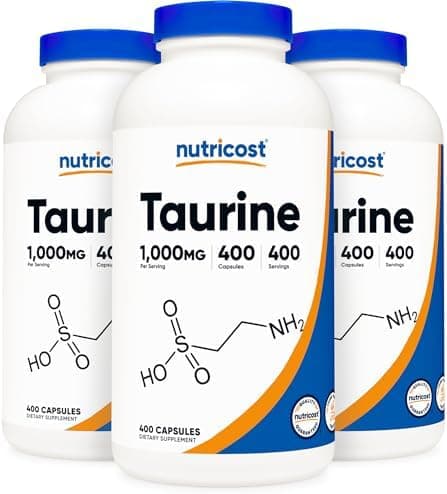
- 1-3 grams daily. Can be split into two doses if you prefer. Start with 1 gram to see how you feel.
- Time to feel it
- A single 4 g dose on the day of exercise.
- The first dose
- Nothing. Don't expect any immediate changes. This one needs to build up in your system over weeks.
- With regular use
- After a month or two, some studies show modest improvements in blood pressure and exercise capacity. It's a long-game supplement.
- How well tolerated
- Well tolerated for most people. Your body makes it. High doses (over 3 grams) might cause some stomach upset, but that's about it.
- How it feels
- Subtle. You're not going to 'feel' it kick in. It works in the background to support your cardiovascular system.
- The overlooked benefit
- It conjugates bile acids, which is a quiet contribution to fat digestion and fat-soluble vitamin handling that almost nobody buys taurine for.
500 to 3,000mg a day is where Taurine works.
Source: Waldron 2018 meta-analysis + Zhang 2004 cardiac study
In a double blind, randomized, placebo controlled crossover trial in 16 trained young men, a single 4 g dose of taurine taken before graded cycling in hot and humid conditions lengthened time to exhaustion on the same day compared with placebo, while 1 g and 6 g doses showed no effect.
The proof, claim by claim.
These words describe the research, not the molecule's worth. Research strength is how much work stands behind one claim, and it is never a product score.
Based on 40 human trials with 70% consistency.
- Blood pressure already in the normal rangeMeta-analysis
- Endurance and exercise performance measuresMeta-analysis
- Markers of oxidative stress after exerciseRandomised trial
- Bile acid conjugation and fat digestionNarrative review
- Calcium handling in cardiac muscleAnimal study
- Glucose metabolism markersRandomised trial
Questions people ask about Taurine.
- Is this the stuff in energy drinks?
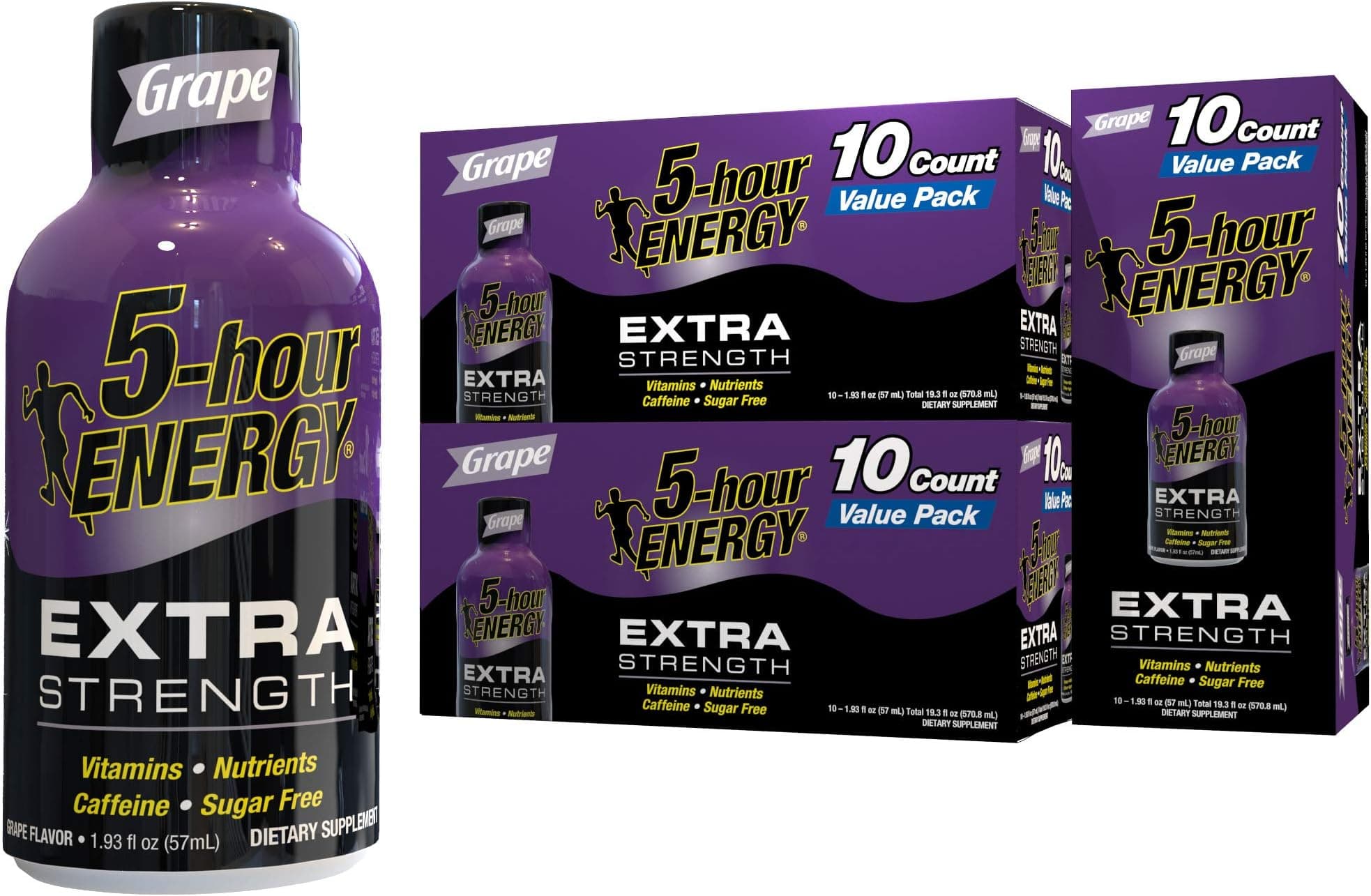
- Yes, but the caffeine and sugar are what you actually feel. Taurine is there for support, not the buzz.
- Can I get enough from food?
- Mostly from meat, fish, and dairy. It's tough to get optimal amounts from a plant-based diet.
- Will it lower my blood pressure too much?
- Unlikely for healthy people. But if you're already on blood pressure medication, check with your doctor first.
- Is it a stimulant?
- No. It's an amino acid. It can actually have a calming effect on the nervous system for some people.
- When's the best time to take it?
- Anytime. With or without food. Consistency is more important than timing.
- Why is it called Taurine?
- It was first found in ox bile in 1827. 'Taurus' is Latin for bull.
What the trials show about these together.
Outcomes the engine found studied for these actives as a combination, not one at a time. Each is a finding a named trial measured, cited and dated, never written by the brand.
- PromisingTaurine + CaffeineEnergy
In a 2025 network meta-analysis, caffeine and taurine taken together improved reaction time and anaerobic capacity more than either compound alone.
Deng et al., 2025 (J Int Soc Sports Nutr)PMID 41032459
Research strength. Research strength says how much work stands behind the combination. It is never a product score.
Fail closed. Where actives were studied on their own rather than together, each shows on its own evidence, never a combined effect no trial measured.
Independent record. Every finding is cited to a named trial, dated, and never written by the brand.
Findings from trials that studied these actives as a combination. Context for how the actives were tested together, not a statement about any individual and not a claim about this product.
Why these belong in the same formula. Each row says what the basis is, from settled biochemistry through to a trial that measured the pair.
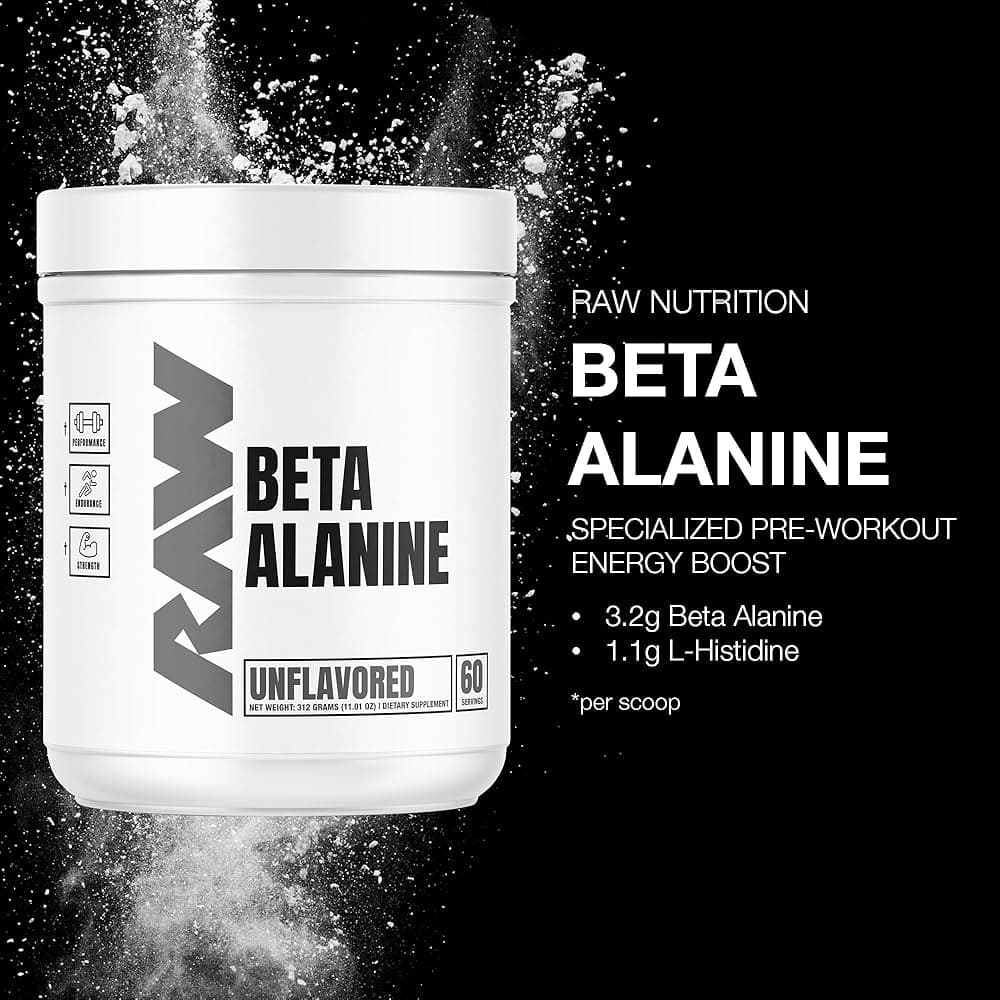
Taurine and beta-alanine are carried into cells by the same taurine transporter, so large beta-alanine doses compete with taurine for uptake. Spacing the two apart helps normal cellular taurine levels hold steady rather than being crowded out.
Both taurine and magnesium act as membrane stabilizers that temper calcium movement into cells and support the normal excitability of nerve and muscle tissue. That overlapping role is why the two are frequently formulated side by side.
Cysteine is oxidised by cysteine dioxygenase to cysteine sulfinic acid, then decarboxylated to hypotaurine and oxidised to taurine. Supplying taurine directly spares cysteine for glutathione instead.
The decarboxylation step that turns cysteine sulfinic acid into hypotaurine is pyridoxal-5-phosphate dependent. Endogenous taurine synthesis slows when B6 is short.
Taurine is an agonist at both the strychnine-sensitive glycine receptor and GABA-A, the same chloride channels glycine acts on. Their effects on inhibitory tone add together.
Taurine acts as a low-affinity agonist at GABA-A receptors and also influences GABA transport and turnover. Taken with GABA the effect on inhibitory tone is additive rather than independent.
Both are actively concentrated inside muscle cells and act as osmolytes that raise intracellular water. They use separate sodium-coupled transporters, so they load in parallel rather than competing.
Carnitine shuttles long chain fatty acids into the mitochondrion while taurine stabilises mitochondrial tRNA wobble bases needed for respiratory chain protein synthesis. They act at different points of the same energy pathway.
CoQ10 carries electrons between complexes I and III of the respiratory chain, and taurine conjugates to mitochondrial tRNA so those complex subunits are translated correctly. One supplies the carrier, the other supports building the machinery.
Bile acids are conjugated to either taurine or glycine before secretion, and taurine conjugates stay ionised across a wider pH range. Taurine supply influences the conjugation profile of the bile acids being supplied.
Taurine is the most abundant free amino acid in the retina and zinc is concentrated in retinal pigment epithelium, where it supports the enzymes of the visual cycle. The two are routinely combined in eye formulas.
Cysteine sulfur that does not go to taurine passes through sulfite, which sulfite oxidase converts to sulfate using its molybdenum cofactor. Molybdenum status therefore shapes how a rising sulfur amino acid load is cleared.
The taurine transporter TauT moves taurine into cells coupled to two sodium ions and one chloride ion. Sodium and chloride availability set how efficiently taurine is concentrated intracellularly.
Methionine feeds the transsulfuration pathway that produces cysteine, and cysteine is the direct substrate for taurine synthesis through cysteine dioxygenase and cysteine sulfinic acid decarboxylase. Adequate sulfur amino acid intake is therefore upstream of how much taurine the body makes. Supplemental taurine bypasses that route entirely.
N-acetylcysteine is deacetylated to cysteine, the branch point substrate that feeds both glutathione synthesis and the taurine pathway. Raising cysteine availability raises the substrate pool that taurine synthesis draws on. How the cell splits that pool between the two destinations depends on the tissue and on demand.
Cysteine is the limiting input for glutathione synthesis and also the entry point to the taurine pathway, so the two destinations draw on one pool. Supplying taurine directly removes one demand on that pool. This is settled biochemistry rather than a dosing recommendation.
TauT moves taurine into cells against its gradient using the inward sodium and chloride gradients as the driving force. Cellular taurine loading therefore depends on the same electrochemical gradients that sodium handling maintains. Beta-alanine competes for that same carrier, which is why the two are discussed together.
Taurine functions as an organic osmolyte, so intracellular taurine content participates in cell volume regulation alongside the inorganic ions. Potassium is the dominant intracellular cation in that same balance. The relationship is physiological and neither element substitutes for the other.
Taurine modulates calcium movement across membranes and within intracellular stores in cardiac and neural tissue, which is one of the most studied aspects of its cell biology. Most of that work sits in isolated tissue and animal preparations. It does not translate into a dosing rule for taking the two together.
Taurine and myo-inositol are the two principal organic osmolytes cells accumulate to balance extracellular tonicity without disturbing ionic strength. Cells adjust the two pools reciprocally as conditions change. Whether supplementing one alters the other in people has not been established.
Lipoic acid cycles between oxidised and reduced forms and participates in regenerating other redox couples. Taurine contributes separately by reacting with hypochlorous acid to form taurine chloramine. The two touch cellular redox by different routes and the pairing rests on that overlap, not on combination data.
Vitamin E works in the lipid phase of membranes while taurine sits in the cytosol as a water-soluble osmolyte and chloramine former. Formulas combining them are covering two compartments rather than reinforcing one action. No combination trial supports the pairing.
Taurine is routinely included in electrolyte and intra-workout mixes because of its osmolyte role and its uptake dependence on the sodium gradient. That places it alongside sodium, potassium and magnesium in the same sachet. The combination is formulation convention with a mechanistic rationale rather than a tested unit.
Taurine and long chain omega-3 fatty acids are both present at high concentrations in retina, heart and brain, and both appear in the same marine food sources. That co-occurrence is dietary rather than a shared mechanism. Nothing has tested them together in a controlled setting.
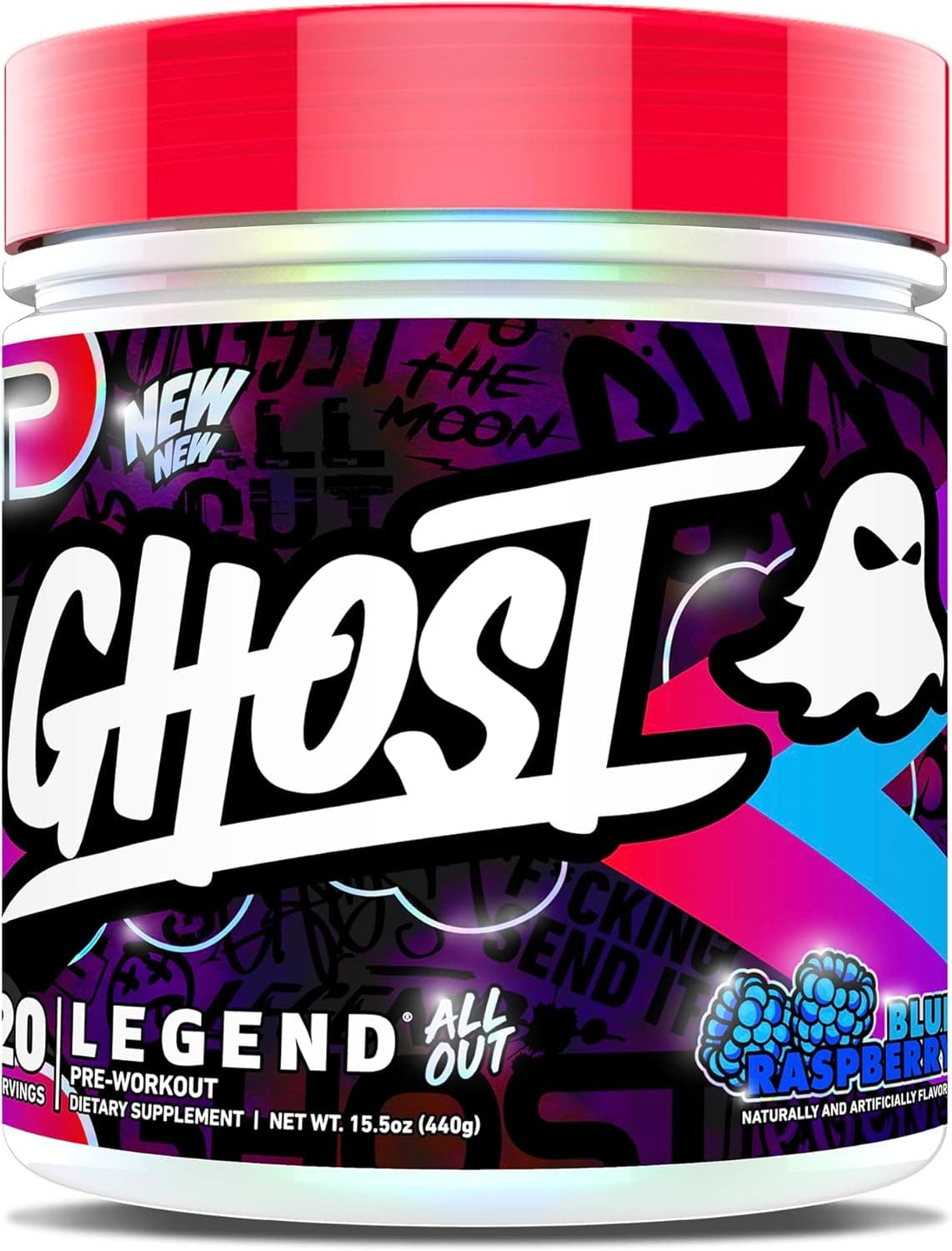
Taurine is an amino acid that helps regulate calcium handling and cell volume in muscle and nerve tissue, and it sits beside caffeine in most energy formulas. The pairing is formulation convention with a growing trial record behind it rather than a settled mechanism. The two are studied together far more often than taurine is studied alone.
Nothing specific on file for Taurine. Match the label to the daily amount above, and tell your doctor what you take.
Not medical advice. Show the label to your pharmacist.What Taurine actually does.
Taurine gets called an amino acid, but its chemistry is a different type, so your body never builds it into proteins. It works on its own.
Your body can make taurine from cysteine using two enzymes, and the second one needs vitamin B6 to run. So B6 status sits upstream of how much you can make.
Taurine hooks onto bile acids, and those pairs stay charged across the pH range of the small intestine, so they help form the droplets that let you digest fat.
Cells pull taurine in through a carrier that needs sodium and chloride. Beta-alanine uses that same carrier, so the two compete for it.
Where Taurine comes from.
Almost all taurine in supplements is built in a factory from simple industrial chemicals, not taken from animals, even though it was first discovered in ox bile and still carries that name. The molecule that comes out is the same one your own body makes from the sulfur amino acids in food. What separates a good batch from a poor one is how thoroughly the leftover reaction chemicals were washed out.
The same molecule is reached more than one way. Which route a given product used is a manufacturing choice, and the finished compound is the same either way.
The dominant industrial route starts from petrochemical ethylene oxide and inorganic bisulfite, neither of which is animal derived.
Ethylene oxide reacts with sodium bisulfite to give sodium isethionate, the sulfonated two-carbon intermediate.
The isethionate is reacted with ammonia under heat and pressure, replacing the hydroxyl with an amino group to give taurine. An alternative industrial route runs aziridine with sulfurous acid to the same product.
Crude taurine is recrystallised from water and passed over ion exchange resins to strip residual sodium, sulfate and unreacted intermediates, then assayed for those specific residues.
The purified crystals are milled to a target particle size for flow and dissolution, then filled into capsules, blended into powders or dissolved into beverages.
Taurine was originally isolated from ox bile, which is where the name comes from, and extraction from animal tissue remains chemically possible. It is not the commercial route at supplement scale.
Getting Taurine from food.
The whole-food sources on file. A supplement closes the gap, it does not replace dinner.
A gram-for-gram figure (how much of each you would eat to match a dose) will appear here once it is sourced and reviewed. This page will not print a number it cannot cite.
The forms it comes in.
The essence, in one line each.
- Pooling 12 studies, taurine supplementation lowered systolic blood pressure by about 4.7 mmHg and diastolic by about 2.9 mmHg versus control.Meta-analysis of randomized controlled trials. Guan & Miao, 2020 (European Journal of Pharmacology). PMID 32871172 ↗
- Across 10 trials, an oral dose of 1 to 6 g of taurine produced a small improvement in endurance exercise performance (Hedges' g 0.40).Meta-analysis. Waldron et al., 2018 (Sports Medicine). PMID 29546641 ↗
- In adults with excess body weight, long-term taurine supplementation reduced fasting insulin overall, with lower HbA1c (about 0.33 percentage points) seen in those carrying the most excess weight.Systematic review and meta-analysis of randomized controlled trials. Sun et al., 2024 (Nutrients). PMID 39796489 ↗
- Across controlled trials, taurine lowered the inflammation marker C-reactive protein and the oxidation marker malondialdehyde, with no detectable change in TNF alpha or interleukin 6, and the largest shifts around 8 weeks of use.Meta-analysis. Faghfouri et al., 2022 (European Journal of Clinical Nutrition). PMID 34584225 ↗
- Pooling 23 randomised trials with 308 participants, a single 1 to 6 g dose of taurine gave a small overall performance gain (g 0.25), most apparent in endurance, strength and agility tasks, with the certainty of evidence rated low.Meta-analysis. Deng et al., 2025 (Scandinavian Journal of Medicine and Science in Sports). PMID 40852891 ↗
- Across 7 randomised trials in 402 people, taurine taken alone or with exercise training produced no detectable change in cognitive test scores.Meta-analysis. Cao et al., 2025 (International Journal of Food Sciences and Nutrition). PMID 40320621 ↗
- In 11 trained male runners, 6 g of taurine taken 90 minutes before running produced no detectable change in maximal fat oxidation, the intensity at which fat burning peaks, or time to exhaustion, though oxygen uptake ran higher at most stages.Randomised trial. Ghazzagh et al., 2025 (International Journal of Sport Nutrition and Exercise Metabolism). PMID 39419489 ↗
- A network meta-analysis pooled the individual and combined effects of caffeine and taurine on physical performance measures, allowing the two to be compared against each other and against the combination within one framework.Meta-analysis. Deng et al., 2025 (Journal of the International Society of Sports Nutrition). PMID 41032459 ↗
- Eight days of oral taurine was tested against placebo for thermoregulatory responses during low-intensity exercise at fixed heat production. The primary readouts are physiological measures taken during the exercise bout.Randomised trial. Peel et al., 2024 (European Journal of Applied Physiology). PMID 38582816 ↗
- Caffeine and taurine were given alone and together and assessed on athletic and cognitive performance measures within the same protocol.Randomised trial. Ozan et al., 2022 (Nutrients). PMID 36297081 ↗
- A single acute dose of taurine was assessed for effects on energy metabolism measures and aerobic capacity. The design captures one exposure rather than sustained intake.Randomised trial. Júnior et al., 2026 (Research Quarterly for Exercise and Sport). PMID 42268287 ↗
- Taurine given alongside an exercise programme was associated with changes in circulating cytokine levels and in subcutaneous adipose tissue measures. These are biological markers rather than clinical outcomes.Randomised trial. De Carvalho et al., 2021 (Amino Acids). PMID 34255136 ↗
- The review maps what is currently understood about taurine across energy metabolism, inflammatory signalling and biological ageing research, and separates the mechanistic work from the nutritional evidence.Narrative review. Beine et al., 2026 (Food and Function). PMID 42300946 ↗
- This is a published protocol for a randomised trial of taurine supplementation on metabolic and biological ageing measures. It describes the planned methods and reports no results.Randomised trial. Chu et al., 2026 (PLoS One). PMID 42201902 ↗
- A randomised clinical trial gave taurine to adults recovering from liver transplantation and followed graft function measures. The setting is inpatient hospital care and does not generalise to everyday supplementation.Randomised trial. Mottaghi et al., 2026 (Clinical Nutrition ESPEN). PMID 41605371 ↗
- A randomised controlled trial assessed taurine against post-operative mental status measures in transplant recipients. Again a hospital population with intensive monitoring.Randomised trial. Mottaghi et al., 2022 (Clinical Nutrition). PMID 36081295 ↗
- A systematic review of preclinical animal work on taurine in an inflammatory autoimmune model. All included studies are animal experiments and none provide human evidence.Systematic review. Malek Mahdavi et al., 2026 (Amino Acids). PMID 41874670 ↗
- Taurine supplementation altered hepatic AMPK signalling and blood lipid measures in a rodent model of altered thyroid hormone status. These are mechanistic markers in animals.Animal study. Matos et al., 2026 (Archives of Endocrinology and Metabolism). PMID 42485573 ↗
- A proposal paper arguing that taurine merits testing against cellular senescence and persistent inflammation after viral illness. It assembles prior mechanistic work and reports no new data.Narrative review. Wang et al., 2026 (BMC Infectious Diseases). PMID 41803812 ↗
- A published study protocol for an exploratory randomised trial of taurine in children. It sets out the planned design and outcome measures and contains no results.Randomised trial. Chen et al., 2025 (BMC Pediatrics). PMID 41146076 ↗
- A commentary discussing taurine supplementation within neonatal lung development research, framing where the mechanistic case currently stands.Narrative review. Lynch et al., 2026 (American Journal of Respiratory Cell and Molecular Biology). PMID 42089311 ↗
These are the studies our verdict leans on, chosen from the 138 we read for Taurine. The full linked list is below.
The studies, linked.
9 sources behind our Taurine verdict: peer-reviewed studies and registered clinical trials. Every one links straight to PubMed, the journal, or ClinicalTrials.gov. Read them yourself.
- Clinical trialA 12-week, Parallel, Double-blind, Randomised, Placebo-controlled Adjunctive Study of Taurine 4 Grams in 128 Patients With First-episode Psychosis Receiving Antipsychotic Treatment.ClinicalTrials.gov ↗Phase 2, 121 participants, Completed
- Clinical trialNeurocognitive Fatigue Resistance, Visual Search Efficiency, and Tactical Decision-Making After Phosphatidylserine-Containing Taurine-Caffeine Supplementation in Professional Male Football PlayersClinicalTrials.gov ↗65 participants, Completed
- Clinical trialWeizmannia Coagulans BC179 Alleviates Post-Alcohol Discomfort May Via Taurine-Related Metabolism and Antioxidant Regulation: A Randomized, Double-Blind,Placebo-Controlled TrialClinicalTrials.gov ↗60 participants, Completed
- Clinical trialExploring the Effects of a Preservative-free Ophthalmic Solution Containing Hyaluronic Acid 0.4% and Taurine 0.5% on the Ocular Surface of Glaucoma Patients Under Multiple Long-term Topical Hypotensive TherapyClinicalTrials.gov ↗39 participants, Completed
- Clinical trialSynergistic Effects of Low-Dose Caffeine and Taurine on Anaerobic, Neuromuscular, and Cognitive Performance: A Double-Blind Randomized Placebo-Controlled Crossover StudyClinicalTrials.gov ↗32 participants, Completed
- Clinical trialThe Effect of Oral Taurine on Portal Hemodynamics in Patients With AdvancedClinicalTrials.gov ↗Phase 4, 30 participants, Completed
- Clinical trialTaurine Supplementation and Physical Training Effects on Adipose Tissue Mitochondrial Energy Metabolism, and Blood Inflammation and Oxidative Stress in Obese WomenClinicalTrials.gov ↗24 participants, Completed
- Clinical trialEffects of Taurine Supplementation on Repetitive Sprint Performance and Exhaustion Time in College Students Under High-Temperature and High-Humidity ConditionsClinicalTrials.gov ↗16 participants, Completed
- Clinical trialButyrate and Taurine for Chronic Postsurgical Pain in Adult Cardiac Surgical Patients: Bayesian Optimized Double-blinded Randomized Controlled TrialClinicalTrials.gov ↗216 participants, Not yet recruiting
Evidence surfaced via Semantic Scholar (Allen Institute for AI) and ClinicalTrials.gov. Ranked by study type and citation weight, not cherry-picked.
Problems people have reported.
Read this carefully. These are 2,865 voluntary, unverified reactions reported to the FDA (openFDA). The number mostly reflects how popular Taurine is, not how risky it is. A report is not proof Taurine caused anything. It is a signal of what to watch for, nothing more.
Source: openFDA adverse-event reports. Voluntary reporting, not an incidence rate.
FDA Disclaimer: These statements have not been evaluated by the Food and Drug Administration. This information is for educational purposes only and is not intended to diagnose, treat, cure, or prevent any disease. Consult your healthcare provider before starting any supplement regimen.