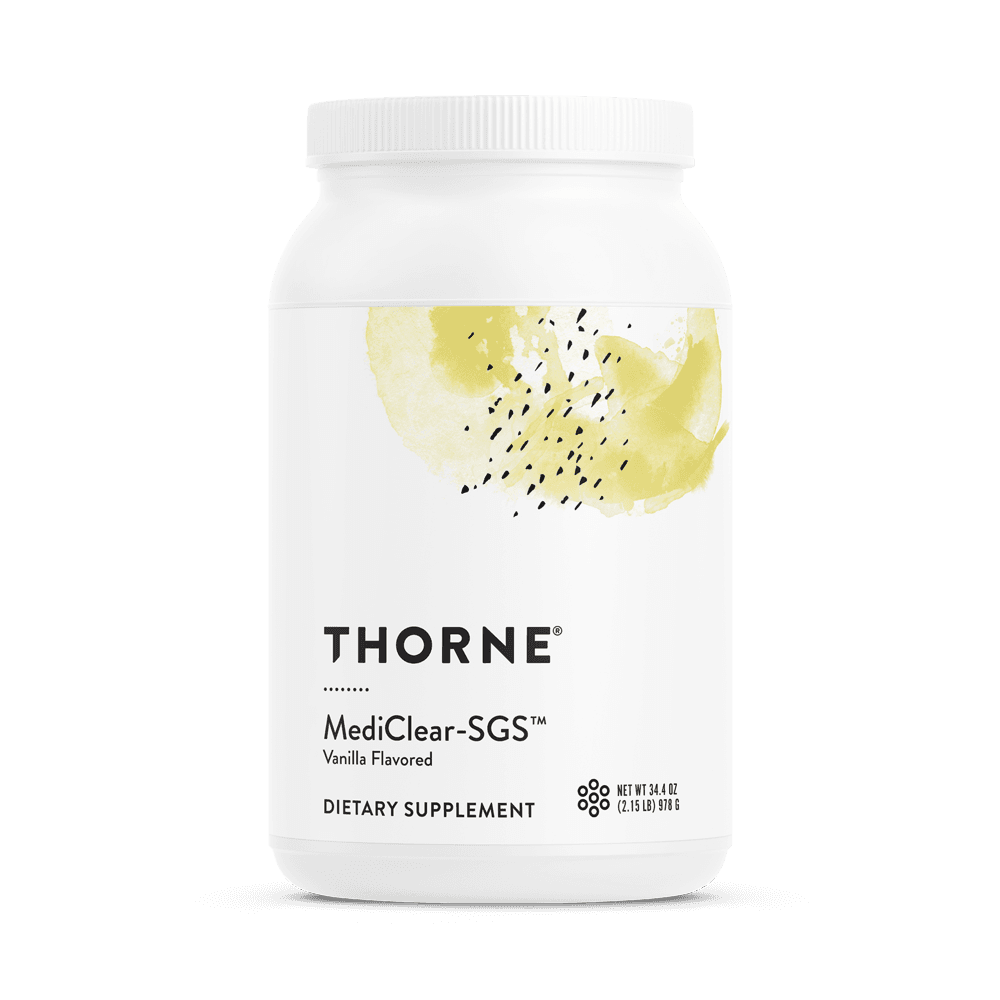
Sulforaphane.
May support the body's natural detoxification processes and antioxidant defenses. Flips the switch on your body's own antioxidant and detox genes. Helps your cells clean up shop and defend against stress.
Reviewed March 2026
- Category
- Active compound
- Also filed under
- Supports detoxificationBoosts antioxidant defensesMay have anti inflammatory effects
What Sulforaphane is, and what it does.
- Does it work
- Maybe. The lab science is exciting. Human studies are still catching up, especially at the doses in most supplements. A 'healthy bet' if you have the budget.
- How much to take
- Look for products guaranteeing 400-600 mcg of actual sulforaphane potential. This often comes from 10-20 mg of its precursor, glucoraphanin.
- Time to feel it
- Nothing acute. Phase II enzyme activity shifts within a day or two of a dose and settles over two to four weeks, which is measured in urine and blood rather than felt.
- The first dose
- Zero. This isn't caffeine. It's a slow burn that builds up over time.
- With regular use
- Over weeks of daily use, phase II enzyme output stays raised, which shows in urinary mercapturic acid metabolites and glutathione-related markers. It reads on a panel.
- How well tolerated
- Generally well tolerated. The main cautions are for people with thyroid conditions or on blood thinners. Check with your doc.
- How it feels
- Like nothing. This is one you take on faith in the science, not because you feel a buzz.
- The overlooked benefit
- Glucoraphanin only becomes sulforaphane when myrosinase acts on it, and gut bacteria do that job with wide variation between people. Chewing raw broccoli sprouts starts the same reaction.
200mcg a day is where Sulforaphane works.
Source: Singh et al., Cancer Prev Res, 2014; Fahey et al., PLoS One, 2012
The proof, claim by claim.
These words describe the research, not the molecule's worth. Research strength is how much work stands behind one claim, and it is never a product score.
The mechanisms of action are well-understood and supported by in vitro and animal studies. Human studies are promising but need more replication and larger sample sizes at realistic doses.
- Phase II enzyme activityRandomised trial
- Nrf2 signalling and antioxidant response element activationIn vitro study
- Urinary excretion of airborne pollutantsRandomised trial
- Inflammatory markersRandomised trial
- Healthy glucose metabolismRandomised trial
- Histone deacetylase activityIn vitro study
Questions people ask about Sulforaphane.
- Can I just eat broccoli instead?
- You could, but you'd need to eat about 1.5 lbs of it daily. Broccoli sprouts are much more potent. The supplement is for a consistent, high dose.
- What's glucoraphanin vs. sulforaphane?
- Glucoraphanin is the stable precursor. An enzyme called myrosinase (also in broccoli) converts it to active sulforaphane. Think of it as the ingredients that need to be mixed.
- Is it okay to take every day?
- Yes, current research suggests it's well tolerated in daily long-term use at standard doses.
- Should I take it with food?
- Doesn't really matter. Take it whenever is most convenient for you to be consistent.
- Is frozen broccoli as good as fresh?
- No. The blanching process before freezing destroys most of the myrosinase enzyme needed to create sulforaphane.
- Why is it so hyped up?
- Because the mechanism (Nrf2 activation) is a powerful pathway for cellular protection. The science is cool, but human evidence for big benefits is still developing.
Why these belong in the same formula. Each row says what the basis is, from settled biochemistry through to a trial that measured the pair.
Sulforaphane is a strong Nrf2 activator and one of the genes it turns up is glutamate-cysteine ligase, the enzyme that builds glutathione. NAC supplies cysteine, the amino acid that limits how fast that enzyme can work, so induction and substrate arrive together.
Several antioxidant enzymes that Nrf2 activation raises, including glutathione peroxidases and thioredoxin reductases, are selenoproteins carrying selenocysteine in the active site. Without adequate selenium the induced protein cannot be built in functional form, so selenium status sets the ceiling on what sulforaphane induction delivers.
Glutathione is built from cysteine, glutamate and glycine, and glycine is added in the second synthesis step. When sulforaphane raises the synthetic enzymes, glycine availability becomes a second potential bottleneck alongside cysteine.
Both compounds act on cysteine thiols of Keap1, the sensor that normally holds Nrf2 for degradation, and both feed the glutathione and thioredoxin systems downstream. Alpha lipoic acid also recycles oxidised glutathione back to its active form, which keeps the pool sulforaphane helped build in usable shape.
Broccoli sprout extract supplies glucoraphanin, the stable glucosinolate that myrosinase converts to sulforaphane. Combining the preformed isothiocyanate with the precursor gives an immediate and a slower colonic release.
Sulforaphane is conjugated to glutathione by glutathione S-transferase as the first step of the mercapturic acid pathway, and it also raises the enzymes that make new glutathione. Glutathione status therefore both consumes and is raised by sulforaphane.
Cysteine is the limiting amino acid for glutathione synthesis, and sulforaphane both induces that synthesis and consumes glutathione through conjugation. Supplying cysteine keeps the pool from being drawn down.
Both compounds modify cysteine residues on KEAP1, releasing Nrf2 to move into the nucleus and switch on phase II enzymes. Because they hit different residues, the induction is additive rather than redundant.
EGCG and sulforaphane both raise NQO1, heme oxygenase-1 and glutathione S-transferase expression through the Nrf2 route. Their combination is a standard way to raise phase II capacity without pushing one compound higher.
Silymarin activates Nrf2 and supports glutathione output in liver tissue, the same arm sulforaphane drives. They are combined in liver support formulas because the induction adds.
Sulforaphane raises glutathione conjugation while calcium D-glucarate slows beta-glucuronidase, so glucuronide conjugates stay conjugated for excretion. The pair covers two different phase II exit routes.
Molybdenum sits in the cofactor of sulfite oxidase, which converts sulfite from sulfur compound turnover to sulfate for excretion. A rising sulfur-compound load makes that step more relevant.
Quercetin oxidation products modify KEAP1 cysteines much as sulforaphane does, releasing Nrf2 to drive phase II transcription. The two are commonly stacked for that reason.
Pterostilbene activates Nrf2 and sirtuin signalling, overlapping with the antioxidant response element genes sulforaphane switches on. Their induction of phase II enzymes runs through the same transcriptional node.
Resveratrol raises Nrf2 nuclear translocation and NQO1 expression, the same output sulforaphane drives more strongly. Stacking the two widens the induction across polyphenol and isothiocyanate chemistry.
Myrosinase activity is ascorbate-dependent within a concentration window described in the plant enzymology literature. Ascorbate also influences whether hydrolysis yields the isothiocyanate or the nitrile side product. This is enzyme chemistry rather than a clinical outcome.
Inducing an enzyme only matters if its cofactor is available. FAD, made from riboflavin, is the prosthetic group of NQO1. Riboflavin status therefore sits underneath one of the classic readouts used to measure sulforaphane activity.
The pyridine nucleotide pool that NQO1 draws on is built from niacin. This is a cofactor supply relationship in established biochemistry, not a demonstrated additive clinical effect.
When myrosinase is destroyed by heat, conversion falls to the colonic microbiota, and human conversion varies widely between people. Supplementation with sulforaphane has itself been reported to shift microbial co-occurrence networks. The relationship runs in both directions and the size of the effect on conversion is not settled.
Because part of glucoraphanin conversion happens in the colon, anything that changes the resident community can change conversion. Inulin fermentation does that indirectly. No human study has quantified the knock-on effect on isothiocyanate exposure.
Sulforaphane works by turning up endogenous antioxidant and conjugating enzymes. Tocopherol works stoichiometrically in the lipid phase. The two arms are complementary in mechanism. Exercise studies of broccoli-derived material report marker endpoints such as lipid peroxidation, not clinical outcomes.
Coenzyme Q10 is reduced and recycled at the membrane, and NQO1, one of the enzymes induced downstream of Nrf2, can reduce quinones including ubiquinone. The link is mechanistically clean and clinically untested as a pairing.
Both compounds are described as Nrf2 activators in cell and animal work. Whether two activators of the same transcription factor add, saturate or do neither in people has not been measured. Early by design.
Zinc availability sets how much functional metallothionein can be made from an induced transcript. The connection is inferred from established metal handling rather than from a combination study.
Sulforaphane is consumed by conjugation to glutathione and excreted through the mercapturic acid route, so sulfur amino acid supply matters. MSM contributes sulfur but has not been shown to feed that specific conjugation pool in people. Keep expectations low.
Activated charcoal adsorbs small organic molecules in the gut lumen without discriminating between them. Co-ingestion is a plausible way to reduce how much isothiocyanate reaches the circulation. This is a spacing consideration rather than a demonstrated interaction.
Talk to a doctor before taking Sulforaphane if any of these apply to you: May interact with certain medications, Consult a doctor if you have thyroid issues, High doses may cause digestive upset in some people. These are flags to check first, not effects Sulforaphane is known to cause.
Not medical advice. Show the label to your pharmacist.What Sulforaphane actually does.
Broccoli only makes this compound once the plant is chopped or chewed, when an enzyme meets the raw material it works on.
It reacts with specific sulfur sites on a sensor protein, which frees a switch that turns on the cell's own defence genes.
The genes it switches on are the ones that build the cell's conjugating and antioxidant enzymes.
The body attaches it to glutathione and excretes it, and those breakdown products are what studies measure in urine.
Where Sulforaphane comes from.
It starts as broccoli seed or sprouts. Makers either pull out the stable raw material the body converts later, or run the conversion themselves and then protect the finished compound so it survives the shelf.
Made from a plant. What ends up in the capsule tracks the harvest, so batch testing and a stated marker matter more here than with a made molecule.
Brassica oleracea italica seed, selected for glucoraphanin content, sometimes germinated for a defined number of days before harvest.
Glucoraphanin is water soluble and is pulled from milled seed or sprout material. Temperature control at this step decides whether native myrosinase survives.
Where the finished active is the isothiocyanate, myrosinase or an added thioglucosidase converts glucoraphanin to sulforaphane before isolation.
Separates the glucosinolate or the isothiocyanate from sugars, proteins and other glucosinolates.
Content is set by HPLC against the declared marker. Myrosinase activity, when claimed, is a separate assay.
Dried with carriers, encapsulated or complexed to limit hydrolysis of the reactive isothiocyanate.
Whether native myrosinase activity survived processing is frequently not stated on a label, and it is the step that decides how much conversion happens.
Getting Sulforaphane from food.
The whole-food sources on file. A supplement closes the gap, it does not replace dinner.
A gram-for-gram figure (how much of each you would eat to match a dose) will appear here once it is sourced and reviewed. This page will not print a number it cannot cite.
The forms it comes in.
The essence, in one line each.
- Across 170 adults over 10 days, the broccoli sprout beverage dose producing about 25 micromol of urinary sulforaphane metabolites a day raised urinary excretion of the benzene conjugate by 63.2%, while the one-half and one-fifth doses did not differ from placebo.Randomised trial. Chen et al., 2019 (The American Journal of Clinical Nutrition). PMID 31268126 ↗
- In 10 young men in a crossover design, 30 mg of sulforaphane daily for four weeks lowered the rise in creatine kinase after heavy resistance exercise and reduced the increase in interleukin 6 measured 30 minutes afterwards.Randomised trial. Sato et al., 2021 (Nutrition). PMID 34004418 ↗
- In 74 adults with above-normal fasting blood sugar, 12 weeks of a sulforaphane-yielding broccoli sprout extract lowered fasting blood glucose by 0.2 mmol/L against placebo (95% CI -0.44 to -0.01), short of the 0.3 mmol/L the trial had set as its target.Randomised trial. Dwibedi et al., 2025 (Nature Microbiology). PMID 39929977 ↗
- Adding myrosinase from mustard seed to a glucoraphanin-rich broccoli preparation raised how much sulforaphane reached the bloodstream compared with the broccoli preparation alone.Randomised trial. Mastaloudis et al., 2026 (Scientific reports). PMID 41692762 ↗
- In adults with reduced kidney filtration, sulforaphane supplementation did not produce a detectable change in the expression of two genes that govern antioxidant and inflammatory signalling, which is a failure to detect a difference rather than proof of none.Randomised trial. Ribeiro et al., 2024 (Journal of renal nutrition). PMID 37619675 ↗
- NMR metabolomics in adults with reduced kidney filtration reported shifts in circulating metabolite profiles after supplementation. A metabolomic marker readout rather than a clinical endpoint.Randomised trial. Ribeiro M et al., 2026 (Food and Function). PMID 42200637 ↗
- Supplementation was followed by remodelling of gut microbial co-occurrence networks. Community structure is a marker of the microbiome, not a health outcome.Randomised trial. Ribeiro M et al., 2025 (Life). PMID 41010335 ↗
- A double-blind randomised trial tested short-term broccoli-derived glucoraphanin on recovery markers after eccentric muscle-damaging exercise. Endpoints were recovery and damage markers.Randomised trial. Cesanelli L et al., 2026 (Nutrients). PMID 41754227 ↗
- Short-term broccoli powder supplementation was assessed against acute oxidative stress and recovery markers following demanding exercise.Randomised trial. Cesanelli L et al., 2026 (Antioxidants). PMID 41897523 ↗
- Review of mechanistic work describing how sulforaphane engages antioxidant and metabolic signalling under a high-glycaemic-index dietary pattern. Largely preclinical mechanism.Narrative review. Cubuk M et al., 2026 (Nutrients). PMID 41754091 ↗
- Scoping review of ultraviolet exposure models reporting antioxidant response element signalling in skin. The body of work is mostly preclinical.Systematic review. Di Filippo M et al., 2026 (Journal of Personalized Medicine). PMID 42346630 ↗
- Systematic review of food-derived DNA methyltransferase modulators names sulforaphane among the compounds with mechanistic evidence for epigenetic modulation.Systematic review. Campisi M et al., 2025 (Advances in Nutrition). PMID 40975498 ↗
- Perinatal supplementation was tested in an animal model. Animal evidence for a mechanism, not human evidence for an effect.Animal study. Amato CM et al., 2022 (Toxicology and Applied Pharmacology). PMID 35905821 ↗
- Review of plant-derived bioactives in people with reduced kidney filtration lists sulforaphane among compounds with mechanistic support. It names the compound inside a broader survey rather than testing it.Narrative review. Josa E et al., 2024 (Nutrients). PMID 39770942 ↗
These are the studies our verdict leans on, chosen from the 3,517 we read for Sulforaphane. The full linked list is below.
The studies, linked.
12 sources behind our Sulforaphane verdict: peer-reviewed studies and registered clinical trials. Every one links straight to PubMed, the journal, or ClinicalTrials.gov. Read them yourself.
- Clinical trialSafety, Feasibility and Efficacy of Sulforaphane (Avmacol Extra Strength) in Chronic Kidney Disease - Randomized, Double-blind, Placebo-controlled TrialClinicalTrials.gov ↗Phase 2, 96 participants, Completed
- Clinical trialA Human Dietary Intervention Study to Investigate the Effect of Sulforaphane on Prostate Cancer InterceptionClinicalTrials.gov ↗61 participants, Completed
- Clinical trialSulforaphane-rich Broccoli Sprout Extract for AutismClinicalTrials.gov ↗Phase 2, 44 participants, Completed
- Clinical trialTreatment Strategy to Enhance Nrf2 Signaling in Older Adults: Combining Acute Exercise With the Phytochemical SulforaphaneClinicalTrials.gov ↗32 participants, Completed
- Clinical trialA Randomised, Double-blind, Placebo-controlled, Single Ascending Dose Study to Evaluate the Safety, Tolerance, Pharmacokinetics and Pharmacodynamics of Sulforadex® in Healthy Male SubjectsClinicalTrials.gov ↗Phase 1, 29 participants, Completed
- Clinical trialPhase I Clinical Trial to Evaluate the Efficacy of Sulforaphane as an Antagonist to Human PXR-mediated Drug-drug InteractionsClinicalTrials.gov ↗Phase 1, 29 participants, Completed
- Clinical trialPhysiological Effect of Sulforaphane Obtained From Broccoli Sprouts Homogenates (BSH) on the HbF and Anti-oxidative Capacity of Human Sickle Red Blood Cells (SS RBC)ClinicalTrials.gov ↗21 participants, Completed
- Clinical trialThe Effects of Sulforaphane in Patients With Biochemical Recurrence of Prostate CancerClinicalTrials.gov ↗Phase 2, 20 participants, Completed
- Clinical trialA Pilot Study Evaluation of Sulforaphane in Atypical Nevi--Precursor Lesions: Assessment of STAT1 and STAT3 Risk Markers of MelanomaClinicalTrials.gov ↗Early phase 1, 17 participants, Completed
- Clinical trialBioavailability of Sulforaphane From a Glucoraphanin-Rich Broccoli Seed Supplement With or Without Added Myrosinase From Mustard Seed PowderClinicalTrials.gov ↗16 participants, Completed
- Clinical trialOpen-Label Trial of Sulforaphane in Premutation Carriers With FXTAS to Find BiomarkersClinicalTrials.gov ↗15 participants, Completed
- Clinical trial''The PROtective Effect of SulforAphaNe on Chronic Low-grade Inflammation in Healthy Participants'': The PRO SANI StudyClinicalTrials.gov ↗12 participants, Completed
Evidence surfaced via Semantic Scholar (Allen Institute for AI) and ClinicalTrials.gov. Ranked by study type and citation weight, not cherry-picked.
Problems people have reported.
Read this carefully. These are 128 voluntary, unverified reactions reported to the FDA (openFDA). The number mostly reflects how popular Sulforaphane is, not how risky it is. A report is not proof Sulforaphane caused anything. It is a signal of what to watch for, nothing more.
Source: openFDA adverse-event reports. Voluntary reporting, not an incidence rate.
FDA Disclaimer: These statements have not been evaluated by the Food and Drug Administration. This information is for educational purposes only and is not intended to diagnose, treat, cure, or prevent any disease. Consult your healthcare provider before starting any supplement regimen.