MSM (Methylsulfonylmethane).
May help reduce joint discomfort and support cartilage health. Supplies a small sulfur molecule that feeds the pool behind cartilage matrix, keratin and glutathione. Most research on it looks at everyday joint comfort and training soreness.
Reviewed March 2026
- Category
- Compound
- Also filed under
- Joint healthReduced inflammation
What MSM (Methylsulfonylmethane) is, and what it does.
- Does it work
- It suits people after steady joint comfort and anyone training hard enough to be sore for days. Also a fit if hair and nail strength is the goal.
- How much to take
- Start with 1.5 to 3g a day, the daily maintenance band that keeps sulfur supply topped up. Higher amounts used in trials are a research condition. Two doses sit easier than one.
- Time to feel it
- Two to four weeks of daily use before there is much to notice. Comfort changes arrive quietly, as an easier first hour of the morning rather than a sudden shift.
- The first dose
- Day one is quiet. It absorbs almost completely within a couple of hours and starts topping up the body sulfur pool, which is chemistry rather than sensation.
- With regular use
- Over weeks of daily use it holds sulfate supply steady for cartilage, keratin and glutathione, and comfort changes read as an easier first hour of the morning.
- How well tolerated
- Well tolerated. The top of the band can loosen stools for a few days, and anyone pregnant or on prescription medicines should check with a doctor first.
- How it feels
- Gentle and gradual. The powder has a faint sulfurous taste, and the top of the band can loosen stools for a few days until your gut settles into it.
- The overlooked benefit
- Labelled sulfur work traced it into cysteine and methionine, so the sulfur genuinely joins your usable pool rather than passing through as an inert visitor.
1.5 to 3g a day is where MSM (Methylsulfonylmethane) works.
Source: Kim 2006 + Butawan 2017 review
The proof, claim by claim.
These words describe the research, not the molecule's worth. Research strength is how much work stands behind one claim, and it is never a product score.
While some studies suggest benefits, the evidence isn't overwhelmingly strong. More research is needed to confirm its effectiveness, especially compared to placebos.
- everyday joint comfortRandomised trial
- muscle soreness after trainingRandomised trial
- oxidative stress markers after exerciseRandomised trial
- facial skin quality and fine linesRandomised trial
- seasonal nasal and respiratory comfortNarrative review
- sulfur incorporation into cysteine and methionineAnimal study
Questions people ask about MSM (Methylsulfonylmethane).
- When should I take it?
- Timing matters less than consistency. Pick a time that works for you and take it daily.
- Can I take it with other supplements?
- Usually fine. The main thing to watch is not doubling up on the same ingredient from different products. If you're on prescription meds, check with your pharmacist first.
- Any side effects to watch for?
- Most people tolerate it well at recommended doses. GI upset is the most common complaint with any supplement. Start with a lower dose and work up. If something feels off, stop and reassess.
Why these belong in the same formula. Each row says what the basis is, from settled biochemistry through to a trial that measured the pair.
MSM supplies bioavailable sulfur that the body can use for sulfation of glycosaminoglycans in cartilage and skin matrix. Vitamin C works on the other half of that matrix as the cofactor for the prolyl and lysyl hydroxylases that cross-link new collagen, so the two feed different steps of the same structural build.
Collagen peptides deliver the glycine and proline rich fragments that supply and signal fibroblast collagen production. MSM adds sulfur to the pool used for sulfated proteoglycans and disulfide bonding that sit alongside collagen fibrils in joint and skin tissue.
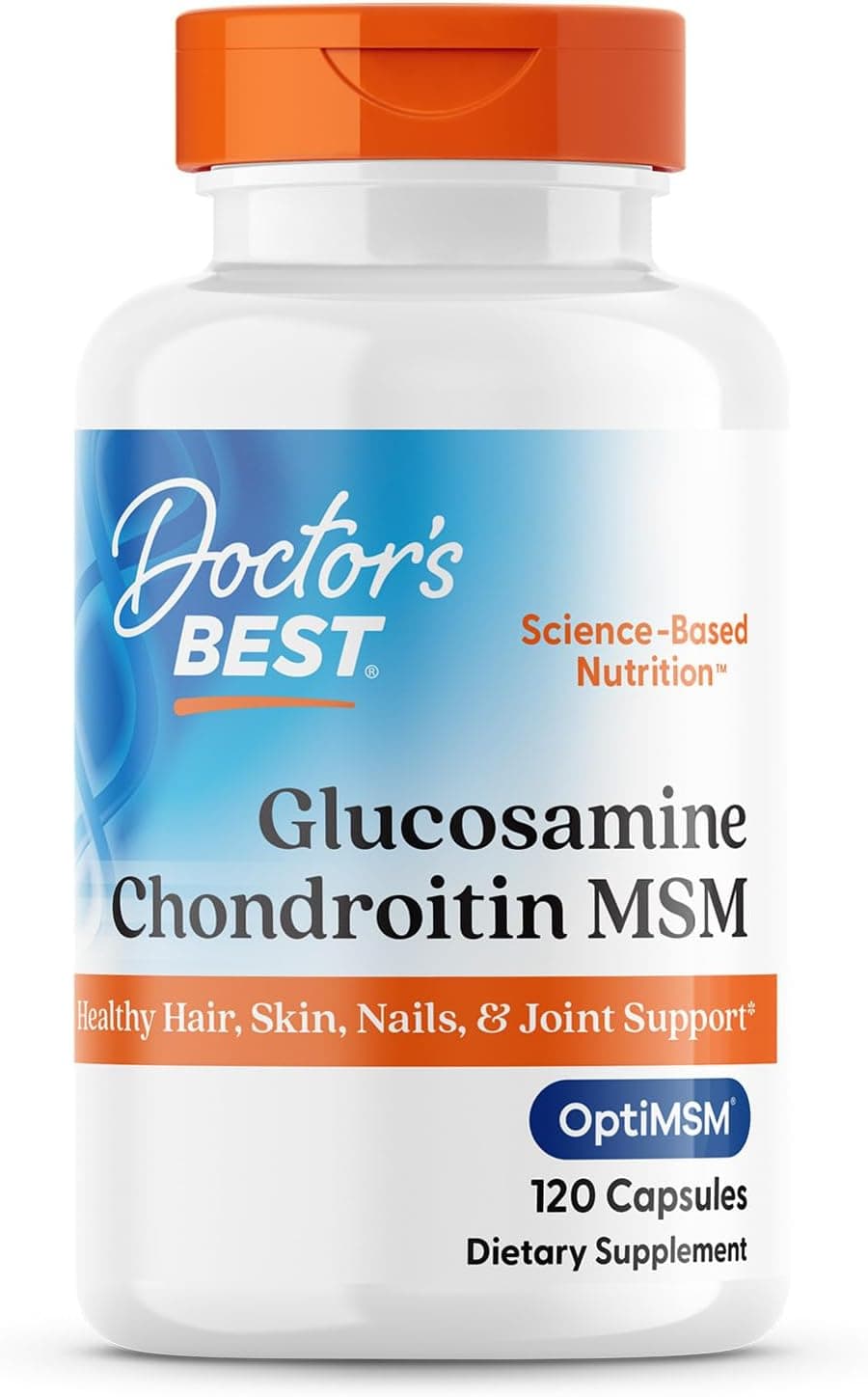
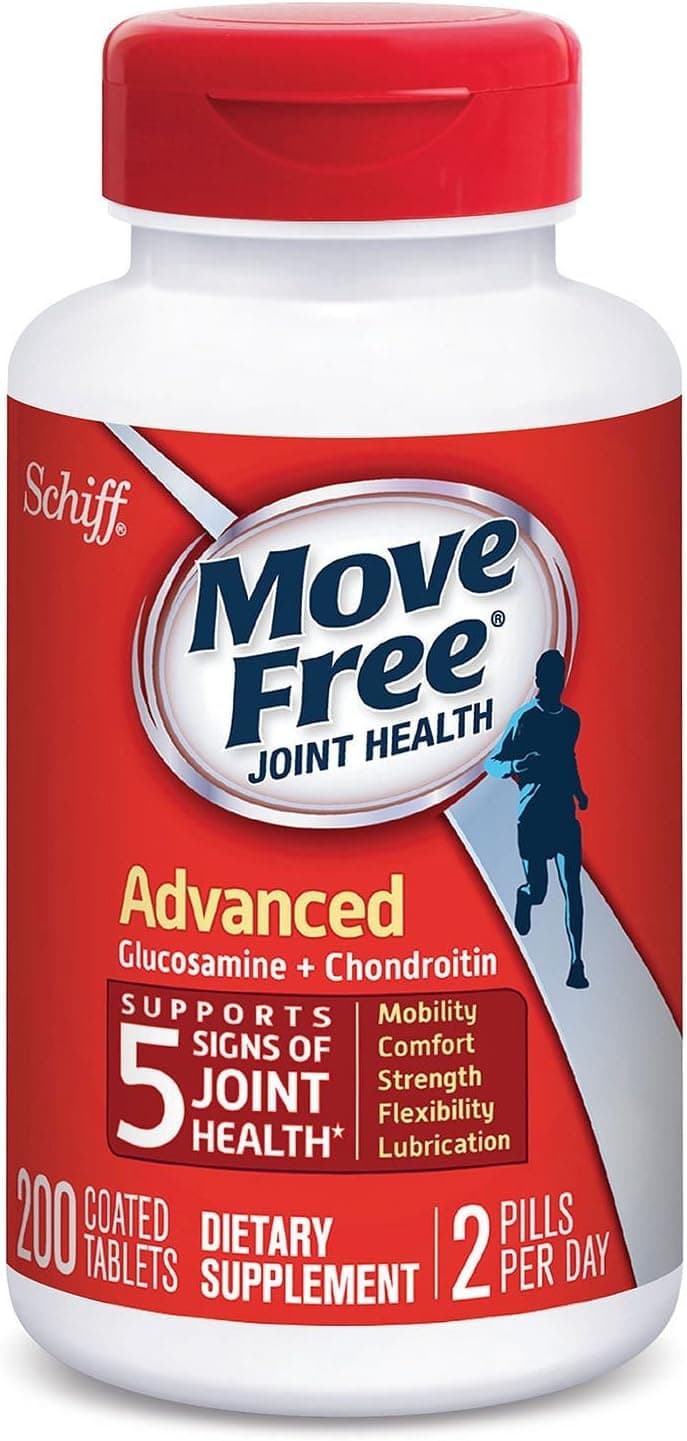
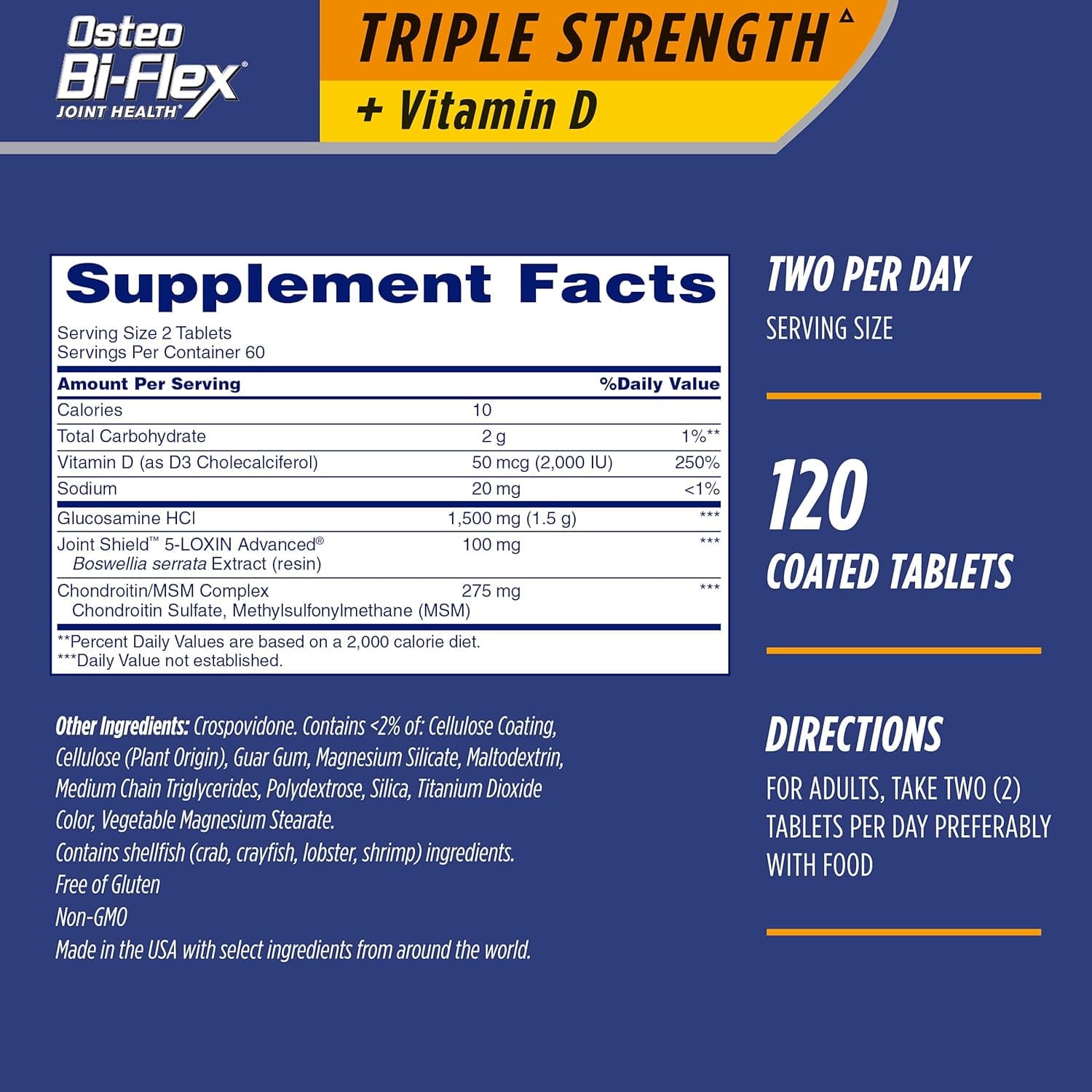
Glucosamine supplies the amino sugar backbone for glycosaminoglycans while MSM contributes to the sulfur pool those chains draw on for sulfation. The two sit on the same connective-tissue assembly line and have been formulated together for decades.
Chondroitin is a sulfated glycosaminoglycan, and its turnover depends on the body's sulfate pool that MSM contributes to. This is the classic three-way joint stack with glucosamine.
Sulfite oxidase, the enzyme that converts sulfite to sulfate, is molybdenum-dependent. A sulfur load from MSM leans on that step, so molybdenum status matters in a sulfur-heavy formula.
Silicon takes part in the cross-linking of collagen and elastin while MSM supplies sulfur toward keratin's disulfide bonds. Hair, skin and nail formulas pair them for that complementary structural reason.
Biotin is a cofactor in the carboxylation steps feeding keratin production, and MSM supplies sulfur toward the keratin disulfide bridges. They cover different halves of the same structural protein.
Boswellic acids act on the 5-lipoxygenase arm of eicosanoid signalling, a route MSM does not touch. Joint formulas combine them so structural and signalling support are both present.
Curcumin acts on NF-kB and eicosanoid signalling while MSM contributes sulfur to connective tissue and to glutathione synthesis. The mechanisms do not overlap, which is why the pairing is near-universal in joint blends.
Hyaluronan is the unsulfated glycosaminoglycan that holds water in the matrix, while MSM feeds the sulfation of its sulfated neighbours. Together they cover both halves of the ground substance.
Radiolabelled sulfur from MSM has been traced into methionine and cysteine in animal work, which places MSM in the body's usable sulfur pool rather than outside it. Methionine is the dietary entry point for that same pool and the starting material for cysteine synthesis by transsulfuration. The two therefore feed one pool from different directions, and this is animal-derived mechanism, not a human outcome.
Cysteine is the rate-limiting sulfur amino acid for glutathione synthesis and for the disulfide bonds that give keratin and connective proteins their structure. MSM contributes sulfur to that pool. Supplying cysteine directly and supplying sulfur upstream are complementary rather than redundant.
N-acetylcysteine delivers cysteine in a form that survives the gut and first pass, directly supporting glutathione synthesis. MSM sits further upstream as a sulfur source. Pairing them is a coherent way to support normal sulfur handling, and no trial in the candidate set measured the combination.
Glutathione is a cysteine-containing tripeptide and its synthesis is limited by cysteine availability. MSM contributes to the sulfur supply that feeds that step. Oral glutathione and an upstream sulfur donor act at different points of the same system.
Lipoic acid is itself a dithiol compound that cycles between oxidised and reduced states and participates in regenerating other antioxidants. MSM is an oxidised sulfone and is not a redox cycler in that sense. Pairing them puts a sulfur donor alongside a working thiol redox couple, which is a mechanistic argument and not a measured combination.
Taurine is an end product of cysteine oxidation and one of the destinations of dietary sulfur. MSM contributes to the pool that feeds that route. The link is real biochemistry but no study here connects supplemental MSM to taurine status.
Sulforaphane is an isothiocyanate that acts through Nrf2-driven transcription of antioxidant and conjugating enzymes, a signalling action. MSM is a small sulfone that acts as a sulfur source rather than a signalling molecule. Combining them stacks two different uses of sulfur chemistry, and the combination has not been tested.
Glycine occupies every third residue of the collagen triple helix and is a rate-relevant substrate for collagen synthesis, and it is also one of the three amino acids in glutathione. MSM supplies sulfur for the sulfated glycosaminoglycans that sit alongside collagen in cartilage matrix. The pair covers protein backbone and sulfation from two sides.
Proline and its hydroxylated form are the other structural backbone of collagen. MSM contributes to the sulfation side of connective tissue matrix rather than to the peptide chain. The pairing is substrate coverage and carries no combination measurement.
Lysyl oxidase is a copper-dependent enzyme and it forms the covalent cross-links that give mature collagen and elastin their tensile strength. Without copper, the cross-linking step does not run. MSM supports the sulfur side of the same connective tissue. This is a cofactor fact about copper, and the pairing is formulation logic rather than a tested interaction.
Zinc is a cofactor for matrix metalloproteinases and for enzymes involved in normal skin and nail protein turnover, and it appears in most keratin-support formulas for that reason. MSM contributes sulfur to the disulfide bonds within keratin itself. The two sit at different points of the same structural process.
Selenium and sulfur are chemically analogous and selenium substitutes for sulfur in selenomethionine and selenocysteine, which is why high sulfur intake has been examined as an influence on selenium handling in plants and in some animal models. In people the relationship is far less clear and no interaction has been established for supplemental MSM. Read this as chemistry worth noting, not a documented interaction.
Bromelain is a proteolytic enzyme complex from pineapple stem and appears alongside MSM in a large share of joint-comfort blends. The stated rationale is enzymatic action on protein substrates rather than any shared sulfur chemistry. No combination trial appears in the candidate set, so this is convention with a mechanism attached, not measured synergy.
Gingerols and shogaols act on eicosanoid signalling, a route entirely separate from MSM's sulfur contribution. They are combined because the endpoints in these products overlap, which is joint comfort and mobility during activity. Nothing here measured the pair together.
Quercetin is a flavonol studied for mast cell and inflammatory signalling markers, and it is a frequent partner in comfort formulas. MSM contributes no flavonoid chemistry and works through a different route. The combination is untested here and the confidence stays low for that reason.
Astaxanthin is a lipid-phase carotenoid that sits within membranes, while MSM is a small, freely water-soluble sulfone that distributes through aqueous compartments. Formulators pair lipid-phase and water-phase components for coverage across tissue environments. This is chemistry-level reasoning with no combination measurement.
An equine study in the candidate set reports MSM supplementation alongside changes in skeletal muscle inflammatory gene expression, a transcript marker in horses. Long-chain omega-3 fatty acids act on the same broad marker set through eicosanoid and specialised pro-resolving mediator pathways. Animal gene expression is not a human outcome, and the pair has not been studied together.
Alpha-tocopherol terminates lipid peroxidation chains in membranes and is regenerated by aqueous-phase reductants. MSM is not part of that recycling couple. It supports the sulfur supply behind glutathione, which sits downstream in the same regeneration network. The pairing covers two compartments and has not been tested together.
Boron appears with MSM in joint and connective tissue formulas, where its stated role concerns mineral handling rather than sulfur chemistry. The two do not share a pathway. This is formulation convention and the confidence reflects that.
Willow bark supplies salicin, which is converted to salicylate by gut bacteria and hepatic metabolism, an effect on prostaglandin signalling. MSM works through none of that. Combining them stacks two independent routes toward joint comfort during activity, and anyone already taking salicylate-class products should account for the overlap.
Magnesium is a cofactor for hundreds of enzymatic reactions including those of ATP handling and normal muscle function, and it is routinely included in the same recovery products as MSM. There is no shared sulfur chemistry between them. The pairing is convention plus a broad cofactor role.
Talk to a doctor before taking MSM (Methylsulfonylmethane) if any of these apply to you: People with sulfur sensitivities, Those taking blood thinners. These are flags to check first, not effects MSM (Methylsulfonylmethane) is known to cause.
Not medical advice. Show the label to your pharmacist.What MSM (Methylsulfonylmethane) actually does.
MSM is dimethyl sulfone, what you get when dimethyl sulfoxide is fully oxidised. It's a tiny, uncharged, very water-friendly sulfur molecule of about 94 daltons.
MSM rides the natural sulfur cycle. Sea algae give off dimethyl sulfide, the air oxidises it to dimethyl sulfoxide and then to dimethyl sulfone, rain brings it down, and plants take it up. That's why traces sit in everyday food.
Sulfur is a structural must-have: the disulfide bonds that hold keratin together in hair and nails, the cysteine sitting inside glutathione, and the sulfate groups on chondroitin sulfate and the other sugars in connective tissue.
MSM is already an oxidised sulfone with no free thiol, so it can't hand over an electron the way cysteine or glutathione can. Anything it does for redox is indirect, through the sulfur it feeds into thiol building.
Where MSM (Methylsulfonylmethane) comes from.
MSM is made by taking DMSO, a well-known sulfur solvent, and oxidising it one step further with peroxide. The result is cleaned up by distilling it or by growing clean crystals, tested, then ground to whatever coarseness the product needs. The same molecule occurs in trace amounts in plants and rainwater.
Chemically synthesised. The molecule is identical to the one a plant or an animal makes, and building it deliberately means a known purity, a fixed dose and no crop contaminants. For several nutrients this is the only route that reaches a usable amount.
The starting material is DMSO, which is itself produced industrially by oxidising dimethyl sulfide. Dimethyl sulfide arises as a co-product of kraft wood pulping and can also be made petrochemically from methanol and a sulfur source.
DMSO is oxidised a second time, commonly with hydrogen peroxide under controlled temperature, converting the sulfoxide to dimethyl sulfone. Water is the co-product of that route.
The crude sulfone is purified either by multi-stage distillation, separating on boiling point, or by recrystallisation from solvent, separating on lattice exclusion. Both are used commercially and each carries a different residual profile to verify on the certificate of analysis.
Material is assayed for dimethyl sulfone content, typically by gas or liquid chromatography, with residual DMSO, heavy metals and solvent residues specified.
The purified crystal is milled and sieved to the mesh size the format requires, then packed. MSM is hygroscopic at fine particle sizes, so moisture control is part of the specification.
Whether a given batch was distilled or crystallised, and where its DMSO feedstock came from, is supplier-specific and is only visible on the certificate of analysis.
Getting MSM (Methylsulfonylmethane) from food.
The whole-food sources on file. A supplement closes the gap, it does not replace dinner.
A gram-for-gram figure (how much of each you would eat to match a dose) will appear here once it is sourced and reviewed. This page will not print a number it cannot cite.
The forms it comes in.
The essence, in one line each.
- In 88 healthy adults who reported mild knee discomfort, 2 g of methylsulfonylmethane daily for 12 weeks improved total knee questionnaire scores compared with placebo (p = 0.046).Randomised trial. Toguchi et al., 2023 (Nutrients). PMID 37447322 ↗
- In 22 adults carrying excess body weight, 3 g of methylsulfonylmethane daily raised HDL cholesterol at 8 and 16 weeks relative to their own baseline.Randomised trial. Miller et al., 2021 (Nutrients). PMID 34684621 ↗
- In 22 half-marathon runners, 3 g of methylsulfonylmethane daily for three weeks showed no detectable difference from placebo in oxidative stress or muscle damage markers, and the muscle and joint pain reductions crossed a 10 mm threshold on a 100 mm scale without reaching statistical significance.Randomised trial. Withee et al., 2017 (Journal of the International Society of Sports Nutrition). PMID 28736511 ↗
- In a network meta-analysis of supplements taken by adults with knee joint discomfort and stiffness, methylsulfonylmethane ranked among the options associated with better reported comfort and function, with the certainty of the pooled evidence rated low.Meta-analysis. Du et al., 2025 (Frontiers in nutrition). PMID 40123938 ↗
- Pooling nutraceutical trials in adults with knee joint wear, the authors found small average improvements in reported joint discomfort and day-to-day physical function, with wide variation between trials.Meta-analysis. Aghamohammadi et al., 2020 (Scientific reports). PMID 33262447 ↗
- Methylsulfonylmethane taken before exercise blunted the usual rise in blood markers of oxidative stress and inflammation in the hours after a hard training bout. These are markers, not measured performance or recovery outcomes.Randomised trial. McFarlin et al., 2025 (Nutrients). PMID 40507030 ↗
- Methylsulfonylmethane given together with sesame seed oil shifted blood lipid measures and polyunsaturated fatty acid metabolism in adults with unfavourable lipid levels. The combination was tested, so the two cannot be separated.Randomised trial. Fili et al., 2022 (Journal of medicinal food). PMID 35708633 ↗
- A review of MSM's biological functions and its use in animal production, summarising the sulfur-donor and antioxidant rationale across species.Narrative review. Jiao et al., 2026 (Journal of Animal Science and Technology). PMID 41982990 ↗
- MSM supplementation in adult horses was associated with changes in skeletal muscle inflammatory gene expression, a transcript-level marker rather than a functional outcome.Animal study. Barshick et al., 2025 (Animals). PMID 39858215 ↗
- Dietary MSM was assessed against performance, egg quality and serum biochemistry in laying birds, with results reported per parameter.Animal study. Yilmaz et al., 2026 (Research in Veterinary Science). PMID 41915943 ↗
- Dietary MSM combined with myo-inositol was associated with measures of hair quality and shifts in the faecal microbiome, so effects cannot be attributed to MSM alone.Animal study. Zhang et al., 2024 (Animals). PMID 39765547 ↗
- MSM appears only as a named component of the supplement regimen in a single case report. The authors attribute the imaging change to the injection procedure, not to any supplement.Case report. Yoon et al., 2026 (Cureus). PMID 42131637 ↗
These are the studies our verdict leans on, chosen from the 214 we read for MSM (Methylsulfonylmethane). The full linked list is below.
Problems people have reported.
Read this carefully. These are 328 voluntary, unverified reactions reported to the FDA (openFDA). The number mostly reflects how popular MSM (Methylsulfonylmethane) is, not how risky it is. A report is not proof MSM (Methylsulfonylmethane) caused anything. It is a signal of what to watch for, nothing more.
Source: openFDA adverse-event reports. Voluntary reporting, not an incidence rate.
FDA Disclaimer: These statements have not been evaluated by the Food and Drug Administration. This information is for educational purposes only and is not intended to diagnose, treat, cure, or prevent any disease. Consult your healthcare provider before starting any supplement regimen.