Boswellia (Indian Frankincense).
Ancient joint healer. 5-LOX inhibitor that actually works.
Reviewed March 2026
- Category
- Herb
- Also filed under
- JointsInflammationMobility
What Boswellia (Indian Frankincense) is, and what it does.
- Does it work
- One of the best natural anti-inflammatories for joints. Good evidence, reasonable price, works for many people.
- How much to take
- 300-500mg of standardized extract (30-65% boswellic acids) 2-3 times daily.
- Time to feel it
- As early as five days of daily use.
- The first dose
- Unlikely to notice much. Effects build over days.
- With regular use
- Significant improvement in joint pain and mobility. May reduce need for NSAIDs.
- How well tolerated
- Well tolerated. Mild GI upset possible. Much safer than long-term NSAID use.
- How it feels
- Joints feel less stiff and achy. Morning pain reduces. Mobility improves.
- The overlooked benefit
- Boswellic acids are fat loving and barely dissolve in water, so taking your capsule with a meal that contains fat raises how much actually reaches your blood.
400mg a day is where Boswellia (Indian Frankincense) works.
Source: Yu 2020 OA meta + Siddiqui 2011 review
In a 30 day randomised, double blind, placebo controlled trial, 70 adults with knee osteoarthritis took 100 mg a day of a branded Boswellia serrata extract standardised to 20 percent acetyl-11-keto-beta-boswellic acid, or placebo, with pain and function scored at day 0, day 5 and day 30. Pain scores improved by day 5 and continued to day 30, and circulating MMP-3, TNF alpha and high sensitivity C reactive protein fell. A separate 120 day trial in 48 adults, run by staff of the extract manufacturer, recorded reduced pain and stiffness and lower high sensitivity C reactive protein over the longer period.
The proof, claim by claim.
These words describe the research, not the molecule's worth. Research strength is how much work stands behind one claim, and it is never a product score.
Based on 30 human trials with 75% consistency.
- Joint comfort and mobilityMeta-analysis
- Everyday joint stiffness and range of movementRandomised trial
- A healthy inflammatory response through the leukotriene pathwayIn vitro study
- Leukocyte elastase activityIn vitro study
- Digestive comfortRandomised trial
Questions people ask about Boswellia (Indian Frankincense).
- When should I take it?
- Timing matters less than consistency. Pick a time that works for you and take it daily.
- Can I take it with other supplements?
- Usually fine. The main thing to watch is not doubling up on the same ingredient from different products. If you're on prescription meds, check with your pharmacist first.
- Any side effects to watch for?
- Most people tolerate it well at recommended doses. GI upset is the most common complaint with any supplement. Start with a lower dose and work up. If something feels off, stop and reassess.
Why these belong in the same formula. Each row says what the basis is, from settled biochemistry through to a trial that measured the pair.
Boswellic acids block 5-lipoxygenase, the enzyme that converts arachidonic acid into pro-inflammatory leukotrienes, while curcumin dampens the parallel cyclooxygenase arm of the same cascade. Covering both principal branches at once is the long-standing reason the two are formulated together to support a normal inflammatory response in joints.
Boswellia inhibits the 5-lipoxygenase enzyme, while EPA competes with arachidonic acid as that enzyme's raw material and shifts its output toward the much milder 5-series leukotrienes. Acting on the enzyme and its substrate together eases the same leukotriene arm from two angles and supports the body's normal resolution of inflammation.
In the body GLA is converted to DGLA, whose 15-hydroxyl metabolite quiets 5-lipoxygenase and leukotriene formation, the same step boswellic acids block directly. Both nudge the eicosanoid balance away from the pro-inflammatory leukotriene branch, supporting a normal inflammatory response.
Bromelain is a proteolytic enzyme acting on kinin and prostaglandin signalling, separate from the 5-lipoxygenase step boswellic acids occupy.
Gingerols act on the cyclooxygenase branch while boswellic acids act on the leukotriene branch of arachidonate metabolism.
Boswellic acids are lipophilic and absorb several times better with fat present. A lipid carrier substitutes for dosing with a fatty meal.
Phospholipids keep the resin acids dispersed through the intestinal lumen so more of the dose meets the mucosa. Phytosome-style boswellia deliveries are built on this.
Piperine slows glucuronidation and intestinal efflux transport, both of which cap systemic boswellic acid exposure.
Glucosamine supplies the amino sugar backbone for cartilage glycosaminoglycan synthesis while boswellic acids act on eicosanoid signalling.
Chondroitin is a structural glycosaminoglycan of cartilage and slows matrix-degrading enzyme activity.
MSM supplies sulfur for glycosaminoglycan sulfation and glutathione synthesis in connective tissue. Boswellia contributes no sulfur.
Quercetin damps lipoxygenase activity and mast cell mediator release, overlapping the enzyme step boswellic acids act on. The effect is additive rather than independent.
Salicin becomes salicylate, which acts on cyclooxygenase and on normal platelet aggregation. Stacked with boswellia and the marine oils usually alongside it, the effect on normal clotting adds up.
Collagen peptides deliver proline-hydroxyproline dipeptides that reach connective tissue and signal matrix synthesis. Boswellia acts on signalling around the matrix, not on its supply.
Boswellic acids are large lipophilic triterpenes with poor aqueous solubility, and complexing them with phosphatidylcholine produces a phytosome that disperses far better in the gut. A 2022 study in adults used exactly this lecithin-based delivery form rather than plain extract. Any result from such a product belongs to the delivered form, not to the raw resin.
Vitamin D3 is fat soluble and is normally taken with a fat-containing meal, the same condition that raises boswellic acid absorption, so the two are convenient together. Vitamin D also supports normal muscle function and normal bone maintenance, which sits alongside a joint comfort formulation rather than duplicating it. There is no combination trial, so this is formulation logic and shared absorption conditions.
Hyaluronic acid is a core component of synovial fluid and contributes to its viscoelastic behaviour, a structural role entirely separate from the enzymatic route boswellic acids take. Products aimed at joint comfort and mobility routinely carry both for that reason. The two do not compete for absorption.
Astaxanthin is a lipid-soluble carotenoid that partitions into membranes and, like boswellic acids, needs dietary fat to absorb reasonably. Both are commonly delivered in an oil or lipid matrix, so they share a vehicle. The pairing has not been studied together in people.
Catechins and boswellic acids both suppress NF-kB-driven transcription in cultured cells, though through different upstream steps. Neither has been tested against the other in a joint human trial. The overlap is mechanistic and belongs on that footing.
Carnosic acid and carnosol from rosemary inhibit inflammatory signalling in cell work and are lipophilic diterpenes with absorption behaviour similar to boswellic acids. A 2025 review of anti-inflammatory Indian herbs discusses boswellia alongside other plant actives on shared molecular targets. The evidence is preclinical and the pairing is a formulation convention.
Boswellia and ashwagandha appear together in classical Ayurvedic joint preparations, a pairing that predates any controlled evidence. Withanolides and boswellic acids are both lipophilic triterpenoid-class compounds handled similarly on absorption. Read it as traditional practice rather than as a tested combination.
Pine bark procyanidins suppress inflammatory mediator production in cell and small human studies, a different chemical class from the pentacyclic triterpenes of boswellia. The two are combined in joint comfort products on that complementary rationale. No combination trial has been run.
Boron influences the handling of calcium, magnesium and vitamin D and is a common minor component of joint formulations. Its mechanism has nothing to do with the lipoxygenase route boswellic acids take, so the two are additive rather than overlapping. Human evidence for the pairing is absent.
Ascorbate is the required cofactor for prolyl and lysyl hydroxylase, the enzymes that stabilise the collagen triple helix, so it supports the structural side of connective tissue while boswellia acts on inflammatory signalling. A phase II study of a multi-component product combined boswellic acid, curcumin, artemisinin and vitamin C in one spray, which shows the pairing in commercial practice rather than isolating either agent. The cofactor relationship itself needs no trial.
St John's wort is a potent inducer of CYP3A4 and P-glycoprotein through pregnane X receptor activation, which accelerates clearance of many co-administered lipophilic plant compounds. Boswellic acids are already poorly bioavailable, so anything that raises their clearance works against the formulation. This is established pharmacology and is a reason to separate the two rather than combine them.
Resin extracts are commonly paired with proteolytic enzyme blends in joint products, the same convention that put bromelain next to boswellia for decades. The rationale is systemic enzyme absorption, which remains contested. This is formulation practice, not a demonstrated interaction.
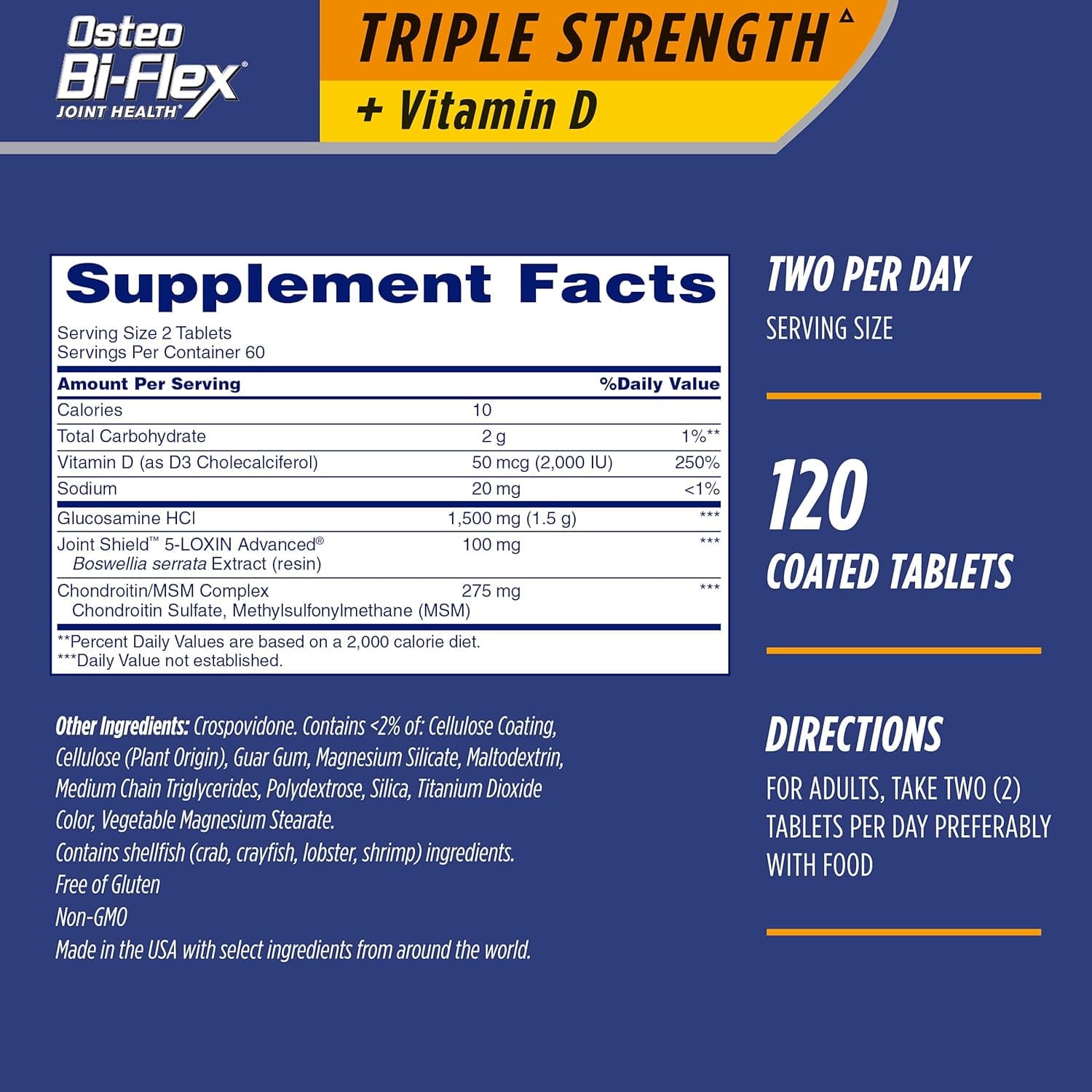
Nothing specific on file for Boswellia (Indian Frankincense). Match the label to the daily amount above, and tell your doctor what you take.
Not medical advice. Show the label to your pharmacist.What Boswellia (Indian Frankincense) actually does.
Boswellic acids are plant compounds, and one in particular, AKBA, is the most studied and the one extracts get standardized against.
Boswellic acids aren't well absorbed orally because the molecules are large, fat-loving and don't dissolve well in gut fluid, so AKBA reaches only modest levels in blood from a plain extract.
Pairing boswellic acids with phospholipids, or delivering them in a fat-based or self-dispersing formula, helps them spread through the gut better and is the main way manufacturers try to raise how much gets absorbed.
The raw gum resin also contains aromatic oils and plant gum, so whole resin powder and a standardized boswellic acid extract are chemically different materials even at the same listed weight.
Getting Boswellia (Indian Frankincense) from food.
The whole-food sources on file. A supplement closes the gap, it does not replace dinner.
A gram-for-gram figure (how much of each you would eat to match a dose) will appear here once it is sourced and reviewed. This page will not print a number it cannot cite.
The forms it comes in.
The essence, in one line each.
- Pooling seven randomised trials in 545 people, Boswellia was associated with less knee joint discomfort on the WOMAC scale (about 14 points) and better joint function and stiffness compared with placebo.Systematic review and meta-analysis. Yu et al., 2020 (BMC Complementary Medicine and Therapies). PMID 32680575 ↗
- In a 120-day double-blind pilot trial of 48 adults, a standardized Boswellia serrata extract was associated with less knee discomfort and stiffness and lower high-sensitivity C-reactive protein compared with placebo.Randomised trial. Majeed et al., 2019 (Phytotherapy Research). PMID 30838706 ↗
- Across 13 randomised trials in adults with knee joint pain and stiffness, pooled results did not detect an overall difference in joint scores versus control (p = 0.09 for WOMAC), though the placebo-controlled subgroup showed lower WOMAC scores with boswellia extract.Meta-analysis. Dalmonte et al., 2024 (Phytotherapy Research). PMID 39314013 ↗
- Pooling five trials in 287 adults with elevated blood sugar, boswellia supplementation lowered the blood marker HbA1c (SMD -1.01, 95% CI -1.55 to -0.46) along with total cholesterol, triglycerides and LDL, while fasting glucose and HDL showed no clear change.Meta-analysis. Karimi et al., 2024 (Frontiers in Clinical Diabetes and Healthcare). PMID 39449720 ↗
- In 50 men taking 60 mg of a standardised Boswellia serrata extract for 10 days around downhill running, soreness scores on day 10 were about 8 mm lower on a visual analog scale than placebo, with less reported knee joint discomfort.Randomised trial. Salter et al., 2025 (Frontiers in Sports and Active Living). PMID 39917273 ↗
- A standardised Boswellia serrata plus Terminalia chebula extract combination was assessed in adults, and the reported effects belong to the fixed combination rather than to boswellia alone.Randomised trial. Salter D et al., 2025 (Frontiers in Nutrition). PMID 41438191 ↗
- A lecithin-based delivery form of Boswellia serrata extract was assessed in adults with short-term loose stools, and the authors report positive effects for that specific delivery form.Open-label trial. Giacosa A et al., 2022 (Nutrients). PMID 35565826 ↗
- Boswellic acids are poorly absorbed after oral dosing, and the review catalogues the delivery systems, including phospholipid complexes and lipid carriers, developed to raise that exposure.Narrative review. Rutkowska M et al., 2026 (International Journal of Molecular Sciences). PMID 42196409 ↗
- The review sets out the mechanistic targets of boswellic acids, including 5-lipoxygenase and microsomal prostaglandin E synthase-1, and identifies bioavailability as the central unresolved obstacle.Narrative review. Peng C et al., 2025 (Frontiers in Pharmacology). PMID 41341032 ↗
- A comparative randomised study assessed curcumin alone against curcumin combined with boswellic acid in adults with age-related joint wear, reporting on joint comfort and mobility measures.Randomised trial. Haroyan A et al., 2018 (BMC Complementary and Alternative Medicine). PMID 29316908 ↗
- The review describes molecular anti-inflammatory targets for a set of Indian medicinal herbs, boswellia among them, drawing on preclinical work.Narrative review. Upadhyay S et al., 2025 (Journal of Ayurveda and Integrative Medicine). PMID 40154100 ↗
- The paper reviews nutraceutical activation of the Nrf2, HO-1 and NQO1 antioxidant axis and names boswellic acids among the plant compounds acting on that pathway.Narrative review. Inferrera F et al., 2025 (Neurochemistry International). PMID 40997946 ↗
- A phase II prospective study assessed a four-component oral spray containing boswellic acid, curcumin, artemisinin and vitamin C, so no effect can be attributed to boswellia on its own.Open-label trial. Hellou E et al., 2022 (Journal of Cellular and Molecular Medicine). PMID 35587574 ↗
- The reviewers found the herbal trial literature they assessed, which included boswellia-containing preparations, too small and too heterogeneous to pool into a conclusion.Systematic review. Clark CE et al., 2010 (Primary Care Respiratory Journal). PMID 20640388 ↗
These are the studies our verdict leans on, chosen from the 1,168 we read for Boswellia (Indian Frankincense). The full linked list is below.
FDA Disclaimer: These statements have not been evaluated by the Food and Drug Administration. This information is for educational purposes only and is not intended to diagnose, treat, cure, or prevent any disease. Consult your healthcare provider before starting any supplement regimen.