Bromelain.
Pineapple enzyme. Digestion and inflammation fighter.
Reviewed March 2026
- Category
- Enzyme
- Also filed under
- DigestionInflammationSwelling
What Bromelain is, and what it does.
- Does it work
- Good evidence for reducing swelling post-surgery/injury. Useful digestive enzyme for protein. Works well for sinuses.
- How much to take
- 500-2000mg daily in divided doses. Take between meals for anti-inflammatory effects, with meals for digestion.
- Time to feel it
- With a meal it acts on that meal, inside an hour. Taken between meals for comfort and recovery, most reports describe several days of steady daily use.
- The first dose
- May notice reduced swelling if injured. Digestive effects immediate with meals.
- With regular use
- Faster recovery from injuries, better protein digestion, clearer sinuses.
- How well tolerated
- Generally well tolerated. May increase bleeding risk. Allergic reactions possible.
- How it feels
- Less swelling, faster bruise resolution, easier digestion of meat.
- The overlooked benefit
- Strength is measured in gelatin digesting units, not milligrams, so two powders of identical weight can do very different amounts of work on your dinner.
500 to 2,000g a day is where Bromelain works.
Source: Brien et al. 2004 Evid Based Complement Alternat Med review; Walker et al. 2002
The proof, claim by claim.
These words describe the research, not the molecule's worth. Research strength is how much work stands behind one claim, and it is never a product score.
Based on 40 human trials with 70% consistency.
- Breakdown of dietary proteinIn vitro study
- Muscle soreness and swelling after hard exerciseRandomised trial
- Joint comfort and everyday stiffnessRandomised trial
- Nasal and sinus comfortRandomised trial
- Markers of a healthy inflammatory responseIn vitro study
- Fibrin breakdown and platelet activityIn vitro study
Questions people ask about Bromelain.
- When should I take it?
- Timing matters less than consistency. Pick a time that works for you and take it daily.
- Can I take it with other supplements?
- Usually fine. The main thing to watch is not doubling up on the same ingredient from different products. If you're on prescription meds, check with your pharmacist first.
- Any side effects to watch for?
- Most people tolerate it well at recommended doses. GI upset is the most common complaint with any supplement. Start with a lower dose and work up. If something feels off, stop and reassess.
Why these belong in the same formula. Each row says what the basis is, from settled biochemistry through to a trial that measured the pair.
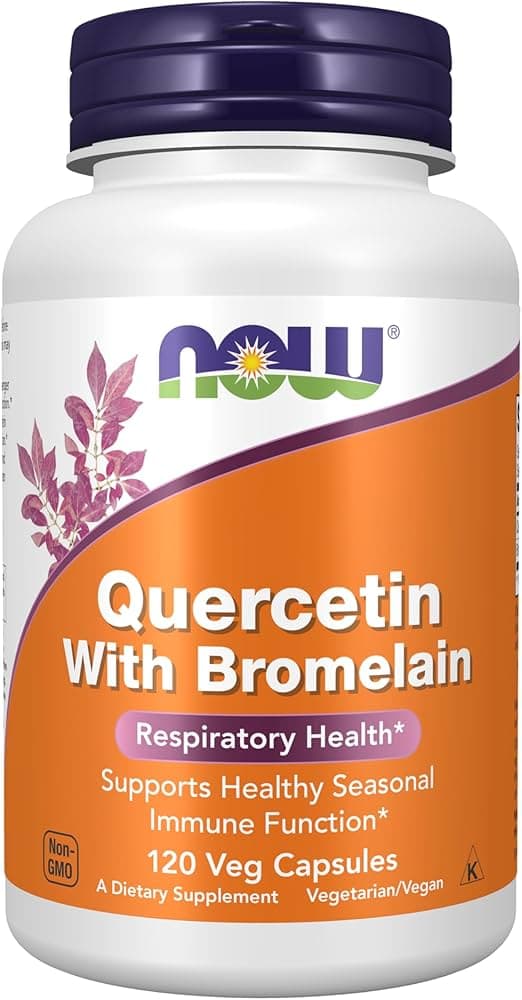
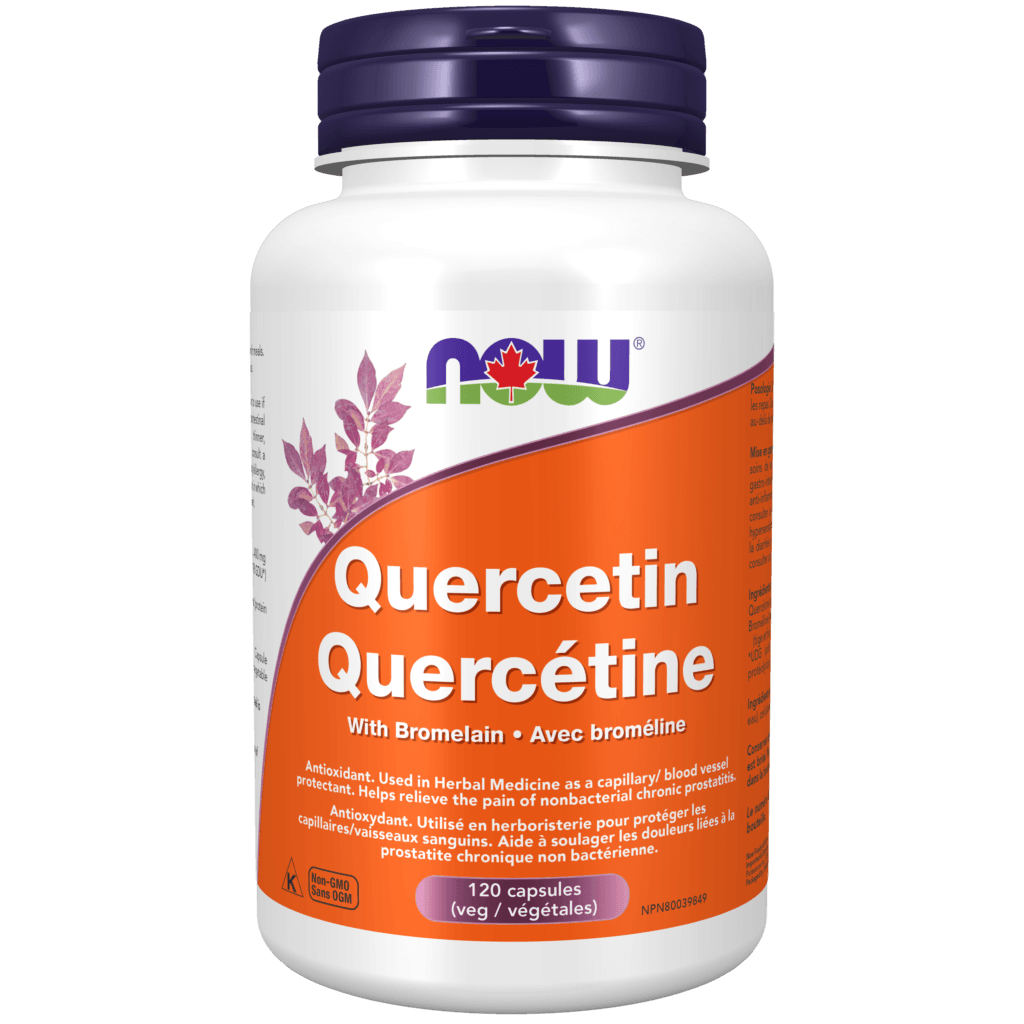
Bromelain is routinely formulated alongside quercetin because the protease is taken away from food and stays systemically active while quercetin acts on mast cell stabilization and eicosanoid signaling. The two work on separate points of the same normal inflammatory cascade rather than duplicating each other.
Bromelain and papain are both cysteine proteases with different cleavage preferences along a peptide chain, so together they break dietary protein into smaller fragments than either does alone. That is why the two have shared the same digestive enzyme blends for decades.
Curcumin acts inside the cell on NF-kB signaling while bromelain works extracellularly on protein and fibrin turnover, so a joint comfort formula gets two distinct handles on the same normal repair process. The pairing is standard in proteolytic enzyme blends.
Bromelain has fibrinolytic activity and lowers platelet aggregation, and EPA shifts eicosanoid production toward the less aggregatory thromboxane A3. Stacked at high intakes the two push normal clotting in the same direction, which is worth flagging rather than hiding.
Bromelain is a protease and carries no amylase or lipase activity, so blends pair it with starch- and fat-splitting enzymes to cover all three macronutrient classes in one dose. It stays active across a wide pH range, which is why it is the protease used in mixed enzyme blends.
Pepsin cleaves protein only in the strongly acidic stomach, while bromelain keeps cutting peptide bonds at near-neutral pH further down the tract. The pair extends protein breakdown across both compartments.
Betaine HCl lowers gastric pH, which is the condition pepsin needs to activate. Bromelain tolerates that acidity and continues working after gastric emptying, so the two sit in the same digestive formula without cancelling each other.
Boswellic acids act on 5-lipoxygenase signalling, while bromelain acts proteolytically on kinin and fibrin handling in normal tissue-repair processes. The two enter the pathway at separate points, which is why joint formulas have carried both alongside curcumin for decades.
Bromelain has fibrinolytic and platelet-inhibiting activity, and garlic constituents independently reduce platelet aggregation. Stacked, the effects on normal clotting add rather than cancel, so the combination deserves a caution rather than a claim.
Ginkgolides antagonise platelet-activating factor and bromelain is independently antithrombotic. Both push the same direction on normal platelet function, so the pairing is additive and worth flagging in a formula.
High-dose alpha-tocopherol mildly reduces platelet adhesion and can affect vitamin K dependent clotting factor function. Layered onto bromelain's fibrinolytic activity the effect on normal clotting is additive.
Troxerutin appears with bromelain and escin in a supplement studied for recovery support after hip or knee joint replacement. The evidence sits with the three-part combination rather than bromelain by itself. This is a formulation pairing with clinical description behind it, not a mechanism worked out in isolation.
Systemic enzyme products have combined bromelain with trypsin and rutin for decades, because the two proteases cut peptide bonds at different residues and cover more of a protein substrate between them. Bromelain is a cysteine protease from plant tissue. Trypsin is a pancreatic serine protease. The pairing is standard formulation chemistry rather than a claim about any single result.
Rutin is the third component of the classic bromelain plus trypsin blend and contributes a flavonoid rather than an enzyme activity. It is included for its own antioxidant chemistry, so the two do not compete for anything. Any effect described for such products belongs to the blend.
Serrapeptase is a bacterial metalloprotease and bromelain is a plant cysteine protease, so they have different active-site chemistry and different pH optima. Blending them widens the range of peptide bonds a product can hydrolyse. Human evidence for the pair specifically is thin, so the pairing rests on enzymology.
Both bromelain and nattokinase have described activity on fibrin and on platelet aggregation in laboratory work. Taken together the effects point the same direction, which is worth flagging for anyone already managing bleeding tendency or scheduled for a procedure. This is an additive interaction to disclose, not a benefit to promote.
White willow bark supplies salicylates, which reduce platelet aggregation, and bromelain has its own described antiplatelet activity in vitro. Stacking the two is an additive effect in the same direction. Flagged as an interaction to be aware of rather than a pairing to seek out.
Bromelain hydrolyses whey proteins into shorter peptides, which is exactly why food processors use it to make hydrolysates. Taken with a protein feed it does part of the work gastric and pancreatic proteases would otherwise do. It also explains the bitter note that appears when a protease sits in a protein powder for long.
Casein is a classic substrate for plant proteases and bromelain clots and then hydrolyses it, the same chemistry used in dairy processing. Pairing a protease with a slow-digesting protein is intended to speed peptide release. The effect is on digestion of the protein, not on the protein's amino acid content.
Bromelain is one of the proteases used to hydrolyse collagen into peptides in the first place, so it acts on collagen readily. Taken alongside a collagen supplement it continues that hydrolysis in the gut lumen. Nothing here says the pair changes tissue collagen. The interaction is at the level of protein breakdown.
Lipase acts on triglycerides and bromelain acts on proteins, so a blend covers two macronutrients that need different chemistry. They do not compete for substrate or for a cofactor. This is why multi-enzyme digestive products pair them.
Amylase hydrolyses starch and bromelain hydrolyses protein, complementary rather than overlapping jobs in a mixed meal. Neither inhibits the other. Blends exist for that reason.
Pancreatin supplies porcine protease, lipase and amylase that work at intestinal pH, while bromelain retains activity in the more acidic stomach. Together they cover a wider stretch of the digestive tract than either alone. The activities add rather than interfere.
Ox bile emulsifies fat so lipases can reach it, a different limiting step from the protein hydrolysis bromelain performs. In a digestive blend they address separate bottlenecks in the same meal. No trial has tested the pair, and the rationale is physiological.
Bromelain's catalytic site depends on a reduced cysteine thiol, and thiol reducing agents such as L-cysteine keep that residue in its active reduced state. Assay methods for bromelain activity add a reducing agent for precisely this reason. The relationship is laboratory enzymology. It has not been measured as a benefit in people.
Ascorbate is a reducing agent and helps hold thiol groups in the reduced form that cysteine proteases need for catalysis. That gives a plausible reason to co-formulate, and it is chemistry rather than a demonstrated clinical gain. Vitamin C also has no proteolytic activity of its own, so nothing overlaps.
Divalent metal ions that bind thiols can block the active-site cysteine that bromelain needs, and this is a recognised way to inactivate cysteine proteases in the laboratory. In a capsule taken at the same time, high free zinc could reduce measured bromelain activity. Separating the two by a meal avoids the question entirely.
Tannins bind proteins non-specifically and precipitate them, and an enzyme is a protein. High-tannin material in the same capsule or the same cup of tea can reduce the proteolytic activity that arrives in the stomach. This is an in vitro chemistry finding, applied here as a formulation caution.
Catechins complex with proteins and have been shown in vitro to reduce the activity of several digestive enzymes. Co-dosing a concentrated catechin extract with a protease is therefore a plausible way to lose some activity. No human study has measured the pair, so this stays a laboratory-level flag.
Probiotic cells are protein-coated and a free protease in the same capsule can act on that surface over shelf life, which is why enzyme and probiotic blends are usually separated or coated. The concern is stability in the bottle rather than an effect in the body. It has not been quantified for bromelain specifically.
Talk to a doctor before taking Bromelain if any of these apply to you: a blood thinner, pre surgery. These are flags to check first, not effects Bromelain is known to cause.
Not medical advice. Show the label to your pharmacist.What Bromelain actually does.
The working part of the enzyme is a sulfur group that has to stay in its reduced form to cut protein.
It cuts protein into smaller pieces, the step the body normally does with its own enzymes.
It keeps working in stomach acid better than many enzymes, so it is used both at meals and between them.
Bromelain is measured by how much protein it can cut, not by weight, and heat denatures it.
Where Bromelain comes from.
Pineapple stems left over from fruit processing are pressed, the enzyme is filtered and concentrated out of the juice, then tested for how much protein it can break down and dried into a powder.
Made from a plant. What ends up in the capsule tracks the harvest, so batch testing and a stated marker matter more here than with a made molecule.
Stems and crowns of Ananas comosus left after fruit canning and juicing are the main input, so the enzyme is largely a byproduct stream of fruit processing.
Plant tissue is macerated and pressed, then the juice is filtered or centrifuged to remove fibre and cell debris while keeping the enzyme in solution and cool.
The protease fraction is concentrated by ammonium sulfate or solvent precipitation, ultrafiltration, or a combination, then washed to reduce sugars and pigment.
The concentrate is assayed against a protein substrate and blended with a carrier to hit a stated GDU or FIP figure per gram, since activity is what varies batch to batch.
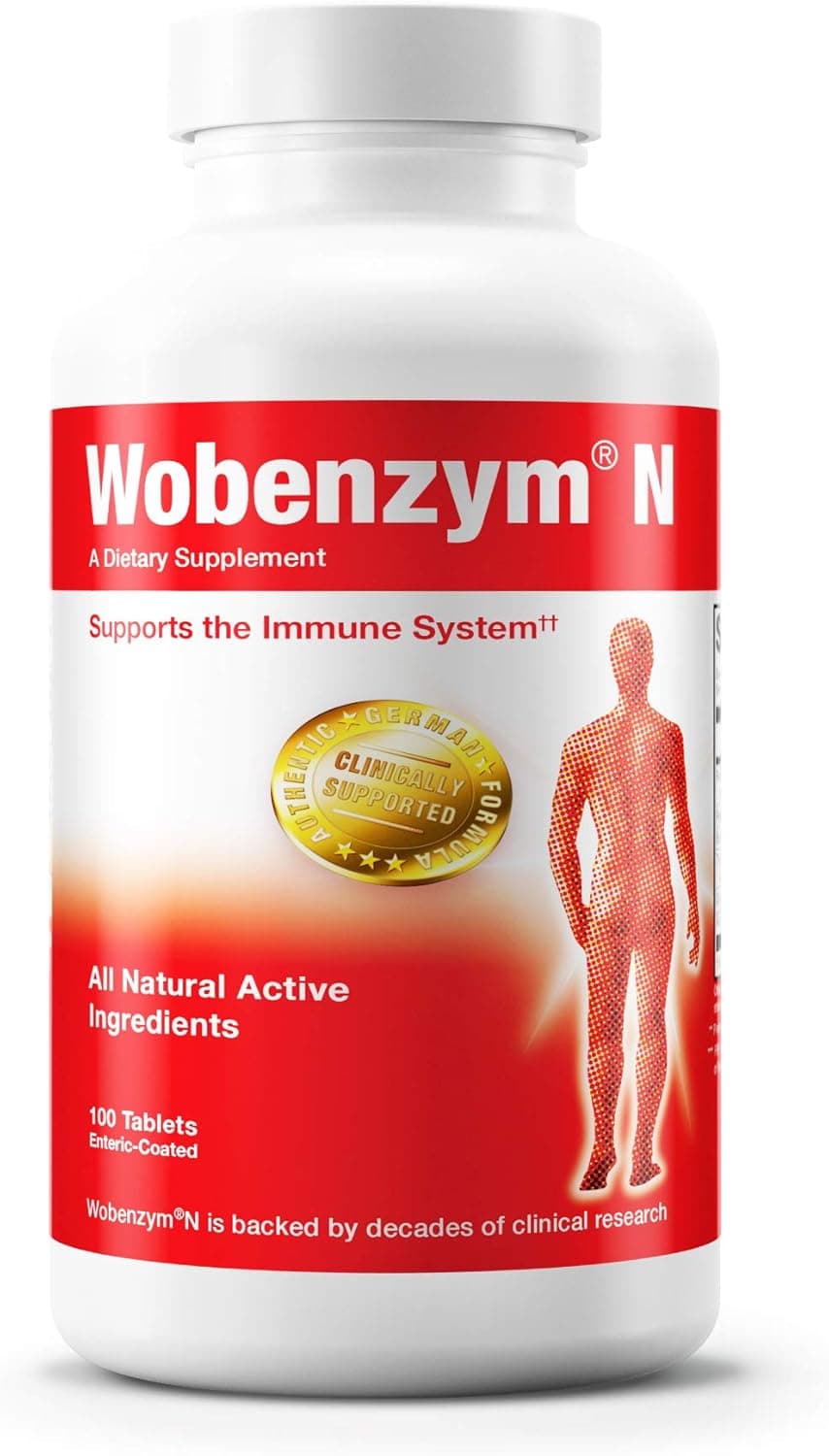
The dried powder is encapsulated or tableted. Some lots receive an enteric coat, which changes where the enzyme is released rather than what it is.
Labels commonly omit which tissue the enzyme came from, which activity assay produced the number, and whether the capsule is enteric coated.
Getting Bromelain from food.
The whole-food sources on file. A supplement closes the gap, it does not replace dinner.
A gram-for-gram figure (how much of each you would eat to match a dose) will appear here once it is sourced and reviewed. This page will not print a number it cannot cite.
The forms it comes in.
The essence, in one line each.
- Across a review of 54 clinical reports with 39 pooled, oral bromelain lowered pain scores slightly more than control, by about 0.27 points on the pain scale, and topical bromelain shortened time to complete wound debridement by about 6.9 days.Meta-analysis. Leelakanok et al., 2023 (Nutrition and Health). PMID 37157782 ↗
- Across six randomised trials in people recovering from third molar surgery, bromelain reduced pain in the first 24 hours (standardised mean difference -0.49) and improved reported sleep quality and physical appearance during the first week, with no detectable effect on swelling or jaw opening.Meta-analysis. Mendes et al., 2019 (Medicina Oral Patologia Oral y Cirugia Bucal). PMID 30573710 ↗
- Across seven randomised trials using roughly 100 to 1200 mg a day for one to 16 weeks, the effect of bromelain on circulating inflammatory markers such as interleukin-6 and C-reactive protein was inconsistent, with some trials showing reductions and others detecting no difference.Systematic review. Pereira et al., 2023 (Clinical Nutrition ESPEN). PMID 37202035 ↗
- Reviewing the human and mechanistic evidence, bromelain's most consistently reported effects were on swelling, post-surgical recovery and markers of inflammation.Systematic review. Kansakar et al., 2024 (Nutrients). PMID 38999808 ↗
- Across the studies reviewed, bromelain was associated with improved blood sugar handling and insulin sensitivity markers in adults with raised blood sugar, though the human trial base was small.Systematic review. Mohammed et al., 2025 (The Journal of pharmacy and pharmacology). PMID 40440445 ↗
- A pineapple extract and bromelain preparation taken after lower wisdom tooth removal reduced swelling and reported pain compared with the control regimen.Randomised trial. Colletti et al., 2024 (Nutrients). PMID 38542694 ↗
- Oral bromelain taken after skin flap reconstruction was linked to better wound recovery scores and less bruising than the comparison group.Randomised trial. Rahimi-Movaghar et al., 2026 (BMC surgery). PMID 42135693 ↗
- The authors gathered trials of bromelain-containing supplementation used alongside oncological care and report that the trials are few and small, so conclusions about reported side effects stay tentative.Systematic review. Pereira IC et al., 2025 (Journal of Medicinal Food). PMID 40372963 ↗
- Bromelain supplementation was compared against control for disease activity scores and quality of life questionnaires in adults with long-running gut inflammation. The endpoints are scored instruments, not tissue outcomes.Randomised trial. Delgarm P et al., 2025 (Scientific Reports). PMID 41315628 ↗
- A bromelain-rich pineapple extract was tested against control in children under urological care for testicular and epididymal inflammation, with symptom and recovery measures as endpoints.Randomised trial. Colletti A et al., 2025 (Molecular Nutrition and Food Research). PMID 40534304 ↗
- Bromelain given with alpha-lipoic acid was randomised against control in adults recovering from breast conserving surgery. The tested agent is the combination, not bromelain alone.Randomised trial. Sgaramella LI et al., 2025 (Scientific Reports). PMID 39929877 ↗
- Bromelain supplementation was examined as an adjunct in children with fluid behind the eardrum. This is one small clinical study and the authors' conclusions do not extend past it.Open-label trial. Martines F et al., 2024 (Children). PMID 39767869 ↗
- The authors review the rationale for a bromelain, troxerutin and escin supplement used to support recovery after hip or knee joint replacement. The subject is the three-component product.Narrative review. Landi F et al., 2025 (Nutrients). PMID 41470759 ↗
- A critical review of the bromelain literature, covering its proteolytic chemistry, absorption questions and the spread of study designs. The authors describe the human evidence as uneven.Narrative review. Sanlier N et al., 2026 (Frontiers in Nutrition). PMID 42245557 ↗
- A small clinical report on oral bromelain plus curcumin in adults with persistent fluid at the macula from an inherited retinal condition. Uncontrolled and combination-based.Case series. D'Andrea M et al., 2026 (Pharmaceuticals). PMID 42075857 ↗
- Dietary bromelain reduced measures of gut damage and performance loss during an induced intestinal challenge in broiler chickens. An animal model, not human evidence.Animal study. Gharib-Naseri K et al., 2024 (Poultry Science). PMID 38417336 ↗
- Bromelain administration was associated with better behavioural test scores, less astrogliosis, lower oxidative stress markers and higher BDNF in a rodent model. Markers in animals, not human outcomes.Animal study. Safa PB et al., 2026 (Tissue and Cell). PMID 42085804 ↗
- Bromelain is named as a component of an oral anti-inflammatory supplement used alongside intravitreal injections. The paper is about the injection protocol and mentions the supplement only as part of it.Case series. Marolo P et al., 2025 (Retina). PMID 39977849 ↗
These are the studies our verdict leans on, chosen from the 2,760 we read for Bromelain. The full linked list is below.
The studies, linked.
11 sources behind our Bromelain verdict: peer-reviewed studies and registered clinical trials. Every one links straight to PubMed, the journal, or ClinicalTrials.gov. Read them yourself.
- Clinical trialEvaluation of the Effects of a Supplement Composed by Quercetin, Rutin, Bromelain and L-carnosine in Patients With Hyperuricemia, a Randomized Clinical TrialClinicalTrials.gov ↗Phase 4, 116 participants, Completed
- ClinicalTrials.gov ↗
- Clinical trialUse of an Alfa-lipoic, Methylsulfonylmethane and Bromelain Dietary Supplement (Opera®) for Aromatase Inhibitor-related Arthralgia Management (AIA)ClinicalTrials.gov ↗53 participants, Completed
- Clinical trialAssociation Between Bromelain and Escin in the Reduction of Postoperative Sequelae in Periodontal and Implant Surgery: Randomized Clinical Trial, Placebo-controlled, Double-blindClinicalTrials.gov ↗20 participants, Completed
- Clinical trialSafety of Nebulised Delivery of BromAc® (Bromelain & Acetylcysteine) in Healthy Volunteers: a Potential Treatment for Severe COVID-19ClinicalTrials.gov ↗Phase 1, 12 participants, Completed
- Clinical trialInvestigating the Effectiveness of the Supplement Containing Enteric-coated Bromelain (Anaheal 1200 GDU) in Healing Wounds, Pain, and Inflammation in Patients Over 18 Years Old with Diabetic Foot Ulcers Compared to PlaceboClinicalTrials.gov ↗Phase 3, 70 participants, Not yet recruiting
- Clinical trialEvaluation of Topical Bromelain Versus Topical Corticosteroids in Management of Recurrent Aphthous Stomatitis: A Randomized Controlled TrialClinicalTrials.gov ↗Phase 2, 63 participants, Not yet recruiting
- Clinical trialThe Study of Quadruple Therapy Zinc, Quercetin, Bromelain and Vitamin C on the Clinical Outcomes of Patients Infected With COVID-19ClinicalTrials.gov ↗Phase 4, 60 participants, Unknown
- Clinical trialEffect of Topical Bromelain Versus Topical Corticosteroids in the Management of Oral Lichen Planus : A Randomized Clinical TrialClinicalTrials.gov ↗Phase 2, 42 participants, Recruiting
- Clinical trialEvaluation of 2%Bromelain Gel With 0.2%Chlorhexidine Gel as Subgingival Local Drug Delivery Following Scaling and Root Planing in Stage II/III and Grade B Periodontitis -Randomized Control Clinical TrailClinicalTrials.gov ↗Phase 1, 36 participants, Recruiting
- ClinicalTrials.gov ↗
Evidence surfaced via Semantic Scholar (Allen Institute for AI) and ClinicalTrials.gov. Ranked by study type and citation weight, not cherry-picked.
Problems people have reported.
Read this carefully. These are 1,006 voluntary, unverified reactions reported to the FDA (openFDA). The number mostly reflects how popular Bromelain is, not how risky it is. A report is not proof Bromelain caused anything. It is a signal of what to watch for, nothing more.
Source: openFDA adverse-event reports. Voluntary reporting, not an incidence rate.
FDA Disclaimer: These statements have not been evaluated by the Food and Drug Administration. This information is for educational purposes only and is not intended to diagnose, treat, cure, or prevent any disease. Consult your healthcare provider before starting any supplement regimen.