Caffeine Anhydrous.
Provides a quick energy boost and enhances focus. Blocks the adenosine signal that builds the longer you're awake. Alertness and reaction time sharpen, and hard physical work feels lighter for the same effort.
Reviewed March 2026
- Category
- Active compound
- Also filed under
- Energy boostImproved focusEnhanced physical performance
What Caffeine Anhydrous is, and what it does.
- Does it work
- Suits people who want alertness and sharper output on demand, and anyone training who wants hard work to feel lighter. Sensitive sleepers do better keeping it to the morning.
- How much to take
- Start with 100 to 200mg a day, which is where alertness and the training benefit show up. 400mg appears in trials as a research condition, not a daily target.
- Time to feel it
- Within about 45 to 60 minutes of a single dose.
- The first dose
- You'll notice this one on day one. Alertness lifts within the hour and hard effort feels lighter. Taken late, it's still working at bedtime.
- With regular use
- Tolerance to the alertness effect builds within days to weeks as receptors adapt. The performance benefit around training holds up better than the wakefulness one.
- How well tolerated
- Well tolerated by most healthy adults at everyday amounts. Late doses eat into sleep. Check first if you're pregnant, sensitive to stimulants, or on medicines cleared by the same liver enzyme.
- How it feels
- Clear headed and quick, with a lift in drive. Above your own threshold it turns jittery, and the tail end as it wears off can feel flat.
- The overlooked benefit
- Much of the effect comes from paraxanthine, the metabolite you make from it, and how fast you make it is genetic. Same cup, very different afternoon.
100 to 200mg a day is where Caffeine Anhydrous works.
Source: EFSA 2015 caffeine safety + Goldstein 2010 review
In a double-blind placebo-controlled crossover trial, 15 resistance-trained women took 4 mg per kg body mass of caffeine 60 minutes before a strength and power battery. Squat one-repetition maximum rose 4.5 percent and countermovement jump height 7.6 percent against placebo. A separate crossover trial in 11 active adults began its cycling tests 45 minutes after a 3 mg per kg capsule and recorded a peak-power increase of about 4 percent on the first day of ingestion.
The proof, claim by claim.
These words describe the research, not the molecule's worth. Research strength is how much work stands behind one claim, and it is never a product score.
Extensive research supports caffeine's stimulant effects and its impact on cognitive and physical performance. Its mechanisms are well understood, and benefits are consistently observed across studies.
- endurance performanceMeta-analysis
- muscle strength and power outputMeta-analysis
- alertness and reaction timeMeta-analysis
- perceived exertion during exerciseMeta-analysis
- sustained attention after short sleepRandomised trial
- resting energy expenditure and fat oxidation markersRandomised trial
- appetite ratingsRandomised trial
Questions people ask about Caffeine Anhydrous.
- When should I take it?
- Timing matters less than consistency. Pick a time that works for you and take it daily.
- Can I take it with other supplements?
- Usually fine. The main thing to watch is not doubling up on the same ingredient from different products. If you're on prescription meds, check with your pharmacist first.
- Any side effects to watch for?
- Most people tolerate it well at recommended doses. GI upset is the most common complaint with any supplement. Start with a lower dose and work up. If something feels off, stop and reassess.
What the trials show about these together.
Outcomes the engine found studied for these actives as a combination, not one at a time. Each is a finding a named trial measured, cited and dated, never written by the brand.
- EarlyCaffeine Anhydrous + CarbohydrateEndurance
In a 2026 meta-analysis of eleven crossover trials, caffeine taken together with carbohydrate improved high-intensity interval performance compared with carbohydrate or placebo, but not compared with caffeine alone. The benefit was smaller when the carbohydrate was swallowed than when it was only rinsed in the mouth, and the authors graded the certainty of the evidence as low.
Li et al., 2026 (Nutrients)PMID 42356256
Research strength. Research strength says how much work stands behind the combination. It is never a product score.
Fail closed. Where actives were studied on their own rather than together, each shows on its own evidence, never a combined effect no trial measured.
Independent record. Every finding is cited to a named trial, dated, and never written by the brand.
Findings from trials that studied these actives as a combination. Context for how the actives were tested together, not a statement about any individual and not a claim about this product.
Why these belong in the same formula. Each row says what the basis is, from settled biochemistry through to a trial that measured the pair.
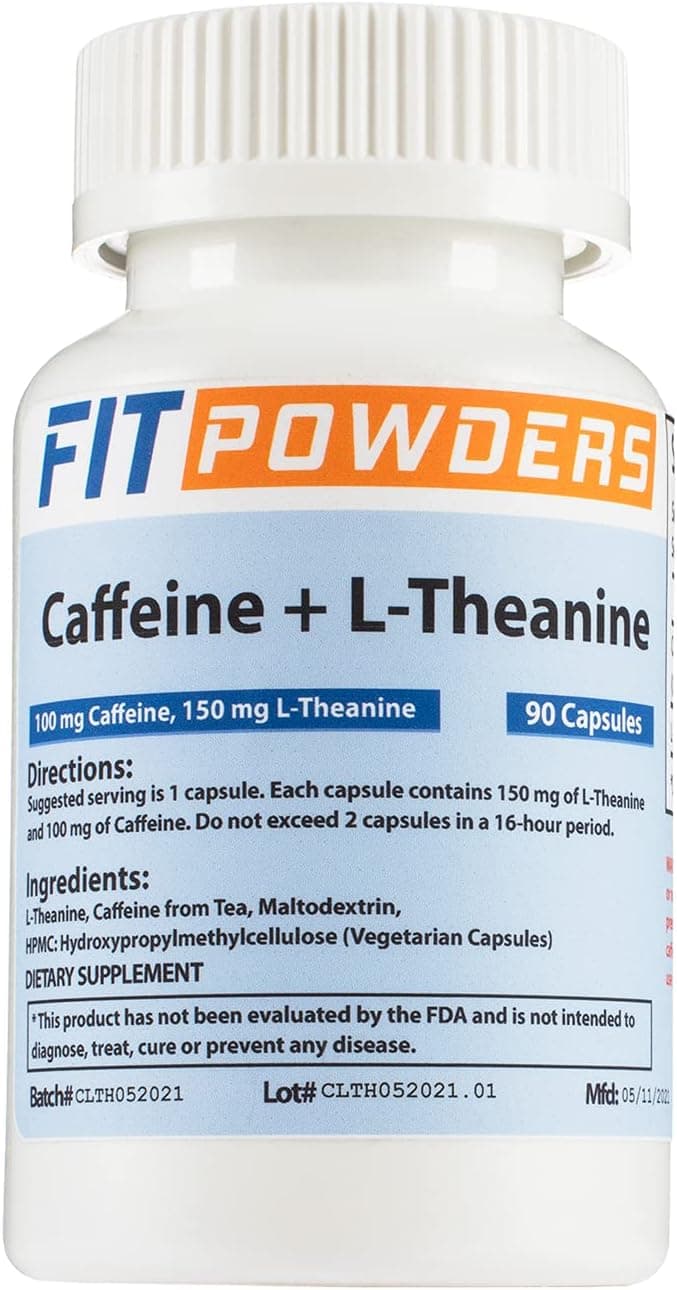
L-theanine's calming influence takes the jittery, over-aroused edge off caffeine, while the two together support steadier attention and focus than caffeine on its own. This pairing is long-standing nootropic formulation practice backed by combination trials.
Caffeine modestly raises the amount of calcium passed in urine and slightly lowers how much the gut takes up, so keeping calcium intake adequate helps hold normal calcium balance. The effect per serving is small and easily offset by sufficient intake.
Caffeine promotes wakefulness by blocking adenosine, the opposite direction to melatonin's signal that eases the body toward sleep. Taking them close together works against melatonin's role in sleep onset, and evening caffeine can push back the body's own melatonin timing.
Caffeine inhibits phosphodiesterase so the cyclic AMP signal lasts longer, and catechins inhibit catechol-O-methyltransferase so noradrenaline is degraded more slowly. Two enzymes on one signalling chain is the standard thermogenic pairing.
Caffeine raises catecholamine release and turnover, and tyrosine is the amino acid from which dopamine and noradrenaline are built. The precursor supports the pool that faster turnover draws on.
Taurine modulates intracellular calcium and acts as an inhibitory, membrane-stabilising amino acid. That is the counterweight to caffeine-driven excitation, and the reason the pair is long established in stimulant formulas.
Alpha-GPC delivers choline for acetylcholine synthesis, which is a different transmitter system from adenosine receptor blockade. The two add without overlapping.
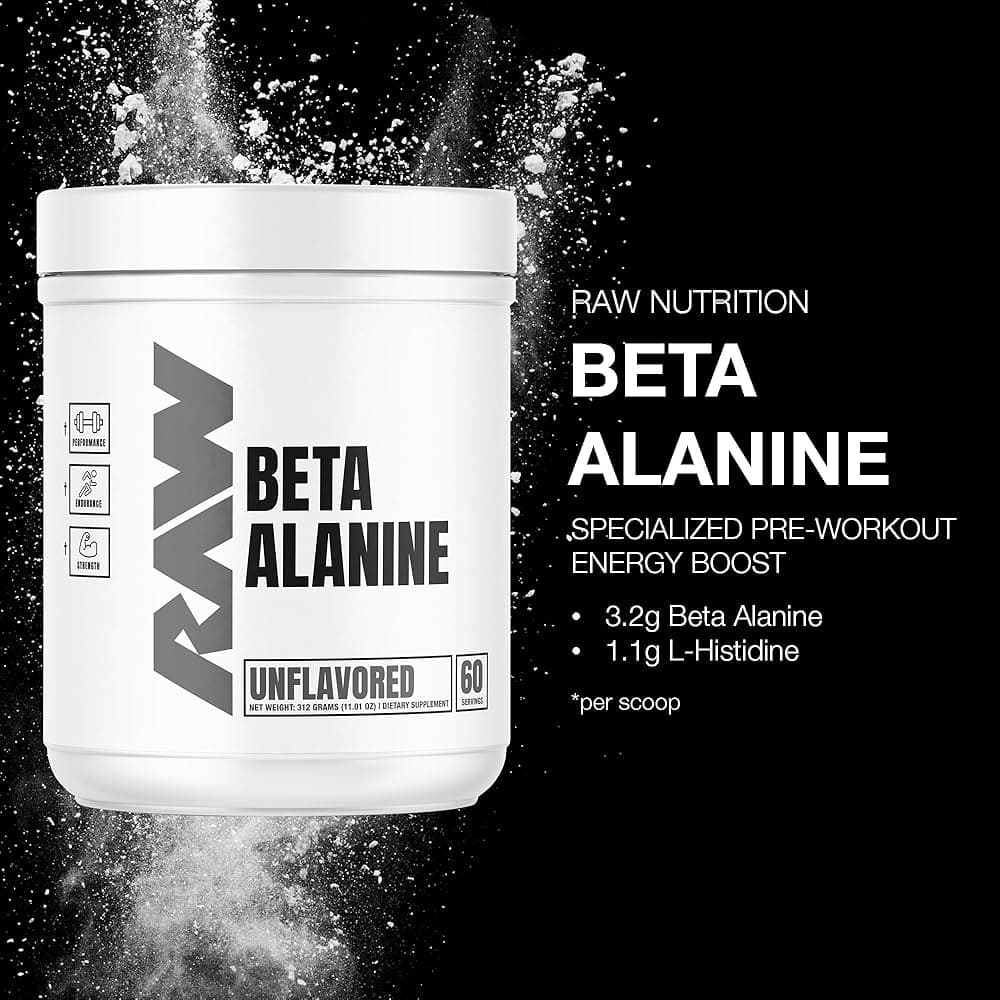
Beta-alanine raises muscle carnosine and buffers hydrogen ions inside the fibre, a peripheral mechanism unrelated to central adenosine signalling. Neither pathway limits the other.
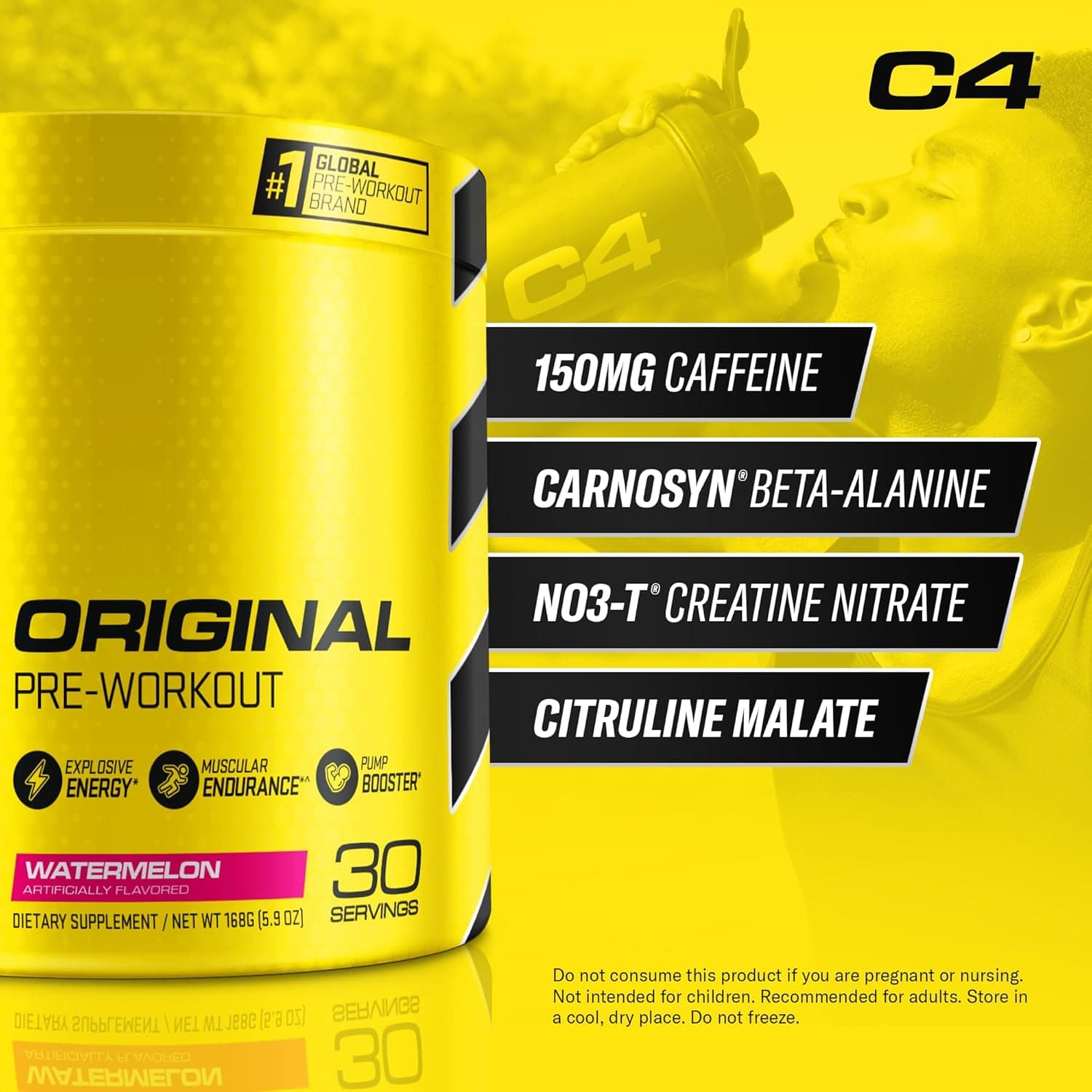
Citrulline raises arginine and nitric oxide for vessel widening, while caffeine's adenosine blockade produces mild narrowing. They are combined constantly in pre-workouts and the vascular signals do partly oppose, which is worth stating plainly.
Capsaicinoids act on TRPV1 channels and raise sympathetic outflow, and caffeine prolongs the cyclic AMP signal that outflow generates. The two sit upstream and downstream of one signal.
Anhydrous caffeine and coffee deliver the same alkaloid, so combining them simply stacks the dose. Total intake is the number that matters.
Caffeine has a mild diuretic action that raises urinary output of magnesium along with other minerals. Regular high intake nudges magnesium balance downward, which is why the two are paired in the record rather than ignored.
Caffeine raises sympathetic outflow and cortisol output, while ashwagandha withanolides are associated with lower cortisol. The two act in opposite directions on the same axis, which some formulas use deliberately and others should account for.
Older reports suggest caffeine works against the shortened muscle relaxation time associated with creatine loading, plausibly through sarcoplasmic calcium reuptake. The evidence is not settled and co-formulation remains normal practice.
Activated charcoal adsorbs small organic molecules in the gut lumen, and caffeine is exactly the kind of compound it binds. Taken together, less caffeine is absorbed. Separating charcoal from anything meant to be absorbed by at least a couple of hours is the standard handling.
Tannins form poorly soluble complexes with alkaloids including caffeine, the chemistry behind tannin precipitation of plant bases. In practice this slows or reduces absorption from a tannin-rich drink. The interaction is on absorption, not on the receptor pharmacology.
A viscous soluble fibre gel slows gastric emptying and diffusion, which can flatten and delay the caffeine absorption peak rather than change total exposure. For anyone using caffeine for a timed effect, that delay is the practical point. Direction of the effect is on rate.
Guar gum raises luminal viscosity in the same way psyllium does, with the same expected effect on absorption rate. Evidence specific to caffeine is not cited. Early confidence, rate not extent.
Caffeine promotes arousal by removing adenosine's brake while GABA-directed ingredients push in the calming direction, so the two work against each other on the same net state. Products that combine them are aiming for a narrow window rather than an additive effect. Anyone pairing them should expect the two to blunt each other.
Valerian constituents act on GABAergic signalling to promote sleep onset, the opposite direction to adenosine receptor blockade. Taking them close together works against both purposes. This is an opposing pairing worth flagging rather than a synergy.
Passionflower flavonoids act on GABAergic tone and are used for calm and sleep onset, which caffeine opposes. Some daytime formulas use small amounts of both to smooth stimulation. The net effect depends entirely on the ratio.
Lemon balm is used to take the edge off stimulation and is combined with caffeine for that reason, acting on GABA transaminase and calming pathways rather than on adenosine. The result is modulation of caffeine's subjective profile. Grounded in mechanism, not in a trial of this pair.
Chamomile apigenin has affinity for benzodiazepine binding sites and pulls toward calm, the opposite of caffeine's direction. Combining them late in the day works against sleep either way. Early confidence, opposing direction.
Honokiol and magnolol act on GABA-A signalling and are used in wind-down formulas, so they oppose caffeine's arousal effect. Timing separates the two uses cleanly. The interaction is on net central state.
Apigenin binds benzodiazepine sites and also inhibits some CYP enzymes, so it can both oppose caffeine's effect and alter its clearance. Two separate interactions run in the same pairing. Both are mechanistic rather than measured in a combination trial.
Glycine acts as an inhibitory neurotransmitter and is used before sleep, so it sits opposite caffeine in the same evening window. The pairing is a timing question. Early confidence.
Tryptophan is the precursor for serotonin and then melatonin, the sleep-onset side of the daily cycle that caffeine's adenosine blockade pushes against. Using both in one day is common. Using both in one hour is contradictory. Precursor biochemistry is established, the pairing is early.
5-HTP sits one step closer to serotonin than tryptophan and is used in the same evening context. Its direction opposes caffeine's. Early confidence, opposing direction.
Inositol acts as a second messenger precursor in serotonergic signalling and is used where caffeine's edge is unwelcome. The pairing is about smoothing subjective effect. Early and mechanistic only.
Choline is the precursor for acetylcholine, a separate arousal and attention system from the adenosine one caffeine acts on. Combining a precursor with a receptor antagonist targets two mechanisms at once. Alpha-GPC is already recorded here for the same reason. The endpoints in this space are cognitive test measures.
Citicoline supplies both choline for acetylcholine and cytidine for membrane phospholipid synthesis, and it is paired with caffeine in attention formulas. The two mechanisms do not overlap. Grounded in established precursor biochemistry rather than a cited combination trial.
Huperzine A inhibits acetylcholinesterase, raising synaptic acetylcholine, while caffeine works on adenosine receptors. Stimulant formulas combine them for that separation of mechanism. Early confidence and cholinergic side effects are dose sensitive.
Bacopa is studied over weeks for memory measures while caffeine acts within an hour on alertness, so the two operate on different timescales in the same formula. There is no shared mechanism to add. Early, and the pairing is a formulation choice.
Phosphatidylserine has been studied against cortisol responses to exertion, and caffeine raises catecholamine and cortisol signalling. Combining them is an attempt to keep the stimulation without the stress axis response. Cortisol is a marker and the pairing rests on that logic rather than combination data.
Rhodiola is used against exertion-related fatigue measures by a mechanism unrelated to adenosine receptors, which is why pre-workout formulas stack it with caffeine. Both push toward perceived energy from different directions. No trial of the pair is cited.
Eleuthero is a traditional stamina root paired with caffeine in energy blends. There is no shared receptor mechanism. Early, formulation-level rationale.
Cordyceps is used in exercise formulas alongside caffeine and acts on oxygen utilisation measures rather than adenosine signalling. The two do not overlap mechanistically. Early confidence.
Bicarbonate raises extracellular buffering capacity for high-intensity efforts while caffeine acts centrally on perceived exertion, two separate routes to the same performance measure. Both are used together in that context. Bicarbonate loading commonly causes gastrointestinal upset, which is the practical limit.
Caffeine raises circulating free fatty acids through catecholamine signalling and carnitine is required to carry long-chain fatty acids into the mitochondrion. One increases substrate availability, the other the transport step. Both are markers of substrate handling and neither implies a body composition outcome.
Caffeine produces a modest natriuretic and diuretic effect, particularly in people who do not use it habitually, so pairing it with an electrolyte blend addresses the losses side. The diuretic effect is small and attenuates with regular use. Practical rather than a claimed enhancement.
Adenosine receptor blockade in the kidney increases sodium excretion modestly, which is why sodium is included alongside caffeine in exercise hydration products. Sodium intake also drives fluid retention in the opposite direction. The interaction is on renal handling.
Caffeine's diuretic effect and catecholamine release both influence potassium handling, with catecholamines driving potassium into cells transiently. That makes potassium relevant alongside high caffeine intake during heavy exertion. The effects are on measured electrolyte handling.
Caffeine modestly increases urinary calcium excretion while vitamin D governs intestinal calcium absorption, so adequate vitamin D and calcium intake offsets the renal loss. Calcium is already recorded against this ingredient for the same handling reason. The effect size at ordinary intakes is small.
Coffee and tea reduce non-heme iron absorption, but the responsible constituents are the chlorogenic acids and tannins in those drinks rather than caffeine itself. Anhydrous caffeine taken as a powder or capsule does not carry that polyphenol load. This row exists to keep the distinction clear, because the coffee finding is often attributed to caffeine.
St John's wort induces drug-metabolising enzymes, most strongly CYP3A4 with reports of CYP1A2 induction as well, which is the enzyme that clears caffeine. Faster clearance would shorten caffeine's effect. Early for the CYP1A2 part specifically, and the herb carries wider interaction considerations that belong with a clinician.
Quercetin inhibits several cytochrome P450 enzymes in laboratory systems, which raises the possibility of slower caffeine clearance when the two are taken in quantity. The size of the effect in people at supplement doses is not established. In vitro grounding, early confidence.
Caffeine transiently raises blood pressure, particularly in people who use it rarely, while arginine feeds nitric oxide synthesis and tends the other way. The two therefore modulate rather than add on that measure. Anyone monitoring blood pressure should track it rather than assume the effects cancel.
EGCG inhibits catechol-O-methyltransferase, the enzyme that degrades the catecholamines caffeine's adenosine blockade releases, so the two act at sequential points on one pathway. This is the standard rationale behind green tea and caffeine thermogenic pairings. The measured endpoints are energy expenditure and fat oxidation markers, not body composition outcomes.
Theobromine is a dimethylxanthine that antagonises adenosine receptors with lower potency and a longer half-life than caffeine, and it is one of caffeine's own human metabolites. Dosing both means adding to the same receptor blockade with two different time courses. This is methylxanthine pharmacology, not a claim about a measured combined outcome.
Caffeine and adenosine compete for the same A1 and A2A binding sites, so they oppose each other directly. Anything that raises adenosine signalling reduces what a given caffeine dose does, and the same is true in the other direction. This is the defining pharmacology of the molecule and it is why the relationship is competitive rather than additive.
Indoles from cruciferous vegetables induce CYP1A2, which is the enzyme that demethylates caffeine to paraxanthine. Heavy cruciferous intake therefore tends to shorten a caffeine dose rather than lengthen it. Direction is established. The magnitude at supplement doses is not.
Acetyl-L-carnitine carries both the carnitine transport function and an acetyl group that feeds acetyl-CoA pools. It appears with caffeine in focus formulations. The rationale is mechanistic and the row is early confidence for that reason.
Talk to a doctor before taking Caffeine Anhydrous if any of these apply to you: Anxiety, Insomnia, High blood pressure, Heart conditions, Pregnancy, Breastfeeding. These are flags to check first, not effects Caffeine Anhydrous is known to cause.
Not medical advice. Show the label to your pharmacist.What Caffeine Anhydrous actually does.
Caffeine sits on the receptors that adenosine, the molecule that builds up as you stay awake, would otherwise occupy.
Your liver clears caffeine mainly through the enzyme CYP1A2, making paraxanthine plus theobromine and theophylline. That enzyme's activity varies widely between people, so half-life differs several fold.
Caffeine can block phosphodiesterase and shake calcium loose inside cells, but only at levels far above what a swallowed dose reaches. That's lab pharmacology, not your everyday effect.
Blocking adenosine receptors turns up catecholamine signalling, which raises free fatty acids in blood and heart rate. Those are measurable markers of the pharmacology, not outcomes.
Where Caffeine Anhydrous comes from.
Caffeine either comes off the beans and leaves during decaffeination or is built from scratch in a chemical plant. Both versions get crystallised, dried until no water is left, and tested to the same specification, and the molecule that comes out is identical.
The same molecule is reached more than one way. Which route a given product used is a manufacturing choice, and the finished compound is the same either way.
One route recovers caffeine as the co-product of decaffeinating green tea, coffee beans or guarana. The other builds the purine ring synthetically from urea or dimethylurea with a malonate source
In the extraction route caffeine is stripped from wetted beans or leaves with water or supercritical carbon dioxide and captured on activated carbon or in a wash. In the synthetic route the purine ring is assembled and then methylated to theophylline and on to caffeine
Crude caffeine is recrystallised, usually from water, to remove co-extracted plant material or synthesis residues
The monohydrate is dried to remove water of crystallisation, giving the anhydrous free base, then released against a pharmacopoeial identity and purity assay with residual solvent and heavy metal limits
The powder is milled to a target particle size and blended with excipients, since pure caffeine is too potent by volume to dose without dilution or precise weighing
Labels almost never state which of the two routes produced the caffeine, and a natural source declaration does not by itself say whether co-extracted plant constituents remain in the material.
Getting Caffeine Anhydrous from food.
The whole-food sources on file. A supplement closes the gap, it does not replace dinner.
A gram-for-gram figure (how much of each you would eat to match a dose) will appear here once it is sourced and reviewed. This page will not print a number it cannot cite.
The forms it comes in.
The essence, in one line each.
- Across 21 randomized crossover trials at 3 to 9 mg/kg, caffeine lengthened running time to exhaustion (Hedges g 0.39) and shortened running time-trial completion time versus placebo.Meta-analysis. Wang et al., 2022 (Nutrients). PMID 36615805 ↗
- Pooling ten trials each, caffeine produced a small increase in maximal muscle strength (SMD 0.20) and in muscle power measured by vertical jump (SMD 0.17) compared with placebo.Meta-analysis. Grgic et al., 2018 (Journal of the International Society of Sports Nutrition). PMID 29527137 ↗
- In a Cochrane review of 13 randomized trials in shift workers, caffeine improved orientation and attention (SMD -0.55) and reduced the number of errors made during simulated night or shifted work versus placebo.Systematic review. Ker et al., 2010 (Cochrane Database of Systematic Reviews). PMID 20464765 ↗
- Across 37 blinded crossover studies, caffeinated drinks improved several aspects of sports performance once the drink supplied at least 3 mg of caffeine per kg of body mass.Systematic review. Jimenez et al., 2021 (Nutrients). PMID 34578821 ↗
- Across 10 studies comparing the sexes at matched doses, caffeine gave a similar aerobic and fatigue-index benefit in women and men, while 4 of 7 studies found the anaerobic benefit (power, total weight lifted, sprint speed) larger in men.Systematic review. Mielgo-Ayuso et al., 2019 (Nutrients). PMID 31574901 ↗
- In 38 recreationally active men, 6 mg/kg caffeine 60 minutes before a 10 km run or 40 km cycling time trial improved completion time by 1.8%, and plasma caffeine ran higher in CYP1A2 AA carriers with no gene-by-caffeine interaction detected on performance.Randomised trial. Masters et al., 2026 (European Journal of Sport Science). PMID 42230302 ↗
- In 12 trained men, about 7 mg/kg anhydrous caffeine before a strength-focused CrossFit session did not improve repetitions, perceived exertion or blood lactate versus placebo, and sit-up repetitions in the fourth round were lower.Randomised trial. Konidari et al., 2025 (Nutrients). PMID 40362728 ↗
These are the studies our verdict leans on, chosen from the 42,768 we read for Caffeine Anhydrous. The full linked list is below.
The studies, linked.
5 sources behind our Caffeine Anhydrous verdict: peer-reviewed studies and registered clinical trials. Every one links straight to PubMed, the journal, or ClinicalTrials.gov. Read them yourself.
- Clinical trialThe Effect of Tablet Size on Cognitive Performance: A Randomized Control Trial Using CaffeineClinicalTrials.gov ↗Phase 4, 120 participants, Completed
- Clinical trialThe Effects of Intermittent Hypoxia on Leg Function in Human Spinal Cord Injury (Caffeine Substudy)ClinicalTrials.gov ↗Phase 1, 36 participants, Completed
- Clinical trialPharmacodynamics and Pharmacokinetics of 3 New Developed Coated Glucose Beads Formulations After Single-dose Administration (Fasting Conditions) in 20 Obese Healthy SubjectsClinicalTrials.gov ↗Phase 1, 20 participants, Completed
- ClinicalTrials.gov ↗
- Clinical trialEffects of Caffeine Ingestion on Morning Cognitive and Muscle Strength Measures in Males, Where a Standardized Approach Has Been EmployedClinicalTrials.gov ↗Phase 4, 15 participants, Completed
Evidence surfaced via Semantic Scholar (Allen Institute for AI) and ClinicalTrials.gov. Ranked by study type and citation weight, not cherry-picked.
FDA Disclaimer: These statements have not been evaluated by the Food and Drug Administration. This information is for educational purposes only and is not intended to diagnose, treat, cure, or prevent any disease. Consult your healthcare provider before starting any supplement regimen.