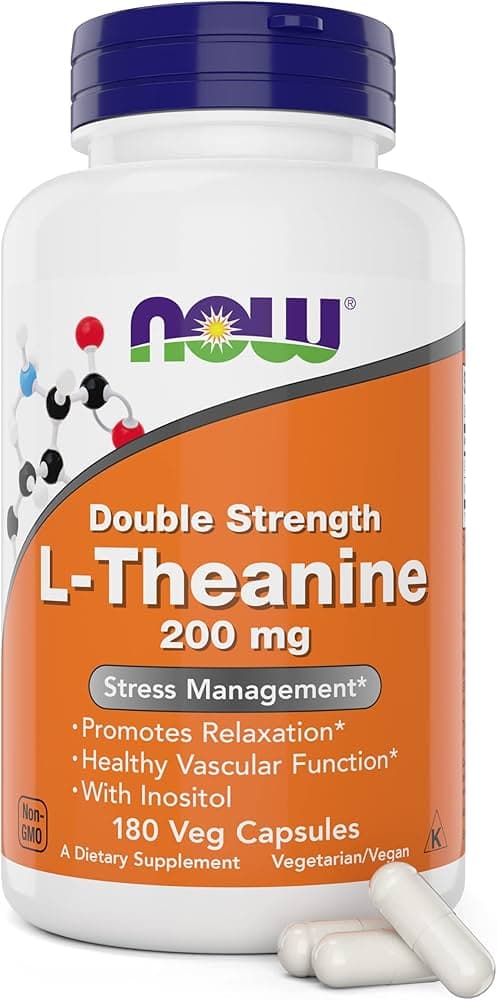
L-Theanine.
The zen switch. Promotes calm focus. Smooths out caffeine jitters. Helps with sleep when taken at night. Increases alpha brain waves, which is science-talk for 'relaxed alertness'.
Reviewed March 2026
- Category
- Amino acid
- Also filed under
- FocusCalmBrainNootropicAmino Acid
What L-Theanine is, and what it does.
- Does it work
- Yes. Fast-acting, well-studied, and no real downside. A great daily tool for managing focus or winding down.
- How much to take
- 100-200mg. Take it with your morning coffee for smooth energy, or take it alone before bed to quiet your mind for sleep.
- Time to feel it
- Within about 45 to 50 minutes of a single dose.
- The first dose
- You'll feel it in 30-60 minutes. A sense of calm alertness. If you take it before bed, you might find it easier to fall asleep.
- With regular use
- Consistent calm focus day-to-day. Some studies suggest a gradual reduction in baseline anxiety over time. No tolerance buildup is reported.
- How well tolerated
- Well tolerated. It's in every cup of green tea. No known negative interactions or side effects at standard doses. Your body knows what to do with it.
- How it feels
- Smooth focus. Alert but not wired. It's like getting the best part of caffeine without the anxious, jittery part.
- The overlooked benefit
- Only the L form is what human studies used. A fifty-fifty racemic mix supplies half as much of it per milligram, so the isomer letter carries real information.
100 to 200mg a day is where L-Theanine works.
Source: Nobre 2008 + Kimura 2007 alpha wave studies
Two double-blind placebo-controlled crossover trials measured attention at a fixed interval after one oral dose. In 24 overnight sleep-deprived adults aged 20 to 25, a 200 mg dose tested 45 minutes post-dose reduced false alarms on a traffic-scene recognition task and raised target-distractor discriminability. In 27 healthy young adults tested 50 minutes post-dose, 400 mg shortened the parietal P3b event-related potential latency against placebo, with no significant change at 100 or 200 mg. Both trials measured task and electrophysiological markers, not a subjective feeling.
The proof, claim by claim.
These words describe the research, not the molecule's worth. Research strength is how much work stands behind one claim, and it is never a product score.
Proven to modulate caffeine effects and reduce stress.
- EarlyImproves attention and reaction time in combination with caffeineClinical trialHaskell et al., 2008 (Biological Psychology)PMID 18006208
- Reduction of acute stress and anxiety symptomsSystematic review of 9 RCTs
- Promotion of relaxation via increased Alpha brain wavesMultiple EEG studies (n=15-50)
Questions people ask about L-Theanine.
- Can I take it every day?
- Yes. No tolerance builds up. It's just an amino acid from tea.
- Will it make me sleepy?
- No, it makes you calm and alert. It helps with sleep by quieting your mind, not by sedating you like a sleeping pill.
- Is it okay with coffee?
- It's the perfect combo. Takes the jittery edge off caffeine, leaving you with smooth, focused energy.
- How long do the effects last?
- About 3-5 hours. Perfect for getting through the workday or a study session.
- Can I take more than 200mg?
- You can, but you probably don't need to. 200mg is the sweet spot for focus. Higher doses might be too relaxing for daytime.
- Is L-Theanine addictive?
- No. It's not a drug. It's an amino acid found naturally in something people have been drinking for centuries: tea.
What the trials show about these together.
Outcomes the engine found studied for these actives as a combination, not one at a time. Each is a finding a named trial measured, cited and dated, never written by the brand.
- PromisingL-Theanine + CaffeineFocus
In a 2025 meta-analysis of randomized trials in healthy adults, l-theanine taken together with caffeine improved accuracy on attention-switching and vigilance tasks in the second hour after dosing, versus placebo.
Payne et al., 2025 (Nutrition Reviews)PMID 40314930
Research strength. Research strength says how much work stands behind the combination. It is never a product score.
Fail closed. Where actives were studied on their own rather than together, each shows on its own evidence, never a combined effect no trial measured.
Independent record. Every finding is cited to a named trial, dated, and never written by the brand.
Findings from trials that studied these actives as a combination. Context for how the actives were tested together, not a statement about any individual and not a claim about this product.
Why these belong in the same formula. Each row says what the basis is, from settled biochemistry through to a trial that measured the pair.
Magnesium acts as a natural blocker of the NMDA glutamate channel and quiets that excitatory signaling, while L-theanine modulates glutamate and encourages alpha-wave relaxation. Because both nudge the nervous system toward a calmer tone, they are a common pairing in calm and evening formulas.
Melatonin signals the body's internal clock that it is time to wind down, while L-theanine lowers arousal and quiets mental chatter. They work through different routes, one circadian and one calming, which is why they are often combined to ease the transition into sleep.
This is the same adenosine receptor antagonism in a dried form, and theanine offsets the restless feel that comes with it. The pairing is standard practice in focus formulas.
Theanine is the amino acid of the tea leaf and arrives naturally alongside catechins and caffeine in green tea extract. Adding theanine restores the leaf's own ratio when an extract is catechin-heavy.
Shade-grown matcha carries unusually high native theanine along with its caffeine, which is why its lift feels smoother. Supplemental theanine works on the same axis matcha already supplies.
Tyrosine is the substrate for dopamine and noradrenaline synthesis while theanine raises alpha activity and dampens arousal. Formulas pair them for drive without edginess.
Glycine is itself an inhibitory neurotransmitter and lowers core temperature toward evening, while theanine reduces arousal. Both push in the same direction in evening formulas.
Tryptophan is the substrate for serotonin and then melatonin, while theanine lowers arousal without acting on that pathway. The two cover different mechanisms in wind-down formulas.
Apigenin binds the benzodiazepine site of the GABA-A receptor, a distinct mechanism from theanine's glutamatergic and alpha-wave action. The pairing stacks two separate calming routes.
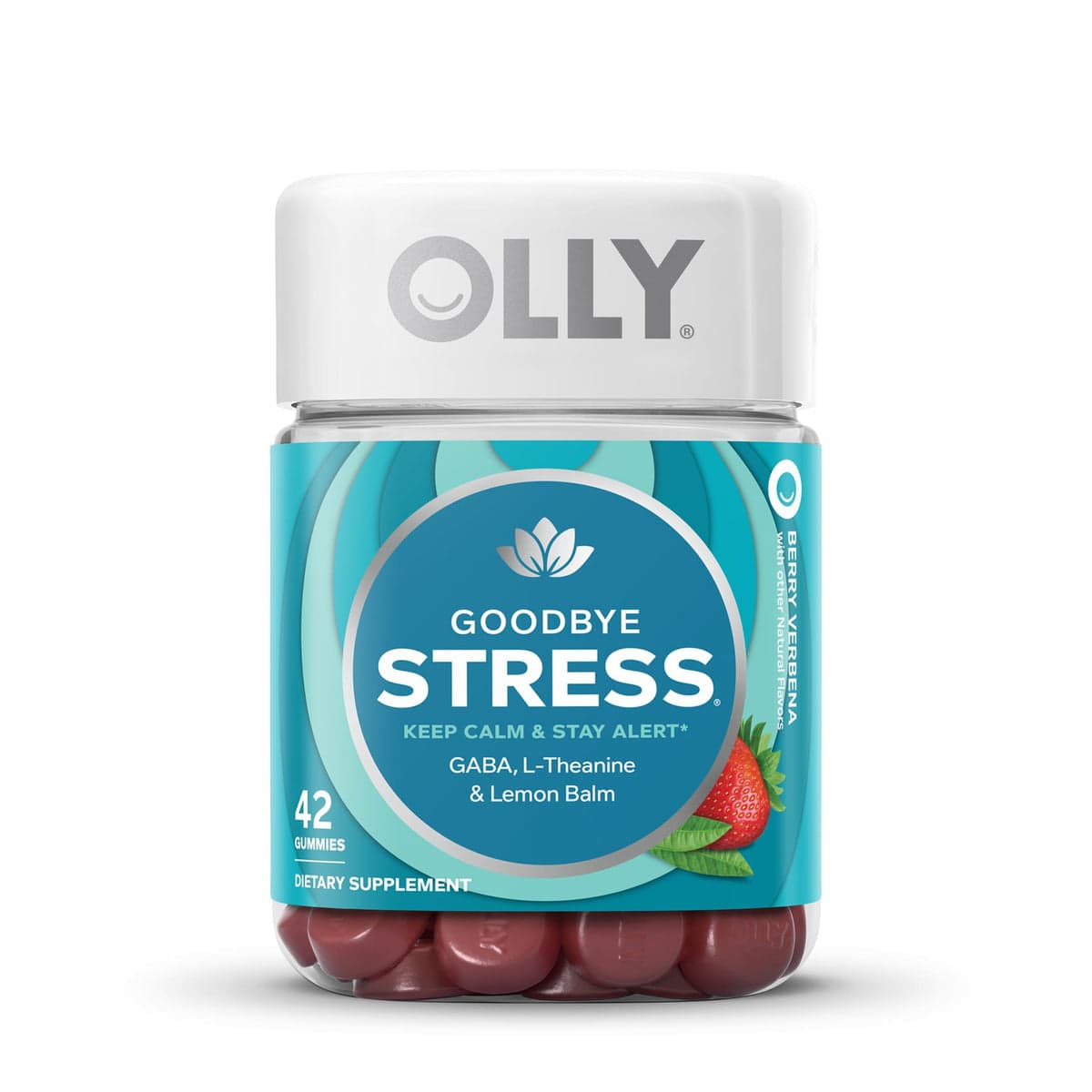
Rosmarinic acid in lemon balm inhibits GABA transaminase, which slows the breakdown of GABA. That is a different route to calm than theanine's, so they are frequently paired.
Honokiol and magnolol act as positive modulators at GABA-A receptors. Theanine works through glutamatergic and cortical rhythm effects instead, so the mechanisms do not overlap.
Theanine is a glutamine analogue and is handled by overlapping transport and by glutaminase, so a large glutamine dose competes with theanine uptake. Separating the timing avoids the overlap.
Theanine crosses into the brain on the large neutral amino acid carrier that leucine also uses. A large leucine load taken at the same time lowers how much theanine gets across.
Chamomile carries apigenin, which binds benzodiazepine sites on the GABA-A receptor, while theanine works on glutamatergic tone and alpha activity. The two were given together in a single beverage trial with self-reported comfort, mood and sleep outcomes. Endpoints were subjective, so the pairing rests on reported experience rather than an objective measure.
Valerian constituents interact with GABAergic signalling and theanine shifts cortical alpha activity, so taken together in the evening they push in the same direction. No trial of the specific combination is cited here, so the basis is mechanism plus each ingredient's own sleep-quality literature. Anyone already taking something with a sedating profile should account for the overlap.
Passionflower flavonoids modulate GABA-A signalling. Theanine works upstream on glutamate tone. Combination trials are absent, so this is a mechanism-level pairing common in evening formulations. Confidence stays at the bottom band for that reason.
Pyridoxal 5-phosphate is the obligate cofactor for glutamate decarboxylase, the enzyme that converts glutamate to GABA. Theanine is a glutamate analogue and is hydrolysed to glutamate and ethylamine by phosphate-independent glutaminase, feeding the same amino-acid pool. The cofactor relationship is textbook. What it does to a person's mood or sleep in a supplement setting has not been shown by this pairing.
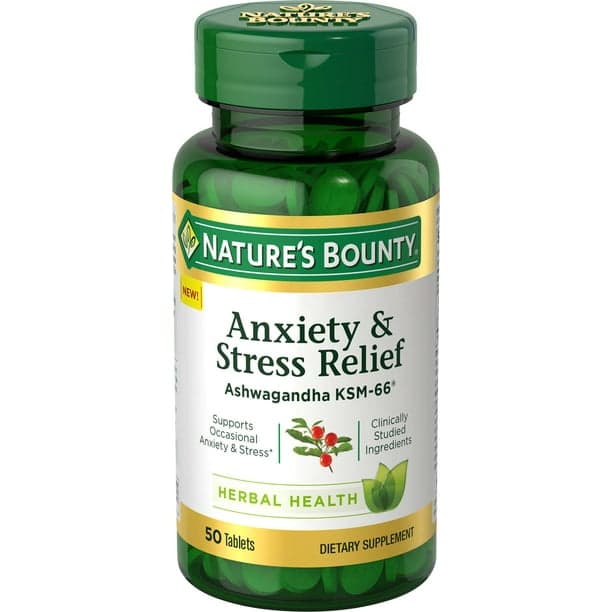
Ashwagandha is studied for stress ratings and cortisol markers. Theanine is studied for alpha activity and acute stress ratings. They are frequently combined in daytime calm products, but no combination trial is cited here. Any claim about the pair should stay at the level of each ingredient's own data.
Rhodiola is studied for perceived fatigue and theanine for the arousal-smoothing side of attention. The combination is a formulation habit rather than a tested unit. Stated as practice, not as a demonstrated joint effect.
Alpha-GPC supplies choline for acetylcholine synthesis. Theanine acts on glutamate tone and cortical alpha activity. They are combined in nootropic blends without a combination trial behind the pairing. Early is the honest label.
Phosphatidylserine is a membrane phospholipid studied for cortisol response and memory measures. Theanine is studied for attention and acute stress ratings. No trial has tested them as a unit. The row records the practice and its confidence, nothing more.
5-HTP is decarboxylated to serotonin and is often paired with calming ingredients in evening products. Theanine does not enter the serotonin pathway, so the interaction is at the level of overall inhibitory tone rather than a shared step. Untested as a combination and flagged as such, and anyone on serotonergic medication should not stack serotonergic precursors casually.
Bacopa's data sit mainly in multi-week memory acquisition measures. Theanine's sit in acute attention and alpha activity. The pairing covers two different time courses, which is why formulators use it, but no joint trial is cited.
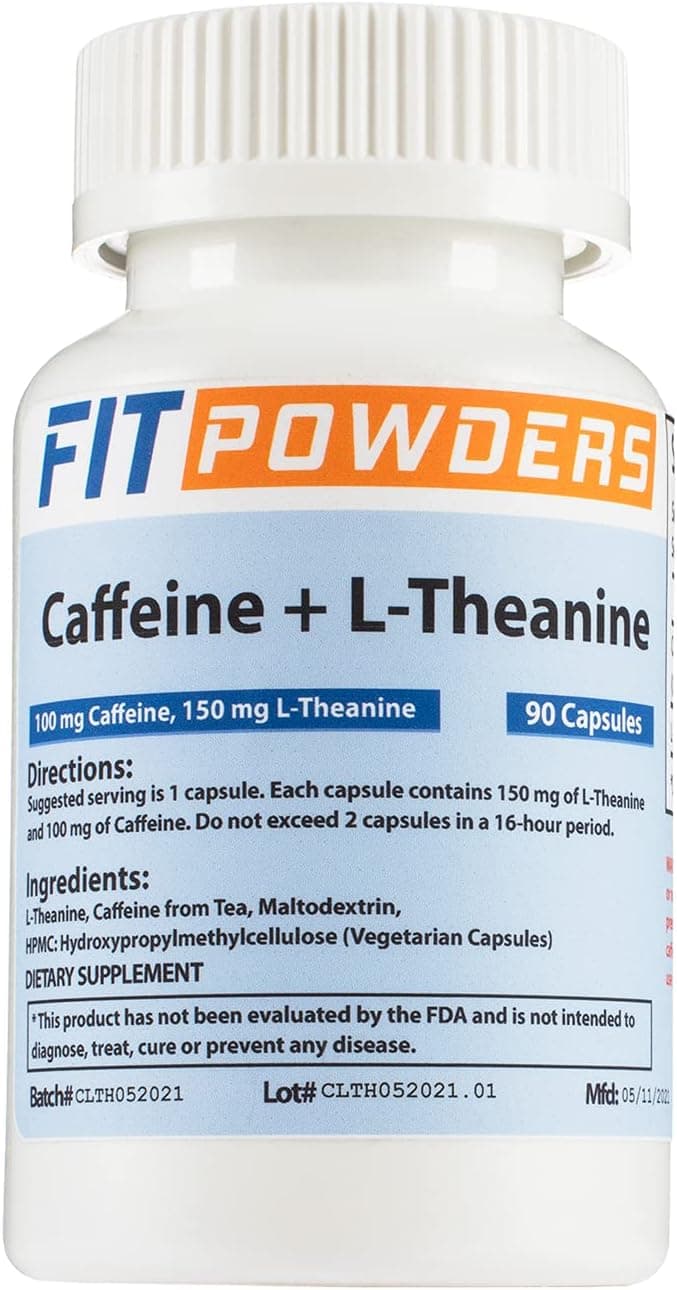
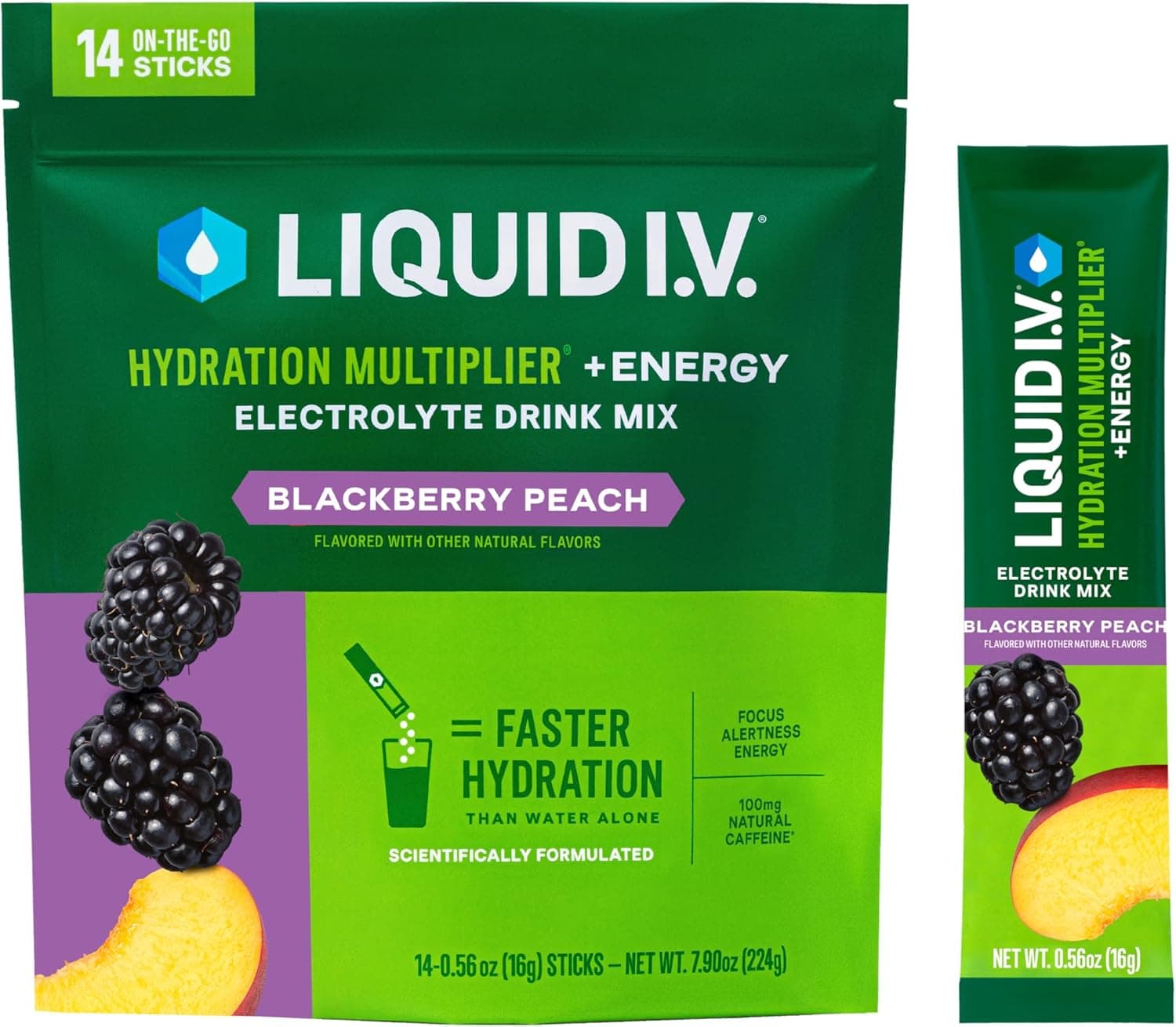
Caffeine blocks adenosine receptors, which is what lifts alertness and also what brings the edge. L-theanine acts on glutamate signalling and raises alpha-wave activity, a calmer footing that softens the jitter without cancelling the alertness. Formulas pair them so the stimulant reads as focus rather than agitation.
Nothing specific on file for L-Theanine. Match the label to the daily amount above, and tell your doctor what you take.
Not medical advice. Show the label to your pharmacist.What L-Theanine actually does.
Theanine is a close chemical relative of glutamic acid and the main free amino acid in tea leaf, which is why tea is where you get it in food.
It crosses into the brain on LAT1, the same carrier that ferries large neutral amino acids like tryptophan, tyrosine and the branched-chain ones.
An enzyme in your intestine and kidneys splits theanine into glutamate and ethylamine, so part of an oral dose feeds into your ordinary glutamate pool.
Caffeine works by blocking adenosine receptors, and theanine works on a different pathway. That is the mechanistic reason the two get combined rather than doubling up on the same thing.
Where L-Theanine comes from.
Most theanine on shelves is built by bacteria or their enzymes rather than pulled out of tea leaves. Some is still extracted from tea, and some is a fifty-fifty mix of two mirror-image forms, only one of which has been studied in people. That is why the isomer letter on the label carries information the milligram number does not.
The same molecule is reached more than one way. Which route a given product used is a manufacturing choice, and the finished compound is the same either way.
Synthetic and fermentation routes start from glutamine and an ethylamine donor. The botanical route starts from Camellia sinensis leaf, where theanine is the main free amino acid.
A bacterial glutaminase transfers the gamma-glutamyl group to ethylamine, producing the L-isomer directly, where pure chemical synthesis gives the racemate.
Leaf is extracted in water, then theanine is separated from catechins and caffeine by ion-exchange or resin chromatography.
The isolate is crystallised and washed. Specifications cover residual ethylamine, solvents and heavy metals.
Chiral or enantioselective assay is what distinguishes single-isomer L-theanine from a racemic DL product carrying the same total milligrams.
Blended with carriers or into drink powders. The free amino acid picks up moisture, so packaging and flow agents matter.
Labels rarely state which of the three routes was used, and rarely state whether the material is single-isomer L or racemic DL.
Getting L-Theanine from food.
The whole-food sources on file. A supplement closes the gap, it does not replace dinner.
A gram-for-gram figure (how much of each you would eat to match a dose) will appear here once it is sourced and reviewed. This page will not print a number it cannot cite.
The forms it comes in.
The essence, in one line each.
- In a meta-analysis of randomized trials in healthy adults, L-theanine with caffeine improved attention-switching task accuracy (standardized mean difference 0.33), and L-theanine on its own modestly sped choice reaction time (standardized mean difference 0.35).Meta-analysis. Payne et al., 2025 (Nutrition Reviews). PMID 40314930 ↗
- A systematic review of 9 randomized trials found that 200 to 400 mg a day of L-theanine may help lower stress and anxious feelings in people facing stressful conditions.Systematic review. Williams et al., 2020 (Plant Foods for Human Nutrition). PMID 31758301 ↗
- In a 4-week randomized, placebo-controlled crossover trial in 30 healthy adults, 200 mg a day of L-theanine improved sleep quality on the Pittsburgh Sleep Quality Index, with shorter sleep latency and less sleep disturbance.Randomised trial. Hidese et al., 2019 (Nutrients). PMID 31623400 ↗
- Pooling the randomised trials, L-theanine was linked to small improvements in self-reported sleep quality, while objective sleep measures showed no detectable difference.Meta-analysis. Systematic review and meta-analysis, 2025. PMID 40056718 ↗
- In trained shooters, L-theanine taken with caffeine improved shooting accuracy and attention scores more than either taken alone.Randomised trial. Randomised controlled trial, 2023. PMID 37815006 ↗
- In athletes doing strenuous exercise, L-theanine shifted immune cell and antibody markers back toward pre-exercise levels compared with placebo. These are markers, not measured outcomes.Randomised trial. Randomised controlled trial, 2019. PMID 30770758 ↗
- Across dietary supplementation trials the authors reported that sleep findings for L-theanine were mixed and often based on self-reported measures, so the effect remains uncertain.Systematic review. Cotter et al., 2026 (Nutritional Neuroscience). PMID 41176609 ↗
- Twenty-eight days of a branded L-theanine ingredient in healthy adults reporting moderate stress produced changes in stress-related self-report measures alongside routine tolerability monitoring.Randomised trial. Moulin et al., 2024 (Neurology and Therapy). PMID 38758503 ↗
- Caffeine with L-theanine, combined with a diaphragmatic breathing protocol, was reported to change esports performance and cognitive measures relative to control.Randomised trial. Arslan et al., 2026 (Nutrition Research). PMID 42176572 ↗
- Caffeine and L-theanine were reported to affect cognitive and sport-specific performance measures in trained wrestlers.Randomised trial. Razazan et al., 2025 (Journal of the International Society of Sports Nutrition). PMID 40977612 ↗
- An exploratory study of combined GABA and L-theanine reported changes in sleep-quality ratings, with the authors framing the work as preliminary.Open-label trial. Konno et al., 2026 (European Review for Medical and Pharmacological Sciences). PMID 41636292 ↗
- A chamomile and theanine beverage was reported to change menstrual discomfort, mood and sleep ratings in young women. All endpoints were self-reported.Randomised trial. Soh et al., 2025 (Journal of Food and Drug Analysis). PMID 41525193 ↗
- The authors found the available trials few and heterogeneous, and concluded that effects of L-theanine on measured psychiatric rating-scale outcomes stayed uncertain.Systematic review. Moshfeghinia et al., 2024 (BMC Psychiatry). PMID 39633316 ↗
- A review of supplements used in children and adolescents with attention difficulties named L-theanine among ingredients with limited supporting data. The paper only mentions it inside a broader synthesis.Systematic review. Al Shahab et al., 2025 (Nutrients). PMID 40362791 ↗
- Dietary L-theanine was reported to change lipid metabolism markers and antioxidant capacity markers in weaning piglets. Marker data in animals, not a human outcome.Animal study. Chen et al., 2022 (Animal Biotechnology). PMID 35852117 ↗
- Dietary L-theanine was associated with shifts in skeletal muscle fibre type distribution in weaning piglets, a mechanistic animal finding.Animal study. Chen et al., 2022 (Animal Biotechnology). PMID 35635297 ↗
- L-theanine in finishing pig diets was reported to alter meat-quality measures and muscle fibre type. Livestock production data, not human physiology.Animal study. Dai et al., 2023 (Journal of the Science of Food and Agriculture). PMID 36460906 ↗
- Dietary L-theanine was reported to change nutrient digestibility and production performance in heat-stressed dairy cows.Animal study. Yang et al., 2022 (Animal Nutrition). PMID 36329682 ↗
These are the studies our verdict leans on, chosen from the 339 we read for L-Theanine. The full linked list is below.
The studies, linked.
7 sources behind our L-Theanine verdict: peer-reviewed studies and registered clinical trials. Every one links straight to PubMed, the journal, or ClinicalTrials.gov. Read them yourself.
- Clinical trialEvaluating the Efficacy of a Supplement Combination for Improving Stress and Sleep: A Randomized Placebo-Controlled Clinical TrialClinicalTrials.gov ↗115 participants, Completed
- Clinical trialA Double Blind, Randomized Placebo Controlled Clinical Trial Examining the Effects of L-Theanine (Suntheanine®) in Male Child Subjects With Attention Deficit Hyperactivity DisorderClinicalTrials.gov ↗Phase 2, 100 participants, Completed
- Clinical trialCan L-Theanine Supplementation or Diaphragmatic Breathing Exercises in Addition to Caffeine Supplementation Be Used as Ergogenic Aids to Influence Game Performance in Esports Players?ClinicalTrials.gov ↗15 participants, Completed
- Clinical trialEffects of L-theanine and Caffeine on Attention and Attention-related Brain Activity of Male Children and Adolescents With Attention Deficit Hyperactivity Disorder: a proof-of- Concept fMRI Study.ClinicalTrials.gov ↗Early phase 1, 6 participants, Completed
- Clinical trialAddition of Both Pregnenolone and L-theanine to Ongoing Antipsychotic Treatment for Schizophrenia and Schizoaffective Disorders: an 8-week, Randomized, Double-blind, Placebo-controlled Multicenter StudyClinicalTrials.gov ↗60 participants, Unknown
- Clinical trialInvestigating the Feasibility and Relationship of L-Theanine in Supporting Relaxation and Mood in Cancer Patients in SurveillanceClinicalTrials.gov ↗Early phase 1, 50 participants, Recruiting
- Clinical trialThe Impact of a Synbiotic Supplement Containing Botanical Extracts and Multiple Probiotic Strains on Gut Microbiota Balance in Patients With Irritable Bowel Syndrome: A Pilot Prospective Interventional StudyClinicalTrials.gov ↗8 participants, Not yet recruiting
Evidence surfaced via Semantic Scholar (Allen Institute for AI) and ClinicalTrials.gov. Ranked by study type and citation weight, not cherry-picked.
Problems people have reported.
Read this carefully. These are 890 voluntary, unverified reactions reported to the FDA (openFDA). The number mostly reflects how popular L-Theanine is, not how risky it is. A report is not proof L-Theanine caused anything. It is a signal of what to watch for, nothing more.
Source: openFDA adverse-event reports. Voluntary reporting, not an incidence rate.
FDA Disclaimer: These statements have not been evaluated by the Food and Drug Administration. This information is for educational purposes only and is not intended to diagnose, treat, cure, or prevent any disease. Consult your healthcare provider before starting any supplement regimen.