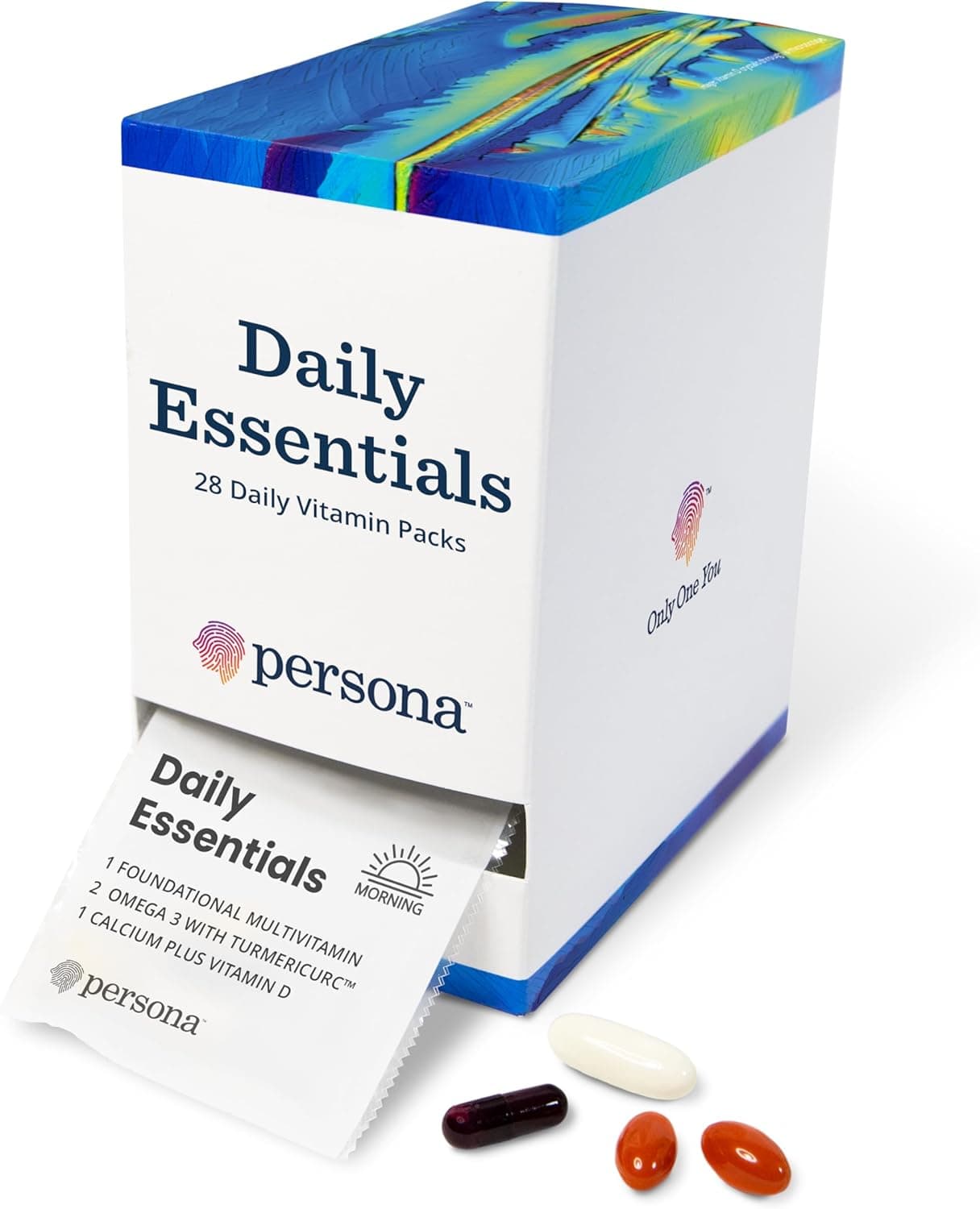
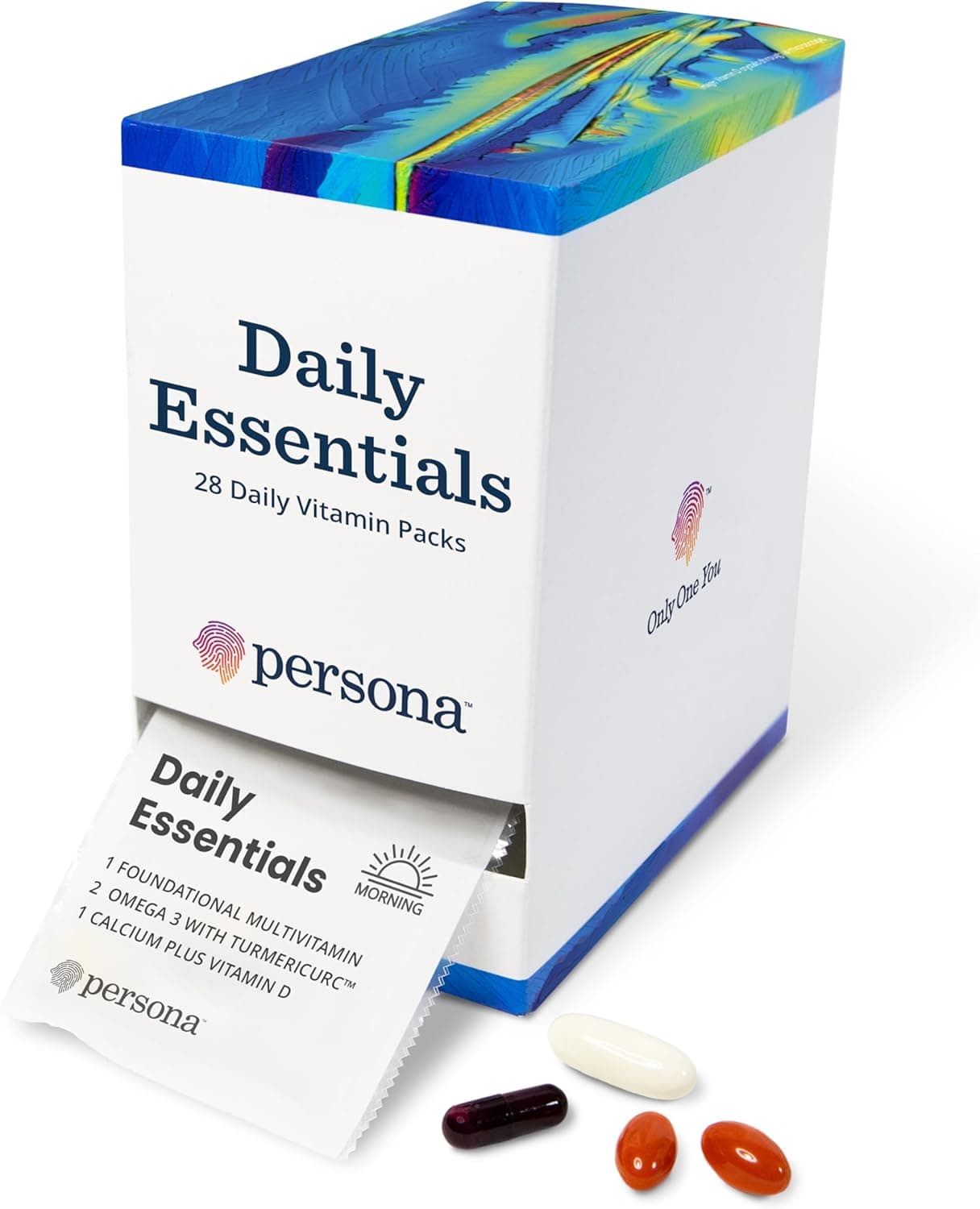
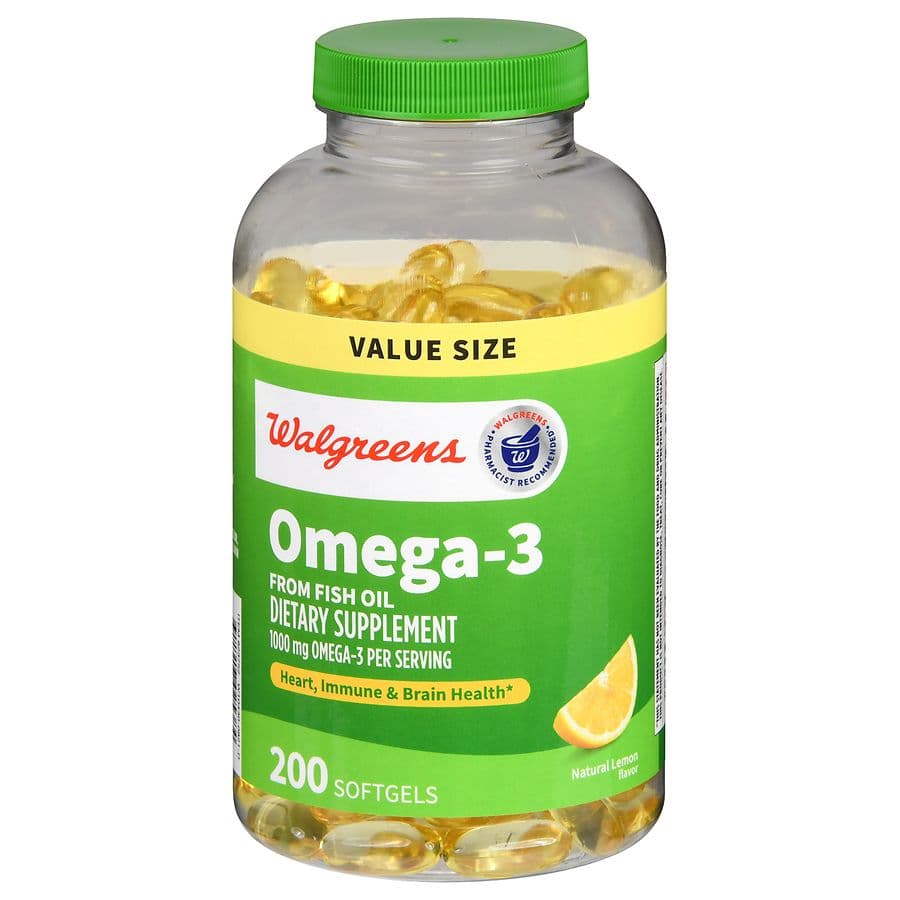
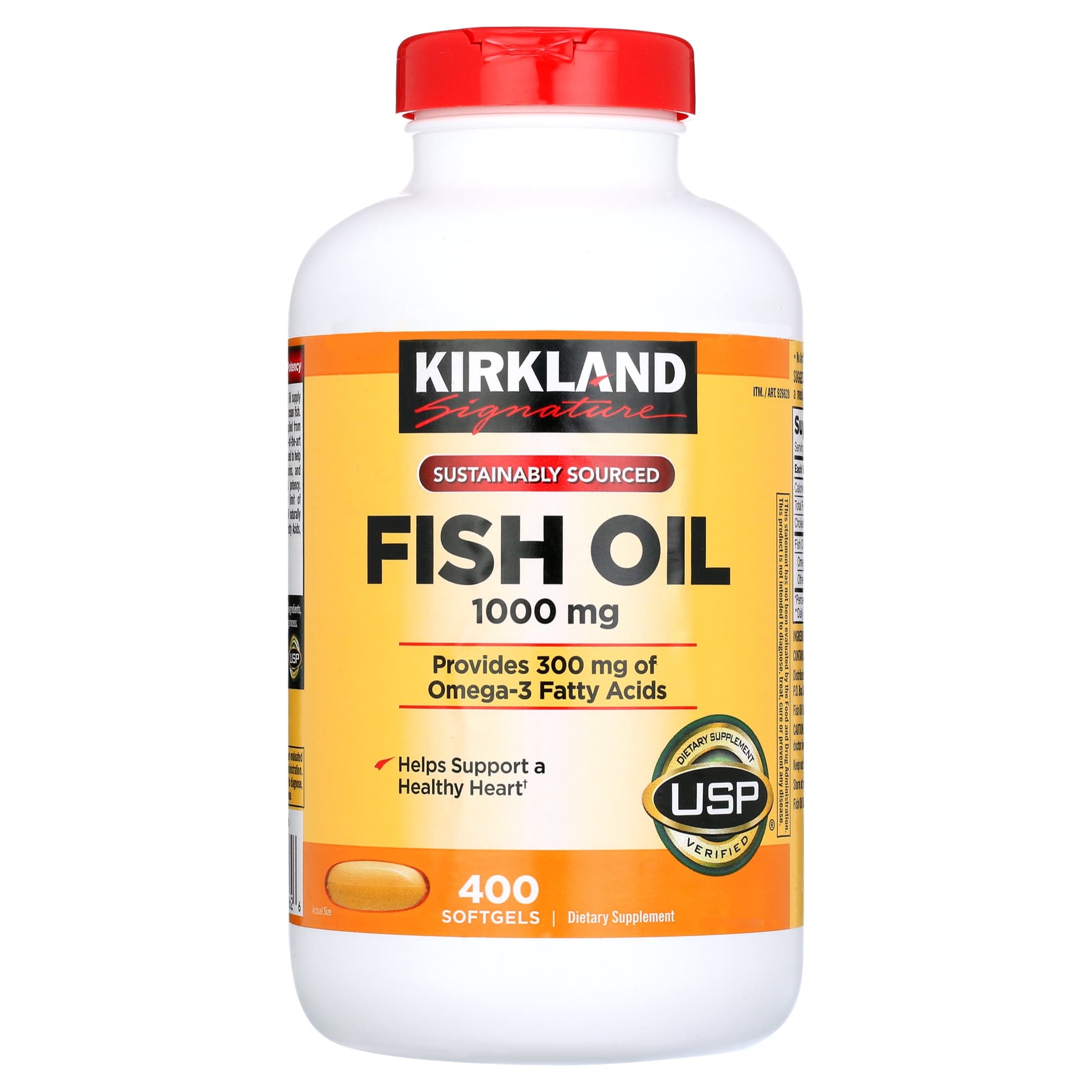
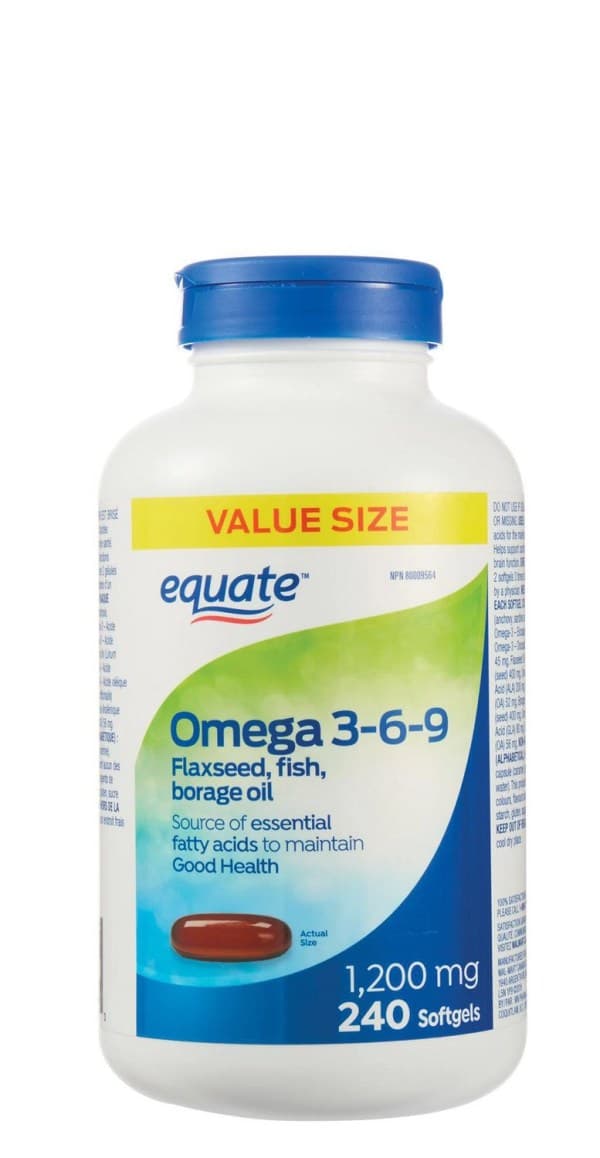
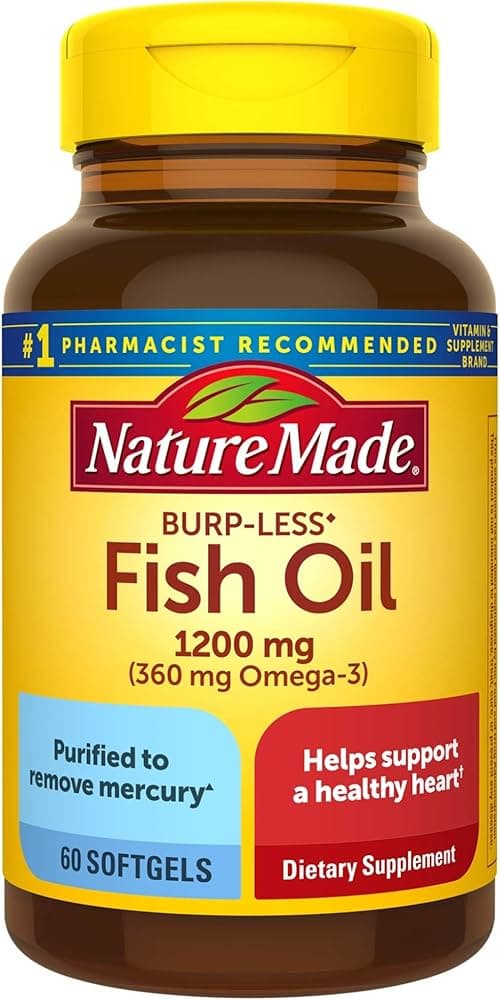
Fish Oils.
Research-backed fatty acid with potential health benefits. Supports heart health, brain function, and reduces systemic inflammation. Your body can't make these essential fats efficiently—you have to get them from your diet.
Reviewed March 2026
- Category
- Fatty acid
- Also called
- Fish Oil, Omega-3 Concentrate, EPA/DHA
What Fish Oils is, and what it does.
- Does it work
- Yes. Unless you're eating fatty fish like salmon or sardines 2-3 times a week, you're probably not getting enough.
- How much to take
- Aim for 1-2 grams of combined EPA + DHA daily. Not total fish oil - the EPA and DHA numbers are what matter. Read the back of the bottle.
- Time to feel it
- About eight weeks of daily use.
- The first dose
- Nothing. Maybe fish burps if you take it on an empty stomach.
- With regular use
- Better cardiovascular markers like triglycerides, less joint stiffness, and potentially better mood and cognitive function over months.
- How well tolerated
- Generally well tolerated. The main issue is blood thinning at high doses. If you're on anticoagulants or prepping for surgery, get medical guidance.
- How it feels
- A quiet background upgrade. It's not a 'feel it kick in' supplement. More like your body's systems just run a little bit better.
- The overlooked benefit
- DHA is the most abundant long-chain fat in the retina and in neuronal membranes, so an omega-3 habit feeds your eyes and brain, not only your heart.
500 to 2,000mg a day is where Fish Oils works.
Source: GISSI-HF 2008 + AHA 2019 Guidelines
In a randomised single-blind trial, 20 participants took either fish oil supplying 1,296 mg EPA and 864 mg DHA daily or flaxseed oil for eight weeks, with erythrocyte membrane and plasma samples drawn at weeks 0, 4, 8, 10, 12, 14, 16 and 24. On fish oil, erythrocyte membrane EPA rose 300 percent and DHA rose 42 percent by week eight. Levels held until about week 12 and then declined across the post-supplementation sampling, faster in plasma phospholipids than in erythrocyte membranes. Membrane fatty acid content was measured, not a symptom, and this is one trial of 20 people.
Kept, not banked. The cited trial measured a return toward baseline after the last dose, so the effect holds while it is taken daily, not stored up. That rests on the trial window above.
The proof, claim by claim.
These words describe the research, not the molecule's worth. Research strength is how much work stands behind one claim, and it is never a product score.
Fish Oils is documented in the library. The clinical read is in the queue. Nothing about the strength of the research prints until the read is done.
- triglycerides already in the normal rangeMeta-analysis
- heart and circulatory functionMeta-analysis
- a healthy inflammatory responseRandomised trial
- joint comfort and morning stiffnessMeta-analysis
- mood steadinessMeta-analysis
- retinal and neuronal membrane compositionNarrative review
- eye comfort and tear film qualityRandomised trial
Questions people ask about Fish Oils.
- What are EPA and DHA?
- The two key omega-3s. EPA is great for inflammation and heart. DHA is critical for your brain and eyes. You need both.
- How do I avoid fish burps?
- Take it with a meal. Or, buy enteric-coated capsules, which dissolve in your intestine, not your stomach.
- Can I just eat flax seeds instead?
- Not really. Flax has ALA, which your body barely converts to the useful EPA/DHA. You need the real deal from fish or algae.
- How do I know if my fish oil is rancid?
- Cut a capsule open and smell it. It should smell like the ocean, not like rotten fish. If it's foul, toss it.
- Is more always better?
- No. Stick to 1-3 grams of combined EPA/DHA unless a doctor tells you otherwise. Very high doses increase bleeding risk.
- Does it have to be refrigerated?
- Capsules, no. Liquid fish oil, yes, absolutely, after you open it. It goes rancid quickly otherwise.
Why these belong in the same formula. Each row says what the basis is, from settled biochemistry through to a trial that measured the pair.
The long-chain omega-3s in fish oil oxidize readily because of their many double bonds, and vitamin E is the fat-soluble antioxidant that intercepts that oxidation, which is why it is added to most fish oil softgels. A higher intake of these fatty acids also raises the body's ongoing need for vitamin E to keep them protected inside cell membranes.
Vitamin D is fat-soluble, so it is absorbed more completely when it dissolves into dietary fat and forms the mixed micelles the small intestine takes up. The oil in a fish oil capsule supplies that fat, which is why the two are common companions and why cod liver oil naturally carries both.
Astaxanthin is a fat-soluble antioxidant that sits in the same oil phase as the omega-3s and helps slow their oxidation, the role it plays naturally in krill oil. Astaxanthin itself needs dietary fat to be absorbed, so the oil doubles as the carrier that moves it into the body.
CoQ10 is lipophilic and depends on an oil phase to enter mixed micelles. Fish oil supplies that carrier.
Phospholipids disperse the oil into finer droplets so lipase has more surface. Long-standing practice in omega-3 emulsions.
DHA is carried mainly as phosphatidylcholine and choline supplies that head group. Both halves of the same membrane molecule.
Long-chain fatty acids enter mitochondria only as acylcarnitines, and carnitine is that carrier. It is the gate on normal long-chain fat oxidation.
Glutathione peroxidase is a selenoenzyme that reduces lipid hydroperoxides. A larger polyunsaturated load raises the peroxide it must clear.
Desaturase and elongase steps in fatty acid handling depend on zinc status. Low zinc slows that pathway.
Lutein is absorbed only when micellised with dietary fat. Co-dosing with an oil raises the absorbed fraction.
Rosemary diterpenes are the standard oil-phase antioxidant for marine oils. This protects the ingredient on the shelf.
Tocotrienols intercept peroxyl radicals in the lipid phase alongside tocopherol. They share the same chain-breaking job.
EPA shifts thromboxane output while ginkgolides antagonise platelet activating factor. Both nudge normal platelet function the same way and the effect adds.
Garlic organosulfur compounds lower aggregation by a route independent of eicosanoids. Together with EPA the effect on normal platelet function adds up.
Salicylate blocks platelet thromboxane synthesis, the very output EPA competes with as substrate. The two effects on normal platelet function stack.
Omega-6 gamma-linolenic acid and omega-3 fatty acids use the same desaturase and elongase enzymes and compete for phospholipid slots. A heavy omega-6 dose dilutes the omega-3 membrane profile.
Unbound iron catalyses peroxidation of long-chain polyunsaturated fat. High iron beside an unprotected oil favours rancidity chemistry.
Triglyceride oil must be hydrolysed by lipase before the fatty acids absorb. Added lipase supports that step when bile flow is modest.
EPA is elongated and desaturated through docosapentaenoic acid toward DHA, so a fish oil supplies both a finished product and a precursor for it. Conversion in adults is limited, which is why the finished DHA content of an oil matters rather than the total omega-3 number alone. Different oils carry very different EPA to DHA ratios.
EPA is the substrate for the E-series resolvins and competes with arachidonic acid at cyclooxygenase and lipoxygenase. Its share of a given fish oil varies with species and with how the oil was concentrated. Reading the EPA and DHA figures rather than the total oil weight is the practical point.
Long-chain triglycerides need bile salt micelles before pancreatic lipase products can be absorbed, so bile flow is a genuine limiter for marine oil uptake. Supplemental bile acids are used where that step is compromised. This is digestive physiology rather than a demonstrated increase in omega-3 status.
Pancreatic lipase cleaves the sn-1 and sn-3 positions of a triglyceride to leave a 2-monoacylglycerol for absorption. Ethyl ester omega-3 preparations are poorer substrates for that enzyme than triglycerides are, which is one reason meal fat matters more for them. Supplemental lipase addresses the hydrolysis step, not the transport step.
Taking a marine oil with dietary fat triggers bile release and raises the absorbed fraction substantially compared with an empty stomach. Medium-chain triglycerides are absorbed by a different route themselves but still contribute to the fat load that drives that response. The practical instruction is to take the oil with a meal.
Phospholipid emulsifiers pre-disperse the oil into fine droplets, increasing the surface area available to lipase and bile. Emulsified marine oil preparations are used for that reason and because they reduce the oily mouthfeel. The effect is on delivery, not on the fatty acids themselves.
Each double bond in EPA and DHA creates a bis-allylic site vulnerable to peroxidation, so tocopherols are added to marine oils to interrupt the chain reaction. The tocopherol is consumed doing this, which is why heavily oxidised oils also test low for it. Almost every fish oil softgel carries a tocopherol for this reason.
Krill delivers EPA and DHA largely bound to phospholipids rather than to triglycerides, which changes how they are packaged in the gut and carries choline along with them. Comparative absorption studies have reported differences in plasma appearance between the two carriers, and those studies measure a plasma marker rather than an outcome. Combining the two supplies the same fatty acids through two carriers.
DHA is concentrated at the sn-2 position of neuronal membrane phospholipids, and phosphatidylserine is one of the phospholipid classes that carries it. The pairing appears in cognitive formulas on that structural rationale. Combination trials specific to the pair are limited.
Omega-6 and omega-3 fatty acids compete for the same delta-6 desaturase and elongase enzymes, so a diet high in linoleic acid reduces conversion of alpha-linolenic acid onward to EPA. Preformed EPA and DHA from a marine oil bypass that bottleneck. The competition also plays out at the level of eicosanoid precursor pools in the membrane.
GLA is an omega-6 intermediate that uses the same elongase and desaturase steps as the omega-3 series. Supplying it alongside a marine oil pushes substrate into the omega-6 branch. Formulas combining the two usually keep the marine oil dose dominant for that reason.
High-dose marine omega-3 fatty acids modestly reduce platelet aggregation, and nattokinase has fibrinolytic activity of its own. Stacking two agents that act on normal clotting function is a combination to flag rather than to recommend, particularly around surgery or alongside prescribed anticoagulants. Anyone in that situation should raise it with their clinician.
Curcuminoids and long-chain omega-3 fatty acids both act on the arachidonic acid cascade, curcumin at the enzyme level and omega-3 by substrate displacement. The pairing is common in joint comfort formulas on that rationale. It also means the mild platelet effects of each are additive and worth flagging.
Ascorbate reduces the tocopheroxyl radical back to tocopherol at the water-lipid interface, sustaining the antioxidant that protects polyunsaturated fatty acids. The pairing matters more the higher the polyunsaturated load. It supports lipid stability rather than adding an omega-3 effect.
Free fatty acids form insoluble calcium soaps in the intestinal lumen, which is why large calcium doses taken with a fat load increase faecal fat excretion. With a triglyceride oil the effect is modest and dose dependent. Separating a large calcium dose from a large oil dose sidesteps it.
Taurine conjugates bile acids, and bile is what emulsifies long-chain fats for absorption. Taurine and DHA are also both concentrated in retinal and cardiac tissue. The absorption link is mechanistic. The tissue overlap is descriptive rather than a demonstrated interaction.
Nothing specific on file for Fish Oils. Match the label to the daily amount above, and tell your doctor what you take.
Not medical advice. Show the label to your pharmacist.What Fish Oils actually does.
Fish oil provides the long-chain omega-3 fats EPA and DHA ready-made, skipping the slow conversion your body would otherwise need from plant-based omega-3s.
When EPA and DHA take the place of arachidonic acid in cell membranes, they change which signaling molecules the cell's enzymes end up making.
EPA and DHA are the raw material for a group of signaling molecules that help wind down a normal inflammatory response once it's done its job.
DHA is the main long-chain fat in the membranes of eye and nerve cells, where its flexible shape helps membrane proteins move and work properly.
Where Fish Oils comes from.
Small oily fish are cooked and pressed, and the oil that comes out is cleaned up under vacuum to take out contaminants and the fishy smell. It can then be concentrated so more of it is EPA and DHA, an antioxidant is added to stop it going off, and it is put into capsules, a bottle or a powder.
Made from an animal material. Species and tissue are the things worth knowing, and both belong on a label.
Most supplement oil comes from short-lived, fast-reproducing species such as anchovy, sardine and menhaden, or from trimmings left over from processing larger fish
The fish are cooked to break the cell structure, pressed, and the liquor is centrifuged to separate crude oil from stickwater and solids
Degumming, alkali refining, bleaching and deodorising remove free fatty acids, pigments and odour compounds. Short-path molecular distillation under vacuum separates out environmental contaminants including mercury, dioxins and PCBs
Transesterification to ethyl esters allows fractional distillation or urea complexation to raise EPA and DHA content, and an enzymatic step can return those concentrated fatty acids to a glycerol backbone
Batches are specified on EPA and DHA content, peroxide and anisidine values as measures of oxidation, and contaminant limits. Antioxidants such as tocopherols and rosemary extract are added at this stage
The finished oil is filled into gelatin or plant-based softgels, bottled as a flavoured liquid, or microencapsulated into a powder for dry formats
Species, catch region and whether the oil is a natural triglyceride or a re-esterified concentrate are often absent from the label, and only a certificate of analysis shows the oxidation and contaminant numbers.
Getting Fish Oils from food.
The whole-food sources on file. A supplement closes the gap, it does not replace dinner.
A gram-for-gram figure (how much of each you would eat to match a dose) will appear here once it is sourced and reviewed. This page will not print a number it cannot cite.
The forms it comes in.
The essence, in one line each.
- Across 86 randomised trials in 162,796 adults, higher long chain omega-3 intake lowered blood triglycerides by about 15 percent in a dose-dependent way, while all-cause mortality showed little or no difference.Meta-analysis. Abdelhamid et al., 2020 (Cochrane Database of Systematic Reviews). PMID 32114706 ↗
- Pooling 70 randomised trials, EPA plus DHA lowered systolic blood pressure by about 1.5 mmHg and diastolic by about 1.0 mmHg, with a larger systolic drop of about 4.5 mmHg in untreated adults whose blood pressure was elevated.Meta-analysis. Miller et al., 2014 (American Journal of Hypertension). PMID 24610882 ↗
- Across 10 randomised trials in older adults, omega-3 was associated with about 0.33 kg more muscle mass and a 0.30 second faster timed up and go, with the muscle effect larger at doses above 2 g per day.Meta-analysis. Huang et al., 2020 (Nutrients). PMID 33291698 ↗
- Pooling randomised trials in healthy adults, long-chain omega-3 supplementation was associated with modest reductions in reported muscle soreness and in blood markers of muscle damage after exercise, with muscle function results less consistent.Meta-analysis. Yaghoobi et al., 2026 (Nutrients). PMID 42124047 ↗
- In middle-aged and older adults, fish oil supplementation shifted several blood markers related to vascular endothelial function compared with control. These are markers rather than measured outcomes.Randomised trial. Quan et al., 2026 (Food & function). PMID 41568898 ↗
- In a double-blind trial in healthy adults, krill oil raised plasma omega-3 fatty acid levels more than an equivalent dose of fish oil did.Randomised trial. Loukil et al., 2026 (The American journal of clinical nutrition). PMID 42144109 ↗
- Used natural isotopic abundance to estimate the half-life and turnover rate of EPA, n-3 docosapentaenoic acid and DHA in people, quantifying how slowly these fatty acid pools change.Cohort study. Symington et al., 2026 (The American Journal of Clinical Nutrition). PMID 41956323 ↗
- A systematic review and meta-analysis of omega-3 polyunsaturated fatty acid exposure and cardiovascular outcomes in people receiving dialysis. Exposure-outcome associations of this kind describe correlation and do not establish cause.Meta-analysis. Shokravi et al., 2026 (Future Cardiology). PMID 41851014 ↗
- Reviews the evidence base for fish oil supplements in people with reduced kidney function and summarises where the trial data are and are not consistent.Narrative review. Ferro et al., 2026 (Clinical Kidney Journal). PMID 42293365 ↗
- A Cochrane review of enteral lipid supplements, including fish oil derived lipids, in infants receiving parenteral nutrition. It reports the certainty of the pooled evidence alongside the effect estimates.Systematic review. Premkumar et al., 2026 (Cochrane Database of Systematic Reviews). PMID 41609005 ↗
- Systematic review of animal-based foods, marine oils among them, on metabolic markers in adults with elevated liver fat. The endpoints pooled are metabolic markers rather than clinical events.Systematic review. Jurek et al., 2026 (Nutrients). PMID 42196968 ↗
- Tested a supplement combining fish protein, vitamin D and omega-3 fatty acids taken during a period of high training load. Because the supplement is multi-component, any effect cannot be attributed to the fish oil alone.Randomised trial. Kosmidis et al., 2026 (European Journal of Nutrition). PMID 42189275 ↗
- Sets out a randomised design combining omega-3 rich fish oil with high-intensity interval training in adults with excess body weight. The paper reports the trial design rather than results.Randomised trial. Azari et al., 2026 (Contemporary Clinical Trials). PMID 41997541 ↗
- Evaluated fish oil supplementation added to a low-dose prescribed dermatological regimen, reporting skin severity scores and tolerability measures.Randomised trial. Sungkhasunya et al., 2026 (Journal of the American Academy of Dermatology). PMID 41791524 ↗
- Fish oil derived EPA and DHA increased synthesis of pro-resolving oxylipins in livestock, mapping the specialised mediator pathway these fatty acids feed.Animal study. Pittaluga et al., 2026 (Journal of Animal Science). PMID 41883159 ↗
- A modified freshwater fish oil altered gut microbial composition and liver metabolism in a rodent model of metabolic disturbance. Rodent metabolic models do not transfer directly to people.Animal study. Li et al., 2026 (Journal of Agricultural and Food Chemistry). PMID 42202220 ↗
- Compared dietary fish oil, microalgae and plant oils on egg quality and yolk fatty acid composition, showing how dietary source shapes the fatty acid profile of the product.Animal study. Konca et al., 2026 (Poultry Science). PMID 42497795 ↗
These are the studies our verdict leans on, chosen from the 45,219 we read for Fish Oils. The full linked list is below.
Problems people have reported.
Read this carefully. These are 1,029 voluntary, unverified reactions reported to the FDA (openFDA). The number mostly reflects how popular Fish Oils is, not how risky it is. A report is not proof Fish Oils caused anything. It is a signal of what to watch for, nothing more.
Source: openFDA adverse-event reports. Voluntary reporting, not an incidence rate.
FDA Disclaimer: These statements have not been evaluated by the Food and Drug Administration. This information is for educational purposes only and is not intended to diagnose, treat, cure, or prevent any disease. Consult your healthcare provider before starting any supplement regimen.