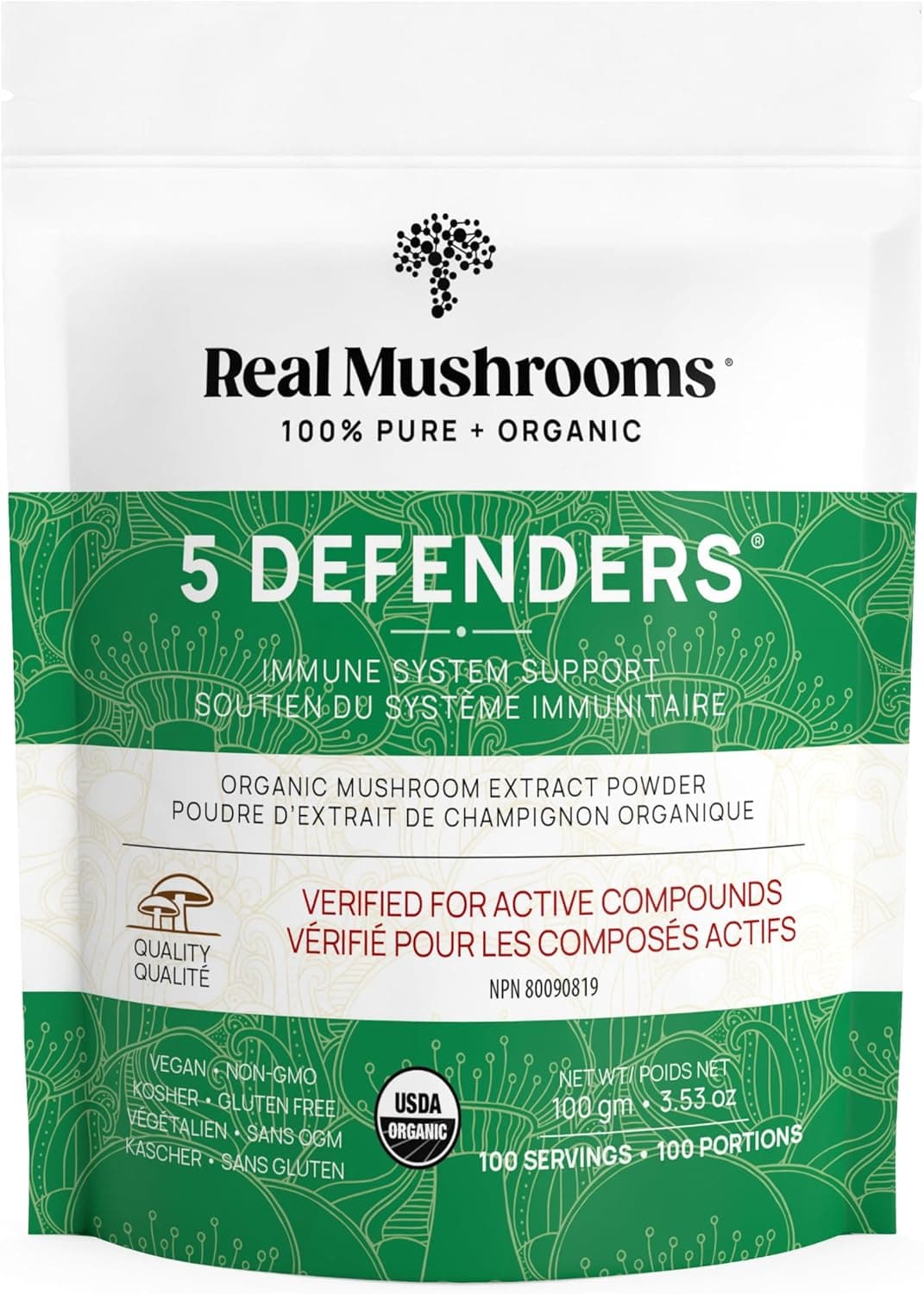
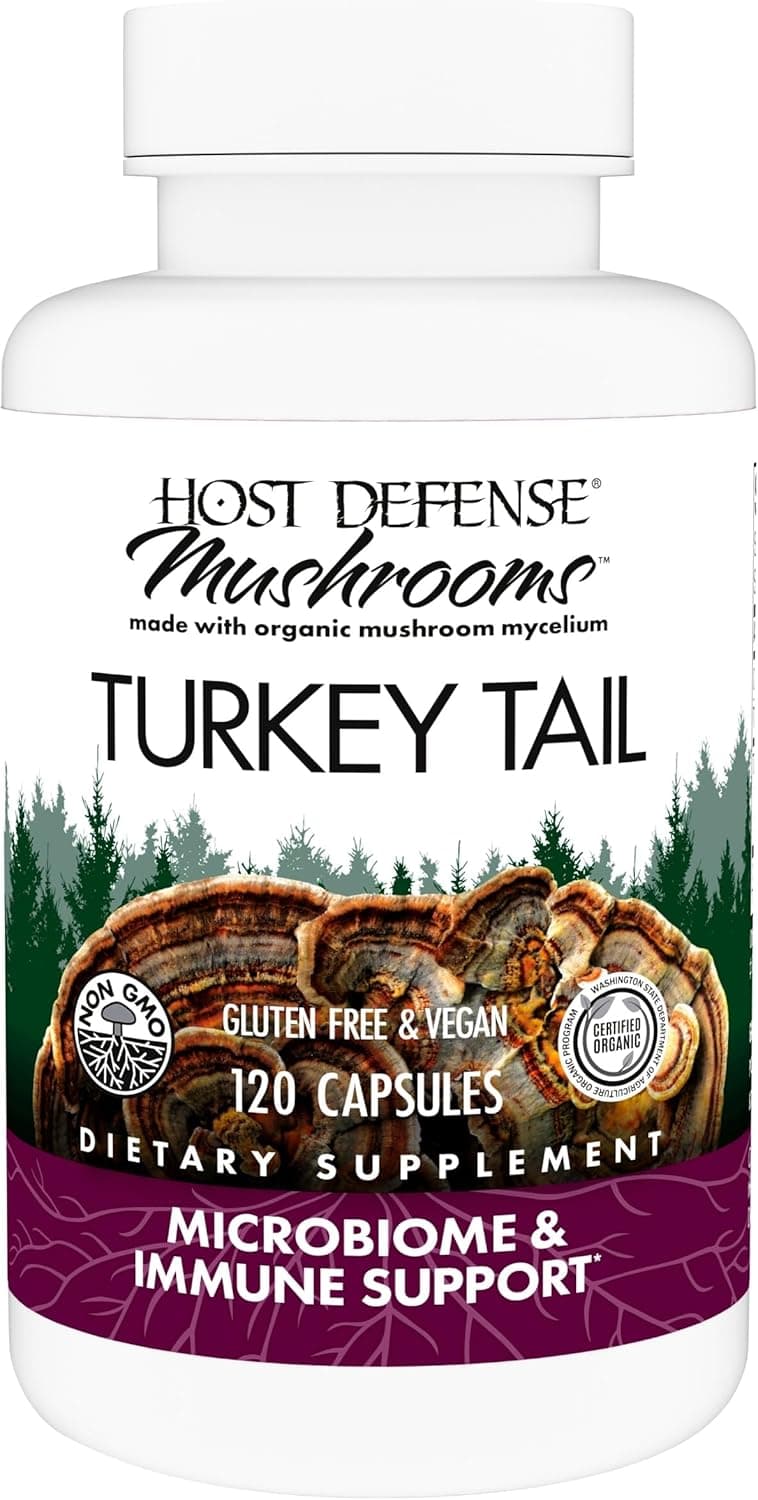
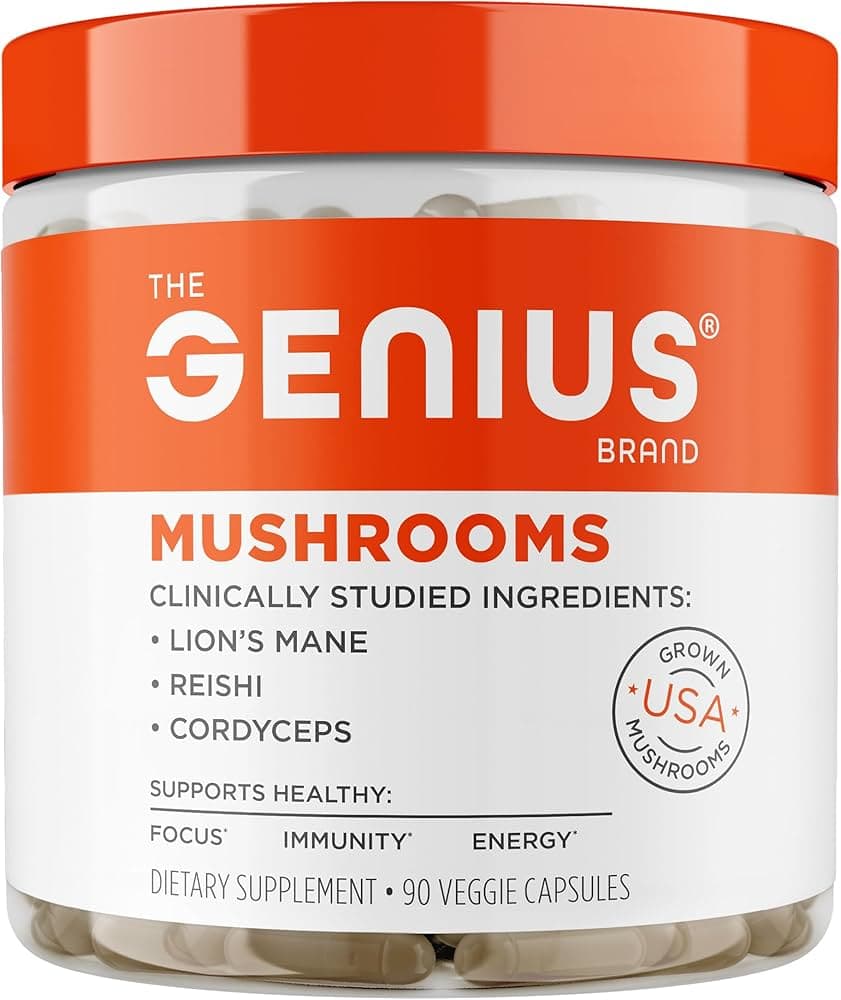
Reishi (Ganoderma lucidum).
The immortality mushroom. Immune modulation, stress reduction.
Reviewed March 2026
- Category
- Mushroom
- Also filed under
- ImmuneStressSleep
- Also called
- Reishi Mushroom, Ganoderma Lucidum, Reishi Extract
What Reishi (Ganoderma lucidum) is, and what it does.
- Does it work
- Suits people who want an evening mushroom for winding down alongside general immune support. Extraction matters as much as dose, so read what came out.
- How much to take
- Start with 1g to 3g a day of a dual extract. Check the beta-glucan or triterpene percentage on the label, since that is what the extraction actually delivered.
- Time to feel it
- Two to eight weeks for the changes trials measure. The settled evening feeling some people describe tends to show up inside the first fortnight.
- The first dose
- A bitter cup or capsule, and for some a calmer evening. The immune-side changes trials look at are read in blood rather than felt.
- With regular use
- Most effects take 2-8 weeks. Be patient.
- How well tolerated
- Generally well tolerated. Check with your doctor if on medications.
- How it feels
- Calming. Some feel more relaxed. Better sleep for many.
- The overlooked benefit
- Bitterness is a rough read on triterpene content, because the ganoderic acids are the bitter compounds. A bland reishi is usually the polysaccharide-weighted side of the extraction.
1 to 3g a day is where Reishi (Ganoderma lucidum) works.
Source: Jin et al. 2012 Cochrane Review; Tang et al. 2012 J Ethnopharmacol
The proof, claim by claim.
These words describe the research, not the molecule's worth. Research strength is how much work stands behind one claim, and it is never a product score.
Based on 20 human trials with 60% consistency.
- Innate immune cell signalling through dectin-1In vitro study
- Fatigue and quality of life measuresRandomised trial
- Sleep qualityAnimal study
- Glucose and lipid markers already in the normal rangeMeta-analysis
- Colonic fermentation of fungal beta-glucanNarrative review
Questions people ask about Reishi (Ganoderma lucidum).
- When should I take it?
- Morning for energy-related benefits, evening for calming ones. Take with food to reduce any stomach upset.
- How long until I notice something?
- Most people notice something within 2-4 weeks. Full effects usually take 6-8 weeks. Be patient.
- Should I cycle it?
- Good idea. Take 6-8 weeks on, 1-2 weeks off. Adaptogens can lose effectiveness with constant use. Your body adapts to adaptogens (ironic, right?).
- Any drug interactions I should know about?
- Always check with your pharmacist before combining with prescription meds. Herbs can affect how your liver processes drugs, sometimes in surprising ways.
- Can I take it with other supplements?
- Usually fine. The main thing to watch is not doubling up on the same ingredient from different products. If you're on prescription meds, check with your pharmacist first.
Why these belong in the same formula. Each row says what the basis is, from settled biochemistry through to a trial that measured the pair.
Both mushrooms supply beta-glucans recognised by dectin-1 and complement receptors on innate immune cells. Their polysaccharide fractions differ in branching and molecular weight, so blends aim at a wider range of that same recognition pathway.
Reishi constituents and high-dose EPA/DHA each dampen normal platelet aggregation by different routes, so the effects can add up when both are taken. Anyone already taking blood-thinning medicine should clear the combination with a clinician.
Maitake beta-1,6-branched-1,3-glucan and reishi glucans both engage dectin-1 and complement receptor 3 on innate immune cells, and their different branching patterns mean each reaches a somewhat different receptor population.
Yeast beta-1,3/1,6-glucan and reishi's fungal glucans bind the same dectin-1 receptor on innate immune cells, so receptor availability rather than dose becomes the limiting factor when both are present.
Reishi contains adenosine and triterpenes that damp platelet aggregation, and ginkgolides block platelet activating factor, so the two push normal platelet function in the same direction. Worth flagging alongside blood-thinning medicine.
Garlic organosulfur compounds and reishi's adenosine fraction both reduce platelet aggregation, so stacking them moves normal platelet function further in the same direction than either alone.
Both are basidiomycetes whose cell walls carry beta-1,3/1,6-glucans that human enzymes cannot cleave, so both reach the colon intact. They are routinely blended in mushroom complexes and their non-glucan fractions differ, hericenones and erinacines on one side, triterpenes on the other. The glucan load adds up, which is the part that matters for dosing.
Cordyceps contributes its own beta-glucan and nucleoside fraction to a blend that already carries reishi glucans. The two are additive on total glucan rather than complementary in mechanism. In a multi-mushroom capsule the declared blend weight tells you little about how much of either is present.
Astragalus and reishi have been combined for a long time in traditional formulas and both carry immune-active polysaccharides. Astragalus adds a distinct polysaccharide class along with cycloartane saponins. The pairing has a long use history and no combination trial was identified.
Schisandra lignans and reishi triterpenes both appear in traditional stress-support formulas and both support normal liver enzyme function in preclinical work. The combination is a formulation convention with separate rationales. No human combination study was identified.
Ashwagandha withanolides act on the stress axis and cortisol rhythm. Reishi is used in the same category on a different rationale. Both have a calming reputation in evening formulas, so their effects on alertness can add. Anyone combining them with a sedating medication should raise it with a clinician.
Rhodiola tends toward the stimulating end of the adaptogen category while reishi tends toward the calming end. Blending them is a formulation choice about net effect, not a mechanistic synergy. Timing matters more than the pairing itself.
Theanine promotes a relaxed but alert state and appears in the same evening formulas reishi does. The two act on unrelated targets, so the relationship is additive on subjective calm rather than mechanistic. Flag it as an additive-sedation direction rather than a benefit claim.
Melatonin shifts sleep timing through MT1 and MT2 receptors, a route reishi does not touch. Because both sit in evening products the combined effect on drowsiness can be larger than expected. That is a caution about stacking, not evidence they work better together.
Chamomile's apigenin binds benzodiazepine sites in laboratory work and the herb is a standard evening tea. Combined with reishi in a night-time blend the sedative direction adds. No combination study was identified.
Ganoderma triterpenes inhibit platelet aggregation in laboratory preparations, and nattokinase acts on fibrin. Stacking two agents that both nudge clot dynamics is worth flagging even without a combination trial. This is a caution row, not a benefit pairing.
Salicin from willow bark is converted to salicylate, which acetylates nothing but does shift platelet behaviour, and reishi triterpenes reduce platelet aggregation in vitro. The direction is additive. Anyone on an anticoagulant or antiplatelet regimen should raise the stack with their prescriber.
Fungal beta-glucans pass undigested to the colon, where resident bacteria ferment a portion of them to short-chain fatty acids. Supplying organisms alongside the substrate is the ordinary prebiotic and probiotic logic. Which strains actually ferment Ganoderma glucans is not well characterised, so the pairing is directional rather than specified.
Inulin is fermented quickly and proximally while fungal glucans ferment more slowly. Combining them broadens the fermentable substrate load rather than concentrating it. The practical cost is gas when the total is raised too fast.
Mushrooms make ergosterol, which ultraviolet light converts to vitamin D2, not the D3 humans make in skin. So a mushroom product is not a D3 source, and the two are separate line items on a label. Both support normal immune cell function through different routes.
Zinc is a cofactor for hundreds of enzymes and is required for normal development and function of immune cells. Fungal beta-glucans engage innate immune receptors on those same cells. The pairing supplies a cofactor and a stimulus rather than duplicating a mechanism.
Ascorbate accumulates in neutrophils and supports normal immune cell function, and it is a near-default companion in mushroom immune formulas. The rationales are separate and no combination study was identified. It is a formulation convention worth naming as such.
Silymarin supports normal liver antioxidant handling, and preclinical work on Ganoderma polysaccharides has looked at liver fat and liver enzyme measures in animals. Those animal readouts are markers in rodents, not human outcomes. The pair is a common formulation combination with separate preclinical rationales.
Talk to a doctor before taking Reishi (Ganoderma lucidum) if any of these apply to you: a blood thinner. These are flags to check first, not effects Reishi (Ganoderma lucidum) is known to cause.
Not medical advice. Show the label to your pharmacist.What Reishi (Ganoderma lucidum) actually does.
The carbohydrate that matters here is a beta-glucan built with links your digestive enzymes can't cut. So it reaches your colon, where the bacteria living there ferment part of it.
In laboratory systems, fungal beta-glucans are recognised by two receptors on innate immune cells, dectin-1 and complement receptor 3. That receptor-level fit is the basis for the whole beta-glucan category.
Reishi carries two chemically opposite groups: polysaccharides that dissolve in water, and triterpenes, the ganoderic acids, that dissolve in alcohol. One solvent can't pull both, which is why dual extraction exists as a category.
Reishi spores sit inside a hard chitin wall that resists both digestion and extraction. That's why spore products are sold cracked or de-walled, and why an intact-spore product behaves differently from a broken one.
Where Reishi (Ganoderma lucidum) comes from.
It is a mushroom that is farmed on wood or sawdust blocks rather than gathered. Once it is dried, makers soak it in hot water, in alcohol, or in both, because the two useful parts of it dissolve in different liquids. What appears on the label as beta-glucan or triterpene percentage is what came out of that step.
Produced by a cultured organism rather than harvested. The strain is selected and the conditions are controlled, so batches sit closer together than a field crop.
Hardwood logs, sawdust blocks or agricultural residues. Published work has tested date palm waste among other residues, and the substrate differs between producers.
The substrate is sterilised and inoculated with Ganoderma lucidum spawn, then held under controlled humidity while mycelium colonises it and fruiting bodies form over several months.
Fruiting bodies are cut and dried, or spores are collected from the mature cap and mechanically cracked to open the chitin wall.
Aqueous extraction pulls polysaccharides, ethanol pulls triterpenes, and a dual extract runs both and recombines them.
Extracts are filtered free of insoluble chitin and concentrated under vacuum before drying.
The concentrate is assayed and diluted to a declared percentage. A beta-glucan-specific assay matters because a total-polysaccharide number counts grain starch as well.
Dried extract is filled into capsules or kept as a hydroalcoholic tincture.
Getting Reishi (Ganoderma lucidum) from food.
The whole-food sources on file. A supplement closes the gap, it does not replace dinner.
A gram-for-gram figure (how much of each you would eat to match a dose) will appear here once it is sourced and reviewed. This page will not print a number it cannot cite.
The forms it comes in.
The essence, in one line each.
- In 110 adults with elevated blood lipids, 12 weeks of Ganoderma lucidum spore oil left total cholesterol, triglycerides and LDL cholesterol lower and HDL cholesterol higher than placebo.Randomised trial. Wang et al., 2025 (Nutrients). PMID 40077714 ↗
- Across small trials giving adults with raised blood sugar 1.4 to 3 g a day for 12 to 16 weeks, no change in HbA1c was detected (mean difference -0.10 percent, 95% CI -1.05 to 0.85), and total and LDL cholesterol were also unchanged.Meta-analysis. Klupp et al., 2015 (Cochrane Database of Systematic Reviews). PMID 25686270 ↗
- Older women taking 2,000 mg a day of a Ganoderma lucidum dry extract for eight weeks showed greater lymphocyte proliferation to a laboratory stimulus and a shift in T cell markers toward an anti-inflammatory profile compared with placebo.Randomised trial. Iser-Bem et al., 2024 (British Journal of Nutrition). PMID 38800991 ↗
- Adults taking Ganoderma lucidum reported better scores on self-rated psychological wellbeing measures than those on placebo.Randomised trial. Mitra et al., 2024 (International journal of medicinal mushrooms). PMID 39241163 ↗
- A double-blind trial of a mushroom blend containing reishi reported lower self-rated stress and fatigue and better sleep quality scores than placebo. The blend was tested as a whole.Randomised trial. Hisamuddin et al., 2026 (Brain and behavior). PMID 41540766 ↗
- A review of medicinal mushrooms and their bioactive compounds that names Ganoderma lucidum among them and maps the polysaccharide and triterpene classes from traditional use to current research interest.Narrative review. Sadowska A et al., 2026 (Molecules). PMID 42197308 ↗
- A review of proposed mechanisms by which Ganoderma lucidum constituents relate to blood sugar regulation, drawing chiefly on preclinical work. The authors present it as a candidate area rather than a settled human finding.Narrative review. Florea B et al., 2026 (Metabolites). PMID 42188043 ↗
- In mice on a high-fat diet, Ganoderma lucidum polysaccharides were associated with increased lipolysis and lower fat accumulation. A rodent result on excess body weight that does not carry over to people.Animal study. Sang T et al., 2026 (Journal of Agricultural and Food Chemistry). PMID 41442582 ↗
- A Ganoderma lucidum polysaccharide peptide fed to production animals was reported to change slaughter performance and intestinal measures. A livestock feeding study, not a human one.Animal study. Qin J et al., 2024 (Animal Biotechnology). PMID 37768126 ↗
- Hot water extract of Ganoderma lucidum cultivation residue fed to poultry was associated with changes in meat quality and tissue antioxidant capacity. An animal husbandry result about the residue rather than the extract sold to people.Animal study. Cai ZX et al., 2026 (Poultry Science). PMID 41933526 ↗
- Date palm waste was tested as a cultivation substrate for Ganoderma lucidum, showing that the substrate a commercial mushroom is grown on varies widely and is a supply-chain question rather than a health one.In vitro study. Rashwan MA et al., 2025 (Journal of the Air and Waste Management Association). PMID 40828968 ↗
- A single published report of acute neurological symptoms in a child following a multi-component medicinal fungi supplement. A single case with several organisms taken together, so no one component can be assigned responsibility.Case report. Melek Arsoy HE et al., 2026 (BMC Complementary Medicine and Therapies). PMID 42063068 ↗
These are the studies our verdict leans on, chosen from the 3,089 we read for Reishi (Ganoderma lucidum). The full linked list is below.
Problems people have reported.
Read this carefully. These are 41 voluntary, unverified reactions reported to the FDA (openFDA). The number mostly reflects how popular Reishi (Ganoderma lucidum) is, not how risky it is. A report is not proof Reishi (Ganoderma lucidum) caused anything. It is a signal of what to watch for, nothing more.
Source: openFDA adverse-event reports. Voluntary reporting, not an incidence rate.
FDA Disclaimer: These statements have not been evaluated by the Food and Drug Administration. This information is for educational purposes only and is not intended to diagnose, treat, cure, or prevent any disease. Consult your healthcare provider before starting any supplement regimen.