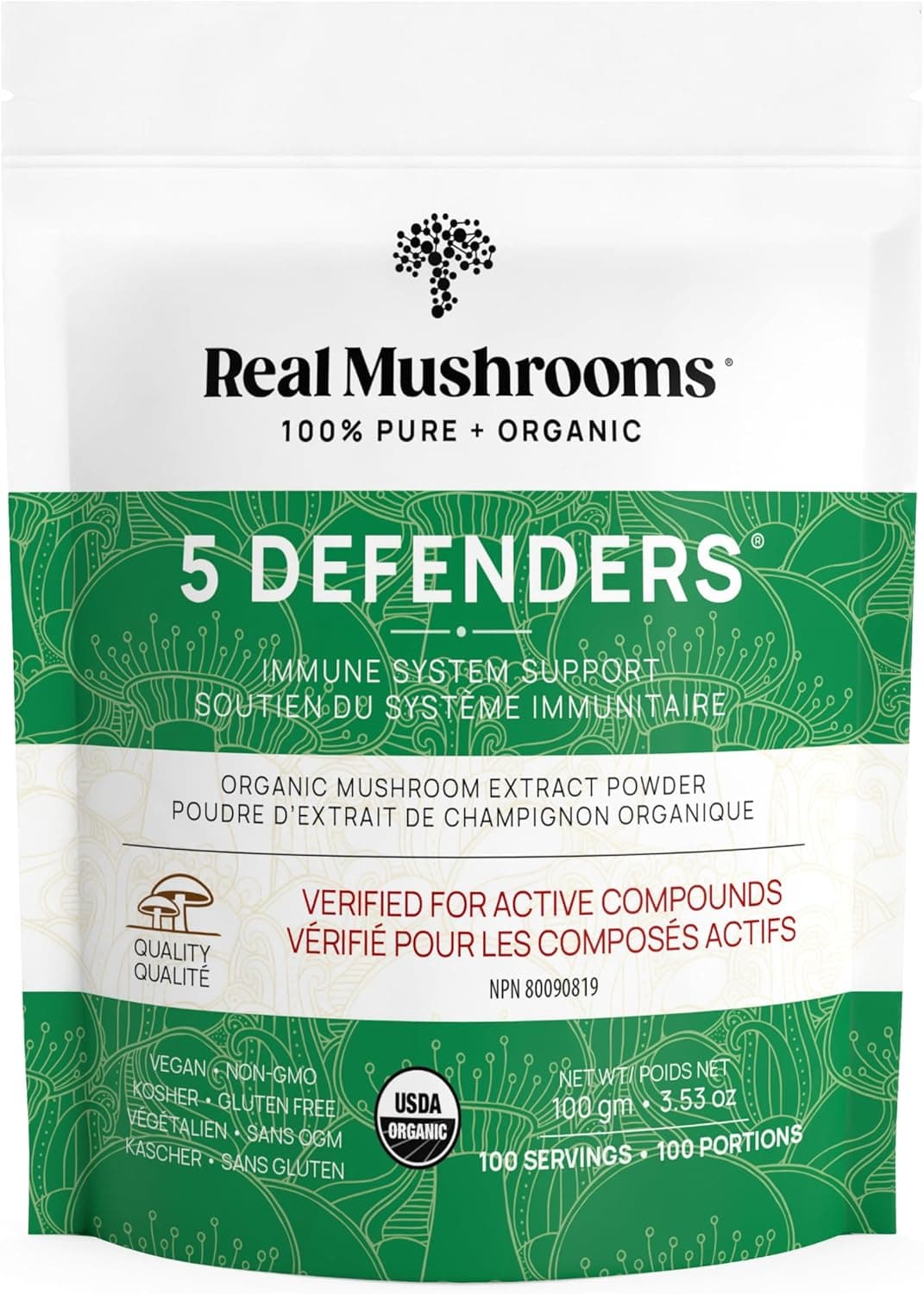
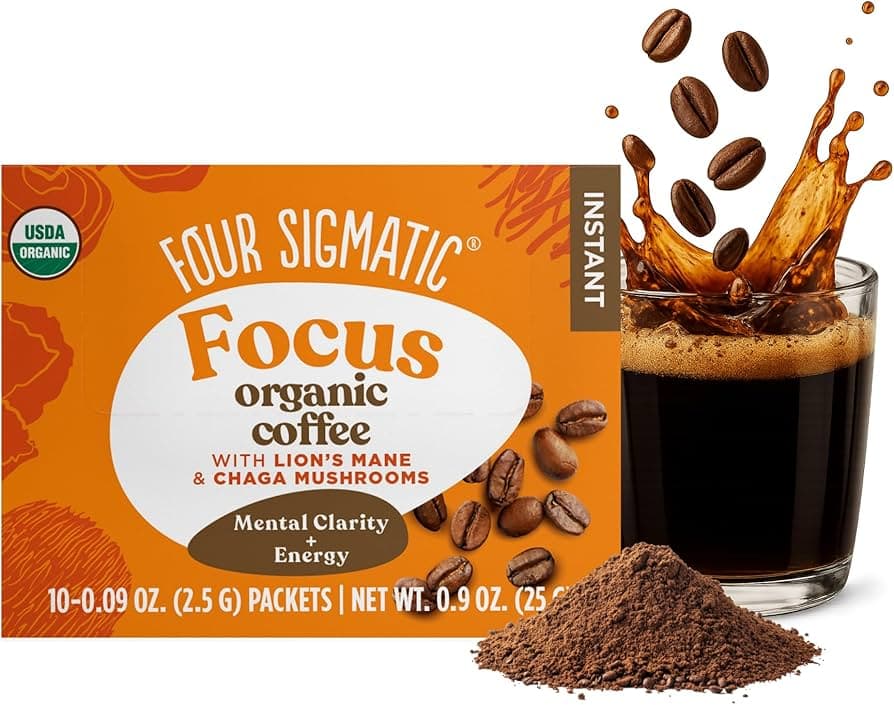
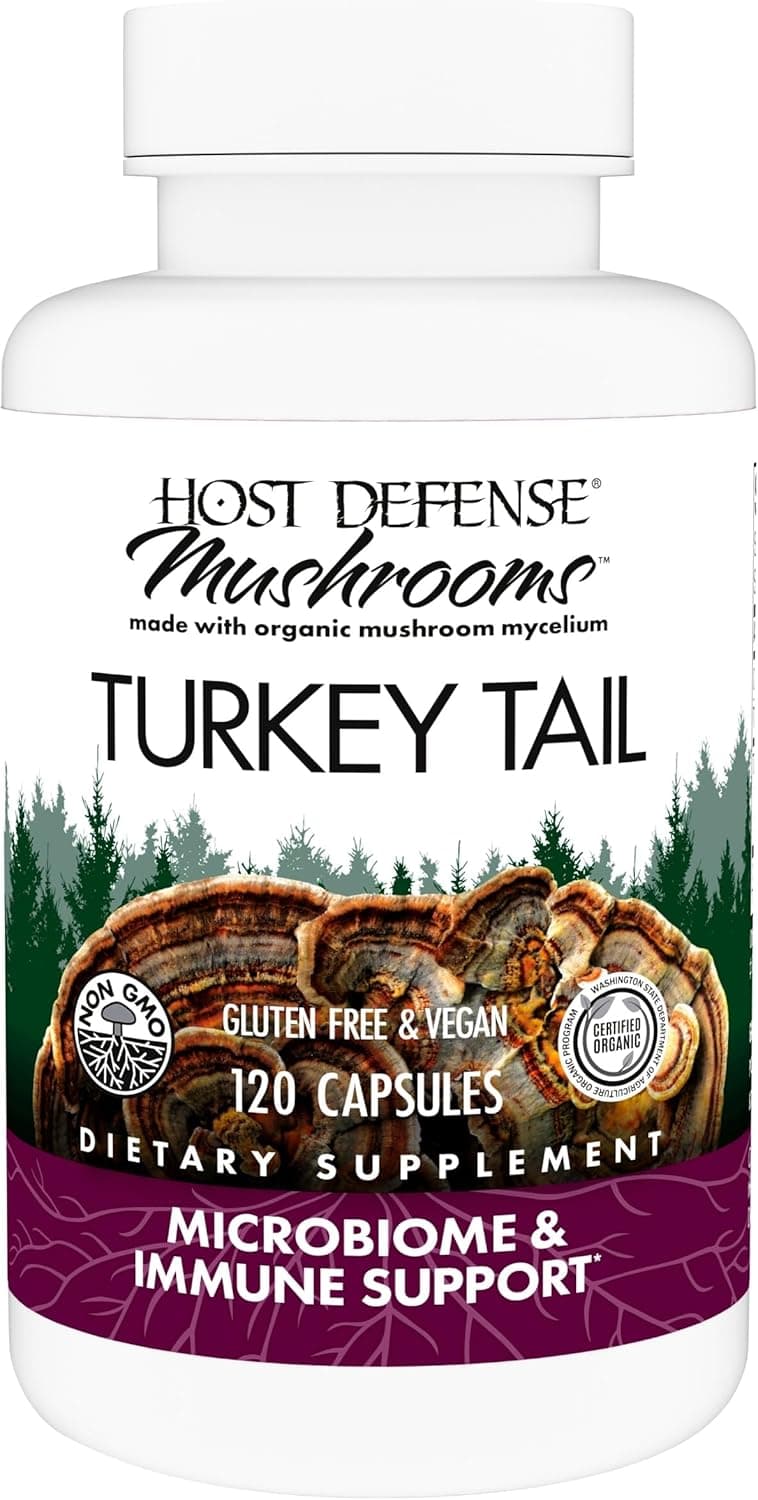
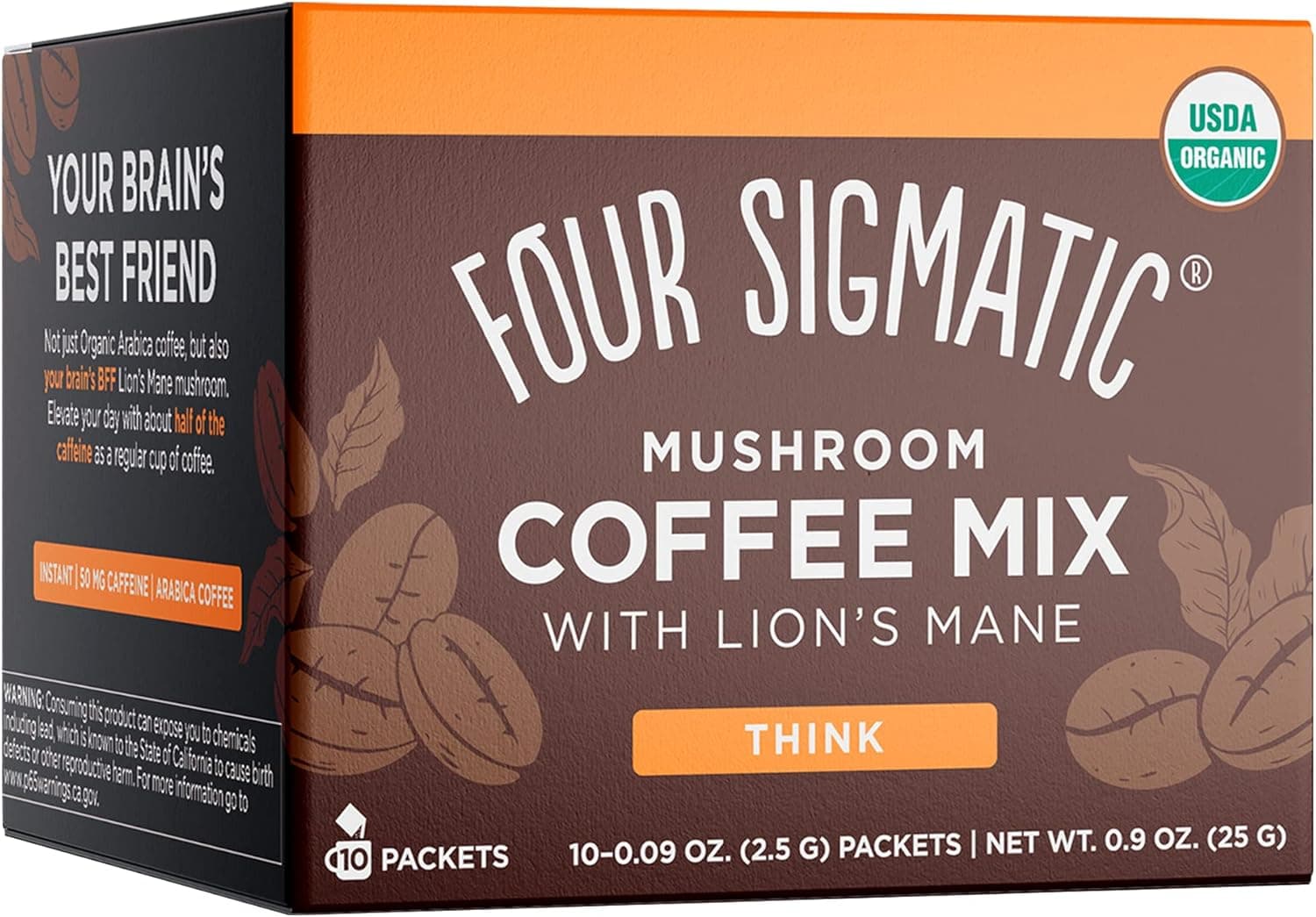
Chaga (Inonotus obliquus).
The antioxidant king. Dark, dense, packed with melanin. Potent antioxidant with immune-modulating beta-glucans. Adaptogenic support.
Reviewed March 2026
- Category
- Mushroom
- Also filed under
- AntioxidantImmuneEnergy
What Chaga (Inonotus obliquus) is, and what it does.
- Does it work
- Strong antioxidant data. Immune studies mostly preclinical. Traditional use well documented.
- How much to take
- Start with 1 to 3g a day of extract. That daily band is where the hot water glucan fraction is present in an amount worth measuring, taken every day rather than now and then.
- Time to feel it
- Weeks. Antioxidant and immune work with chaga reads on lab markers across four to eight weeks rather than as anything on the day.
- The first dose
- Day one brings an earthy, coffee-like taste and little else. The glucan fraction meets immune receptors in the gut, which is marker-level activity, not a sensation.
- With regular use
- Antioxidant protection ongoing. Immune benefits over 4-8 weeks.
- How well tolerated
- May lower blood sugar. High oxalate content with chronic use. Interact with blood thinners.
- How it feels
- Nothing dramatic. Gradual immune resilience and general wellness support.
- The overlooked benefit
- Wild chaga carries betulin from the birch it grew into. Mycelium grown on grain doesn't, so the substrate on the label tells you which compounds are in the jar.
1 to 3g a day is where Chaga (Inonotus obliquus) works.
Source: Glamoclija et al. 2015 Food Funct; limited human clinical data.
The proof, claim by claim.
These words describe the research, not the molecule's worth. Research strength is how much work stands behind one claim, and it is never a product score.
Based on 8 human trials with 55% consistency.
- Antioxidant activity of the melanin and polyphenol fractionsIn vitro study
- Innate immune receptor recognition of fungal beta-glucansIn vitro study
- Immune signallingAnimal study
- Blood glucose already in the normal rangeAnimal study
Questions people ask about Chaga (Inonotus obliquus).
- When should I take it?
- Timing matters less than consistency. Pick a time that works for you and take it daily.
- Can I take it with other supplements?
- Usually fine. The main thing to watch is not doubling up on the same ingredient from different products. If you're on prescription meds, check with your pharmacist first.
- Any side effects to watch for?
- Most people tolerate it well at recommended doses. GI upset is the most common complaint with any supplement. Start with a lower dose and work up. If something feels off, stop and reassess.
Why these belong in the same formula. Each row says what the basis is, from settled biochemistry through to a trial that measured the pair.
Both are extracts rich in beta-glucan polysaccharides that engage the same pattern-recognition receptors on immune cells, which is why they are so often combined in mushroom blends to support the body's normal immune activity. Pairing them broadens the mix of polysaccharide structures the innate immune system can respond to.
Chaga is unusually high in oxalates, which bind calcium in the gut to form an insoluble complex that the body cannot absorb. Taking a concentrated chaga extract at the same time as a calcium dose can lower how much of that calcium is taken up, so spacing them apart preserves normal mineral absorption.
Both are beta-1,3/1,6 glucans read by dectin-1 and complement receptor 3 on innate immune cells, and the branching pattern differs between fungal and yeast sources, so a blend engages the receptor across a wider structural range.
Turkey tail brings protein-bound polysaccharides while chaga contributes glucans plus melanin and triterpenes, so a blend covers more of the same innate signalling surface than either alone.
Maitake's D-fraction has its own branching pattern recognised by the same dectin-1 pathway chaga glucans engage, which is the rationale behind multi-mushroom blends.
Lion's mane hericenones and erinacines act on nerve growth factor signalling, a mechanism separate from chaga's polysaccharide and triterpene profile, so the two sit together without duplication.
Cordycepin and its adenosine analogues act on cellular energy handling while chaga contributes polysaccharides and antioxidant melanin, which is why they anchor opposite ends of the same blend.
Astragalus polysaccharides and saponins engage innate signalling through pathways that overlap only partly with the fungal dectin-1 route, so the pairing broadens the modulation rather than repeating it.
Calcitriol signalling governs macrophage and monocyte responsiveness, the cells that read chaga's beta-glucans, so the vitamin sets the ground the polysaccharide signal lands on.
Zinc is required for the zinc-finger transcription factors and thymic peptide signalling that immune cells depend on, which supports the cells chaga polysaccharides act through.
Chaga is unusually high in oxalate and ascorbate is metabolised in part to oxalate, so the two raise urinary oxalate together. It is a settled reason to keep high-dose vitamin C separate from heavy chaga use and to keep fluids up.
Magnesium binds oxalate in the gut and forms a poorly absorbed complex, which lowers the free oxalate arriving from a high-oxalate ingredient such as chaga. The same binding also reduces how much magnesium is taken up.
Ginkgolides antagonise platelet activating factor and chaga constituents also damp aggregation, so their effects on normal clotting add together when both are in a formula.
Polyphenols form insoluble complexes with ferric iron, which is the same well characterised mechanism behind tea and coffee reducing iron absorption from a meal. A dark polyphenol rich mushroom extract belongs in that category. Separating the extract from an iron dose by a couple of hours is the ordinary handling, and it applies to iron from food as well as from a capsule.
A hot water extract of the sclerotium is largely a beta glucan preparation, so pairing it with an isolated beta glucan is dose addition rather than a second mechanism. Fungal, yeast and cereal beta glucans differ in branching and molecular weight, and those differences drive how they behave, so they are not one interchangeable ingredient. Count total glucan across the formula.
Oat beta glucan is chosen for viscosity and its established role in maintaining normal blood cholesterol, which depends on it being a linear, high viscosity polymer. Fungal glucans are branched and are not viscosity agents. Placing both in one product delivers two different molecules under one shared word.
Fungal polysaccharides are not digested by human enzymes and arrive in the colon for bacterial fermentation, the same fate as inulin. Combining them raises total fermentable load, which means more short chain fatty acid production and more gas. The compositional shifts reported for either are markers rather than outcomes.
Feeding fermentable polysaccharide is the indirect way to raise colonic butyrate. Supplying butyrate is the direct way. The two arrive at the same molecule by different routes and at different sites along the colon. Established colonic physiology, no combination trial required.
Fungal glucans are fermented by some colonic bacteria, so a co formulated live organism has substrate available. Which strains actually use these polymers is species specific and not settled. Keep the claim at compositional support rather than benefit.
The triterpenoid fraction of this mushroom dissolves in lipid rather than water, which is why an alcohol extract is used to recover it and why fat in the gut lumen supports its uptake. Medium chain triglycerides give that lipid vehicle. Note that a hot water extract carries little of this fraction, so the pairing only makes sense for an alcohol or dual extract.
Tocopherol works inside lipid membranes and is regenerated from its radical form by ascorbate and thiols in the aqueous phase. Polyphenol rich extracts act mainly in the aqueous compartment. The two therefore cover different compartments rather than duplicating each other, which is settled antioxidant biochemistry.
Glutathione peroxidase requires a selenocysteine residue to reduce hydroperoxides, so selenium status sets the ceiling on that enzyme's capacity. A plant or fungal extract that scavenges radicals directly does something different in kind. Established cofactor nutrition. Selenium also has a narrow intake range, so total intake across a stack matters.
NAC raises intracellular cysteine and therefore glutathione synthesis capacity, an endogenous system rather than an ingested scavenger. That is complementary to a polyphenol rich extract, which mostly acts extracellularly and in the gut lumen. Established biochemistry.
The dihydrolipoate form can reduce oxidised tocopherol and ascorbate, so it sits in the recycling network rather than acting alone. That network framing is the honest one for any antioxidant pairing. None of this is a claim about a health outcome.
Silymarin is used to support normal hepatic function and is one of the better characterised botanical antioxidant complexes. Both it and this extract are polyphenol rich, so the pairing is partly duplicative in the antioxidant role. Silymarin also affects some drug metabolising enzymes in vitro, which is the interaction note to carry.
EGCG and other catechins bind non heme iron in the gut lumen, exactly as other polyphenols do, so stacking two polyphenol rich extracts compounds that effect on mineral uptake rather than cancelling it. Concentrated green tea extract also carries a documented concern about hepatic adverse events at high intakes taken away from food. Both points belong on the label conversation.
Quercetin is another polyphenol with metal binding and enzyme modifying properties in laboratory systems. Combined with a polyphenol rich fungal extract the effects on mineral uptake add. The antioxidant rationale is largely shared rather than complementary.
EPA derived thromboxane is less aggregatory than the arachidonate derived form, which is the established basis of the omega 3 platelet effect. Reports of antiplatelet activity for this mushroom's constituents come from laboratory systems rather than from people. Stacking them is a caution row, particularly for anyone on anticoagulant or antiplatelet medication or facing surgery.
Nattokinase acts on fibrin, a different point in haemostasis from platelet aggregation, so the concern with combining is additive rather than duplicative. Flag it explicitly for anyone on anticoagulant medication. This row exists as a caution, not a benefit.
Willow bark contributes a salicylate load by ordinary pharmacology. Stacking it with anything else that touches platelet function raises total effect. Straightforward interaction pharmacology, stated as a caution.
Alanine glyoxylate aminotransferase requires pyridoxal 5 phosphate, and adequate B6 keeps glyoxylate moving toward glycine rather than toward oxalate. This matters here because chaga is unusually high in oxalate, so the dietary and the endogenous oxalate loads sit on the same page. Anyone advised to limit oxalate intake should raise this material with a clinician before adding it.
Urinary citrate complexes calcium and reduces the amount available to pair with oxalate, established renal physiology behind citrate loading advice. It is relevant to this ingredient specifically because of its high oxalate content. This is a caution and hydration row, not a benefit claim for the mushroom.
Mushroom vitamin D is D2 from ergosterol, while D3 is cholecalciferol. Both raise 25 hydroxyvitamin D but they are not the same molecule and are handled differently. Chaga is a sclerotium rather than a fruiting body and is not a meaningful D2 source unless deliberately ultraviolet treated. Stating the vitamer honestly matters more than the pairing itself.
Niacin supports normal energy yielding metabolism as a precursor to NAD, established nutrition unrelated to anything in a mushroom extract. Listing them together is honest only as two separate ingredients in one product. No shared mechanism is claimed.
Talk to a doctor before taking Chaga (Inonotus obliquus) if any of these apply to you: kidney stones, medication that lowers blood sugar. These are flags to check first, not effects Chaga (Inonotus obliquus) is known to cause.
Not medical advice. Show the label to your pharmacist.What Chaga (Inonotus obliquus) actually does.
What people harvest is a hard black growth on a birch trunk, not a mushroom cap, and it contains both fungus and birch wood.
Some of the compounds in wild chaga come from the birch tree, not the fungus, which is why lab grown mycelium is chemically different.
Water pulls out the polysaccharides and alcohol pulls out the resins and sterols, which is why some products use both.
Not all beta glucans are the same molecule. The branching pattern is what the immune system's receptors read, and it differs between mushroom, yeast and oat sources.
Where Chaga (Inonotus obliquus) comes from.
Harvesters cut the hard black growth off birch trees, or growers cultivate the fungus instead. It is dried, ground, then simmered in water to pull out the polysaccharides and soaked in alcohol to pull out the resinous compounds, because no single solvent gets both. The extract is tested for beta glucan and dried into a powder.
The same molecule is reached more than one way. Which route a given product used is a manufacturing choice, and the finished compound is the same either way.
Two genuinely different starting materials. A wild conk is cut from living birch and contains host derived compounds. Cultivated mycelium is grown in a vessel or on sterilised grain and does not. Which one is in the bottle changes the chemistry, so the label should say.
Wild conks are broken up and dried below the temperature at which the constituents degrade, then milled. Species identity should be confirmed at this point rather than assumed from appearance.
Milled material is simmered or pressure extracted, which ruptures chitin cell walls and releases beta glucans and pigment into solution.
A separate ethanol step recovers triterpenoids, sterols and styrylpyrones. A dual extract runs both and recombines them. A single extract skips one.
Extract liquor is filtered and reduced under vacuum to limit heat damage to the polysaccharides.
Enzymatic beta glucan assay is the figure that describes fungal polysaccharide, distinct from a total polysaccharide colorimetric number that counts grain starch. Heavy metal testing matters because the sclerotium accumulates from its host and environment.
Concentrate is spray dried, sometimes onto a carrier, then encapsulated or packed as an instant powder. Carrier weight is not active material.
Getting Chaga (Inonotus obliquus) from food.
The whole-food sources on file. A supplement closes the gap, it does not replace dinner.
A gram-for-gram figure (how much of each you would eat to match a dose) will appear here once it is sourced and reviewed. This page will not print a number it cannot cite.
The forms it comes in.
The essence, in one line each.
- Crude melanin from Inonotus obliquus reduced markers of chemically induced colonic inflammation and shifted gut microbiota composition in the reported model. An animal experiment with the melanin fraction rather than a whole extract.Animal study. Yuan et al., 2026 (Nutrients). PMID 42280375 ↗
- Polysaccharides from the mushroom limited high fat diet induced gain in body weight in mice, reported alongside changes in gut microbial composition. The microbial change is associated with the effect, not shown to cause it.Animal study. Zhang et al., 2026 (Foods). PMID 42195973 ↗
- A review of how Inonotus obliquus polysaccharides are prepared, what their structures look like and how structure relates to reported activity. It summarises preclinical work and does not report human outcomes.Narrative review, in cells. Zhang et al., 2026 (Nutrients). PMID 41978174 ↗
- Dietary fermentation products of the mushroom altered meat quality measures and antioxidant capacity markers in production animals. An agricultural feeding study, not human evidence.Animal study. Li et al., 2025 (Meat Science). PMID 40010129 ↗
- A review of medicinal mushrooms and their bioactive compounds that names this species among those with reported activity. It maps traditional use and preclinical chemistry rather than reporting an effect estimate.Narrative review. Sadowska et al., 2026 (Molecules). PMID 42197308 ↗
- A review of edible macromycete fungi as poultry feed additives that names this species among the materials examined. The reported endpoints are animal production and welfare measures.Narrative review, in animals. Duda et al., 2025 (Molecules). PMID 40807416 ↗
- Dietary 3,4 dihydroxybenzalacetone, a styrylpyrone type compound found in Inonotus obliquus, reduced markers of intestinal injury after a bacterial endotoxin challenge in ducks. An animal study of an isolated compound rather than of the whole extract.Animal study. Yang et al., 2026 (Poultry Science). PMID 42302612 ↗
These are the studies our verdict leans on, chosen from the 7 we read for Chaga (Inonotus obliquus). The full linked list is below.
FDA Disclaimer: These statements have not been evaluated by the Food and Drug Administration. This information is for educational purposes only and is not intended to diagnose, treat, cure, or prevent any disease. Consult your healthcare provider before starting any supplement regimen.