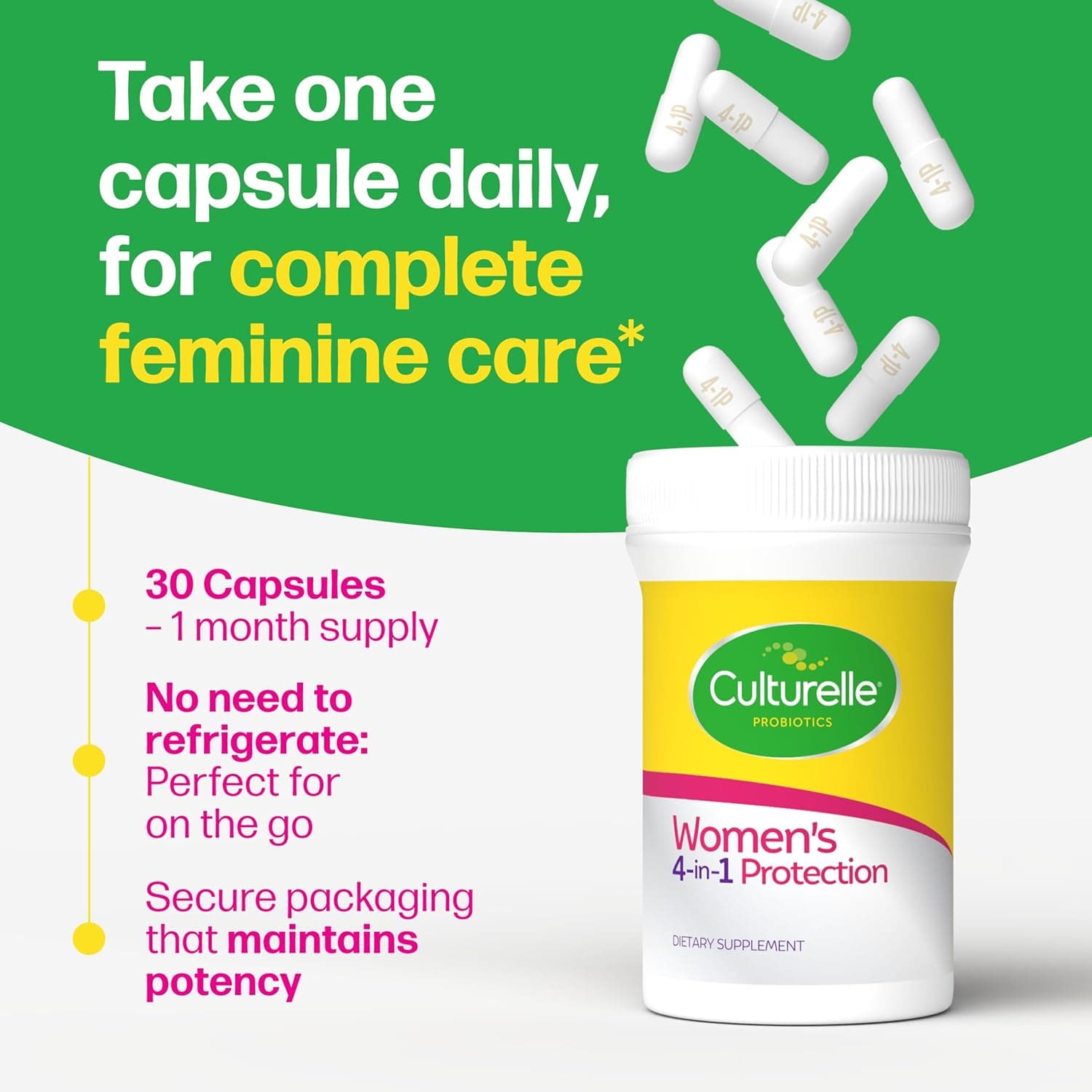
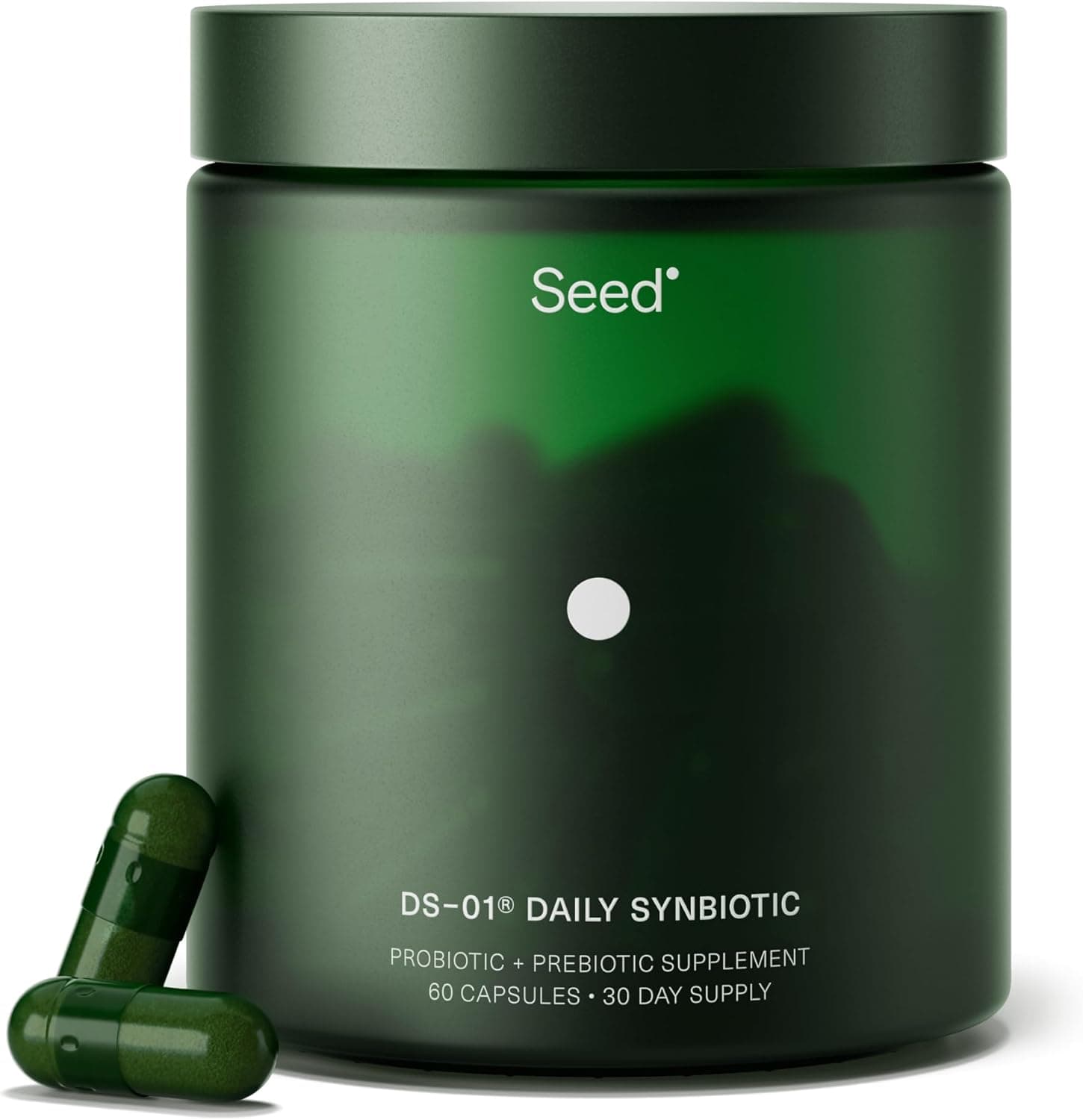
Lactobacillus crispatus.
A lactic acid producing species that dominates a lactobacillus led intimate microbiome. It acidifies its surroundings and holds attachment sites on the epithelium.
- Category
- Probiotic
What Lactobacillus crispatus is, and what it does.
- Does it work
- Suits women who want to support a lactobacillus dominant intimate microbiome. Look for a named strain, because the research belongs to strains rather than to the species.
- How much to take
- No dose figure is on record for this species. Products count live cells per serving, and the strain code on the label is what links a count to any study behind it.
- Time to feel it
- Community shifts are read by swab or sequencing over weeks rather than felt. Nobody has established a reliable sensation timeline for this one.
- The first dose
- Day one is quiet. Whatever is happening sits at the level of a microbial community, which shows up on a laboratory test rather than in how you feel.
- With regular use
- Taken daily over weeks it can raise the lactobacillus share of the local community in some people. It does not settle in permanently, so effects track intake.
- How well tolerated
- Well tolerated in healthy adults. Live cultures deserve a clinician conversation first if you are severely immunocompromised or have a central venous catheter.
- How it feels
- No sensation to report. The effect lives in a microbial community and its acidity, which is measured rather than felt day to day.
- The overlooked benefit
- It makes both D and L lactic acid, and that D fraction is how a lab tells it apart from L. iners, which produces mainly the L form.
The proof, claim by claim.
What these words mean
These words describe the research, not the molecule's worth. Research strength is how much work stands behind one claim, and it is never a product score.
- lactobacillus dominant vaginal microbiome compositionCohort study
- lactic acid production and low local pHNarrative review
3 more claims
- hydrogen peroxide and bacteriocin productionIn vitro study
- oral dosing reaching the vaginal communityRandomised trial
- adhesion and competitive exclusion at epithelial surfacesIn vitro study
Why these belong in the same formula, 11 pairings
Why these belong in the same formula. Each row says what the basis is, from settled biochemistry through to a trial that measured the pair.
Lactoferrin sequesters free iron, which most vaginal pathogens need and which lactobacilli, including L. crispatus, largely do not because they run an iron-sparing metabolism. Co-formulation is common in vaginal and oral products aimed at supporting a Lactobacillus-dominant community. The rationale is microbial ecology. Head-to-head clinical work on the pair is limited.
L. crispatus ferments simple sugars to lactic acid, and galactooligosaccharides are a substrate that lactobacilli can use, though fermentation capacity is strain-specific and varies across species. Pairing a strain with a fermentable oligosaccharide is standard synbiotic design. Whether the prebiotic reaches the vaginal niche after oral dosing is a separate question from whether it feeds the strain in the gut.
Fructooligosaccharides are fermented to lactate and short-chain fatty acids by lactobacilli, lowering local pH. The pairing is the conventional synbiotic construction. Strain-level fermentation capacity varies, so a specific strain either uses a given oligosaccharide or it does not.
Inulin is the longer-chain relative of FOS and is fermented more slowly and further down the colon. That changes where the acidification happens rather than whether it happens. Gas and bloating are the practical trade-off at higher intakes.
Multi-strain products routinely combine L. crispatus with other lactobacilli on the reasoning that different strains occupy slightly different niches and adhesion sites. Blending is a formulation decision. The clinical record is strain-specific and does not transfer from one strain to another simply because the genus matches. A blend is not automatically stronger than a single well-studied strain.
Bifidobacteria and lactobacilli are combined in most consumer probiotics because they occupy different regions of the gut and different fermentation profiles. Co-administration has no known antagonism. As with any blend, the evidence attaches to the specific strain combination tested, not to the pairing in the abstract.
S. boulardii is a yeast and is untouched by antibacterial agents that would wipe out a bacterial strain taken at the same time. That makes it the usual companion when a bacterial probiotic is being dosed around an antibiotic course. It does not shield the bacterial strain, it simply keeps something viable in the interval.
Vaginal products frequently pair a Lactobacillus strain with hyaluronic acid for its water-binding and mucosal-comfort properties. The two act on different things: one on the microbial community, one on tissue hydration. There is no shared mechanism, and the combination should be read as a product design rather than a biological synergy.
Vitamin D signalling drives expression of cathelicidin and defensins at mucosal surfaces, which shapes the environment a colonising strain has to survive in. That is an indirect and background-level interaction rather than a direct one with this species. Nothing here supports a claim that adding vitamin D improves colonisation.
Nutritional immunity at mucosal surfaces turns on host sequestration of zinc and iron away from microbes, and different species differ in how well they scavenge those metals. Supplemental zinc changes that background. The direction of the effect on any single commensal species is not established.
Live cultures have to survive gastric acid and bile to arrive intact, and proteolytic and lipolytic enzyme blends taken simultaneously add to that stress on the capsule contents. Separating the two by a couple of hours, or using an enteric or delayed-release shell, is the usual answer. Regard this as a delivery interaction, not a contraindication.
Nothing specific on file for Lactobacillus crispatus. Match the label to the daily amount above, and tell your doctor what you take.
Not medical advice. Show the label to your pharmacist.What Lactobacillus crispatus actually does.
This strain type turns sugar into lactic acid, and that's what keeps the environment where it's dominant more acidic.
3 more mechanisms
It makes two forms of lactic acid, and the mix is one thing that sets it apart from other related bacteria that mostly make just one form.
Many strains make hydrogen peroxide and antimicrobial proteins, and they stick tightly to surface cells, crowding out other microbes by taking up the space.
What a probiotic does depends on the exact strain. Research on one named strain doesn't tell you anything about a product that only lists the species.
The forms it comes in.
4 more forms
The essence, in one line each.
- In a 90-day trial in women with a diagnosed vaginal condition, adding this oral probiotic to vaginal laser therapy was associated with some additional benefits for symptoms and vaginal bacteria compared to laser therapy alone.Randomised trial, in menopausal women with atrophic vulvovaginitis. Di Pierro F et al., 2026 (Lasers in Medical Science). PMID 42234022 ↗
4 more findings
- In a randomised trial in women with a diagnosed chronic inflammatory skin condition, adding a postbiotic from Lactobacillus crispatus NCU-31 to standard therapy significantly improved clinical outcomes compared to placebo.Randomised trial, in patients with vls. Liao H et al., 2026 (BMC Microbiology). PMID 41566207 ↗
- Heat-sterilised L. crispatus KT-11 was associated with changes in T cell-related immune measures, which are laboratory markers of immune activity rather than clinical endpoints.Randomised trial. Watanabe I et al., 2025 (Nutrition Research). PMID 39889684 ↗
- Isolates of L. crispatus showed antimicrobial activity and cardiometabolic-relevant functions in laboratory assays.In vitro study. Mahajan S et al., 2026 (Journal of Biomedical Science). PMID 41486160 ↗
- A synthesis of microbiome-targeted therapies reporting changes in glucose parameters, inflammation markers and gut microbiota composition. These are biochemical markers, and L. crispatus appears only as one organism among many.Systematic review. Zhou X et al., 2025 (Journal of Clinical Endocrinology and Metabolism). PMID 40489582 ↗
Chosen from the 9 we read for Lactobacillus crispatus.
The studies, linked.
7 sources behind our Lactobacillus crispatus verdict, every one linked to PubMed, the journal or ClinicalTrials.gov.
- Clinical trialPhase II-b Randomized Double-Blind Placebo-Controlled Trial of Lactobacillus Crispatus CTV-05 (LACTIN-V) to Prevent the Recurrence of Bacterial VaginosisClinicalTrials.gov ↗Phase 2, 228 participants, Completed
6 more linked trials
- Clinical trialStudy to Investigate the Treatment Benefit of Probiotic Lactobacillus Crispatus M247 in Women Undergoing Homologous Level 2 Assisted Reproductive Technology (ART) ProceduresClinicalTrials.gov ↗160 participants, Completed
- Clinical trialEfficacy and Safety of Oral Lactobacillus Crispatus Lc-G22 as Adjunctive Therapy to Clotrimazole for Preventing Recurrence of Vulvovaginal Candidiasis: A Single-Center, Randomized, Single-Blind, Placebo-Controlled TrialClinicalTrials.gov ↗100 participants, Completed
- Clinical trialOral Lactobacillus Crispatus LCr86 Reduces Nugent Score and Improves Vaginal Microecology in Women With Intermediate Vaginal MicrobiotaClinicalTrials.gov ↗80 participants, Completed
- Clinical trialClinical Trial to Evaluate the Effect of an Oral Probiotic (Food Supplement) Containing Lactobacillus Crispatus on the Vaginal FloraClinicalTrials.gov ↗40 participants, Completed
- Clinical trialVaginal and Rectal Colonization of Lactobacillus Crispatus NTCVAG04 Following Oral Administration in Patients With History of Vaginitis/VaginosisClinicalTrials.gov ↗20 participants, Completed
- Clinical trialGenitourinary Study of Fostering Lactobacillus to Optimize the Microbiome in Women's Health (GUD-FLORA)ClinicalTrials.gov ↗Phase 1, Withdrawn
From clinical trials and PubMed, ranked by study type and citation weight, not cherry-picked.
Problems people have reported.
Read this carefully. These are 3,312 voluntary, unverified reactions reported to the FDA (openFDA). The number mostly reflects how popular Lactobacillus crispatus is, not how risky it is. A report is not proof Lactobacillus crispatus caused anything. It is a signal of what to watch for, nothing more.
3 more reported effects
Source: openFDA adverse-event reports. Voluntary reporting, not an incidence rate.
FDA Disclaimer: These statements have not been evaluated by the Food and Drug Administration. This information is for educational purposes only and is not intended to diagnose, treat, cure, or prevent any disease. Consult your healthcare provider before starting any supplement regimen.