
ZincNHANES 2005 to 2016
About 15% of US adults
take in less zinc than the estimated average requirement.
Peer-reviewed analysisZinc is the lead active here, studied most for filling everyday nutrient gaps. 22 human studies on Zinc back this formula, each one cited. Each serving carries 30 mg of Zinc, inside the range the published research used. Who it fits: for everyone, adults.
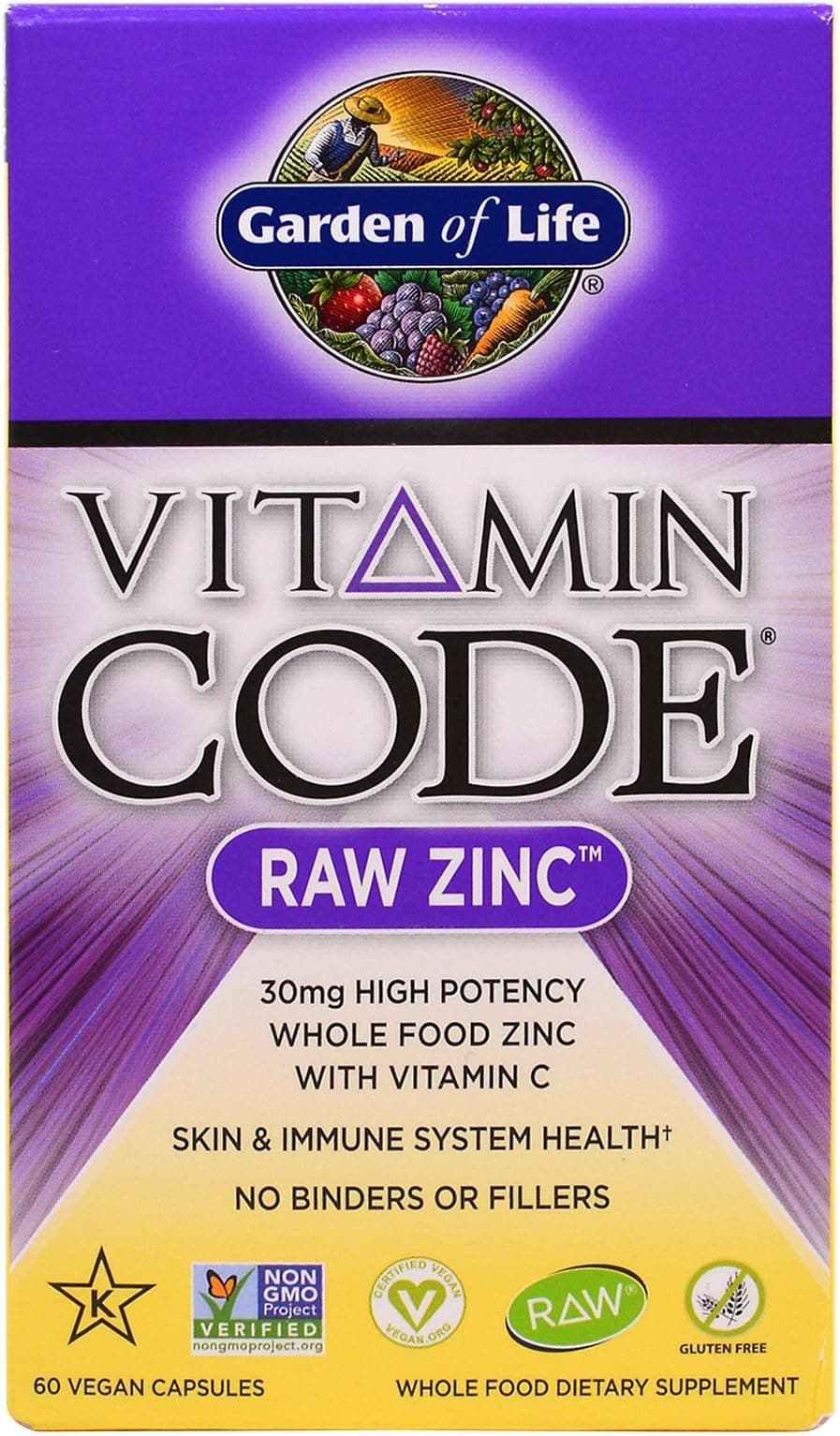 Verified by IngredientMD
The panel on the left is the one we evaluated, line by line.
All 4 actives checked against the clinical evidence: dose, form, and what the research actually shows.
Doses, ratios, and how the ingredients work together. That assessment is the verdict above: "Strong evidence, strong dose".
The verdict is public and identical whether or not a brand pays. A formula that does not clear the bar gets nothing.
Read by the engine against 2.1 million data points from clinical trials, PubMed and more than a hundred vetted sources. No individual reviewer is named or implied.
Cross-checked against 889 documented interactions for these actives.
Public health figures the engine matched to this formula's ingredients. Reported by their source, cited and dated, never written by the brand.
About 15% of US adults
take in less zinc than the estimated average requirement.
Peer-reviewed analysisAbout 46% of US adults
take in less vitamin C than the estimated average requirement.
Peer-reviewed analysis74% of US adults
take dietary supplements, and 55% are regular users, in the Council for Responsible Nutrition's 2023 consumer survey of 3,192 adults.
Council for Responsible Nutrition and Ipsos, 202392% of US supplement users
agree that dietary supplements are essential to maintaining their health, in the Council for Responsible Nutrition's 2023 consumer survey.
Council for Responsible Nutrition and Ipsos, 202312.3% of US adults
met the fruit intake recommendation and 10.0% the vegetable recommendation in 2019, in the Behavioral Risk Factor Surveillance System across 49 states.
CDC, MMWR, 202215% of US adults
aged 20 and over ate no breakfast on the day of their dietary recall, in the 2017 to March 2020 What We Eat in America survey.
USDA Agricultural Research Service, 202457.6%
During 2017 to 2018, 57.6% of US adults aged 20 and over reported using a dietary supplement in the past 30 days.
CDC National Center for Health Statistics60.2% of US adults aged 20 and over
took a dietary supplement in the past 30 days, and 38.7% took two or more, in the 2021 to 2023 National Health and Nutrition Examination Survey.
CDC National Center for Health Statistics, 202659 to 66 days
was the median time it took adults to make a new daily health habit automatic across the studies a 2024 review pooled, with individuals ranging from 4 to 335 days.
Systematic review and meta-analysis, 202461% to 74%
About 61 to 74 percent of adults refilling a long-term medicine on their own stopped within a year, versus 33 to 44 percent on one set pickup day.
Cohort study, 2015Meta-analysis, 2016
Zinc acetate lozenges cut cold symptom length by about 2.7 days, versus a roughly seven day average, across three pooled trials.
British Journal of Clinical PharmacologyMeta-analysis, 2024
Across six trials in 739 women, zinc lowered menstrual discomfort scores, with bigger drops after eight weeks or more, even at doses as low as 7 mg daily.
NutrientsMeta-analysis, 2025
Across four trials in women of reproductive age, zinc lowered premenstrual symptom scores, with the biggest gain in mood and a smaller, less certain gain in physical symptoms.
Women and HealthMeta-analysis, 2026
Pooling randomised trials in adults, zinc had a small effect on body weight and waist circumference and no detectable effect on body mass index, fat mass, fat-free mass or adipokine levels, and the authors call the size of the changes minor.
Biological Trace Element ResearchSystematic review and meta-analysis, 2016
In children older than six months, zinc may shorten a bout of diarrhea by about half a day across nine trials, on low certainty evidence.
Cochrane Database of Systematic ReviewsMeta-analysis, 2011
Across 36 studies in children under five, zinc modestly increased height growth, adding roughly 0.37 cm at about 10 mg a day for 24 weeks.
BMC Public HealthPopulation figures from public health data. Context for the category, not a statement about any individual and not a claim about this product.
Each line below was derived from this formula's own record at the time of verification. Nothing here was written by the brand, and nothing can be added that the evidence does not carry.
Time-to-effect windows the engine read from the trial record. Each is a window a named study measured, cited and dated, never written by the brand.
Across three randomised placebo-controlled trials pooled as individual patient data (199 adults with naturally acquired colds, 80 to 92 mg of elemental zinc a day as acetate lozenges), 70 percent of the zinc group had recovered by day 5 against 27 percent on placebo, and colds ran 2.73 days shorter against a 7 day average duration. A separate meta-analysis of seven lozenge trials (575 participants, doses above 75 mg a day, zinc acetate or zinc gluconate) measured cold duration 33 percent shorter, with no significant difference between the two salts.
In a controlled feeding study in nine healthy men, six weeks of restricted zinc intake raised DNA strand breaks in peripheral blood cells, and four weeks of repletion at 11 mg a day, with 20 mg of supplemental zinc for the first seven days, reversed the rise. In a separate randomised placebo-controlled trial in 40 Ethiopian women eating a high-phytate diet, 20 mg a day of zinc sulfate for 17 days lowered mean comet tail moment from 39.7 to 30.0 while plasma zinc did not change significantly. Both windows were measured on a DNA damage marker in blood cells, not on a symptom.
In a randomised crossover trial, 12 healthy adults consumed 101.7 mg of vitamin C as a powder, as raw fruits and vegetables, or as juice, and plasma vitamin C rose after every intake form, with plasma and urinary levels tracked over the 24 hours following the single dose.
Windows measured in the cited trials. Context for how the active behaves over time, not a statement about any individual and not a claim about this product.
Three ingredients, from each one's own page.
Blood zinc moves within days. The parts you would notice, skin behaviour and immune resilience, take four to twelve weeks of steady daily intake.
Blood levels rise within hours and tissue pools fill over days. Collagen-linked changes in skin and gums build over weeks and show as tissue quality, not as a sensation.
Nutrient markers on a blood panel move over weeks to months. Carotenoid and vitamin C status is usually where a change turns up first.
How each ingredient usually behaves over time, from its own page on IngredientMD. General timing for the ingredient, not a measurement of this product.
What each form is, and where it fits in a formula. Measured findings carry the study that reported them.
Not a salt. Saccharomyces cerevisiae is grown in a zinc-rich medium so the mineral is taken up into the yeast cells and bound to yeast proteins and other cell constituents, then the biomass is dried and milled. The zinc arrives as part of a food matrix, and the elemental share is low because most of the material is yeast. Panels print it as food-grown or whole-food zinc.
Descriptions of the form itself, read from the cited studies. Not a comparison between products and not a statement about any individual.
It is a capsule, so the amount per serving is fixed and travels without measuring.
Because the effect builds and holds only with continued daily use, a steady recurring supply is the practical way to keep it going.
Put an earned verification on your own product page.
These statements have not been evaluated by the Food and Drug Administration. This product is not intended to diagnose, treat, cure, or prevent any disease. This record is not medical advice. Always consult your healthcare provider before starting any supplement regimen.