
Magnesium L-ThreonateNHANES 2013 to 2016
About 48% of Americans
take in less magnesium than recommended from food and drink.
NIH Office of Dietary SupplementsMagnesium L-Threonate is the lead active here, studied most for memory and recall. Magnesium is the most studied active here, with 21 human studies behind it, each one cited. Who it fits: for everyone, adults.
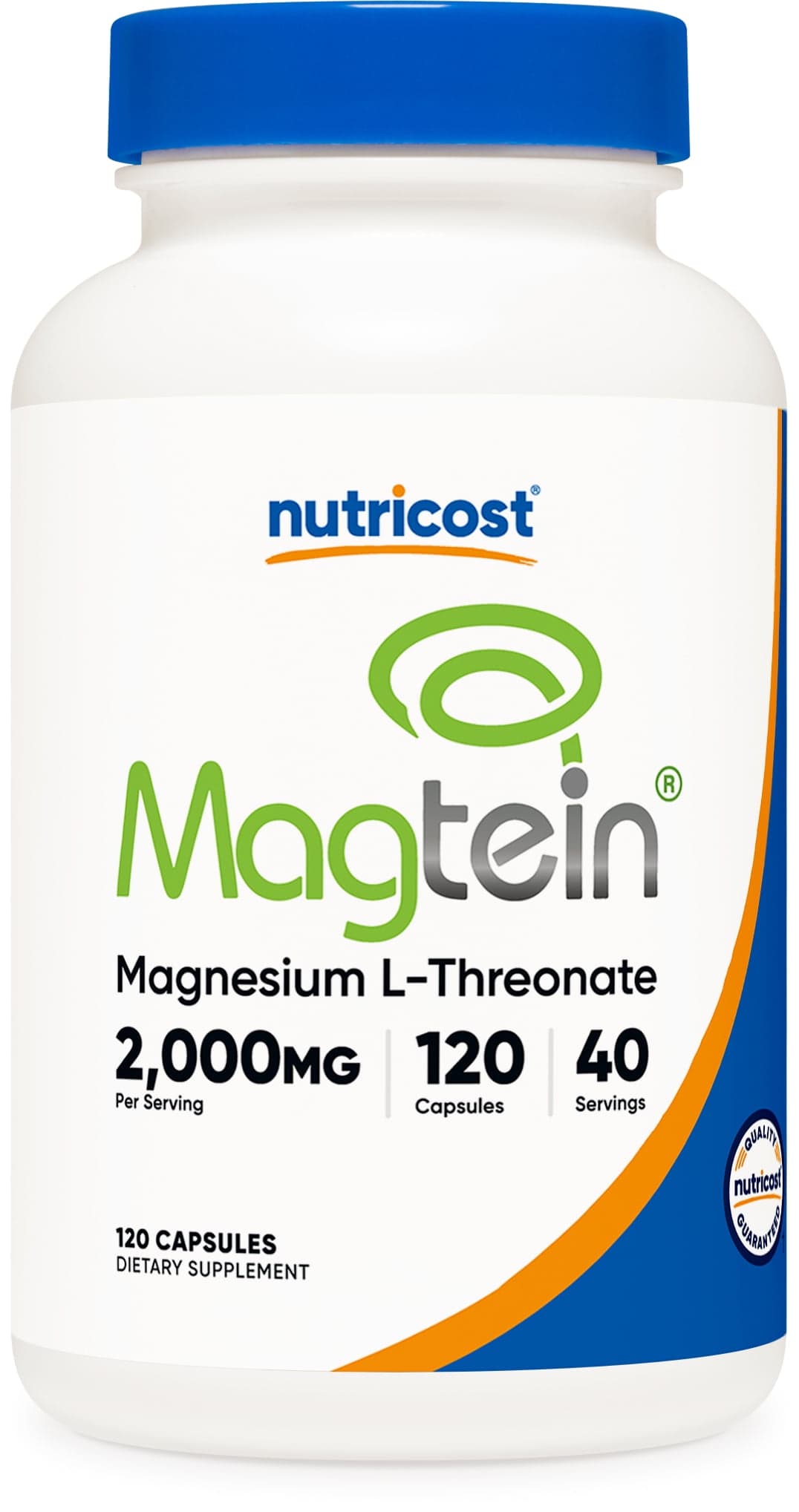 Verified by IngredientMD
The panel on the left is the one we evaluated, line by line.
All 2 actives checked against the clinical evidence: dose, form, and what the research actually shows.
Doses, ratios, and how the ingredients work together. That assessment is the verdict above: "Backed by human trials".
The verdict is public and identical whether or not a brand pays. A formula that does not clear the bar gets nothing.
Read by the engine against 2.1 million data points from clinical trials, PubMed and more than a hundred vetted sources. No individual reviewer is named or implied.
Cross-checked against 456 documented interactions for these actives.
Public health figures the engine matched to this formula's ingredients. Reported by their source, cited and dated, never written by the brand.
About 48% of Americans
take in less magnesium than recommended from food and drink.
NIH Office of Dietary SupplementsMore than 1 in 3 US adults
regularly sleep less than the recommended seven hours a night.
Peer-reviewed analysis25% of employed US adults
reported difficulty focusing at work in the past month, in the American Psychological Association's 2024 Work in America survey.
American Psychological Association and The Harris Poll, 202412.7% of US adults aged 60 and over
in 21 states reported increased confusion or memory loss in the preceding 12 months, in the 2011 Behavioral Risk Factor Surveillance System.
CDC, MMWR Surveillance Summaries, 201517% of US adults
reported trouble focusing over the past year, in a 2017 Ipsos poll of 1,008 adults.
Ipsos, 201757.6%
During 2017 to 2018, 57.6% of US adults aged 20 and over reported using a dietary supplement in the past 30 days.
CDC National Center for Health Statistics7.4% of US adults
reported serious difficulty concentrating, remembering or making decisions in 2023, up from 5.3% in 2013, and among adults aged 18 to 39 the share nearly doubled, from 5.1% to 9.7%, in the Behavioral Risk Factor Surveillance System.
Neurology, 2025More than 1 in 4 US adults aged 50 to 73
regularly take a supplement for their brain health, rising to 36% of those over 74, and memory is the reason 71% give, in AARP's 2019 survey.
AARP, 201953% of US adults
say they spend too much time on their smartphone, about 7 in 10 of adults under 30, in a Pew Research Center survey of 9,750 adults in 2026.
Pew Research Center, 202659 to 66 days
was the median time it took adults to make a new daily health habit automatic across the studies a 2024 review pooled, with individuals ranging from 4 to 335 days.
Systematic review and meta-analysis, 202461% to 74%
About 61 to 74 percent of adults refilling a long-term medicine on their own stopped within a year, versus 33 to 44 percent on one set pickup day.
Cohort study, 2015Randomised trial, 2026
In 100 adults aged 18-45 with sleep complaints, 2 grams of magnesium L-threonate daily for 6 weeks improved cognition and reaction time, but tracked sleep showed no change.
Frontiers in NutritionRandomised trial, 2016
In adults aged 50 to 70 with memory concerns, 12 weeks of magnesium L-threonate raised an overall thinking score more than placebo.
The paperRandomised trial, 2022
In 109 healthy adults, a magnesium L-threonate formula for 30 days improved overall memory scores more than placebo, with bigger gains in older participants.
NutrientsRandomised trial, 2024
In adults aged 35 to 55 with sleep problems, 1 gram of magnesium L-threonate daily for 21 days improved deep and REM sleep, energy and alertness versus placebo.
Sleep Medicine: XSystematic review, 2024
Across 3 randomised trials and 12 cohorts, the trial evidence was too limited to judge magnesium supplements for cognition, while the cohorts, which show association only, pointed to a mid-range serum magnesium level of about 0.85 mmol/L tracking with better cognitive ageing.
Advances in NutritionPopulation figures from public health data. Context for the category, not a statement about any individual and not a claim about this product.
Each line below was derived from this formula's own record at the time of verification. Nothing here was written by the brand, and nothing can be added that the evidence does not carry.
Two ingredients, from each one's own page.
Give it about four weeks. Trials measured cognitive outcomes over eight to twelve weeks, so any change arrives gradually rather than on a particular day.
A looser stool can turn up the same day at the higher end. Sleep and cramp changes usually settle in across two to four weeks, because it is refilling a body-wide store.
How each ingredient usually behaves over time, from its own page on IngredientMD. General timing for the ingredient, not a measurement of this product.
What each form is, and where it fits in a formula. Measured findings carry the study that reported them.
Magnesium bound to L-threonic acid, a metabolite of vitamin C.
Descriptions of the form itself, read from the cited studies. Not a comparison between products and not a statement about any individual.
It is a capsule, so the amount per serving is fixed and travels without measuring.
Where two of this brand's products carry actives the literature has read together, the pairing and its basis are below. The evidence word is the corpus row's own confidence, never a score.
D3 absorbs calcium, K2 directs it to bones, Mg activates D3. The complete calcium optimization system.
Put an earned verification on your own product page.
These statements have not been evaluated by the Food and Drug Administration. This product is not intended to diagnose, treat, cure, or prevent any disease. This record is not medical advice. Always consult your healthcare provider before starting any supplement regimen.