IP-6.
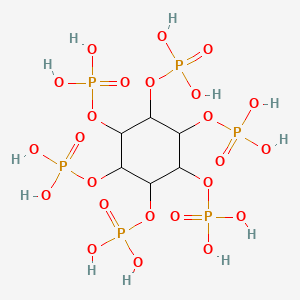
IP-6 is phytate, the mineral binding compound from rice bran. It grabs metal ions tightly, which is why it is described as an antioxidant and why it holds minerals in the gut.
 Compound
- Category
- Compound
What IP-6 is, and what it does.
- Does it work
- It suits people interested in mineral chemistry and inositol pathways. If you also take iron or zinc, space them hours apart, because IP-6 binds both firmly.
- How much to take
- No dose figure is on record, so there is no band to lead with. Start with the smallest serving on the label and keep it away from meals and mineral supplements.
- Time to feel it
- Nobody has measured a time to effect in people. The metal binding happens in the gut within the same meal, which is chemistry rather than a sensation.
- The first dose
- Day one is quiet. The binding starts with the first serving, and the only place it shows is in how minerals from that meal are handled.
- With regular use
- Over weeks the measurable consequence is mineral absorption from anything taken with it, which is why spacing matters. Human data past that is thin.
- How well tolerated
- Generally well tolerated. Because it binds iron, zinc, calcium and copper, anyone building iron stores, pregnant, or taking mineral supplements should speak to a clinician.
- How it feels
- No sensation to report. IP-6 does its work as chemistry in the gut, so a serving does not register subjectively either way.
- The overlooked benefit
- Soaking, sprouting and fermenting grains work because phytase strips phosphates off IP-6, and its grip on metals drops away sharply below five phosphates.
The proof, claim by claim.
What these words mean
These words describe the research, not the molecule's worth. Research strength is how much work stands behind one claim, and it is never a product score.
- Chelation of iron and suppression of Fenton chemistryIn vitro study
- Lower mineral absorption from a meal eaten with itRandomised trial
4 more claims
- Antioxidant behaviour through metal sequestrationIn vitro study
- Stepwise breakdown by phytase to lower inositol phosphatesNarrative review
- Systemic exposure to intact IP-6 after an oral doseNarrative review
- Inositol phosphate roles in cell signallingIn vitro study
Why these belong in the same formula, 9 pairings
Why these belong in the same formula. Each row says what the basis is, from settled biochemistry through to a trial that measured the pair.
IP-6 is inositol hexaphosphate, the same molecule as dietary phytate. Its six phosphate groups bind divalent zinc tightly at intestinal pH and form insoluble complexes the gut cannot take up. The phytate-to-zinc molar ratio is the standard measure used in nutrition science precisely because this competition is so consistent. Taking IP-6 away from zinc-containing meals or supplements is the practical response.
Phytate is the single strongest known dietary inhibitor of non-heme iron absorption. Even small amounts in a meal cut iron uptake substantially, and the effect scales with the phytate-to-iron ratio. IP-6 supplements deliver concentrated phytate, so the interaction is more pronounced than with whole grains. Anyone managing low iron status should keep the two well separated in time.
Ascorbate reduces ferric iron to the ferrous form and holds it in a soluble chelate that phytate competes for less effectively. In practice this partially offsets phytate's block on non-heme iron when both are present in the same meal. The rescue is partial, not complete, and it does not apply to zinc. It is one of the few reliable counters to phytate's mineral effect.
Phytase hydrolyses phosphate groups off IP-6, stepping it down through IP5, IP4 and lower forms that bind minerals far more weakly. Adding phytase alongside an IP-6 supplement works directly against whatever the IP-6 was included for. The two belong in different products, not the same one. In food processing this same reaction is used deliberately to raise mineral bioavailability.
Myo-inositol is the carbon backbone of IP-6, and intestinal and cellular phosphatases interconvert the phosphorylated forms. Commercial IP-6 products commonly pair the two on the reasoning that free inositol supports the cellular inositol phosphate pool. What proportion of oral IP-6 is absorbed intact rather than dephosphorylated first is not well established. Read the pairing as mechanistic rather than clinical.
Magnesium is a divalent cation and binds phytate on the same phosphate groups that trap zinc and calcium. The affinity is lower than for zinc but the effect is real at supplement-level phytate doses. Magnesium status is rarely the concern that zinc status is, but the interaction belongs on the label. Separating doses by two hours reduces overlap.
Copper binds phytate with high affinity, and concentrated IP-6 reduces its intestinal uptake. Copper intakes are typically modest to begin with, so an added absorption barrier matters more than the raw affinity number suggests. The interaction is the same chemistry that gives IP-6 its metal-chelating character in the first place. Dose separation applies.
Manganese forms complexes with phytate in the intestinal lumen and its absorption falls accordingly. This is part of the general pattern rather than anything specific to manganese. It is worth listing because manganese is present in most multivitamins that might sit alongside an IP-6 product.
Ferrous sulfate is the classic non-heme iron supplement and it is precisely the form phytate blocks most effectively. Co-administration wastes a meaningful fraction of the iron dose. Anyone taking iron on a schedule should keep IP-6 to a different part of the day. Adding ascorbate to the iron dose recovers part but not all of the loss.
Nothing specific on file for IP-6. Match the label to the daily amount above, and tell your doctor what you take.
Not medical advice. Show the label to your pharmacist.What IP-6 actually does.
IP-6 is a ring molecule carrying six phosphate groups, and in the gut those groups lose their protons and become strongly negatively charged, which lets the molecule grab onto minerals tightly.
3 more mechanisms
IP-6 is the main way plants store phosphorus in seeds, bran and legumes, where it's called phytate, and the dietary form is chemically the same as the supplement form.
Cells also make their own internal pool of these inositol phosphates, which play roles in cell signaling, gene regulation and RNA handling, and this pool is made inside the cell rather than coming from what you eat.
Enzymes in plants, yeast and gut bacteria can break IP-6 down step by step into smaller forms, and once it's broken down enough its ability to bind minerals drops sharply, which is why soaking or fermenting grains frees up more minerals.
Where IP-6 comes from.
IP-6 is the same compound as phytate, the thing nutritionists spend a lot of time telling you to soak out of beans and grains. It's pulled from rice bran and cleaned up. The whole reason it does anything is that it grabs metals hard, which is also exactly why it will grab the zinc and iron in your other supplements if you take them together.
What this route gives you
Made from a plant. What ends up in the capsule tracks the harvest, so batch testing and a stated marker matter more here than with a made molecule.
6 steps on record
Rice bran is the dominant commercial feedstock because phytate concentrates in the aleurone layer. Corn steep liquor from wet milling is the other main source.
Bran is extracted with dilute acid or water, releasing phytate from the seed matrix into solution.
The extract is passed over anion exchange resin or precipitated as an insoluble metal salt, then washed free of protein and carbohydrate.
The purified acid is neutralised with calcium and magnesium hydroxide, or with sodium hydroxide, to give a handleable salt.
HPLC separates IP6 from lower inositol phosphates. This matters because partial hydrolysis during processing leaves IP5 and IP4, which do not chelate the same way.
Dried, milled and encapsulated, often blended with free myo-inositol.
Getting IP-6 from food.
The whole-food sources on file. A supplement closes the gap, it does not replace dinner.
A gram-for-gram figure (how much of each you would eat to match a dose) will appear here once it is sourced and reviewed. This page will not print a number it cannot cite.
The forms it comes in.
2 more forms
Problems people have reported.
Read this carefully. These are 120 voluntary, unverified reactions reported to the FDA (openFDA). The number mostly reflects how popular IP-6 is, not how risky it is. A report is not proof IP-6 caused anything. It is a signal of what to watch for, nothing more.
3 more reported effects
Source: openFDA adverse-event reports. Voluntary reporting, not an incidence rate.
FDA Disclaimer: These statements have not been evaluated by the Food and Drug Administration. This information is for educational purposes only and is not intended to diagnose, treat, cure, or prevent any disease. Consult your healthcare provider before starting any supplement regimen.