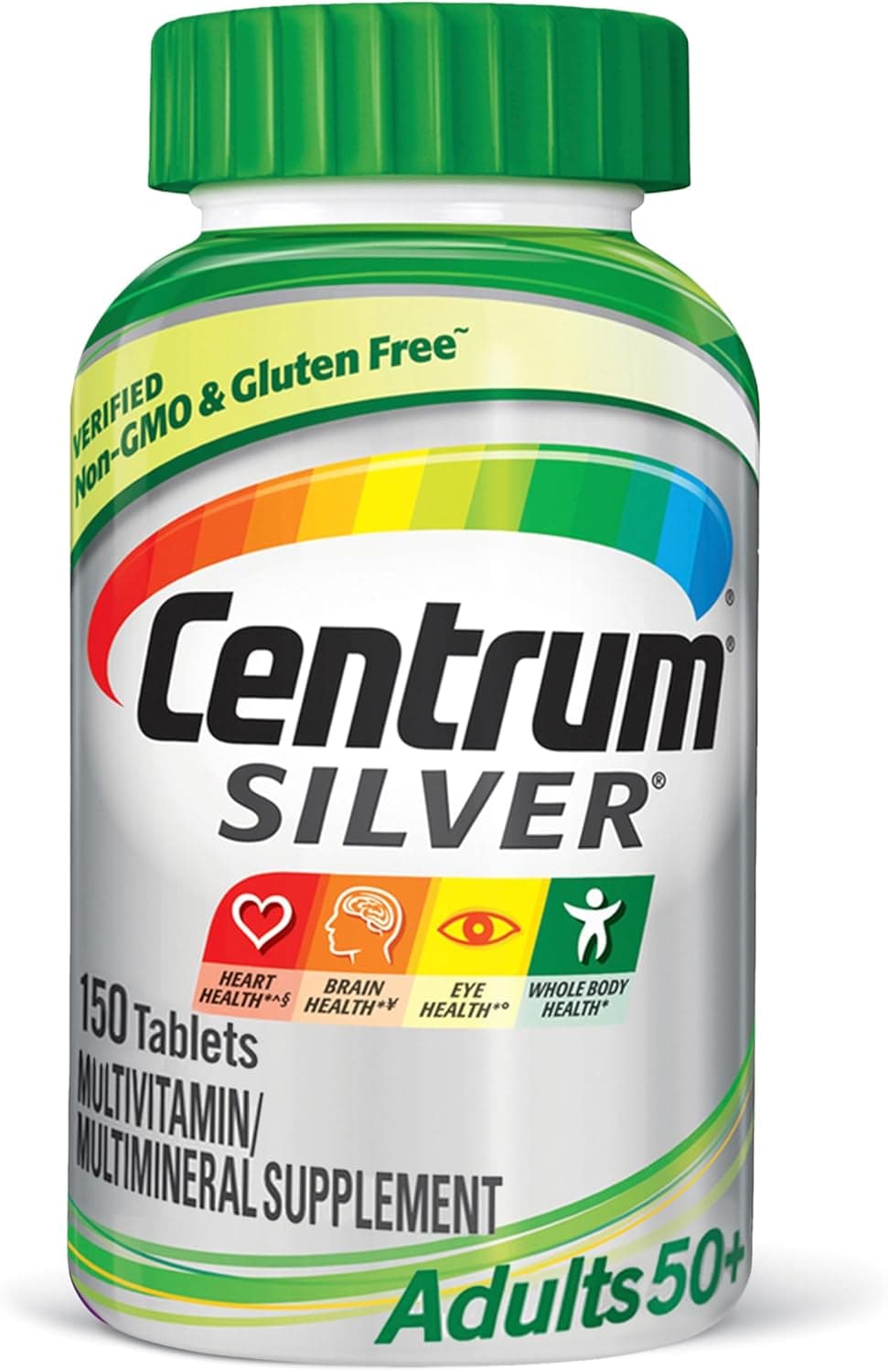
Red 40 Lake.
A synthetic red dye used to color supplement tablets. Purely cosmetic. Colors your tablet red, orange, or pink.
Reviewed March 2026
- Category
- General
- Also filed under
- Visual tablet identification
What Red 40 Lake is, and what it does.
- Does it work
- Purely cosmetic. More debated than other dyes.
- How much to take
- There is no amount for you to take. A manufacturer uses whatever gives an even colour across a batch of coated tablets, and no daily figure sits on our record.
- Time to feel it
- It has no onset, because it is not an active. Its work is done the moment you see the tablet, by making every dose in the bottle look identical.
- The first dose
- Your tablet is red. The pigment sits in the coating rather than dissolving, so it does not bleed into the tablet core or into a drink.
- With regular use
- Across a shelf life it keeps a batch looking uniform, which is how a colourant earns its place in a formula. It carries no nutritional function of its own.
- How well tolerated
- FDA-approved. Under ongoing review. EU requires warning labels.
- How it feels
- Nothing on the palate, since it is insoluble and adds no taste. What it changes is what the tablet looks like in your hand.
The proof, claim by claim.
These words describe the research, not the molecule's worth. Research strength is how much work stands behind one claim, and it is never a product score.
- Well tolerated colorantFDA approval, ongoing reviews
Questions people ask about Red 40 Lake.
- Is Red 40 safe?
- FDA says yes. EU requires warning labels about possible behavioral effects in children.
- Does Red 40 cause hyperactivity?
- Some studies suggest a small subset of children may be sensitive. Evidence is mixed. Supplement amounts are negligible.
- How much is in a supplement?
- Typically less than 1-2 mg per tablet. A can of red soda has 30-40 mg.
- Is the Lake different from regular Red 40?
- Lake form is insoluble. Used for solid tablets. Regular form dissolves in water.
- Can I be allergic?
- Rare but possible. Aspirin-sensitive individuals may be more likely to react.
- Why is it controversial?
- Some studies link high intakes to behavioral effects in children. The debate has been going on for decades.
Why these belong in the same formula. Each row says what the basis is, from settled biochemistry through to a trial that measured the pair.
Lake pigments are insoluble particles that scatter as well as absorb light, so they are laid over an opaque white base to give an even colour. Titanium dioxide is the usual base in tablet coatings and confectionery shells. The pairing is a coating convention, not a physiological interaction. Regulatory status for titanium dioxide differs between jurisdictions and is a formulator's check.
An aluminium lake does not dissolve. It has to be dispersed as a suspension of fine particles. Lecithin is a standard wetting and dispersing agent that keeps the pigment from flocculating in fat-based coatings. This is why the two appear on the same ingredient panel. Nothing here concerns absorption or physiology.
Activated charcoal adsorbs small organic molecules non-selectively across a large surface area, including azo dyes. Taken together, charcoal will bind a portion of any colorant released in the gut, which is a cosmetic point rather than a nutritional one. The more relevant caution is that charcoal binds nutrients and medicines in the same non-selective way. This is general adsorption chemistry.
Talk to a doctor before taking Red 40 Lake if any of these apply to you: Synthetic petroleum-derived dye, Some sensitivity in children reported, Under ongoing safety review by some agencies. These are flags to check first, not effects Red 40 Lake is known to cause.
Not medical advice. Show the label to your pharmacist.What Red 40 Lake actually does.
This colorant is made by binding a water-soluble dye onto an aluminum base, which turns it from something that dissolves into an insoluble pigment that just disperses in a product.
This is the lake version of a common food dye, and the same chemical groups that make the plain dye water-soluble are what let it bind to the aluminum base.
This type of dye is large, charged and poorly absorbed from the gut, and gut bacteria break down what does reach the colon into smaller fragments.
Because it doesn't dissolve, this form colors by scattering light for an opaque shade rather than a see-through one, which is why it's chosen for oil-based coatings, tablet films and pressed products.
Where Red 40 Lake comes from.
It is made in a chemical plant from petroleum-derived building blocks, not from anything grown. The red dye is made first, then stuck onto a fine white aluminium hydroxide powder so it becomes a pigment that does not dissolve and does not bleed into whatever it is coating.
Chemically synthesised. The molecule is identical to the one a plant or an animal makes, and building it deliberately means a known purity, a fixed dose and no crop contaminants. For several nutrients this is the only route that reaches a usable amount.
Naphthalene and toluene derivatives are sulfonated and nitrated to give the aminonaphthalenesulfonic acid and the substituted aniline that form the two halves of the dye.
The aromatic amine is converted to a diazonium salt in cold acid with nitrite, then coupled to the naphthalenesulfonate partner. The azo bond formed in this step is what carries the colour.
The crude dye is precipitated with sodium chloride, filtered and washed to strip unreacted intermediates, residual aromatic amines and heavy metals down to specification limits.
The purified soluble dye is combined with an aluminium salt and alkali so that freshly formed aluminium hydroxide precipitates with the dye adsorbed onto it. This is the step that converts a dye into a lake.
Batches are released against a declared pure dye percentage with specified limits on unreacted intermediates, aromatic amines, lead and arsenic, under the certification regime of the relevant regulator.
The filter cake is dried and milled to a fine, consistent particle size, since particle size determines the shade and the evenness of the finished coating.
The forms it comes in.
FDA Disclaimer: These statements have not been evaluated by the Food and Drug Administration. This information is for educational purposes only and is not intended to diagnose, treat, cure, or prevent any disease. Consult your healthcare provider before starting any supplement regimen.