
CalciumWWEIA NHANES 2009 to 2010
About 42% of Americans
take in less calcium than the estimated average requirement.
NHANESCopper is the lead active here, studied most for filling everyday nutrient gaps. Vitamin D3 is the most studied active here, with 20 human studies behind it, each one cited. Each serving carries 1 mg of Copper, inside the range the published research used. Who it fits: skews toward women, adults.
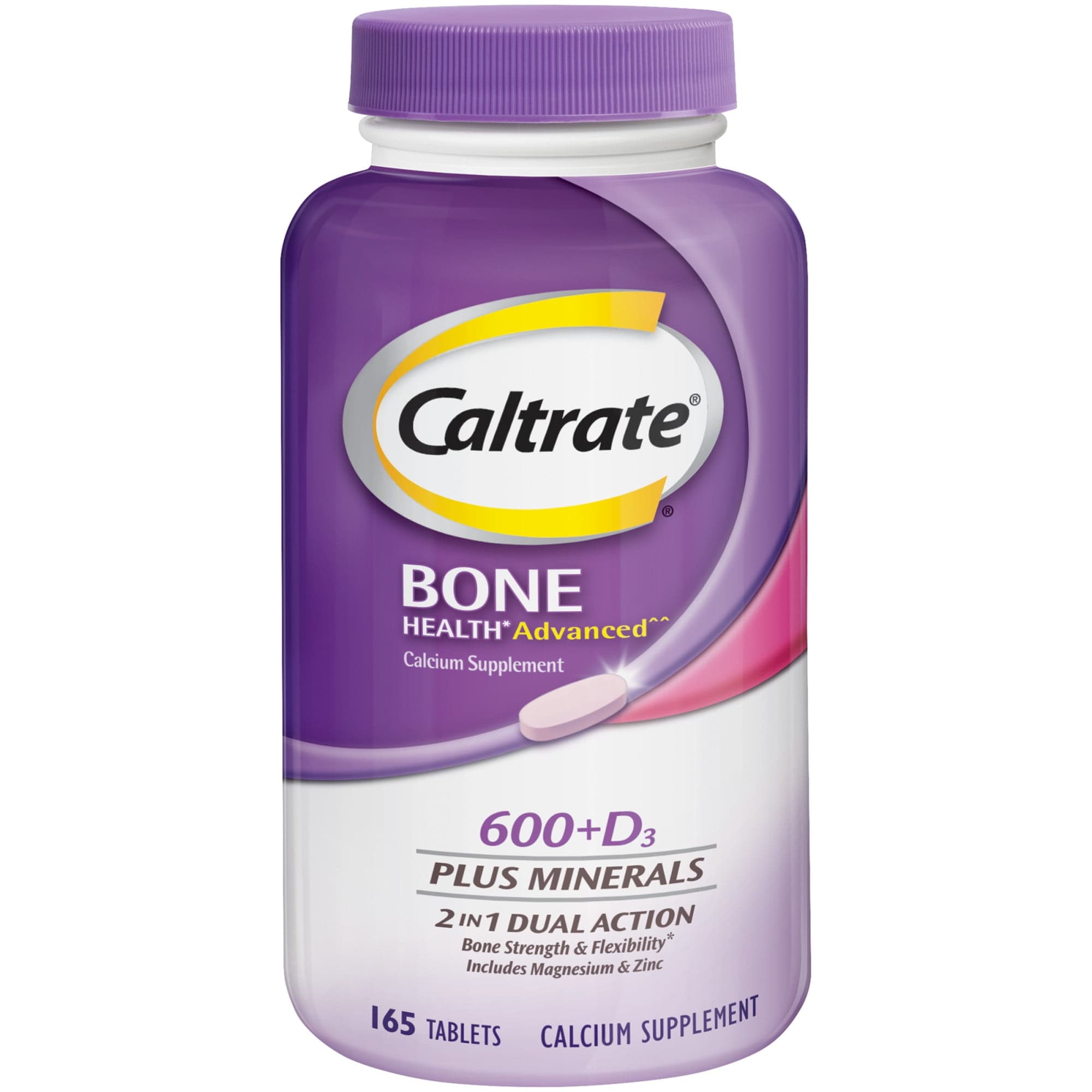 Verified by IngredientMD
The panel on the left is the one we evaluated, line by line.
All 6 actives checked against the clinical evidence: dose, form, and what the research actually shows.
Doses, ratios, and how the ingredients work together. That assessment is the verdict above: "Stronger in a pair".
The verdict is public and identical whether or not a brand pays. A formula that does not clear the bar gets nothing.
Read by the engine against 2.1 million data points from clinical trials, PubMed and more than a hundred vetted sources. No individual reviewer is named or implied.
Cross-checked against 1,145 documented interactions for these actives.
Public health figures the engine matched to this formula's ingredients. Reported by their source, cited and dated, never written by the brand.
About 42% of Americans
take in less calcium than the estimated average requirement.
NHANESAbout 41% of US adults
have blood vitamin D below the level considered sufficient.
Peer-reviewed analysisAbout 48% of Americans
take in less magnesium than recommended from food and drink.
NIH Office of Dietary SupplementsMore than 1 in 3 US adults
regularly sleep less than the recommended seven hours a night.
Peer-reviewed analysis74% of US adults
take dietary supplements, and 55% are regular users, in the Council for Responsible Nutrition's 2023 consumer survey of 3,192 adults.
Council for Responsible Nutrition and Ipsos, 202392% of US supplement users
agree that dietary supplements are essential to maintaining their health, in the Council for Responsible Nutrition's 2023 consumer survey.
Council for Responsible Nutrition and Ipsos, 202312.3% of US adults
met the fruit intake recommendation and 10.0% the vegetable recommendation in 2019, in the Behavioral Risk Factor Surveillance System across 49 states.
CDC, MMWR, 202215% of US adults
aged 20 and over ate no breakfast on the day of their dietary recall, in the 2017 to March 2020 What We Eat in America survey.
USDA Agricultural Research Service, 202457.6%
During 2017 to 2018, 57.6% of US adults aged 20 and over reported using a dietary supplement in the past 30 days.
CDC National Center for Health StatisticsAbout 24% of US girls aged 14 to 18
take in less copper from food and drink than the estimated average requirement.
NHANES60.2% of US adults aged 20 and over
took a dietary supplement in the past 30 days, and 38.7% took two or more, in the 2021 to 2023 National Health and Nutrition Examination Survey.
CDC National Center for Health Statistics, 202659 to 66 days
was the median time it took adults to make a new daily health habit automatic across the studies a 2024 review pooled, with individuals ranging from 4 to 335 days.
Systematic review and meta-analysis, 202461% to 74%
About 61 to 74 percent of adults refilling a long-term medicine on their own stopped within a year, versus 33 to 44 percent on one set pickup day.
Cohort study, 2015Meta-analysis, 2015
Across 51 trials in 12,257 adults over 50, calcium raised bone density by 0.7 to 1.8 percent at all five sites measured, with no further gain after the first year.
BMJRandomised trial, 1994
Over two years, older postmenopausal women taking calcium plus trace minerals including manganese gained about 1.5% spinal bone density, while the placebo group lost about 3.5%.
Journal of NutritionMeta-analysis, 2024
Across 10 trials in 318 athletes, vitamin D3 raised blood vitamin D by about 14.8 nmol/L and hinted at better muscle strength, though few trials leave that uncertain.
Frontiers in NutritionMeta-analysis, 2014
Pooling 30 trials of 5,615 adults, vitamin D gave a small rise in overall muscle strength, with no measurable effect on muscle mass or power.
Journal of Clinical Endocrinology and MetabolismCohort study, 2026
In a large UK Biobank cohort, higher dietary manganese intake was linked to a modestly lower chance of developing high blood sugar over follow-up, an association, not a demonstrated cause.
The journal of nutrition, health & agingMeta-analysis, 2016
Zinc acetate lozenges cut cold symptom length by about 2.7 days, versus a roughly seven day average, across three pooled trials.
British Journal of Clinical PharmacologyMeta-analysis, 2024
Across six trials in 739 women, zinc lowered menstrual discomfort scores, with bigger drops after eight weeks or more, even at doses as low as 7 mg daily.
NutrientsRandomised trial, 2025
Vitamin D3 supplementation changed the inflammatory protein CHI3L1 and oxidative stress markers in adults with a chronic demyelinating condition. These are markers, not clinical outcomes.
Neuropsychopharmacology ReportsMeta-analysis, 2024
Across 20 studies, daily vitamin D3 raised blood vitamin D levels by about 10.4 nmol/L more than the same dose of vitamin D2, roughly 40 percent more.
Advances in NutritionMeta-analysis, 2016
Across 18 double-blind trials, oral magnesium lowered fasting blood sugar in adults whose blood sugar ran high, and improved 2-hour glucose tolerance readings in adults at raised risk, at a small to moderate effect size with wide variation between trials.
European Journal of Clinical NutritionSystematic review, 2025
Across 23 trials in 1,345 adults with elevated blood sugar, magnesium raised blood magnesium, lowered fasting blood sugar by about 0.58 mmol/L, and only slightly moved longer-term blood sugar control.
Sultan Qaboos University Medical JournalRandomised trial, 2024
In 150 adults after weight-loss surgery, calcium citrate gave slightly higher exposure over 8 hours than calcium carbonate in a crossover comparison, 76.1 versus 74.7 mg per dL per hour.
The paperMeta-analysis, 2012
In trials directly comparing the two forms, vitamin D3 raised blood 25-hydroxyvitamin D more than vitamin D2 did (P = 0.001).
American Journal of Clinical NutritionSystematic review, 2021
In people with normal blood pressure, calcium lowered the top number by about 1.4 mmHg and the bottom by about 1.5 mmHg across trials, with a bigger effect under 35.
Cochrane Database of Systematic ReviewsMeta-analysis, 2025
Across four trials in women of reproductive age, zinc lowered premenstrual symptom scores, with the biggest gain in mood and a smaller, less certain gain in physical symptoms.
Women and HealthMeta-analysis, 2025
Pooling randomised trials, magnesium supplementation lowered systolic blood pressure by a small amount, with the clearest shifts in adults whose readings started elevated.
The paperRandomised controlled trial, 2012
In adults given 2 mg of copper a day for 8 weeks, activity of the copper-dependent antioxidant enzyme superoxide dismutase and of ceruloplasmin rose, while cholesterol and other cardiovascular markers did not change.
MetabolismNarrative review, 2018
Copper helps the body build hemoglobin and use iron, and the low blood counts that come with a copper shortfall return to normal once copper is replaced, over about 4 to 12 weeks.
Annals of HematologySystematic review, 2025
Across studies in adults with clustered metabolic risk factors, longer-term magnesium intake was associated with lower levels of the blood marker C-reactive protein, a marker rather than an outcome.
Frontiers in nutritionMeta-analysis, 2014
Across 23 trials of 4,082 adults, vitamin D raised bone mineral density at the femoral neck by about 0.8%, with no measurable change at the spine, hip, or other sites.
LancetMeta-analysis, 2026
Pooling randomised trials in adults, zinc had a small effect on body weight and waist circumference and no detectable effect on body mass index, fat mass, fat-free mass or adipokine levels, and the authors call the size of the changes minor.
Biological Trace Element ResearchMeta-analysis, 2021
Pooling randomised trials in adults, copper supplementation produced no detectable change in total or LDL cholesterol, which is a failure to detect a difference rather than evidence that none exists.
Biological Trace Element ResearchMeta-analysis, 2011
Across 36 studies in children under five, zinc modestly increased height growth, adding roughly 0.37 cm at about 10 mg a day for 24 weeks.
BMC Public HealthSystematic review, 2026
A reanalysis of six multinational datasets found a lower zinc to copper ratio in the children studied, an association between two measured mineral levels, not a demonstrated effect of either.
BiometalsSystematic review, 2026
A review found differences in measured zinc, iron and copper levels between groups of children and teens, an association in status markers, not proof copper intake caused it.
NutrientsSystematic review and meta-analysis, 2016
In children older than six months, zinc may shorten a bout of diarrhea by about half a day across nine trials, on low certainty evidence.
Cochrane Database of Systematic ReviewsRandomised trial, 2026
A pilot randomised controlled trial of oral calcium carbonate and its effect on uterine contractility. Pilot trials are sized to test feasibility rather than to establish an effect.
Journal of Obstetrics and GynaecologyRandomised trial, 2026
A randomised controlled pilot study of oral calcium carbonate given alongside an oxytocin infusion during labour induction, reported as a pilot rather than a definitive trial.
American Journal of Obstetrics and Gynecology MFMRandomised trial, 2026
In adolescents taking long-term antiviral medication, high-dose vitamin D with calcium carbonate showed no detectable gain in bone mineral density over placebo, which is a failure to detect a difference rather than proof of none.
The Lancet. Child & adolescent healthSystematic review and meta-analysis of observational studies, 2025
Pooling observational studies, higher dietary copper intake was associated with slightly higher lumbar spine bone mineral density (mean difference 0.02 g/cm2), while the hip difference was not statistically significant.
Calcified Tissue InternationalRandomised trial, 2021
In 90 adults with long-standing infrequent bowel movements, 1.5 g of magnesium oxide daily for 28 days improved symptoms in 68.3% versus 11.7% on placebo, with no severe events.
The American Journal of GastroenterologyControlled clinical trial, 1993
In healthy women on a controlled diet, a lower manganese intake (1.0 versus 5.6 mg a day) raised premenstrual mood and pain symptom scores.
American Journal of Obstetrics and GynecologyMeta-analysis, 2016
Pooling 34 double-blind trials in 2,028 adults, magnesium at a median 368 mg a day for about 3 months lowered systolic blood pressure by about 2.0 mmHg and diastolic by about 1.8 mmHg on average.
The paperControlled clinical trial, 1992
Taking 15 mg of manganese a day for 124 days raised the activity of the antioxidant enzyme manganese-dependent superoxide dismutase in women's lymphocytes above their starting levels.
American Journal of Clinical NutritionPopulation figures from public health data. Context for the category, not a statement about any individual and not a claim about this product.
Each line below was derived from this formula's own record at the time of verification. Nothing here was written by the brand, and nothing can be added that the evidence does not carry.
One pairing in this formula has been studied as a combination in human trials. Each finding below is what a named study measured, cited and dated, never written by the brand.
In a 12-month randomised, double-blind trial, 98 adults aged 50 and over drank a litre a day of either a naturally calcium- and magnesium-rich mineral water or a low-mineral water. The mineral-rich group had fewer falls at the 6-month assessment and higher appendicular muscle mass, with the minerals delivered as drinking water rather than a capsule.
Research strength. Research strength says how much work stands behind the combination. It is never a product score.
Fail closed. Where actives were studied on their own rather than together, each shows on its own evidence, never a combined effect no trial measured.
Independent record. Every finding is cited to a named trial, dated, and never written by the brand.
Findings from trials that studied these actives as a combination. Context for how the actives were tested together, not a statement about any individual and not a claim about this product.
Time-to-effect windows the engine read from the trial record. Each is a window a named study measured, cited and dated, never written by the brand.
A randomised cross-over trial in ten women of mean age 69 gave a single 500 mg dose of calcium as citrate fasting, citrate with a meal, fortified juice or a dairy product meal, with blood drawn before and at 1, 2, 4 and 6 hours. Serum ionised and total calcium increased significantly from baseline over six hours, with the rise similar after fortified juice, delayed when citrate was taken with a meal and smaller after the dairy meal. A separate double-blind cross-over trial in 25 postmenopausal women measured parathyroid hormone and a bone resorption marker 12 hours after a single calcium dose. Ten participants is a small sample, and what moved was blood chemistry, not a sensation.
In the trial record, blood vitamin D rises for about 3 months of daily vitamin D3 and then holds at a plateau, near 69 nmol/L at 1,000 IU a day, from a starting level near 41 nmol/L.
In an 8 week pilot with a parallel placebo group, 8 young women taking 2 mg of copper a day as copper glycinate showed a 9 percent mean rise in serum ceruloplasmin and a 75 percent rise in diamine oxidase, alongside a 39 percent fall in plasma F2-alpha isoprostanes. Erythrocyte copper-zinc superoxide dismutase did not change. In a separate 4 week double-blind crossover in 20 men with moderately high cholesterol at the same 2 mg a day, copper moved no measure across the whole group and raised superoxide dismutase and diamine oxidase only in the 10 men who started below the median. Both are small and both measured enzymes in blood, not a symptom.
Windows measured in the cited trials. Context for how the active behaves over time, not a statement about any individual and not a claim about this product.
Six ingredients, from each one's own page.
Two clocks. The reaction with stomach acid happens within minutes. The bone contribution is slow and reads on a scan over months, not as a sensation.
25-hydroxyvitamin D climbs over roughly six to twelve weeks of daily dosing before it plateaus. It's a blood level you watch rather than a feeling.
Bowel effects can show within hours at larger single amounts. Moving blood and tissue magnesium takes weeks, and that part shows on a panel rather than as a feeling.
Zinc status moves over roughly three to four weeks of daily intake, and it shows up on a blood panel rather than as a same-day sensation.
The enzymes that need copper get their supply within days. The change shows on a blood panel rather than in how you feel, and any felt difference takes weeks.
There's no acute effect to time. Where intake has been low, enzyme activity responds over weeks, and it reads on a laboratory measure rather than in how you feel.
How each ingredient usually behaves over time, from its own page on IngredientMD. General timing for the ingredient, not a measurement of this product.
What each form is, and where it fits in a formula. Measured findings carry the study that reported them.
Calcium carbonate is the calcium salt of carbonic acid, an alkaline white powder that is poorly soluble in water and goes into solution in acid. It carries 40 percent elemental calcium by weight, so 1250 mg of the salt supplies 500 mg of calcium.
In a randomised four-period, three-way crossover in 24 vitamin D replete postmenopausal women, marketed calcium carbonate, encapsulated calcium carbonate and marketed calcium citrate produced identical 24-hour time courses for the increment in total serum calcium, with no significant between-product difference in serum iPTH suppression. An earlier meta-analysis of 15 studies in 184 subjects reported calcium absorption from citrate higher than from carbonate by 20.0% across the whole set, 27.2% on an empty stomach and 21.6% with meals, so the two bodies of evidence do not agree. Carbonate is 40% elemental calcium by weight. In a randomised double-blind crossover in 27 healthy women, 500 mg/day of calcium as carbonate did not change stool frequency or Bristol Stool Form Scale scores.
The animal-sourced form of vitamin D, made in skin under UVB light and produced commercially from lanolin. Fat-soluble, so it travels with dietary fat and is stored in body fat.
In a 12-week double-blind randomised controlled trial in 108 young women in urban Bangalore, most of whom began vitamin D-deficient, daily vitamin D3 at 400, 600 or 800 IU in a fortified wafer raised serum 25-hydroxyvitamin D, parathyroid hormone fell over time, and effects on bone-turnover markers were modest and not dose specific. The 800 IU dose brought 65 percent of participants to sufficiency.
Magnesium bound to oxygen. About 60 per cent of the molecule by weight is elemental magnesium, which is the highest share of the common forms and follows from the molecular weight rather than from any trial.
An insoluble inorganic oxide, roughly 80 percent zinc by weight, so a small physical amount carries a large amount of elemental zinc.
Descriptions of the form itself, read from the cited studies. Not a comparison between products and not a statement about any individual.
It is a tablet, so the amount per serving is fixed and it stores well.
Put an earned verification on your own product page.
These statements have not been evaluated by the Food and Drug Administration. This product is not intended to diagnose, treat, cure, or prevent any disease. This record is not medical advice. Always consult your healthcare provider before starting any supplement regimen.