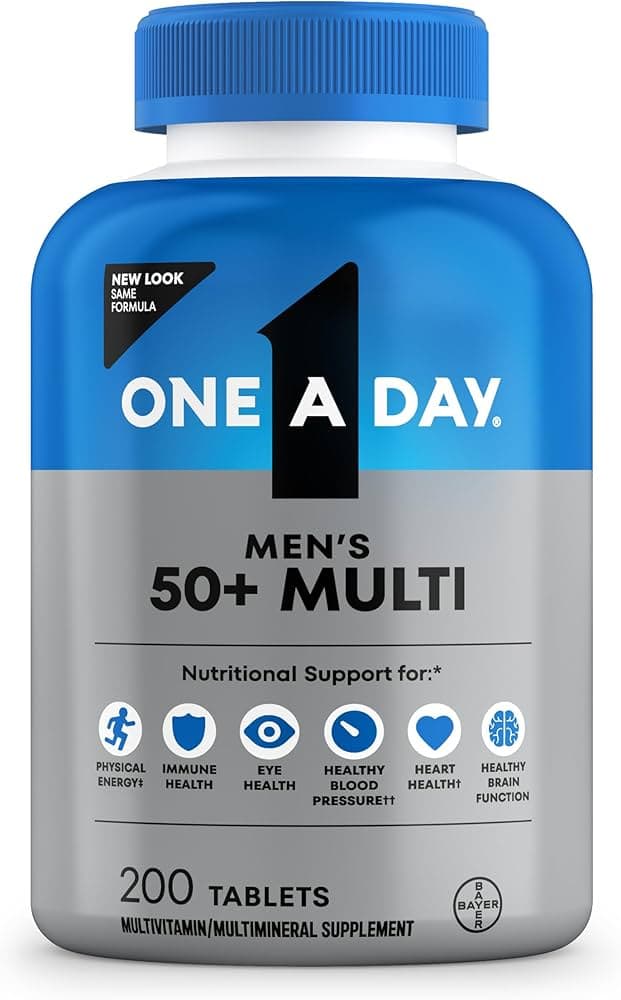
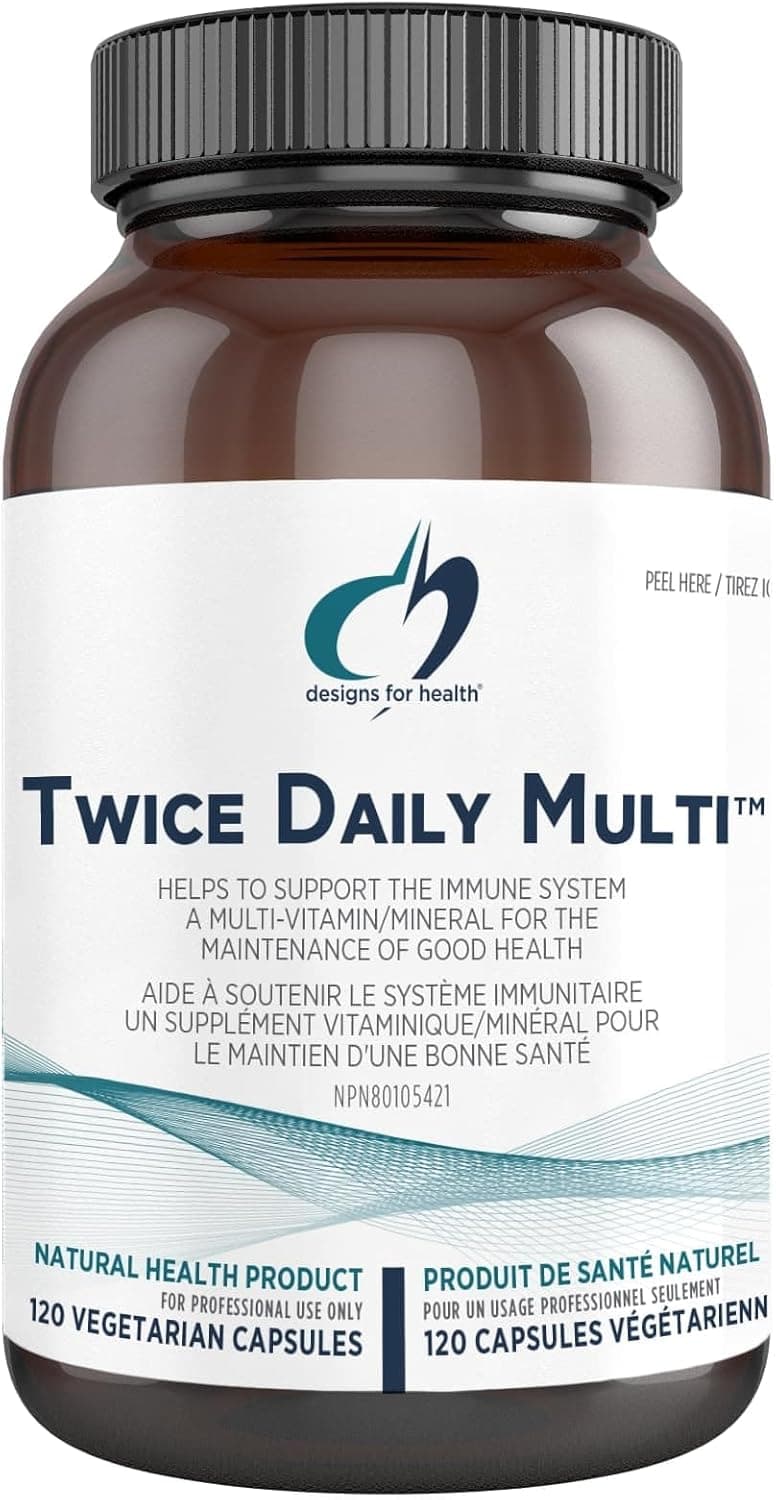
Zinc Oxide.
Sunscreen zinc. Poor oral absorption. A white zinc powder that supplies elemental zinc for normal immune function, skin repair and hundreds of enzymes. It needs stomach acid to dissolve before your gut takes it up.
Reviewed March 2026
- Category
- Mineral
- Also filed under
- SunscreenTopical healing
What Zinc Oxide is, and what it does.
- Does it work
- It suits people who want a compact, high-percentage zinc in a daily formula and take it with food. If you use acid-reducing medicine, mention it to your pharmacist.
- How much to take
- Start with 10 to 30mg of elemental zinc a day, with a meal so stomach acid can dissolve it. The 50mg used in trials is a research condition, not a daily target.
- Time to feel it
- Zinc status moves over roughly three to four weeks of daily intake, and it shows up on a blood panel rather than as a same-day sensation.
- The first dose
- Day one is quiet. It dissolves in stomach acid and joins the body's zinc pool. With a meal it sits easily. On an empty stomach it can turn the stomach.
- With regular use
- Weeks of daily use move zinc status, which reads on a blood panel, and support normal skin repair and immune function. Long-term formulas usually balance it with copper.
- How well tolerated
- It sits well with a meal and can unsettle the stomach without one. Sustained high intakes lower copper uptake, so check with a clinician if you're pregnant or on medication.
- How it feels
- The experience is quiet. What changes shows up in skin repair, immune cell function and a zinc reading rather than in a feeling you can point to.
- The overlooked benefit
- Because it needs gastric acid to dissolve, taking it with a meal that gets the stomach working, rather than alongside an antacid, is what decides how much zinc you take up.
8 to 15mg a day is where Zinc Oxide works.
Source: NIH ODS + Prasad 2008 zinc review
The proof, claim by claim.
These words describe the research, not the molecule's worth. Research strength is how much work stands behind one claim, and it is never a product score.
Based on 10 human trials with 40% consistency.
- Zinc status where dietary intake is lowMeta-analysis
- Normal immune functionNarrative review
- Relative absorption against other zinc saltsRandomised trial
- Skin barrier support in topical useRandomised trial
- Normal skin repairRandomised trial
Questions people ask about Zinc Oxide.
- Does it work at all?
- Yes, if you take enough. You just absorb maybe 50-60% of what you would from better forms.
- Is it good for anything?
- Excellent for sunscreen. Good for diaper rash. Just not ideal for oral supplementation.
- What should I use instead?
- Zinc picolinate, glycinate, monomethionine, or citrate all absorb better.
Why these belong in the same formula. Each row says what the basis is, from settled biochemistry through to a trial that measured the pair.
Zinc oxide is water insoluble and must be dissolved by gastric acid before the ion is available for uptake, so low stomach acidity lowers its absorption more than it does soluble salts. Supplemental acid raises the dissolved fraction.
Calcium carbonate consumes gastric acid as it dissolves, which is the same acid zinc oxide depends on to become ionic, and calcium then competes for divalent uptake. The pairing works against zinc oxide on two counts.
Whatever zinc oxide dissolves and absorbs still induces intestinal metallothionein and lowers copper status over sustained use. Long-term zinc dosing is balanced with copper.
The dissolved zinc fraction competes with non-heme iron for divalent transport at the brush border. Separating the doses keeps both available.
Once gastric acid frees the zinc ion, phytate in the meal can bind it into an unabsorbable complex. Phytase hydrolyses that phytate and preserves the small absorbable fraction.
Histidine coordinates the zinc ion released in the stomach and keeps it soluble as pH rises in the duodenum, where oxide-derived zinc would otherwise re-precipitate. Ligand supply matters most for poorly soluble forms.
Zinc is required for retinol-binding protein synthesis and retinol dehydrogenase, so vitamin A mobilisation depends on zinc status. This holds regardless of which zinc form supplies it.
Zinc-dependent superoxide dismutase and selenium-dependent glutathione peroxidase act one after the other on the same reactive species. Both are needed for the sequence.
Calcium lowers fractional zinc absorption by competing for divalent uptake and by forming insoluble complexes with phytate. Dose separation is the standard answer.
Divalent minerals given together in large single doses compete for the same intestinal uptake capacity, and fractional zinc uptake falls as the total divalent load rises. The effect is dose dependent rather than absolute, so ordinary food level amounts matter far less than a large bolus of both at once. Splitting the two across the day is common formulation practice.
Manganese and zinc both move through divalent metal transporters in the upper small intestine, so a high manganese load can reduce zinc uptake and the same is true in the other direction. Formulators usually keep the two at conservative ratios for this reason. The interaction is about uptake efficiency, not about either mineral being unavailable.
Supplemental inorganic iron taken in the same dose as zinc lowers zinc uptake, and the interaction is strongest when both are taken on an empty stomach in solution. Iron given with food shows much less of it. Separating the two doses by several hours is the usual way products handle it.
Tannins carry many phenolic hydroxyl groups that bind divalent zinc into complexes the gut does not absorb well. Strong tea, some botanical extracts and tannin rich foods taken with a zinc dose reduce how much zinc is taken up. This is a chemistry of the meal rather than a property of zinc oxide itself.
Zinc oxide is poorly soluble in water and depends on gastric acid to release free zinc ions before absorption can happen. Raising gastric pH with an alkalinising agent slows that dissolution step. Products that pair zinc oxide with buffering agents usually separate them in time.
Sulphur containing amino acids form soluble coordination complexes with zinc that keep the ion available at intestinal pH rather than precipitating as hydroxide or phytate salts. Amino acid ligands are the basis for chelated zinc raw materials generally. The mechanism is well described in chemistry terms. Head to head human uptake comparisons against zinc oxide are limited.
Methionine binds zinc through its carboxyl and amino groups, which is the chemistry behind zinc monomethionine raw materials. Free methionine present in the same dose can keep some zinc in a soluble complex. Read it as mechanistic rather than as a demonstrated increase in human zinc status.
Folic acid can form complexes with zinc in the gut lumen, and high supplemental folate has been examined as a factor lowering zinc uptake. Reports are mixed and the size of the effect at usual supplement amounts is unsettled. Where both are in one formula, spacing or a modest folate amount is the practical response.
Ascorbic acid lowers the local pH of a dissolving dose and can hold zinc as a soluble ascorbate complex, which helps a poorly soluble oxide release ions. That is chemistry rather than a measured rise in zinc status in people. The pairing is common in immune formulas for reasons that are mostly formulation habit.
Fermentable fibres acidify the colonic lumen and increase mineral solubility, an effect measured mainly for calcium and magnesium. Extension to zinc is plausible on the same chemistry but is not well demonstrated in people. Count it as a mechanistic possibility, not an absorption claim.
Casein phosphopeptides bind divalent minerals and keep them soluble in the distal small intestine, which is why they appear in mineral delivery work. The same phosphate rich sequences can also hold zinc in complexes that limit release. The direction of the net effect depends on the peptide fraction and the mineral load.
Lactoferrin is a metal binding glycoprotein with high affinity for iron and measurable affinity for other divalent metals including zinc. Binding can either carry a mineral through the gut or hold it away from uptake depending on saturation. Human data for the zinc side of this is thin.
The reduced dithiol form of lipoic acid coordinates divalent metals, so a large lipoic acid dose taken with zinc can bind some of it in the gut. The interaction is described chemically rather than measured as a change in zinc status. Spacing the two doses is the simple response.
Quercetin acts as a zinc ionophore in cell culture, carrying zinc ions across membranes that zinc alone crosses slowly. That is an in vitro observation in cultured cells, not a demonstration of higher tissue zinc in people. Read it as mechanistic background to a common pairing.
Catechins carry galloyl and catechol groups that bind divalent metals, and the same chemistry that makes them iron binders applies in part to zinc. Taking a concentrated catechin extract in the same dose as zinc oxide can lower how much zinc is released and absorbed. The magnitude in people has not been well quantified.
Talk to a doctor before taking Zinc Oxide if any of these apply to you: poor absorption. These are flags to check first, not effects Zinc Oxide is known to cause.
Not medical advice. Show the label to your pharmacist.What Zinc Oxide actually does.
Zinc helps run hundreds of enzymes in your body, acting as a structural or catalytic partner for reactions from digestion to detox.
Zinc holds certain proteins in the shape they need to grip DNA, which is why having enough of it touches so many cell processes at once.
One of your cells' normal antioxidant enzymes needs a zinc ion and a copper ion to work, so zinc is built into that defense system.
Zinc oxide barely dissolves in water on its own. Stomach acid has to break it down into free zinc ions before your gut can absorb it, so stomach acidity is part of the absorption step.
Where Zinc Oxide comes from.
It starts as zinc metal or zinc ore, gets heated until the zinc turns to vapour, and the vapour is burned in air to make a fine white powder. The powder is then tested for purity and milled to the size the formula needs.
From a mineral source, then refined and usually bound to a carrier so the body can take it up.
Refined zinc metal for the indirect route, or roasted sphalerite concentrate for the direct route. Recycled zinc from galvanising residues also feeds the indirect route.
In the indirect route zinc metal is boiled and the vapour is burned in air, forming zinc oxide particles that are collected from the gas stream. In the direct route the ore is reduced with carbon and the zinc vapour is oxidised in the same furnace.
Particles are collected in bag houses and classified. Pharmaceutical and food grade material is controlled for lead, cadmium and arsenic, which is the main quality variable between grades.
Material is assayed against a pharmacopoeial monograph for zinc oxide content and heavy metal limits before it is released for supplement or topical use.
Milled to a target particle size, sometimes granulated with a binder for tabletting, then blended to the declared elemental zinc content.
Getting Zinc Oxide from food.
The whole-food sources on file. A supplement closes the gap, it does not replace dinner.
A gram-for-gram figure (how much of each you would eat to match a dose) will appear here once it is sourced and reviewed. This page will not print a number it cannot cite.
Zinc Oxide is a form of Zinc.
Zinc Oxide is the oxide form of Zinc. Same mineral, bound to a different partner, so absorption and feel differ from form to form.
See the other 13 forms
The essence, in one line each.
- Dietary porous zinc oxide was reported to improve growth measures and intestinal tight junction protein expression relative to control feeding.Animal study. Peng P et al., 2020 (Journal of Nutritional Science and Vitaminology). PMID 32863303 ↗
- Nano scale zinc oxide in the diet was associated with changes in jejunum morphology and intestinal microbial composition alongside growth measures.Animal study. He F et al., 2026 (Frontiers in Microbiology). PMID 42495146 ↗
- Nano zinc oxide supplementation was reported to affect milk yield, rumen fermentation measures and nutrient digestibility in lactating ruminants.Animal study. Zarghami A et al., 2025 (Frontiers in Veterinary Science). PMID 41346805 ↗
- Micro sized and nano sized zinc oxide were compared head to head as zinc sources in animals made zinc deficient, with particle size affecting the measured response.Animal study. Yoon JS et al., 2023 (Journal of Veterinary Science). PMID 36560835 ↗
- Dietary nano zinc oxide was associated with changes in meat quality measures, antioxidant markers and caecal microbial composition.Animal study. Chen S et al., 2023 (Foods). PMID 37174423 ↗
- Graded dietary zinc oxide amounts were examined against egg quality, serum indices and production measures, with responses varying by inclusion level.Animal study. Abd El-Hack ME et al., 2020 (Tropical Animal Health and Production). PMID 31392552 ↗
- Zinc oxide nanoparticle supplementation during the transition period was assessed against production and blood measures in ewes.Animal study. Pinchao WHP et al., 2026 (Tropical Animal Health and Production). PMID 42295518 ↗
- Different zinc sources and inclusion levels were compared for growth performance and antioxidant status, so the paper speaks to source form rather than to zinc oxide alone.Animal study. Hashemzaei M et al., 2026 (Tropical Animal Health and Production). PMID 42043613 ↗
These are the studies our verdict leans on, chosen from the 8 we read for Zinc Oxide. The full linked list is below.
The studies, linked.
3 sources behind our Zinc Oxide verdict: peer-reviewed studies and registered clinical trials. Every one links straight to PubMed, the journal, or ClinicalTrials.gov. Read them yourself.
- Clinical trialClinical and Radiographic Evaluation of Zinc Oxide-Ozonated Oil as a New Root Canal Filling Material for Primary MolarsClinicalTrials.gov ↗90 participants, Completed
- Clinical trialZinc Absorption From Zinc Supplements Comparing Zinc Citrate to Zinc Gluconate and Zinc Oxide in Young AdultsClinicalTrials.gov ↗15 participants, Completed
- Clinical trialClinical and Radiographic Evaluation of Zinc Oxide-Propolis Mixture Versus Modified Triple Antibiotic Paste in Lesion Sterilization and Tissue Repair (LSTR) for the Treatment of Necrotic Primary Molars: A Randomized Clinical TrialClinicalTrials.gov ↗40 participants, Unknown
Evidence surfaced via Semantic Scholar (Allen Institute for AI) and ClinicalTrials.gov. Ranked by study type and citation weight, not cherry-picked.
Problems people have reported.
Read this carefully. These are 883,913 voluntary, unverified reactions reported to the FDA (openFDA). The number mostly reflects how popular Zinc Oxide is, not how risky it is. A report is not proof Zinc Oxide caused anything. It is a signal of what to watch for, nothing more.
Source: openFDA adverse-event reports. Voluntary reporting, not an incidence rate.
FDA Disclaimer: These statements have not been evaluated by the Food and Drug Administration. This information is for educational purposes only and is not intended to diagnose, treat, cure, or prevent any disease. Consult your healthcare provider before starting any supplement regimen.