
The people it speaks toFieldwork 2020
31.0% of US adults
aged 18 and over met the muscle strengthening physical activity guideline in 2020, in the National Health Interview Survey.
CDC National Center for Health Statistics, 2022Turmeric Extract is the lead active here, studied most for a healthy inflammatory response. Organic Ginger Powder is the most studied active here, with 20 human studies behind it, each one cited. Who it fits: for everyone, adults.
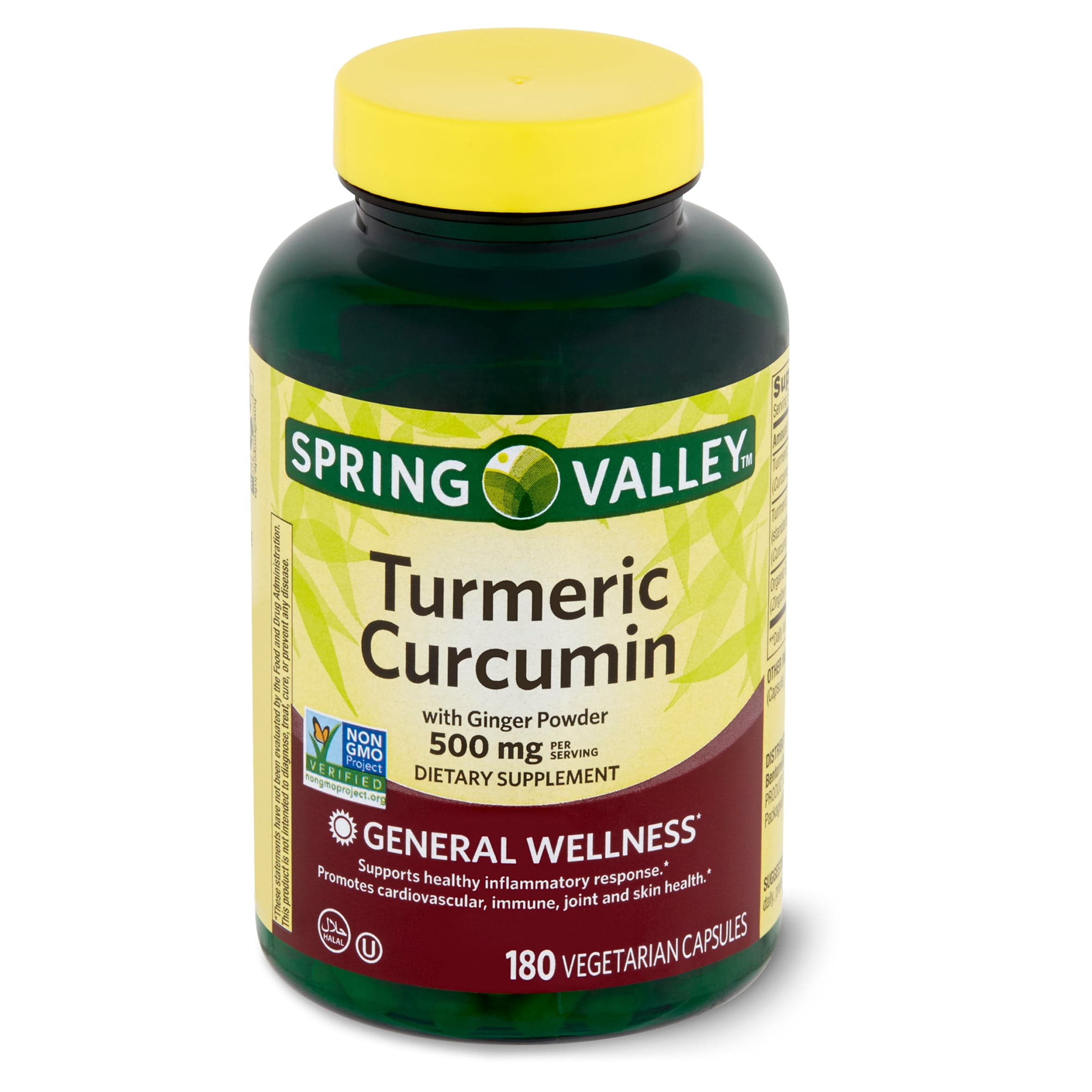 Verified by IngredientMD
The panel on the left is the one we evaluated, line by line.
All 3 actives checked against the clinical evidence: dose, form, and what the research actually shows.
Doses, ratios, and how the ingredients work together. That assessment is the verdict above: "Backed by human trials".
The verdict is public and identical whether or not a brand pays. A formula that does not clear the bar gets nothing.
Read by the engine against 2.1 million data points from clinical trials, PubMed and more than a hundred vetted sources. No individual reviewer is named or implied.
Cross-checked against 72 documented interactions for these actives.
Public health figures the engine matched to this formula's ingredients. Reported by their source, cited and dated, never written by the brand.
31.0% of US adults
aged 18 and over met the muscle strengthening physical activity guideline in 2020, in the National Health Interview Survey.
CDC National Center for Health Statistics, 202250.3% of US adults
reported frequently exercising in 2020, in the Medical Expenditure Panel Survey, a nationally representative survey of the US civilian noninstitutionalized population.
Agency for Healthcare Research and Quality, Medical Expenditure Panel Survey, 202356% of US adults
said they exercise or play sports at least once weekly by May 2024, up from 45% in January 2023, in Morning Consult survey tracking.
Morning Consult, 202430.5% of US adults
slept less than 7 hours on average in a 24 hour period in 2024, in the National Health Interview Survey.
CDC National Center for Health Statistics, 202657.6%
During 2017 to 2018, 57.6% of US adults aged 20 and over reported using a dietary supplement in the past 30 days.
CDC National Center for Health Statistics13.5% of US adults
aged 18 and over felt very tired or exhausted most days or every day over the past 3 months in 2022, in the National Health Interview Survey, with the share higher among women in every age group.
CDC National Center for Health Statistics, 202359 to 66 days
was the median time it took adults to make a new daily health habit automatic across the studies a 2024 review pooled, with individuals ranging from 4 to 335 days.
Systematic review and meta-analysis, 202461% to 74%
About 61 to 74 percent of adults refilling a long-term medicine on their own stopped within a year, versus 33 to 44 percent on one set pickup day.
Cohort study, 2015Meta-analysis, 2022
Pooling 10 trials in people doing muscle-damaging exercise, curcumin lowered creatine kinase by about 66 IU/L, reduced soreness ratings, and widened joint range of motion by about 6.5 degrees.
Phytotherapy ResearchRandomised trial, 2020
Runners taking turmeric extract around a half marathon showed lower markers of inflammation and muscle damage in the days after the race than those on placebo.
European journal of applied physiologyMeta-analysis, 2025
In adults with raised blood sugar, turmeric or curcumin supplementation was associated with small reductions in body weight, body mass index and waist circumference.
The paperMeta-analysis, 2023
Across 66 randomised trials, turmeric and curcumin lowered C-reactive protein by about 0.58 mg/L and interleukin-6 by about 1.31 pg/mL, while no change was detected in interleukin-1 beta.
CytokineMeta-analysis, 2024
Across 103 randomised trials in 7,216 people, curcumin shifted 23 of 42 measured outcomes, with the highest certainty for fasting blood sugar, C-reactive protein, HDL cholesterol and body weight.
Phytotherapy ResearchSystematic review, 2026
A systematic review of ginger family interventions, turmeric included, found small and inconsistent effects on memory and other cognitive measures in adults.
Frontiers in nutritionPopulation figures from public health data. Context for the category, not a statement about any individual and not a claim about this product.
Each line below was derived from this formula's own record at the time of verification. Nothing here was written by the brand, and nothing can be added that the evidence does not carry.
Time-to-effect windows the engine read from the trial record. Each is a window a named study measured, cited and dated, never written by the brand.
A meta-analysis of randomised trials pooled nine trials for C reactive protein and 23 for high sensitivity C reactive protein in proinflammatory conditions. Pooled CRP fell by a weighted mean of 3.67 mg/L against placebo, and the subgroup analysis placed that fall in interventions running longer than ten weeks, with the high sensitivity CRP effect appearing in trials of ten weeks or less and at doses at or under 1,000 mg a day. An earlier meta-analysis of 19 trials in chronic inflammatory disease, with follow up of 4 to 16 weeks, found no significant change in CRP, hsCRP, IL-6 or TNF alpha. Heterogeneity was high across both reviews, and the measure is a blood marker rather than a symptom.
Two double blind, placebo controlled, randomised experiments with 34 and 40 volunteers gave 2 g of raw or heat treated ginger daily for 11 consecutive days, then induced muscle pain with 18 eccentric elbow flexor actions. Pain 24 hours after the exercise was 25 percent lower with raw ginger and 23 percent lower with heat treated ginger than with placebo, a modest difference, and effects on arm volume, range of motion and strength were smaller. A separate 5 day protocol in 32 recreational distance runners at 1.425 g a day reported a smaller rise in soreness while jogging after a downhill run, with unclear effects on most other outcomes.
In a randomised, double blind, crossover study, 24 healthy volunteers were studied twice. After an eight hour fast they swallowed three ginger capsules totalling 1200 mg or placebo, then 500 mL of low nutrient soup one hour later, with ultrasound measurement over the following 90 minutes. Gastric half emptying time was 13.1 minutes after ginger against 26.7 minutes after placebo, and antral contractions were more frequent. What was measured was stomach motor function rather than a symptom, and no significant difference in reported gut sensations or appetite was found.
Windows measured in the cited trials. Context for how the active behaves over time, not a statement about any individual and not a claim about this product.
Three ingredients, from each one's own page.
These set the colour and dissolve with the product. They are colour inputs at colour levels, not actives, so there is no onset to wait for.
Before joint comfort or soreness shifts. It builds quietly, and the first fortnight usually reads as not much.
Queasiness eases in roughly 30 to 60 minutes. Soreness and joint comfort measures take longer, generally two to six weeks of daily use.
How each ingredient usually behaves over time, from its own page on IngredientMD. General timing for the ingredient, not a measurement of this product.
It is a capsule, so the amount per serving is fixed and travels without measuring.
Put an earned verification on your own product page.
These statements have not been evaluated by the Food and Drug Administration. This product is not intended to diagnose, treat, cure, or prevent any disease. This record is not medical advice. Always consult your healthcare provider before starting any supplement regimen.